Category Archives: Uncategorized

Friday 9 Oct – Sagrada Familia

Sagrada Familia – Sacred Family.

I’ve heard stories of people going to Cathedrals in Europe – that look generations and generations to build. It’s funny to think of these Medieval people working on their half-built Cathedrals, carrying on a vision of a great church for a 100 year or more. It’s more amazing to actually go to one in the middle of construction, taken nearly 100 years to build, just like they did.
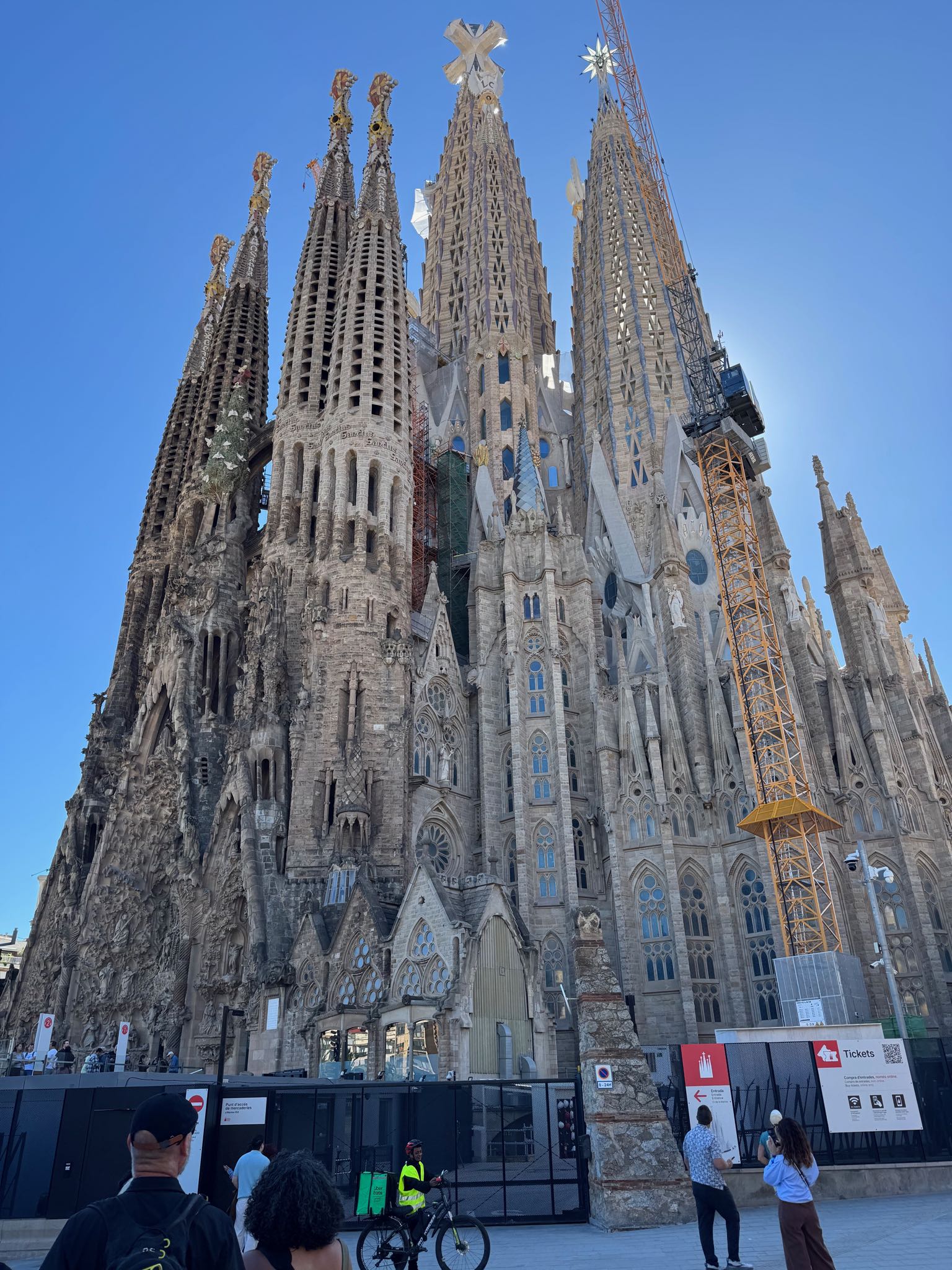
The building has 18 towers – 12 for the disciples. (Divided into four facades – Nativity, Passion and Glory) 4 for the evangelists. (Matthew, Mark, Luke, John). One Tower for Mary and the tallest one for Jesus. (Joseph doesn’t get one.) The tallest tower was Tower was 172.5 metres below a nearby hill (173 metres) to be a human creation less than Gods creation.
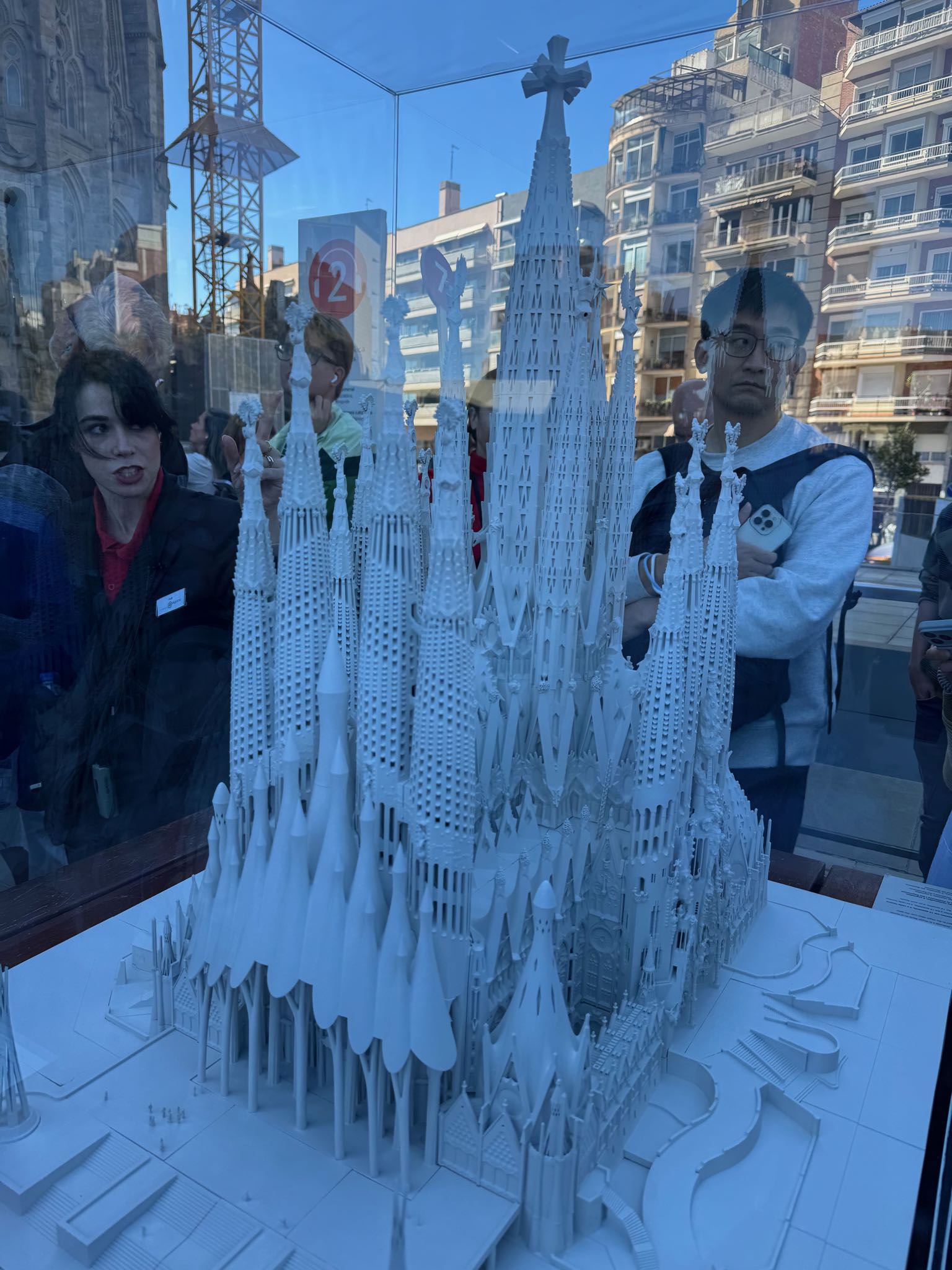
The main entrance doesn’t exist but is under construction. We went in the entrance near the nativity facade. They wanted to encourage future generations to continue building the church, so put lots of work into “continuing the vision.”

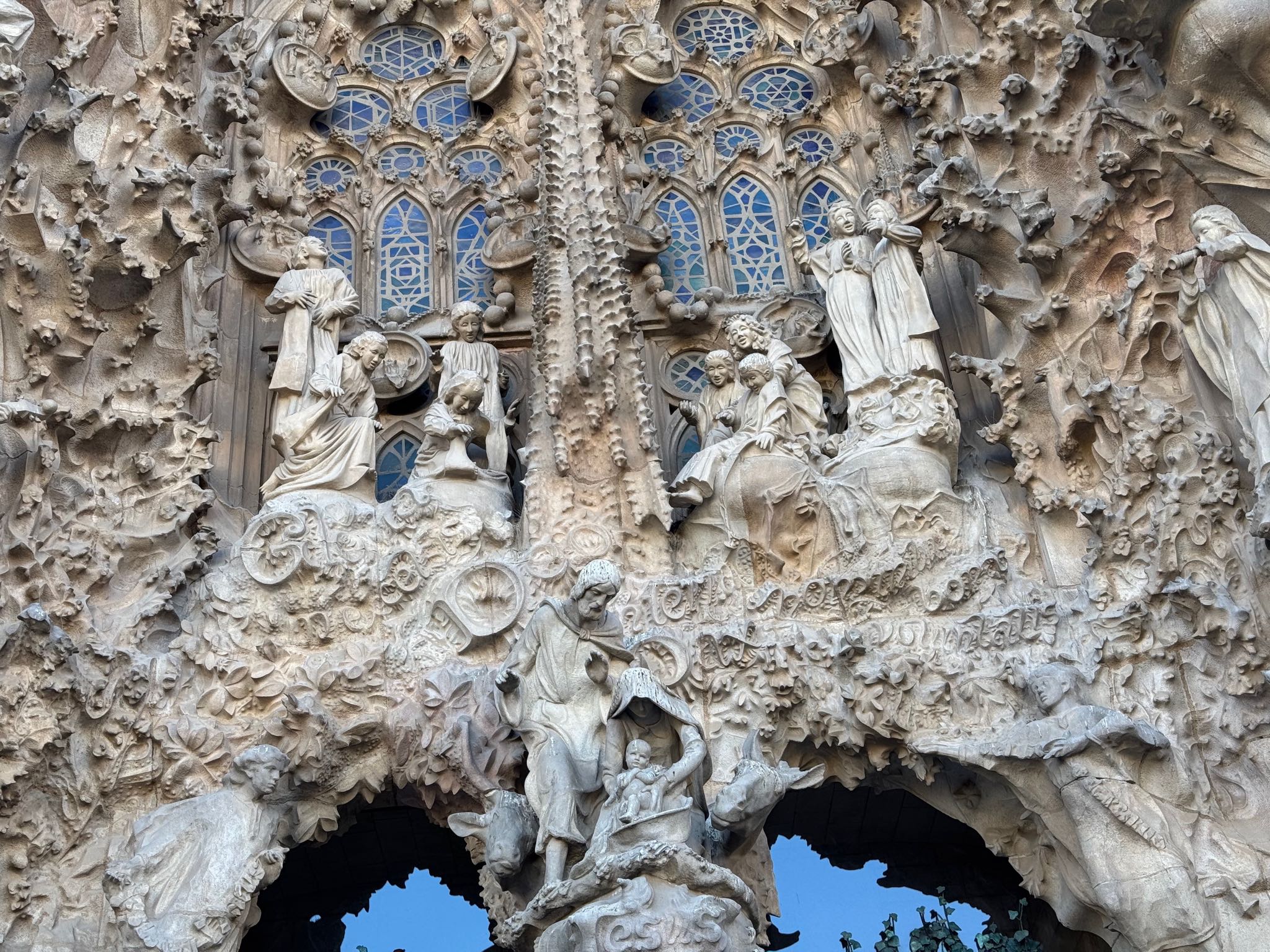
The nativity facade represents the joy of Gods creation. They originally built it in plaster then worked on carving it in stone, it was destroyed during the civil war, then they rebuilt it. 
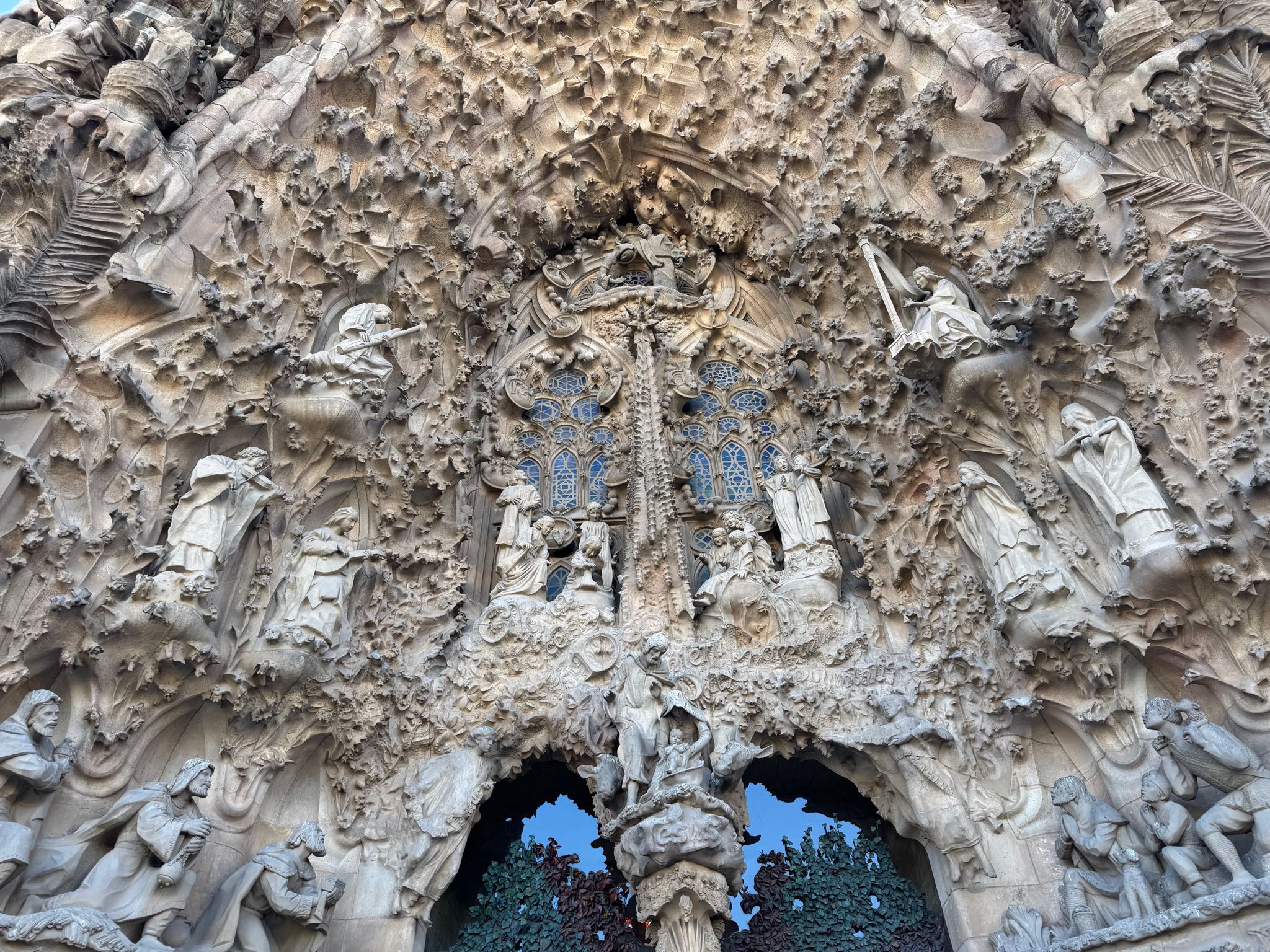
Columns for Jesus, Mary and Joseph. 
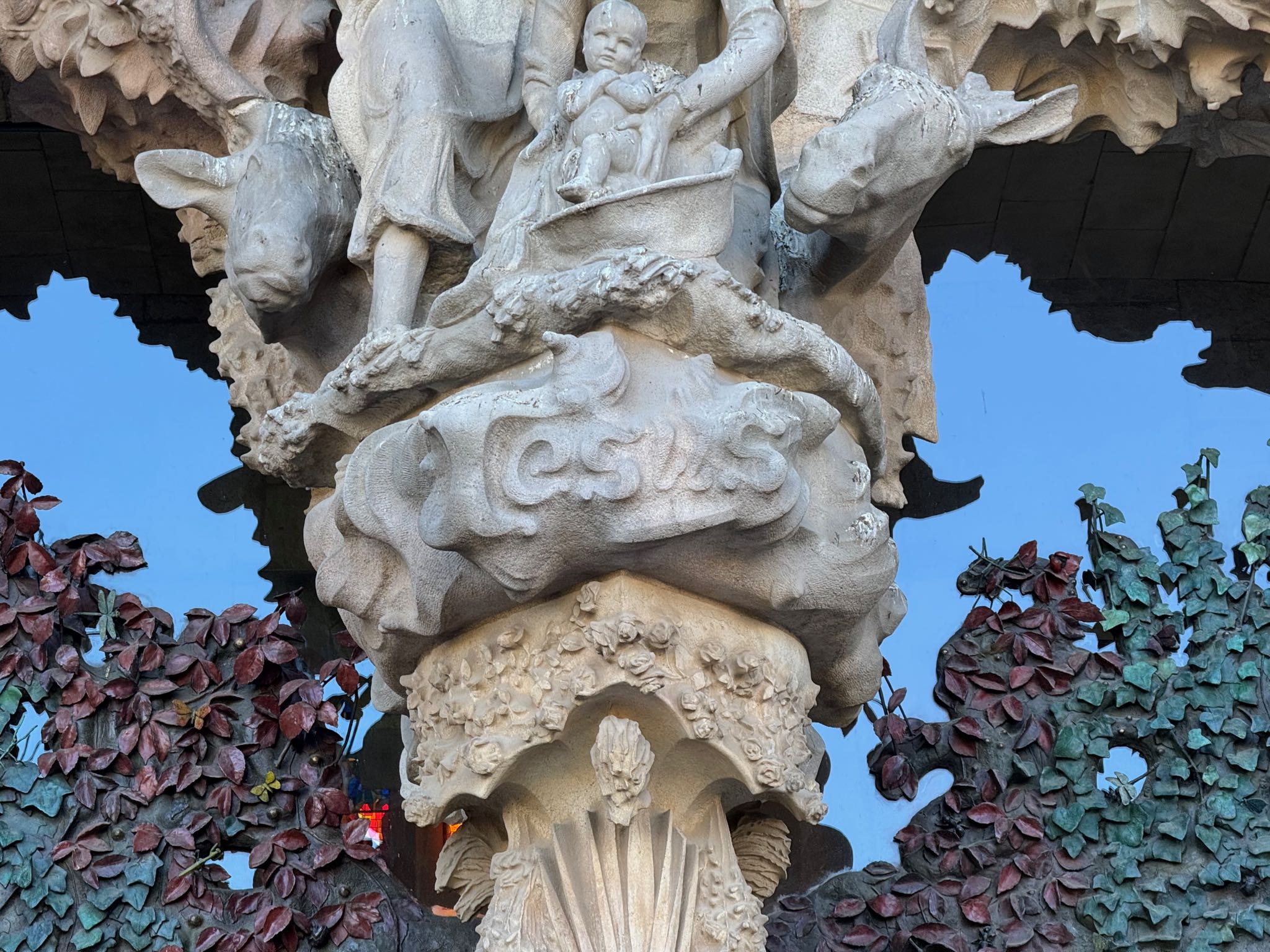
We start on the Jesus portal on the facade.

The Shepherds are Cataluñas. 
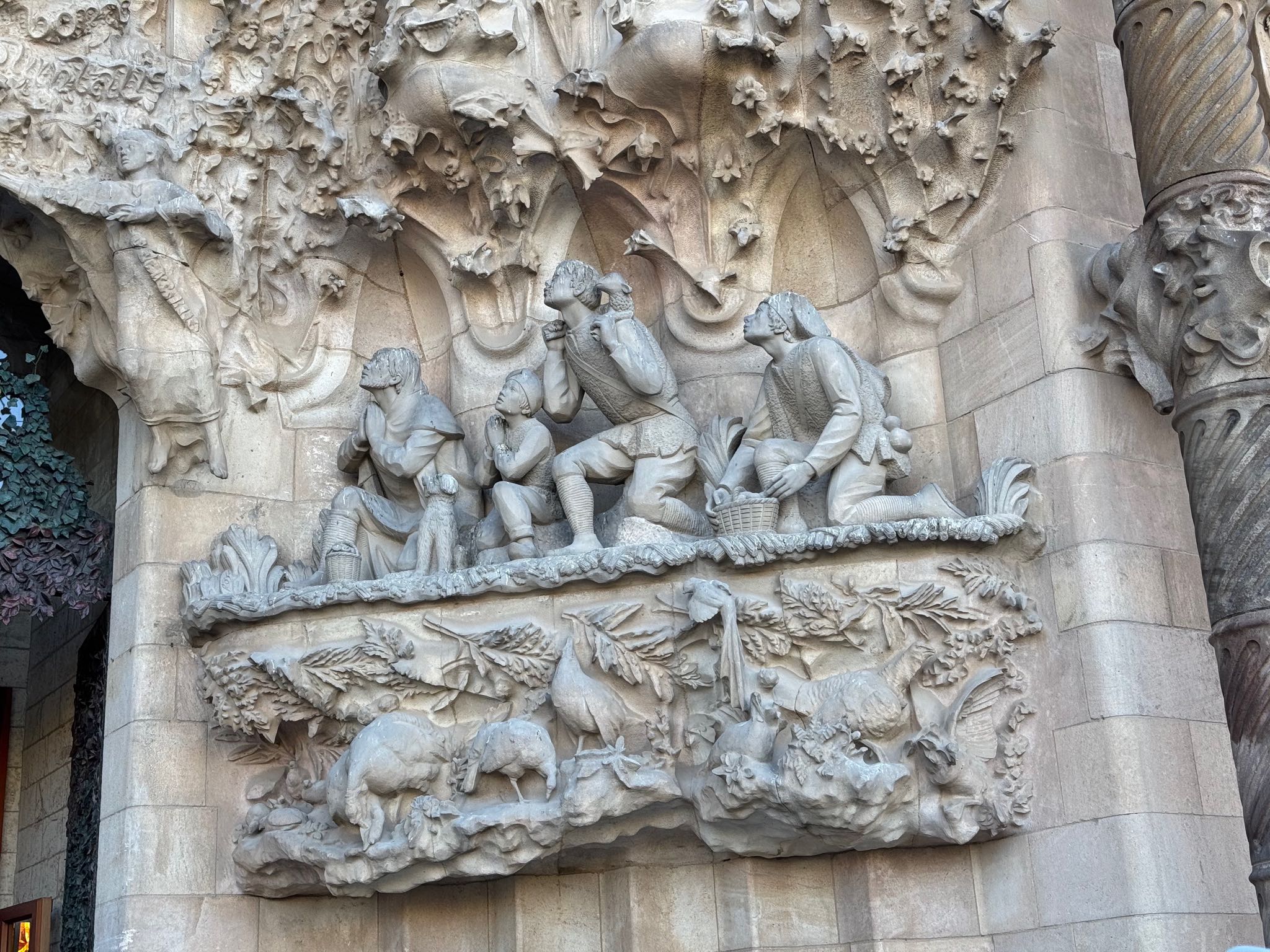
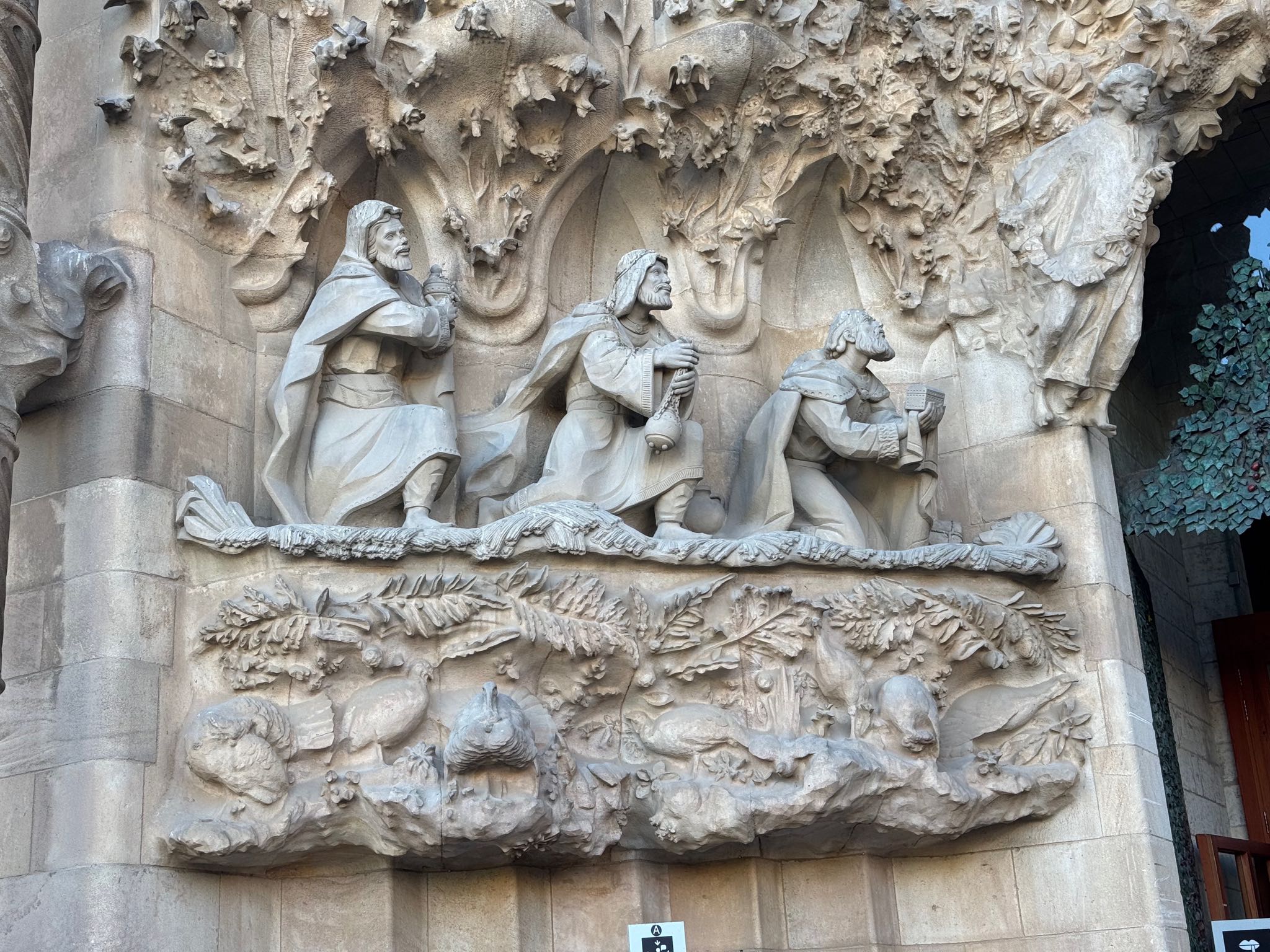
We see the wise men coming to visit Jesus.
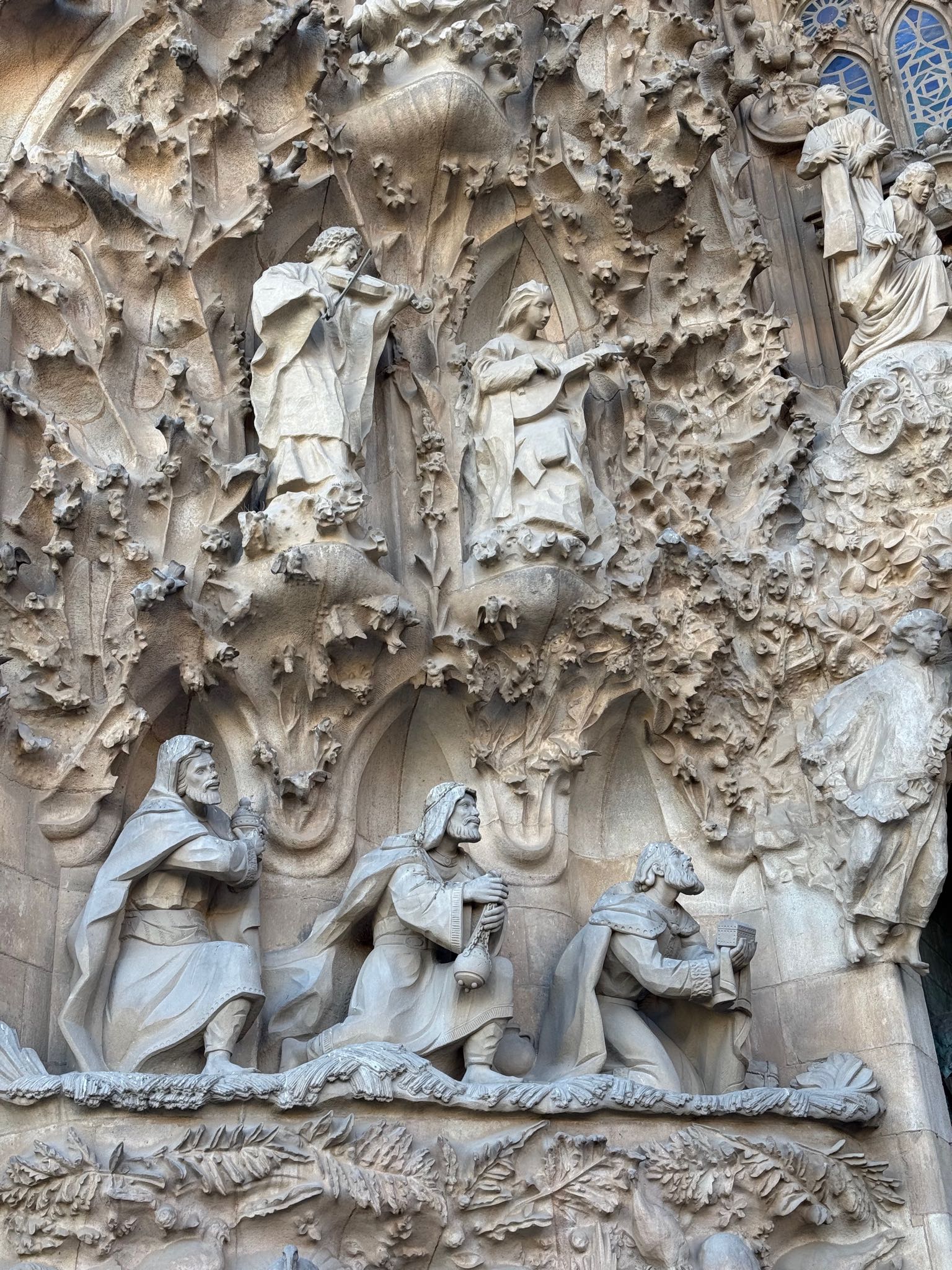
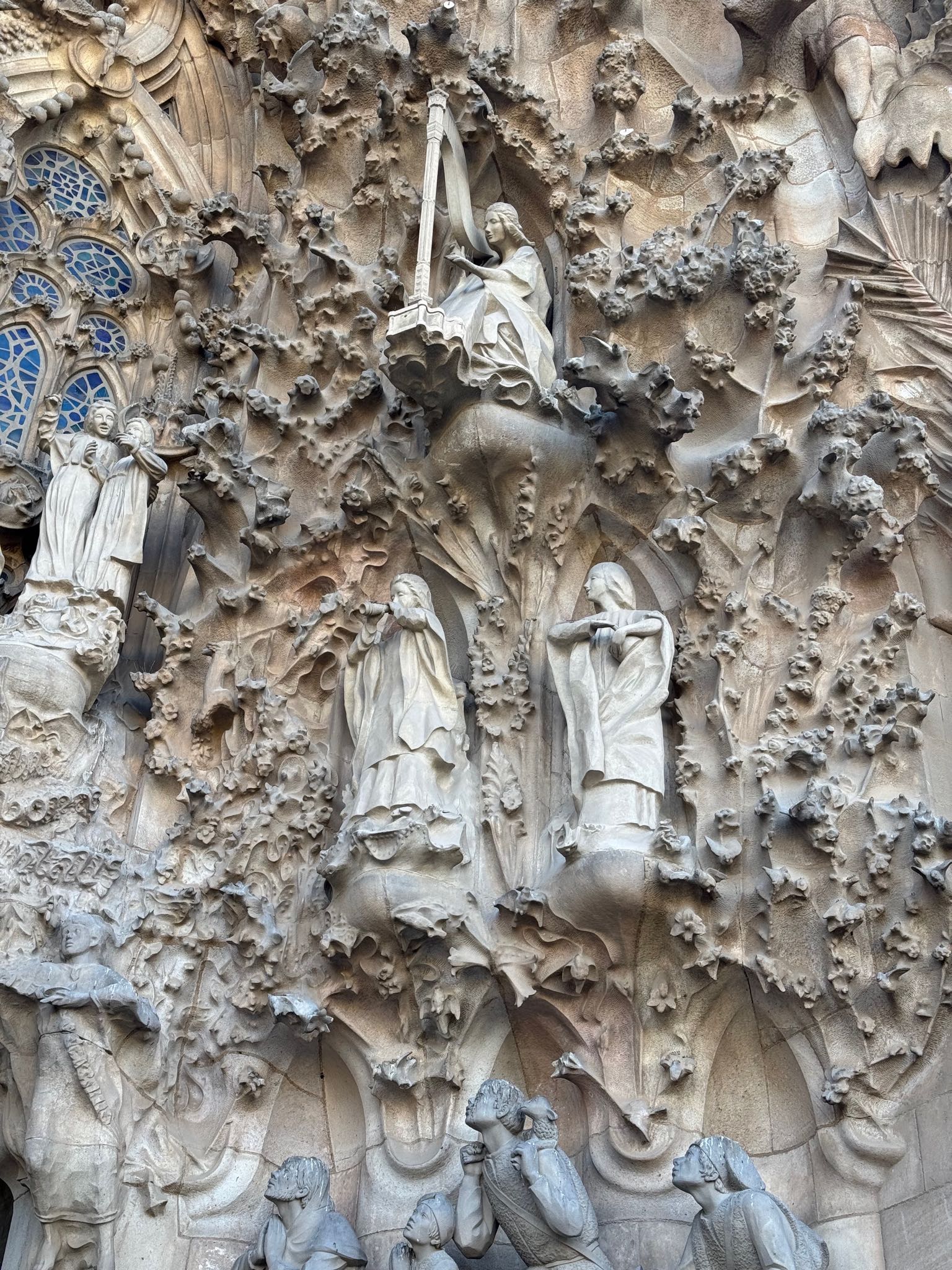
There are Angels in heaven playing music and singing.
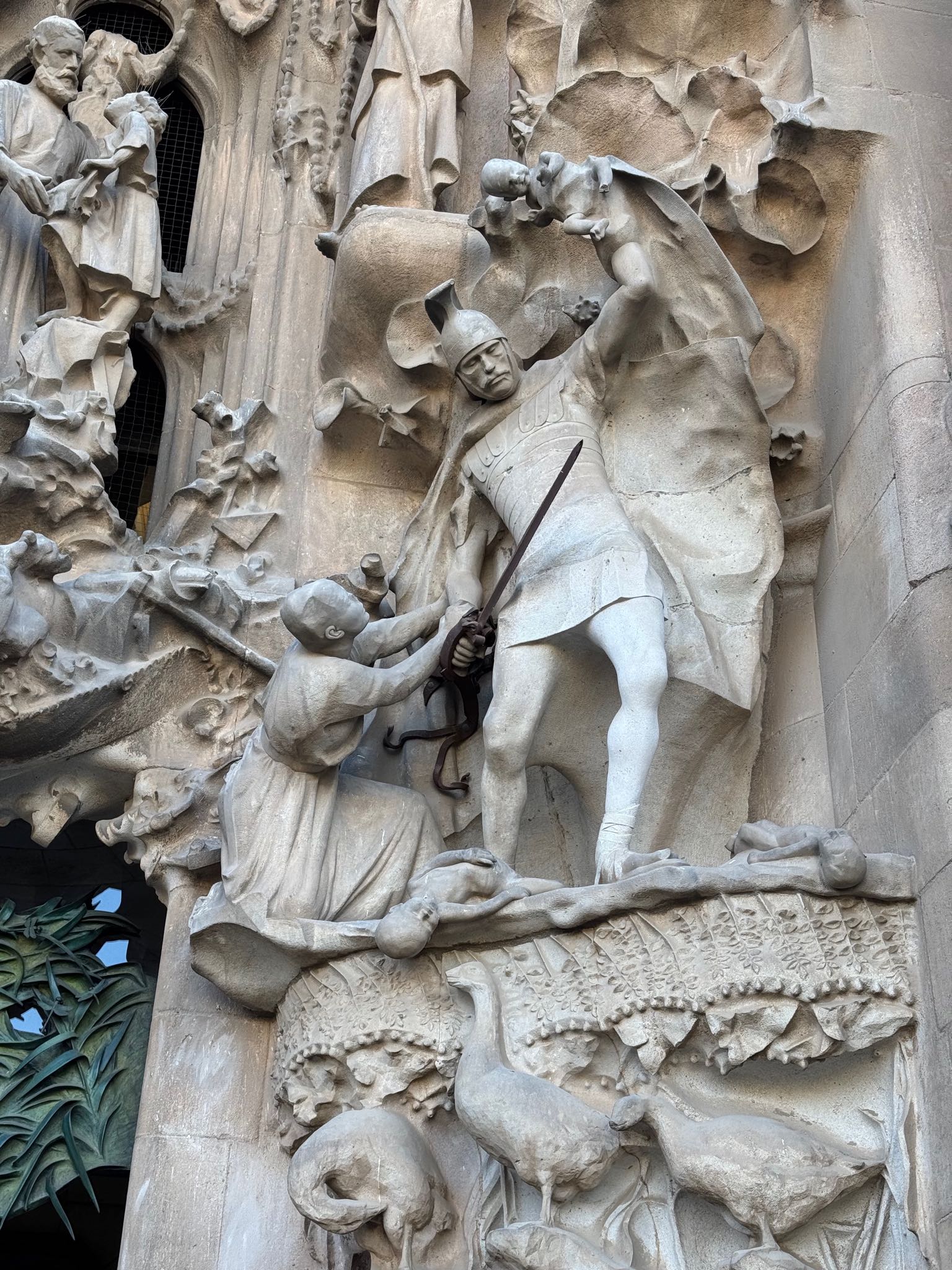
We go to Saint Josephs portal on the facade. This is dominated by an image of a Roman soldier destroying a baby, pointing to a father’s decision to leave their country. This I found the most moving on the whole site. It reminded me of how I felt when I visited Manchester, and pondered my Grandfather’s decision to leave there.
It shows them fleeing to Egypt. We also see the parents of Mary. 
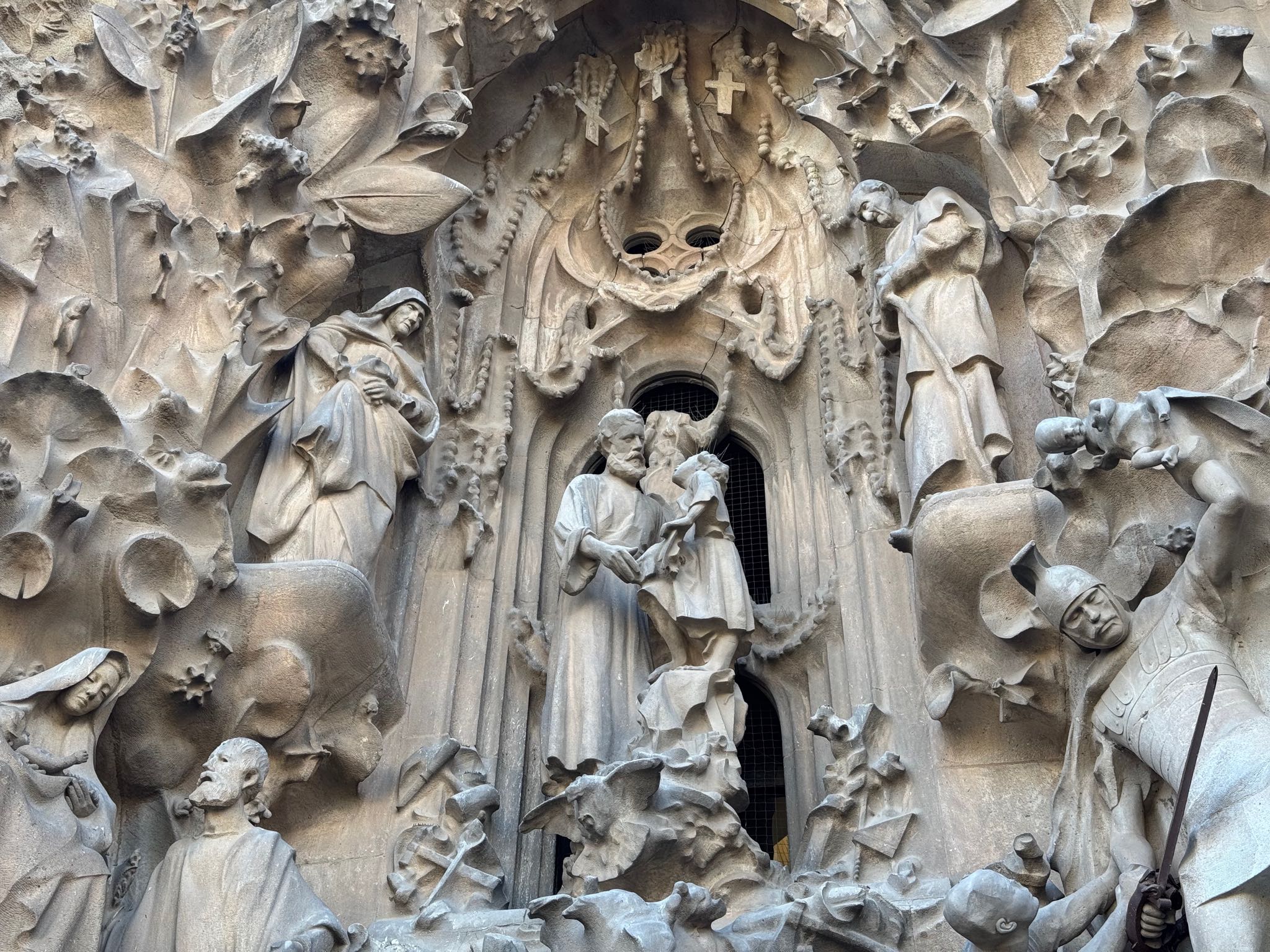
In the Mary portal we see Jesus as the temple meeting his Heavenly Father.
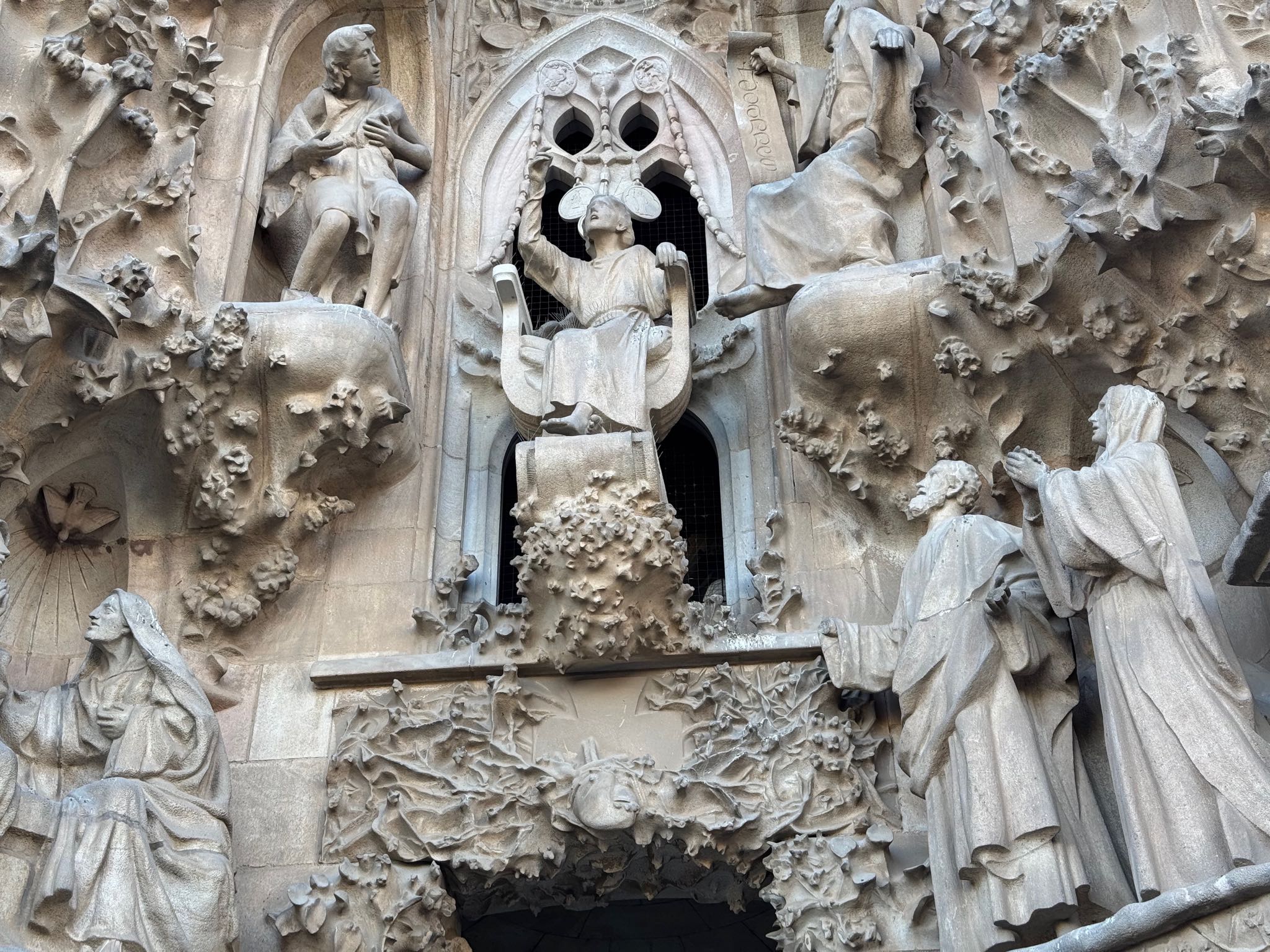
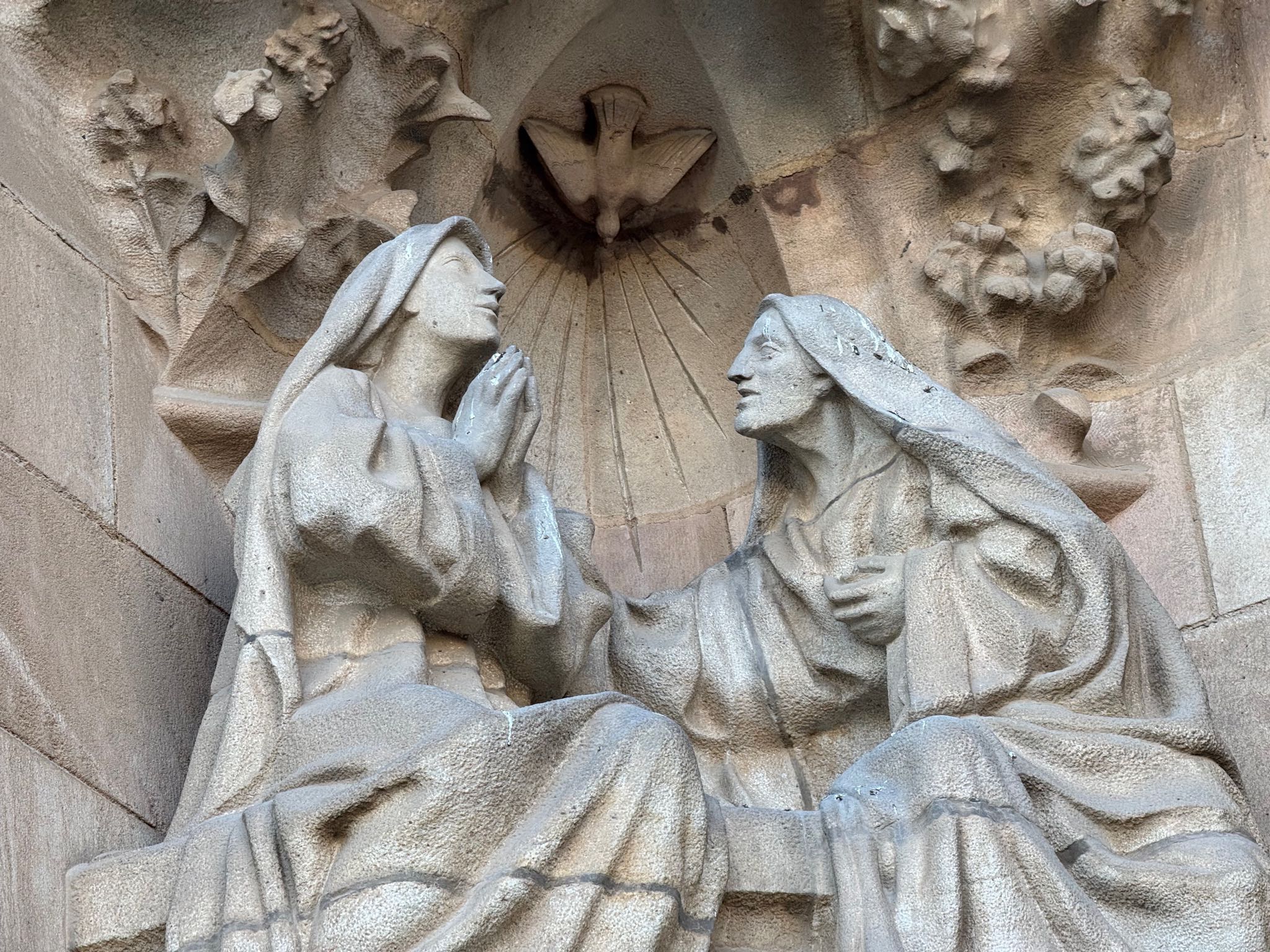
We Jesus leaning his trade.  (No photo here) We see Mary talking with her cousin about having a baby. 
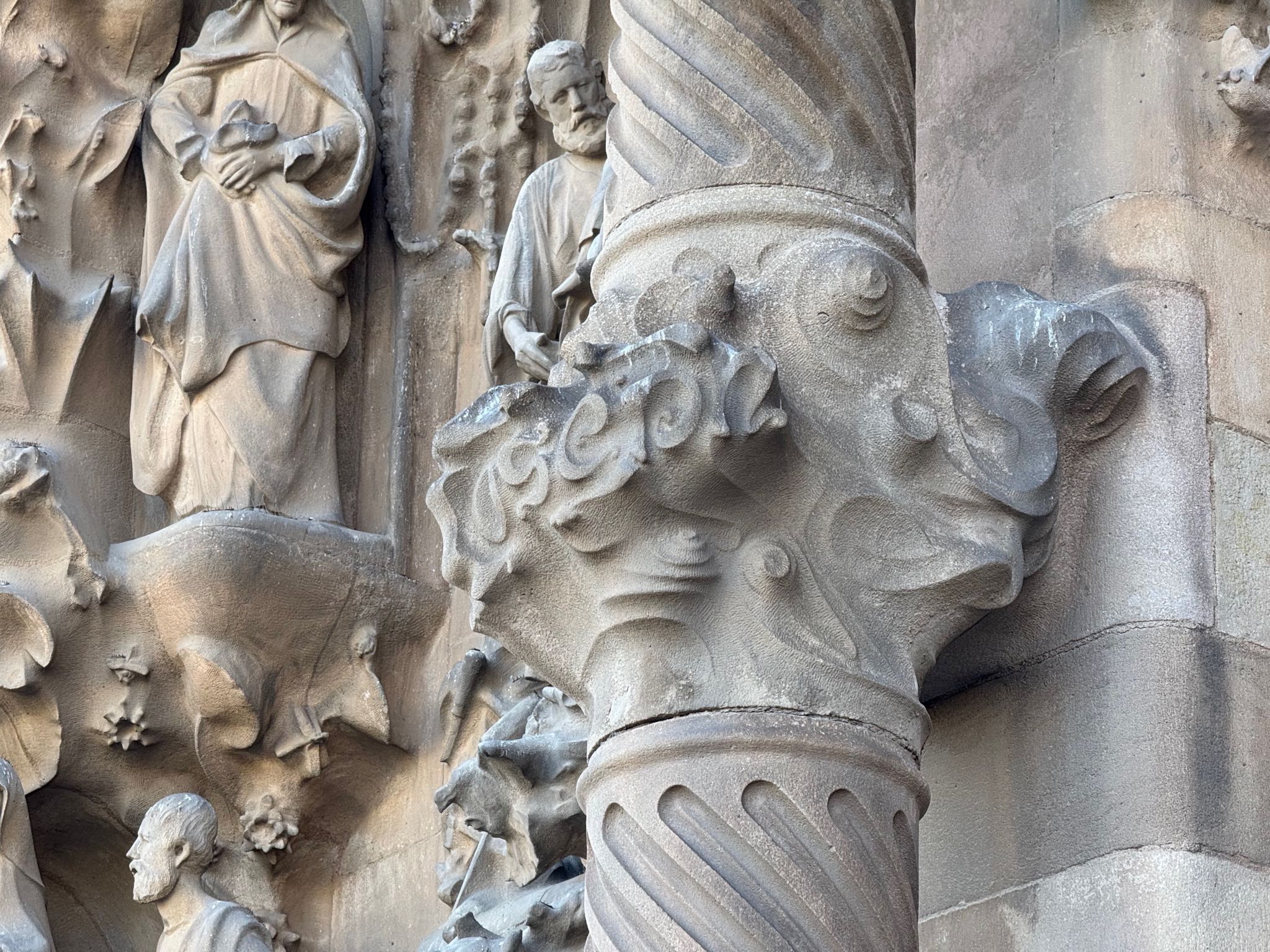
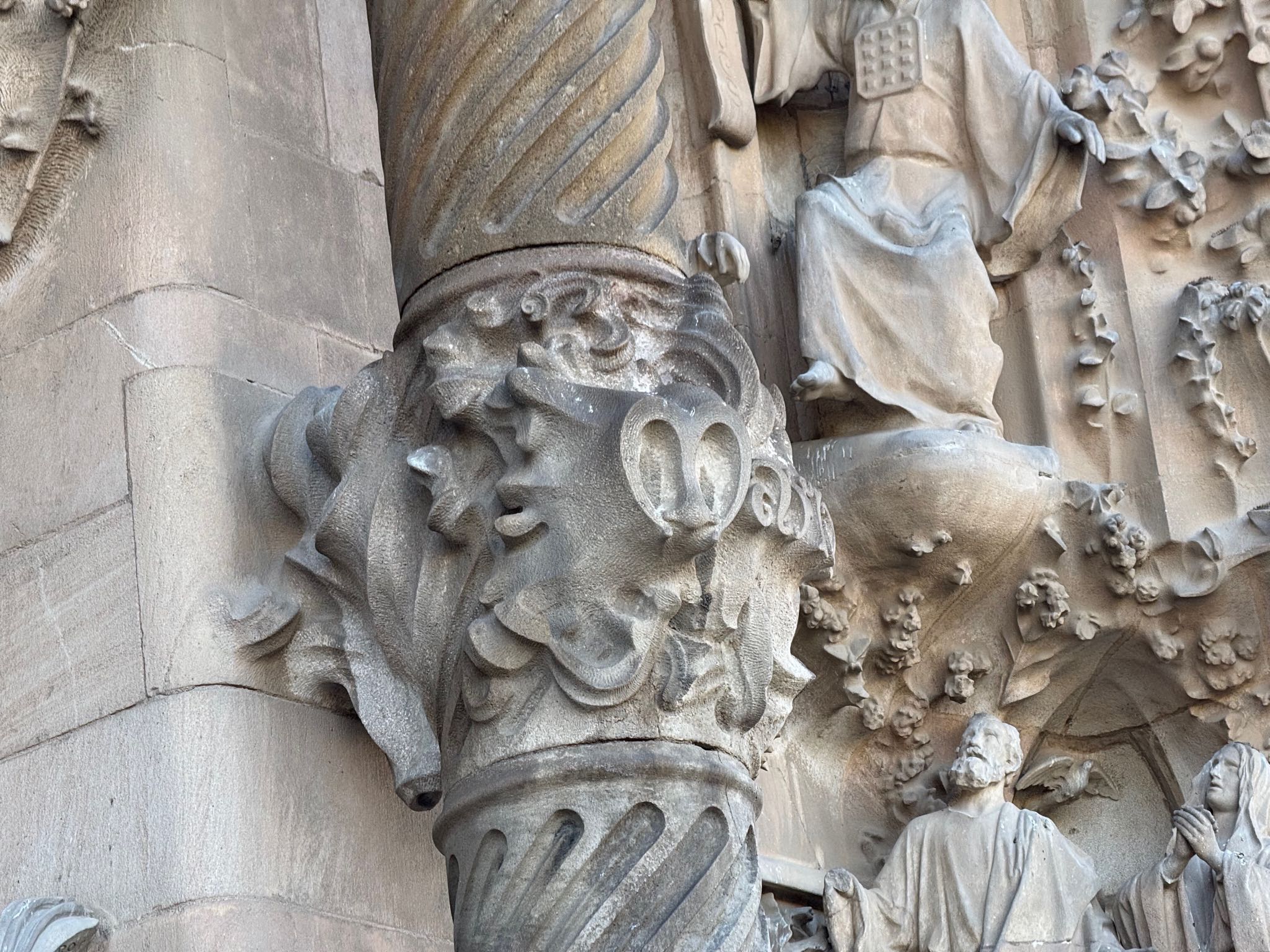
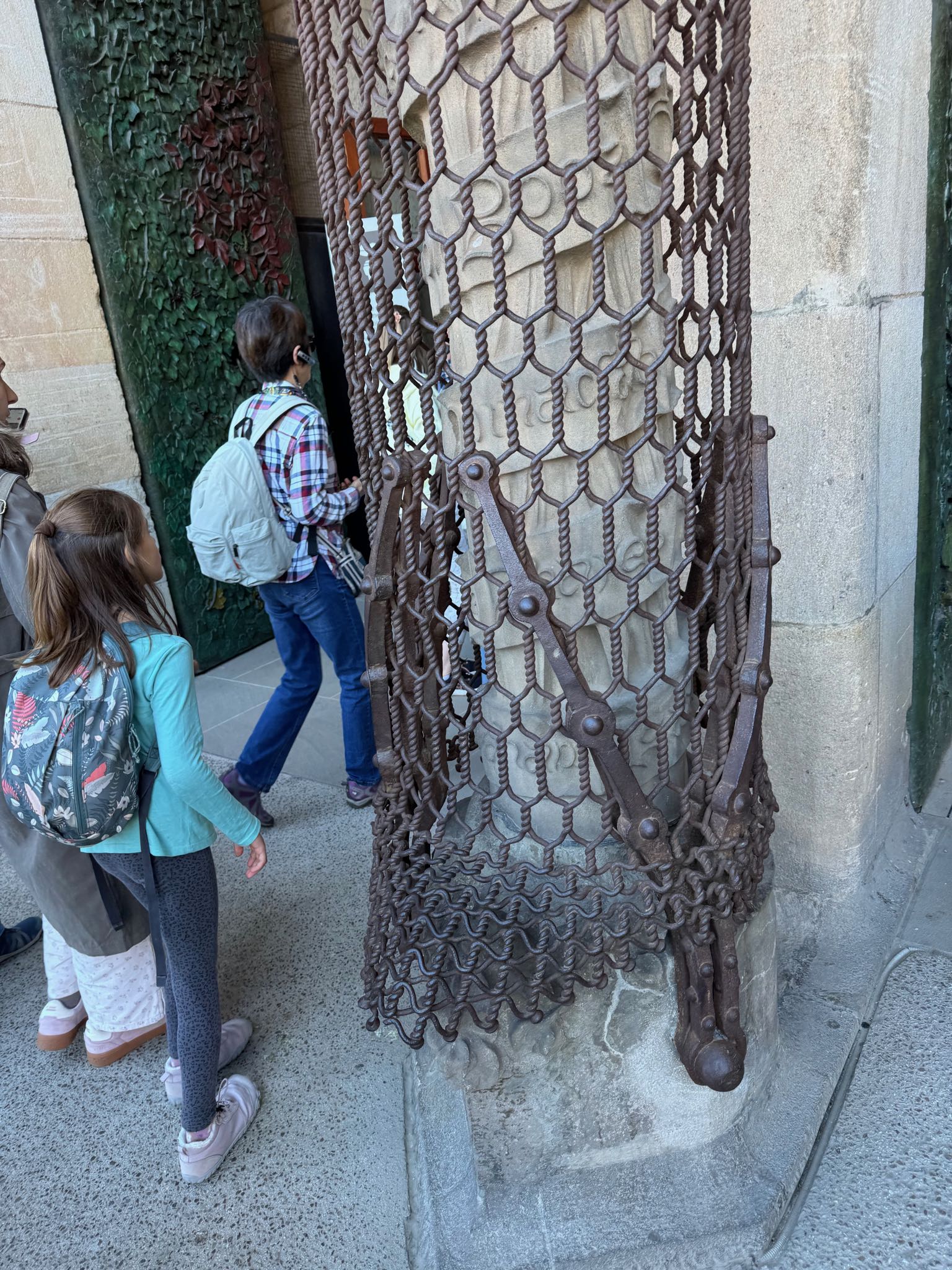
An apple and snake representing original sin on a column near the door. (Covered in heavy chain mesh because people were violent towards it.)
Inside Gaudi developed the Catalonian arc modelling on people’s legs standing to support the roof. 
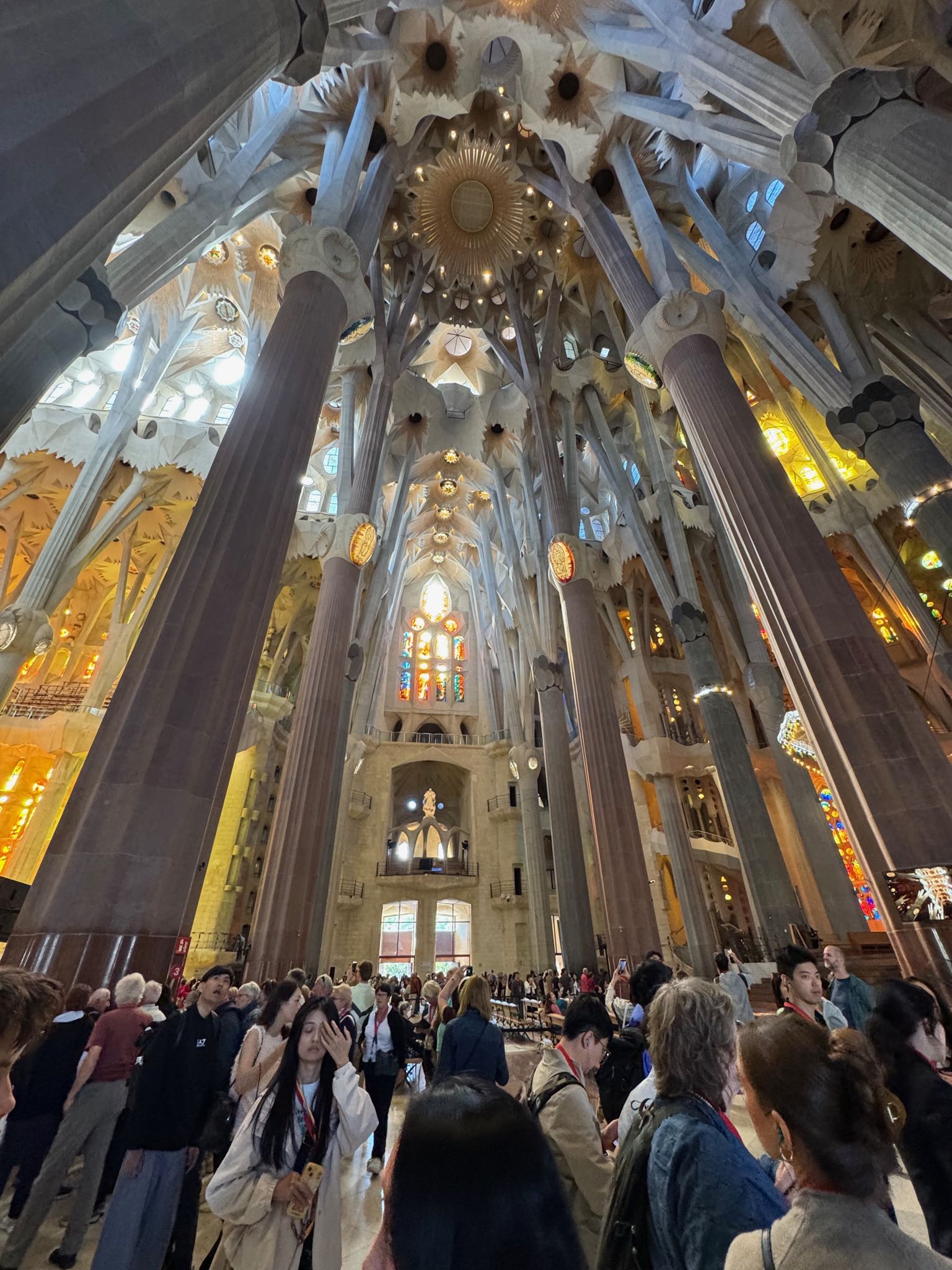
The columns are made of sandstone, basalt, granite and porphyry with concrete inside. 

The columns here go to each of the Evangelists. These four load-bearing towers support the weight of the Jesus Christ tower.
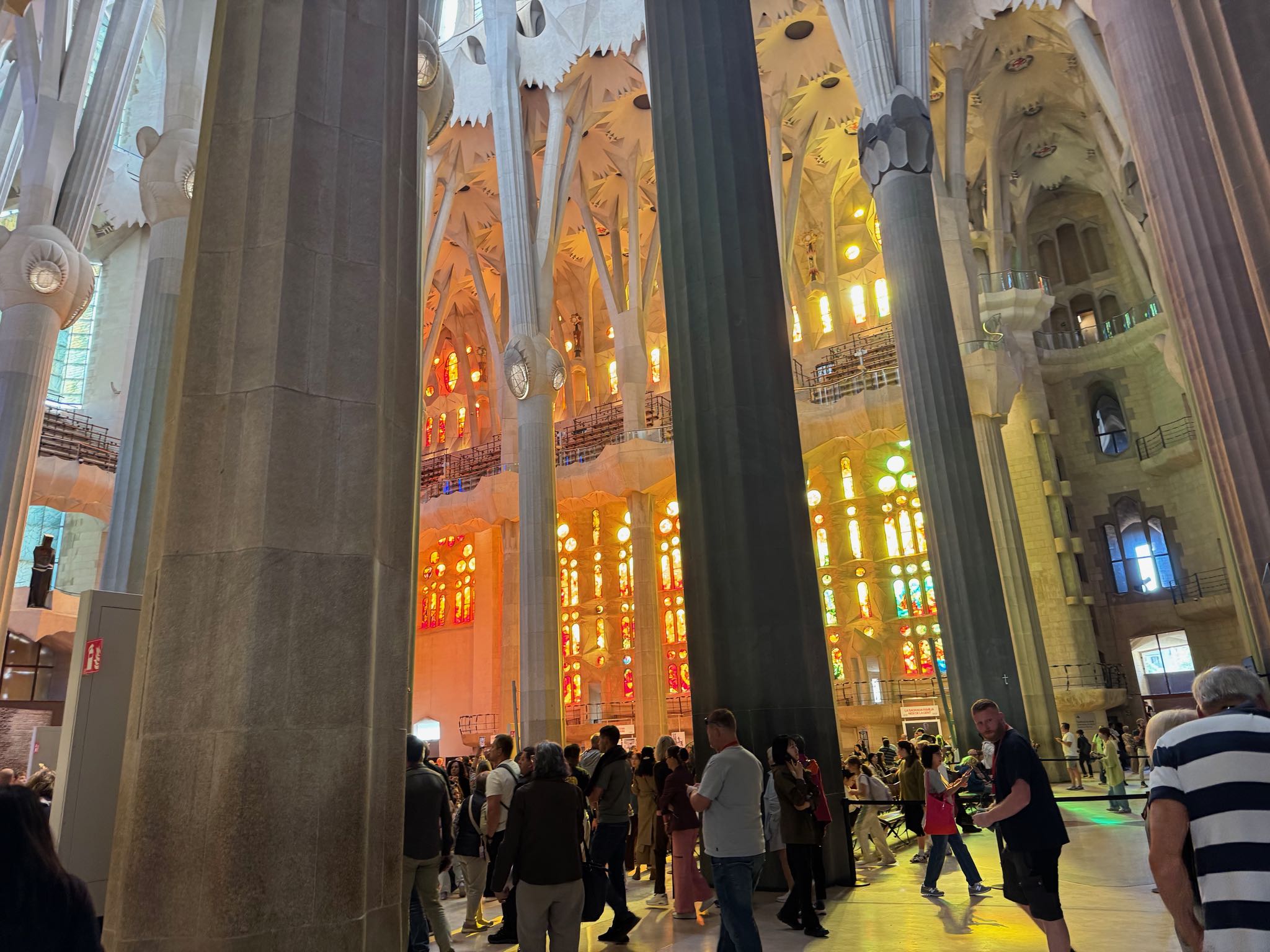
This will be the future entrance to the church but it is under construction. 
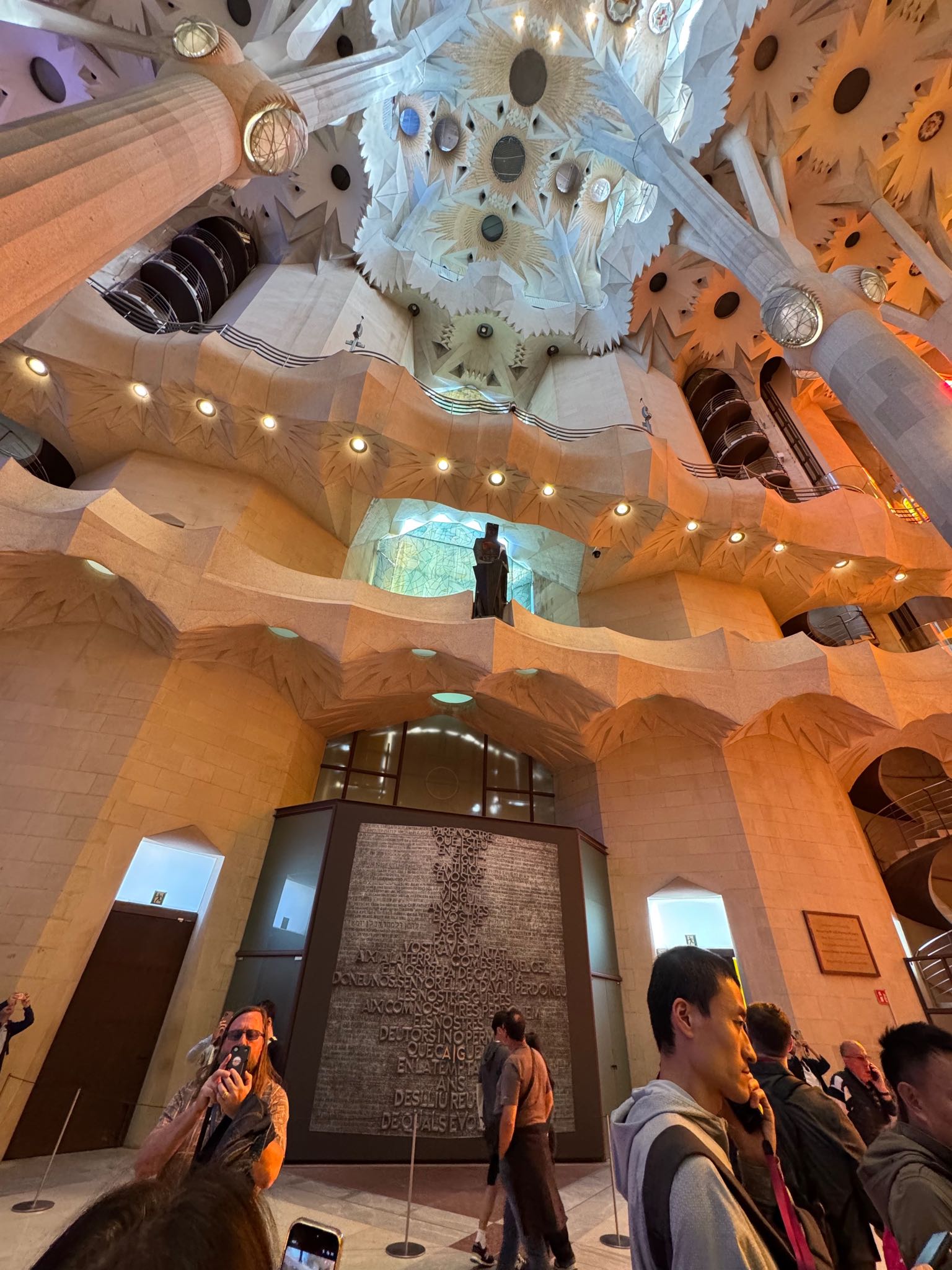
Knight representing St George at Catalonia. 
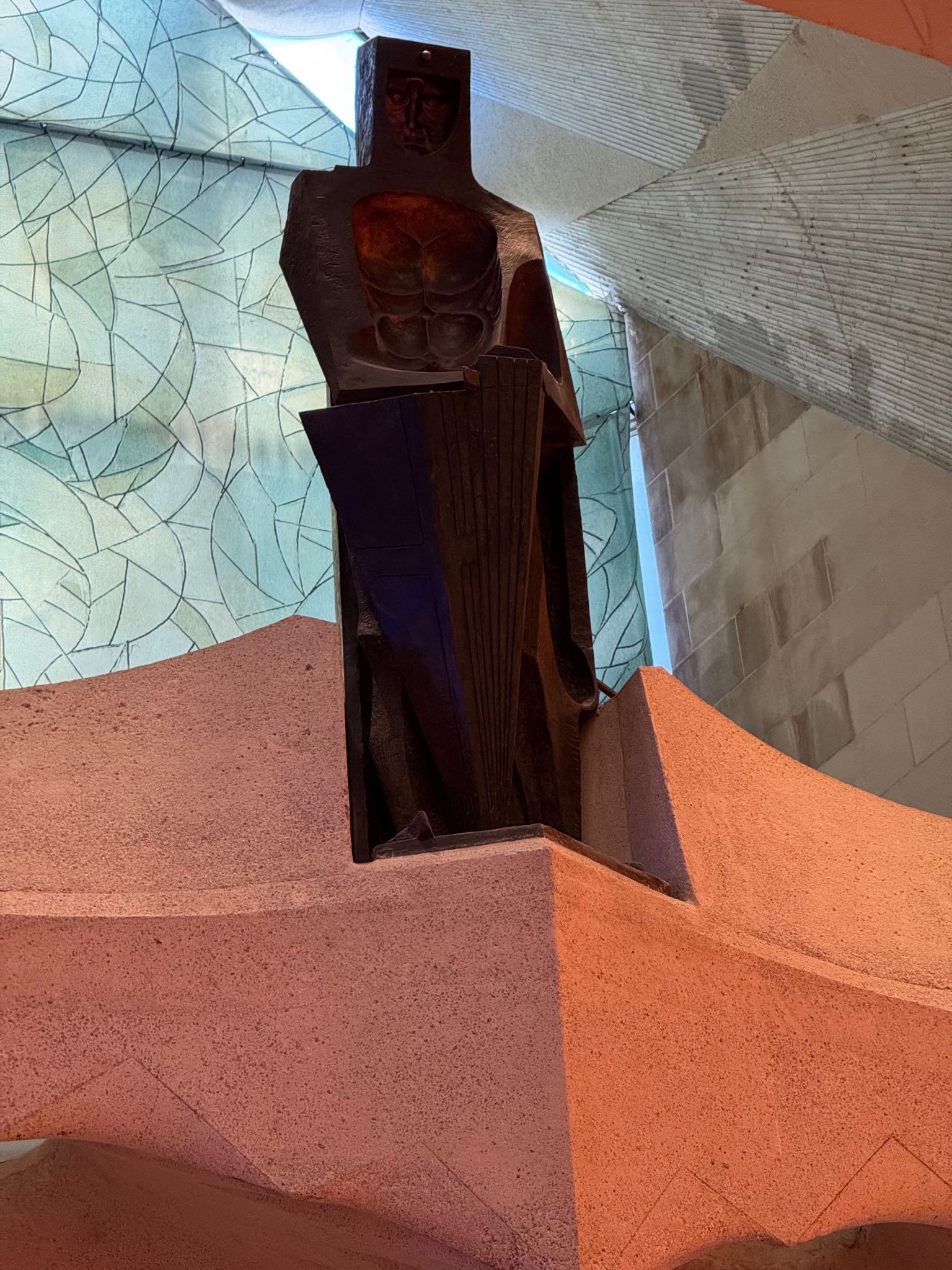
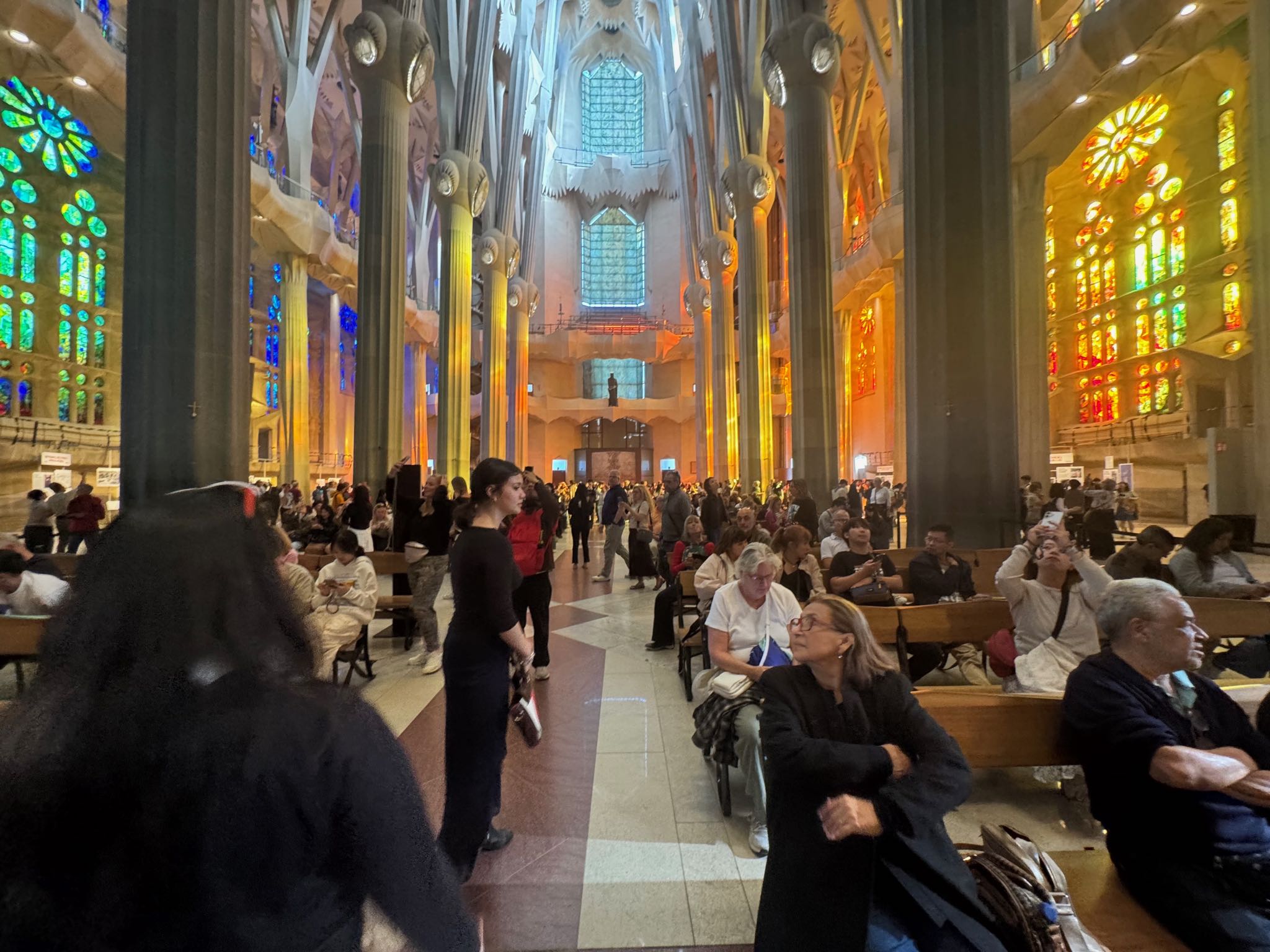
Blue and green on one side. Yellow and orange represents the end of the day and the end of life. 
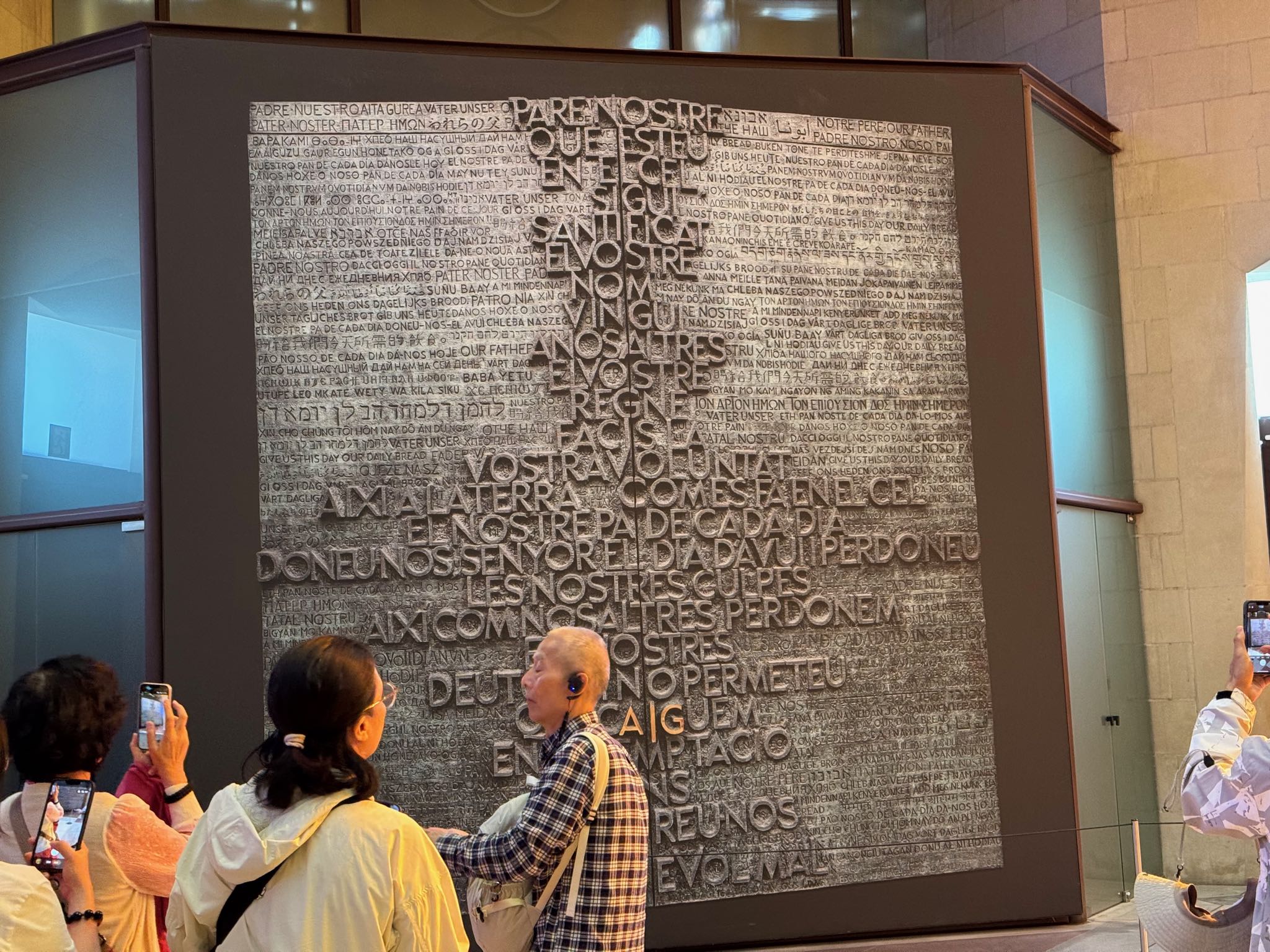
The doors are covered with all different languages so all different people from around the world can feel welcome. 
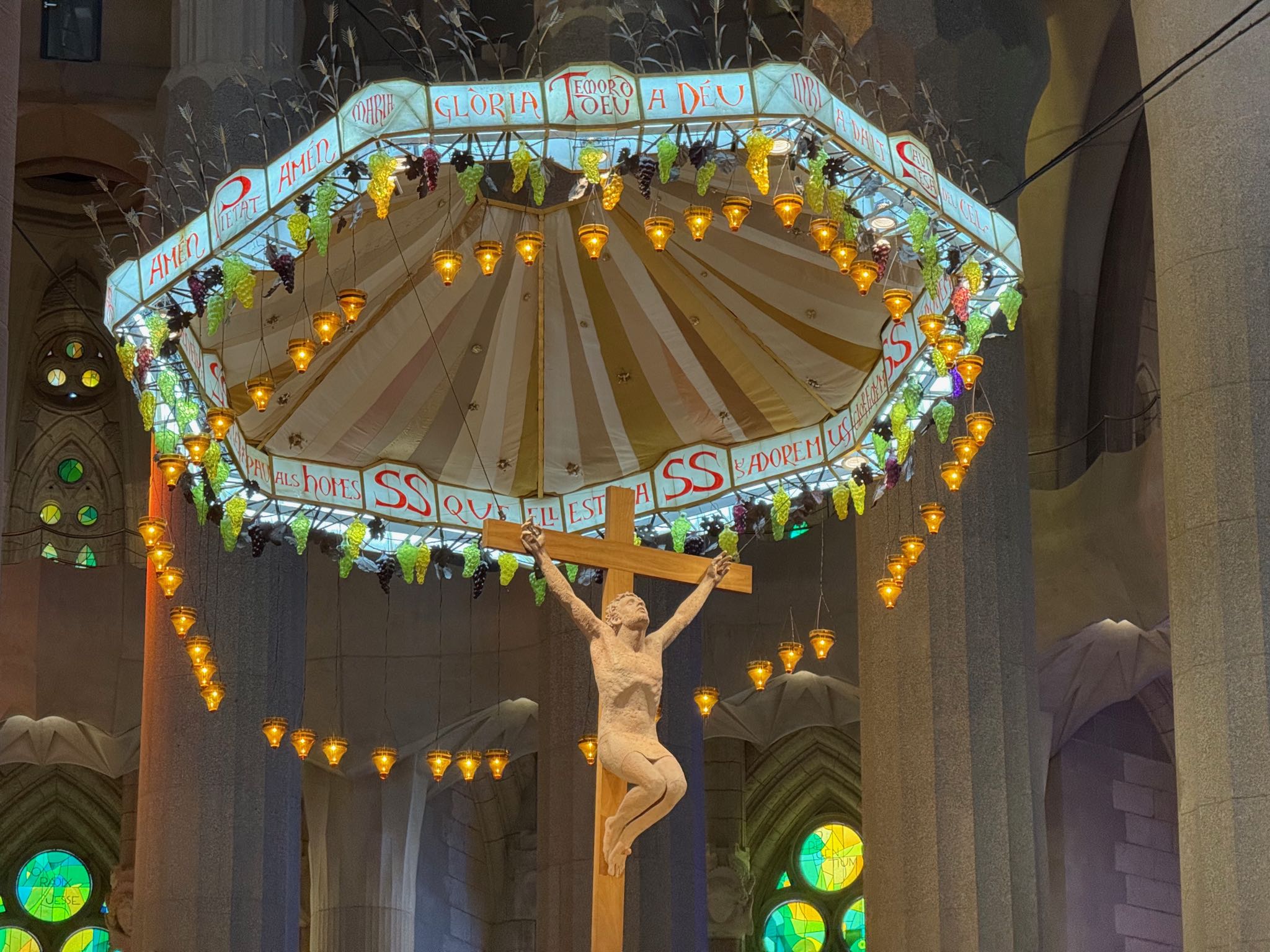
50 lamps representing Pentecost and the bread and blood of Jesus. 
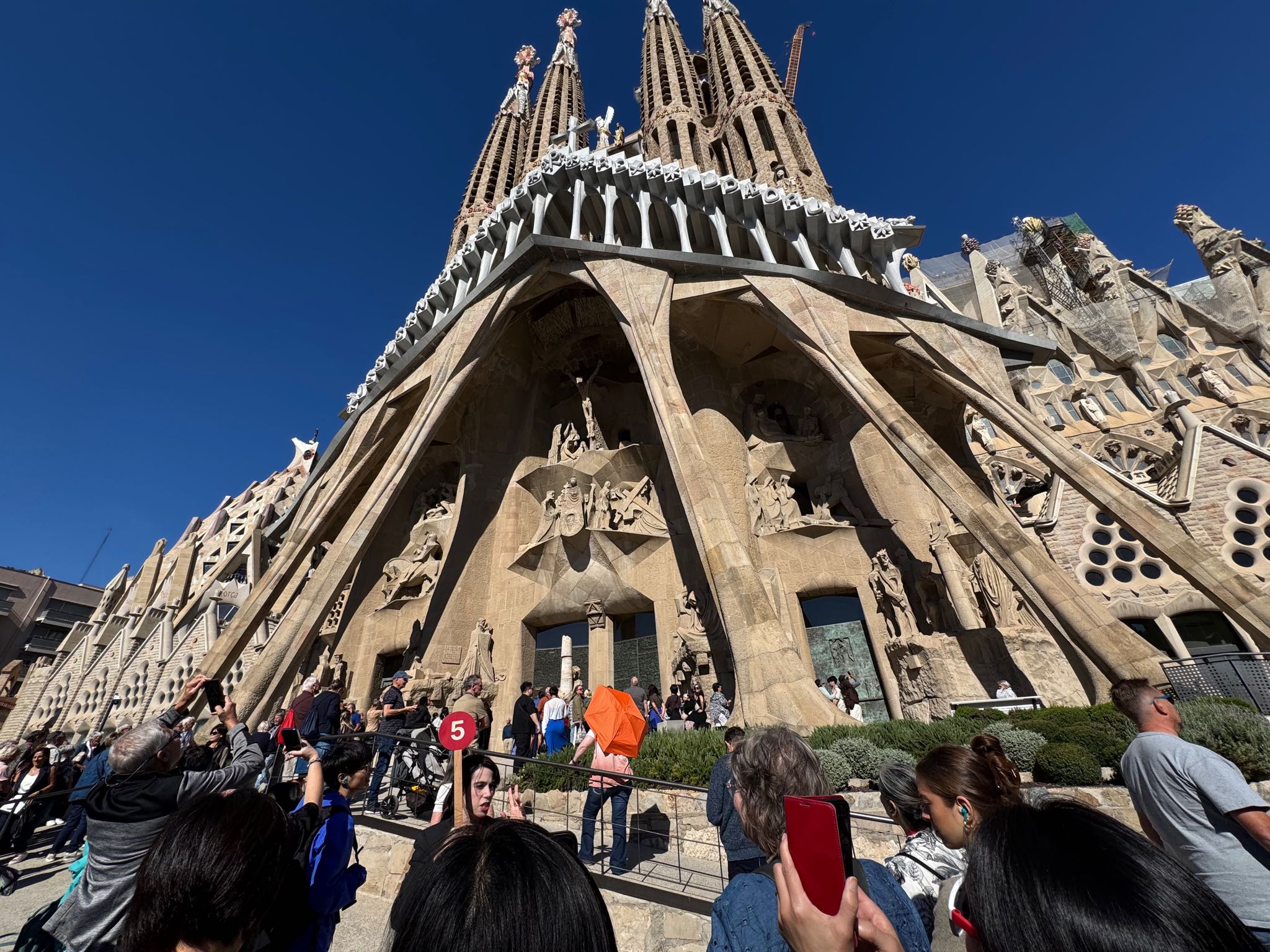
Next facade – the Passion (Crucifixion). The theme here is sadness, and then hope. (Fisheye lens to get it all in – it’s a bit wonky to look at.)
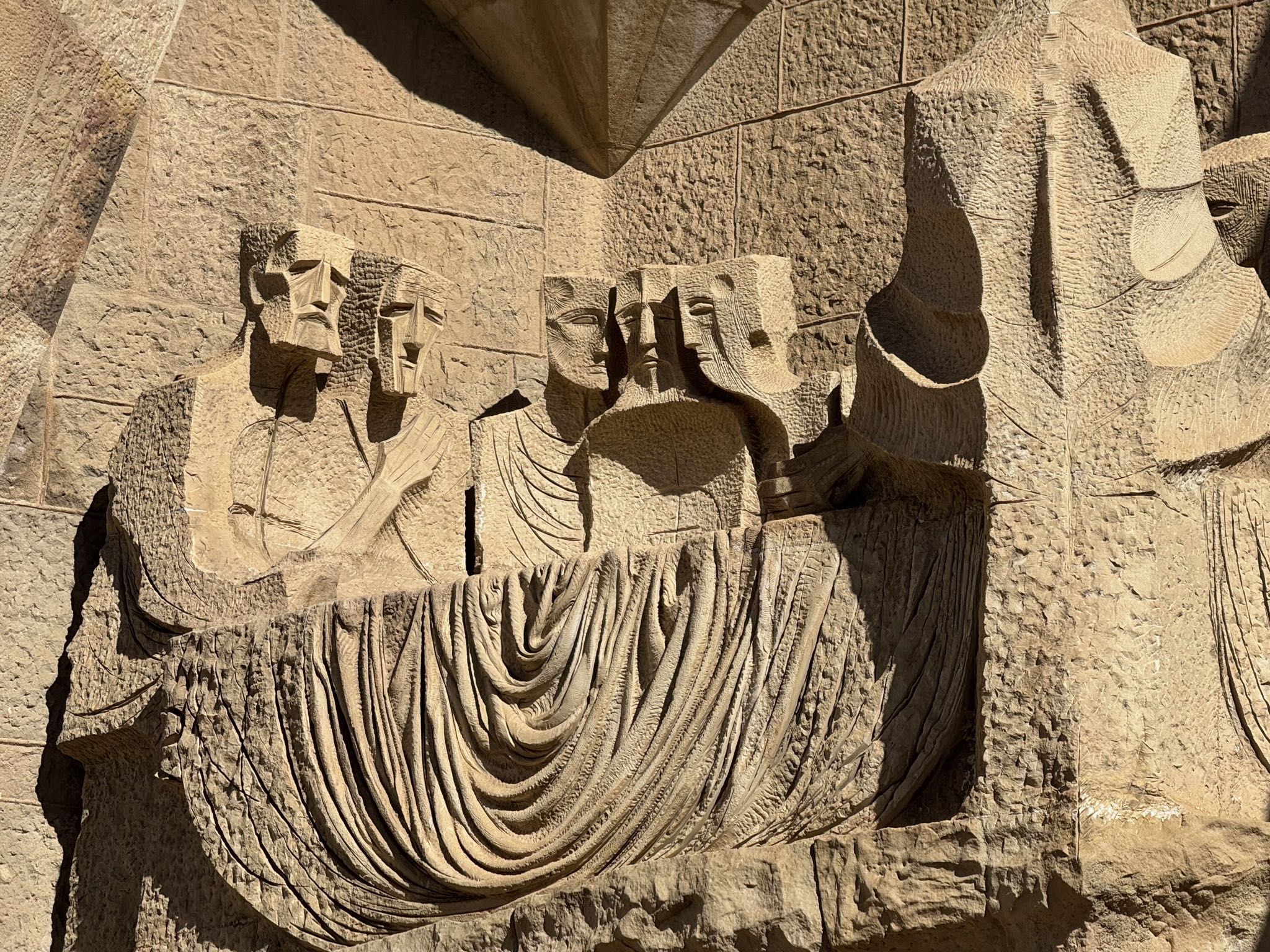
 Last supper in a corner.
Fri 9 Oct – Gaudi’s Guell Park

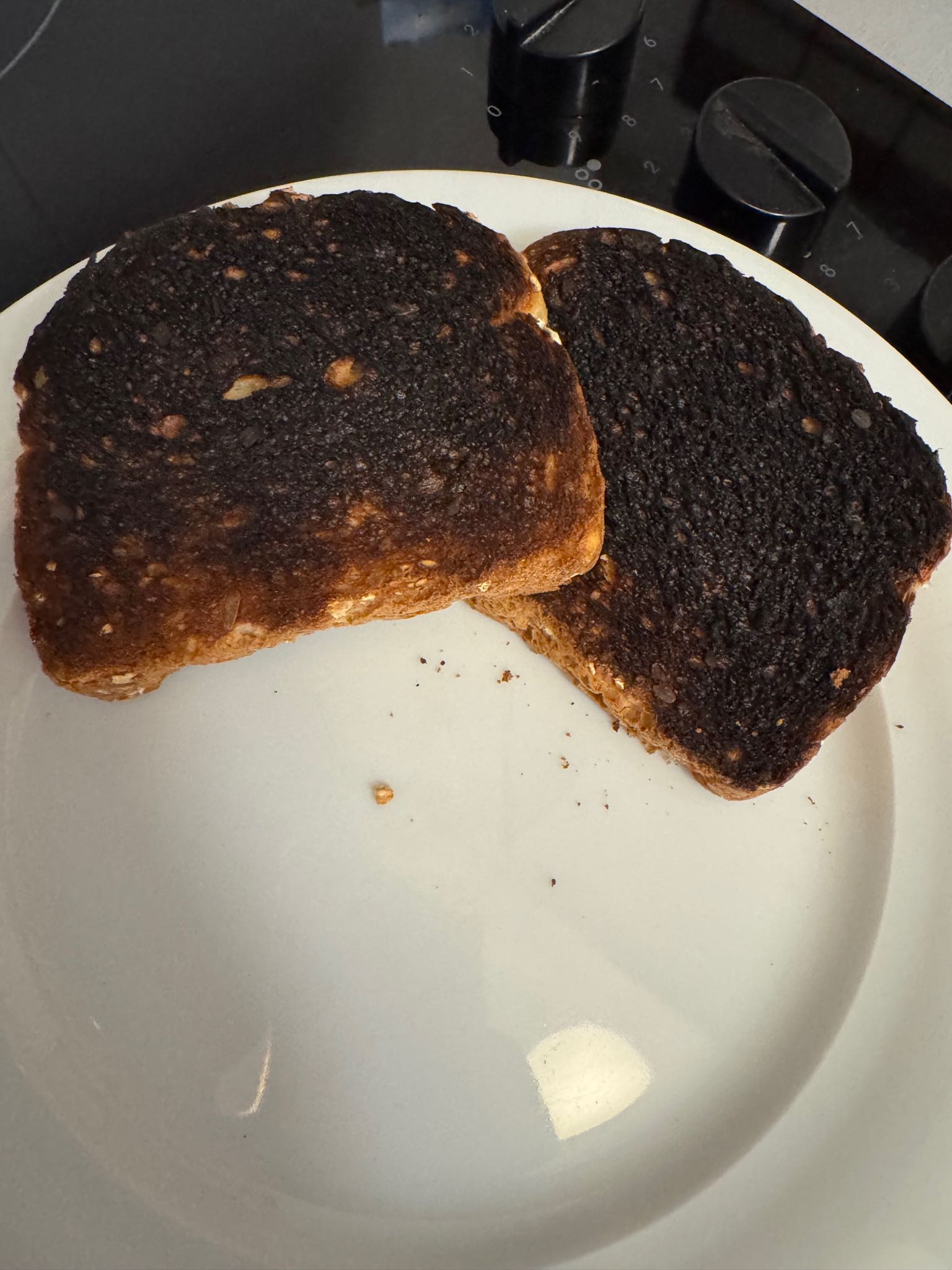
The day starts in Barcelona – a places distant from the capital. The toaster was full of Catalonian anarchist character today.

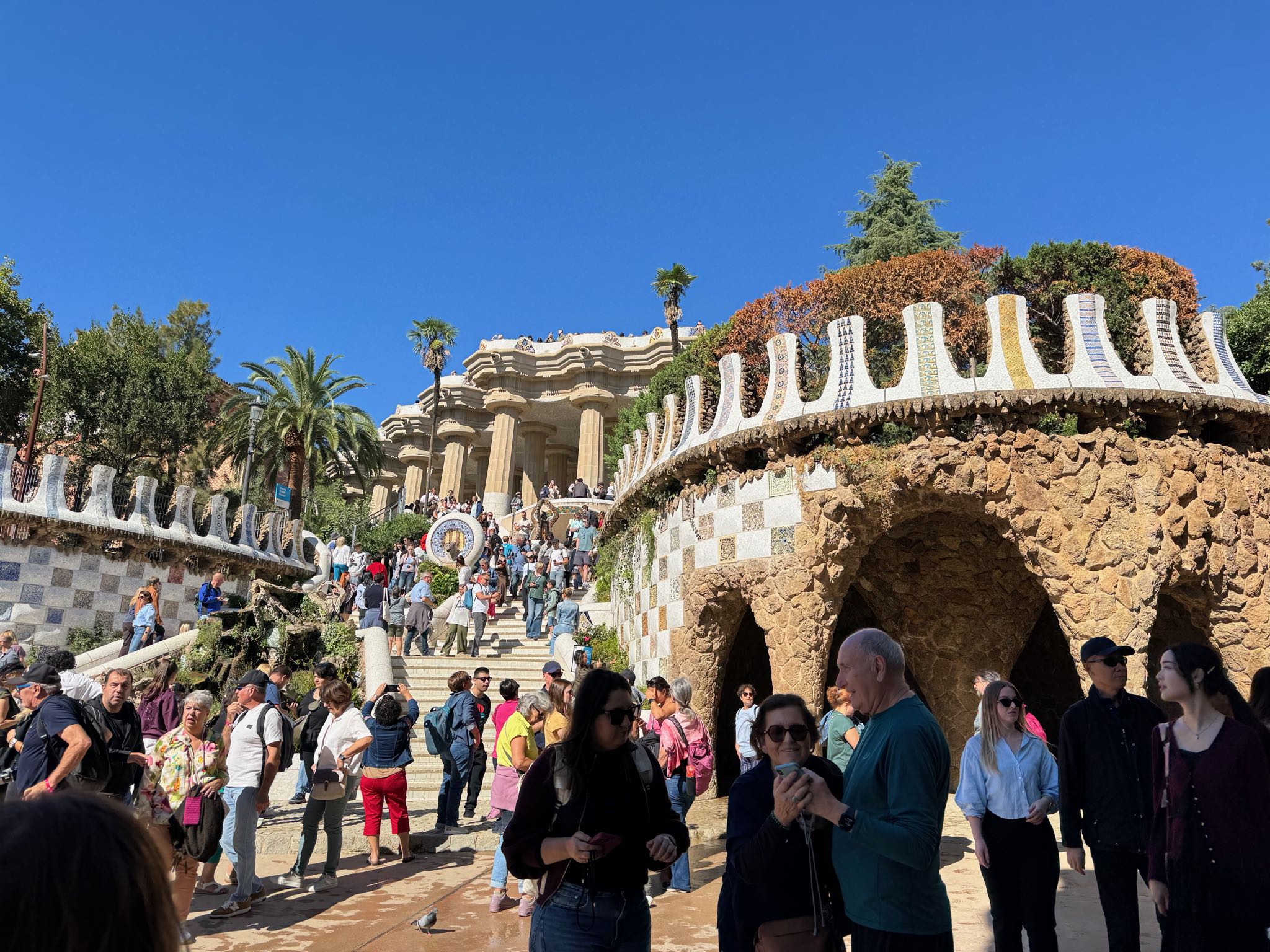
Park Guell is a rich man’s property development project. Neither Gaudi nor the property developer cared that it was a failure because they had so many other interests going on, and they got to live in a park they quite liked.

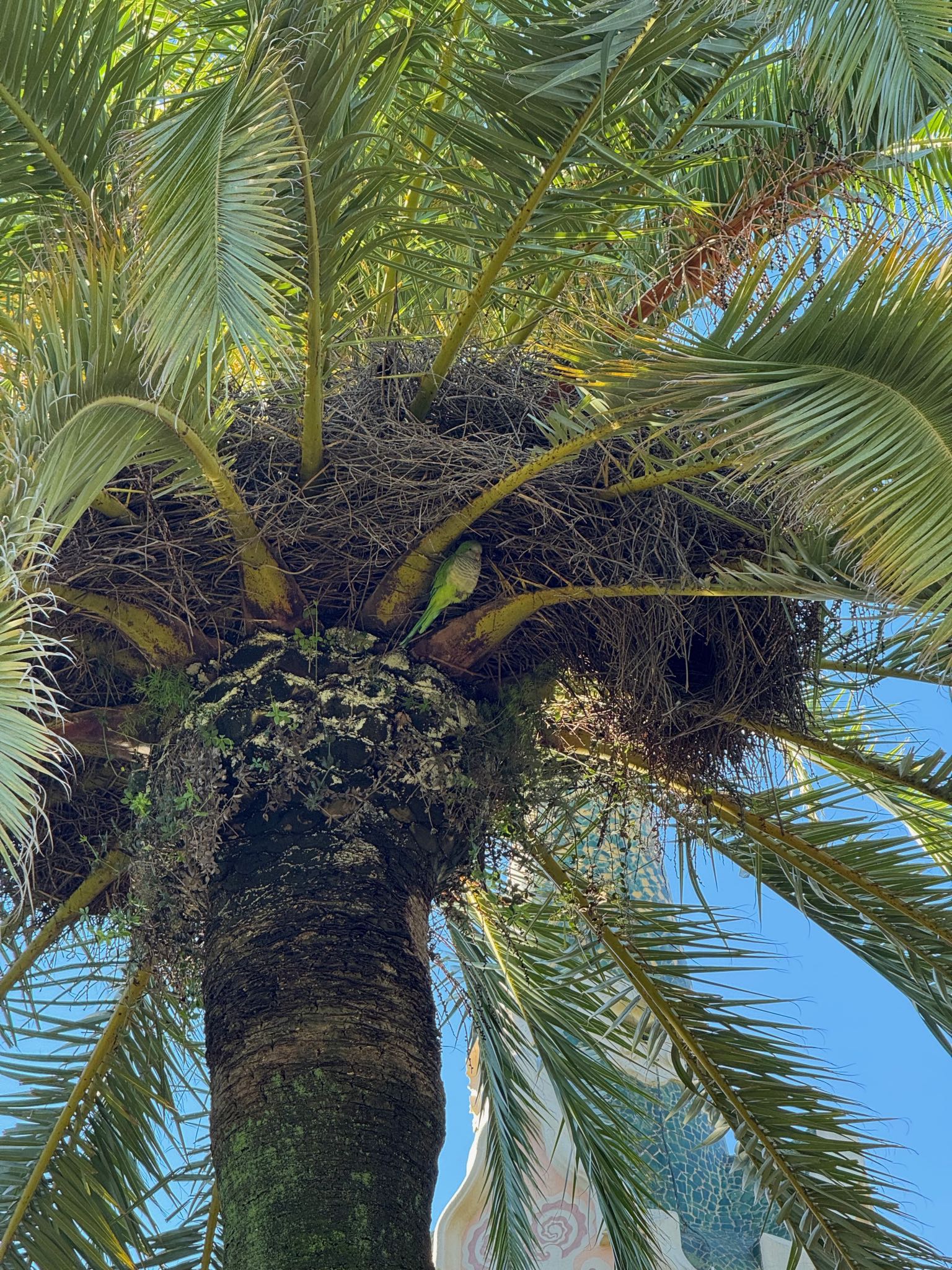
As you enter the front gates – the tour guide tells you about a bird imported from Argentina, which has no natural predators – so they cull them every five years. (It’s not quite the way we think about biological hazards in Australia.)

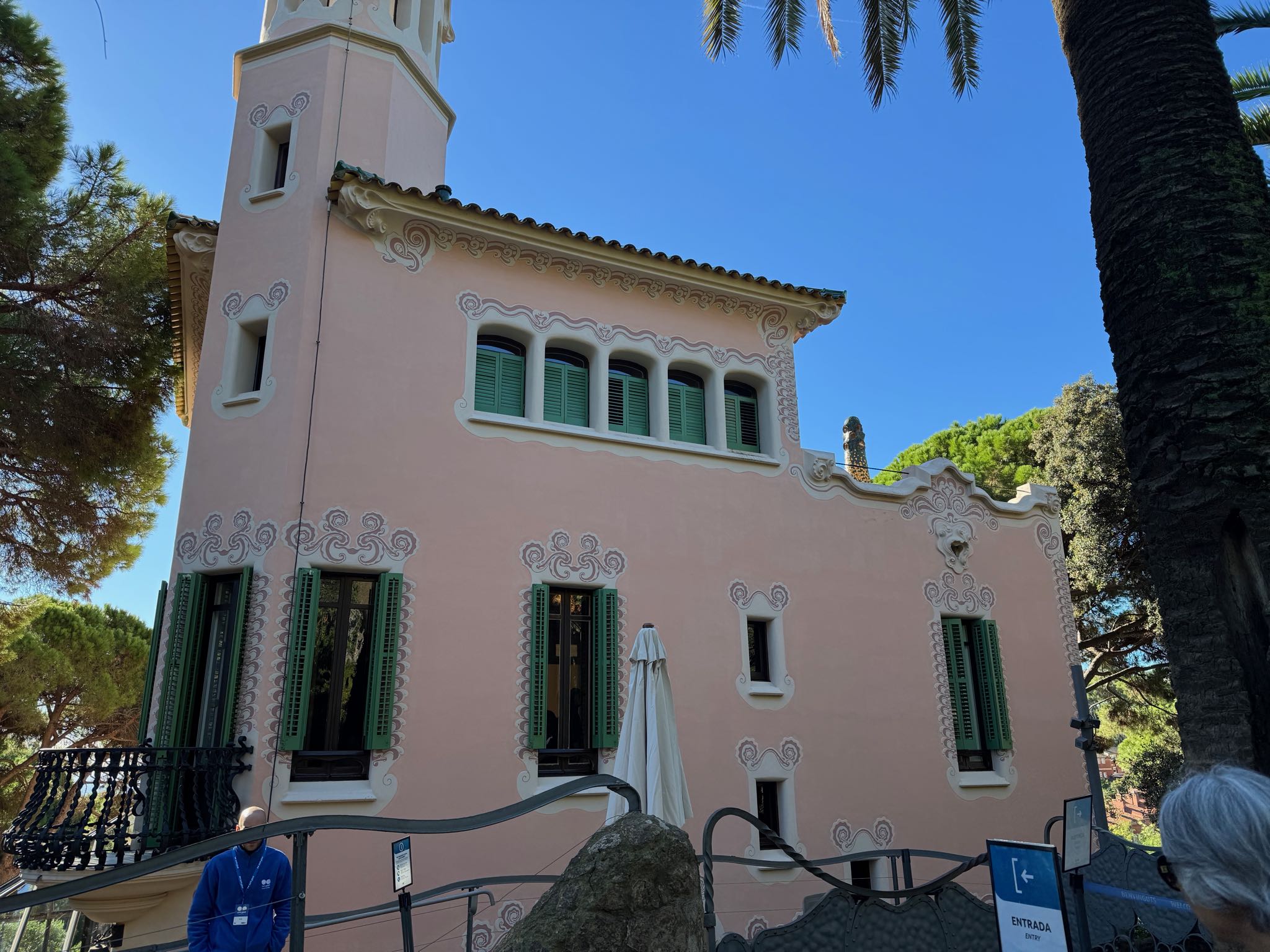
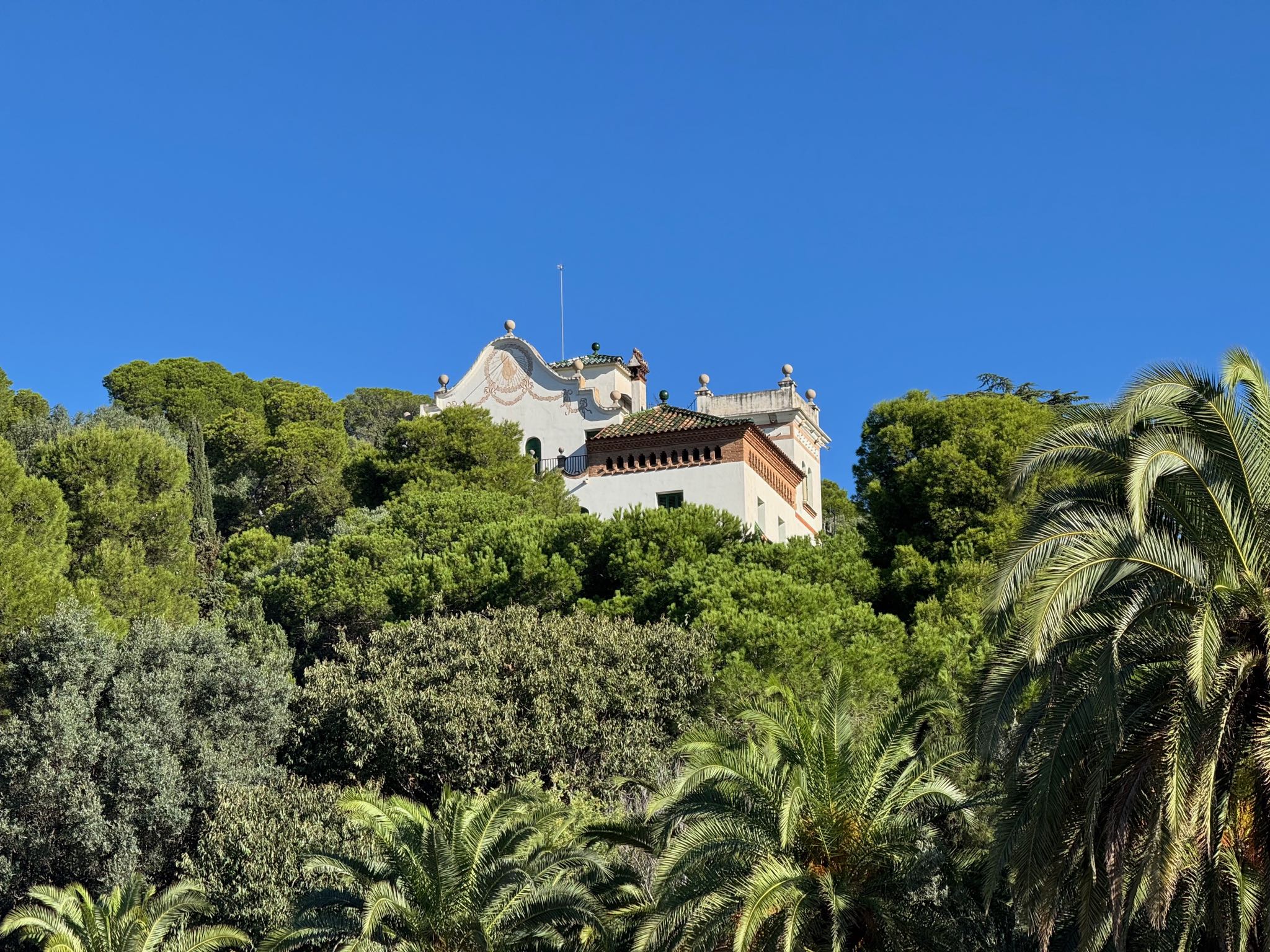
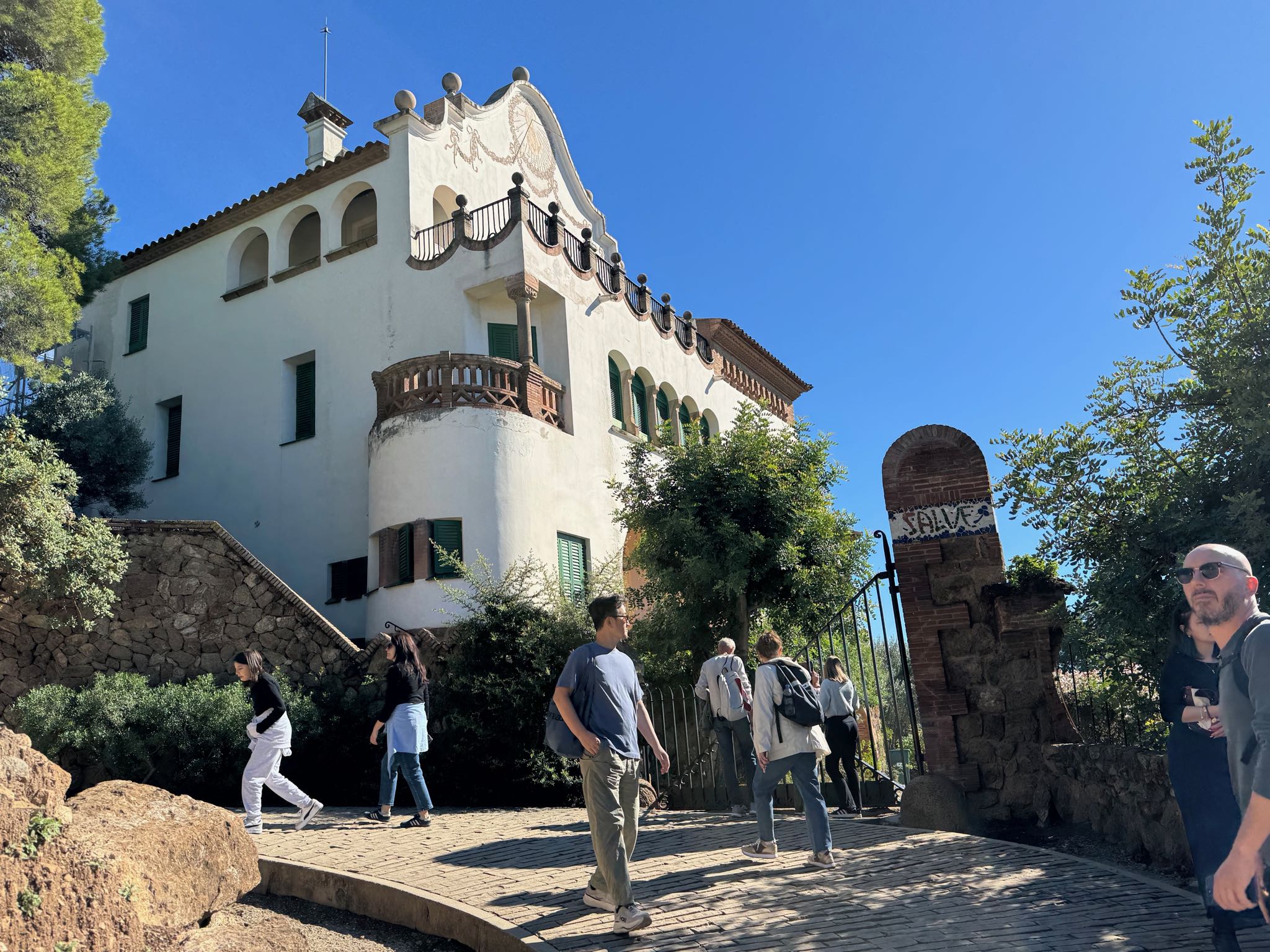
This is the House where Gaudi lived until 1925. (He moved out shortly before his death.) Every day he commuted by walk 40 mins down and 75 mins back to the Sangra Familia – his life’s work.

He was hit by a tram – and they took him to a poor hospital as they did recognise him due to his humble dress. The house went to the Sangra foundation.

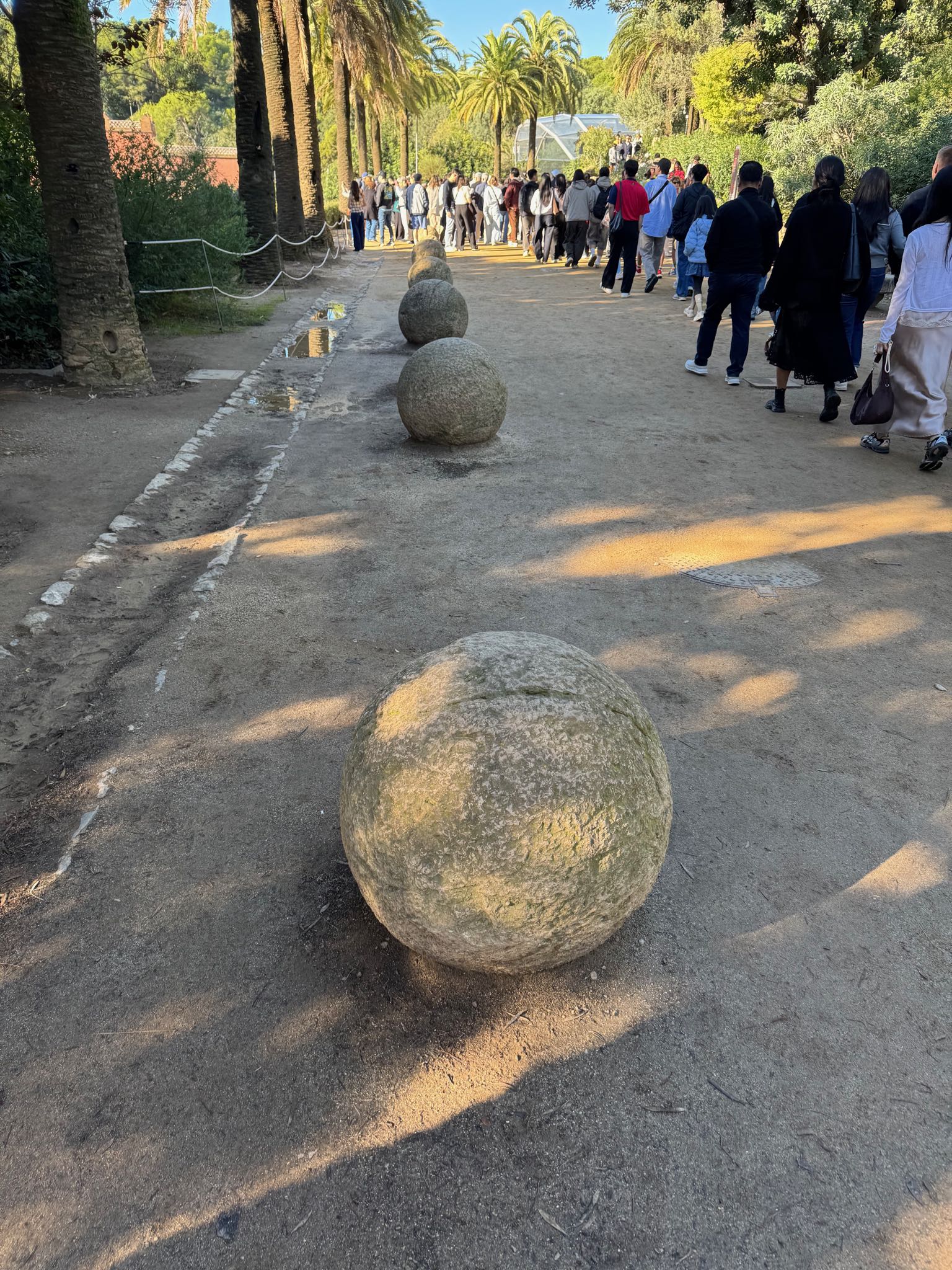
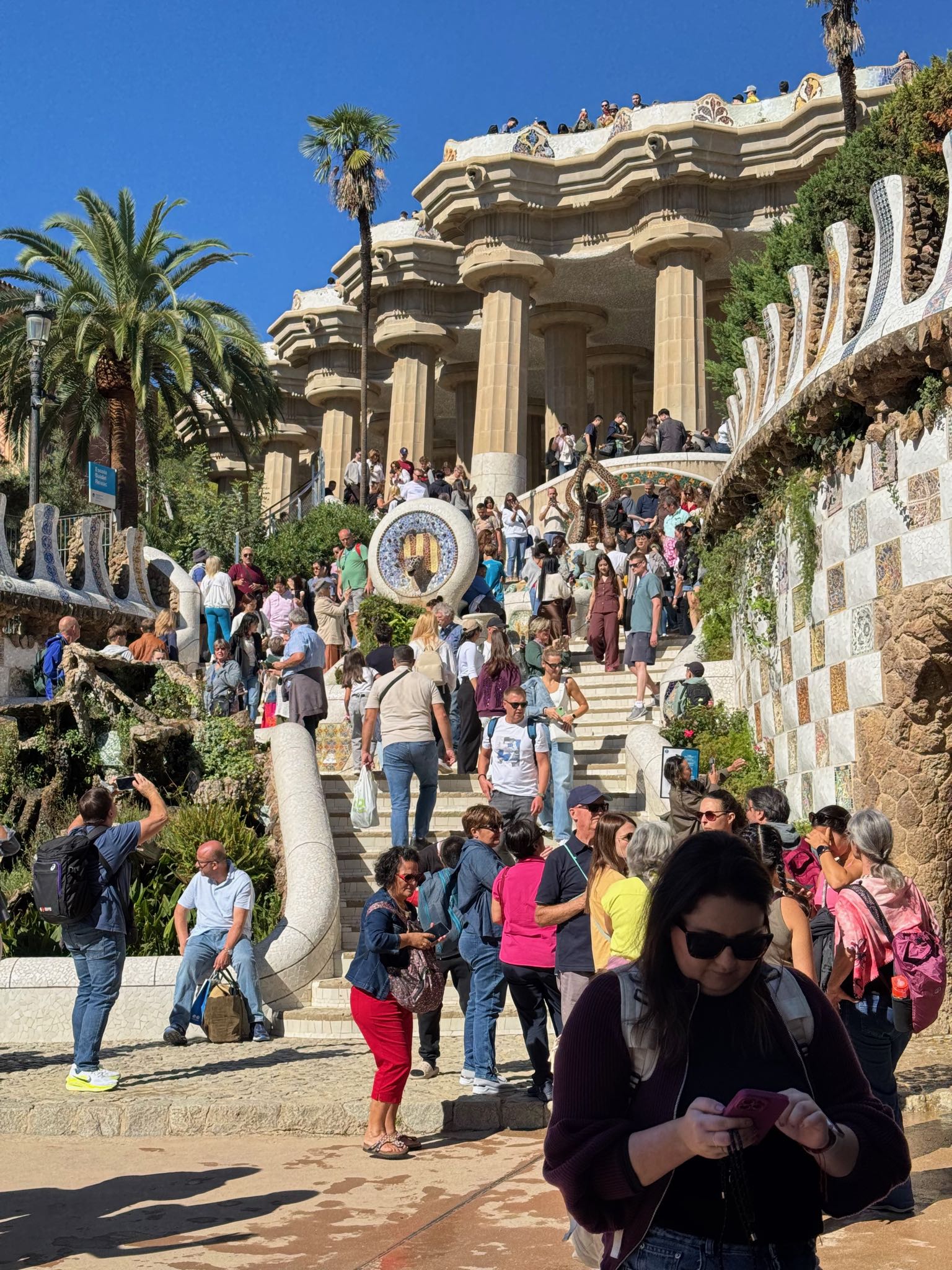
These are a row of spheres representing 59 spheres of a Catholic rosary.

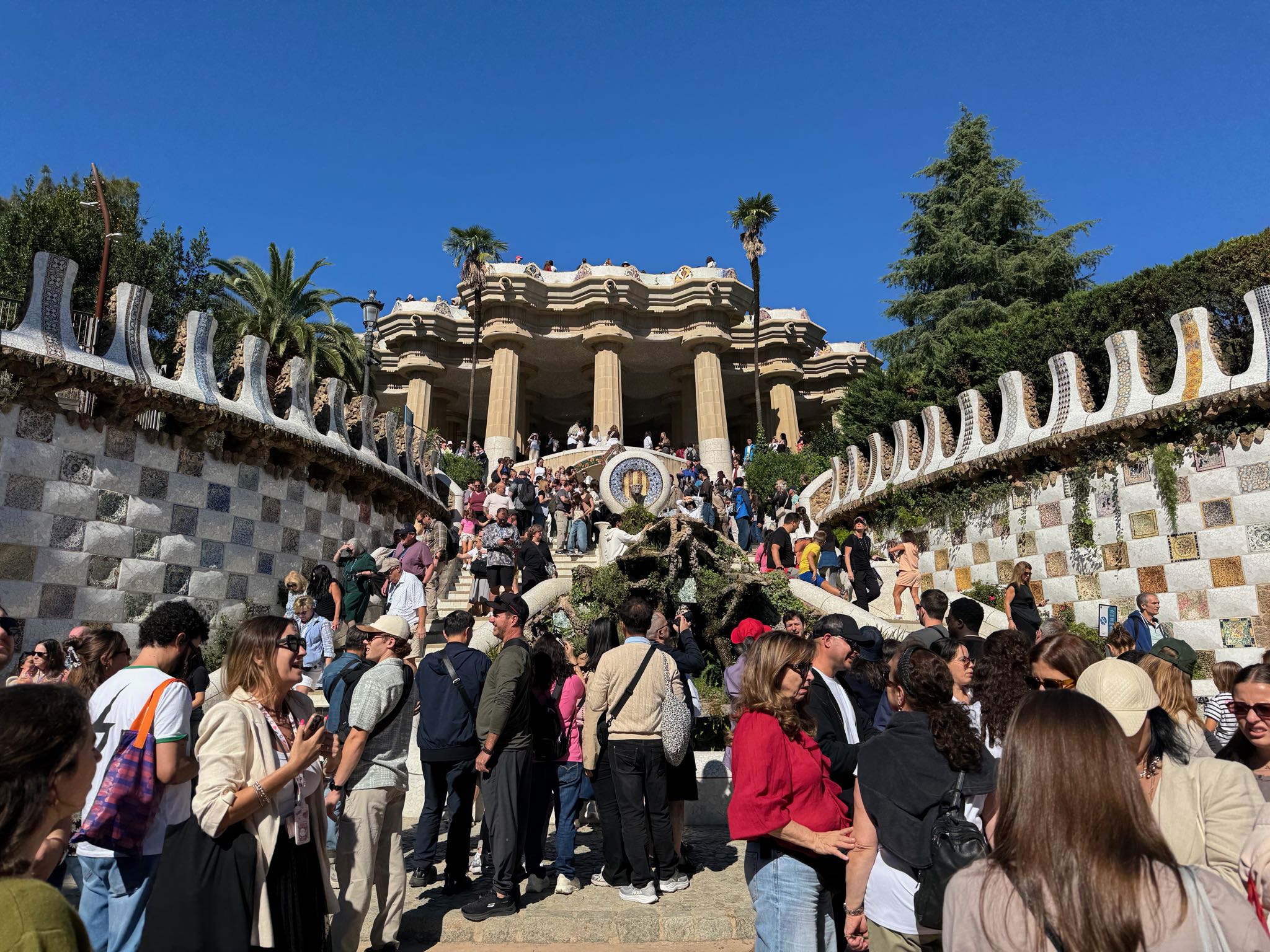
The housing project failed because no one wanted to live in this housing development park as it was expensive and far out. (They didn’t really have a concept of investing for future urbanisation back then.) The monthly strata fees put them off too. The project was before its time – 20 years later the city of the pollution would have driven them here but then it would never have become a foundation park.

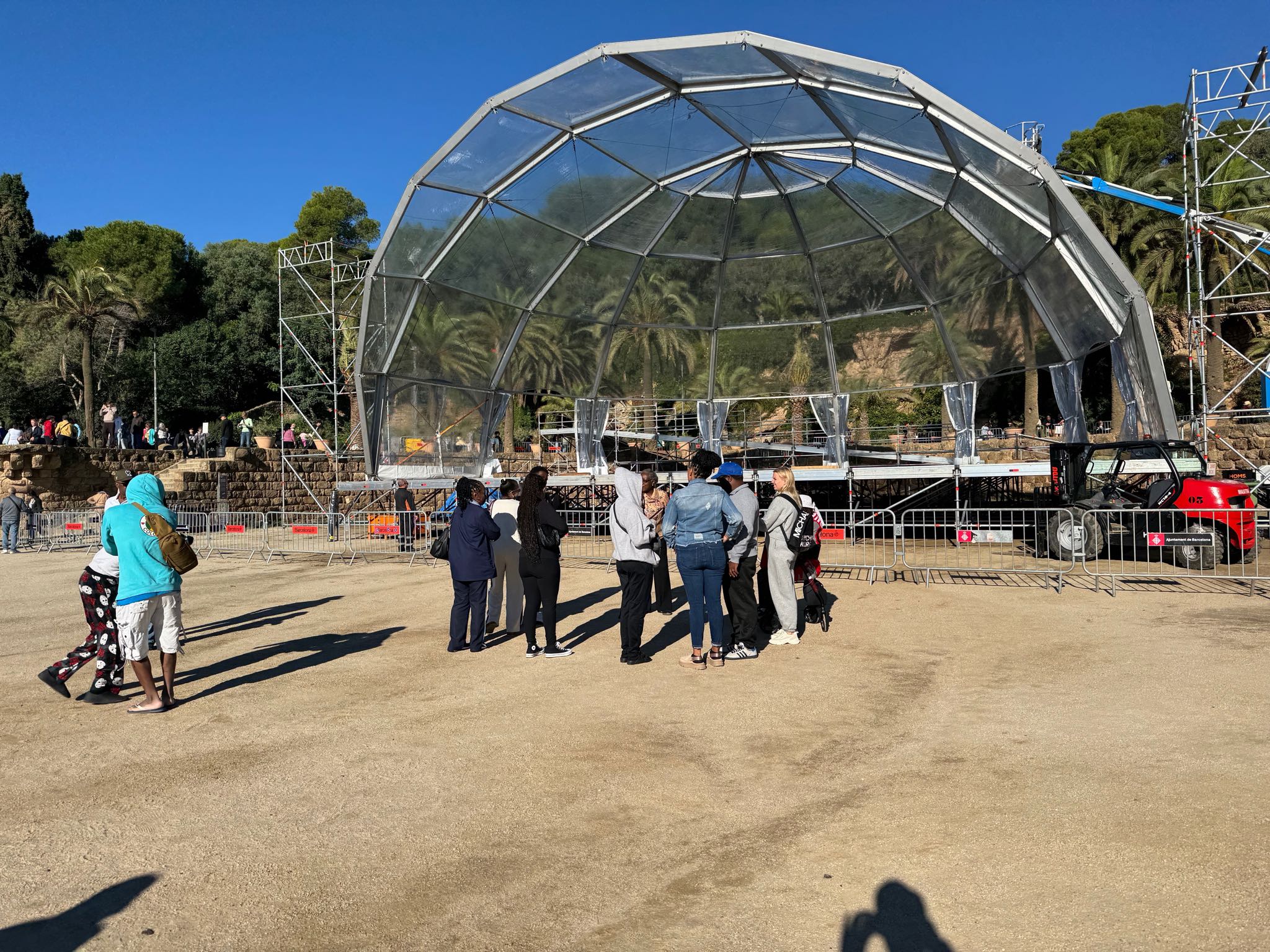
This was a socialisation park that is now used for city performances.

Casa Trias was the first and only house built and sold in Guell Park. The Guell Park foundations have been trying to buy it, and the owners have refused to sell for three generations.

Gaudi designed ergonomic benches with drains.

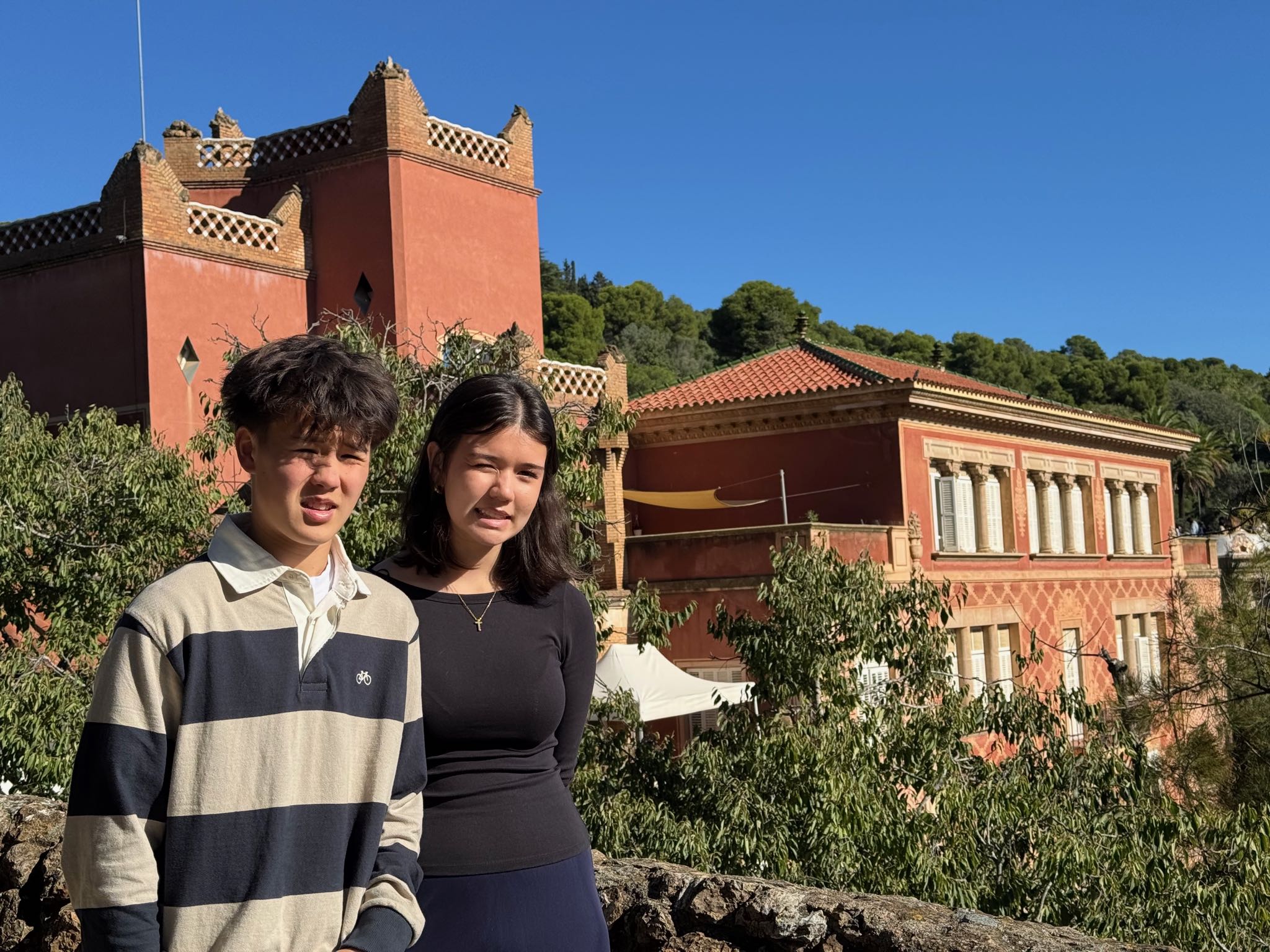
This is Casa Larad – the house of Eusibi Guell – the property developer. When he died in 1918, the family sold it to the City Council in 1922, and the City turned it into a school in 1926. The shouts and squeals of a children’s primary school could be heard over the fence.

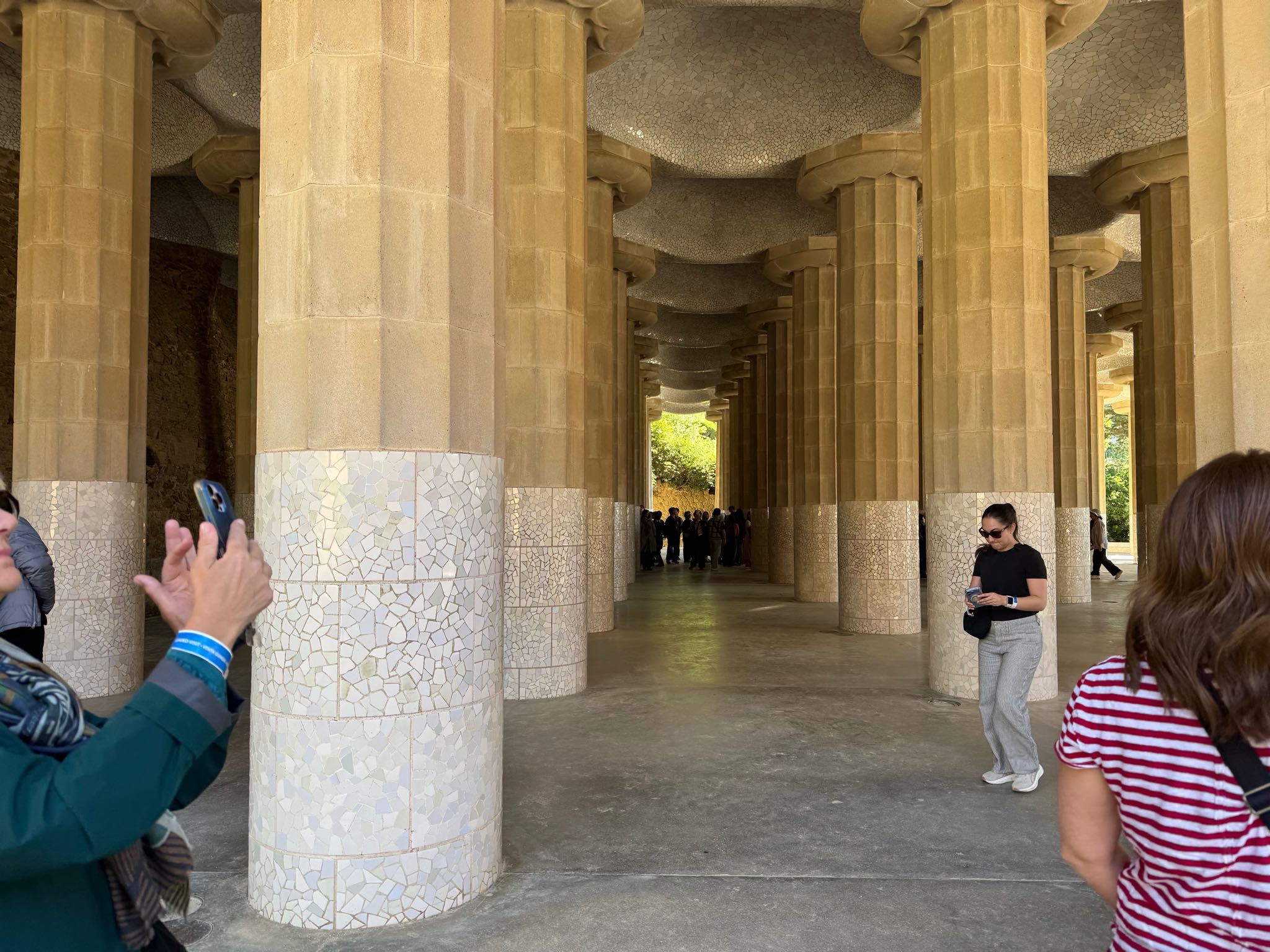
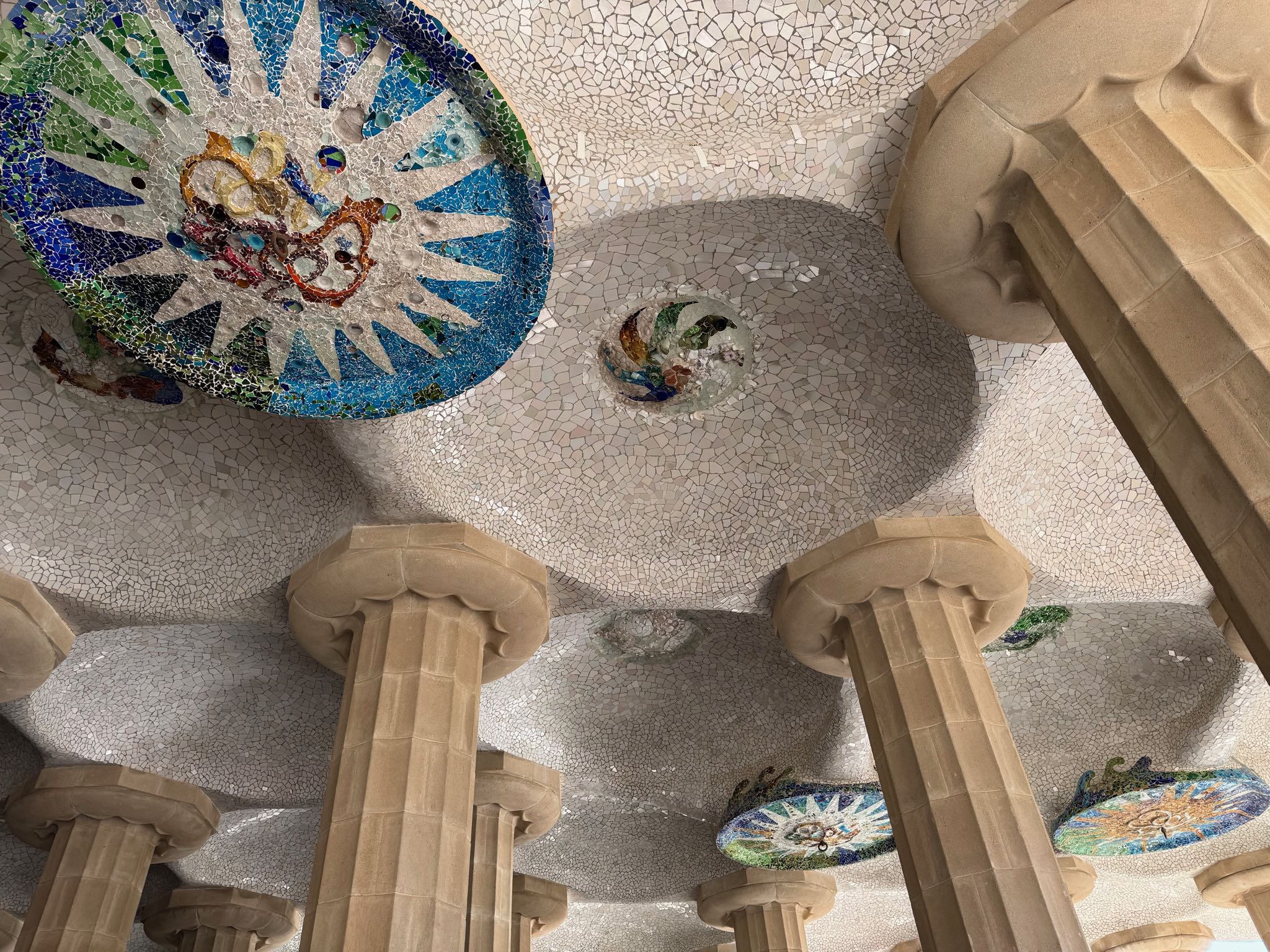
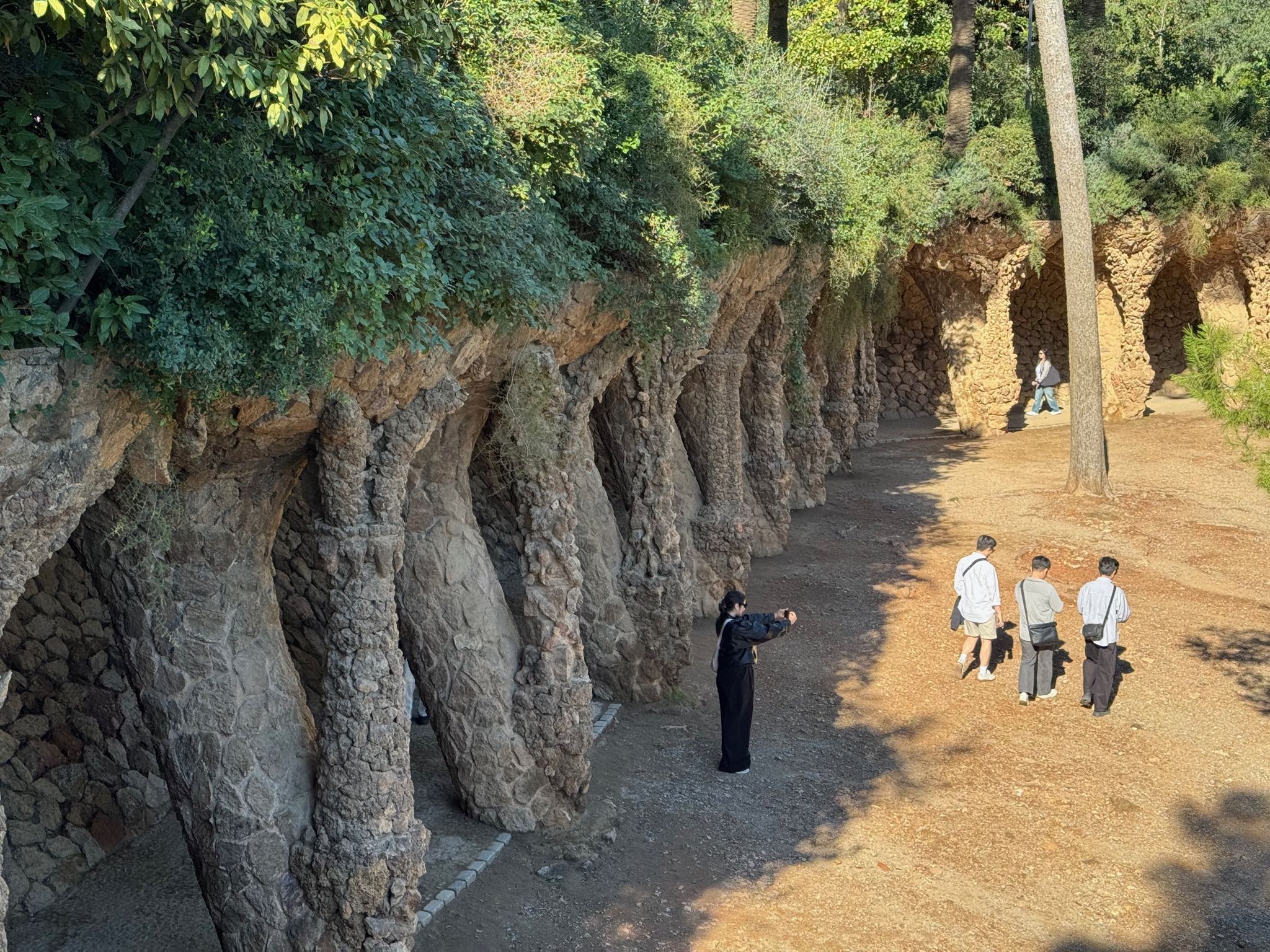
This is the “Room of 100 Columns.” [There is only 80.] They collect the water runoff from the … an go to a subterranean tank, and used to water the garden. This system is in use today. The pattern of four represents the four seasons in a year.

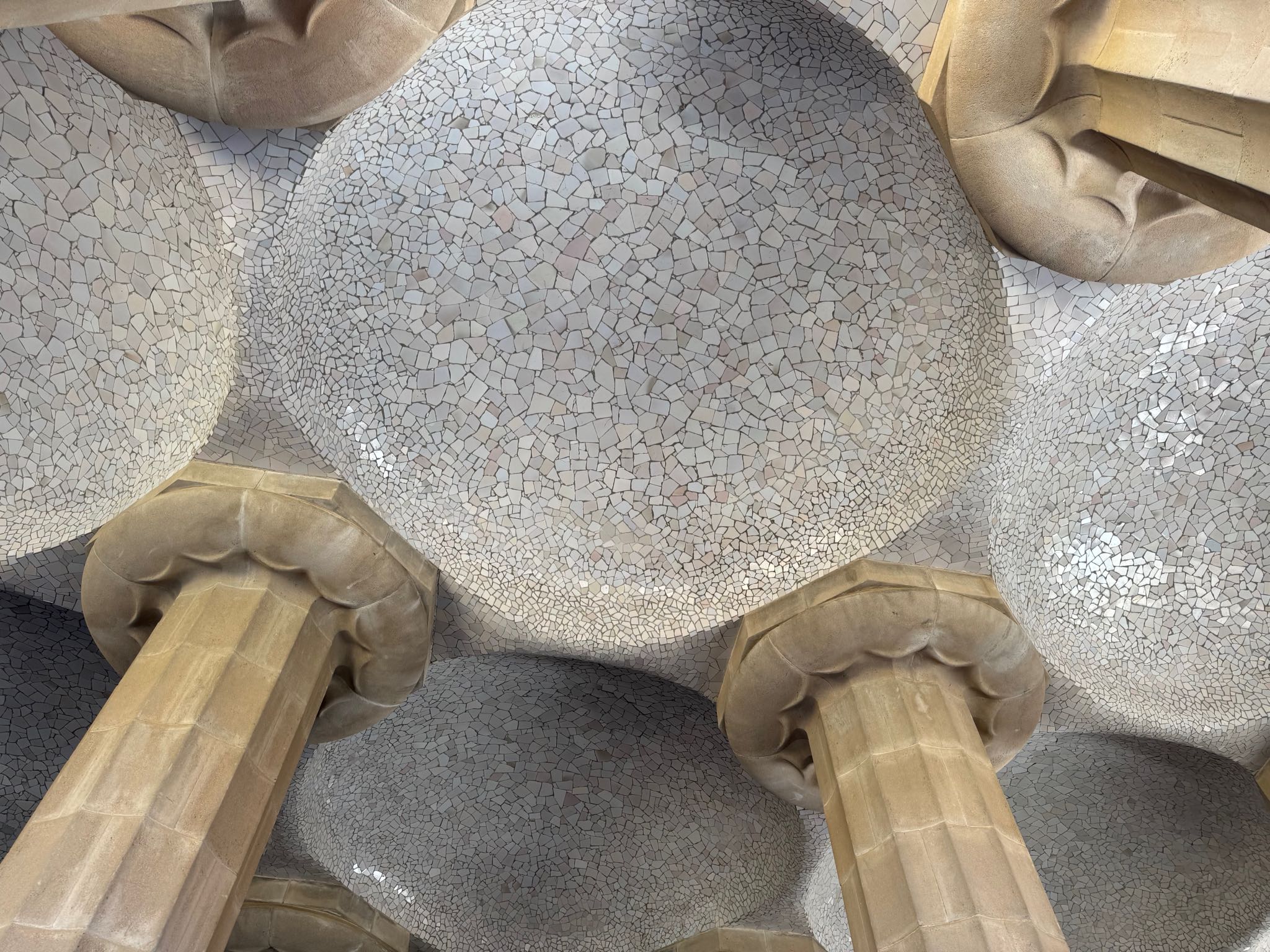
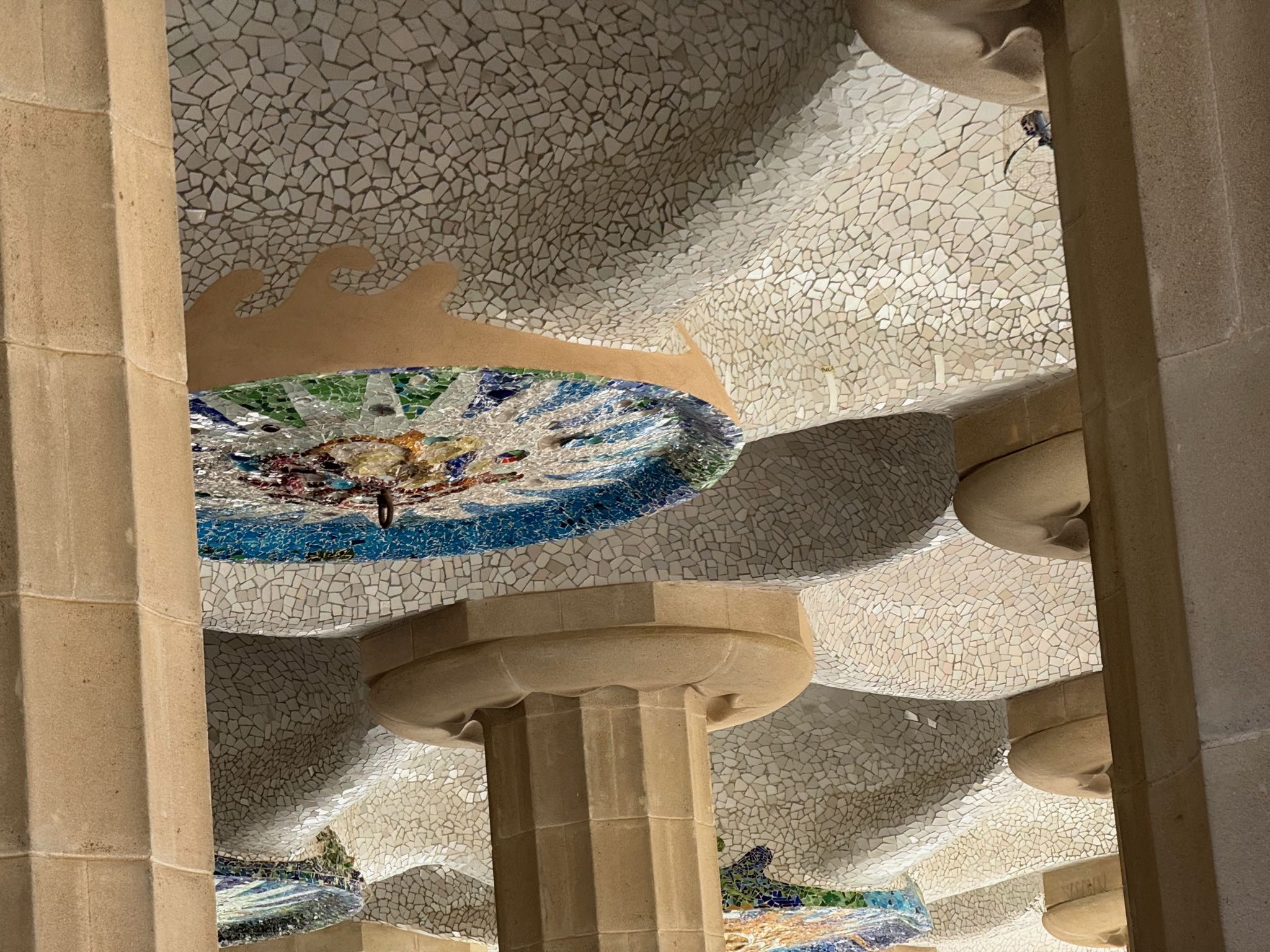
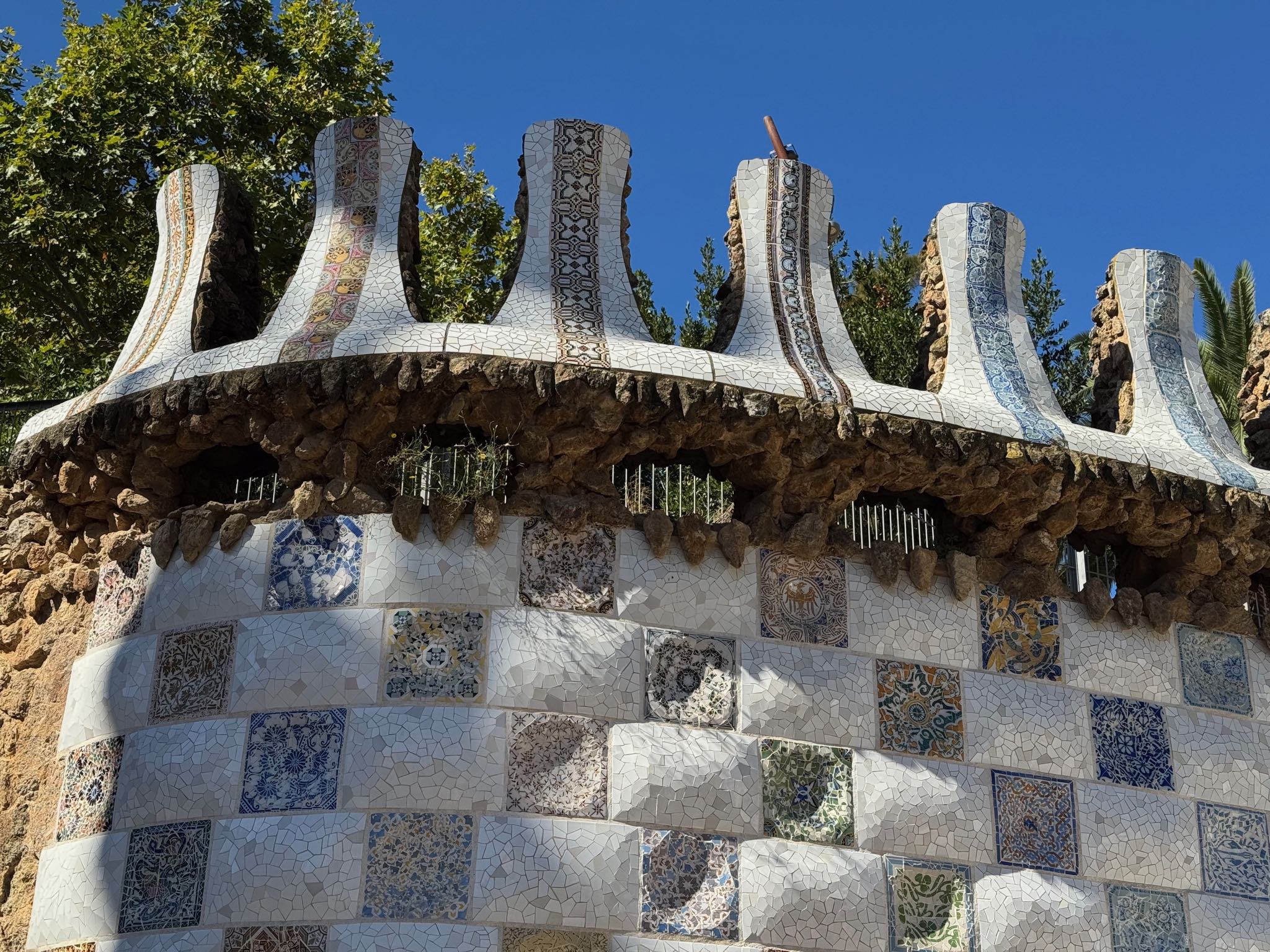
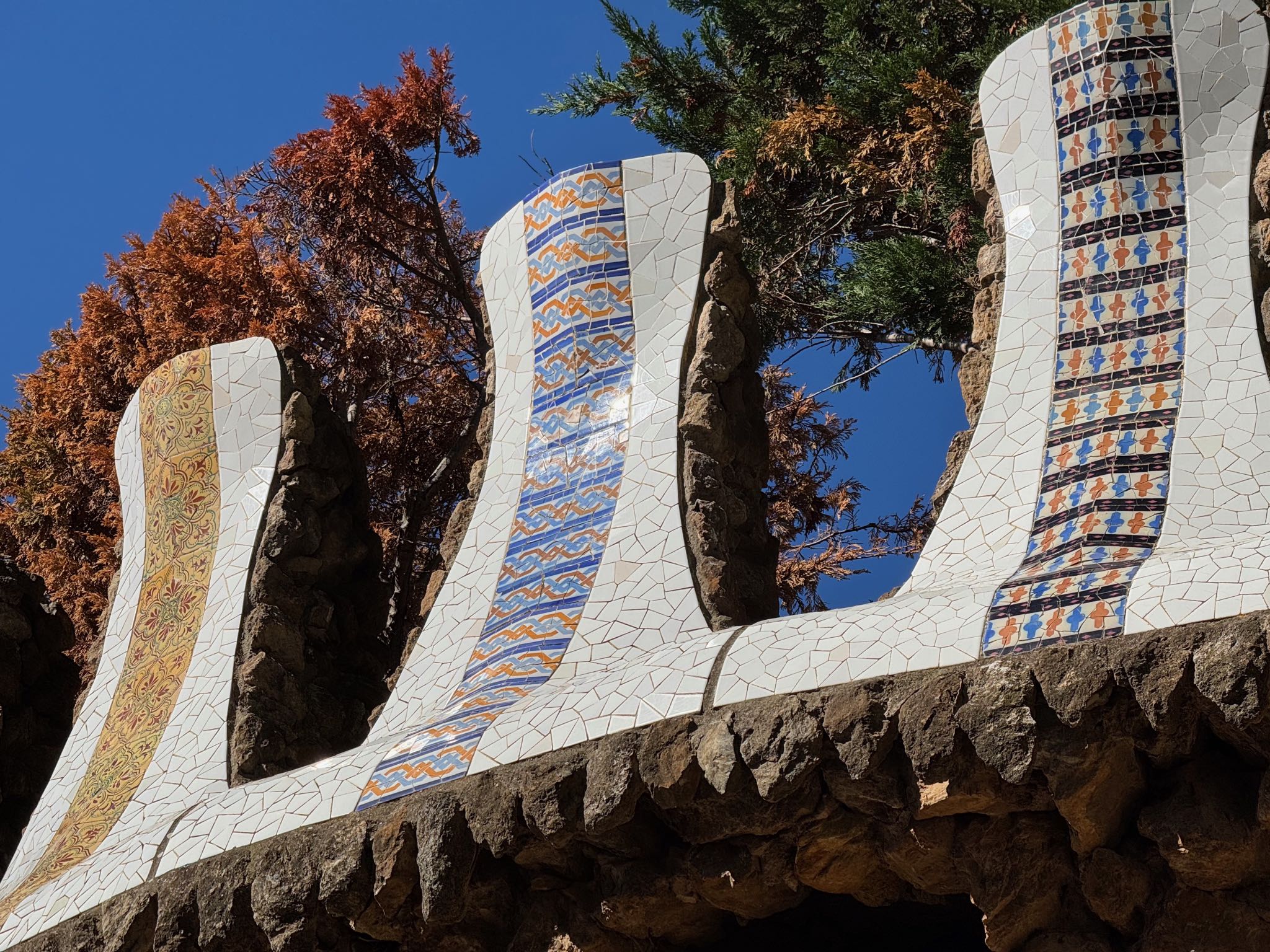
Gaudi’s idea with the broken tiles was that they would reflect light and provides cooling and be cleanable. Gaudi is moving onto a Greek theme with the columns.

Gaudi choose recycled kitchen tiles not for sustainability, but to create beauty from ordinary things in the kitchen. As we leave the room, Gaudi’s greek column and tile narrative takes on a life of its own.

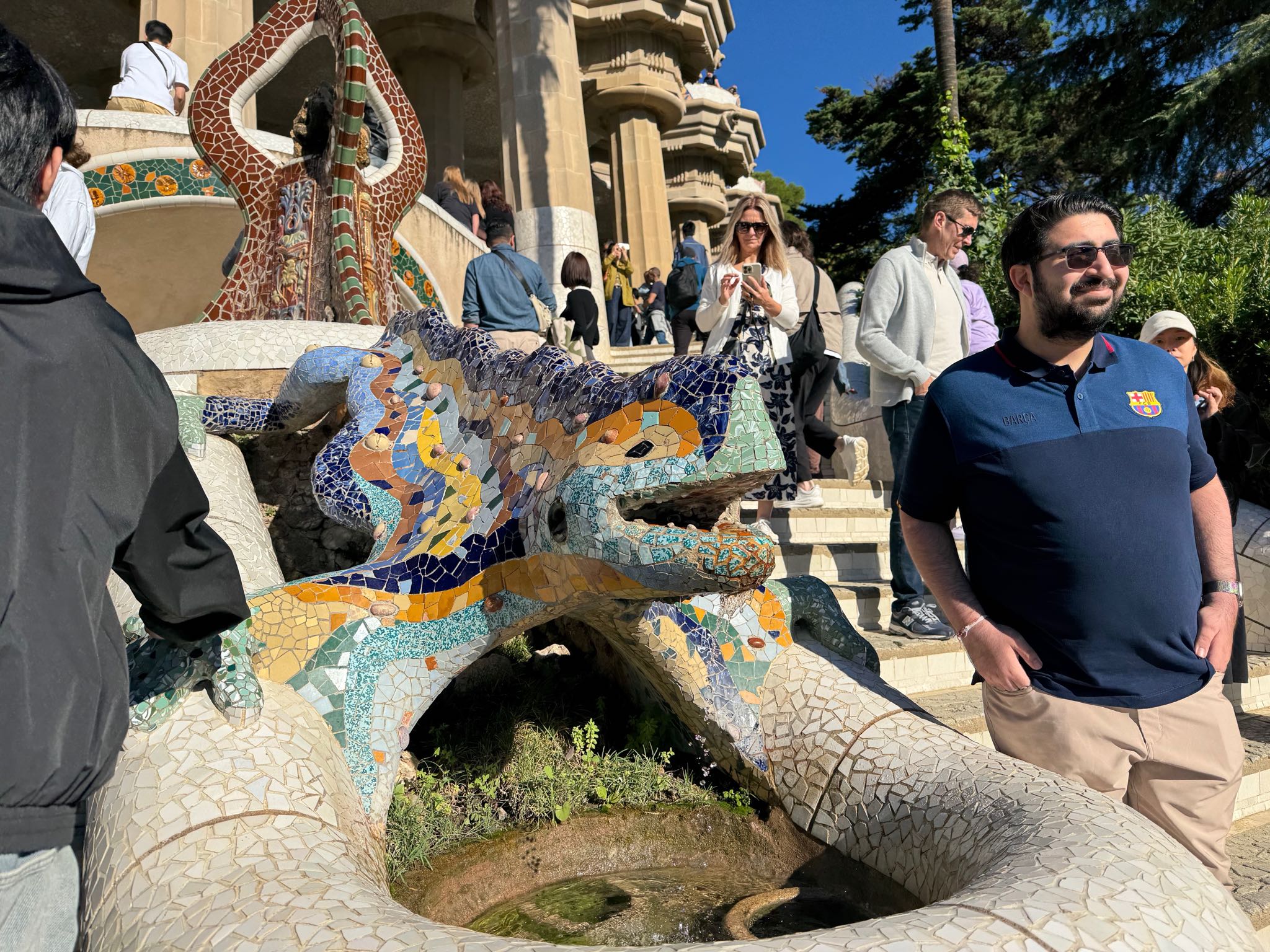
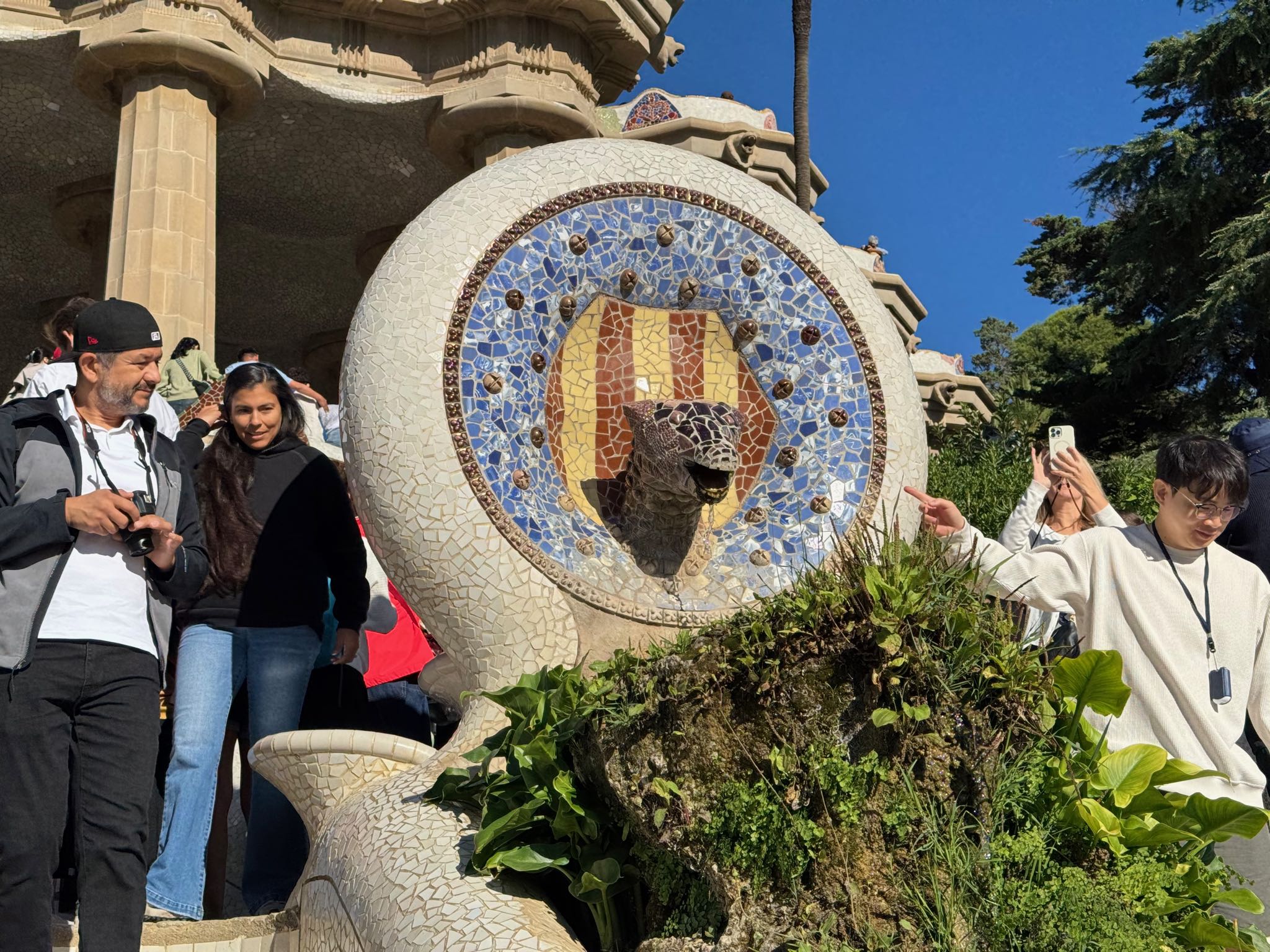
This is the dragon (not a snake) from Delphi Greek Mythology, who guarded dangerous knowledge, and was slewn by Apollo to control the Oracle. There are three snakes from the story.

Around this area there was a kind of “5-year-old girls birthday party – release of the one pink balloon” effect.

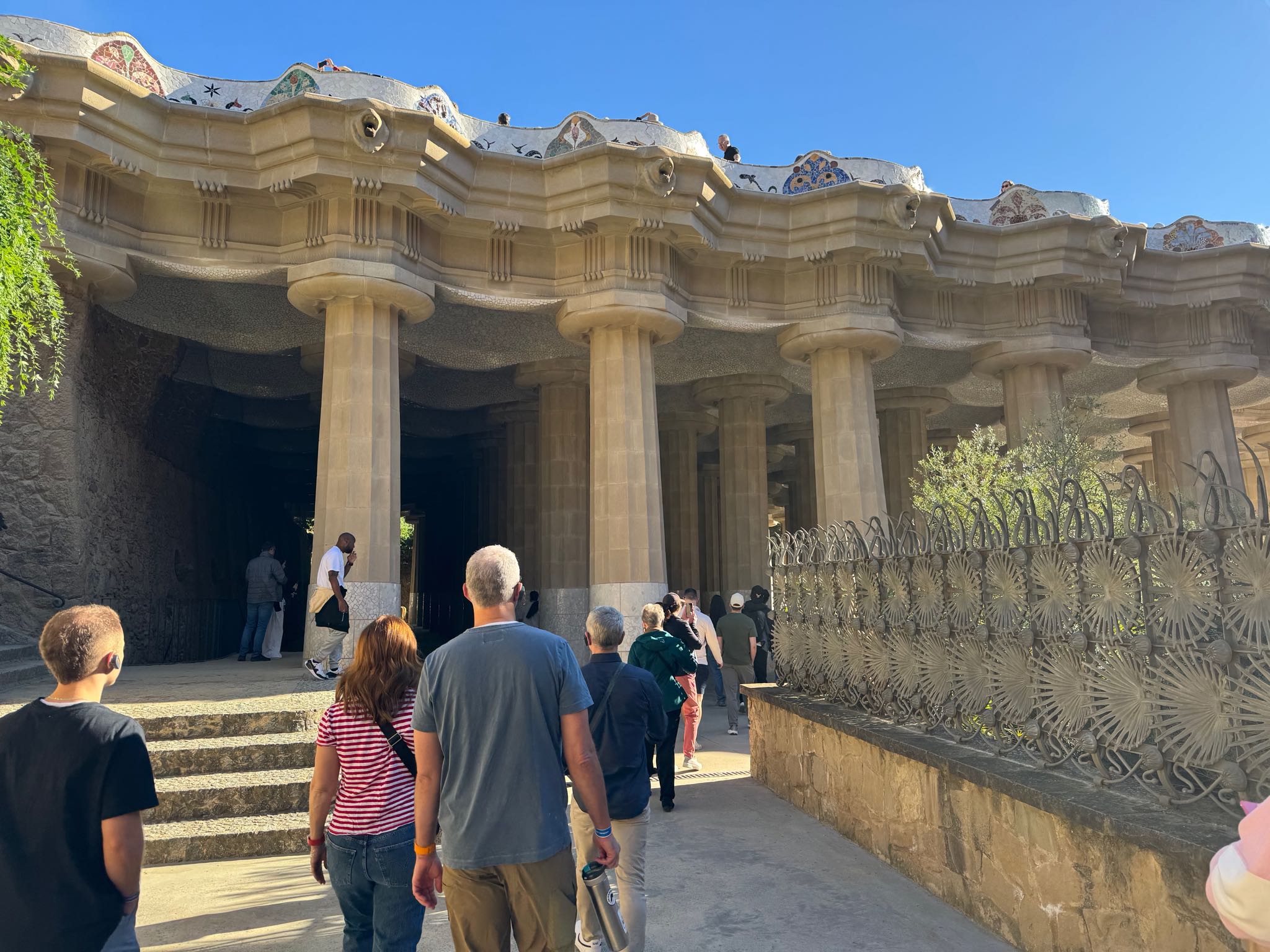
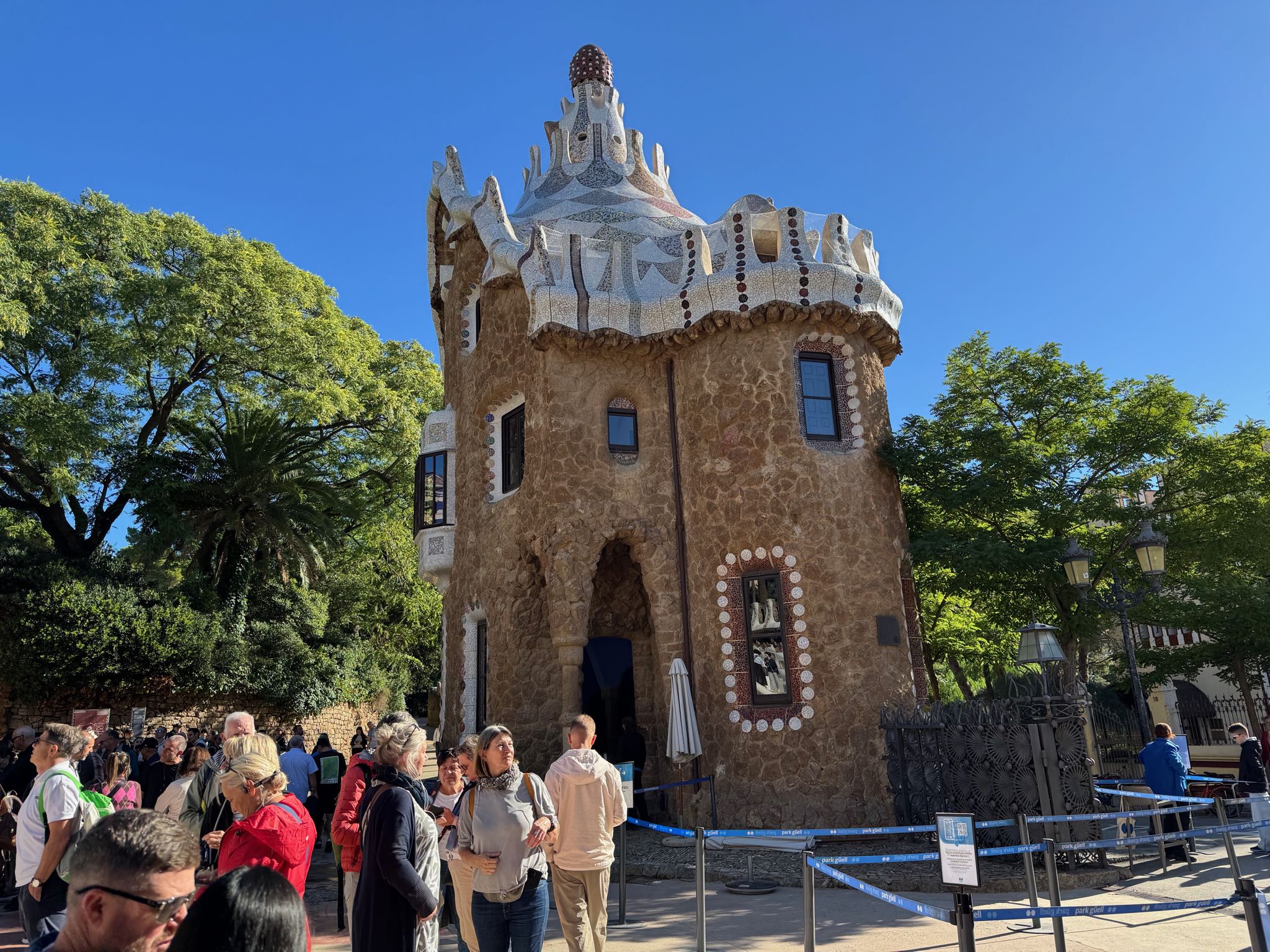
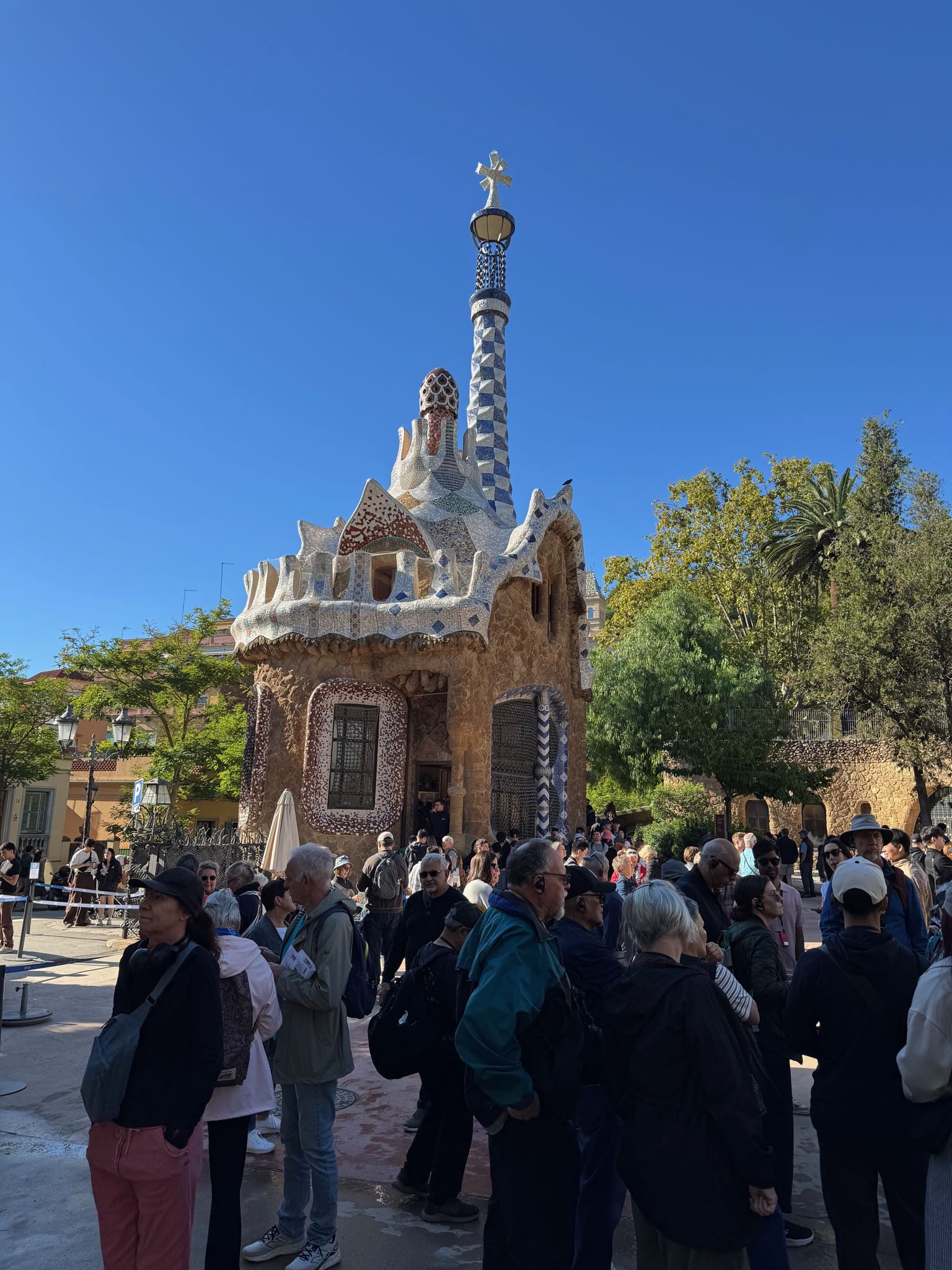
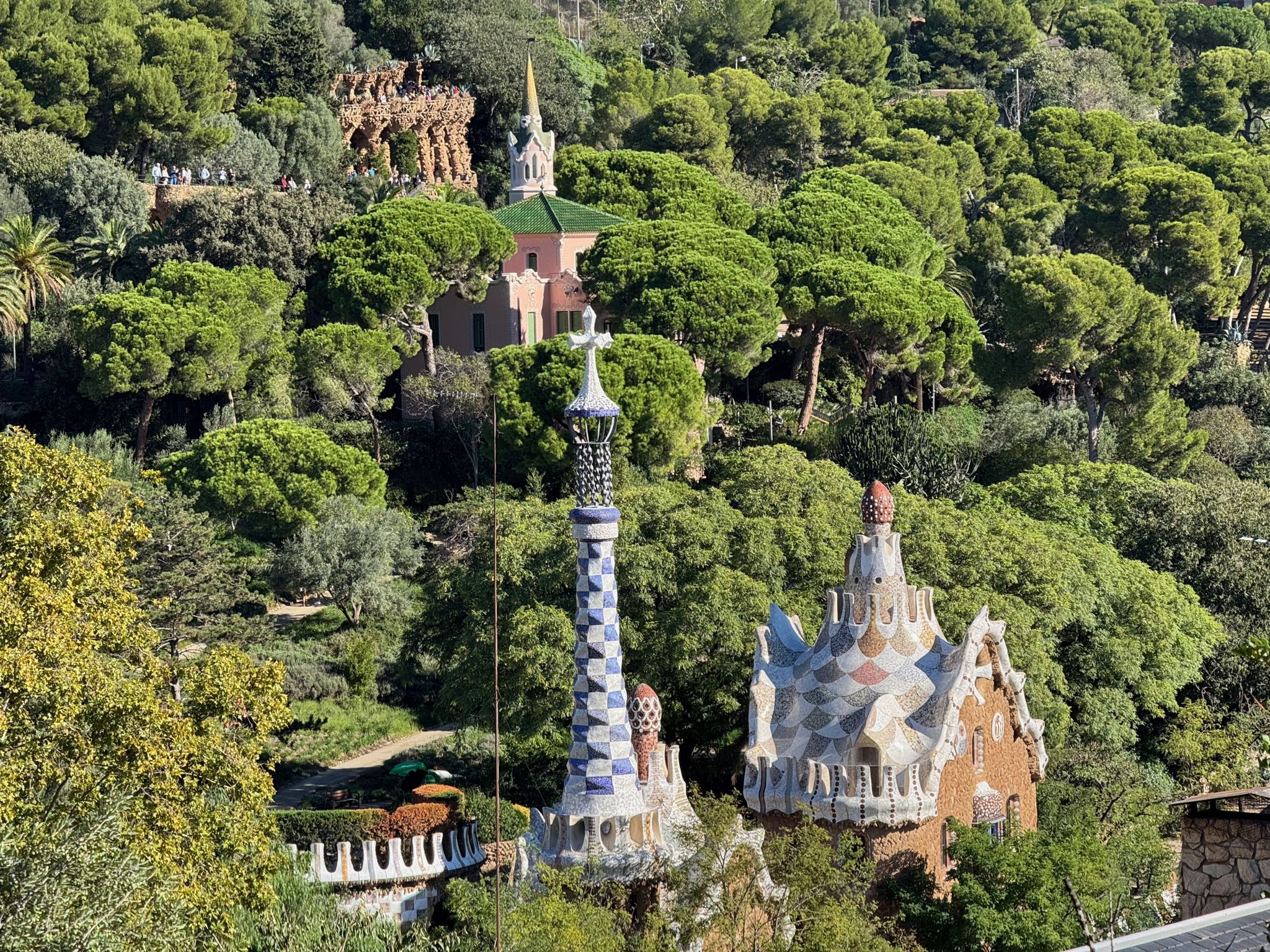
This is the Casa Del Guarda, was designed to be the Main entry to park – the guards house. (Now near the exit.)

This house is known as Gingerbread house. It was designed to be the place where guests invited to parties would wait, and could be met, and their invitations checked before they were admitted.

To our knowledge, Gaudi did 100 architecture projects that got built and only 20 are left.

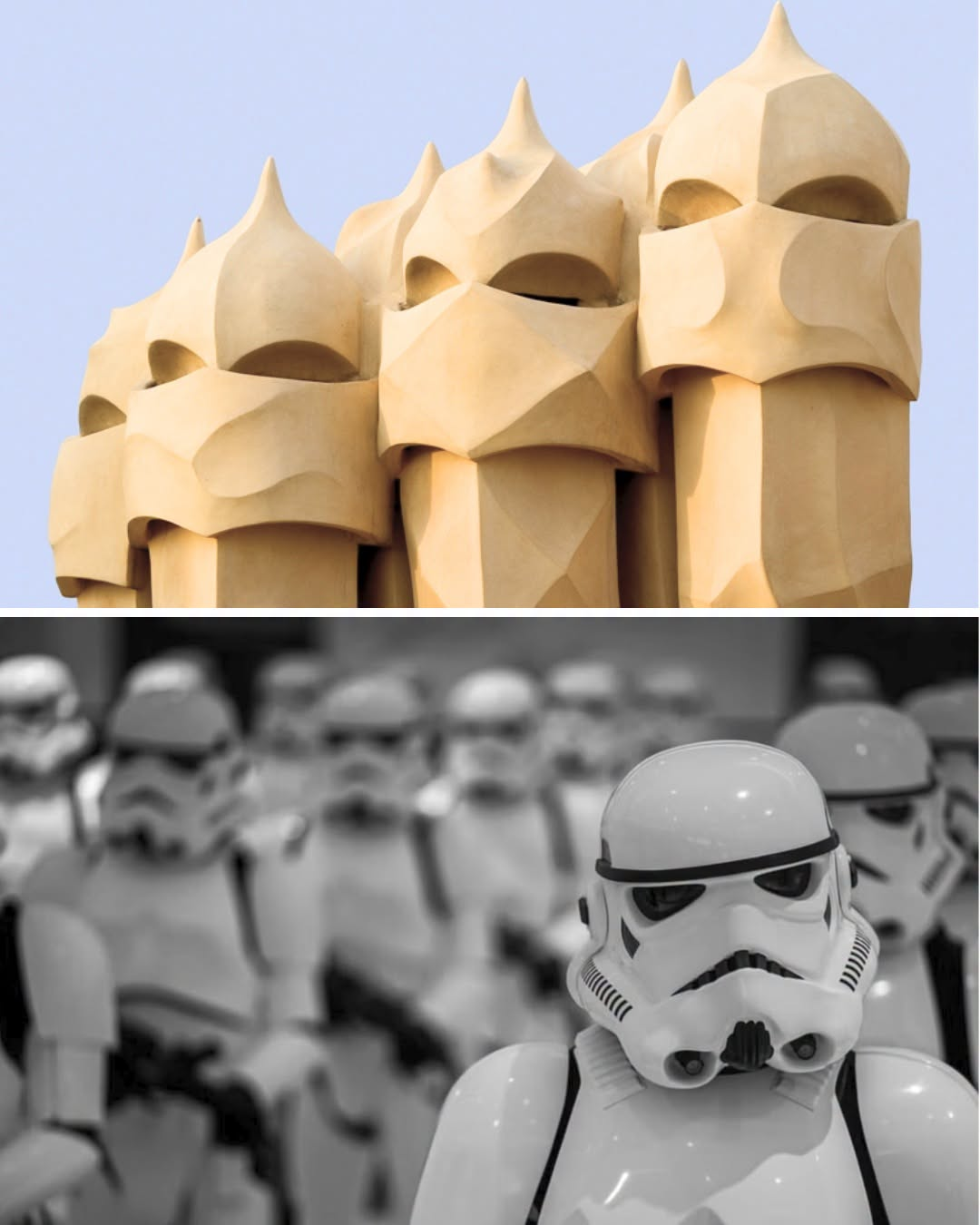
George Lucas, maker of Star Wars – visited Barcelona seeing Gaudi’s buildings and Guell Park (what must have been the 1970s) and this influenced his designs in Star Wars. The story goes that the Casa Milla apartment chimneys (not in Park Guell – but elsewhere in Barcelona) influenced the Stormtroopers and Vader’s mask. This is not well evidenced, and there is more evidence that this came from Samurai masks and WWII designs.

There is however evidence that Park Guell directly influenced his designs in Star Wars Episode II. (As well as a Terminte infestation in his house when he was making the movie.)

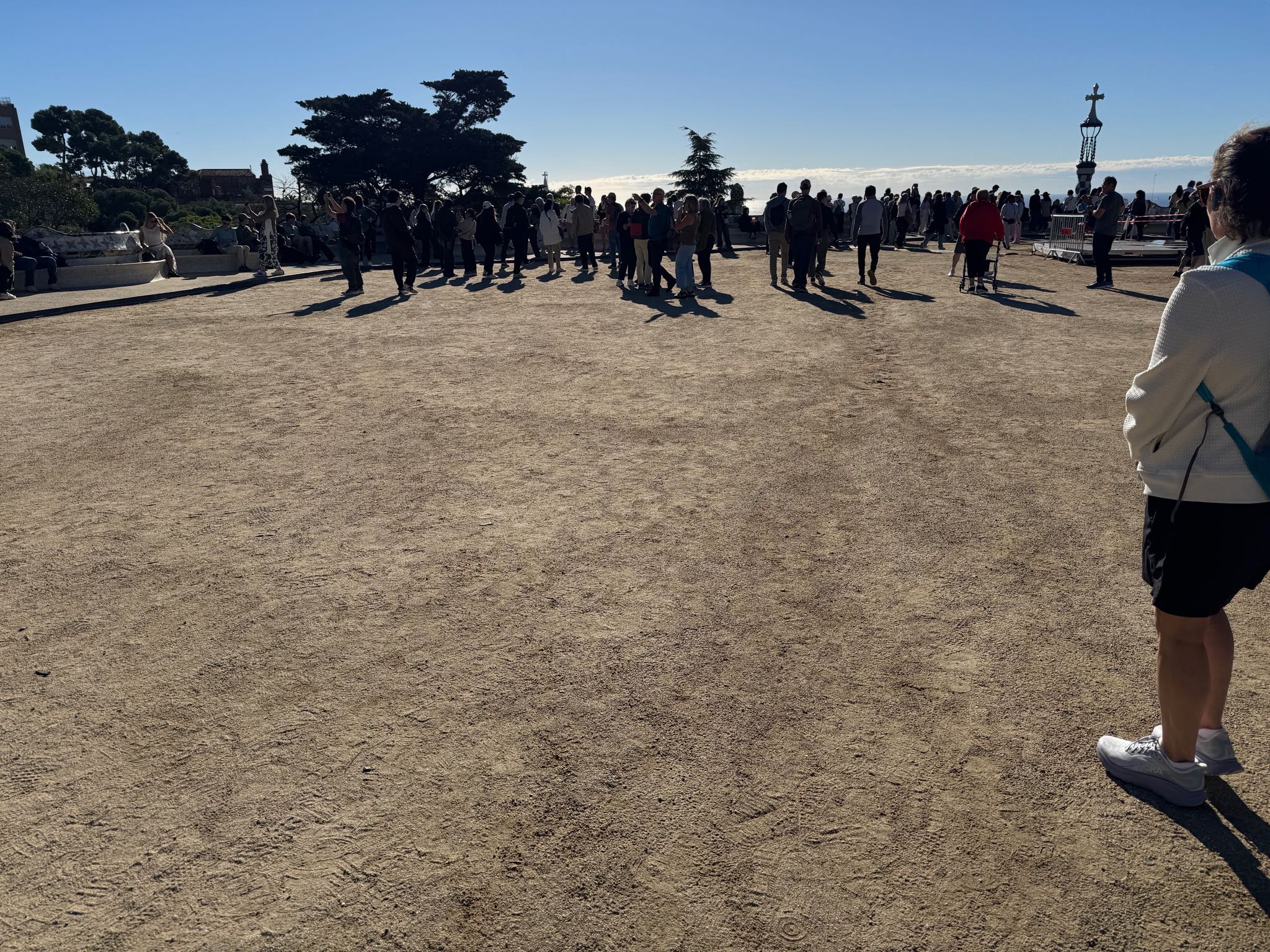
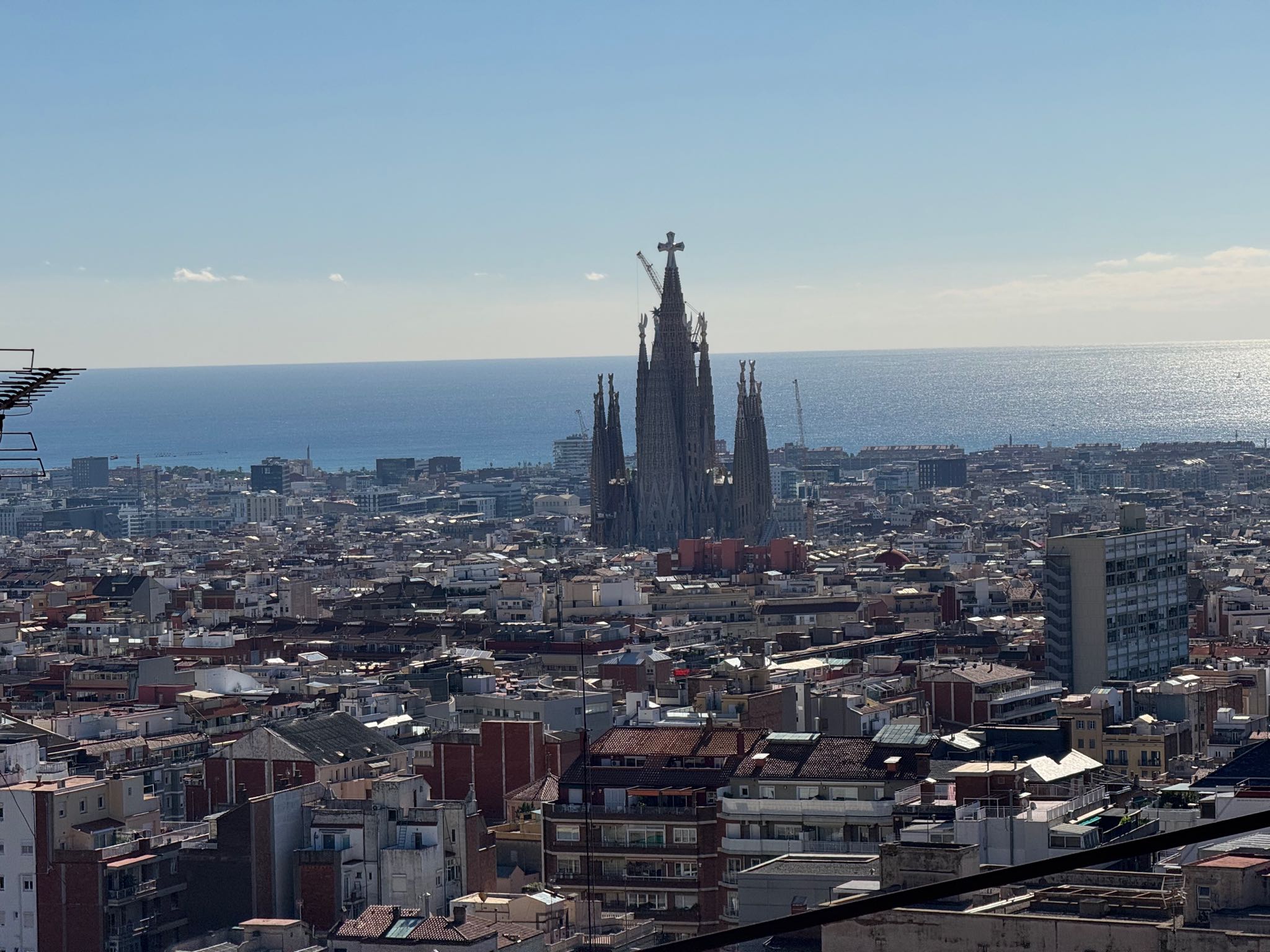
As we walk up the hill – the views over the city to the water are astounding.

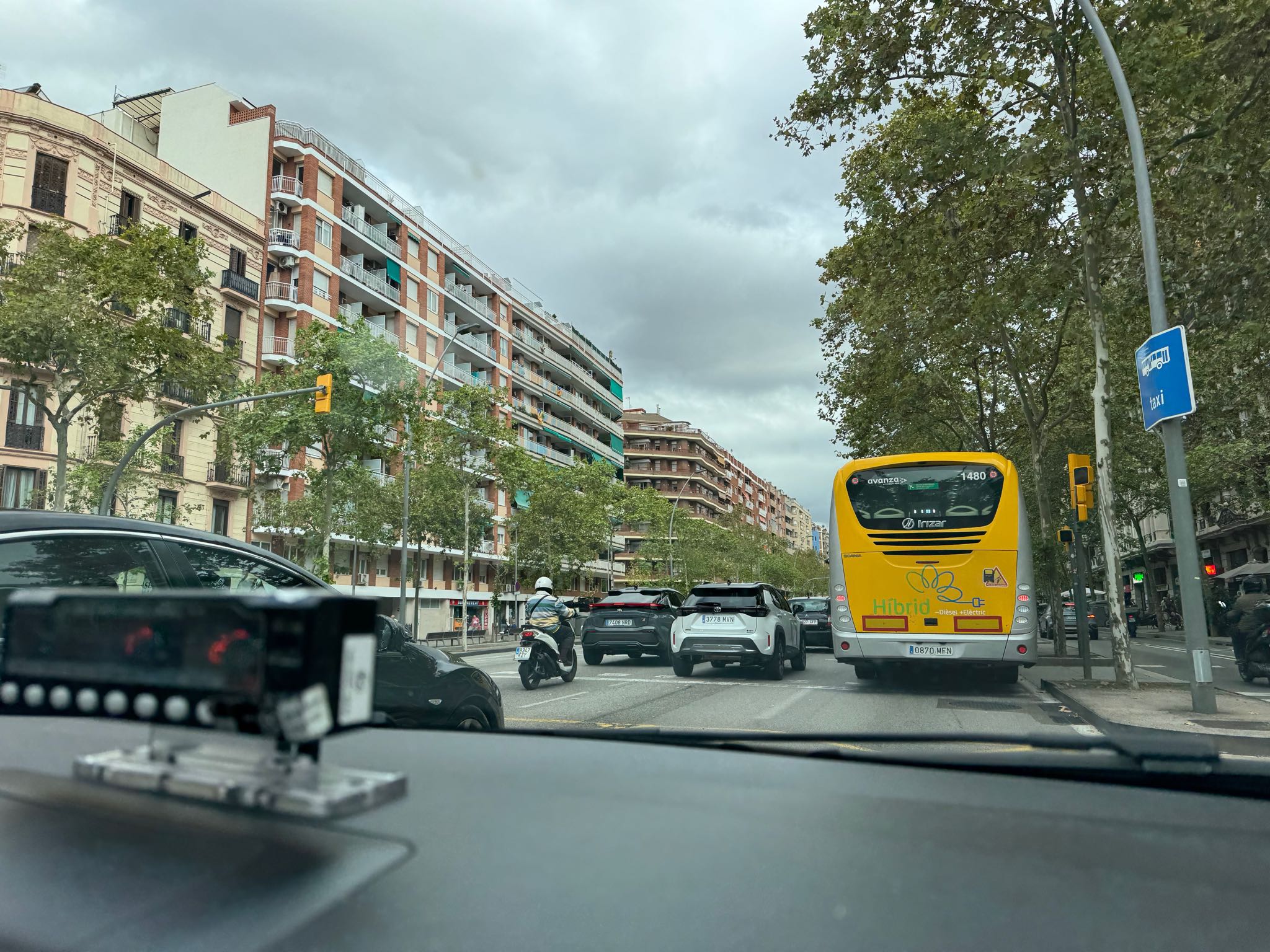
We climb to a hill where a church was planned, but all that was built were three crosses.

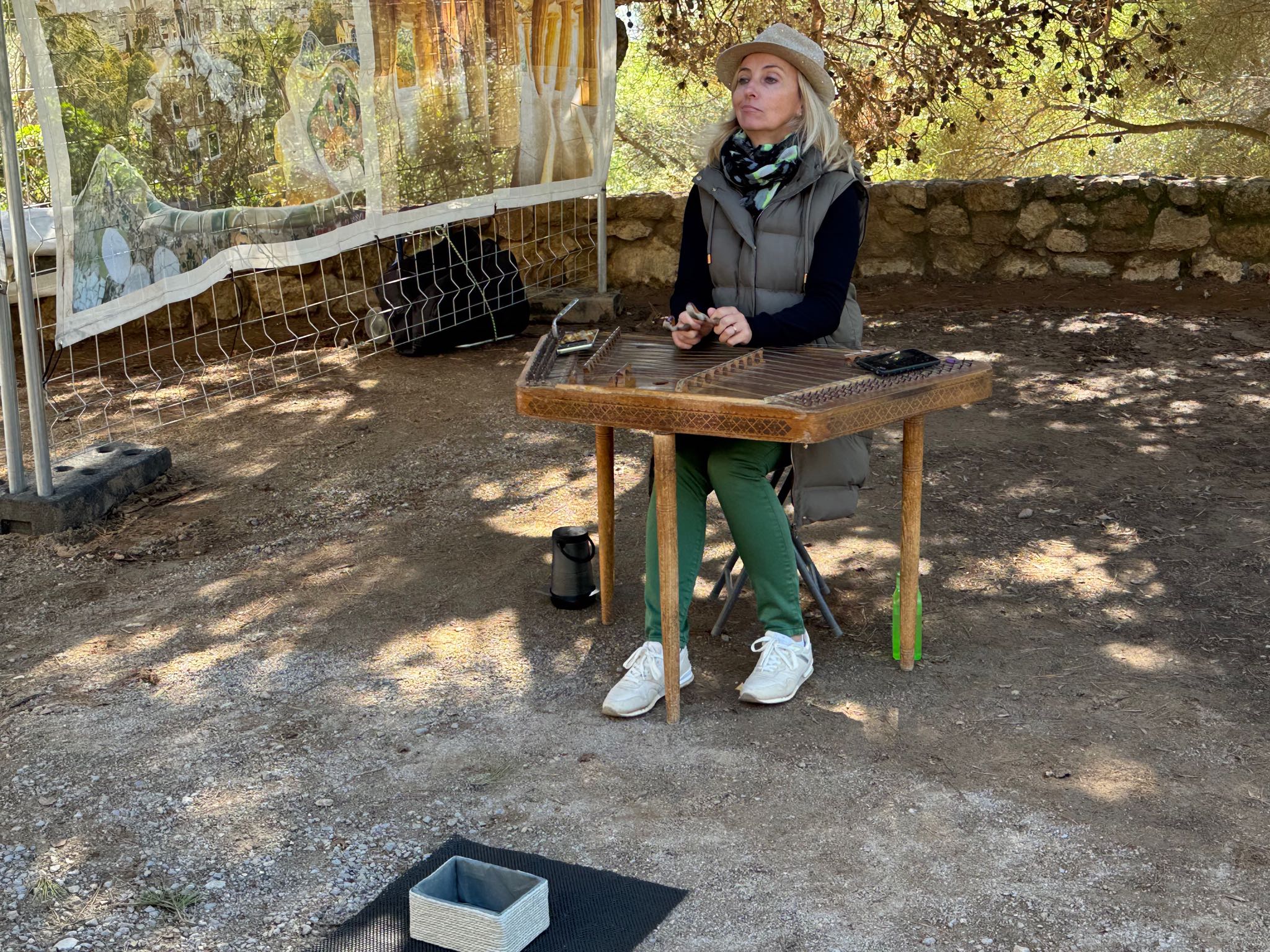
There were lots of musicians in the park. Making it almost magical.

Walking through the park, this woman played an amazing rendition of ‘Unbreak my heart’ on a Hammered Dulcimer (Zither). I didn’t quite catch it on video.

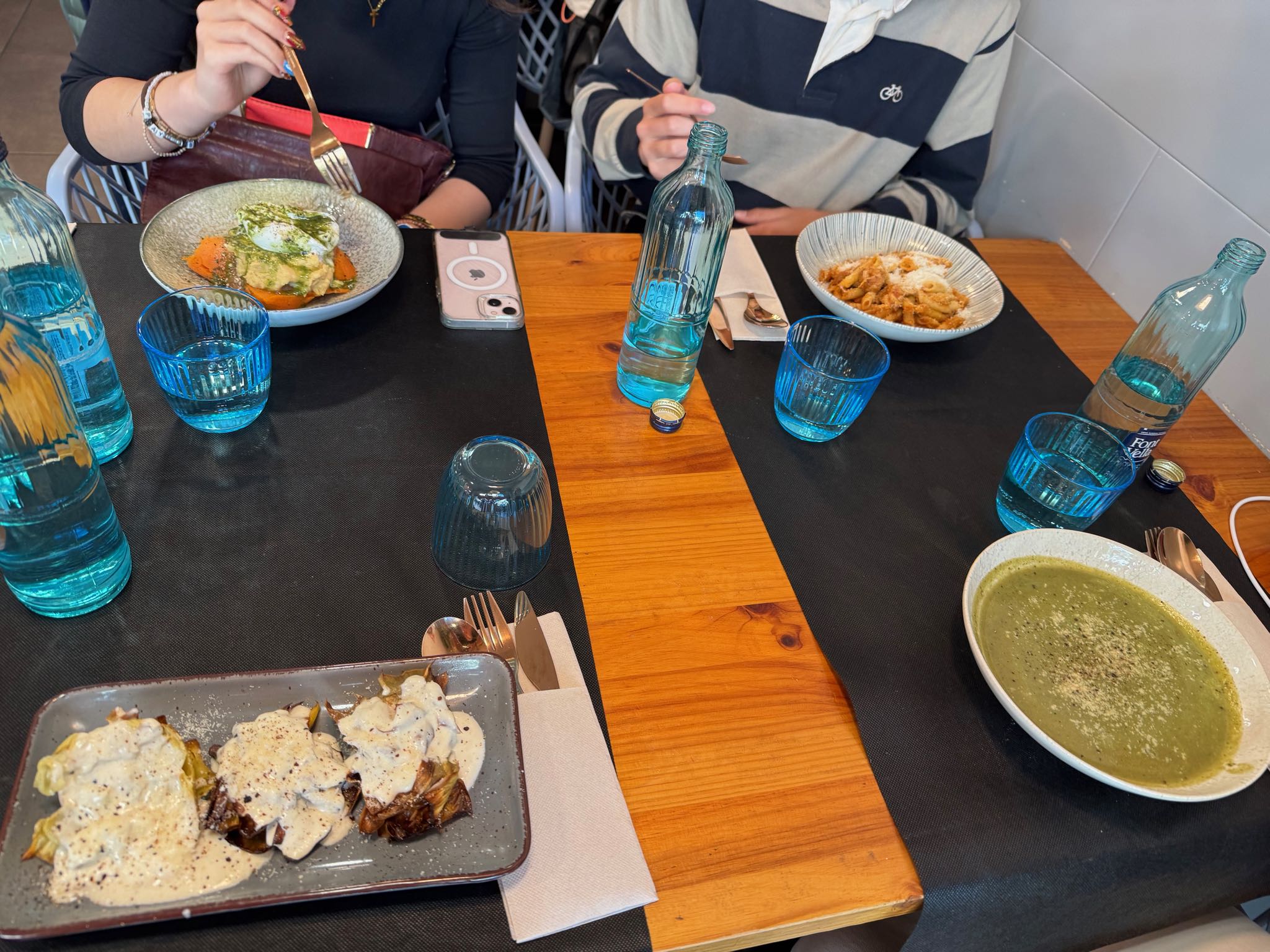
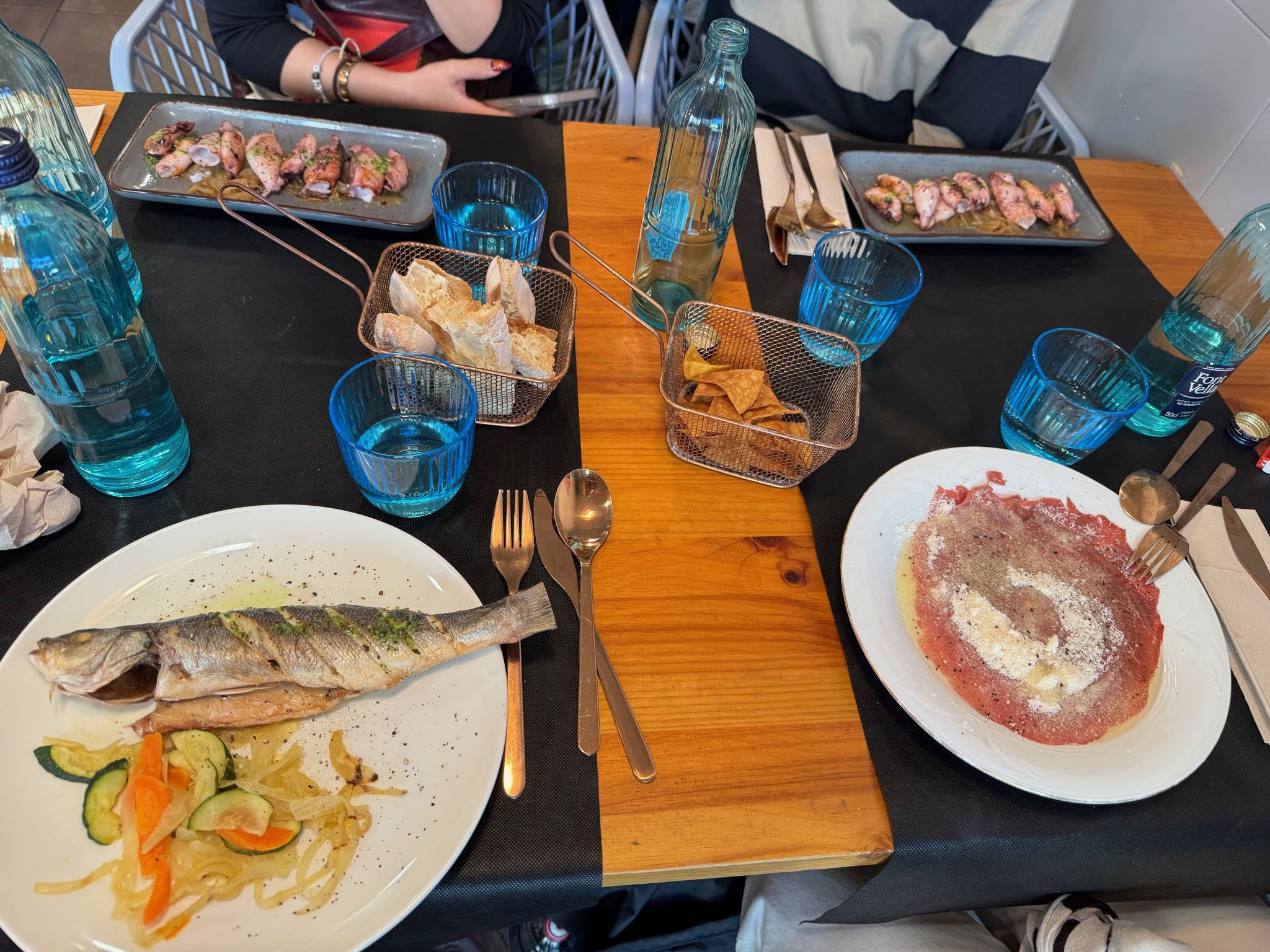
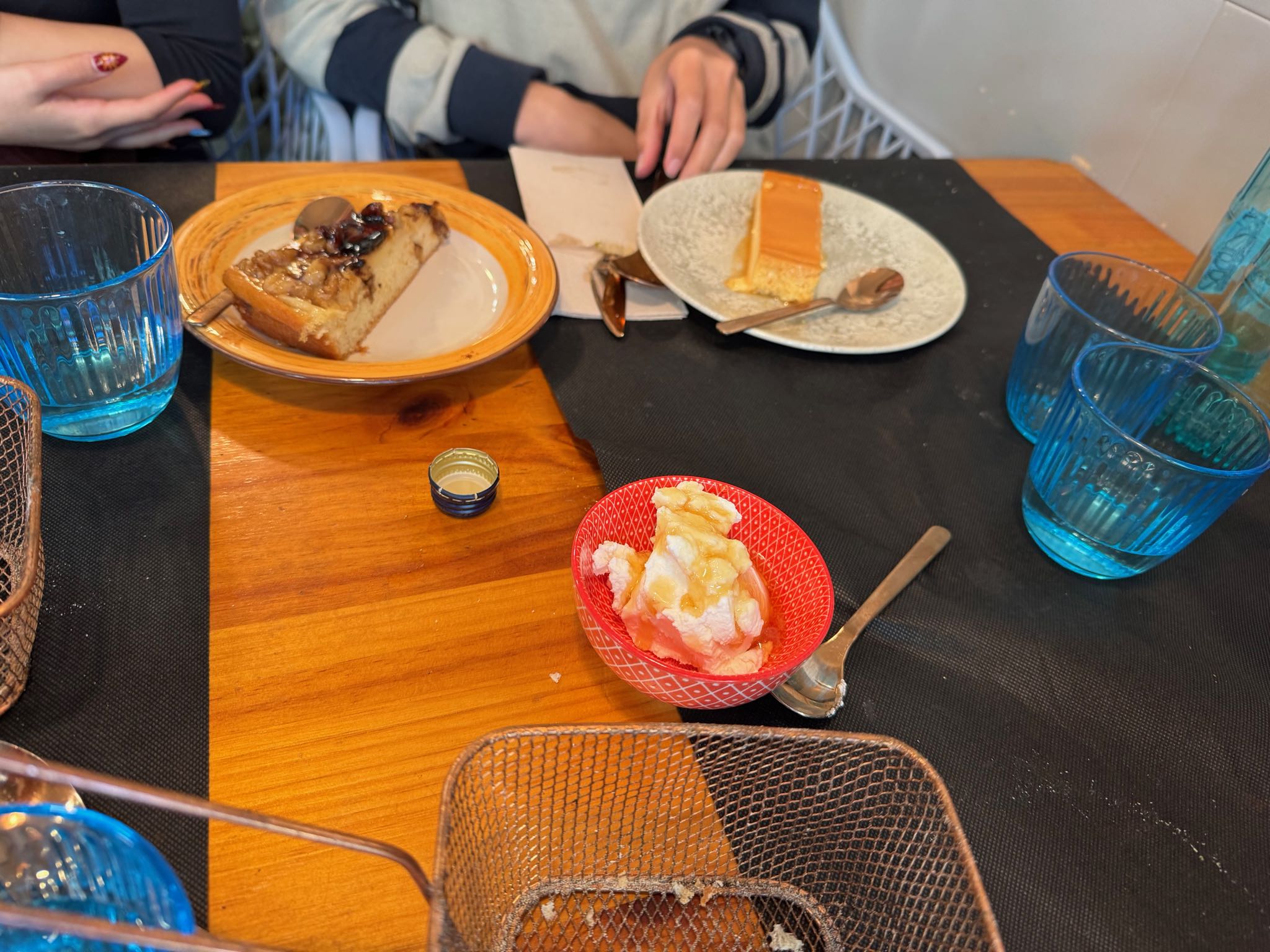
Lunch was some authentic local fare. Europeans really understand dessert.

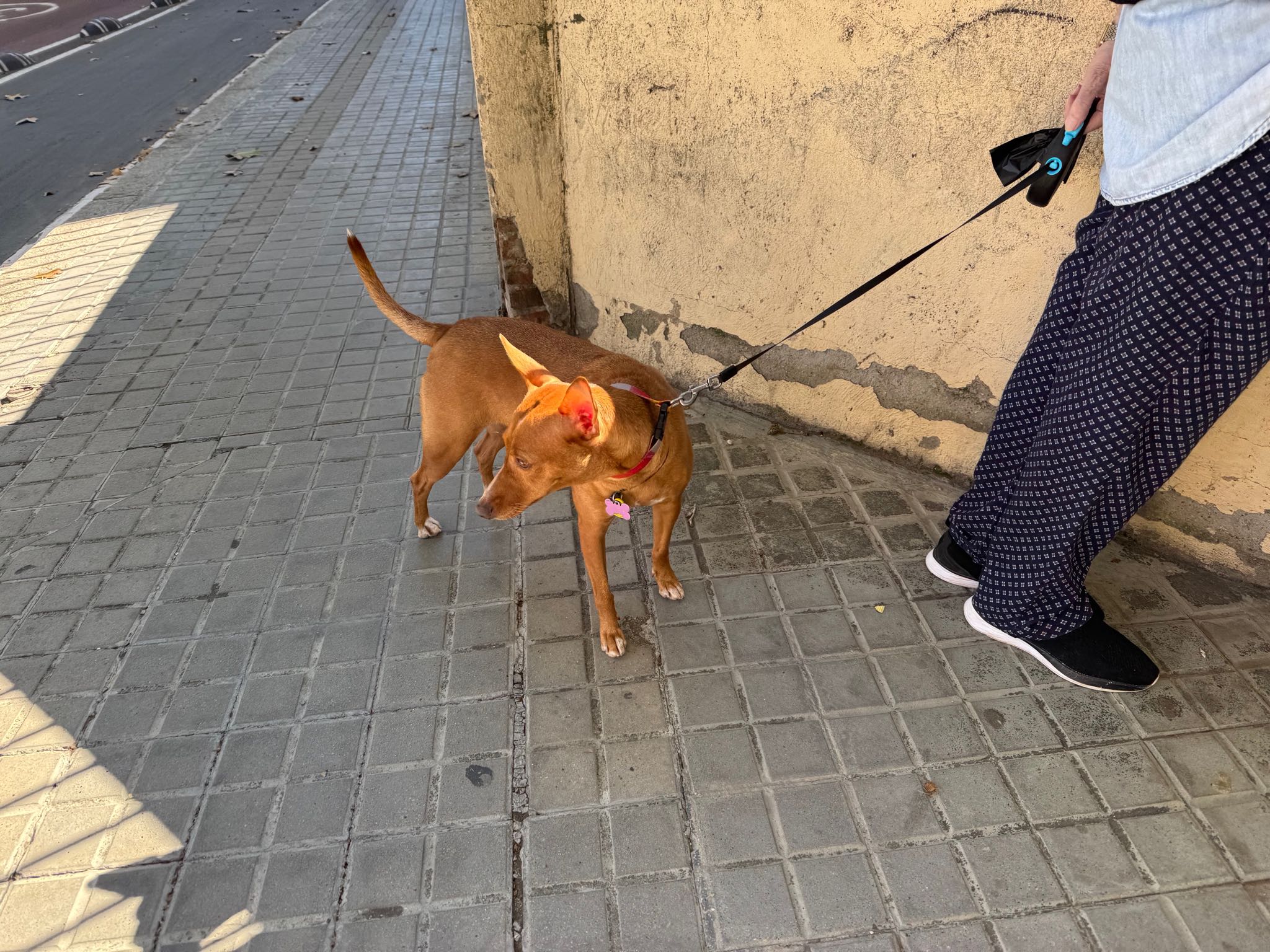
This dog was feeling antisocial after the crowds and the humidity.

Thurs 8 Oct – Landing in Barcelona

The Fawlty Towers trope comes to mind, “Oh, he’s from Barcelona..”

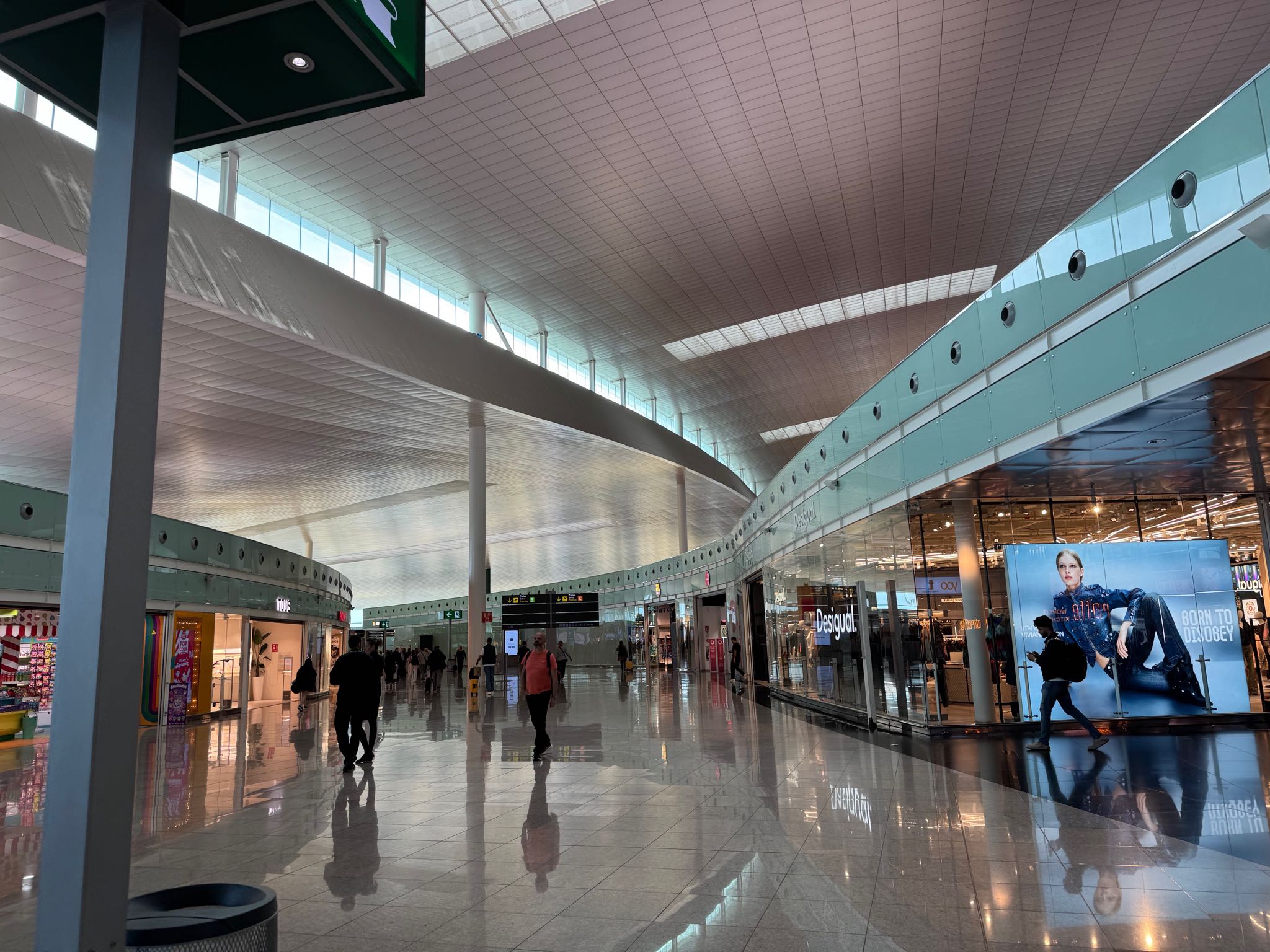
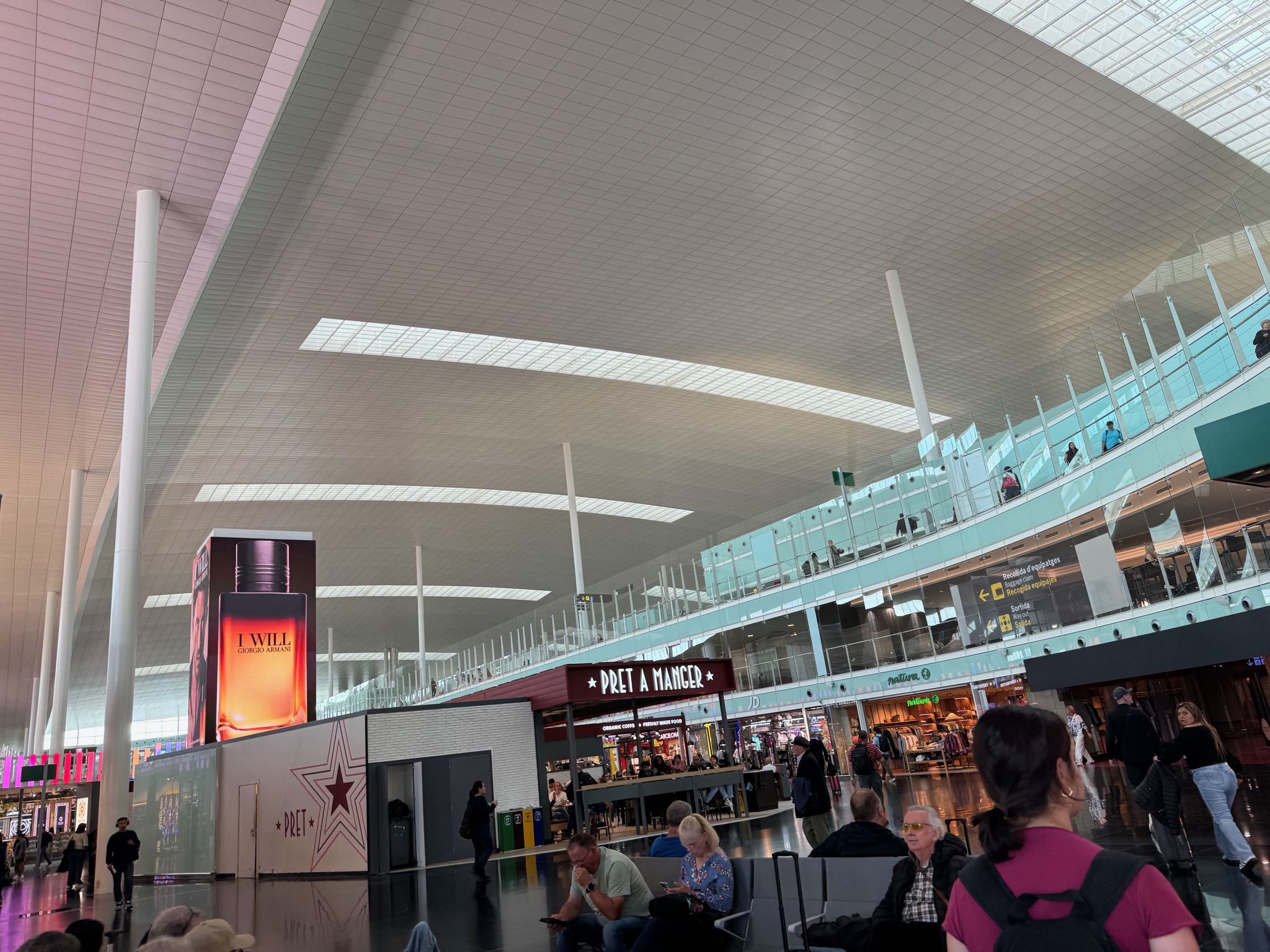
Barcelona airport is large and efficient and nods its head to the notion of fancy ceilings.

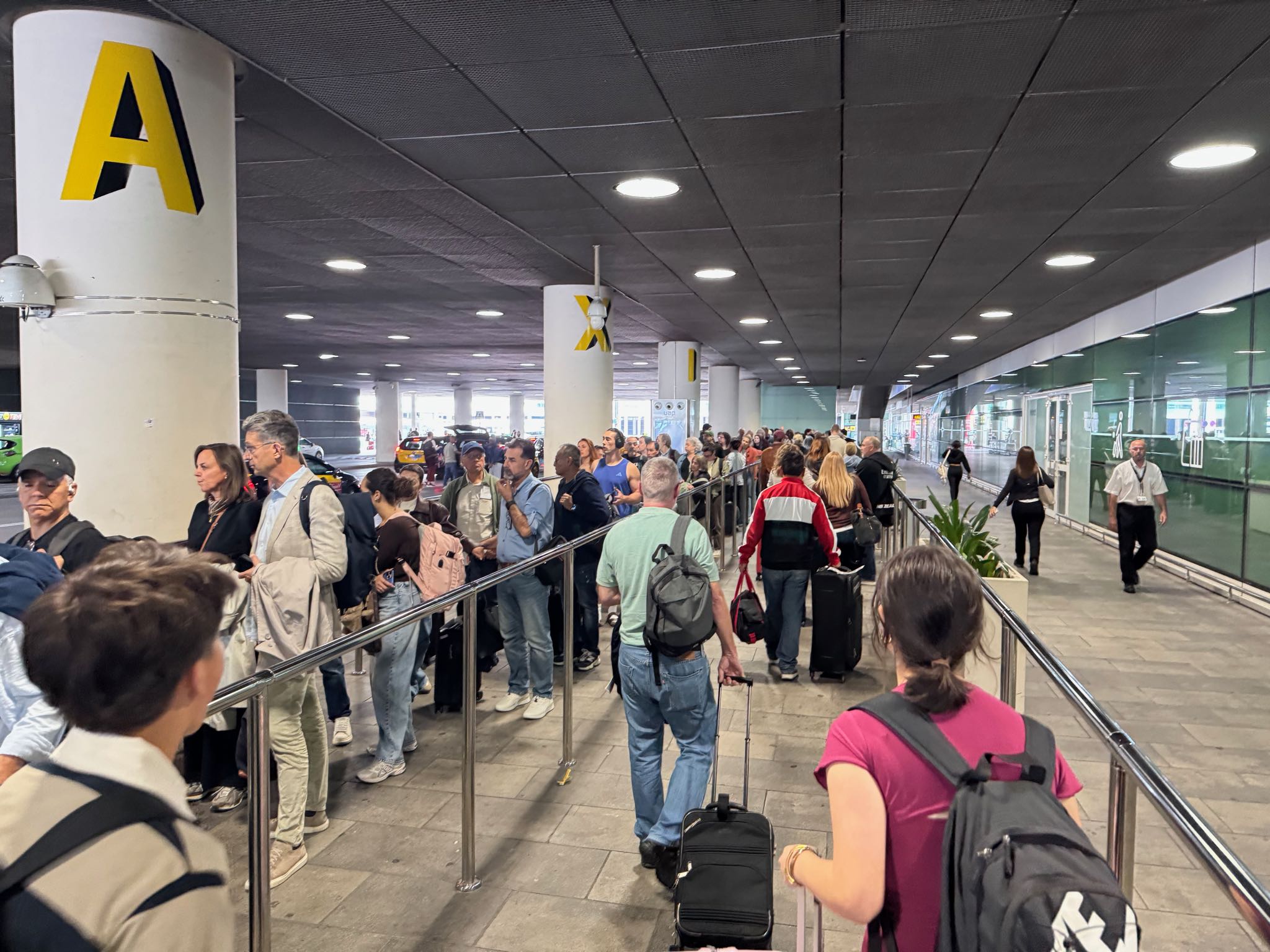
The taxi queue is Sydney-sized and Sydney-paced. 

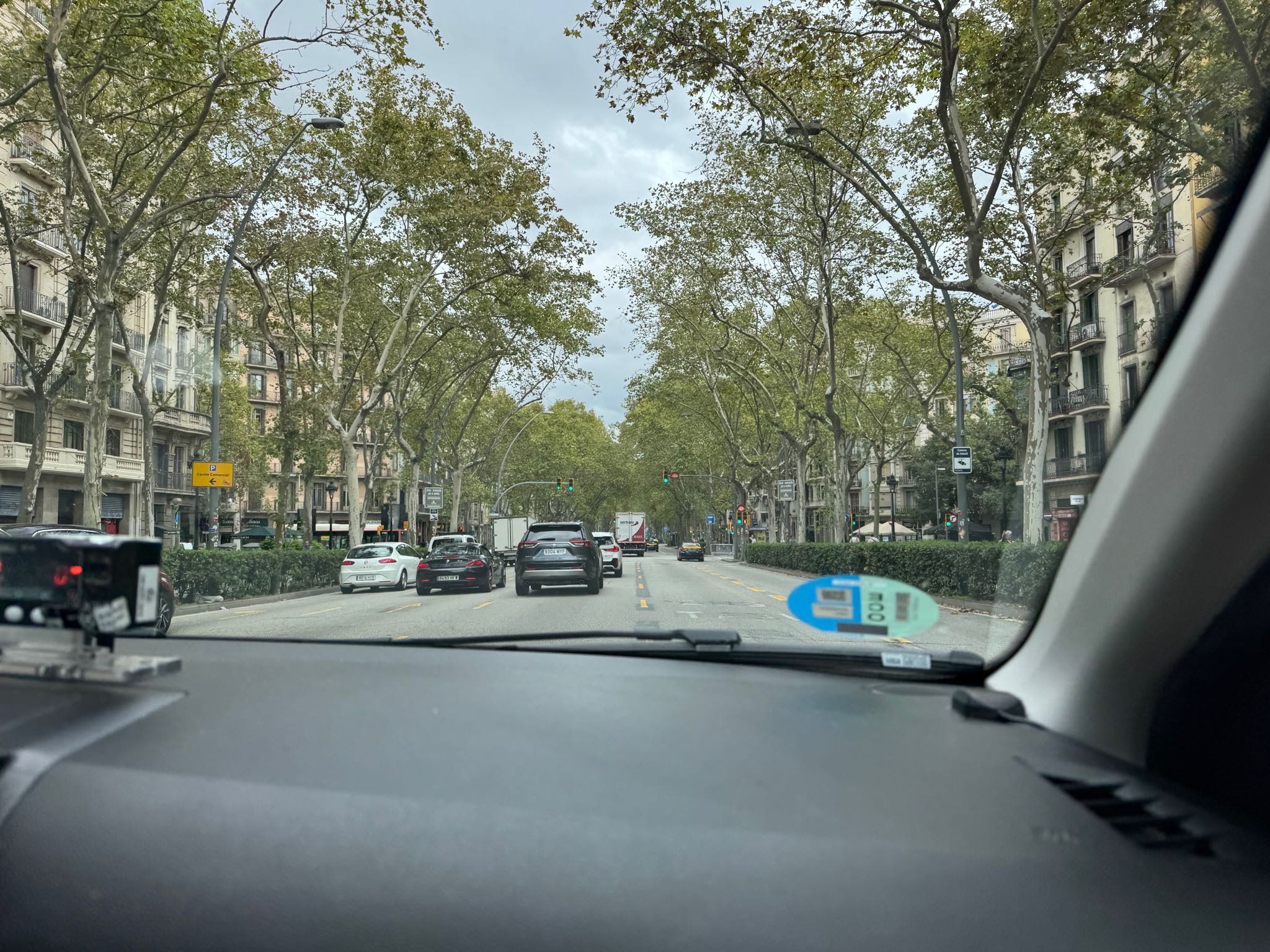
I ponder for a moment that Madrid is a place of etiquette – and the rest of Spain – to lesser degrees. The taxi driver is proud of being Catalan and not associated with Madrid. It makes me realise how Isabella I of Castile and Ferdinand II of Aragon’s marriage was such a crossing of cultures. This city has Australian pragmatism in its outer-city building approvals.

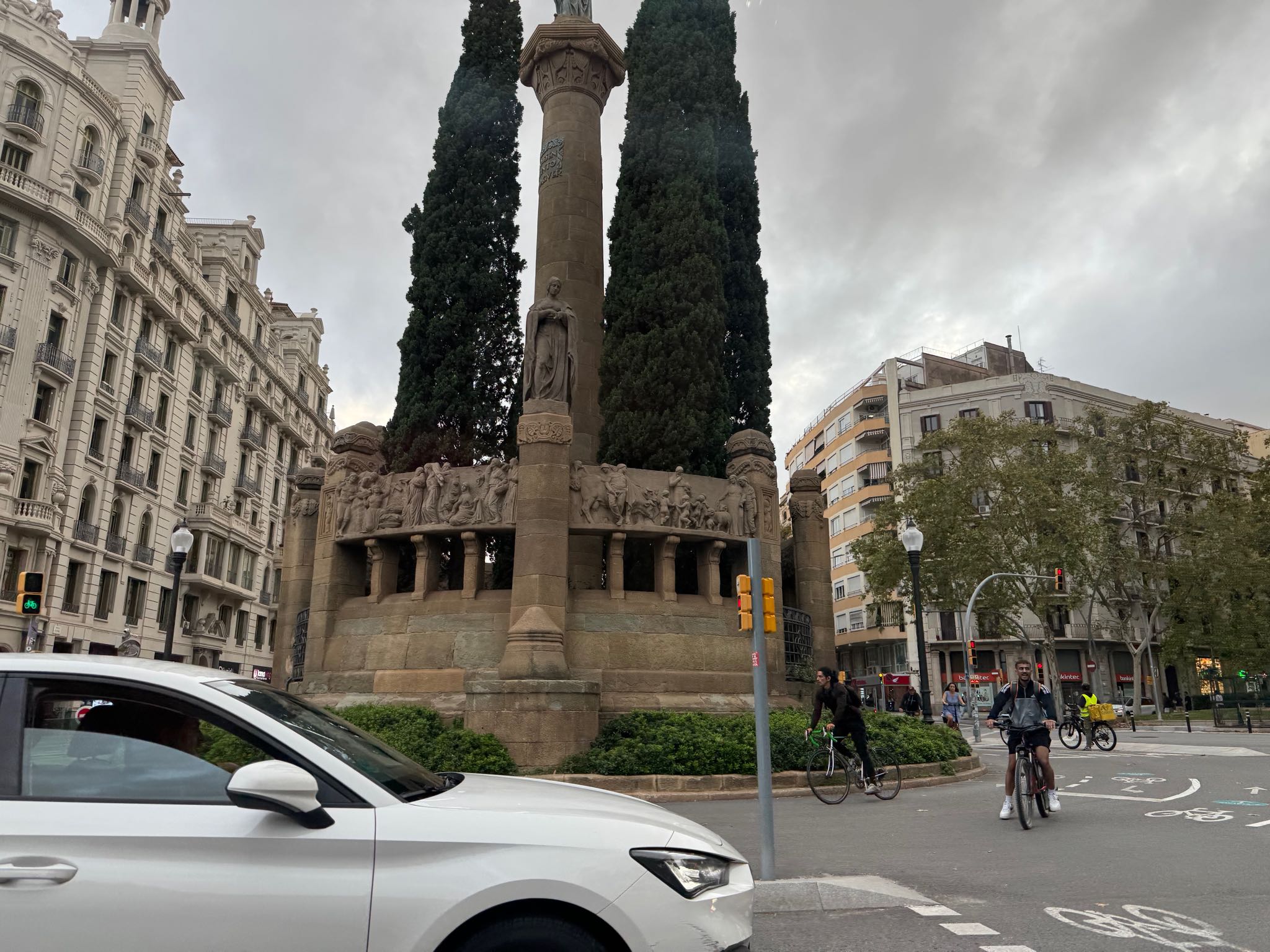
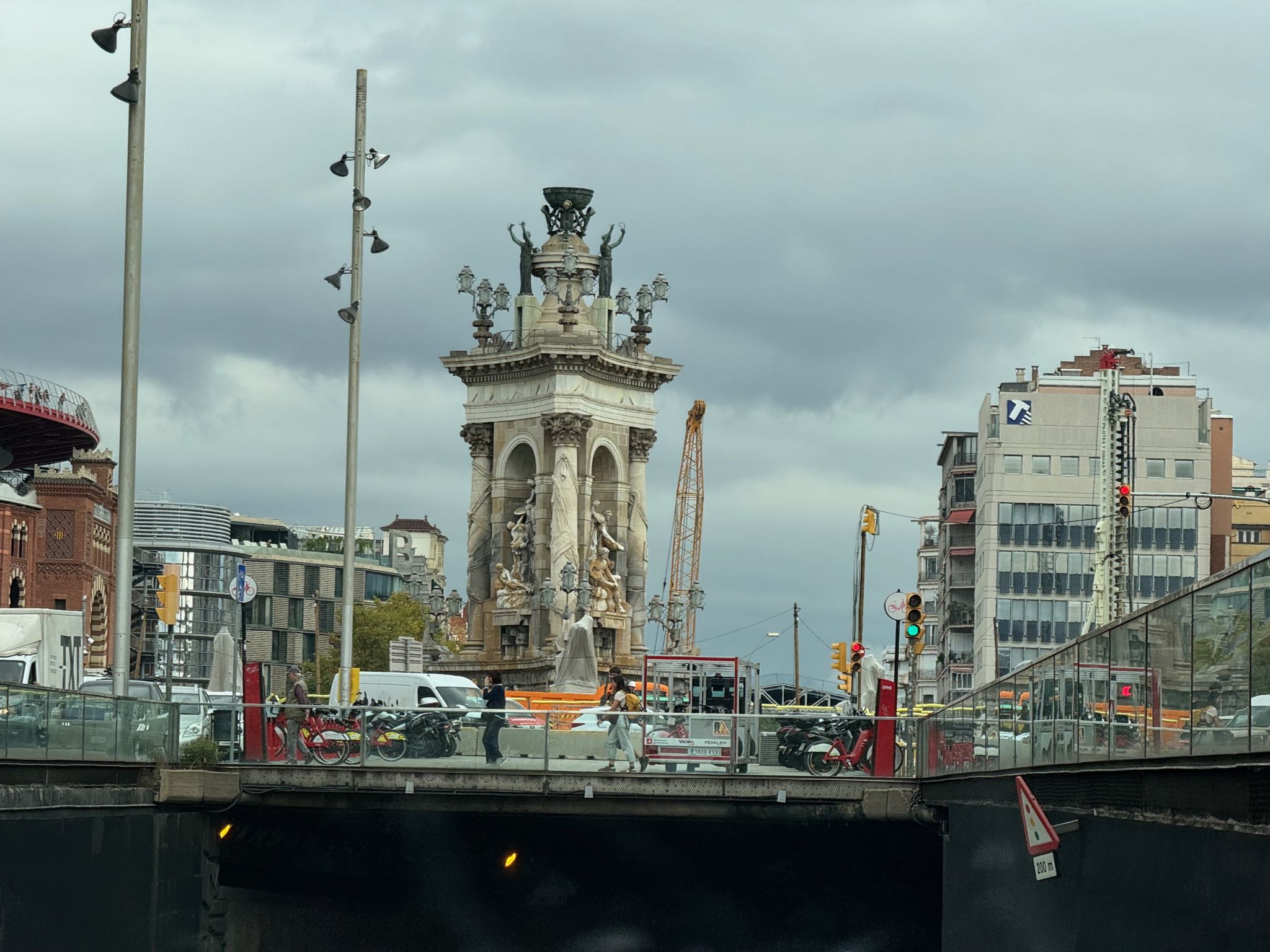
This statue is for the 1929 International Exposition (They had stopped calling it the World Fair.) It was designed by a collaborator of Gaudi, Josep Maria Jujol – and has seas and rivers representing religion, heroism, and the arts.

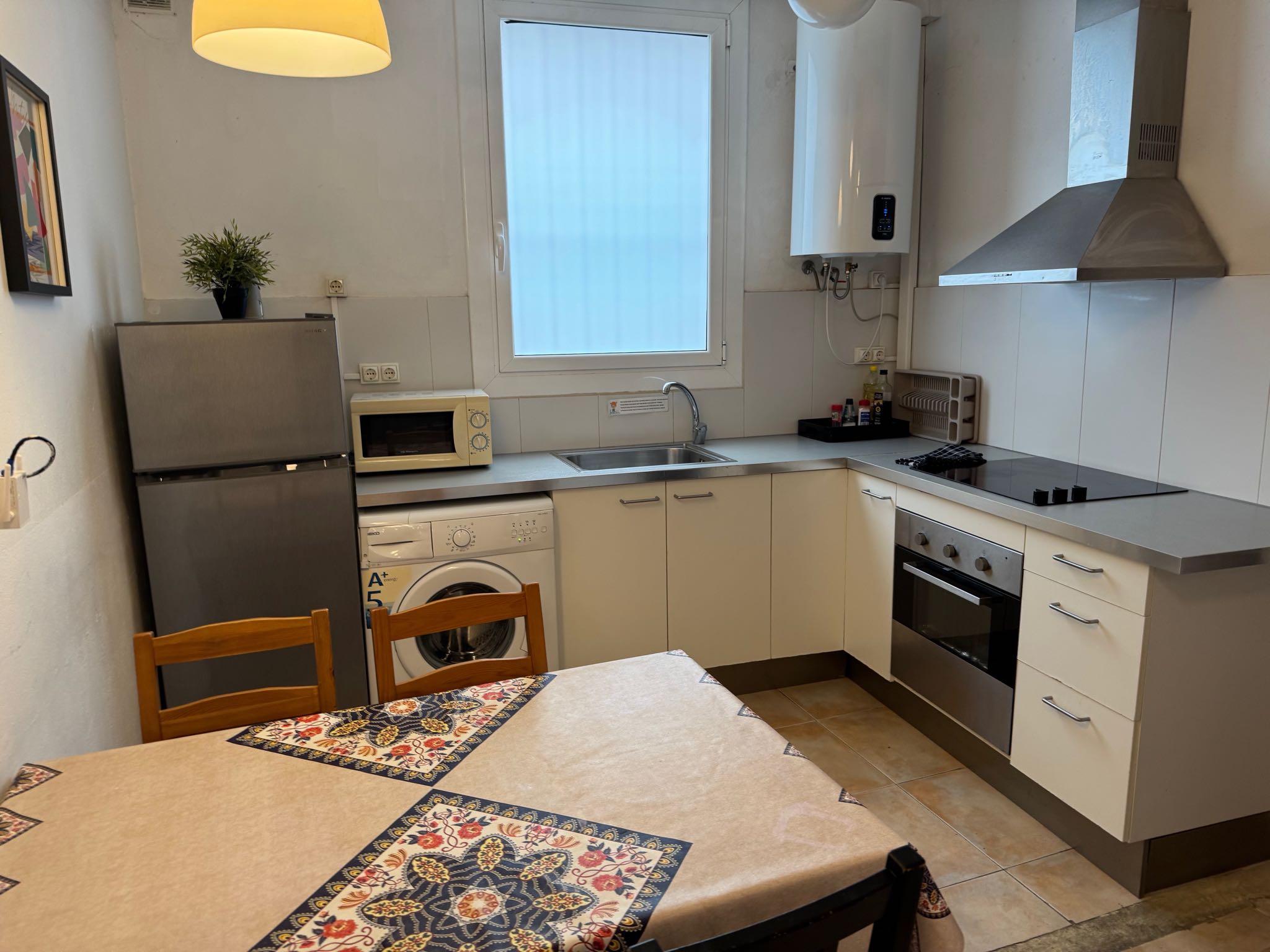
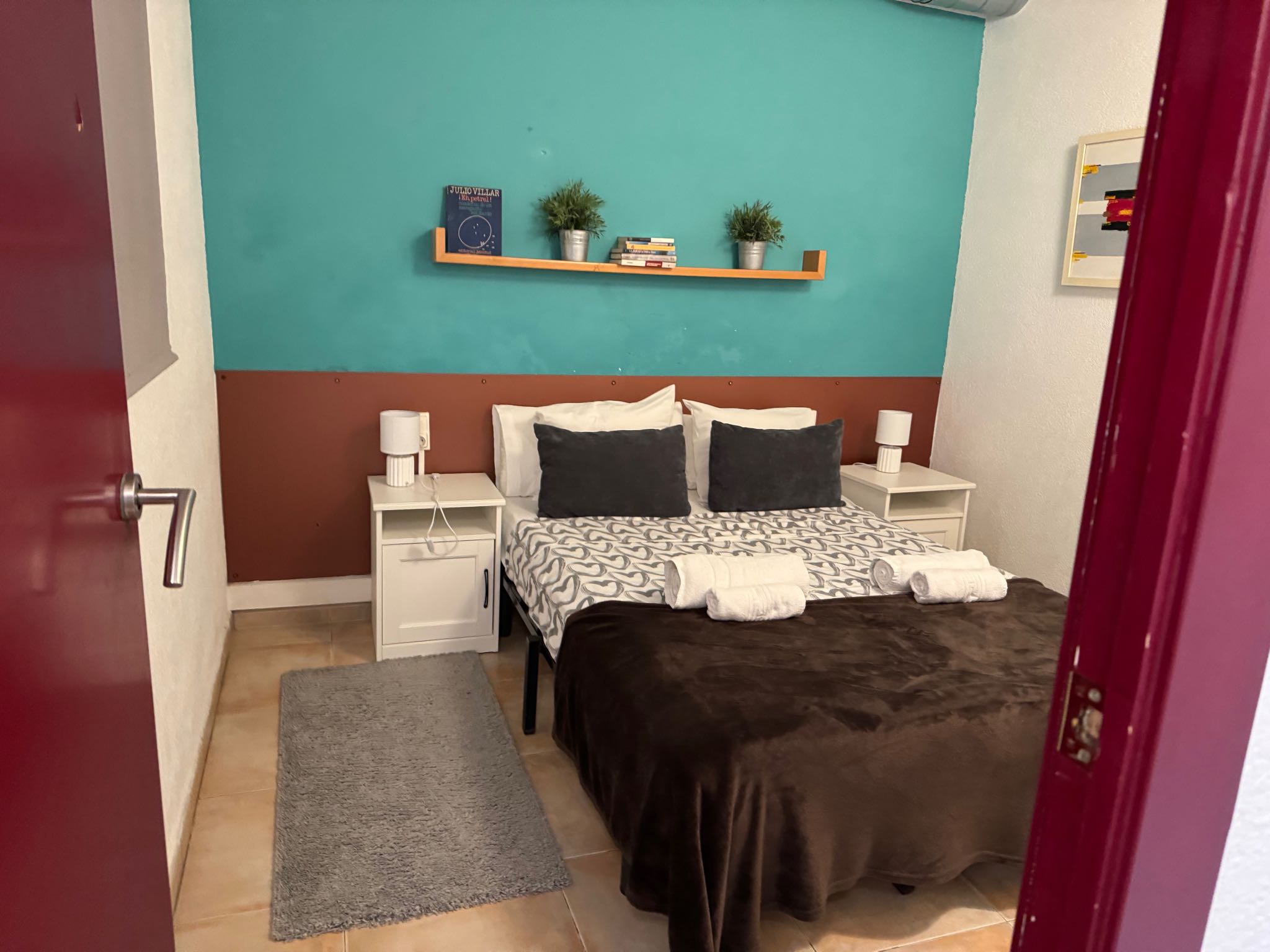
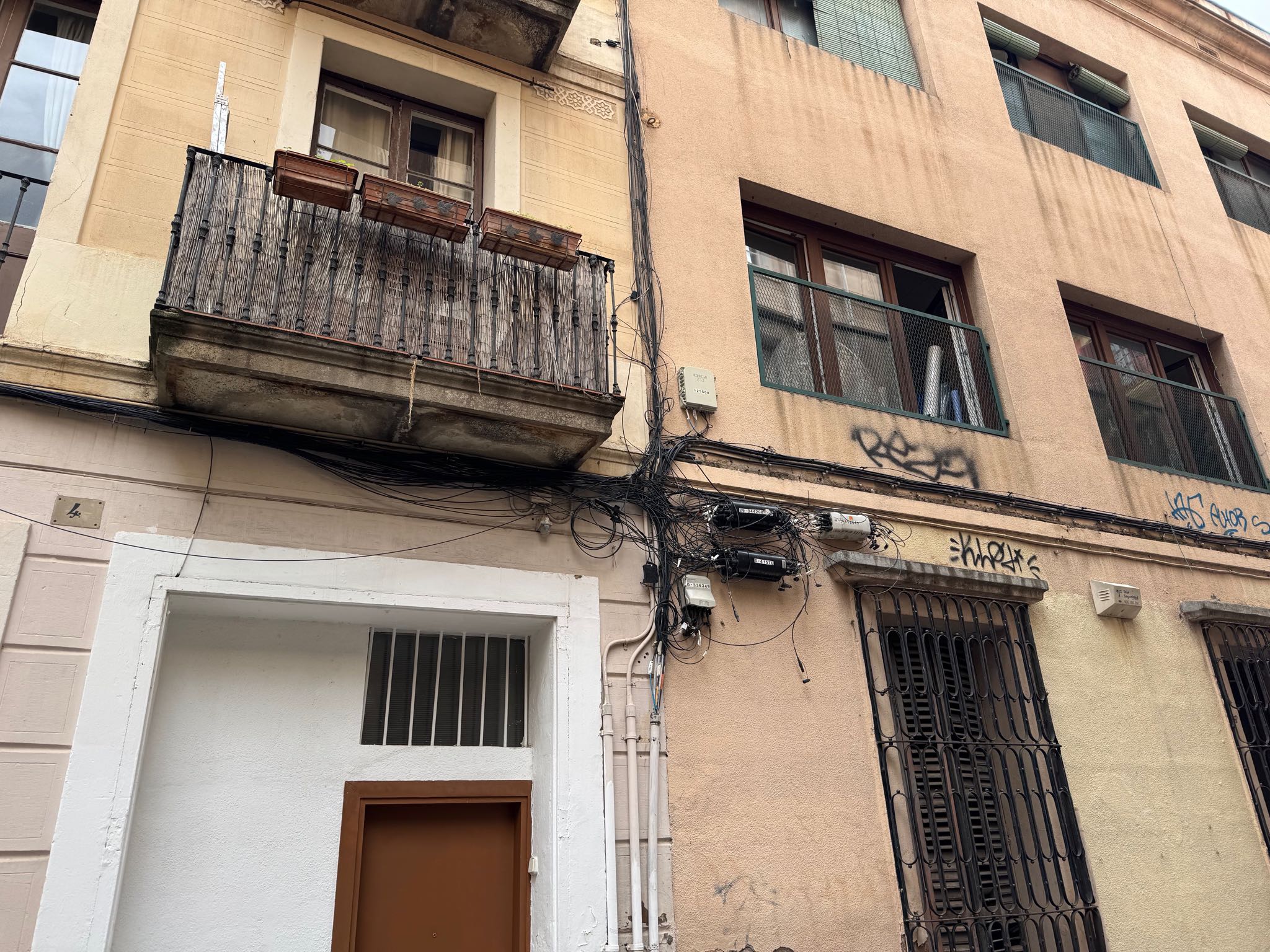
Our apartment is a bit more humble, the sort of place you might expect from an AirBnB in Sydney. (Hugh thinks of all the cities – Barcelona is closest to Sydney.)

Hugh and I pop out for eggs, milk, bread and yoghurt.

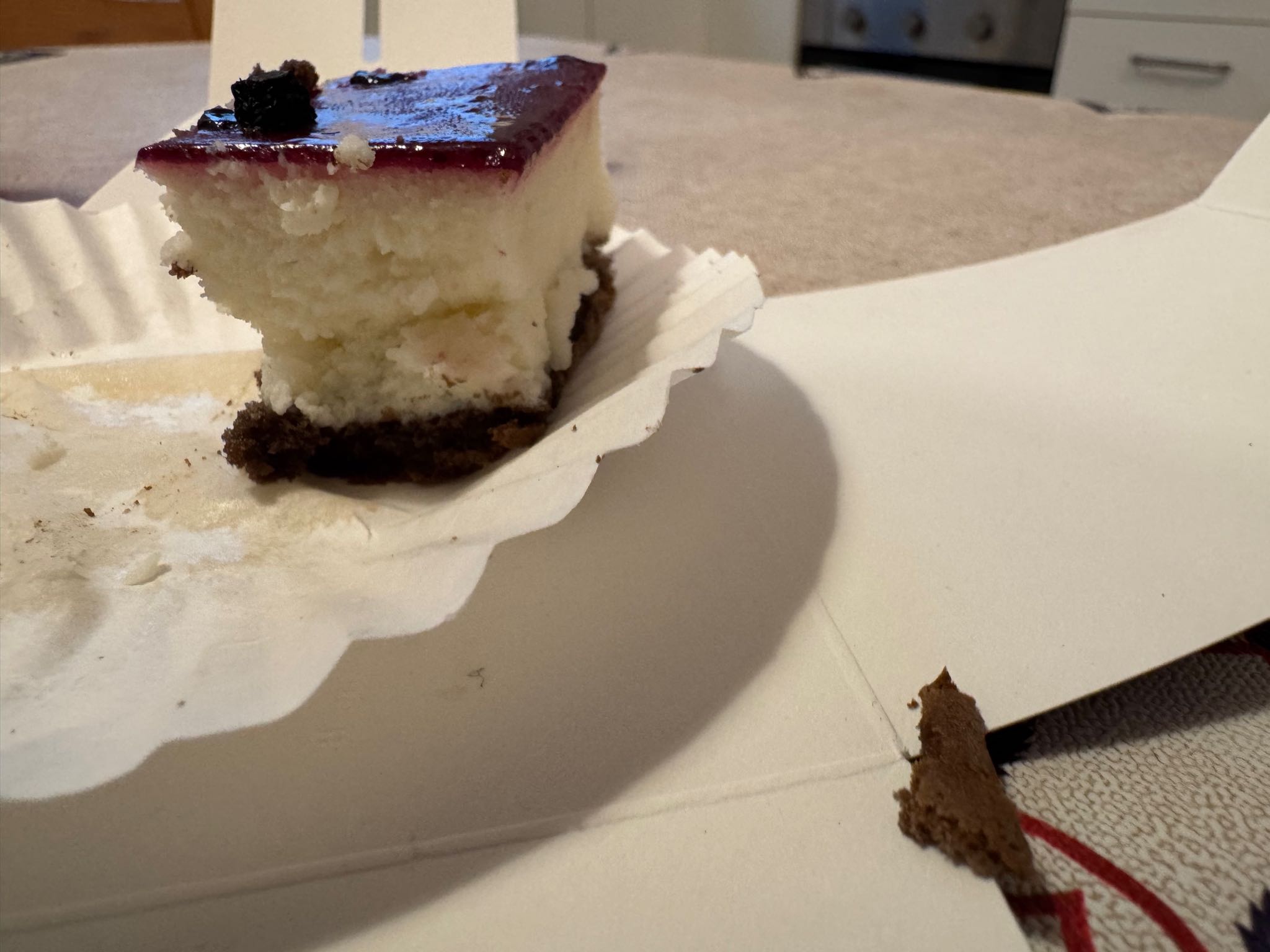
We stopped at a cafe for croissants, cheesecake and danishes.

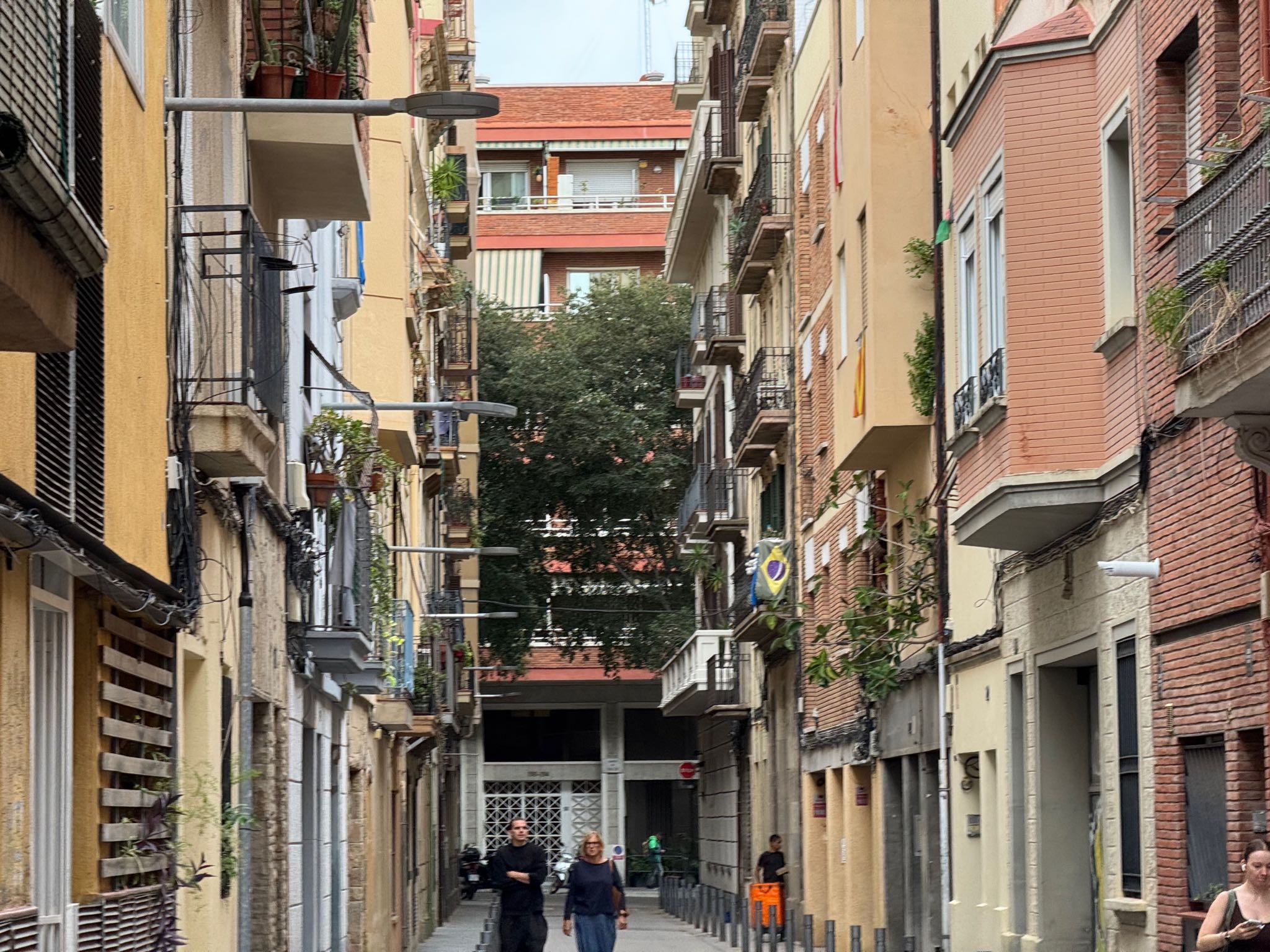
Inner city feels like Paddington and Lonsdale St Melbourne, with more bike access , extended out to a whole city. 

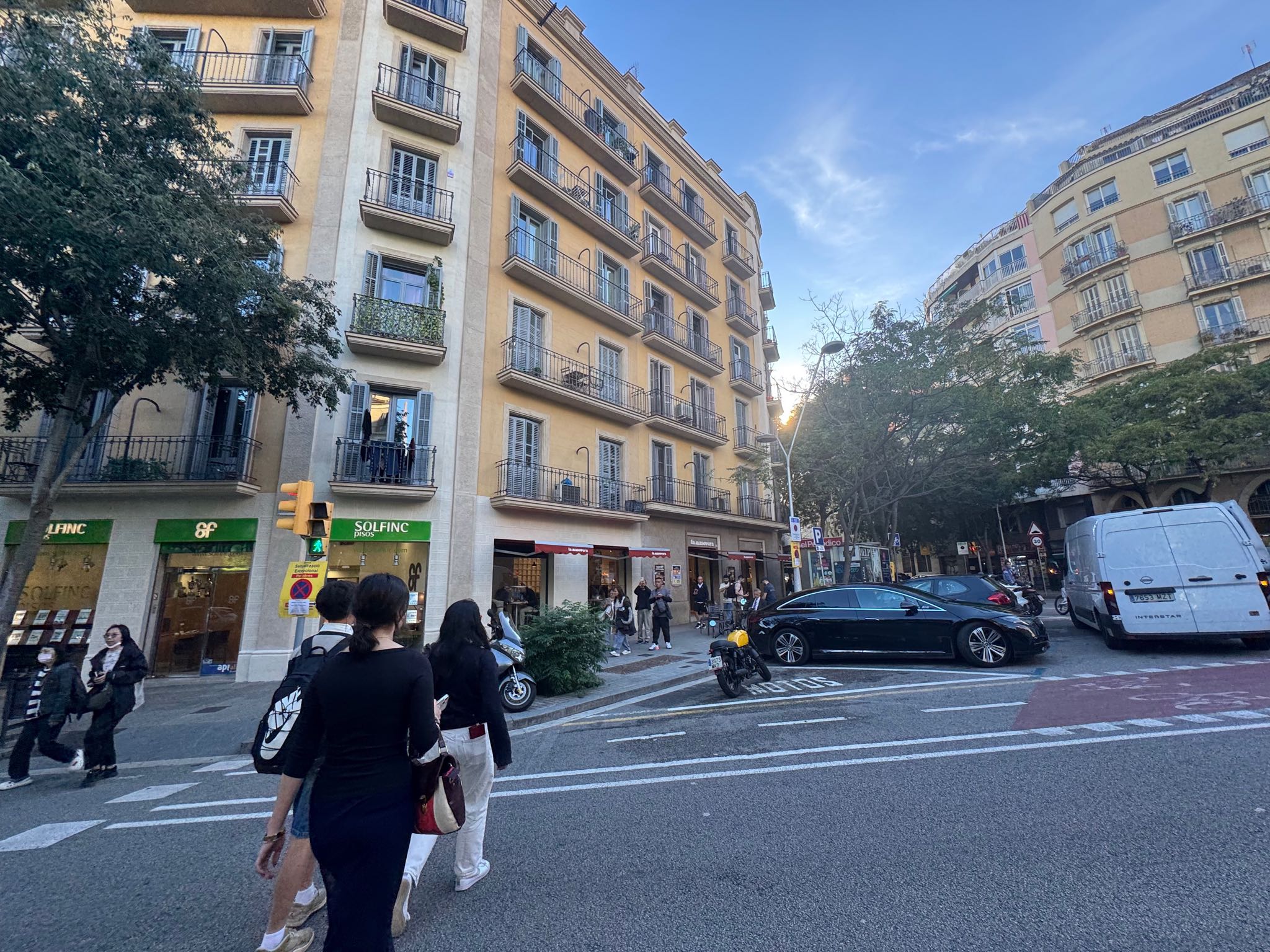
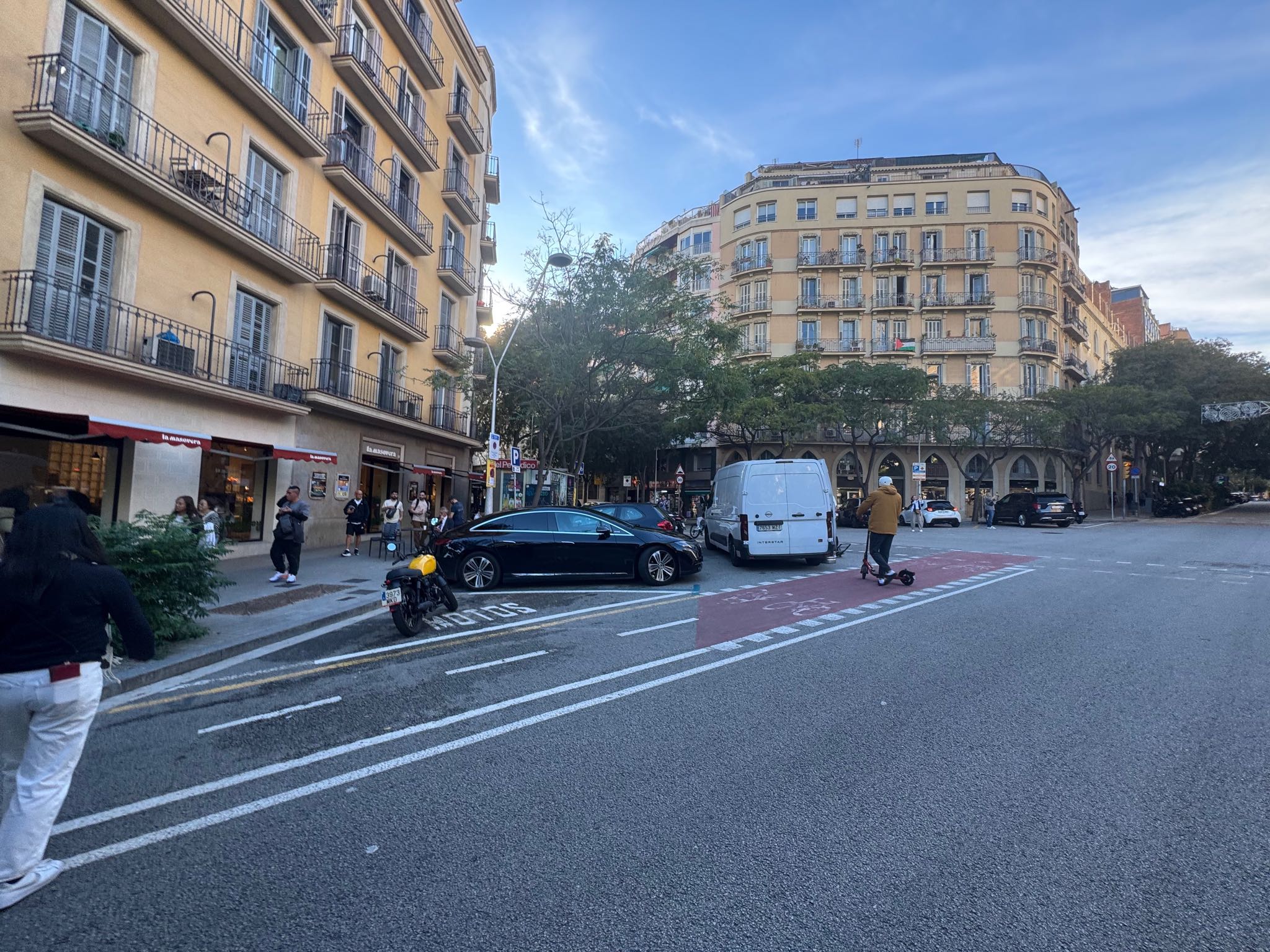
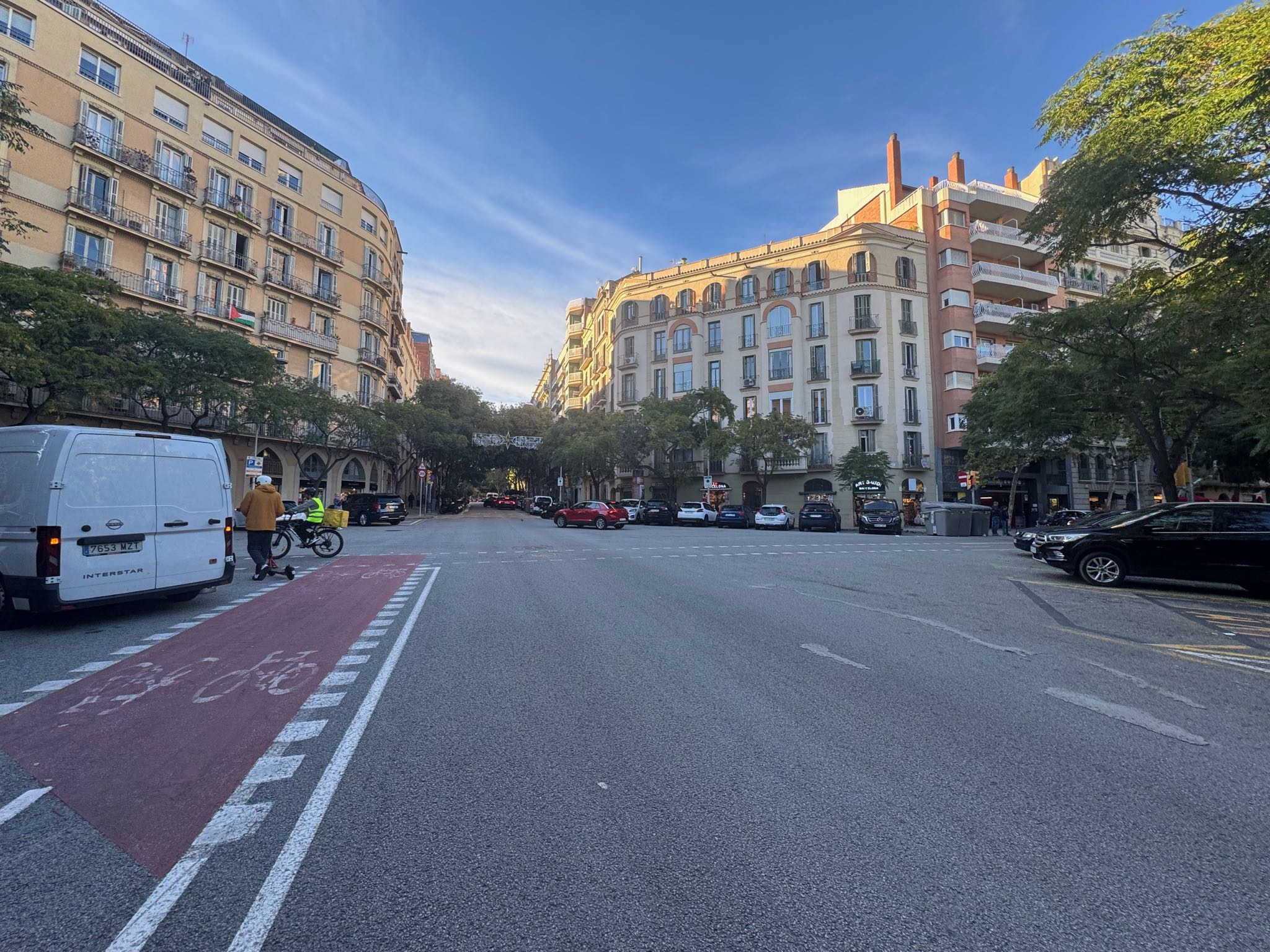
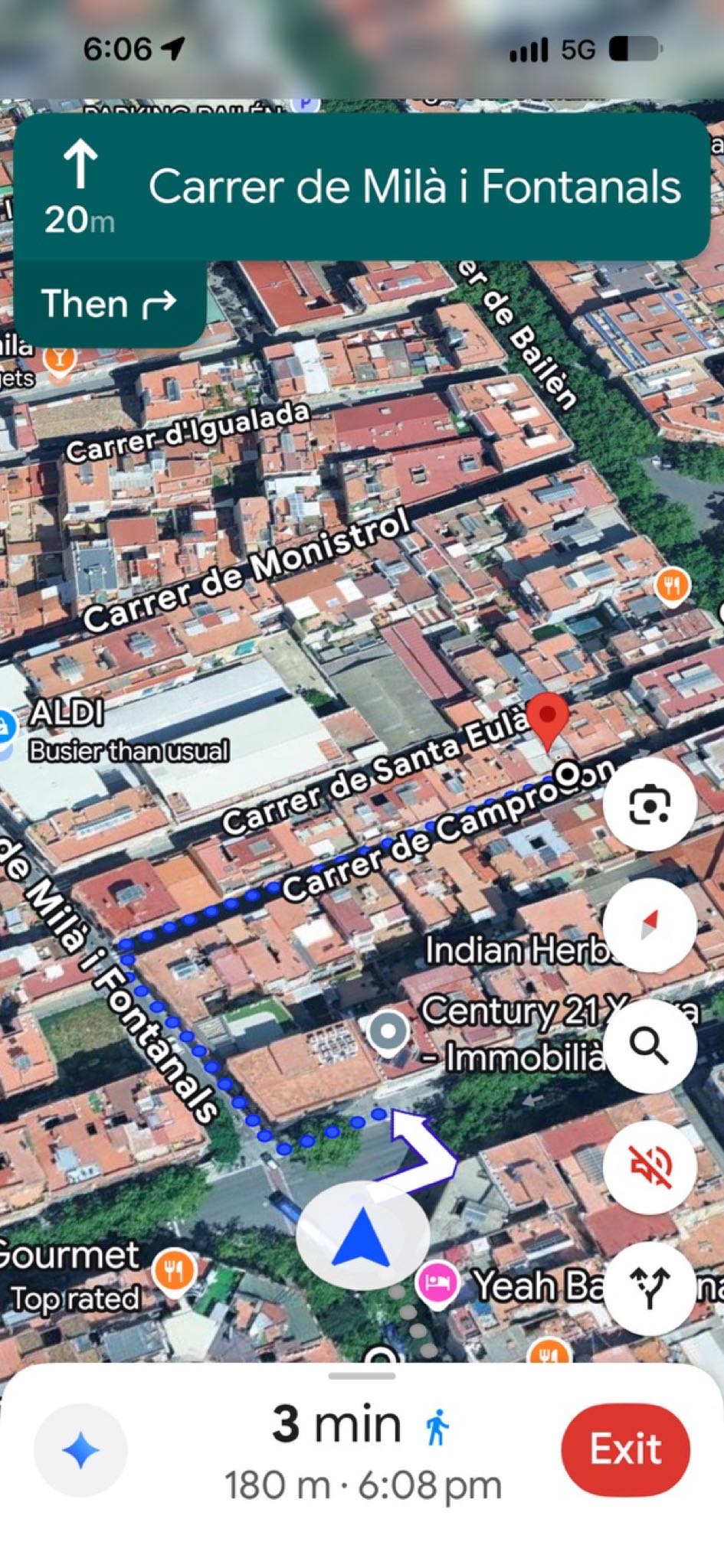
The intersections here are “Octagonal” by design. (To let more light in – for 6 story apartments)

This means at the pedestrian crossings you have to go up the crossing street and back – even if you intend to go straight.

Screenshot

The cheesecakes we have had so far are not like a baked Basque cheesecake or a Philadelphia cream cheese cake. They have a cream cheese that has a yoghurt taste and a touch of cottage cheese. Not what one expects at all. 

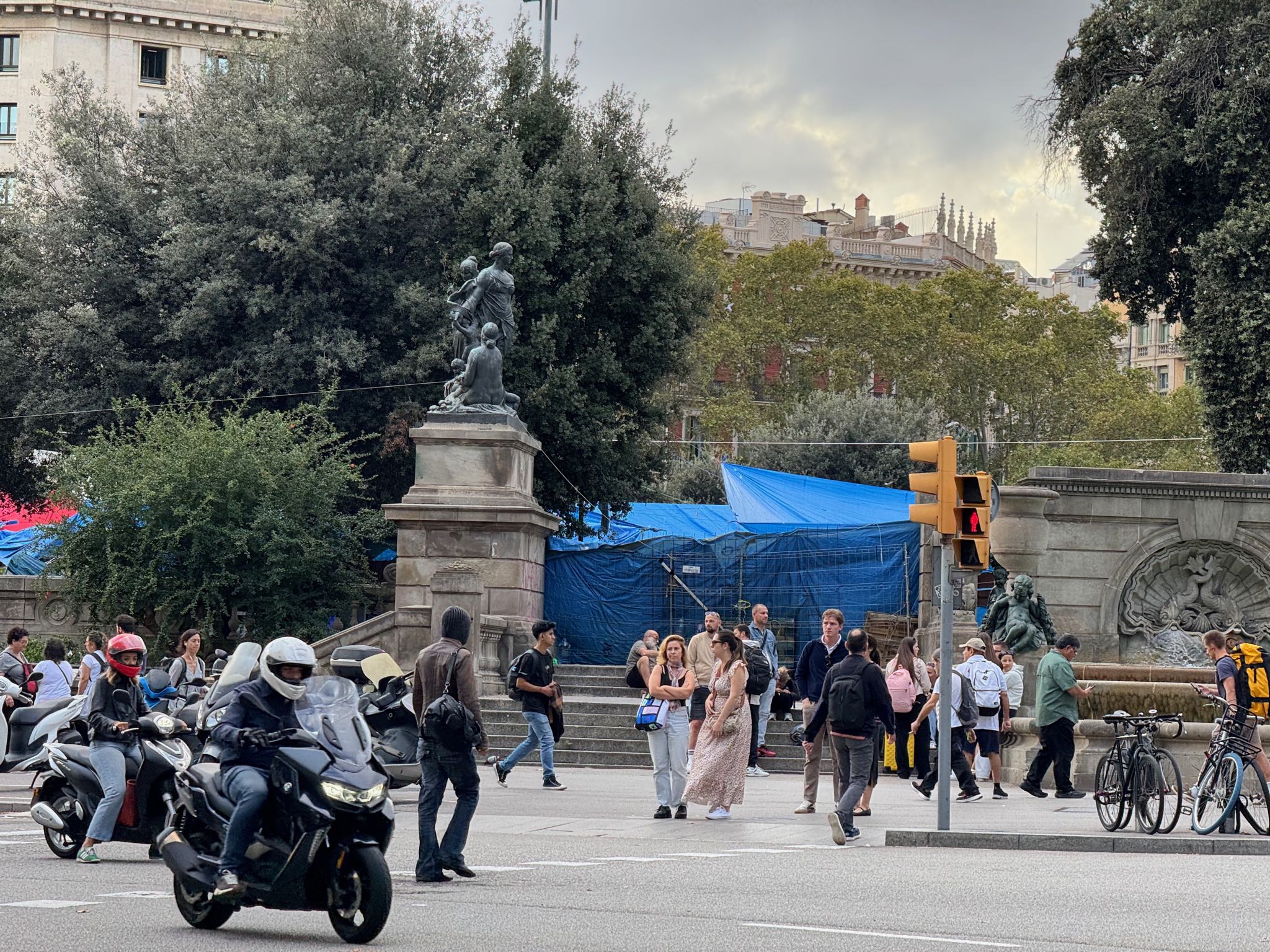
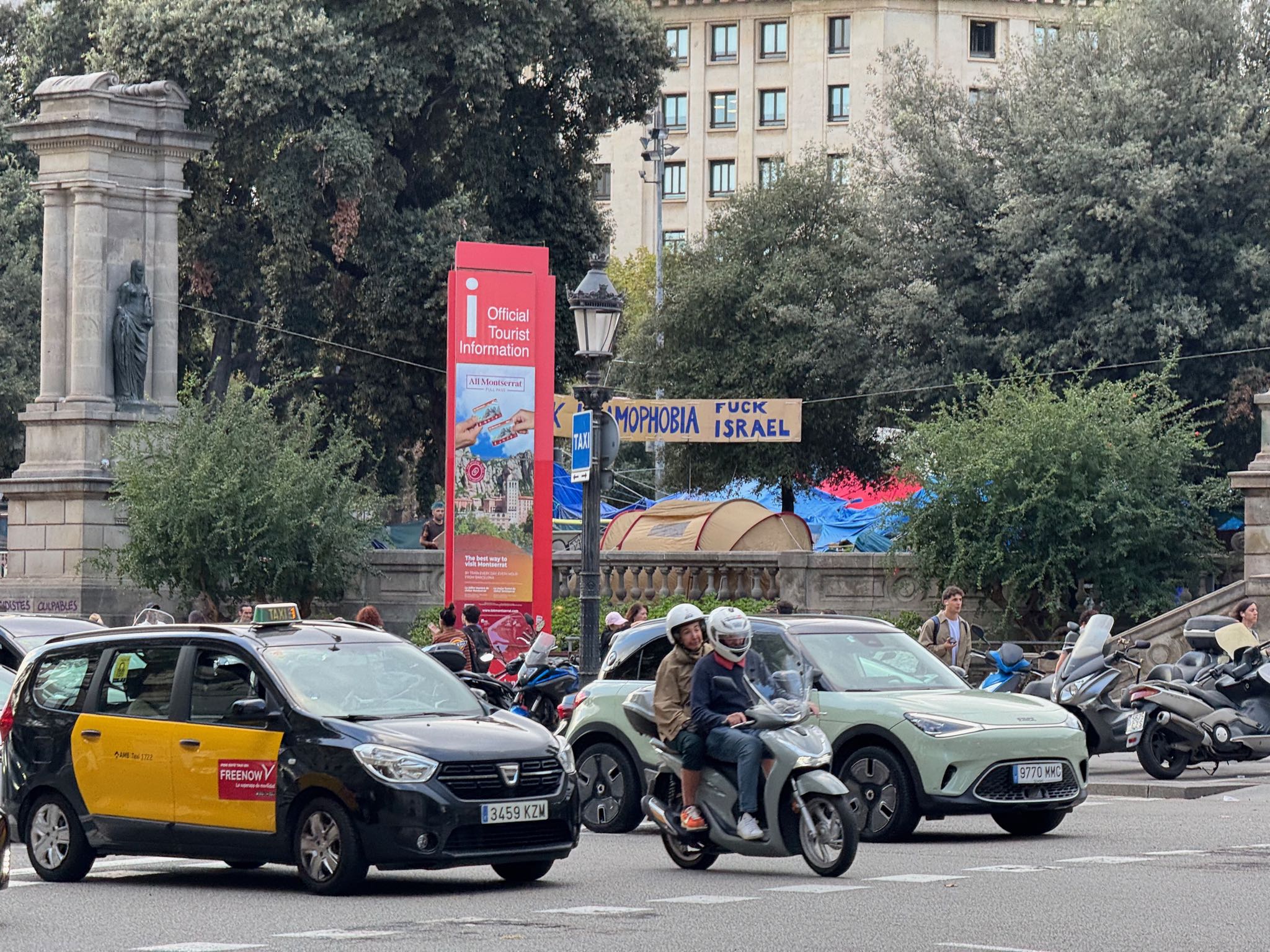
As Hugh and I walk past a sympathy street camp protest likes the ones in Madrid.

This one doesn’t quite have the same radical energy – but they are certainly making an effort.

I ponder in Sydney the bulldozing of the Woolworths to create a square in front of Town Hall. (The State Government has seized the planning of it.) Whilst George St and Martin Place are both public spaces, they are divided up by transit lanes, making bulk gathering of protesters hampered. (I went to a University specifically designed to hamper protest gatherings.) Outside Town Hall now at night are all sorts of groups gathered, musicians and church groups. I wonder if a public space there would be an anarchist-magnet.

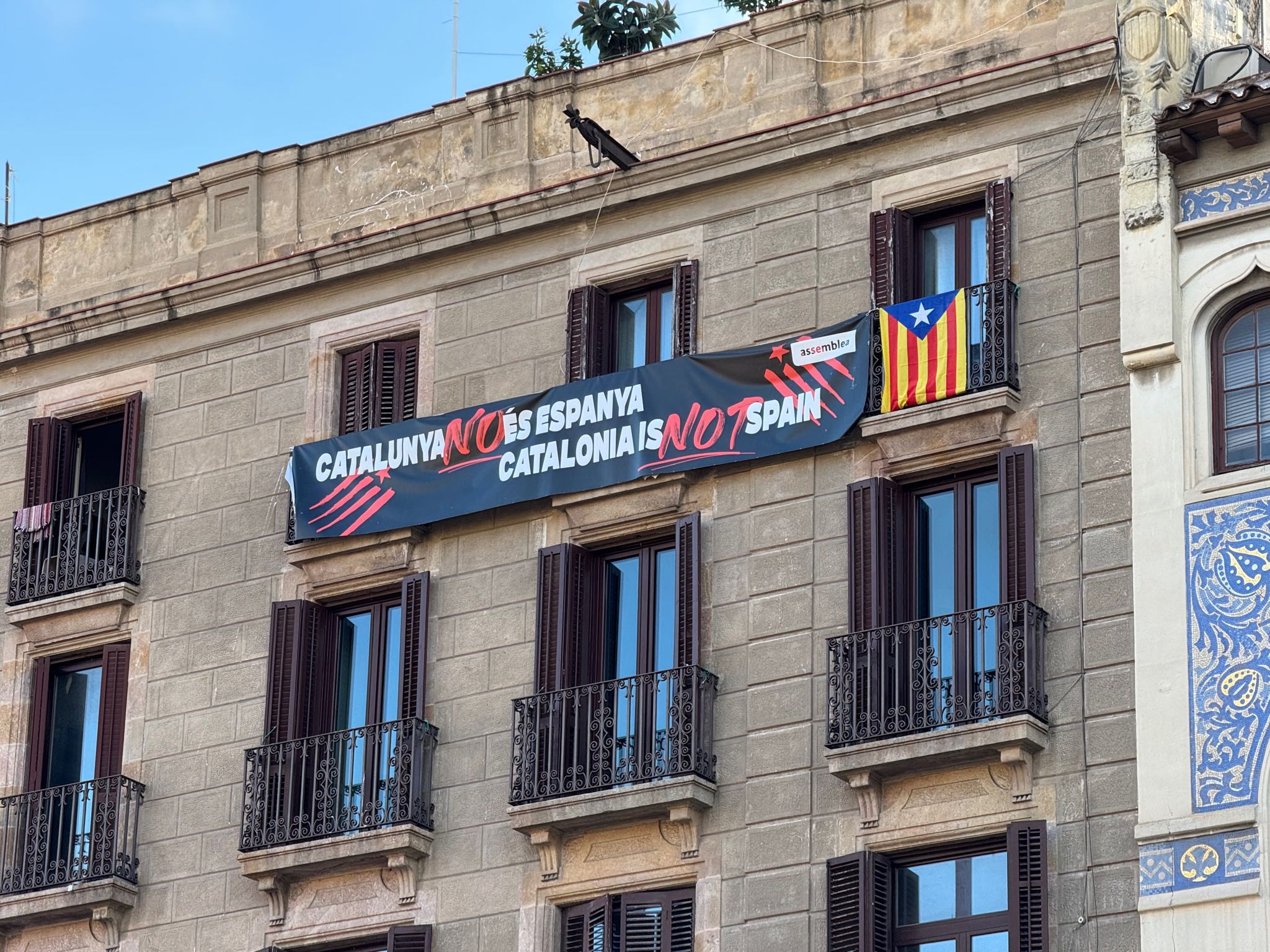
There was a State referendum in 2017 – with a voter turnout of 43% with 90% voting for independence of Barcelona (and greater Catalonia) from Spain. In response the Spanish Government invoked a constitutional provision revoking their autonomy. The moment has died down somewhat since then – going for more pragmatic negotiation, but the spirit still exists.

For our dear friend and fellow traveller:

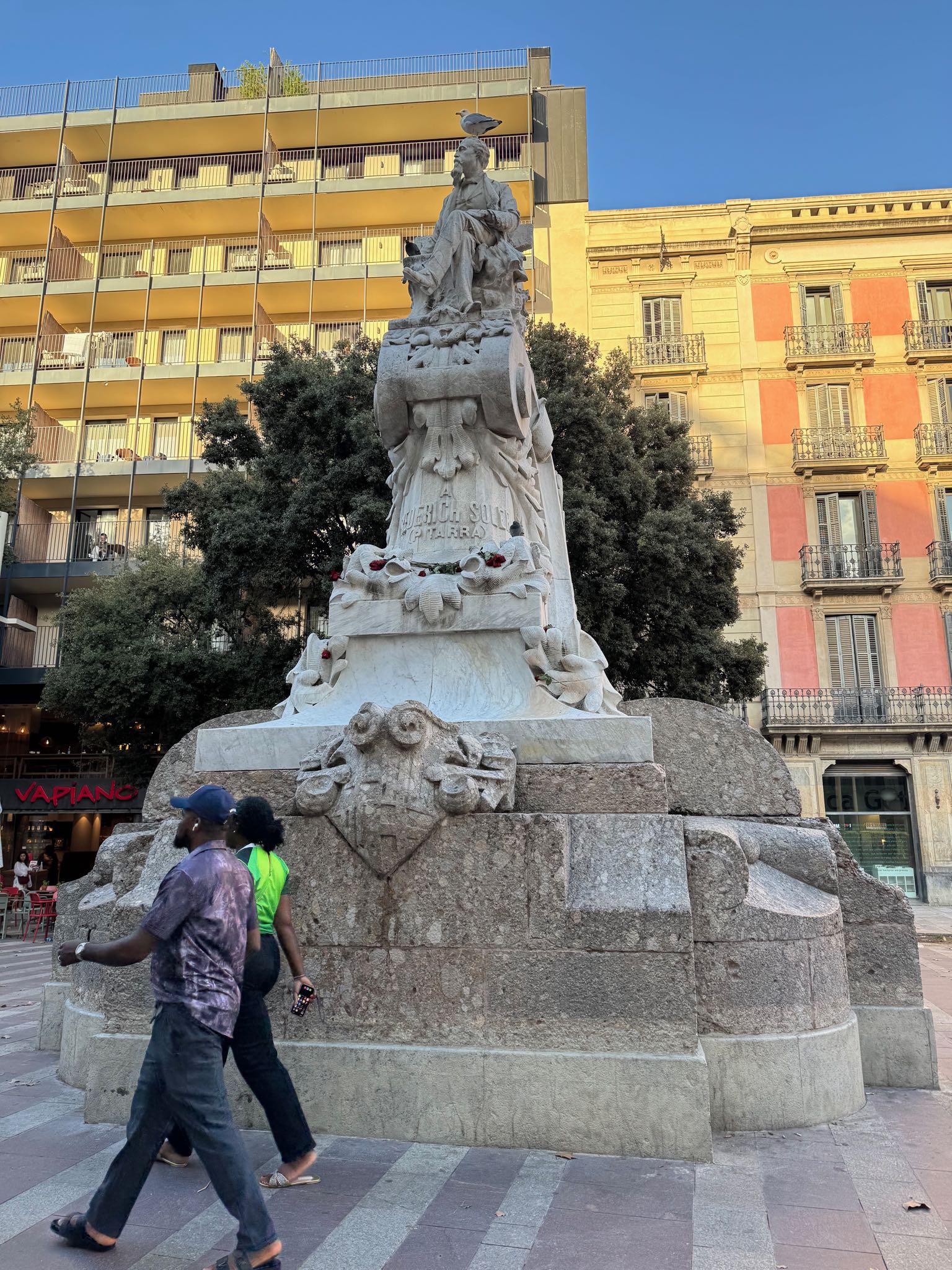
This statue is for Frederic Soler i Hubert (1839–1895), best known as the founding father of modern Catalan popular theater.

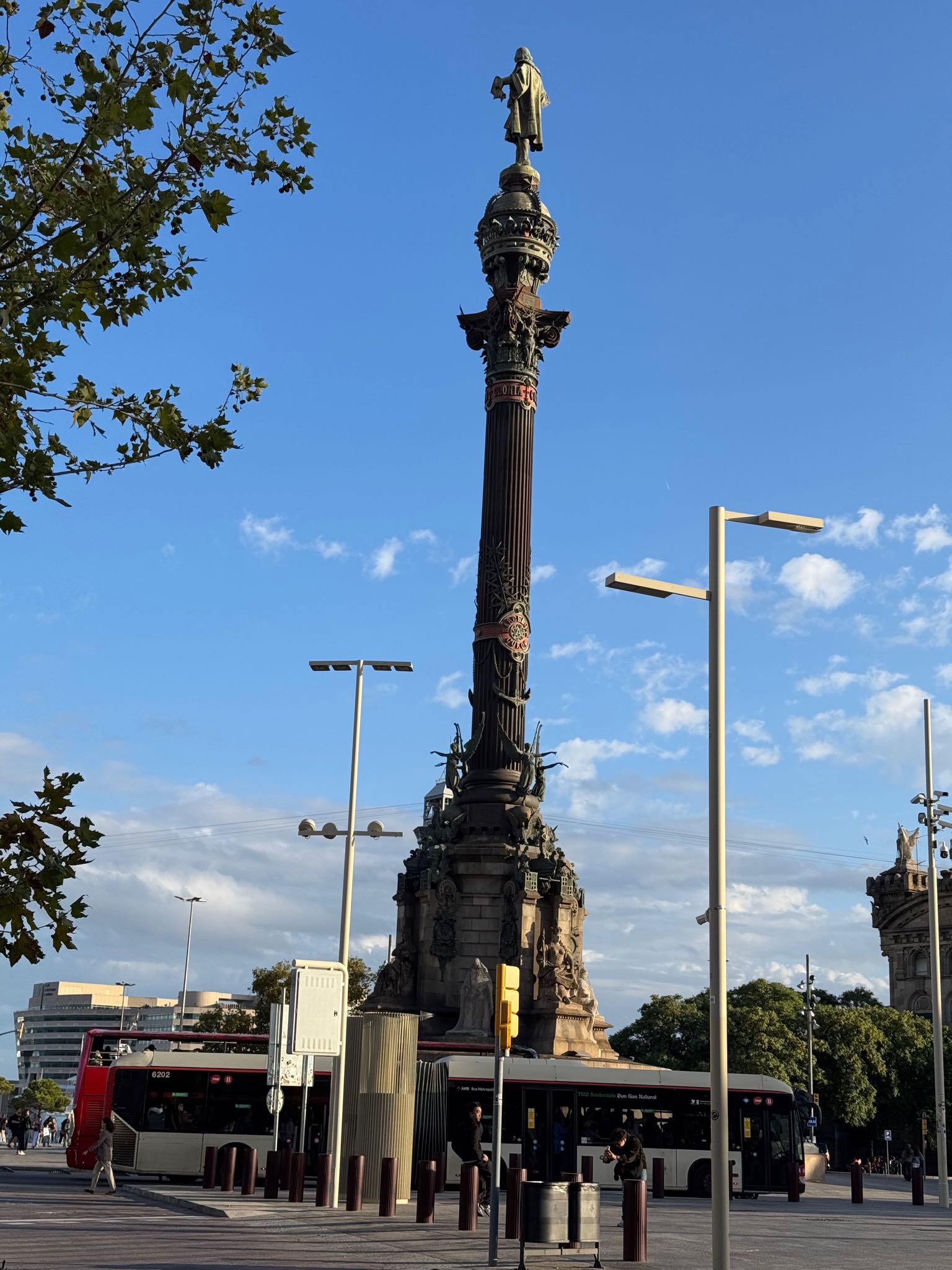
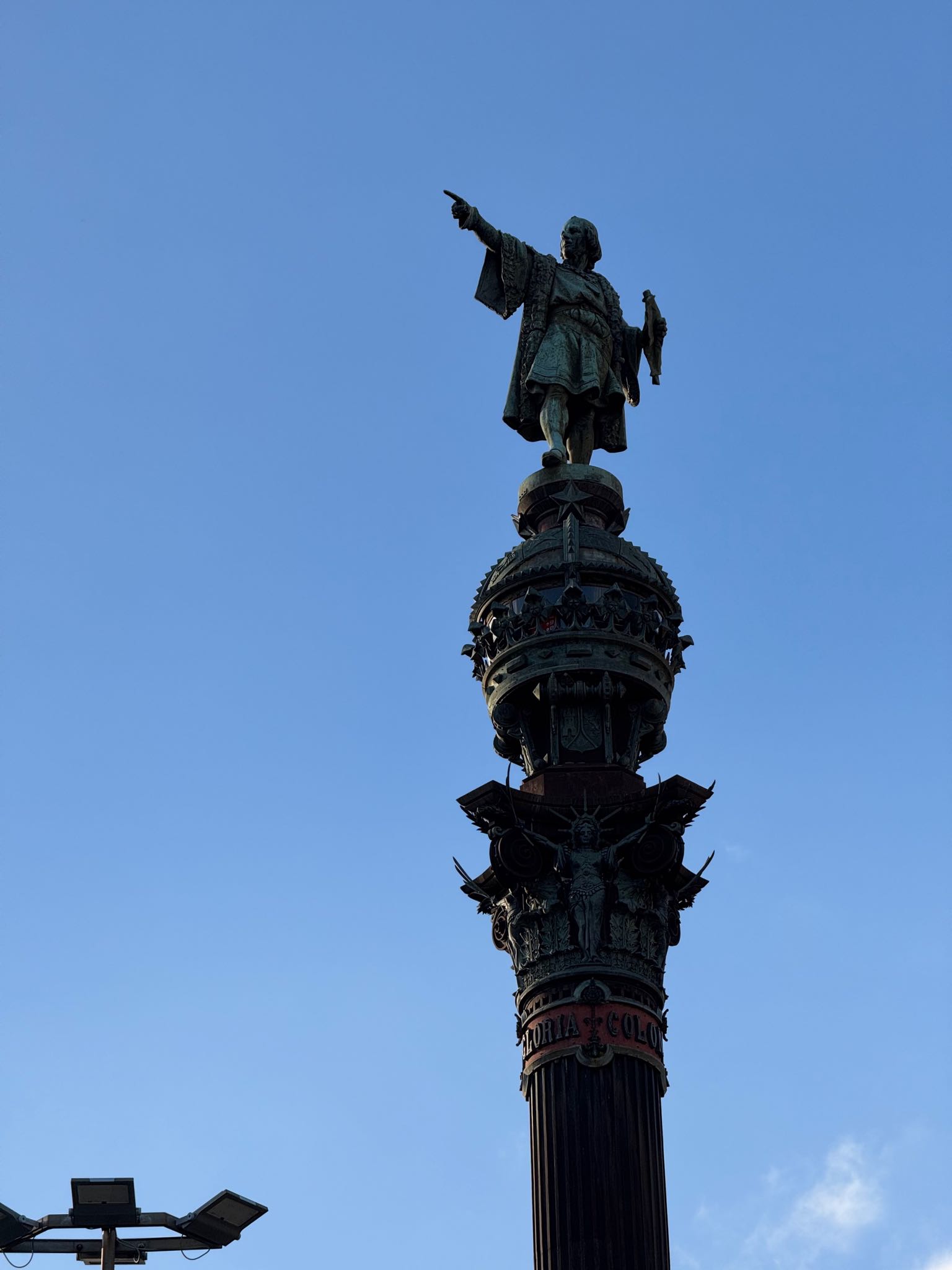
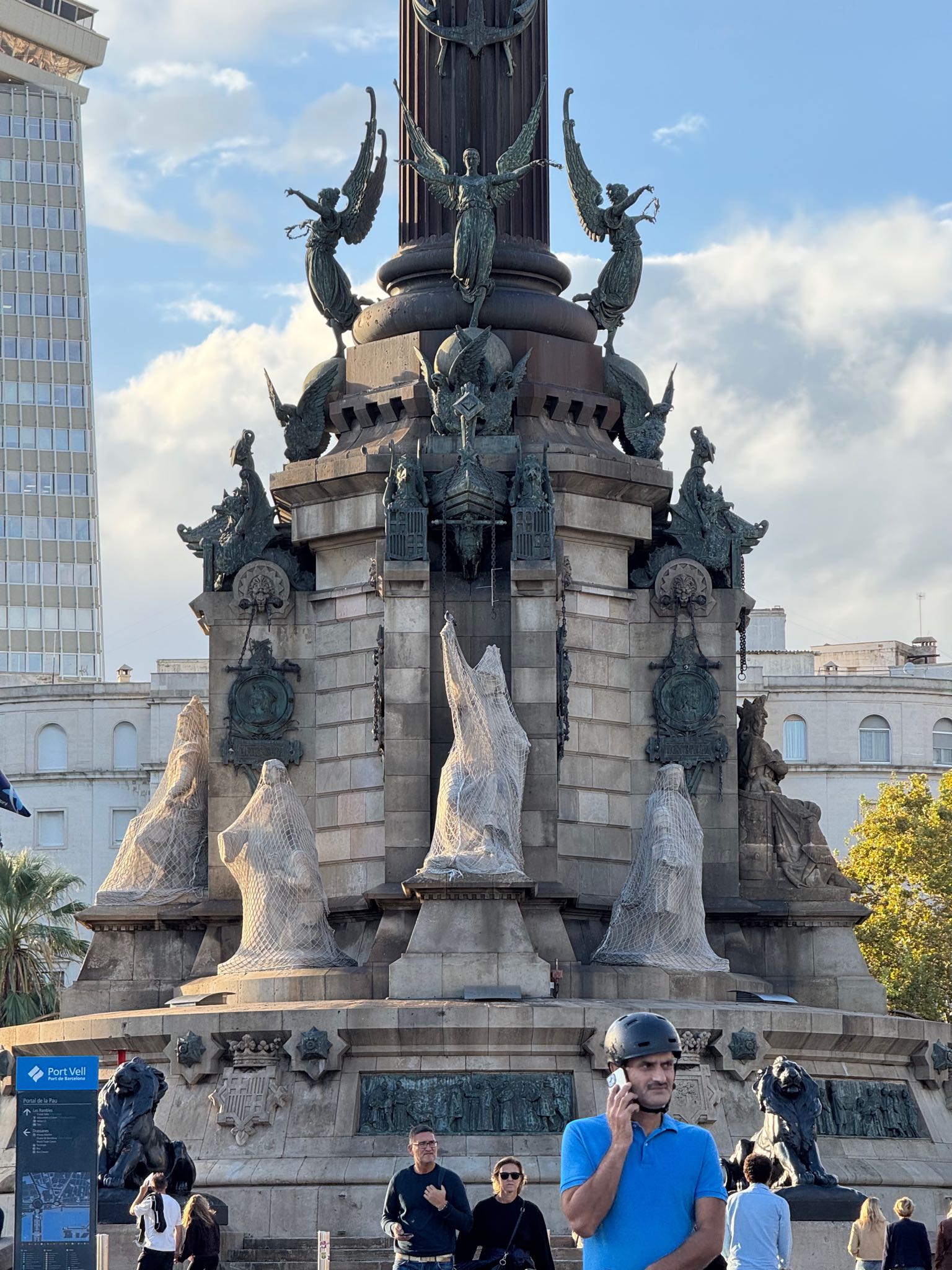
This is a statue to Christopher Columbus.

Now in historic terms he is right up there.

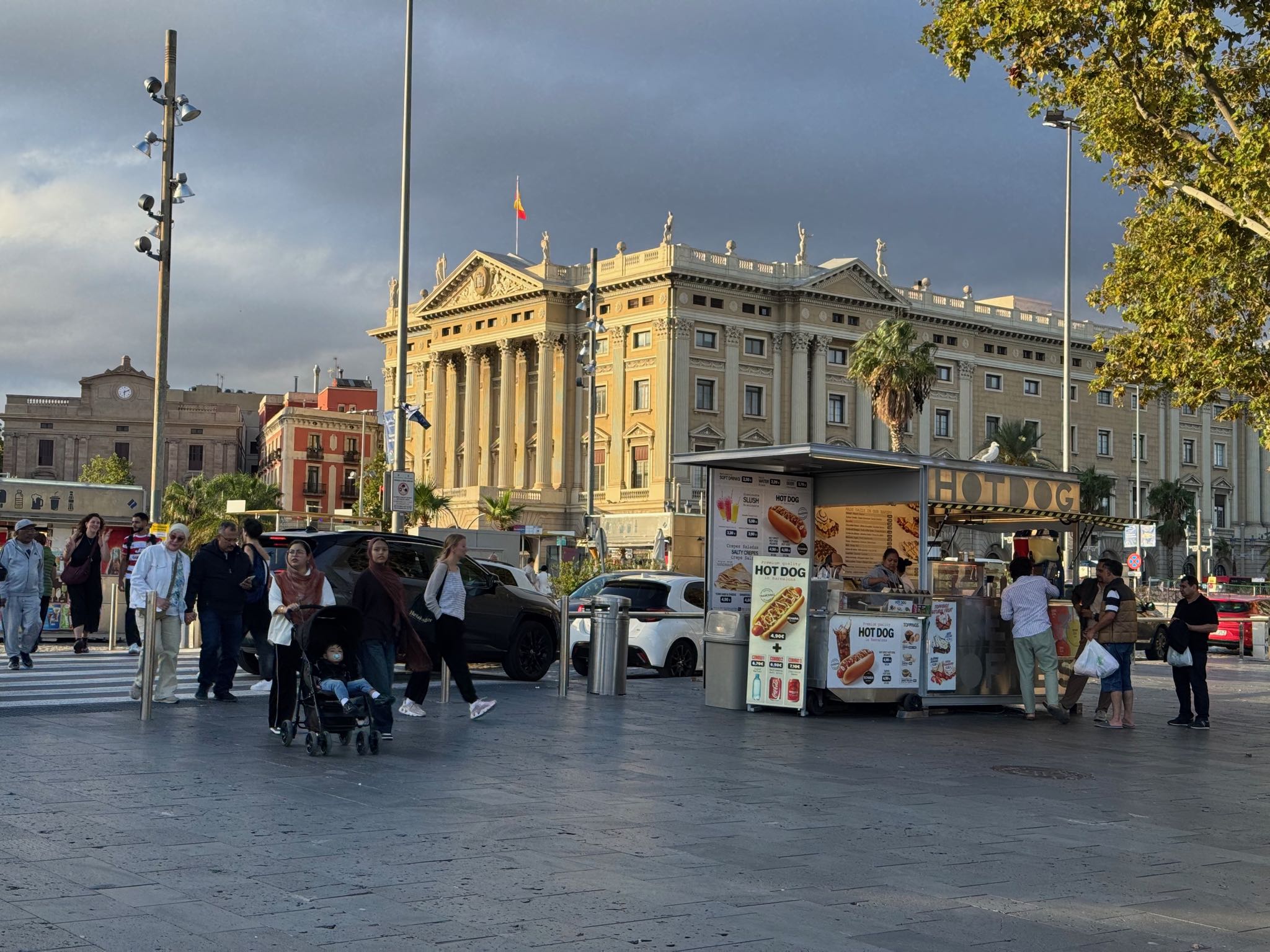
But I can’t quite muster the effort to get excited, as he didn’t actually leave from here. This is a statue to say “Hey, we’re a significant port too! Just on the Adriatic.”

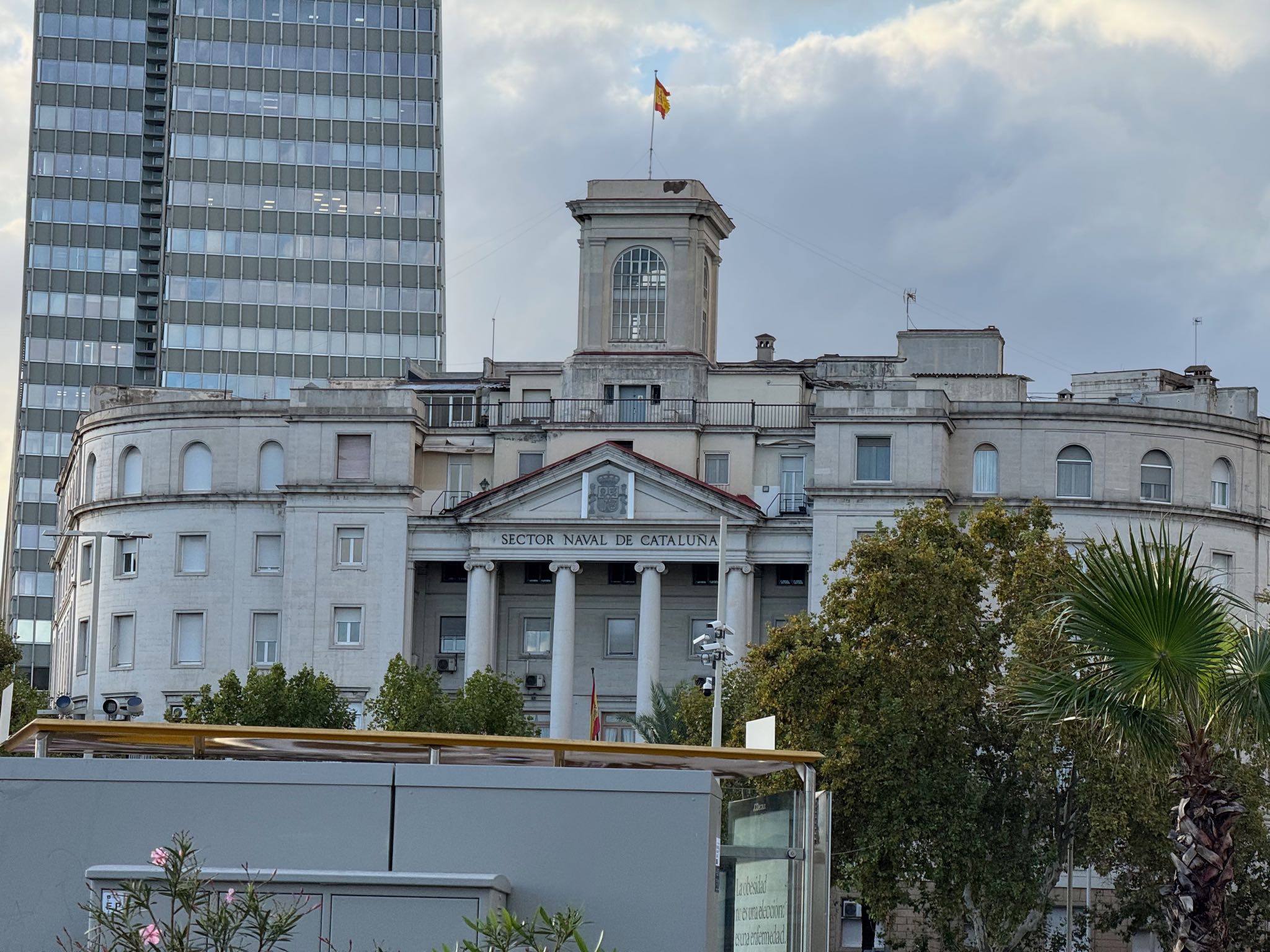
We reach the edge of the city – near the water. (Hugh and I have crossed half the city).

I will get here soon!

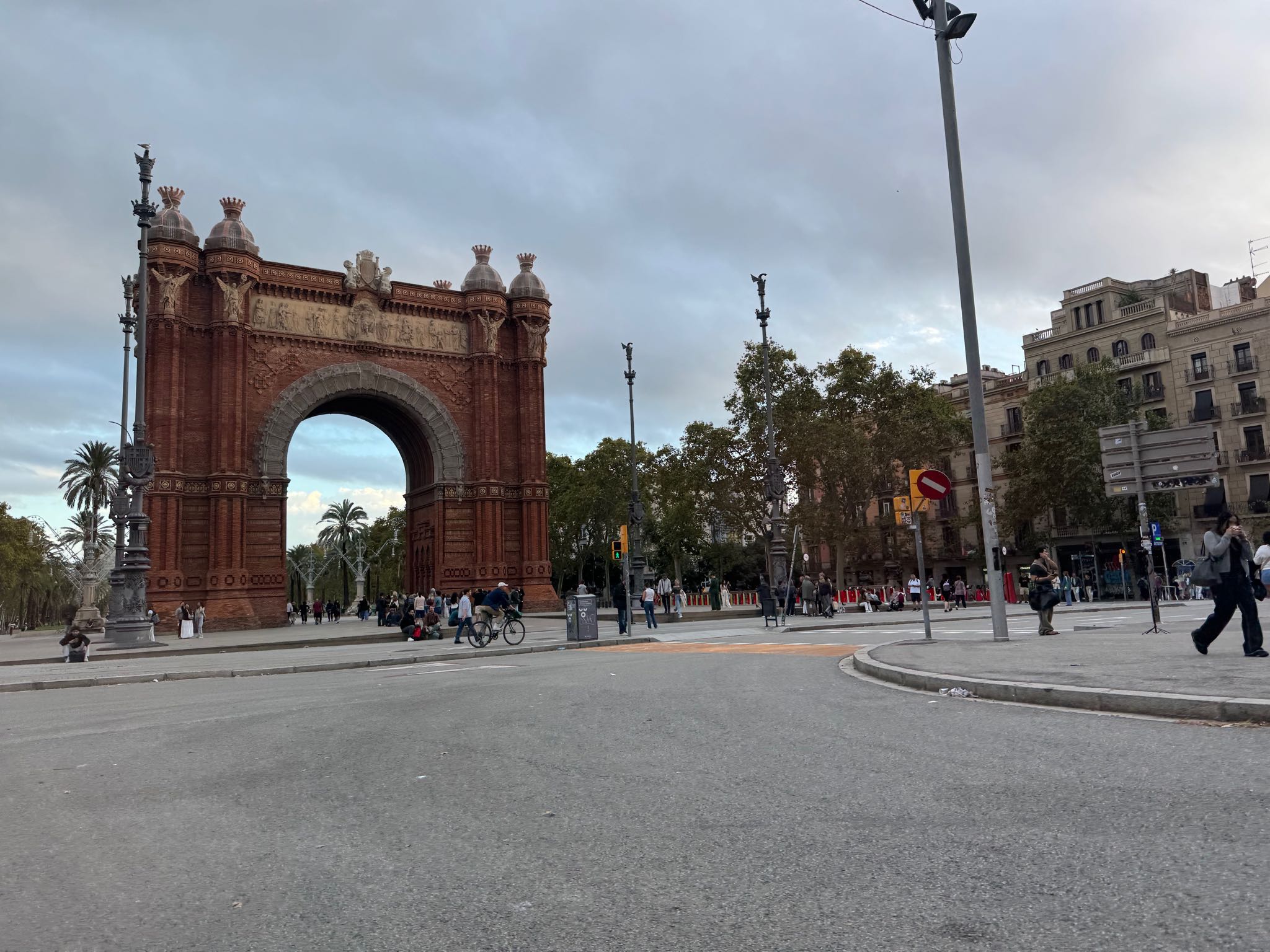
This is the Barcelona Arc de Triomf built for the 1888 Universal Exposition (World Fair) – instead of a military victory – it represents welcome, progress, and peace.

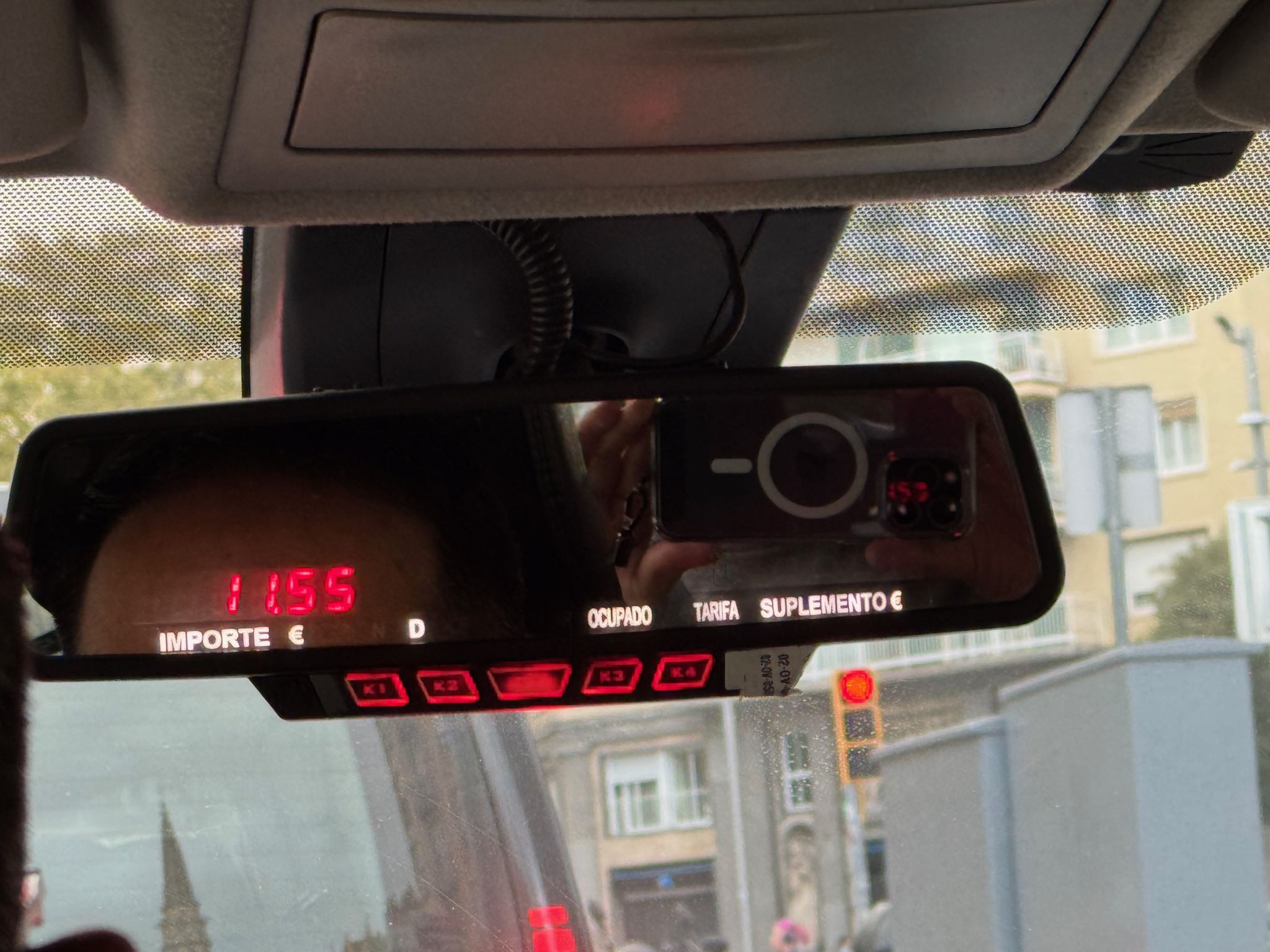
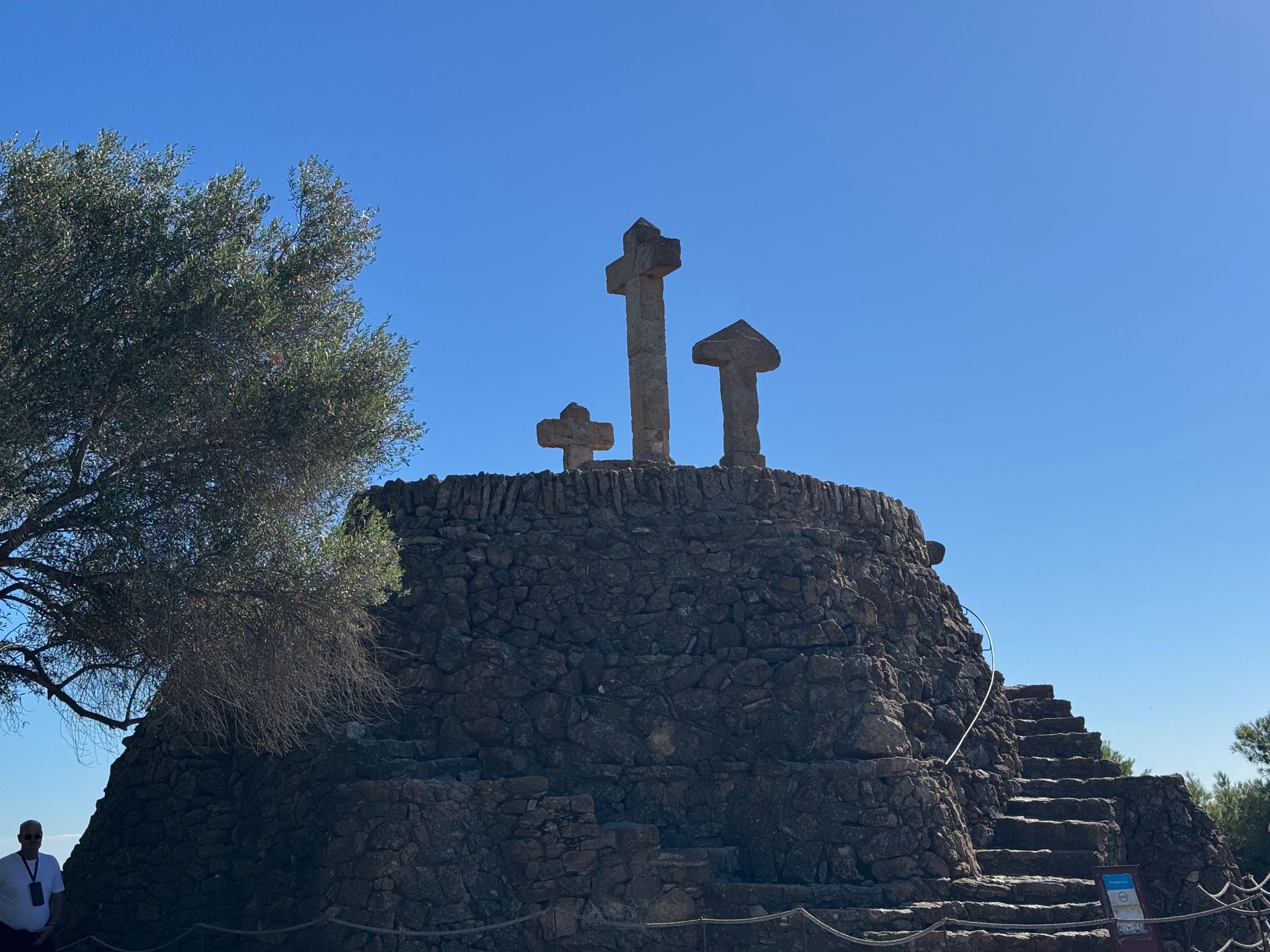
In taxis here they have the counter on the mirror.

This statue represents Mossèn Jacint Verdaguer a Catholic Priest and Poet. His epic poetry helped restore Catalan as a prestigious literary language after centuries of decline, making him a deeply beloved cultural icon of Catalan pride and identity.

Thurs 8 Oct – Leaving Madrid

I cannot conceive how they do a Running Of The Bulls in the city. Feels too distinctly European and packed and well ordered in full of traffic. (It turns out they out it out in a town further North – makes sense).

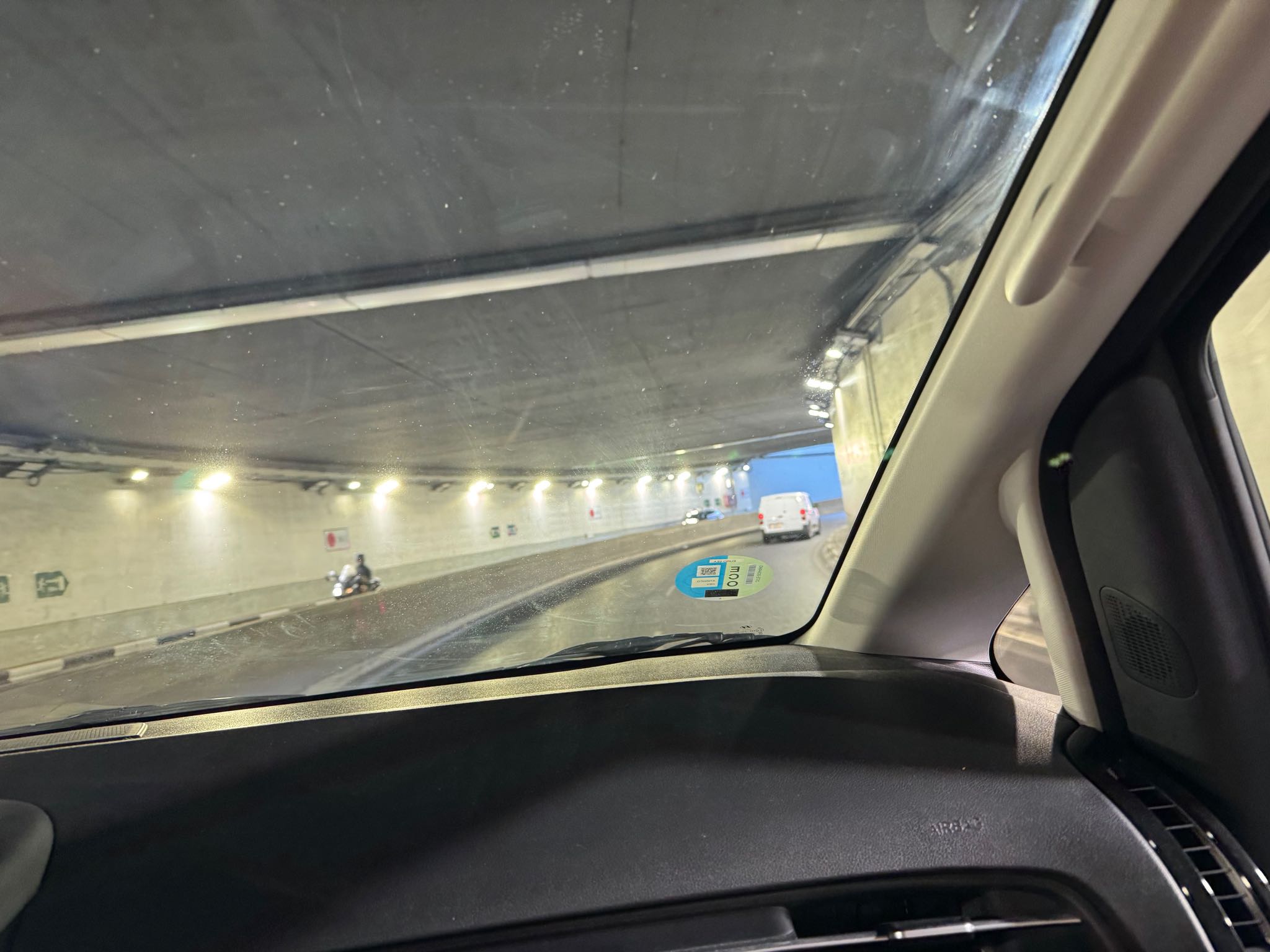
Even at 8 am, it is still dark.

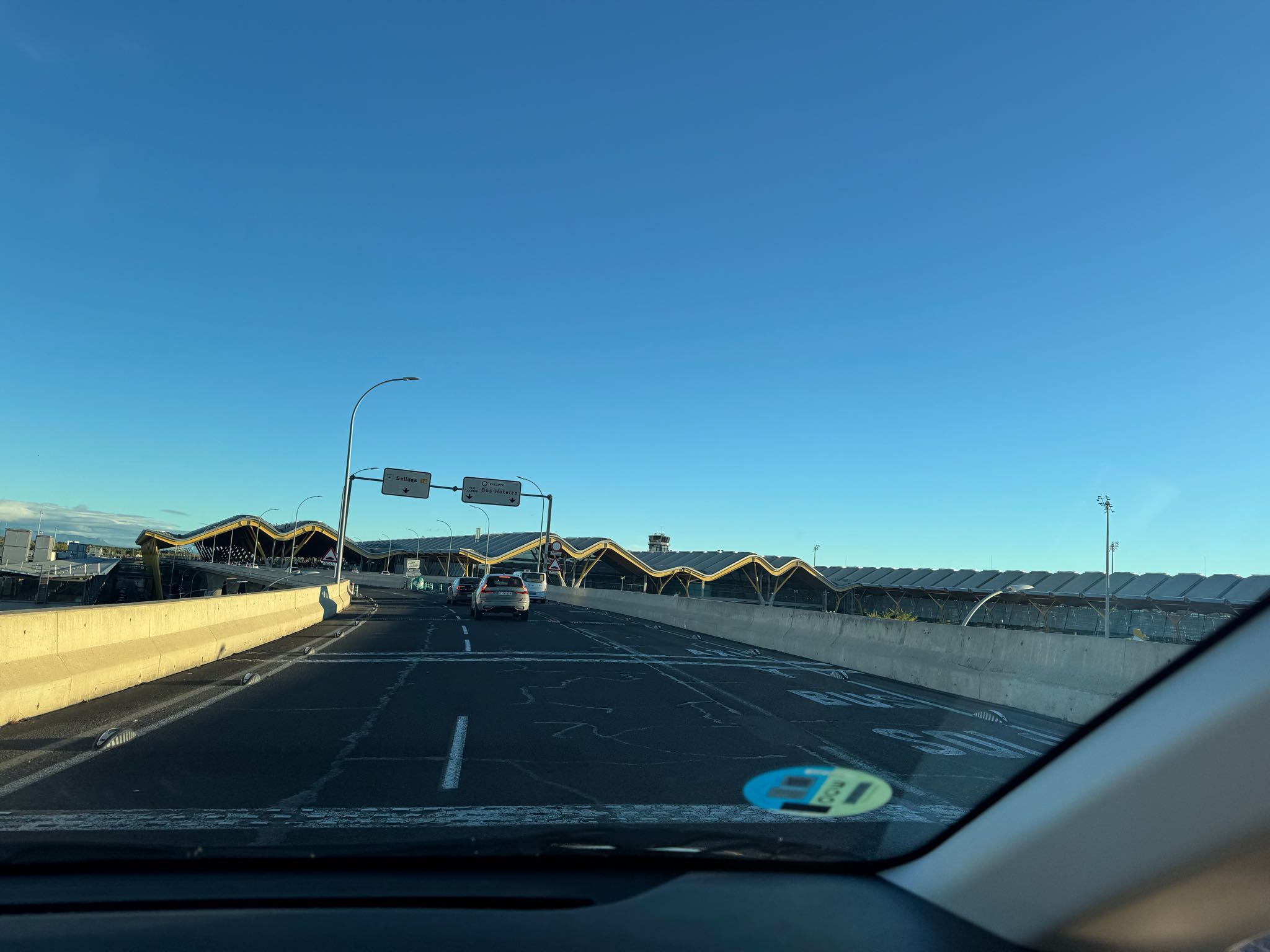
As we wait for the airport, Taxi, I ponder the expectations I brought coming to Spain. So much of our media in Australia is dominated by a cultural concept that labels itself Latin America. But it is not Latin at all. Perhaps that would be better labelled meso-american-post-colonialism. 

Here there is a strong sense of Pan-European identity with a medium sprinkling of Spanish language and history. You see it in the well-ordered, tree-lined streets,  the three story buildings that look like they came out of a Europe-look factory, and the unexplained, elitist statues. The sort of middle space you encounter when driving north of Italy into Germany and then left into France and realise it all overlaps.

Further the patient thoughtful politeness of the people you encounter makes me consider Australia’s place in the world. Australia is the place of gruff Colonial confidence, of compromise and lack of oversight in our housing and engineering. I was taught, and teach my kids manners as a way of respecting the other person, in way that stands out in Australia. But that sense of meta-etiquette is normal here. In Spain, I am the Colonial in a way I hadn’t really seen before. 

American business and technology commentators point to Europe in contempt and ask about the lack innovation and new tech businesses. They complain about high taxes here and over-standardisation. (Although I wonder how that will change with centralised business registration for cross-European businesses coming in next year.)

Europe is a place where the social compact is strong, perhaps stronger than Australia. Compared to America, in Europe equality surpasses opportunity. 

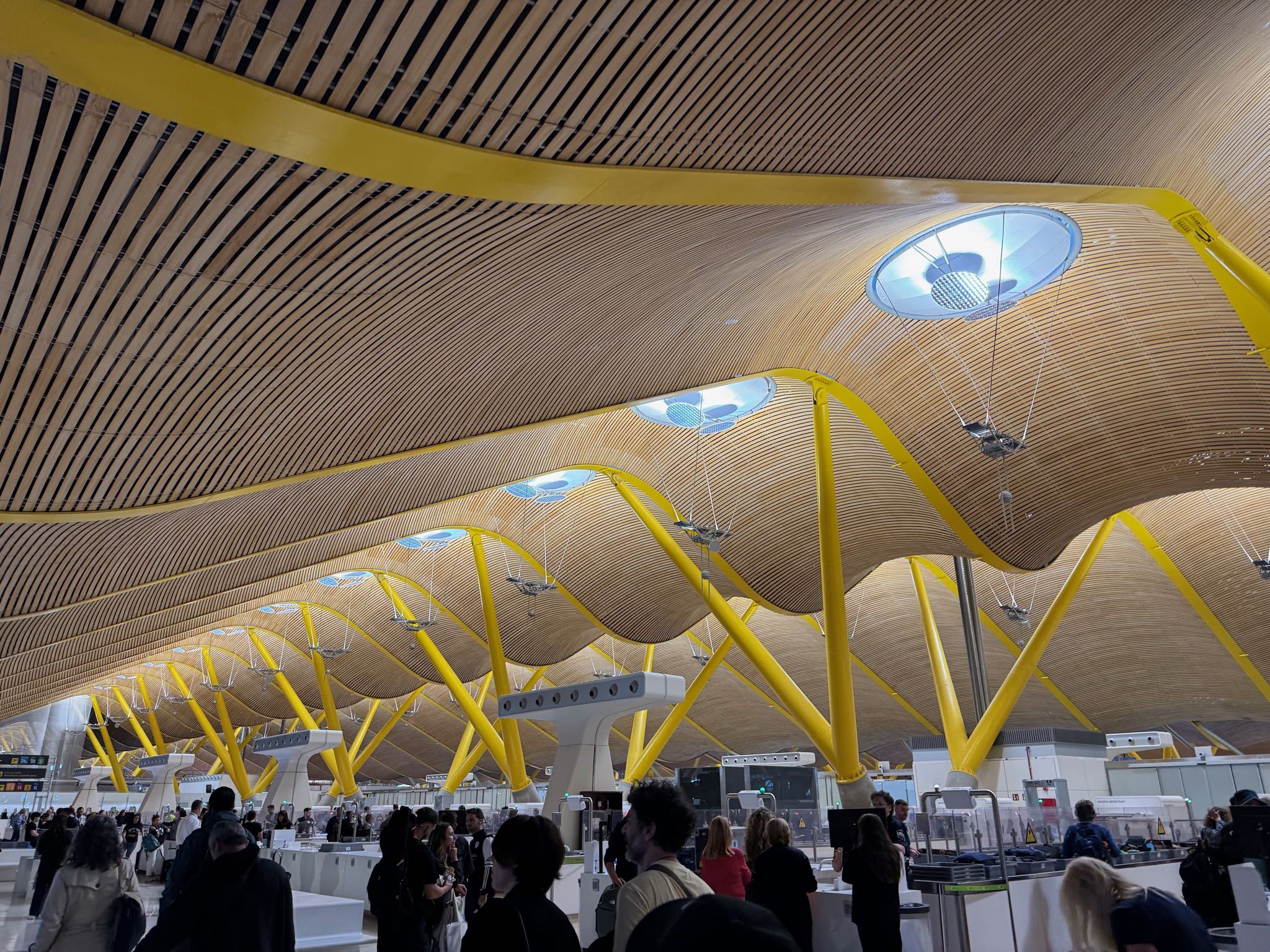
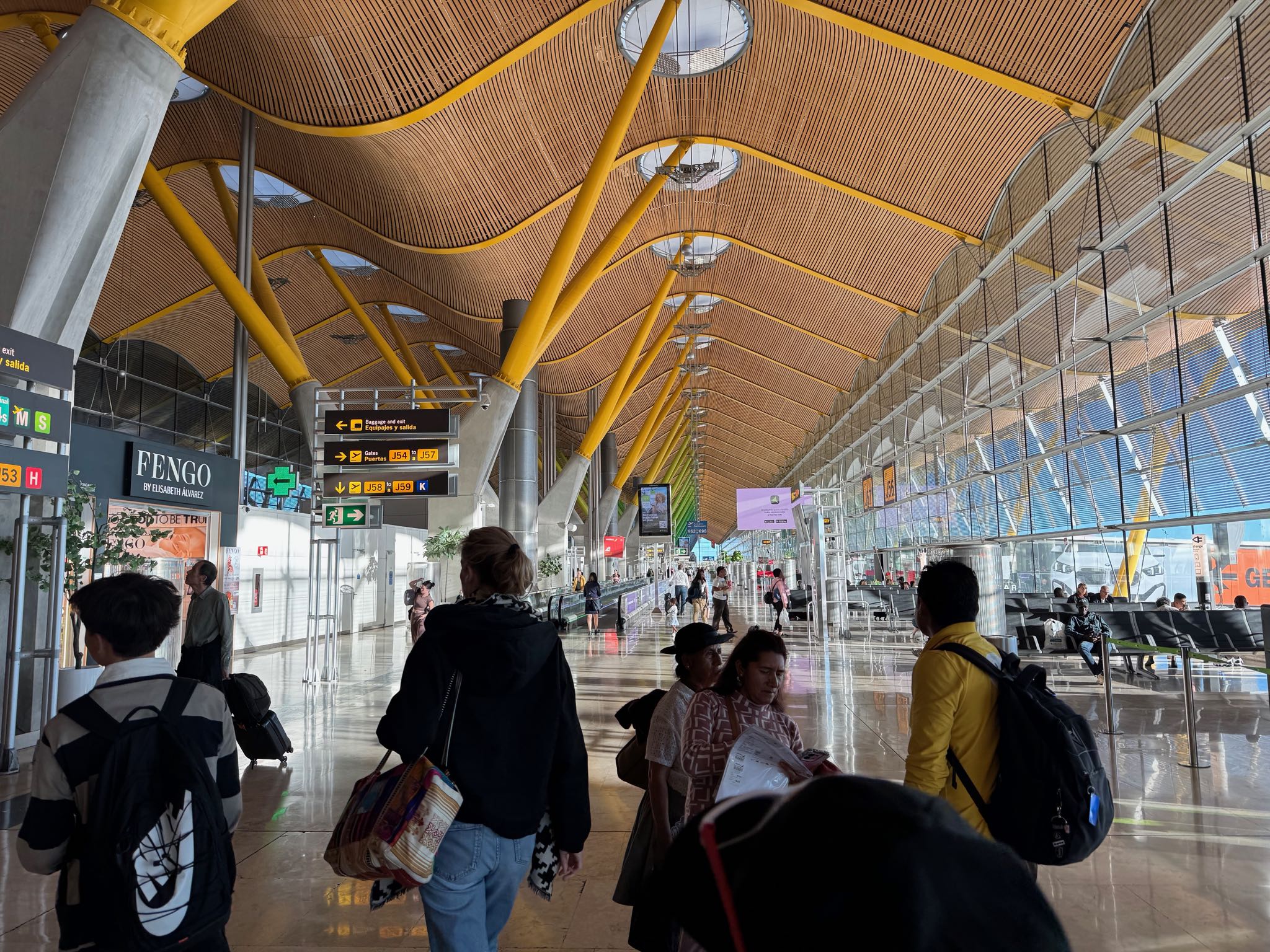
Madrid Airport is brisk and efficient. We are through the digital check-in and the baggage handover in seven minutes, for the same airline. It makes me think that Lisbon Airport is just under-invested.

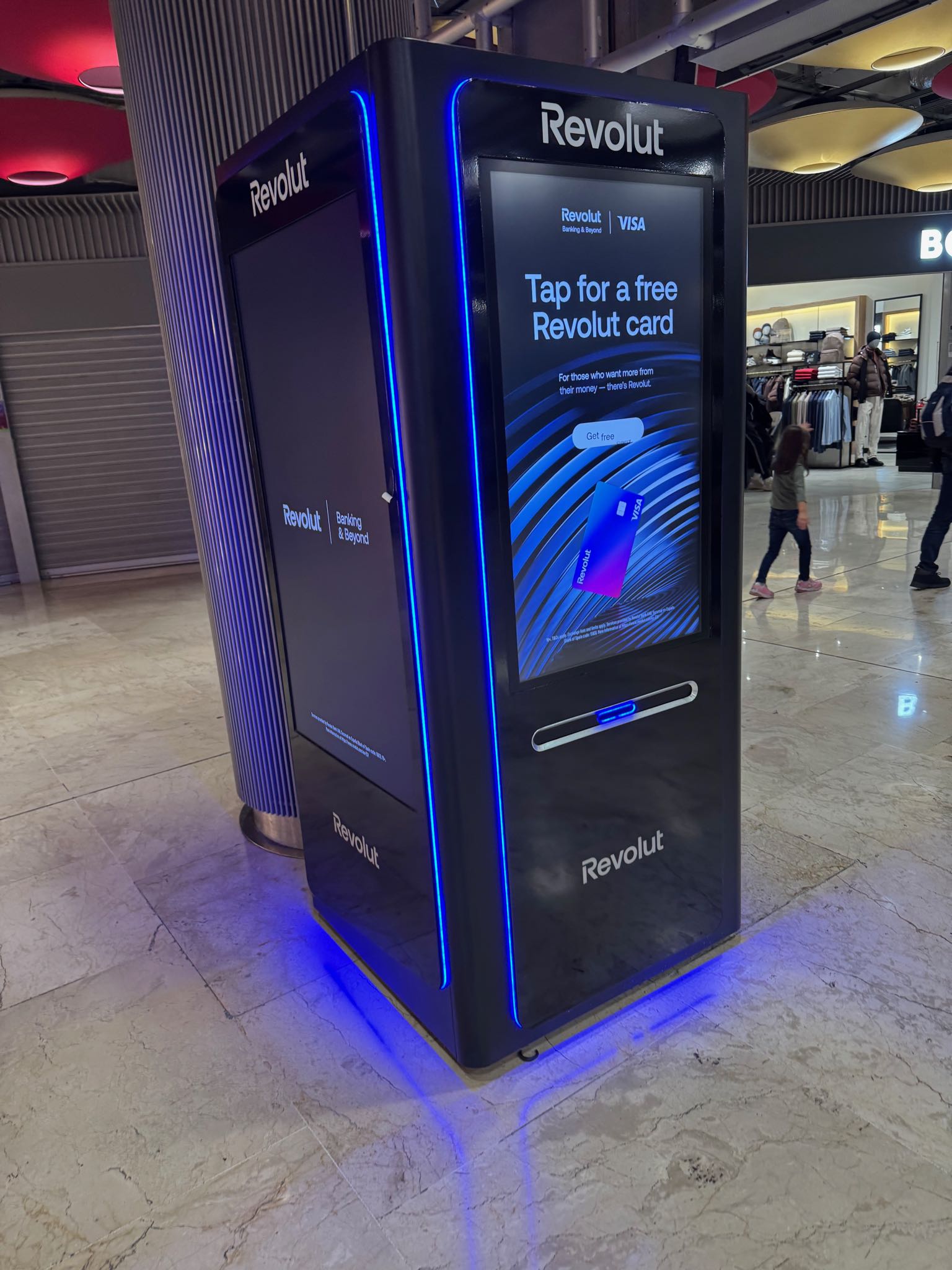
I see a digital promotion box offering Revolut cards with simply the push of a button. I think about our boarding processes on our work website with a  sense of horror.

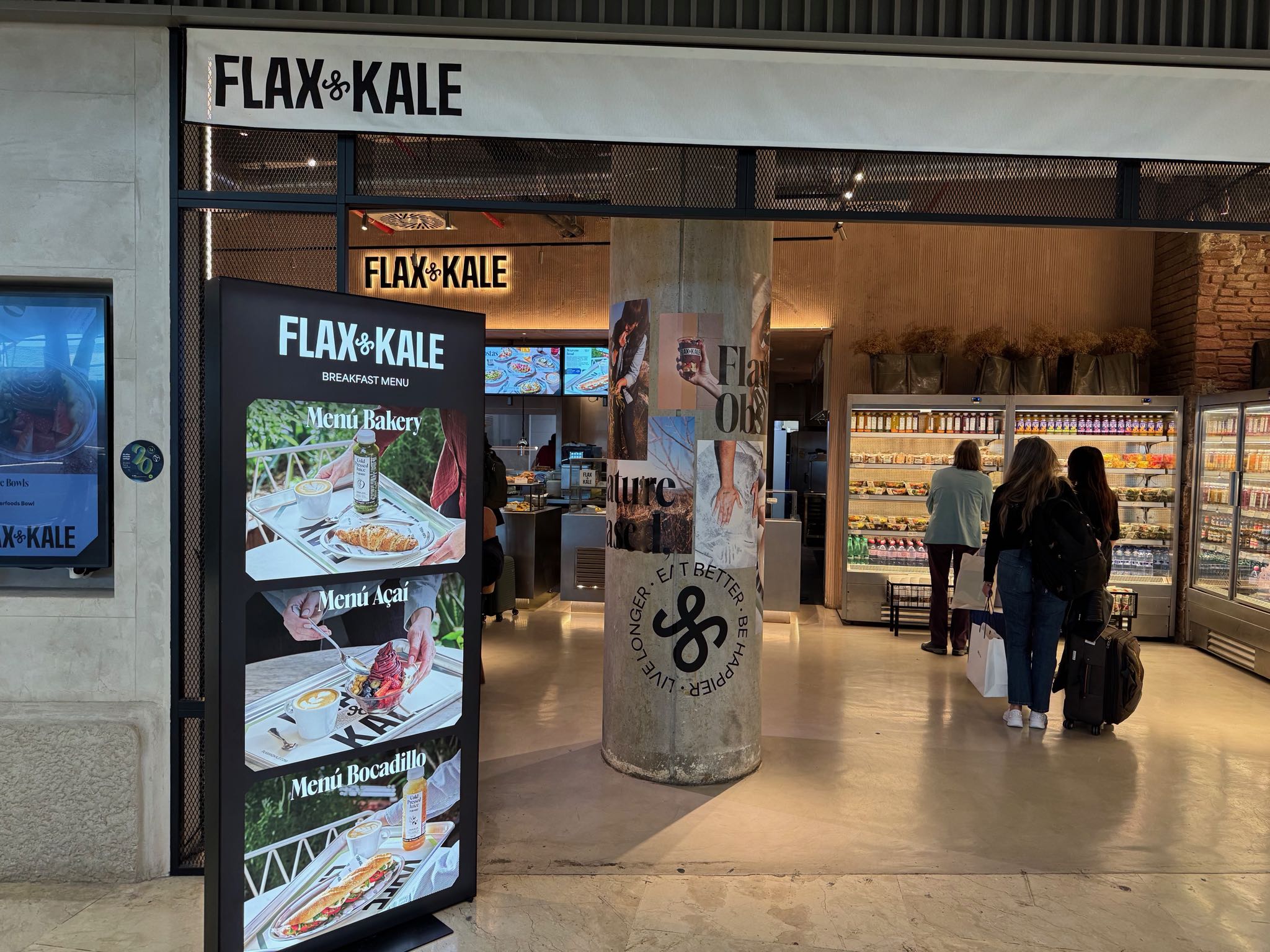
This is something for Uncle Albert from church.

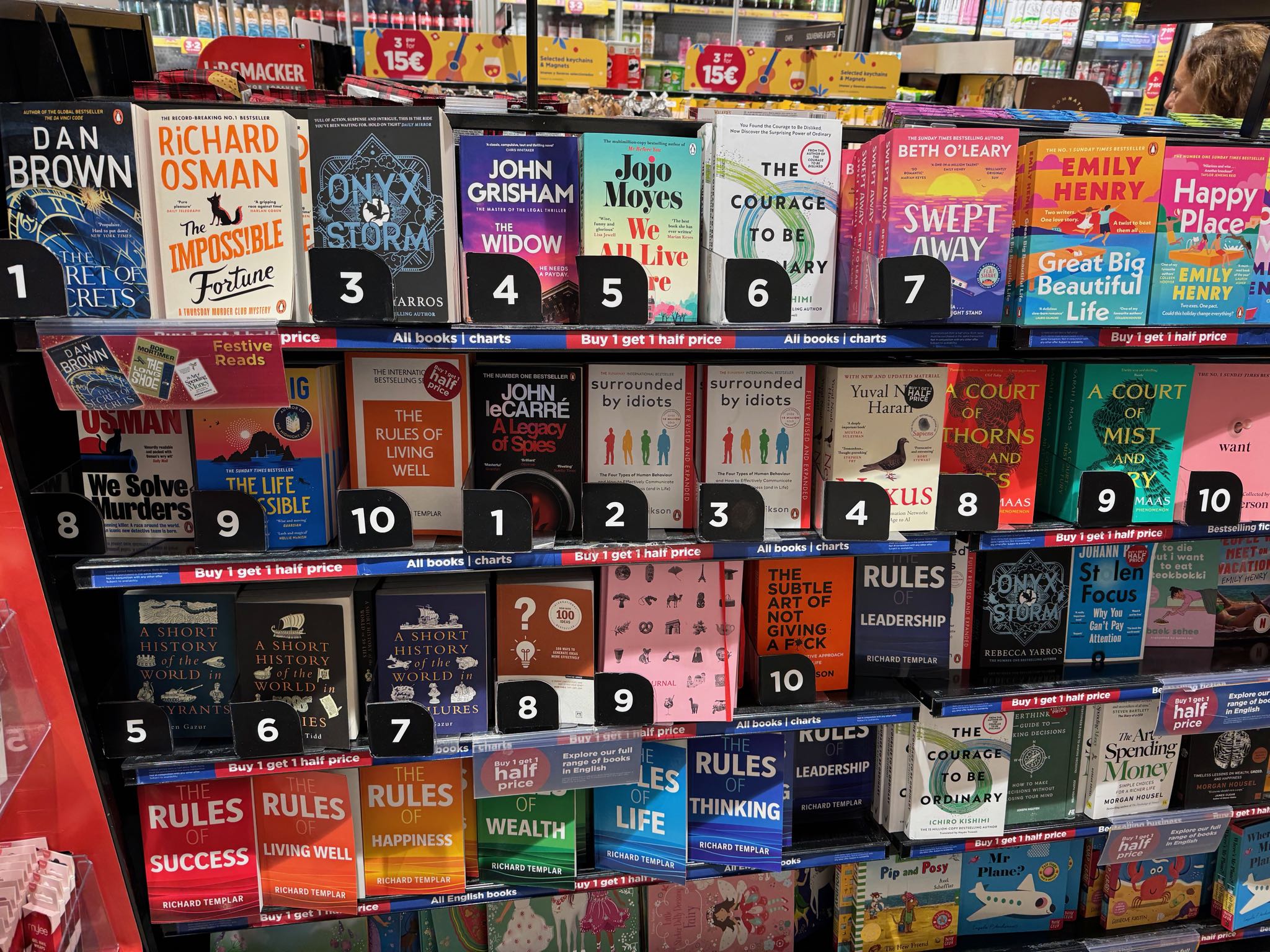
I am drawn like a magnet to this section.

I don’t quite survive that magnetic pull without cost.

Wed 7 Oct – Toledo

Holy Toledo Batman!

We drive by hills that remind me of Bernard Cornwell’s Sharpe’s Rifles – imagining English troops cooperating with Spanish rebels against Napoleon’s forces. 

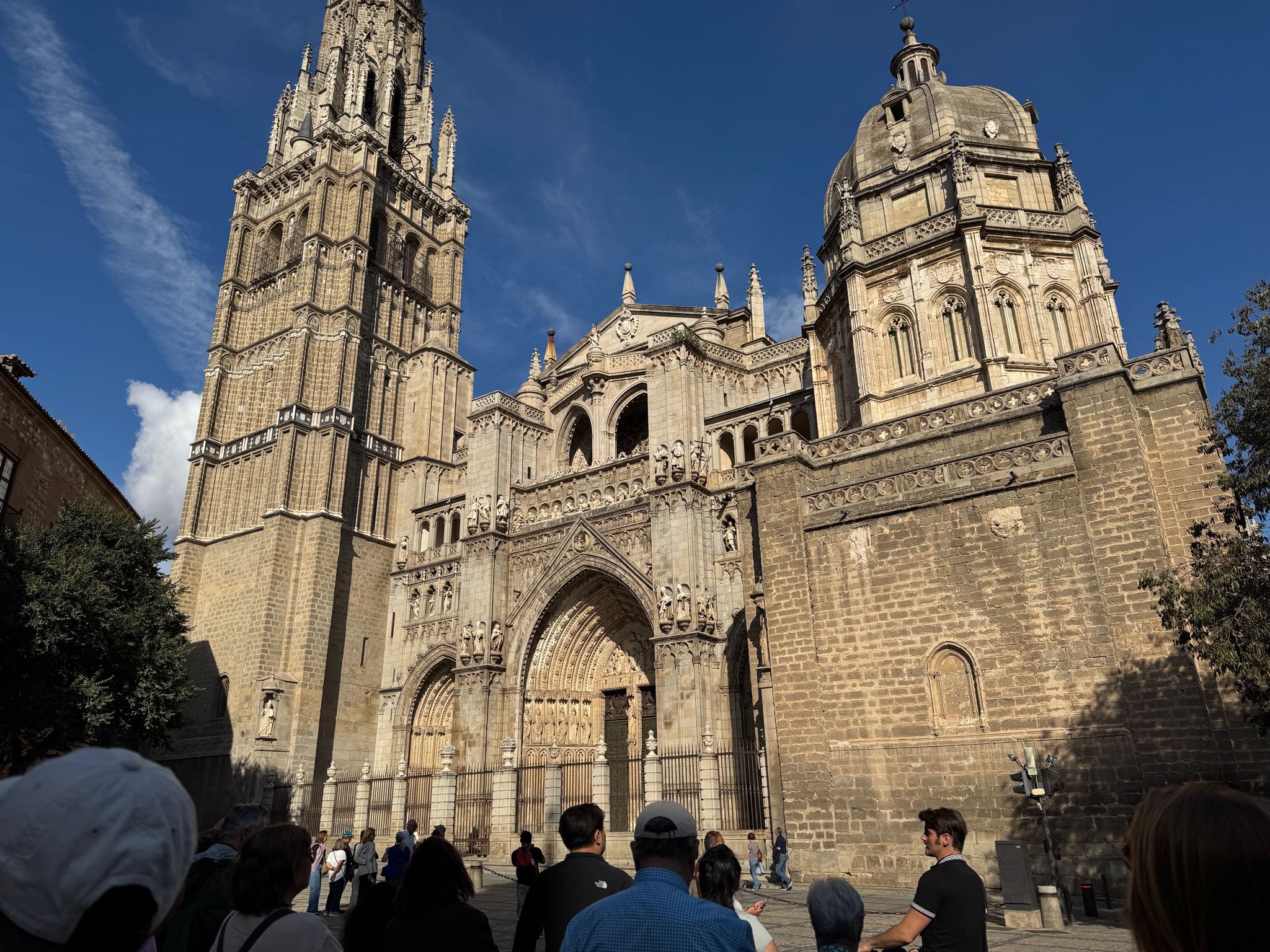
The Cathedral, St Mary’s, is the main Cathedral in Spain. This follows a church hierarchy established in the time of the Visigoths.

Toledo is the second biggest producer of Olive oil after Andalusia. They also produce wine, saffron, cereals, pistachios and watermelons. The UK imports a lot of fruit and vegetables from Spain. Agriculture is 20% of Spains economy. 

This place was popular real estate although geographically hard to conquer. (You need to get your army over or around the river.) It was conquered by the Celts, then the Iberians, then the Carthaginians, then the Romans in 2ndC BC, then the Visigoths, then the Moors in 8thC AD, then the Catholic Christians in 11thC AD.

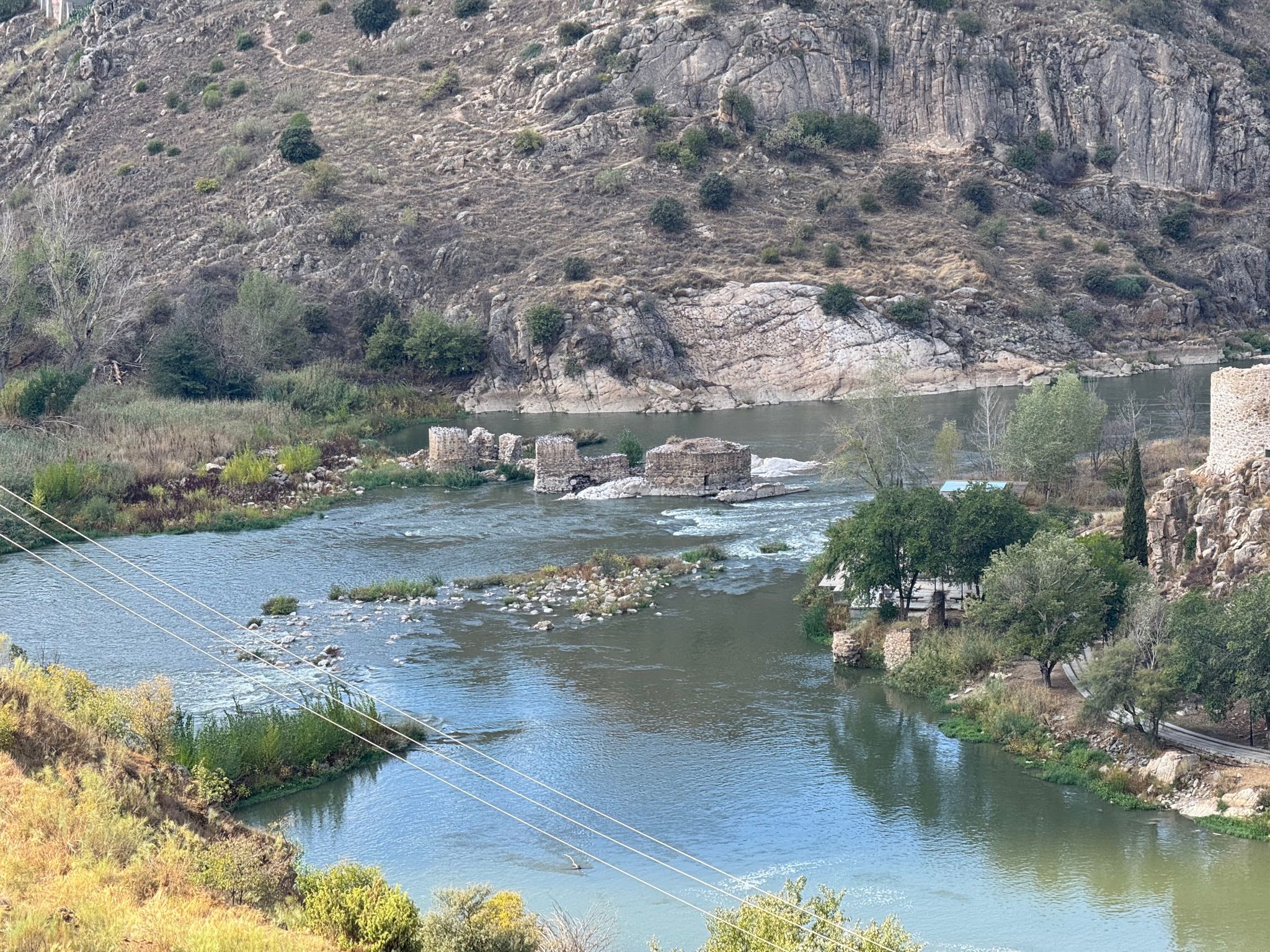
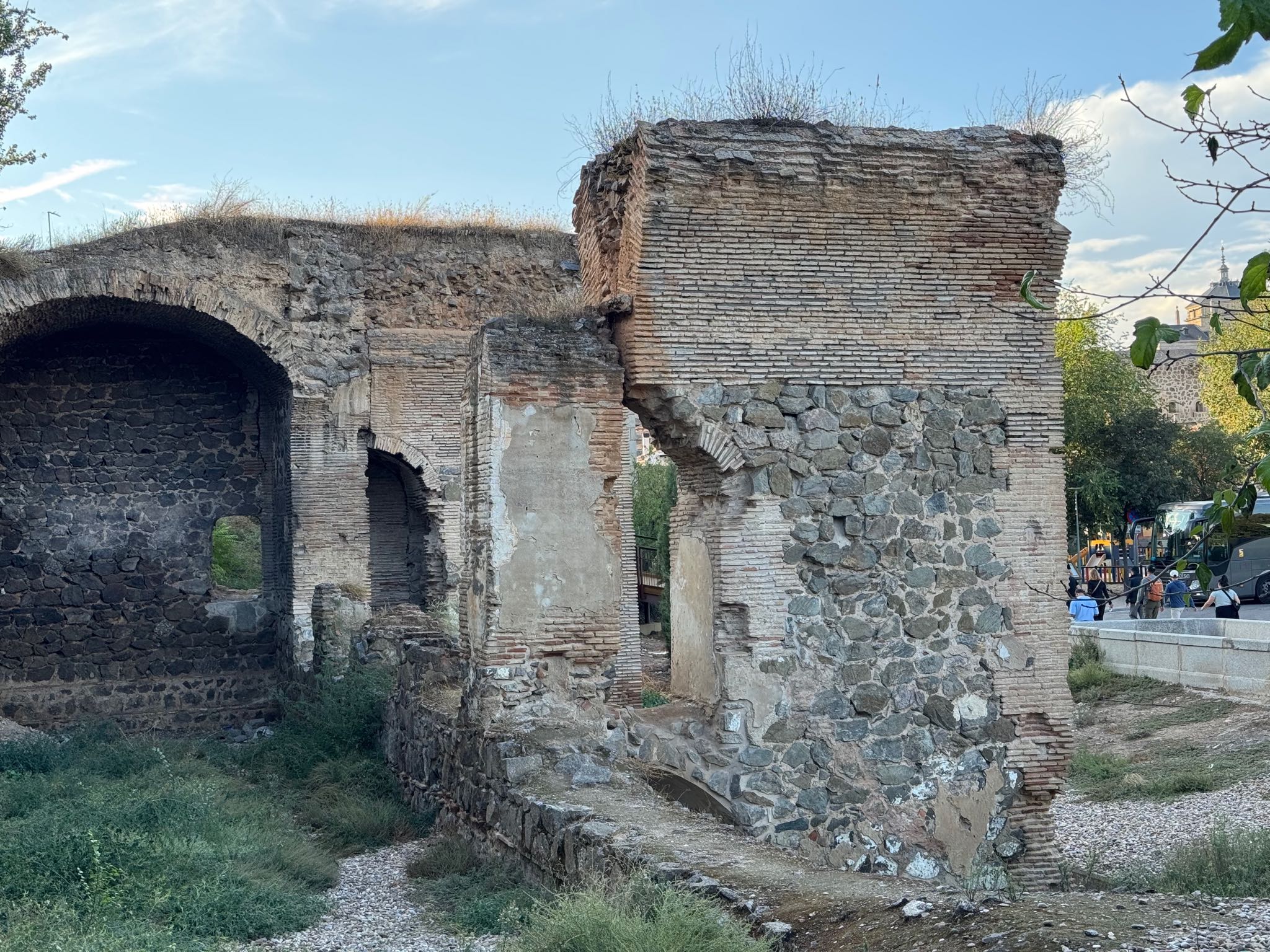
This bridge was built in the 13th century, and destroyed 100 years later, by Pedro the Cruel.

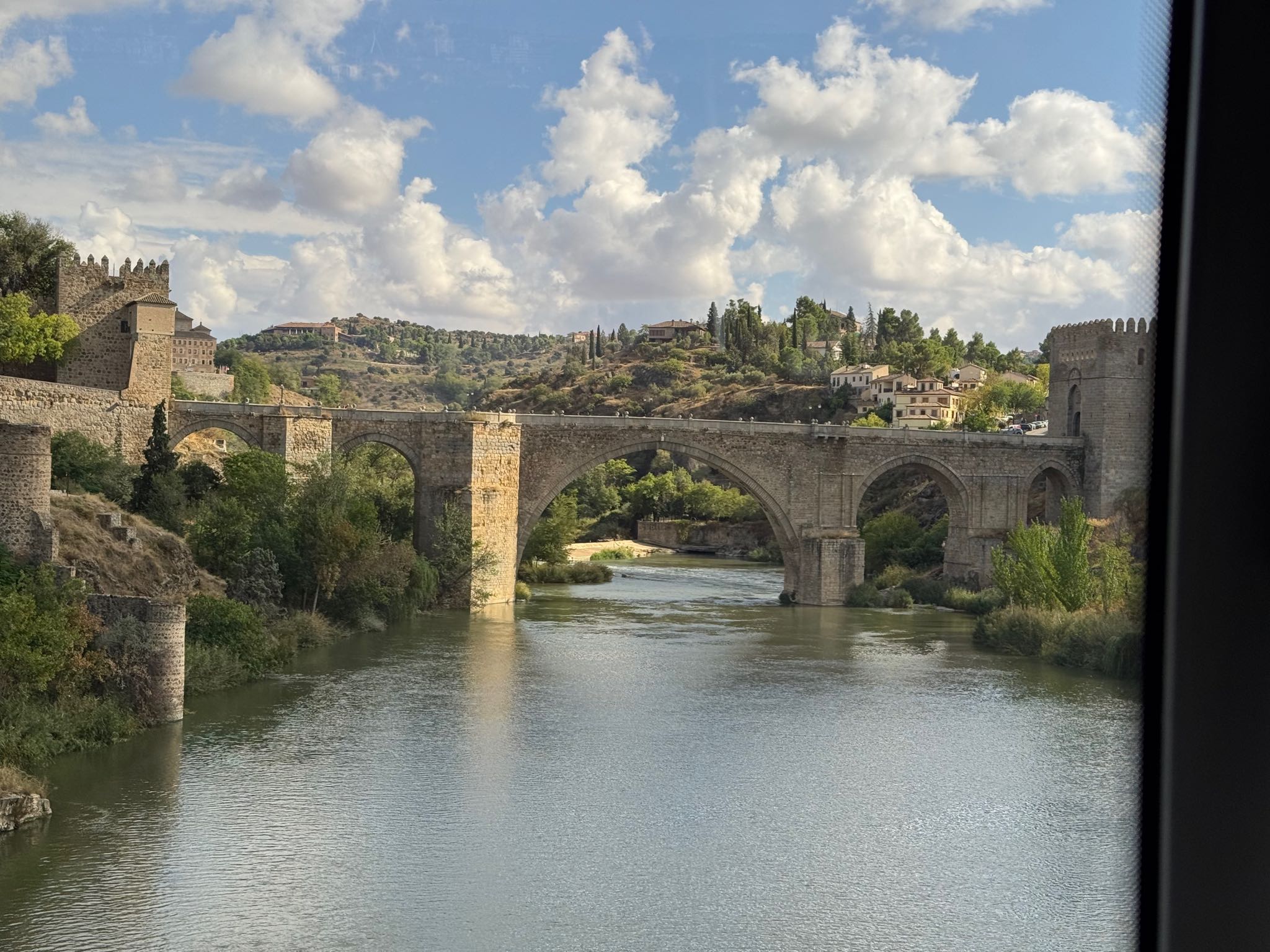
It was replaced by this bridge – Puente de San Martín built in the 1390s, commissioned by the local archbishop. This leads up to the Monasterio de San Juan de los Reyes – more later.

The river was the natural moat of the city. It flows all the way to Lisbon. 

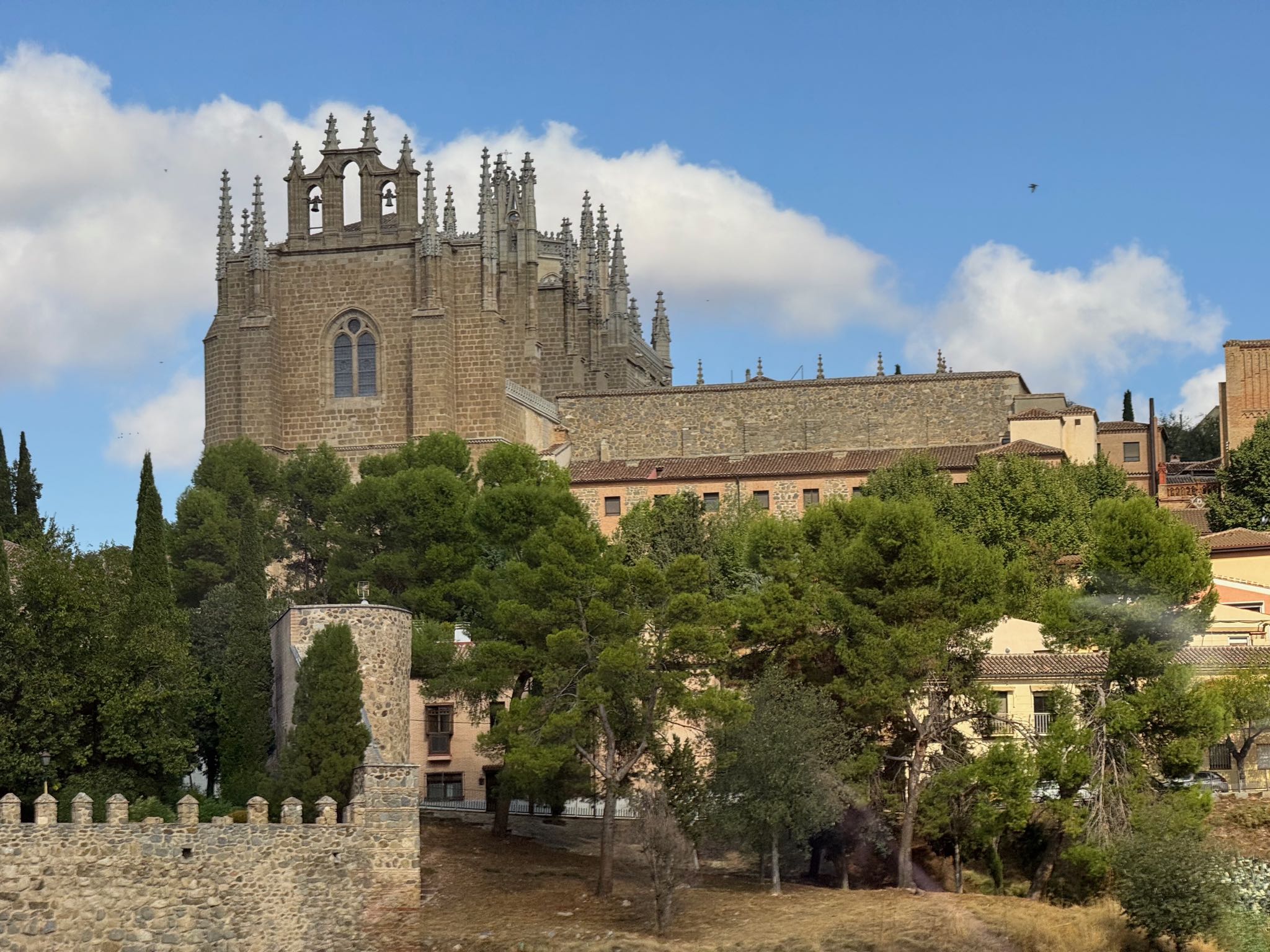
The Catholic kings built a monastery on the hill to get buried in for a while called Monasterio de San Juan de los Reyes, commissioned by King Ferdinand II of Aragon and Queen Isabella I of Castile. They originally commissioned it to get buried in, but then they ended up getting buried in Grenada after their reconquest there.

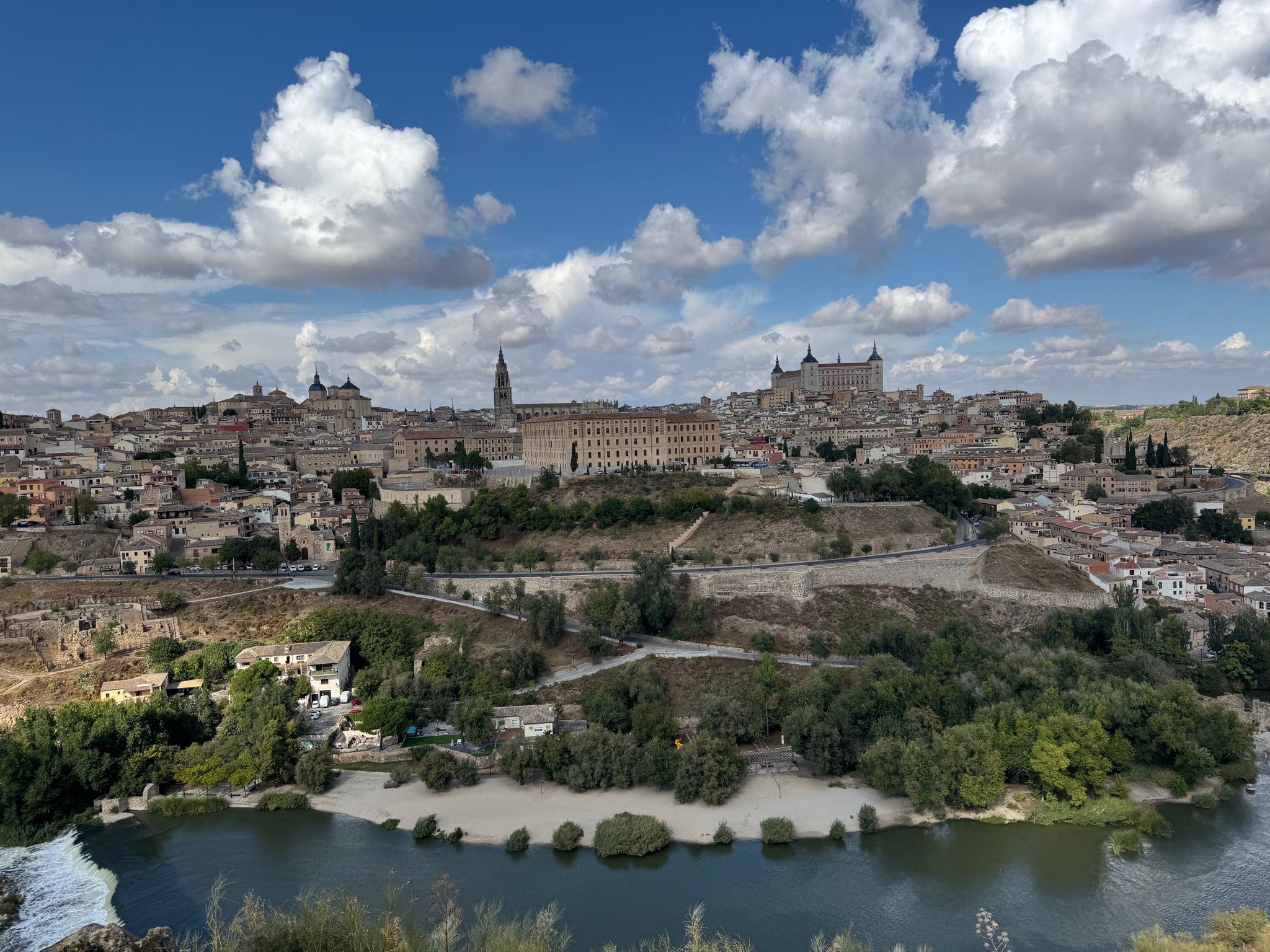
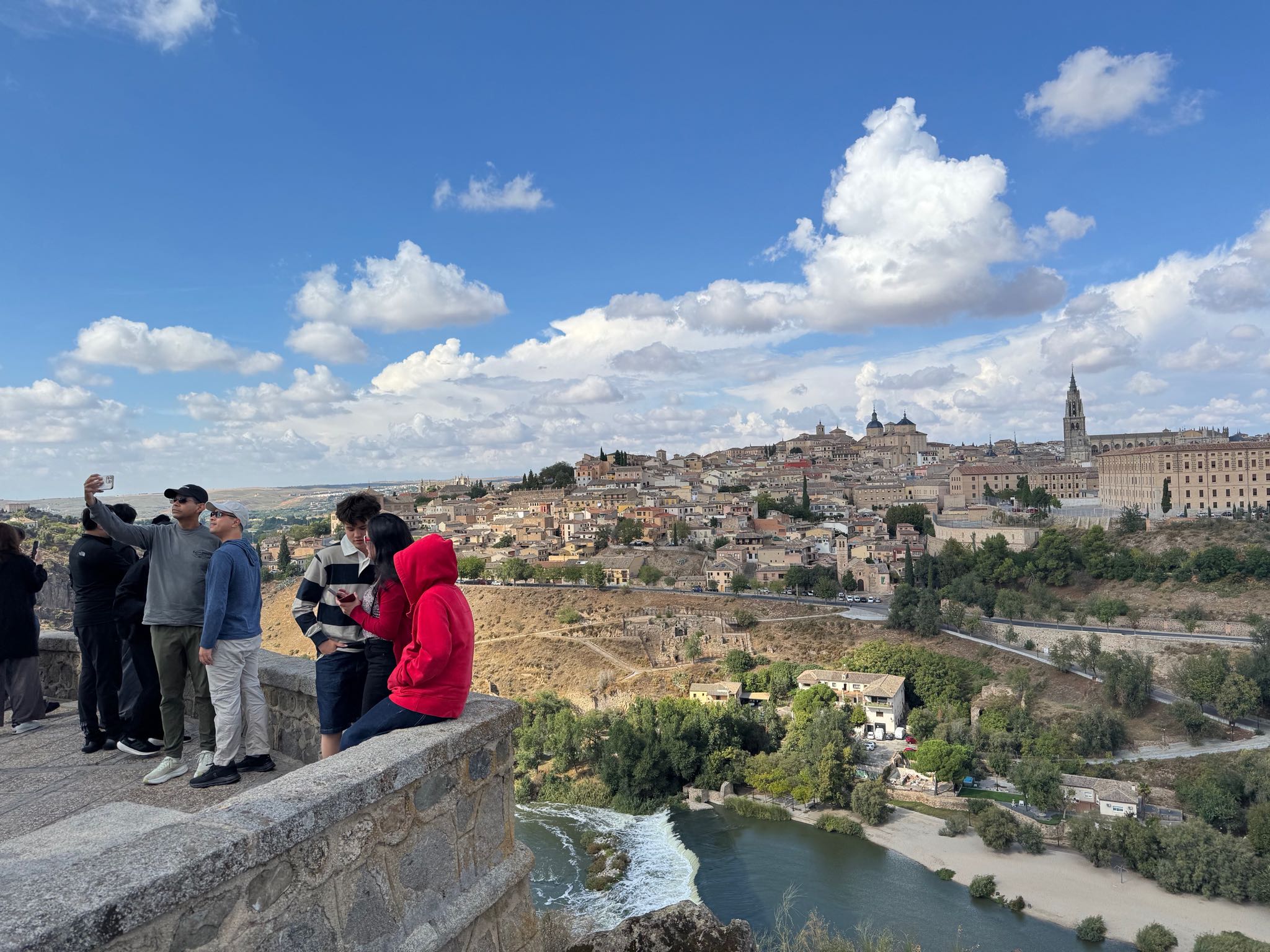
We stop at the view called Mirrador Del Valde. At the top of the city is a castle and a library.

The broader region we are standing in is the land in which the Don Quixote narrative is set, the author weaves the city of Toledo into it as well.

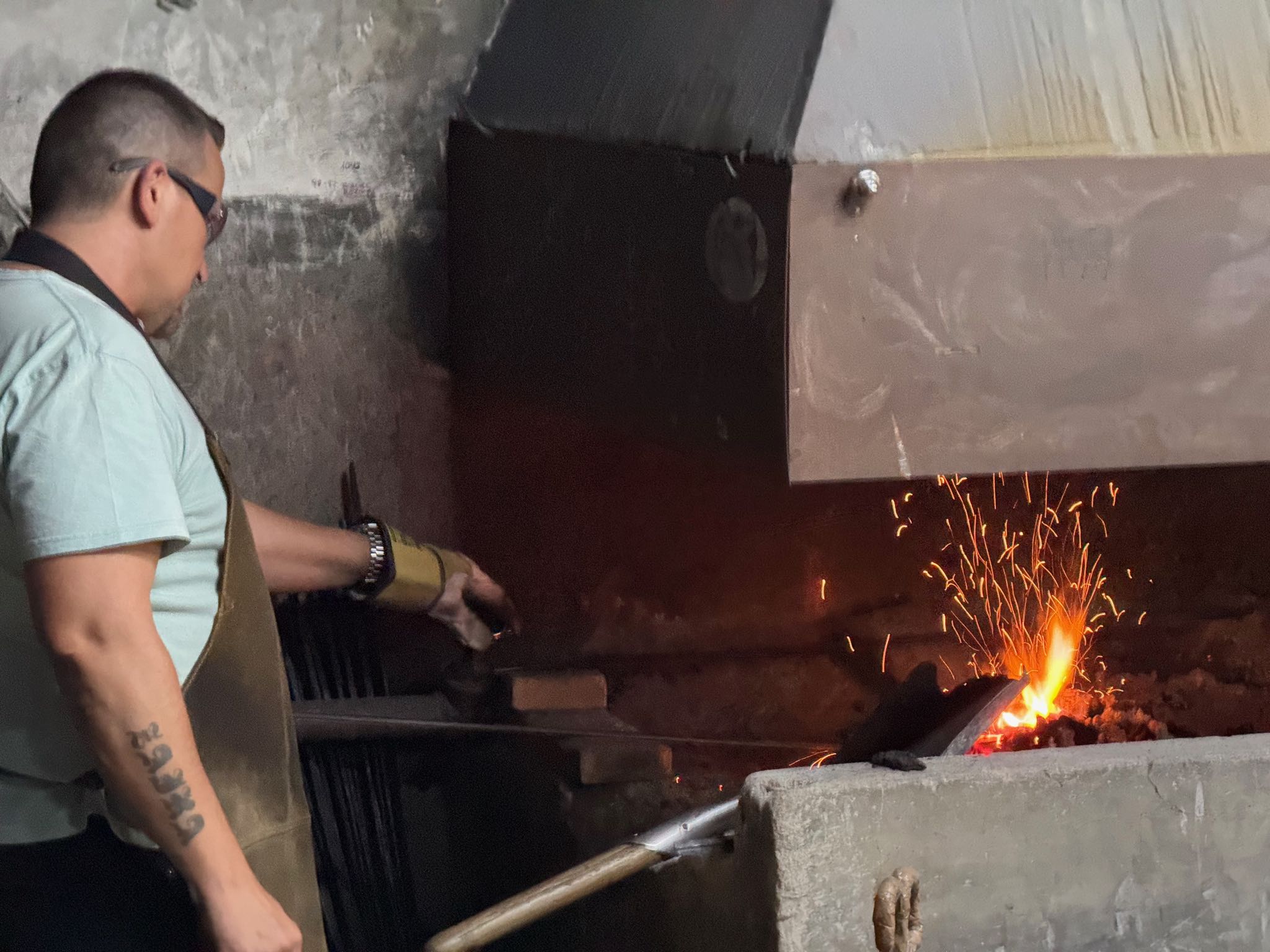
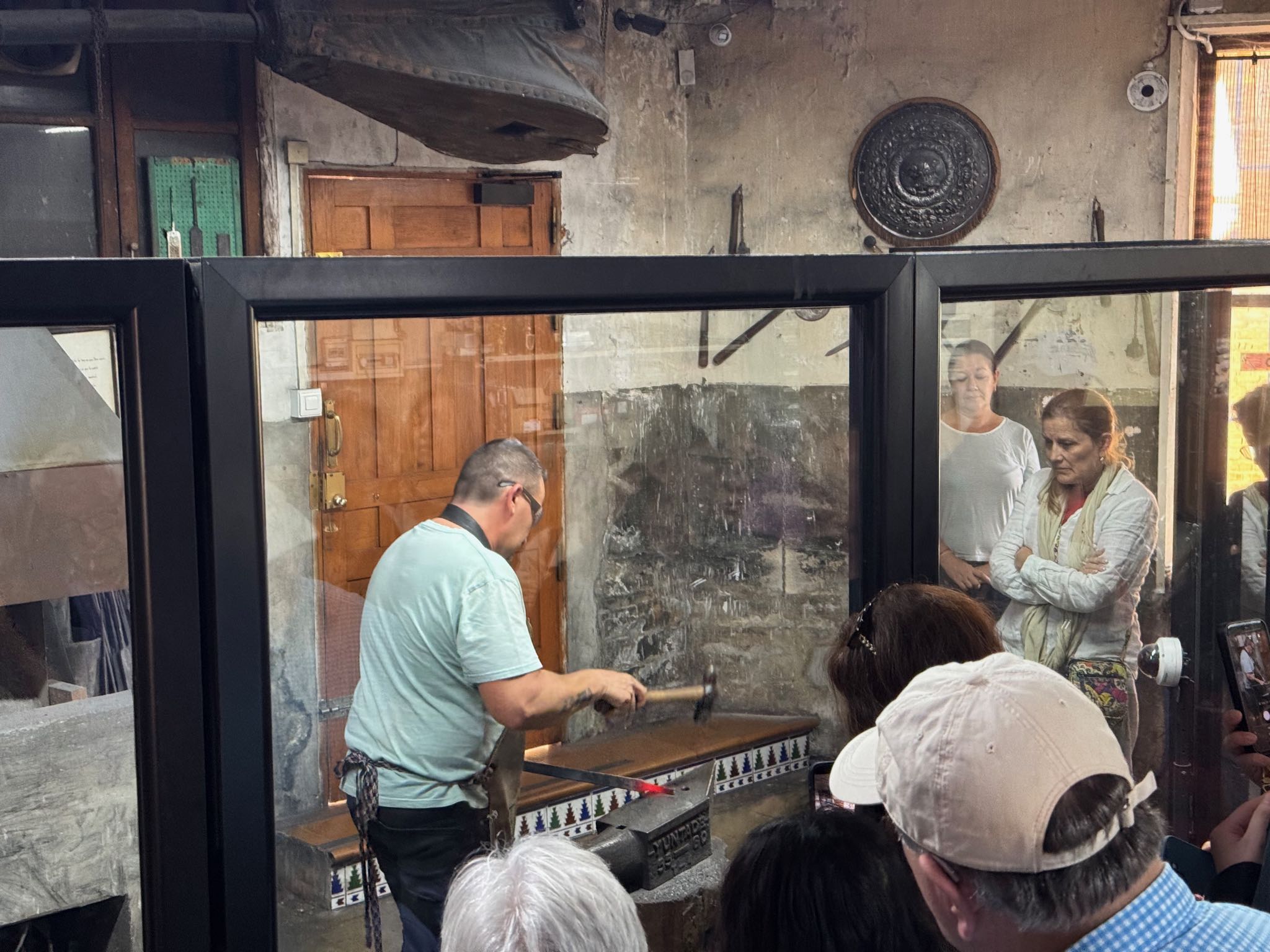
We visit a blacksmith hammering out a sword.  

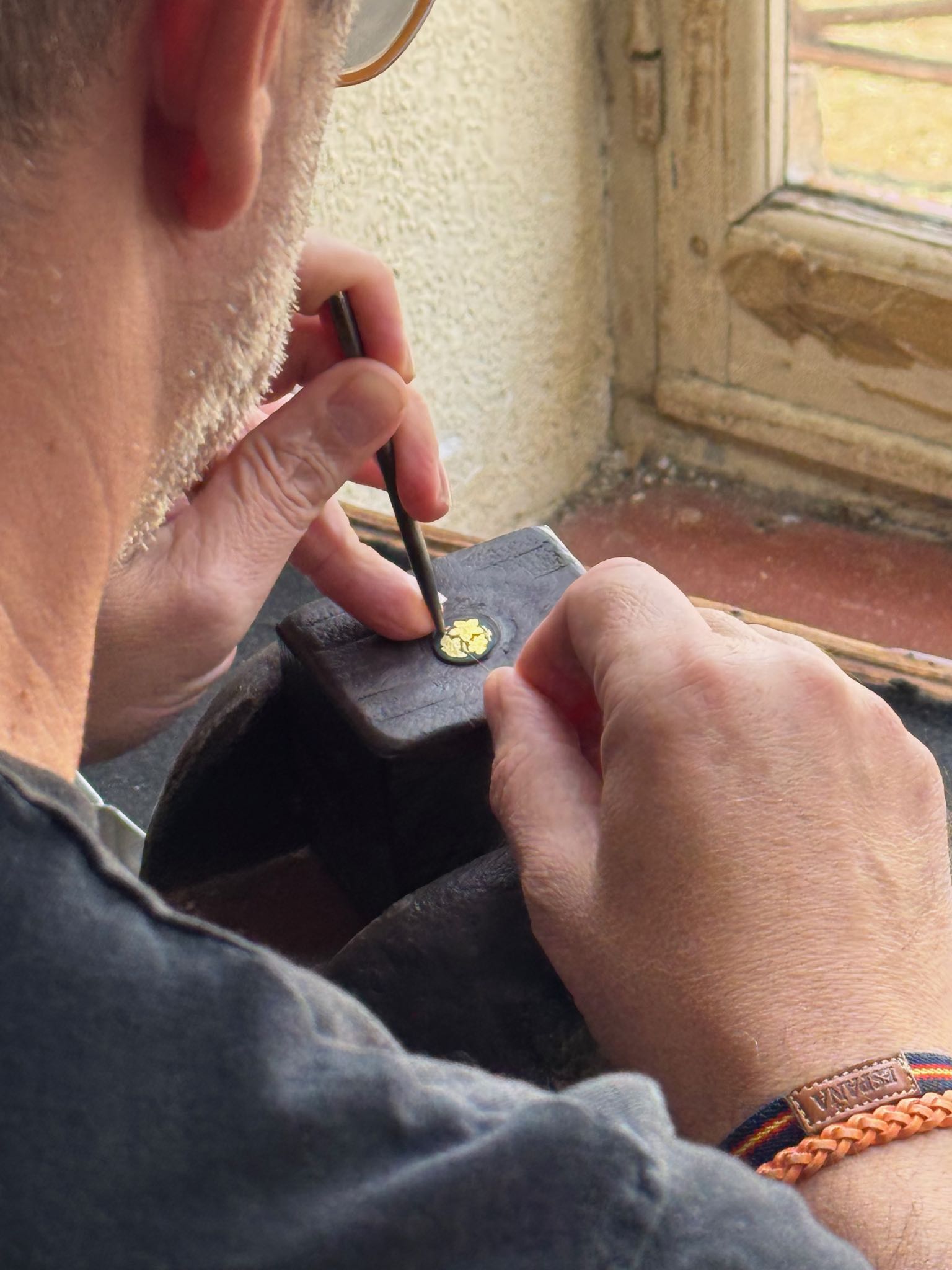
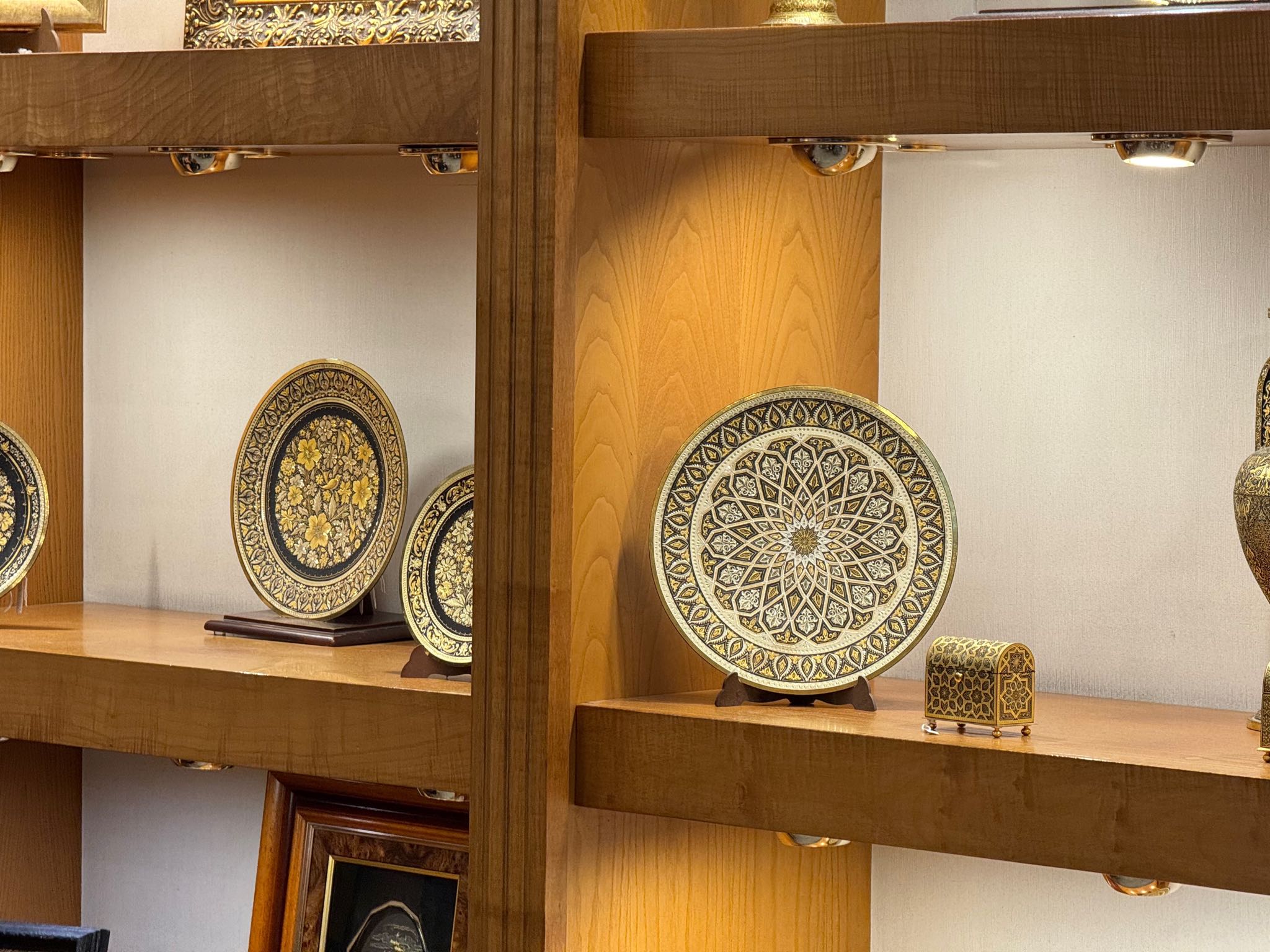
Upstairs we see a smith putting gold wire into steel following an ancient Arabic tradition.

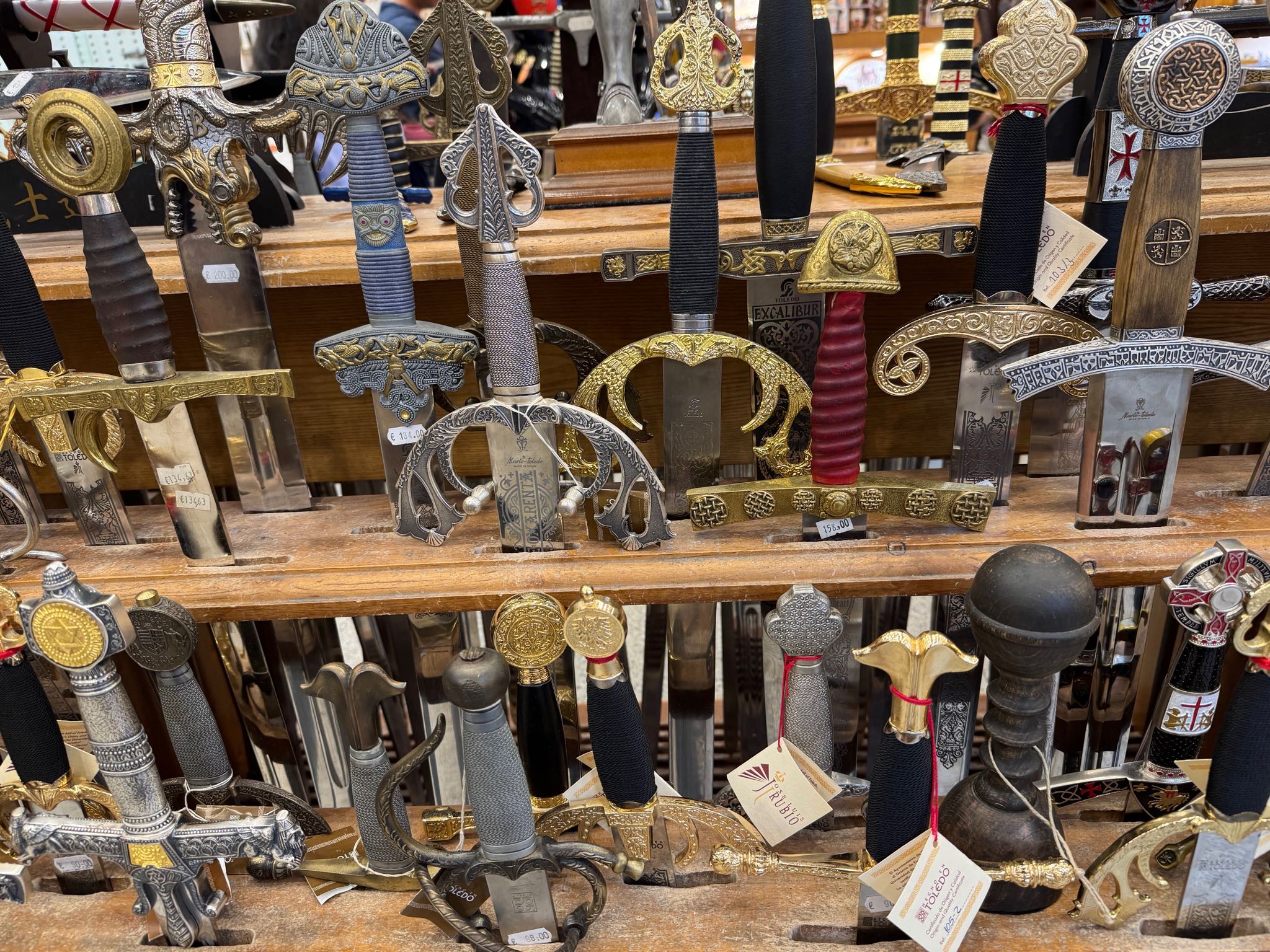
The technique is called Damasquinado (from Damascus) – threads of gold in steel and knives. The movie makers of Lord of the Rings, 300, Gladiator, Braveheart and Game of Thrones all came to this city to get the decorated swords. This craftsmanship tradition dates to Moorish times. 

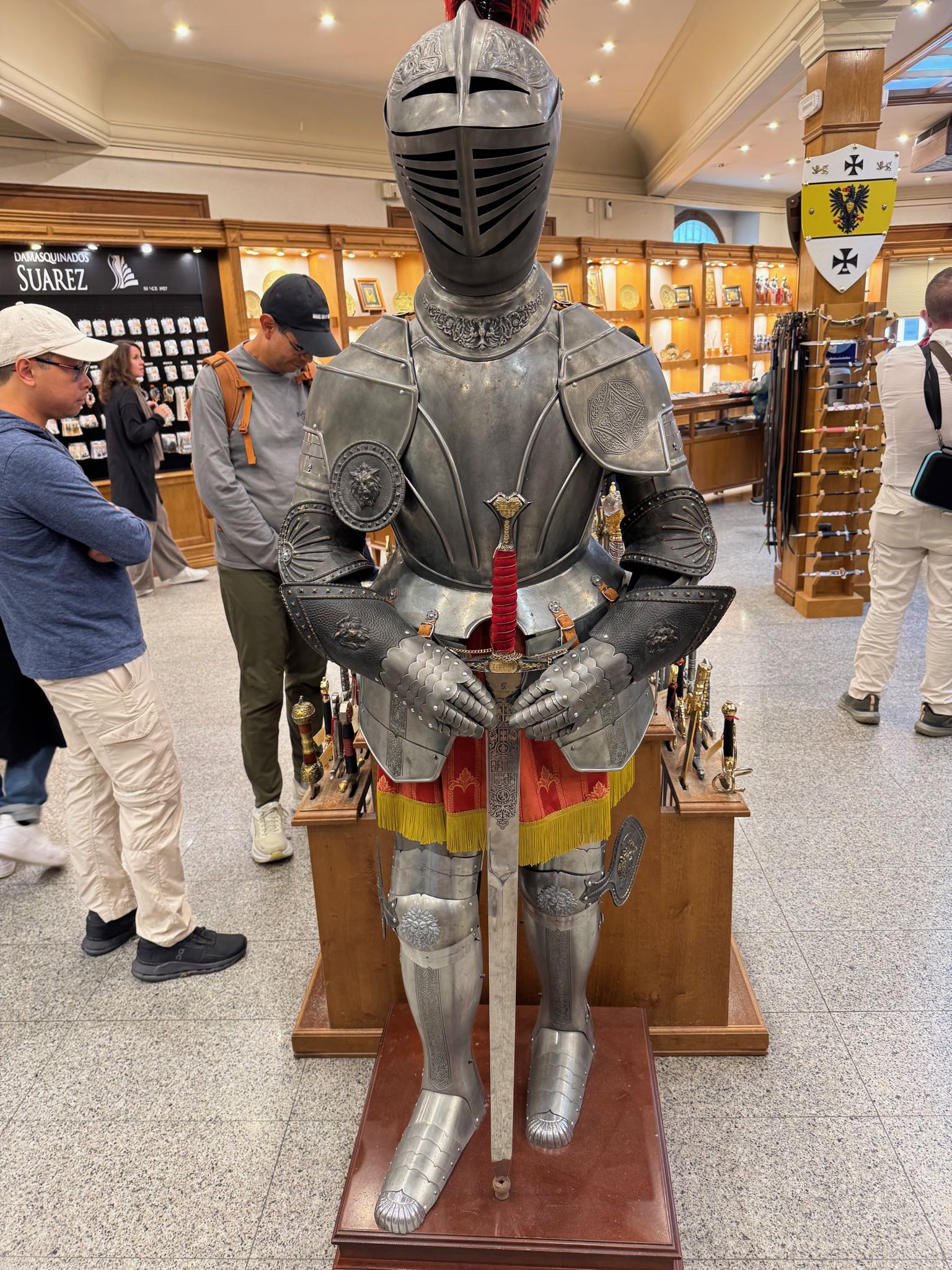
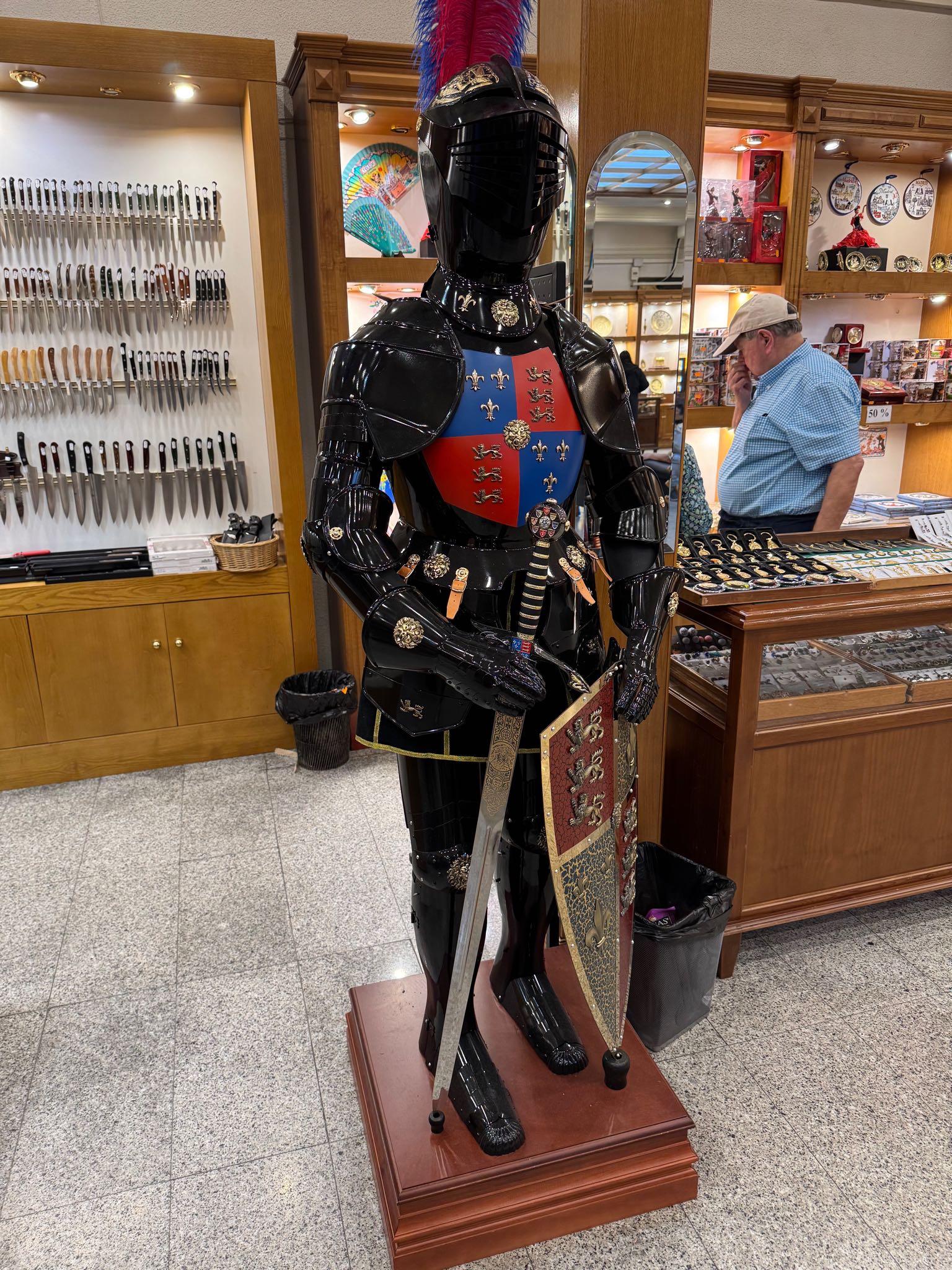
There is a shop with knights armour, swords, knives, plates and earrings. 

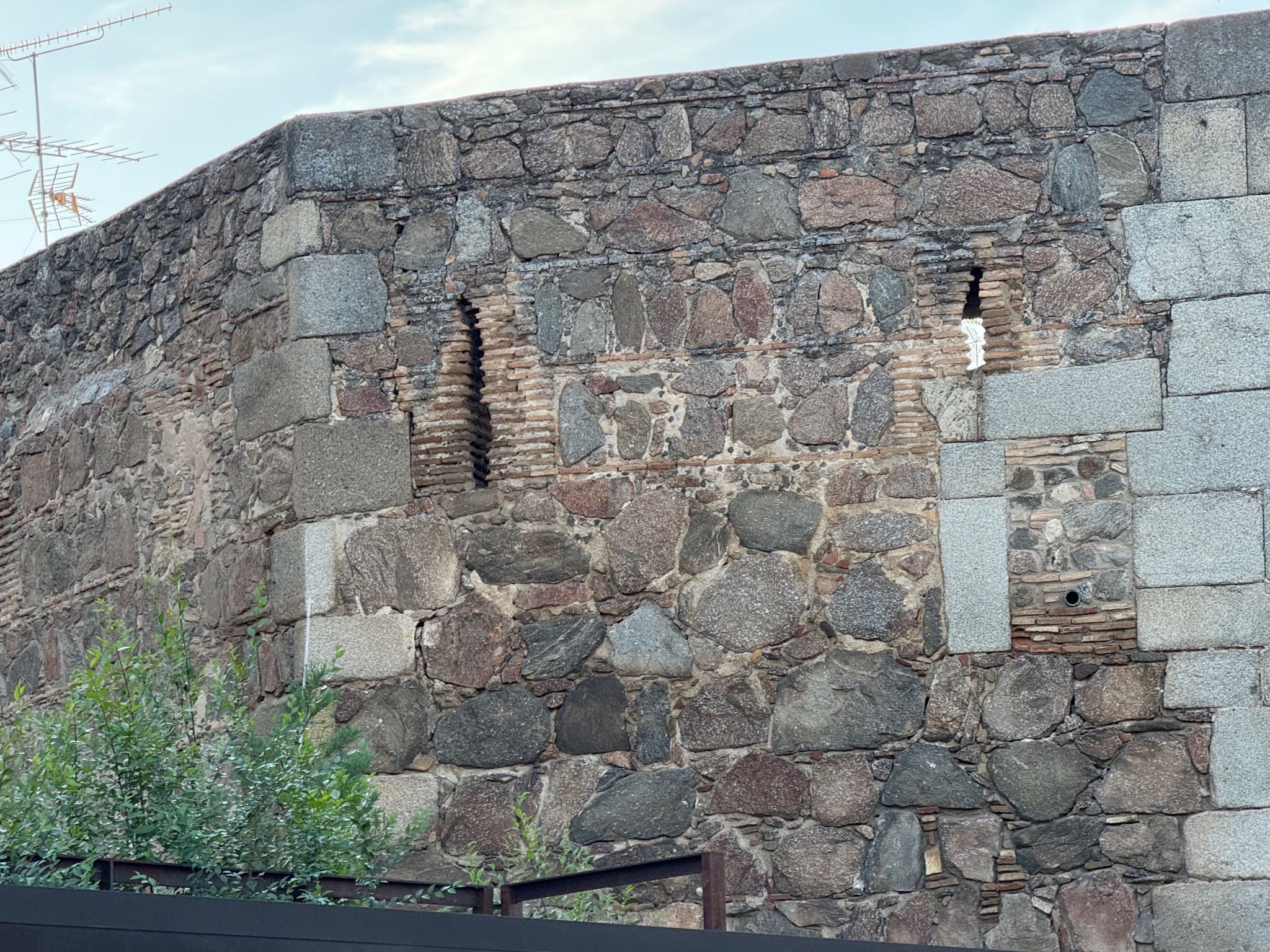
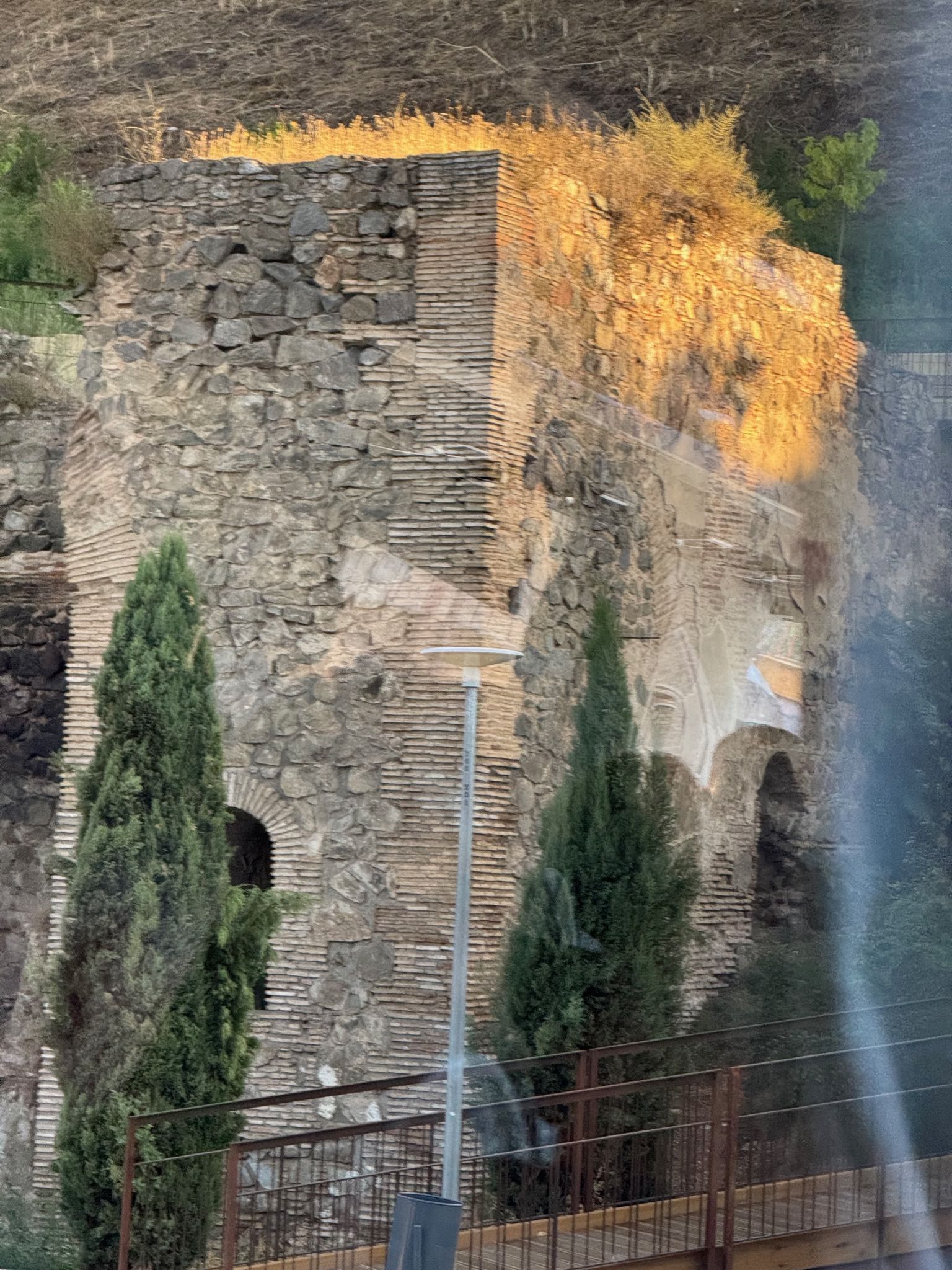
In Toledo we see the square towers are built by the Moors and the round Turrets by the Christians. (They upgraded turret technology during this time – which is something that sticks out to me every time I see a square Castle corner.) I ponder for a moment how many old cities must have been destroyed during the seiges of Napoleonic wars and WWII. There is this word – Mudéjar [Modae-ya] – a combination of architectural styles between Christian and Muslim In Toledo. Here the bricks are from different periods:

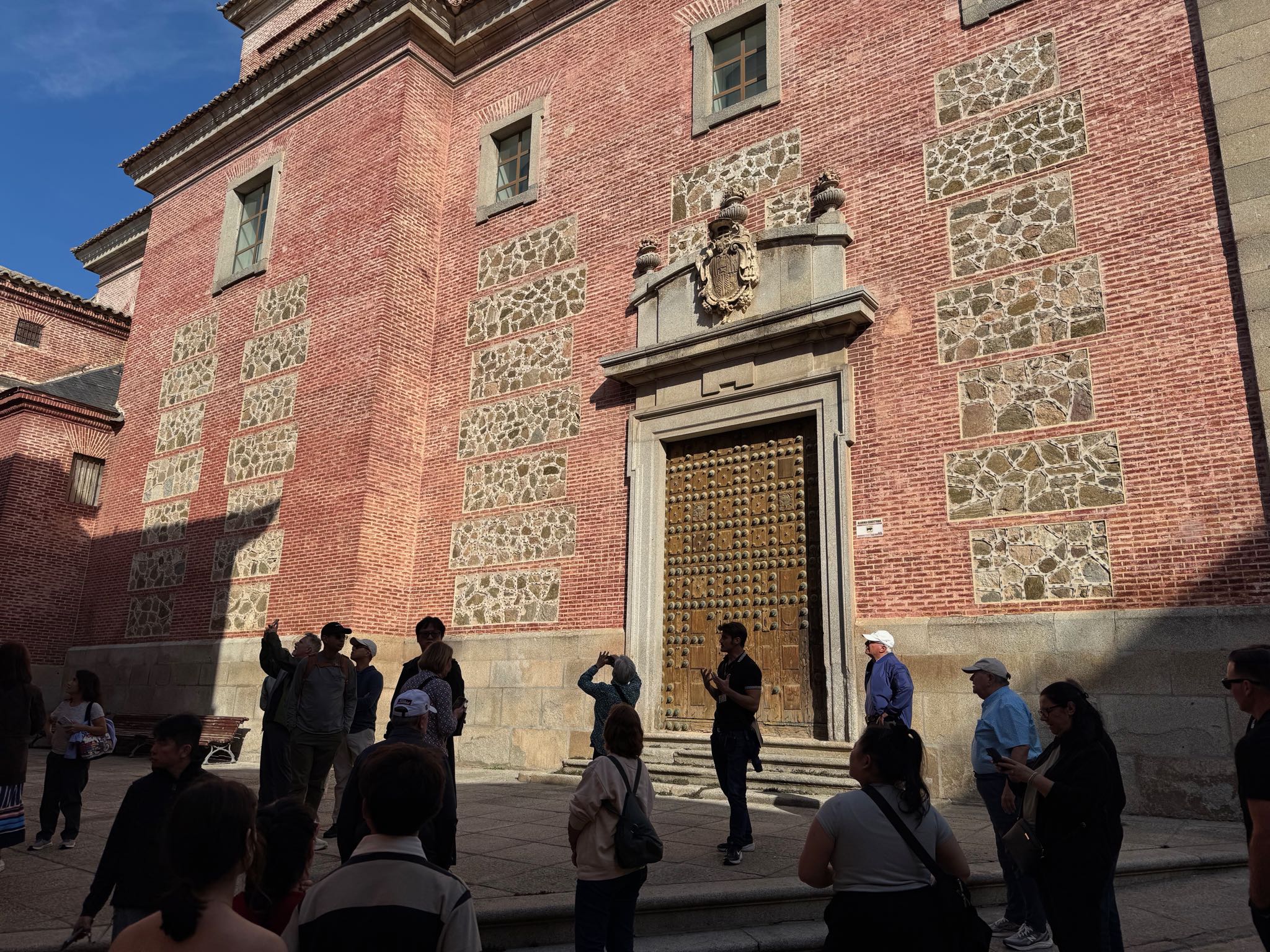
This nunnery is made of red brick to symbolise the blood of Jesus Christ. 

This city is known for the Spanish Inquisition (from the 15C to Napoleon – 400 years). Some excesses from this movement included banning men with pants in their pockets or women with makeup. These people were killed in this square. 

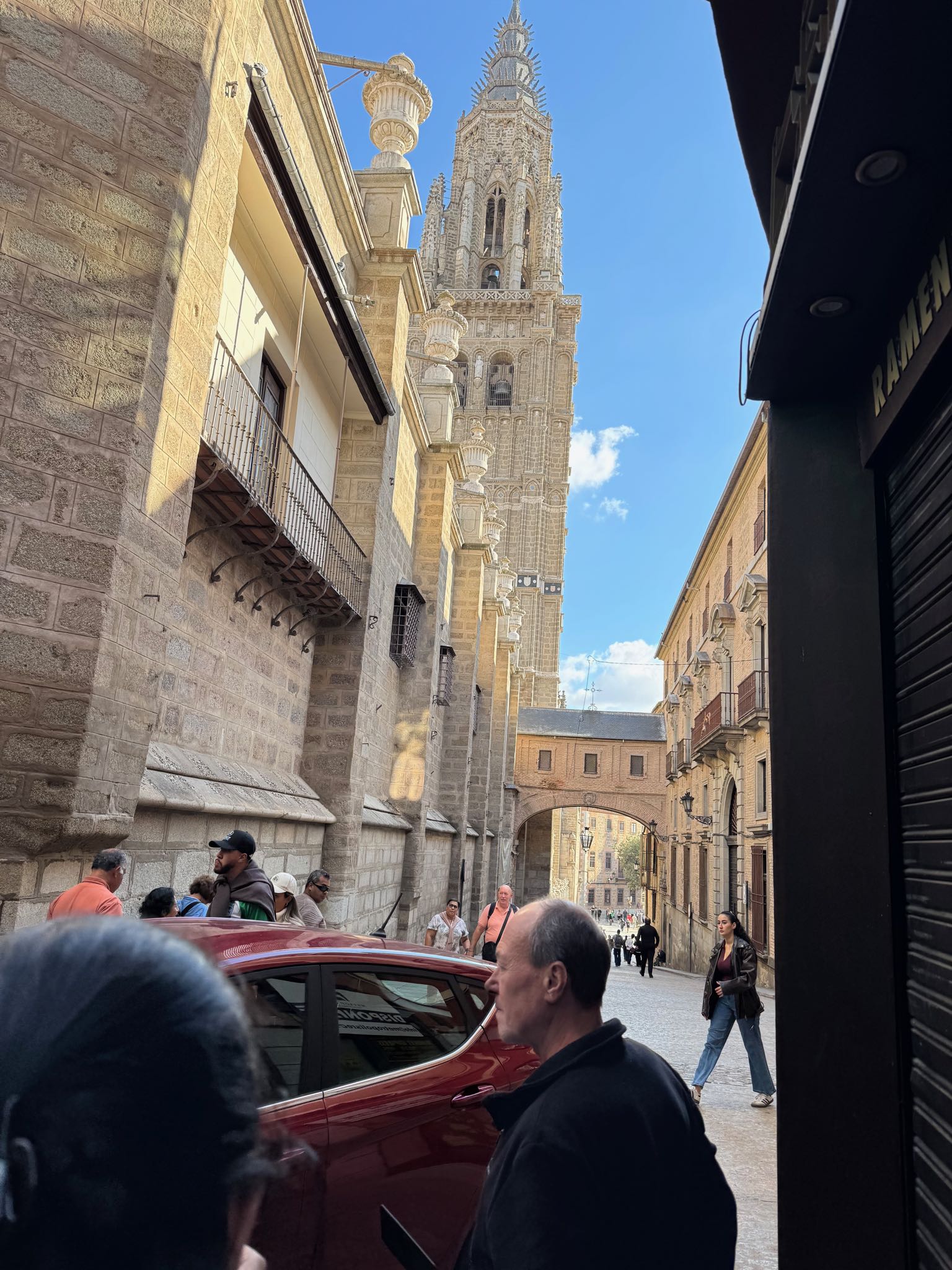
The main Cathedral, St Mary’s, in 1200 took 250 years to build. (Finished 1450.) The Mosque was walled off in 1200.

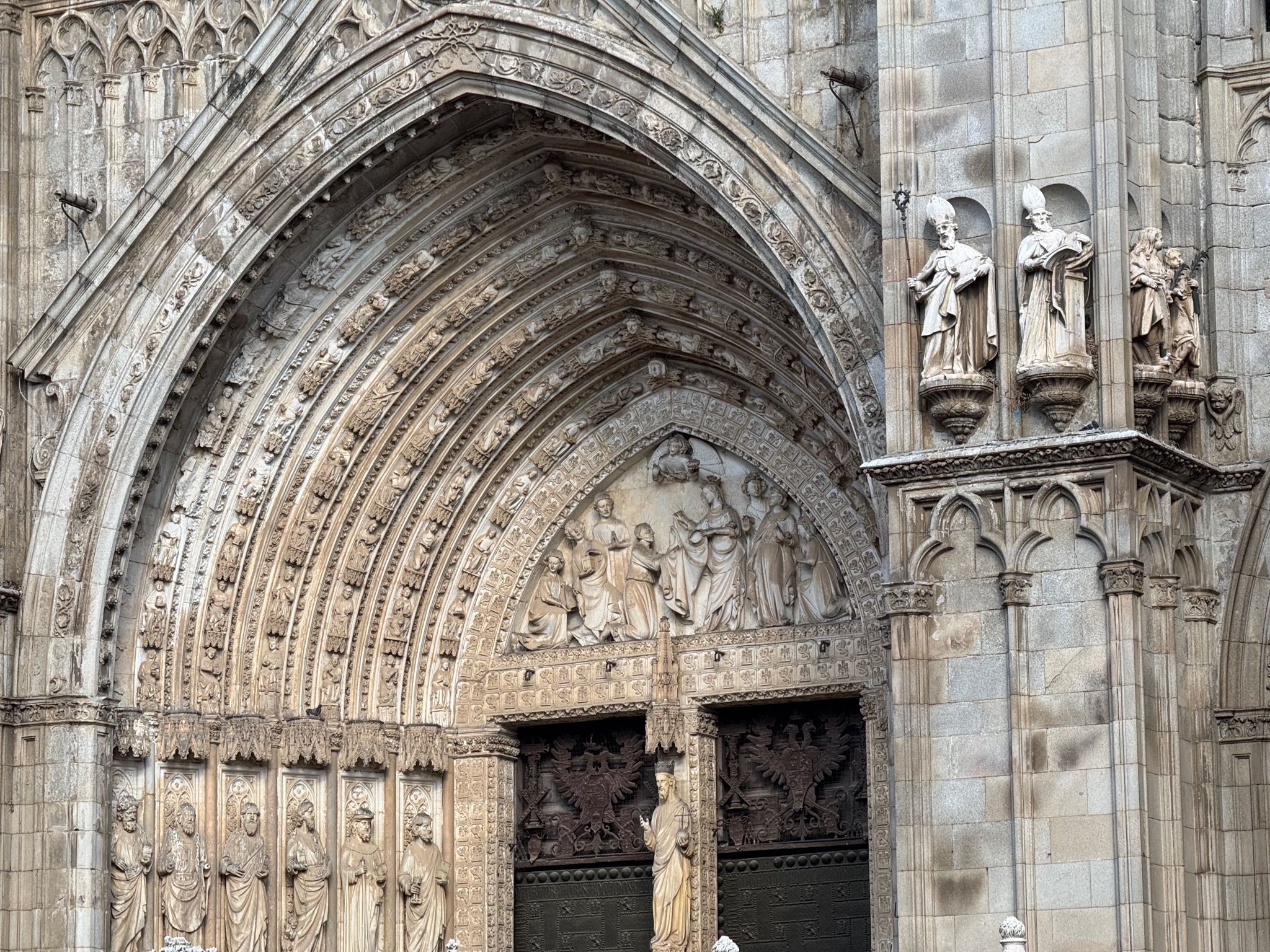
The Arch represents the Last Supper.

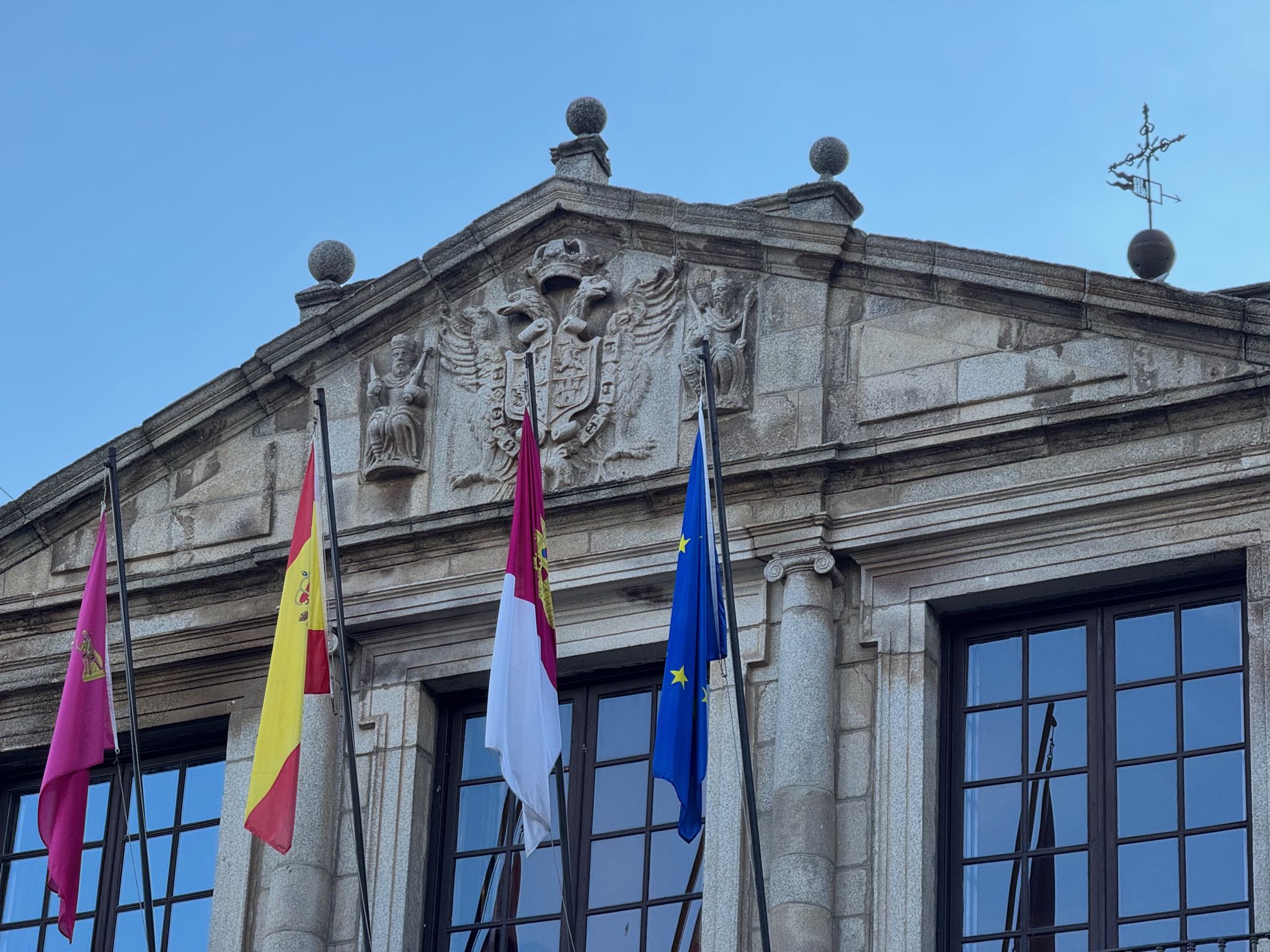
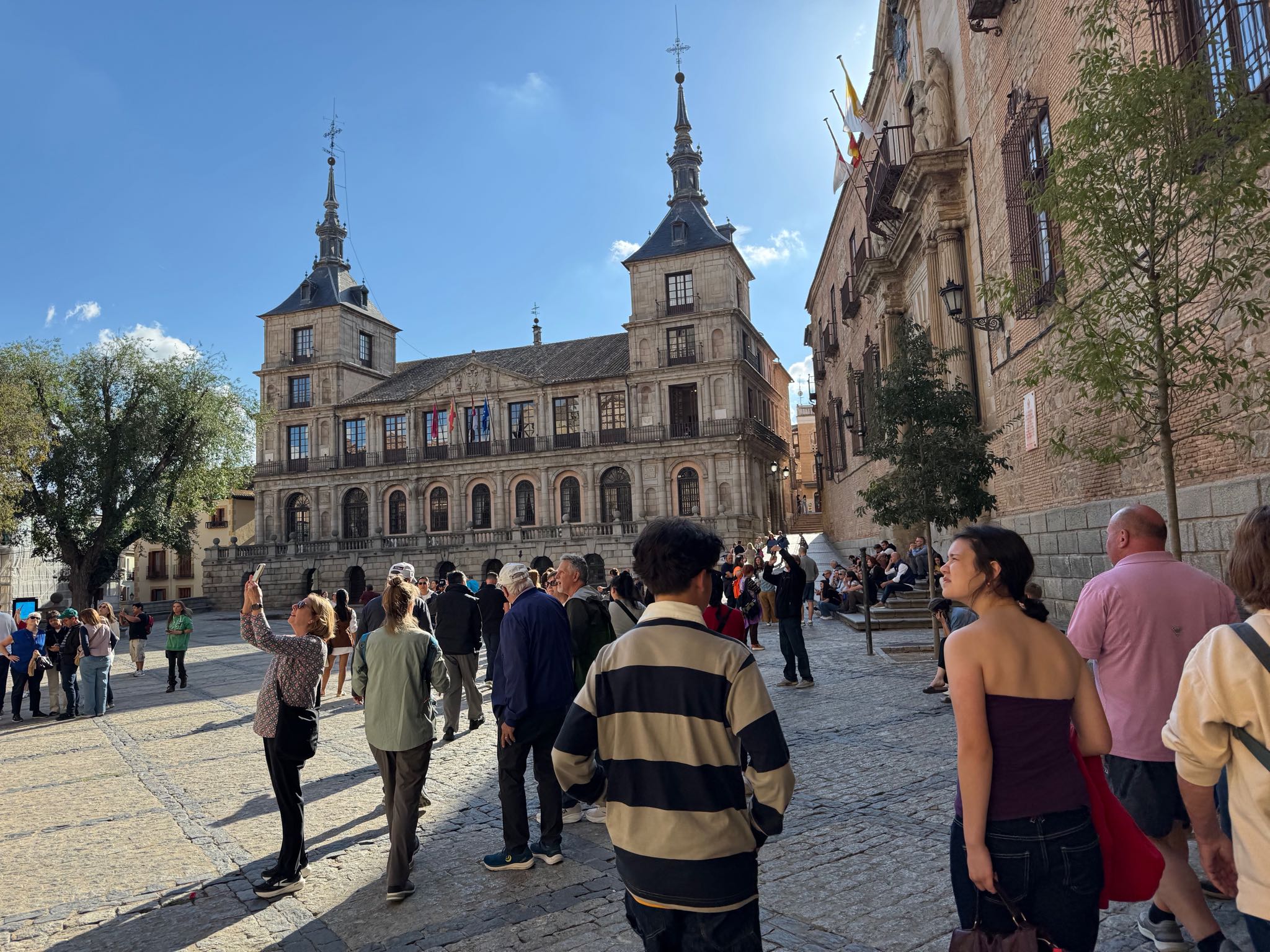
The city hall of Toledo has a logo with two heads representing the head of the Castilian empire. The capital of Spain was moved to Madrid by the Prince in …

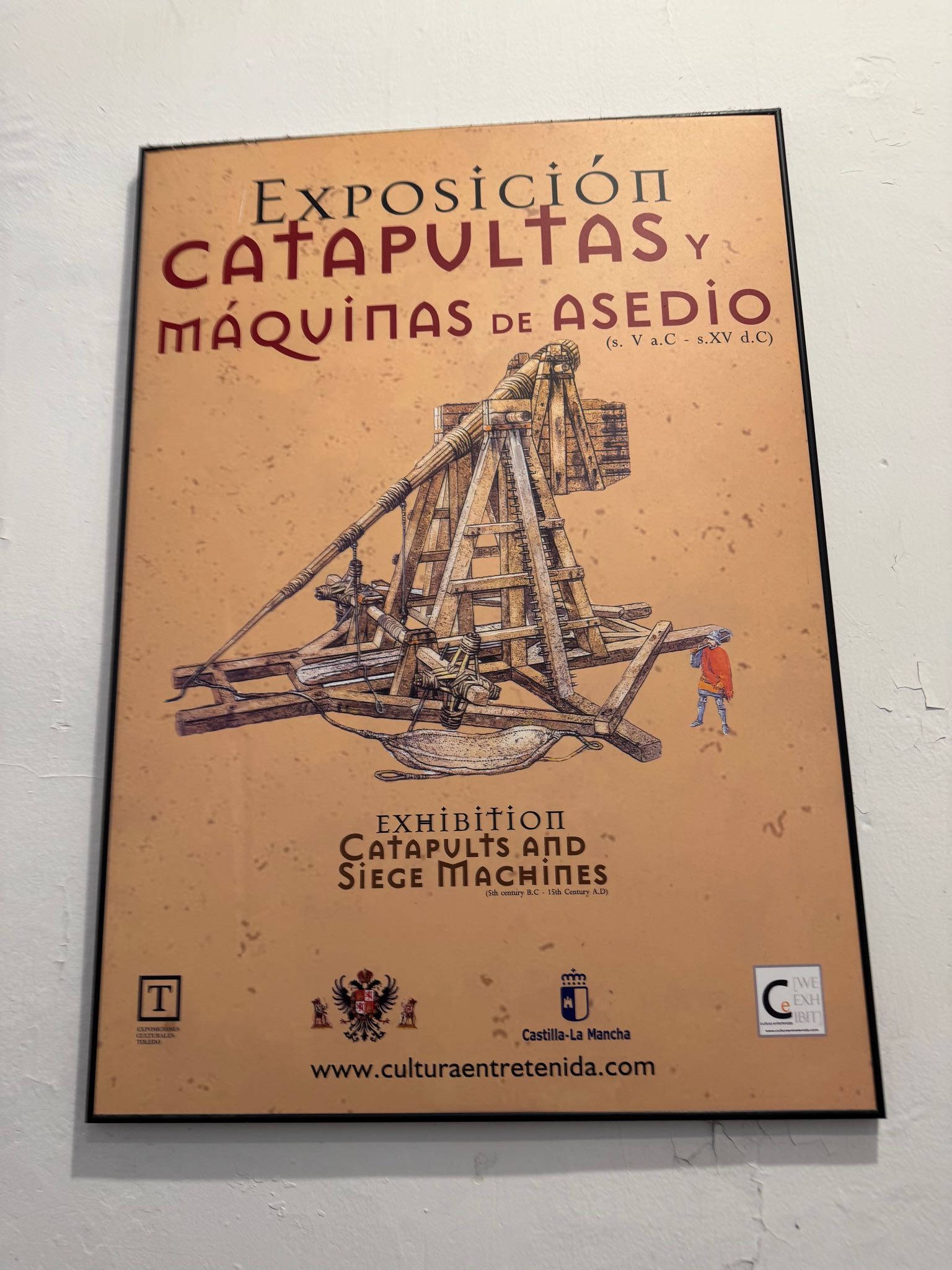
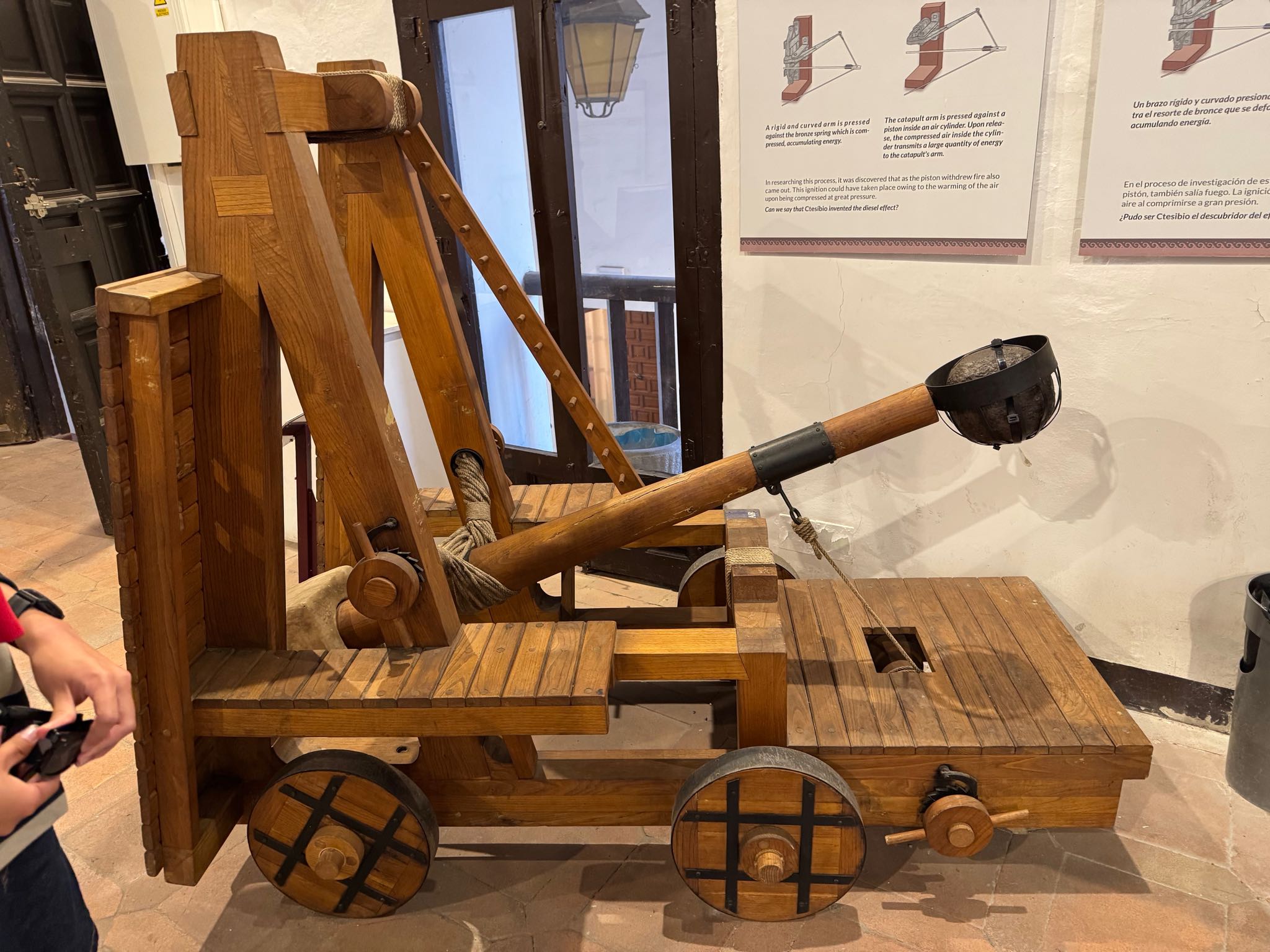
Hugh and I see a museum about catapults and siege machines. The thing that stood out with a Crusades were way of directing the walls to stop fighting each other and to direct their energies in a single direction.

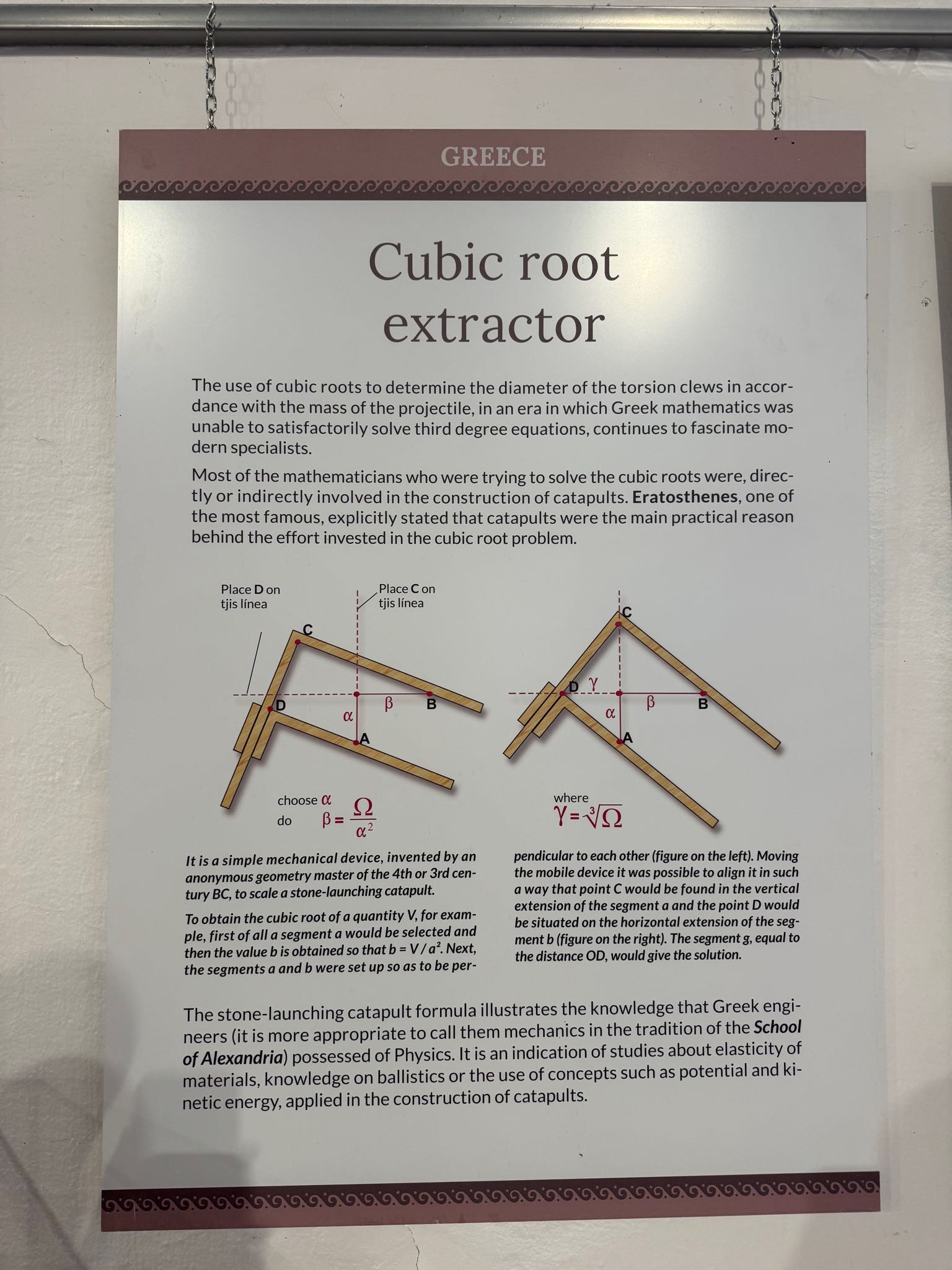
Another thing I learned was that the Greek mathematicians built devices to do cubic roots in order to calculate the angles of catapults.

The most incredible was something I had forgotten. Standard trebuchets could hurl a 100 kg rock with a 20 tonne counterweight. 

At 6.45pm it is still bright, feeling like the country made a mistake bringing the time an hour forward from Portugal. 

As we drive back we see six story apartments next to agricultural fields of vegetables, something that would never happen in Sydney. I recall my Grandfather complaining about the lack of strict planning controls in Sydney. 

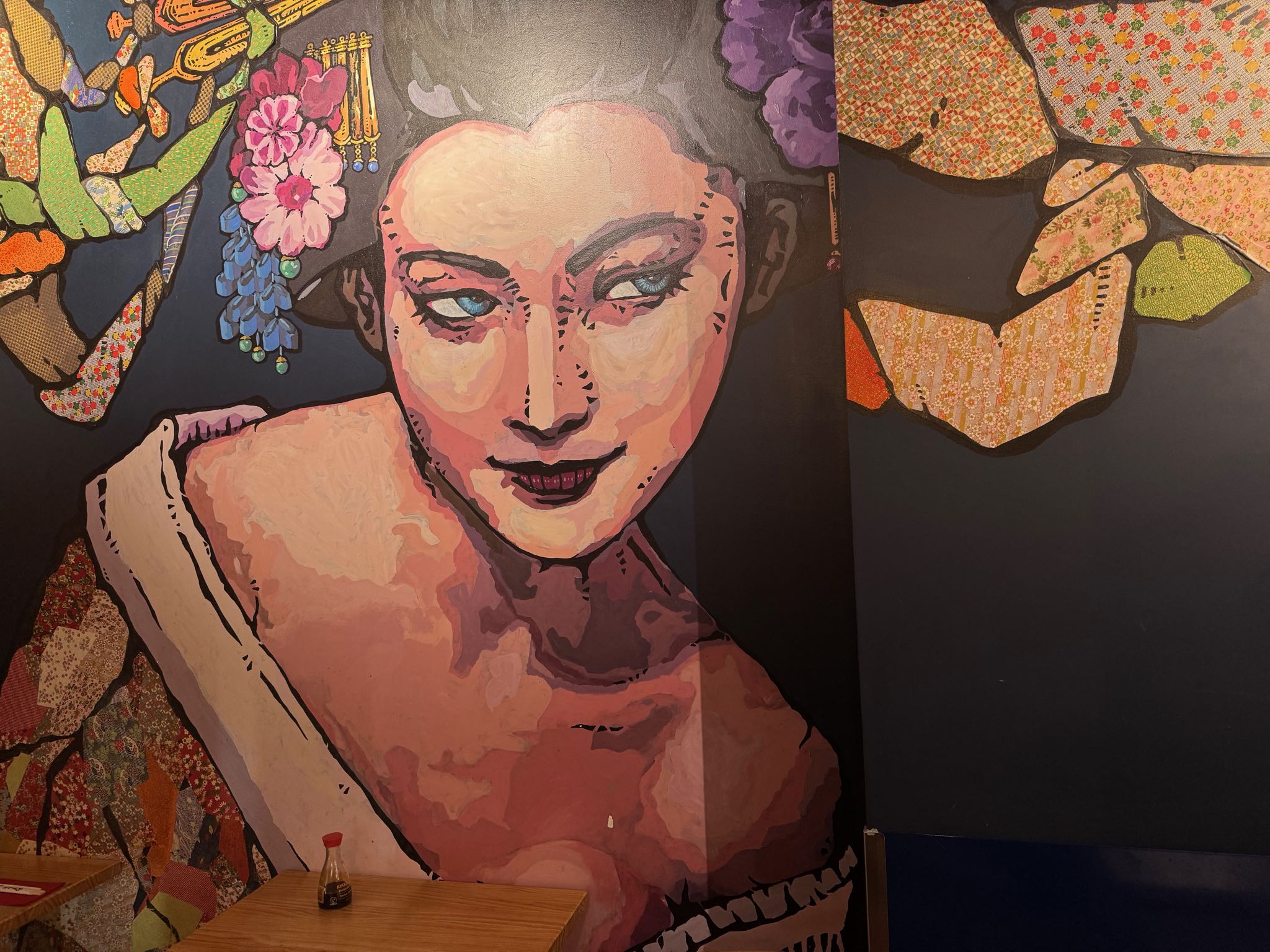
Back home. Dinner at a local Japanese restaurant. 

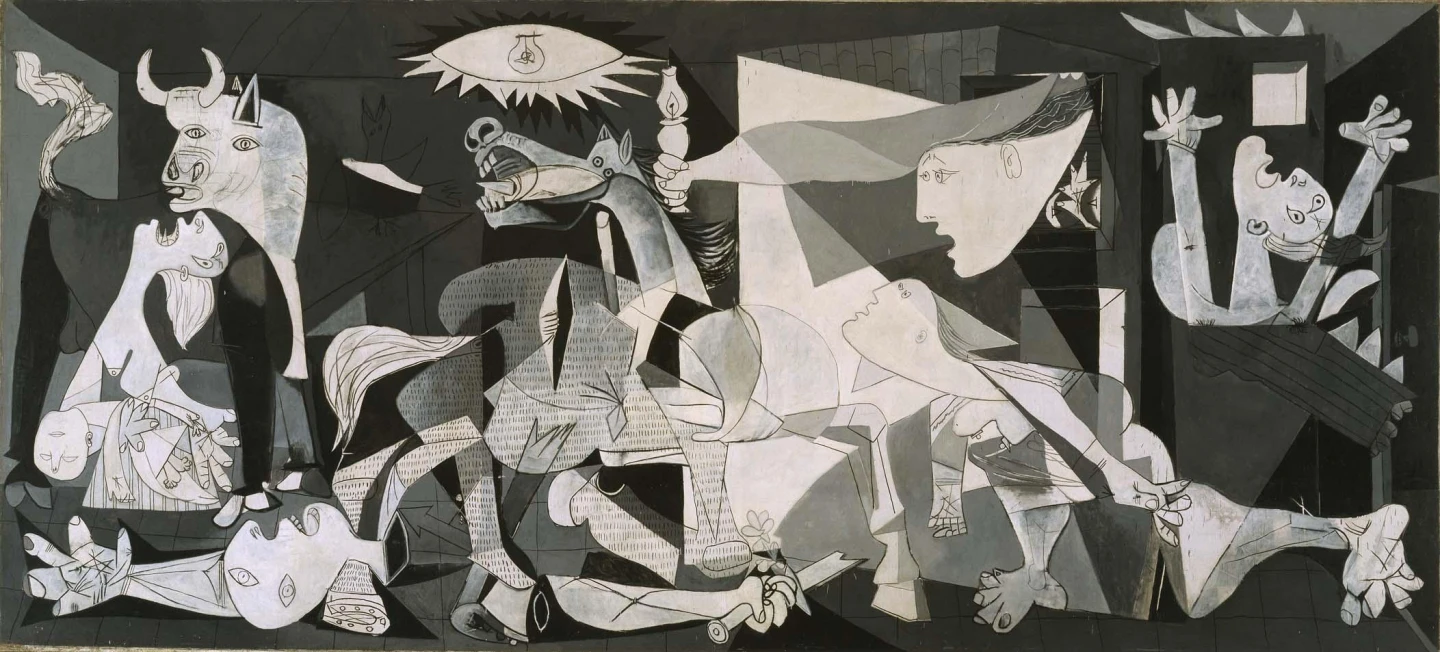
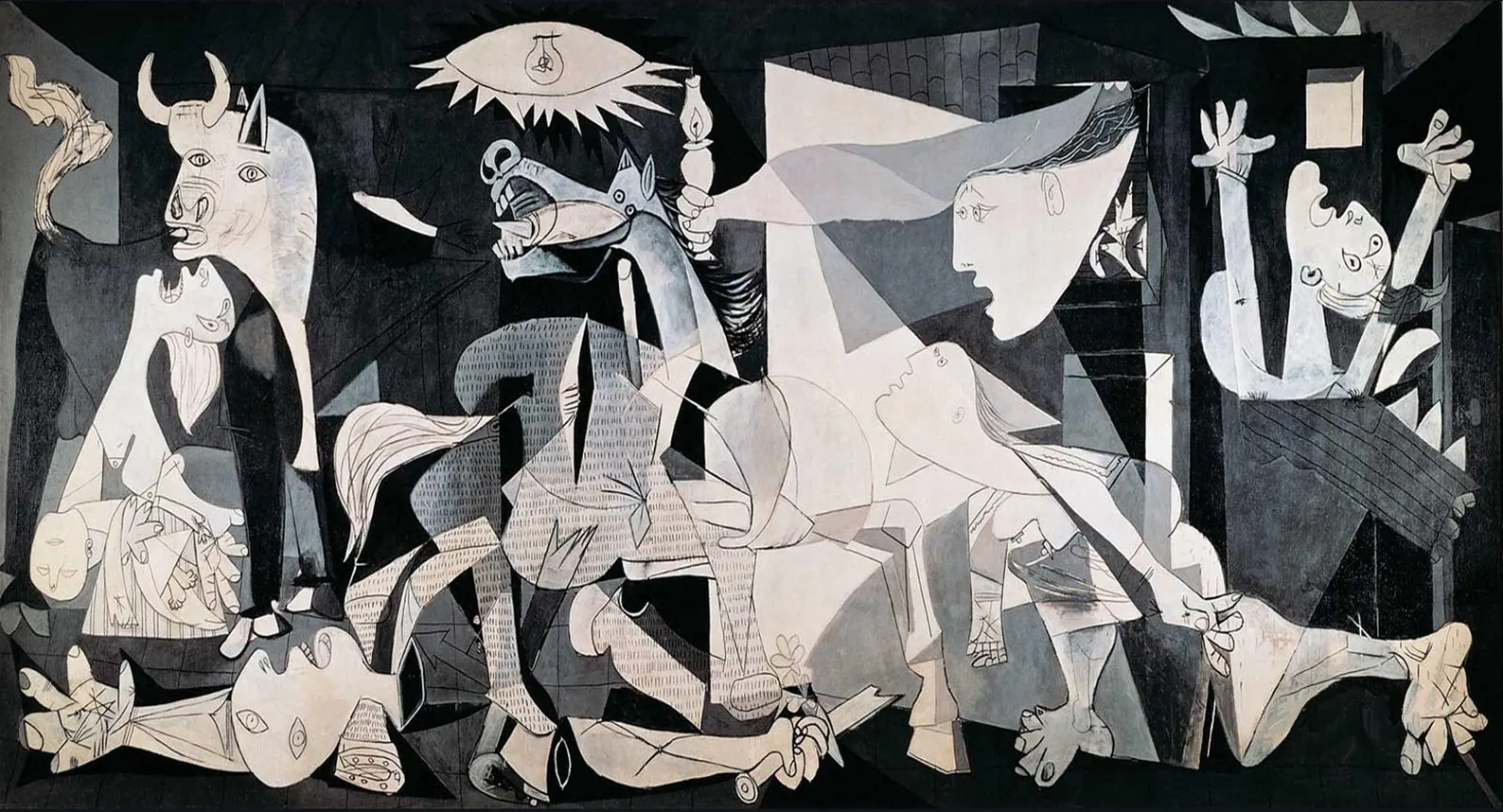
Wed 7 Oct – Reflections on Picasso’s Guernica

When considering Picasso’s painting Guernica,  we have to consider the facts we know:

 – he was commissioned to paint it by the Second Spanish Republic for the 1937 Paris world fair. 

 – when asked about the meaning of the painting – he said “In the panel on which I am working, which I call Guernica, I clearly express my abhorrence of the military caste which has sunk Spain into an ocean of pain and death.” and “This bull is a bull and this horse is a horse… If you give a meaning to certain things in my paintings it may be very true, but it is not my idea to give this meaning. What ideas and conclusions you have got I obtained too, but instinctively, unconsciously. I make the painting for the painting. I paint the objects for what they are.”

 – this was done during the rise of Franco in 1937 (from France) after the 1872 Carlist War, after WWI, during the Civil war – prior to WWII. 

 – Picasso was struggling to figure out what to paint – but this massive bombing of the Basque town Geurnica occurred right in the middle of his painting process

From this we can synthesise about the meaning of the skull. 

On a simplistic level you can say that Picasso was saying “Art means whatever you want it to mean.” or “I won’t insult your intelligence by spelling it out.” Also that the bull represents brutality and darkness, and the horse the suffering humanity

I think we need to consider more of the context.  Literary evidence (The Shadow of the Wind – Carolos Ruiz Zafon) suggests Spain was war-weary even by this point. Also Picasso was an artist without overwhelmingly generous benefactors like Gaudi. He had spent his early life (Blue period) living in down and out places.

I paint in my mind Picasso’s view of the Republican government a bit like we view the Clintons today. Symbolising a world of growth, jobs, and international trade, their own elitism and corruption all part of the package. 

So he signs up for the job with a bit of a shrug and takes the retainer cheque – perhaps thinking of school fees for his kids. 

Through the creative process he gets a spark that will work for his patrons and delivers the artwork – on-brand for the social and artistic mood of the day. Knowing he must make his moneyed-up patrons feel sophisticated and intelligent, he paints in just enough of a puzzle for them to jump to the conclusion that makes them feel right about the world. 

In truth we know that Picasso experienced impoverished districts and wanted to talk about the issues of the poor. He actually felt a connection to the people at the bottom, to want to speak to their issues, the problem being they would never pay him for his work. 

For the ordinary people, the ideology of one side of politics matters little, and less so for a nation weary of war. Picasso understood this. 

So when a suited-up interviewer and a smiling photographer representing the press of the elite seek out Picasso and says, “Oh look how clever – the bull means Spain, and the hidden skull means death, and the painting is about how autocratic regimes kill people, right? So the Dictator is Evil, right? [You’re one of us? wink wink?]” Picasso stares into space for a moment, sighs, and says “A bull is a bull.”

Wed 7 Oct – Avila

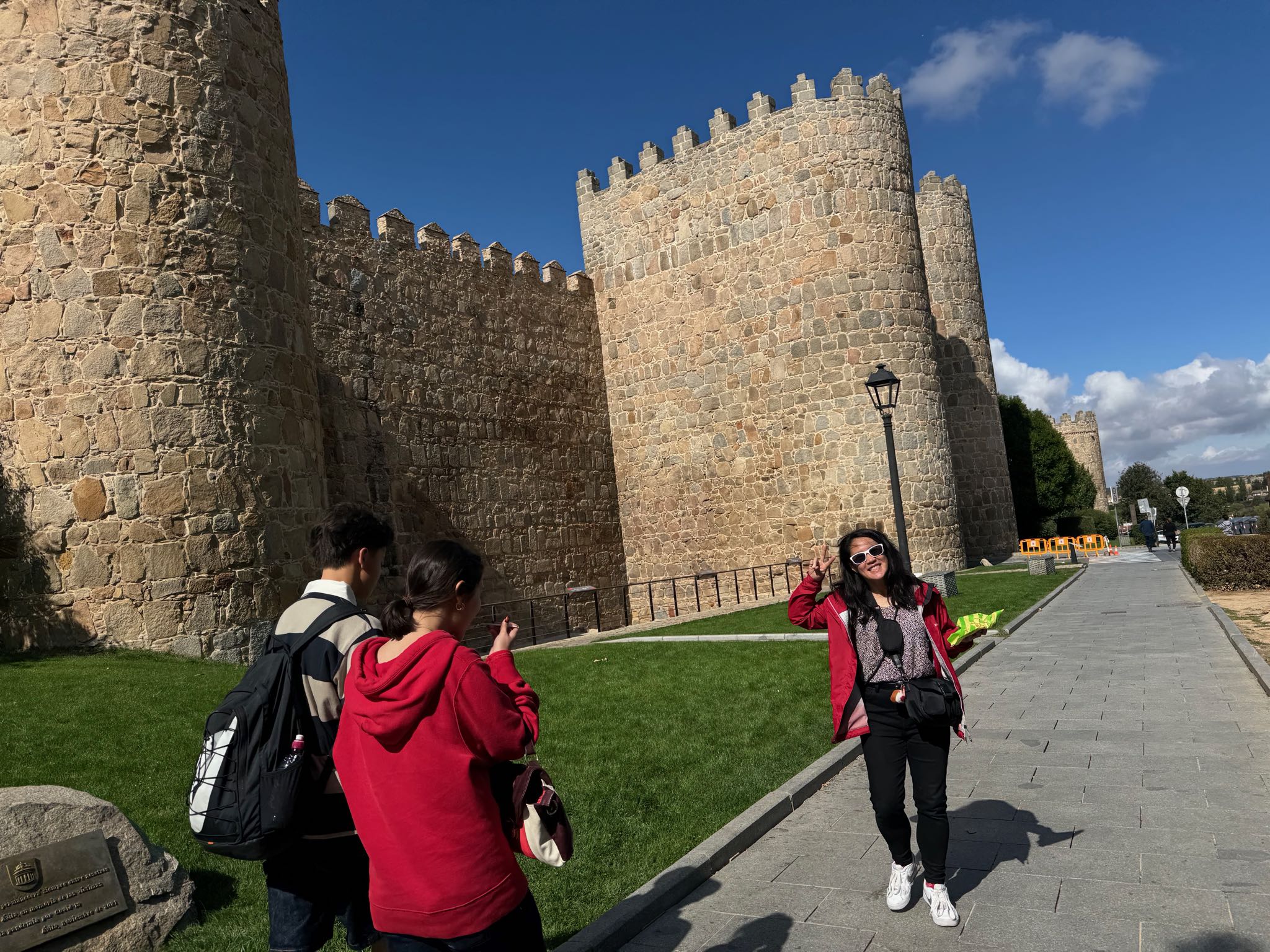
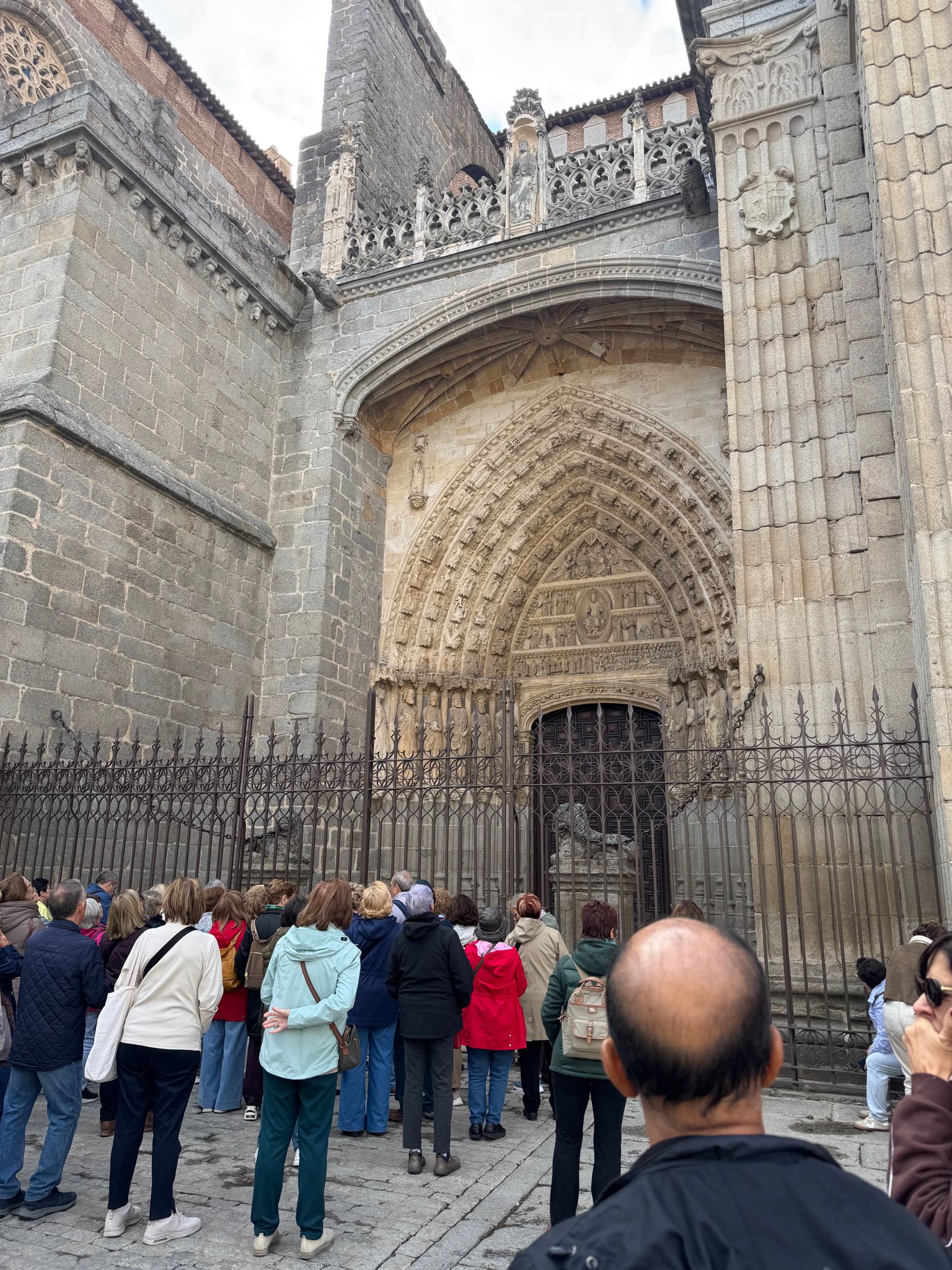
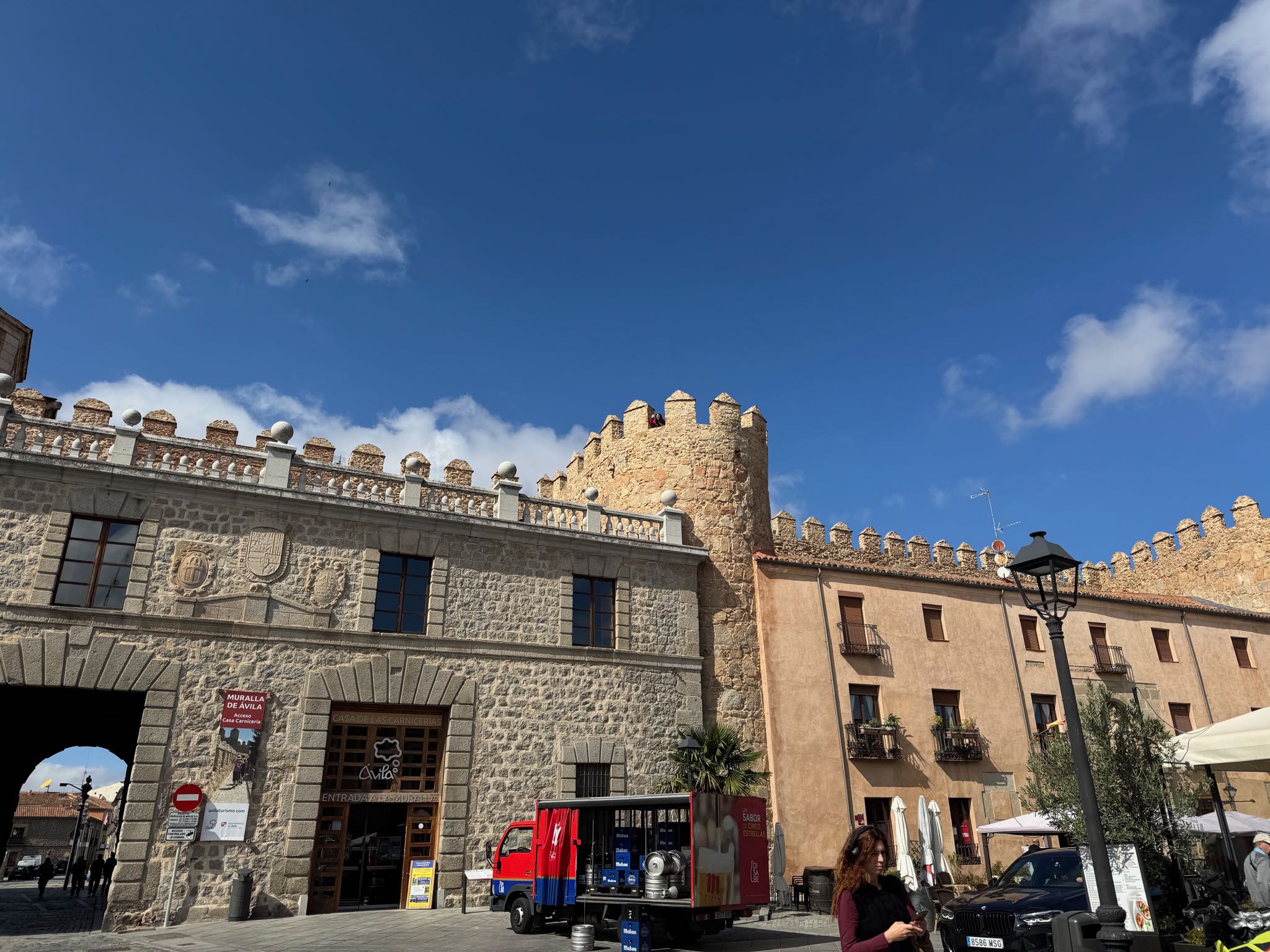
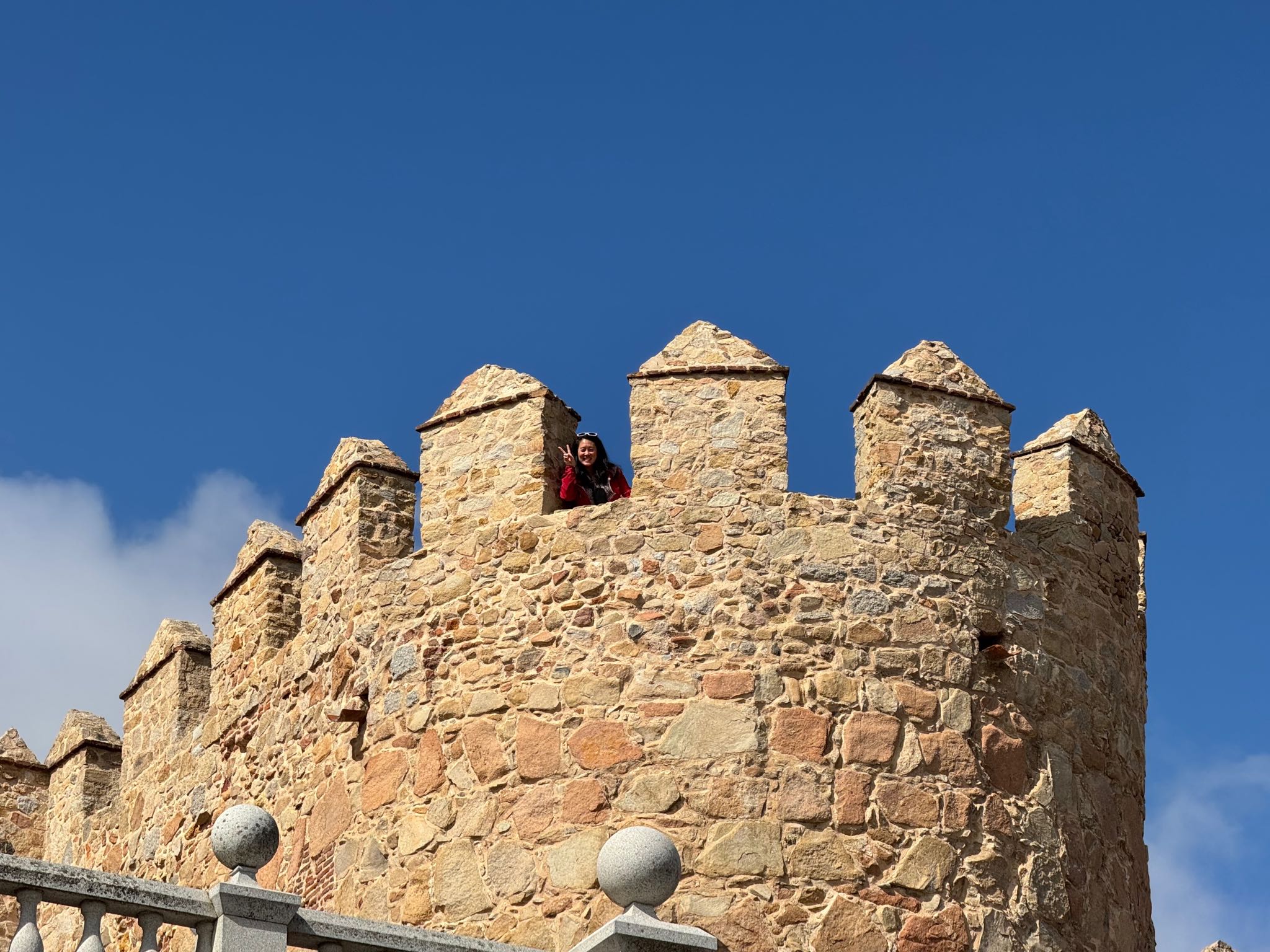
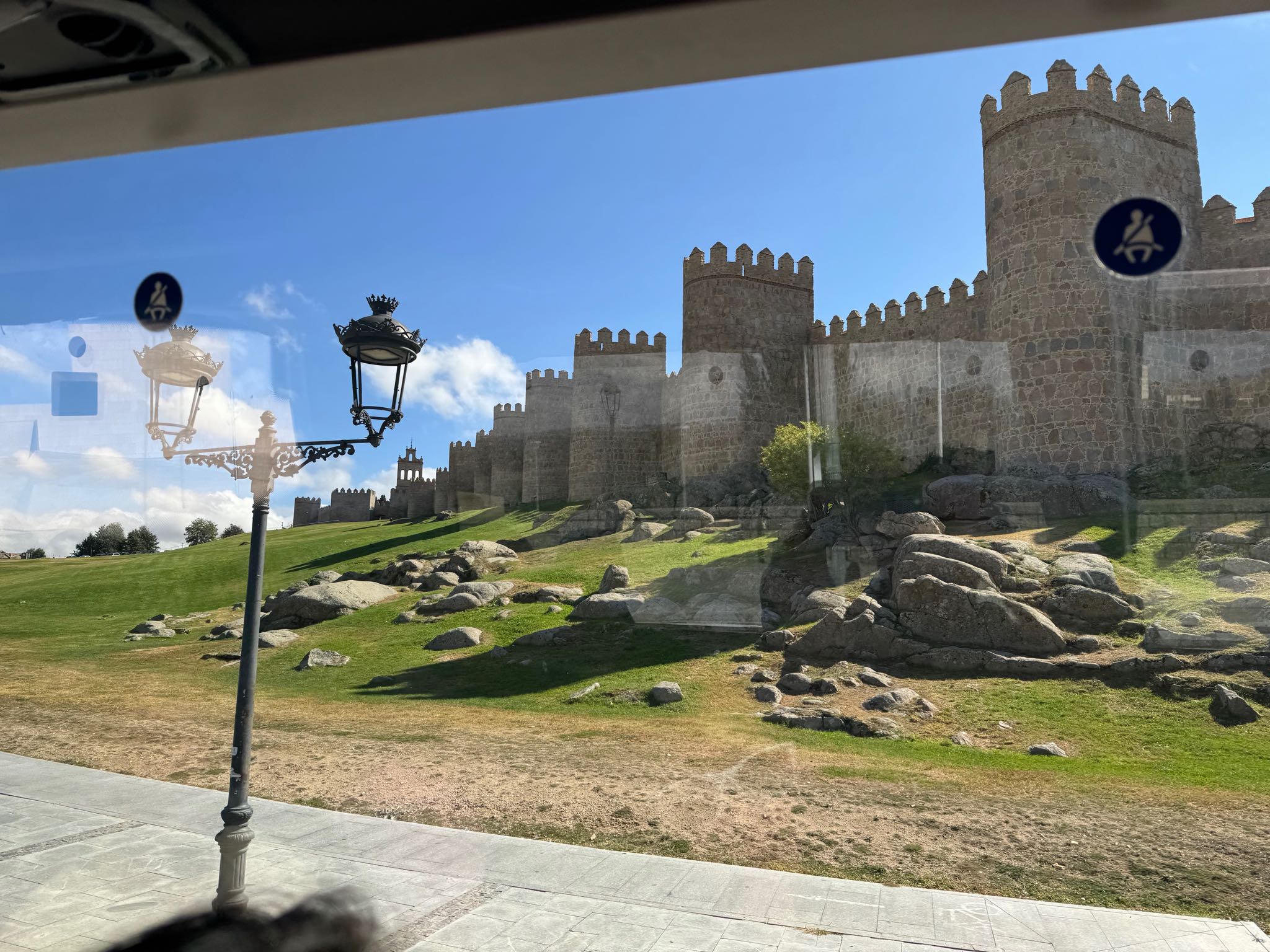
We bus to Avila, distinguished by a vast castle wall dating to Roman times. It is 2500 metres long. 

We visit a Basilica, probably built on the site where the Romans executed the Christians. It has Roman and Christian architecture. The Moors were only artisans and workers here, it was never their fort.

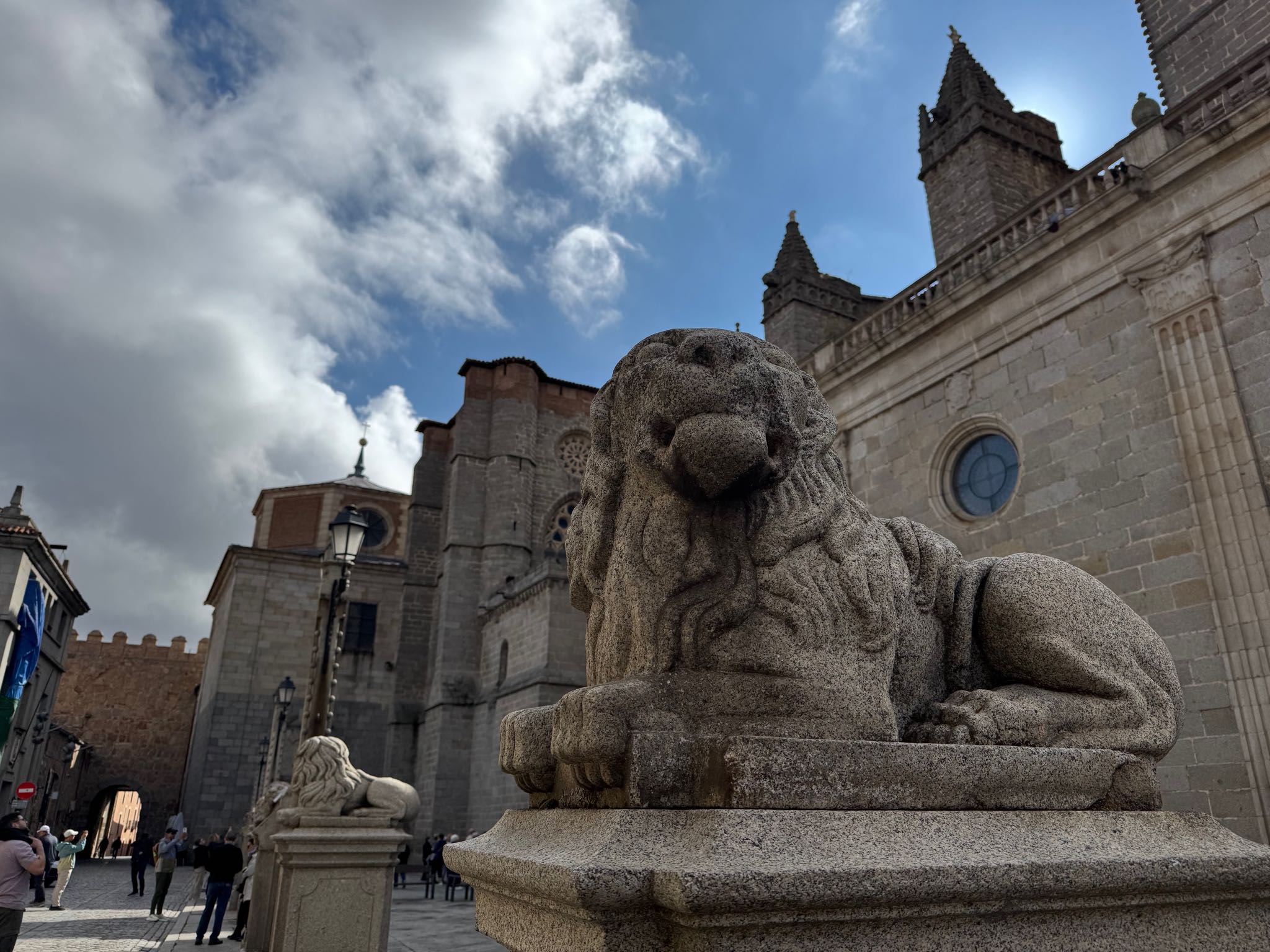
There are symbols of eagles here from the 1400s here, no longer popular, more of a thing in Germany and the US. The lions are significant.

The tour guide says that Castles in Spain are available to purchase starting at a million Euros. 

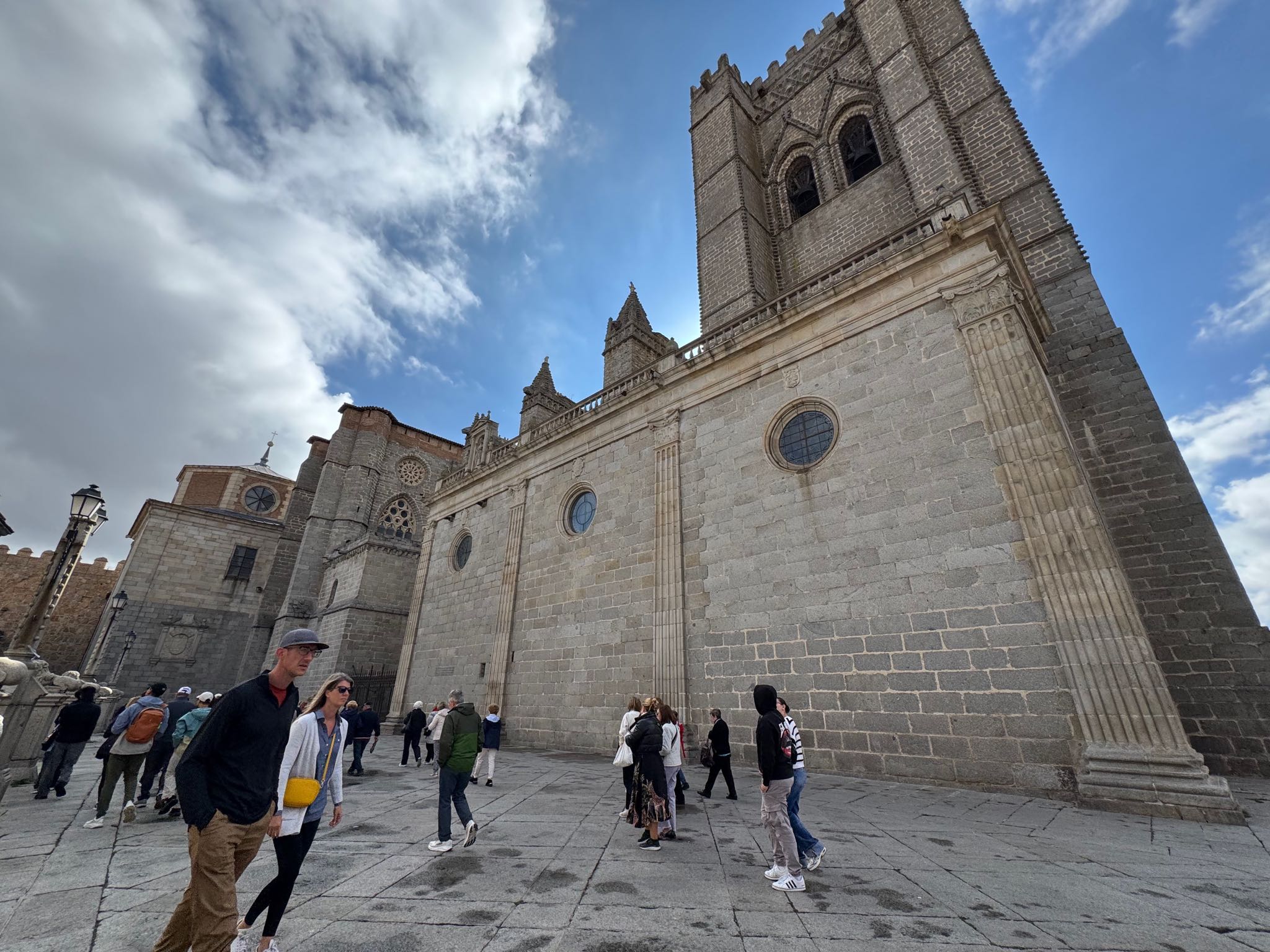
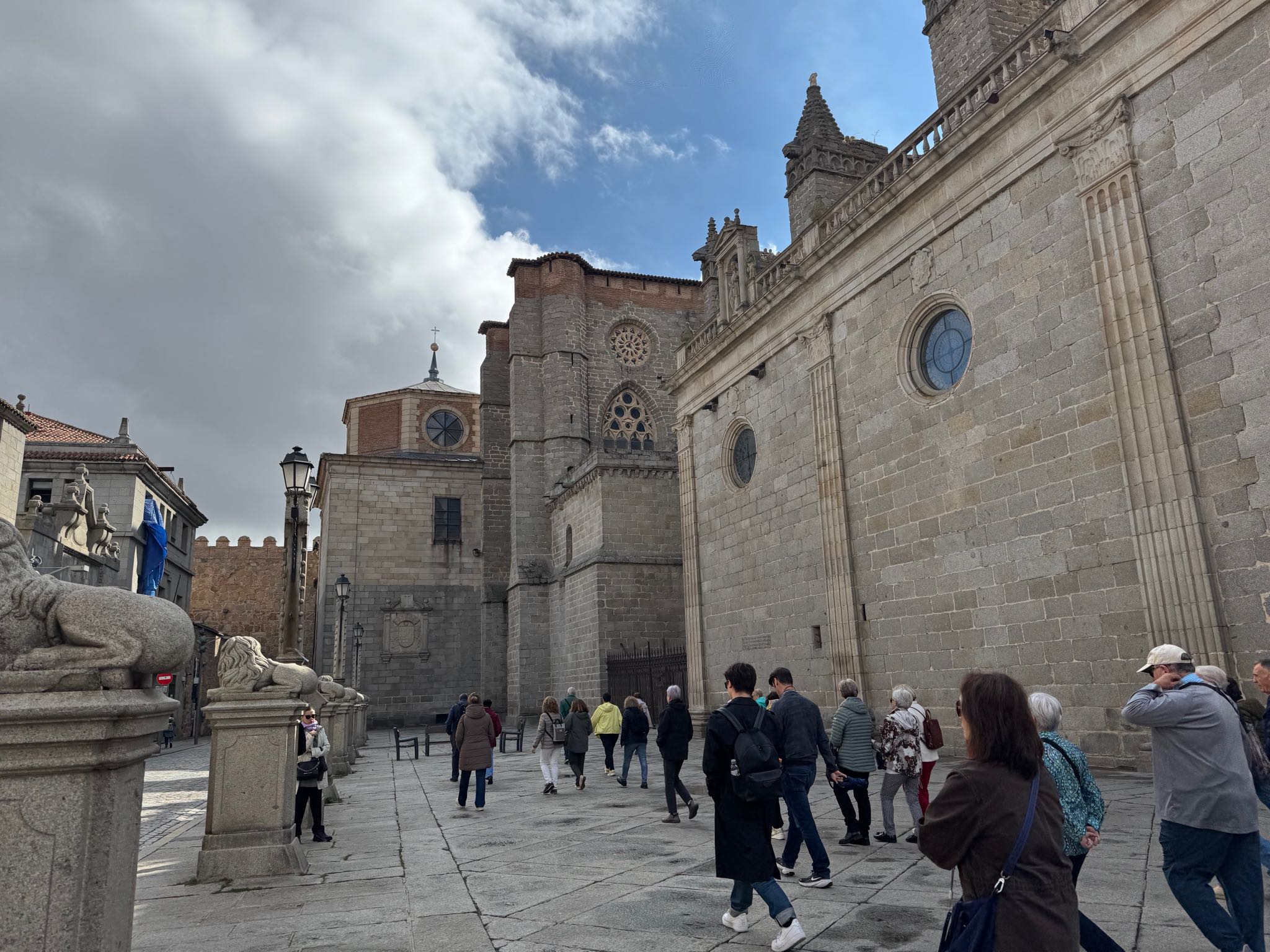
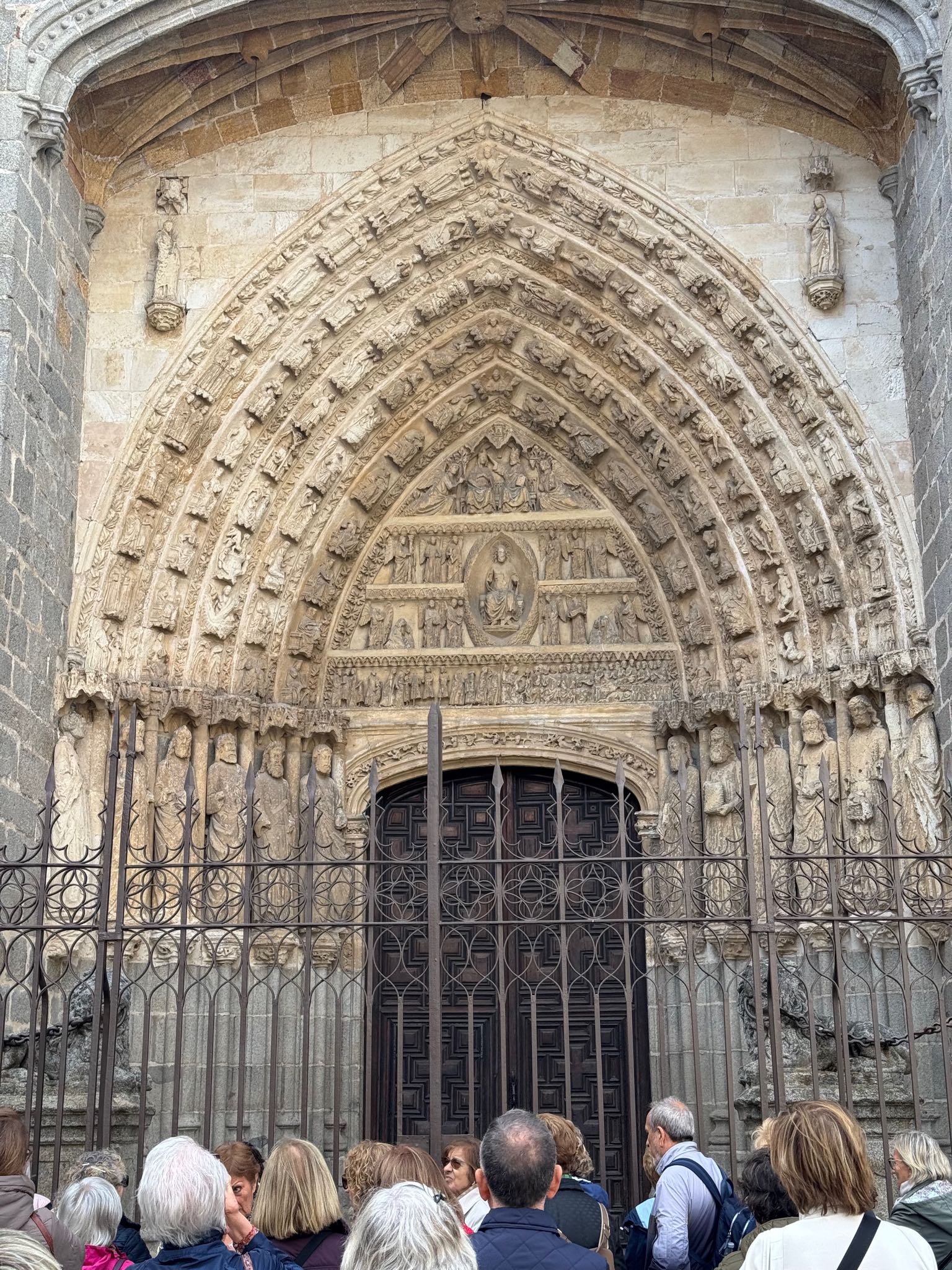
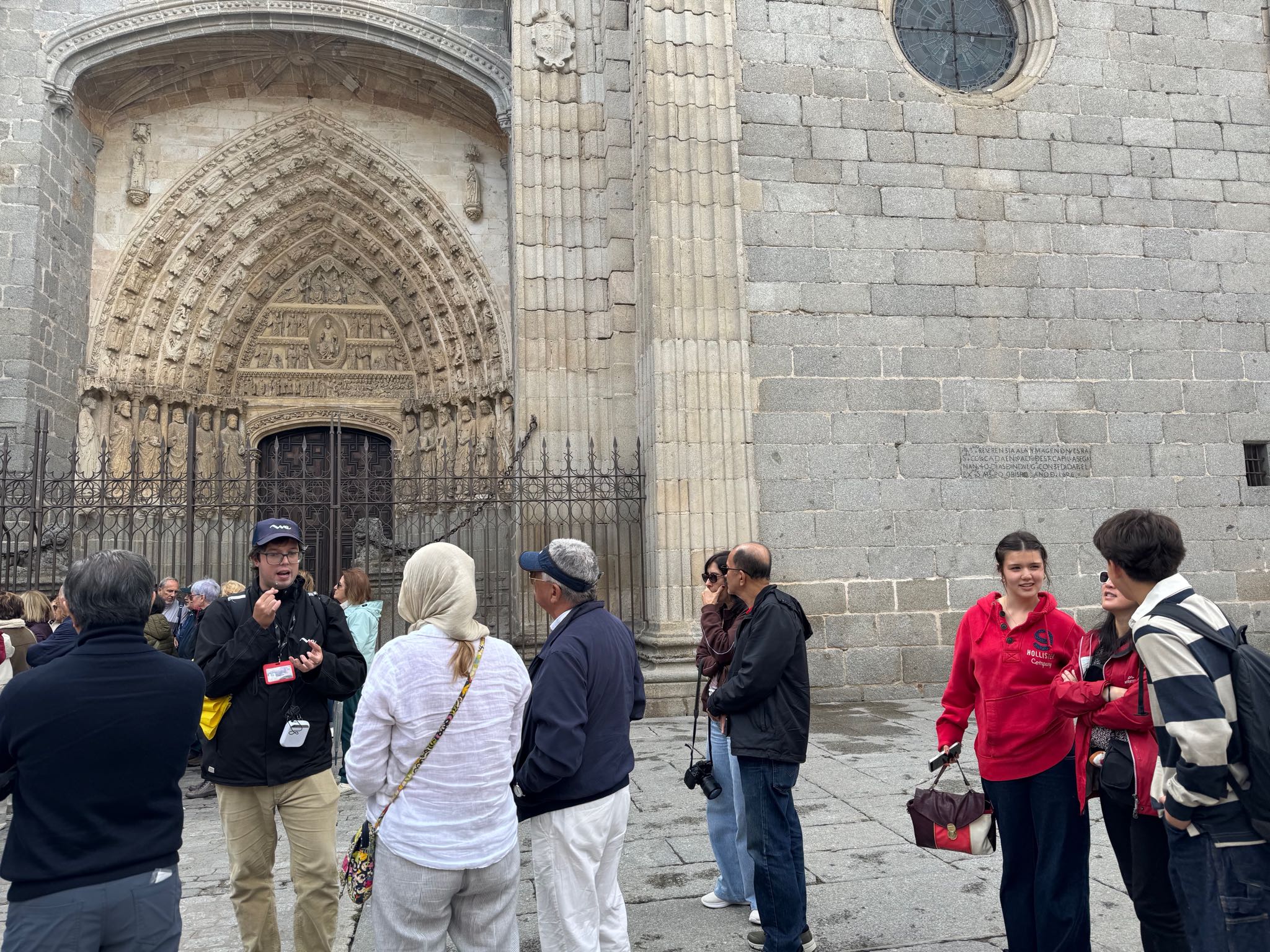
The tour guide says this is the first Gothic Cathedral. The last was in Toledo. This building was never “finished “ you can see a mix of materials. 

The archway represents domsday (doomsday) with Jesus at the centre. 

There were body cults here as well. They claim to have part of Mary’s finger here as well. 

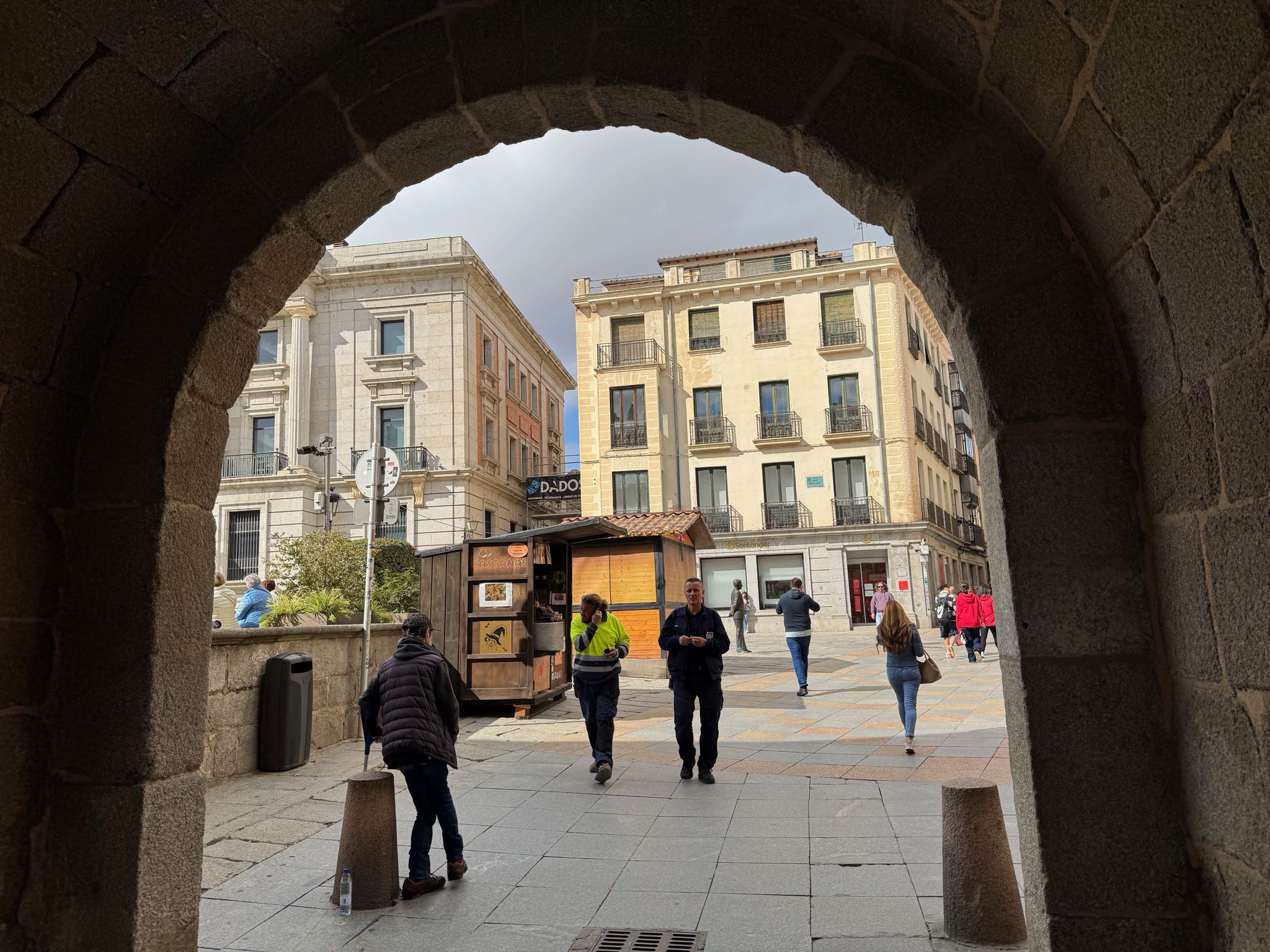
The loyalist gate – you needed access to visit the wall ledge. 

I ponder why Crusaders and Catholics would expand such vast resources on such a large castle after seeing the smaller defensive Moorish castles in Portugal. There must be a granary, counting house, possibly skilled workers. 

For lunch we wander into the castle through terraces and shops. There must have been all the support staff, as well as the usual function of the keep for farmers and peasants to retreat in times of raid. 

I recall the maxim, “it is from their enemies, not their friends, that people learn the secret of building castle walls”. I remember reading about the evolution of English castles from “square corners “ to “round corners”. This seems to have happened around the 13thC AD – to provide strength against tunnelling invaders.

Indeed in Portugal we saw the Moorish castles had square corners, giving good, weak locations to aim a catapult or trebuchet at. 

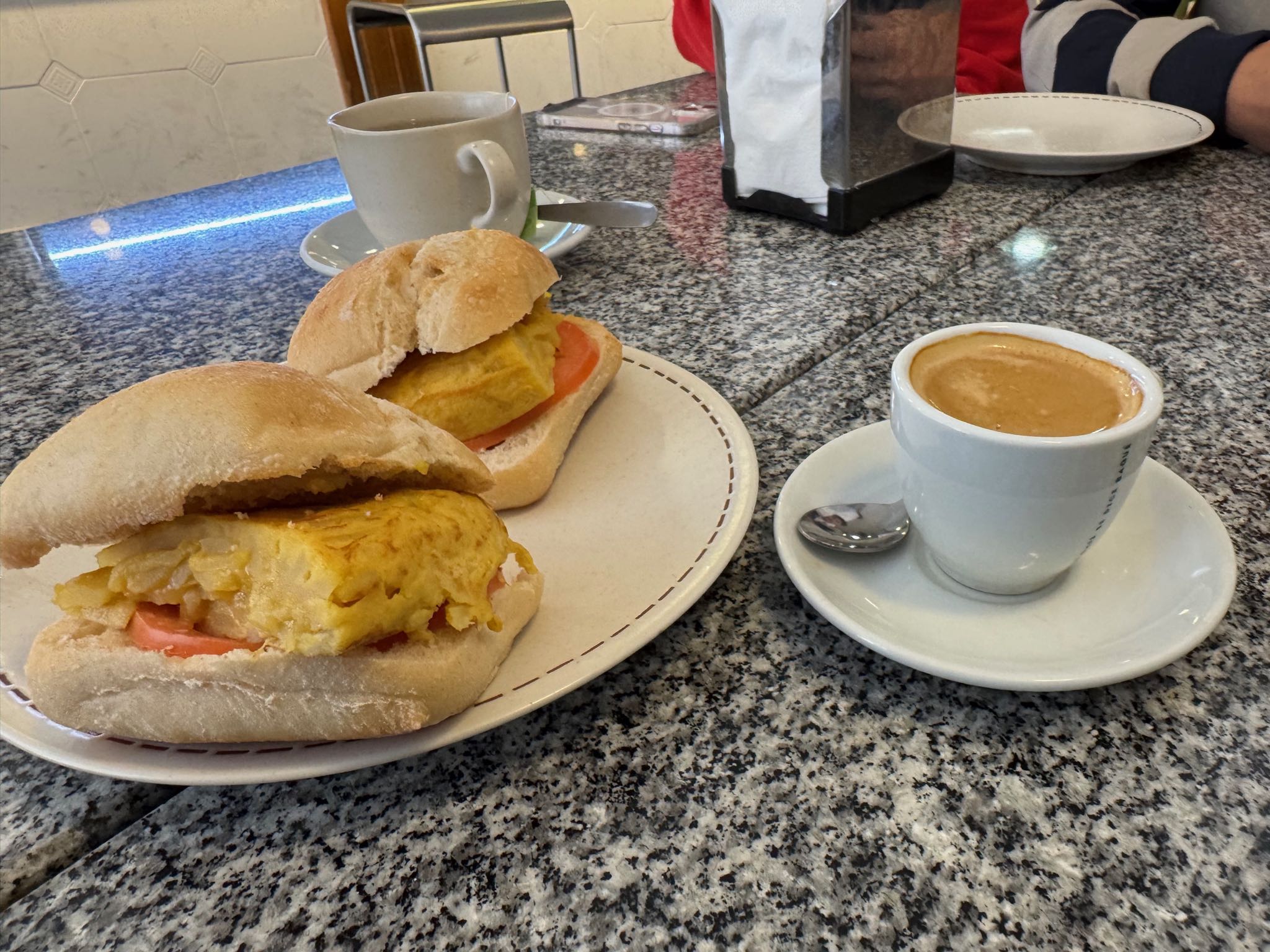
We find a humble cafe and order a potato and tomato roll. 

Wed 7 Oct – Sergova

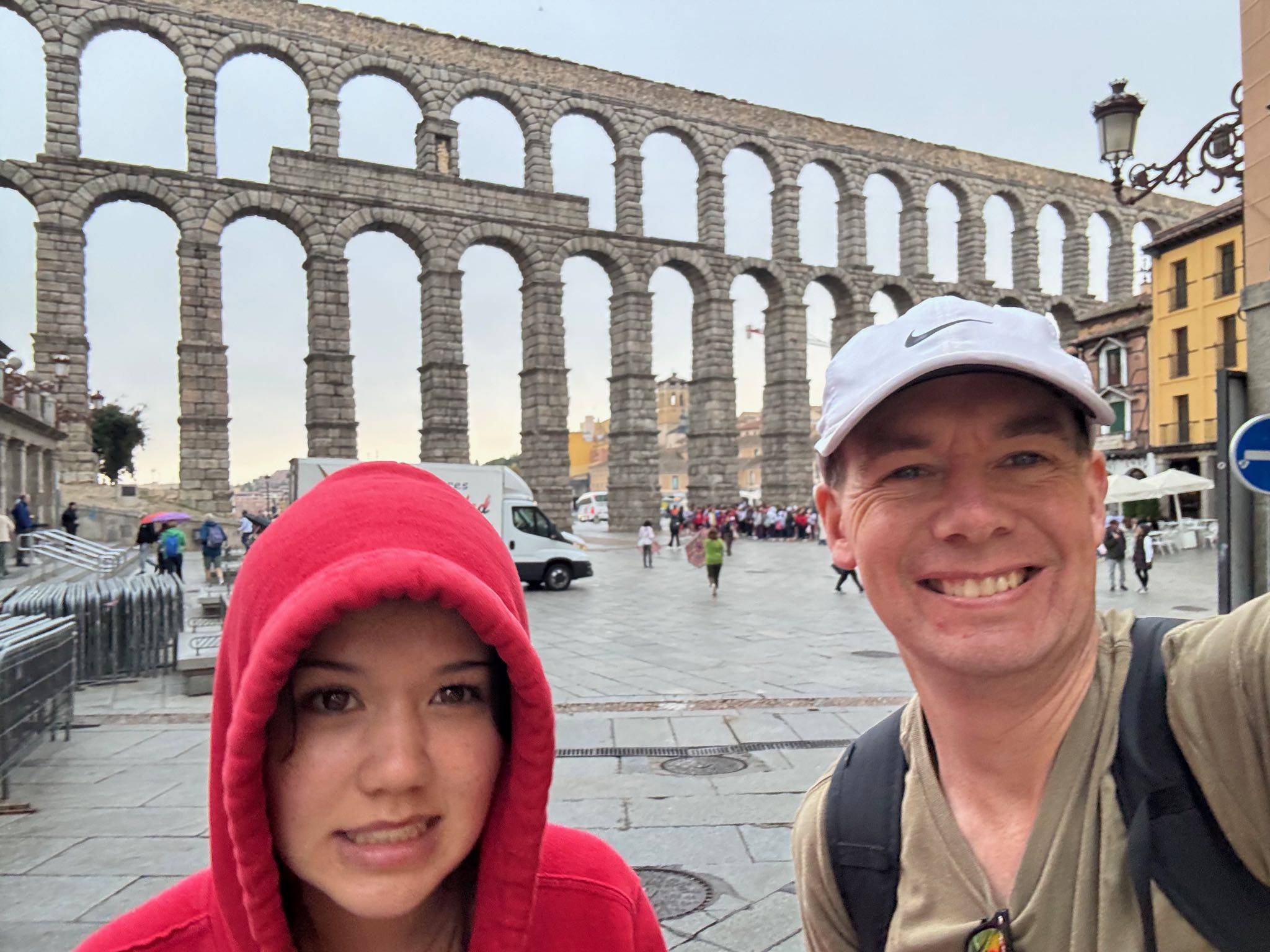
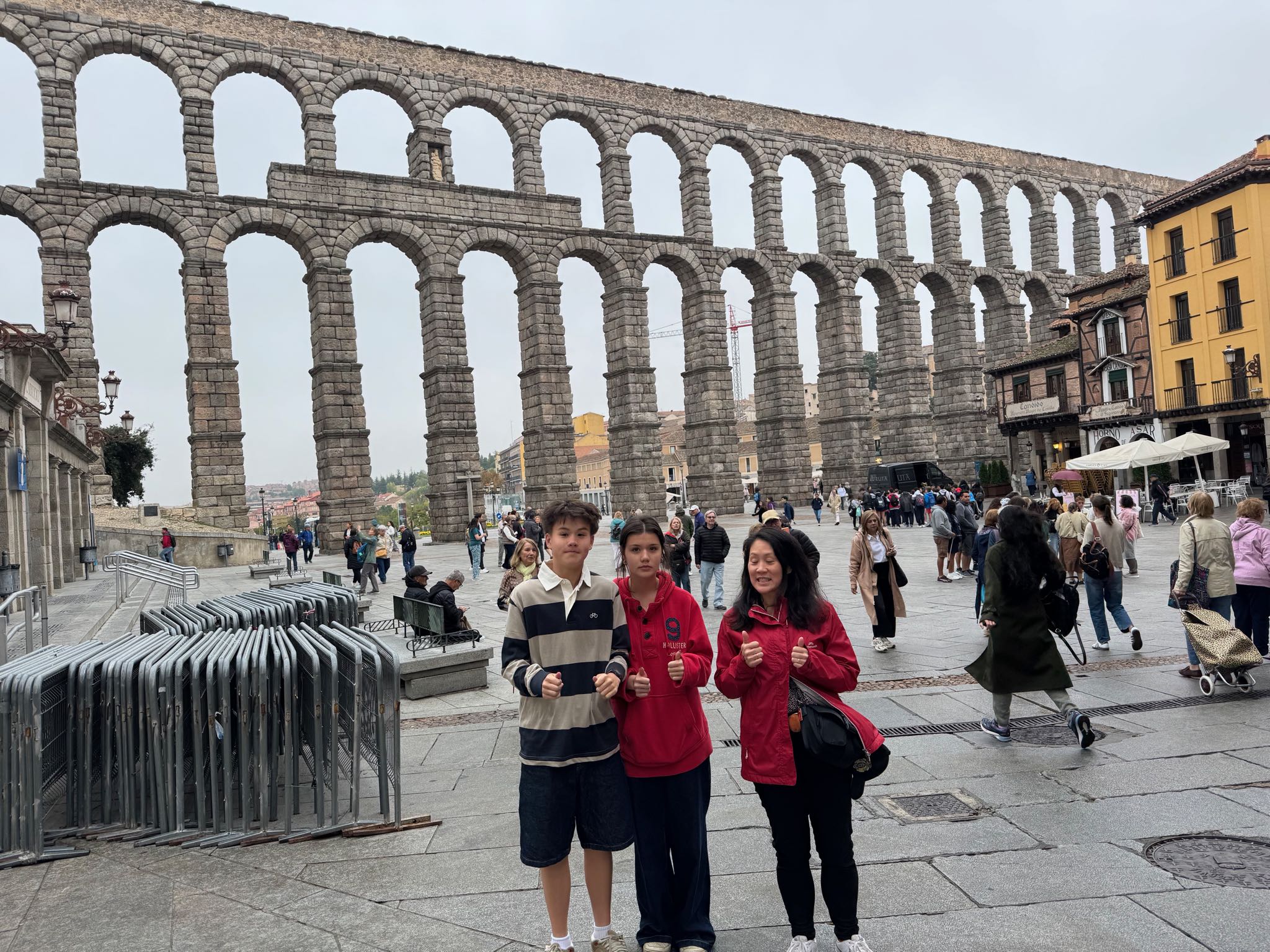
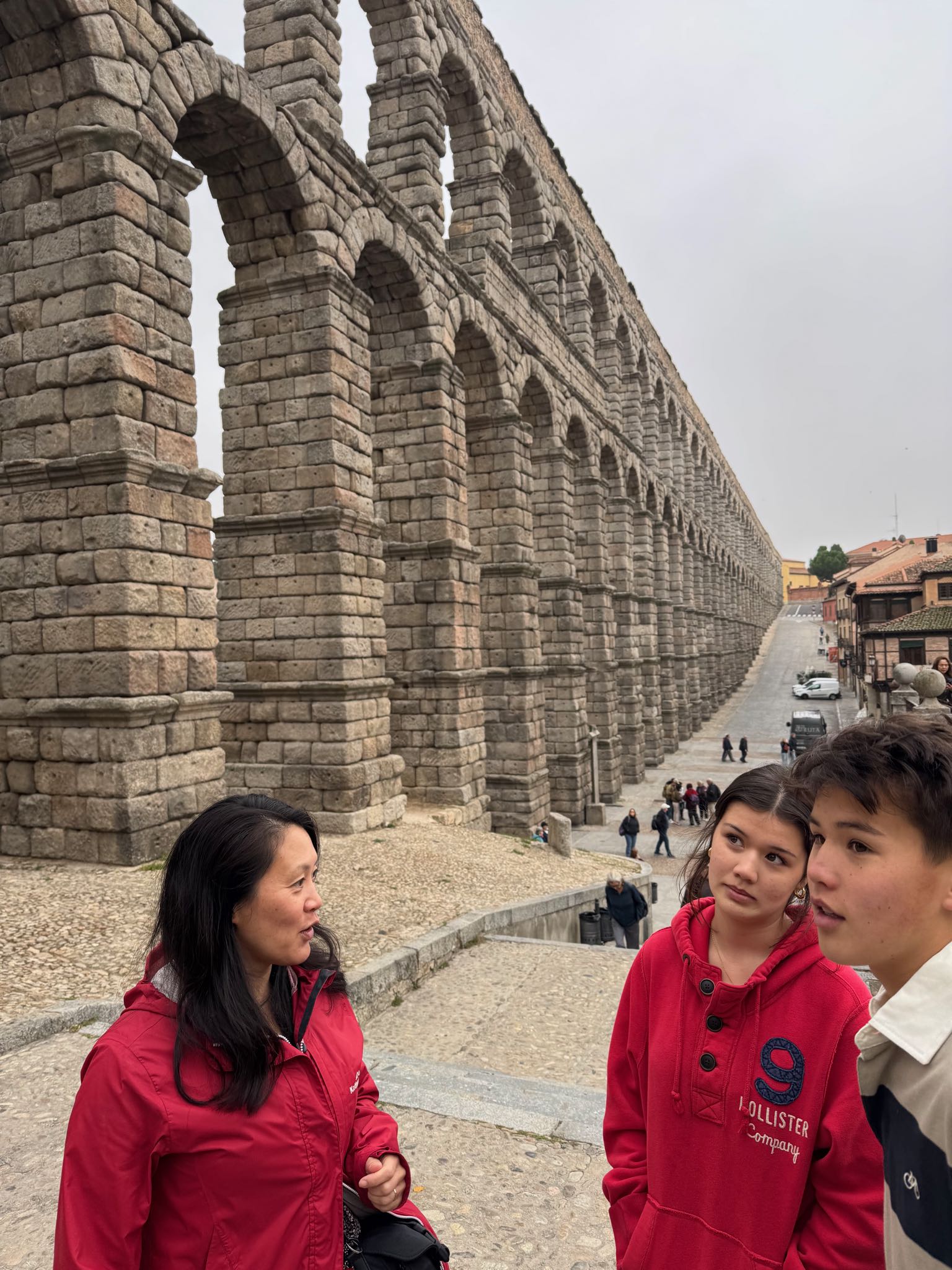
What is the essence of Engineering? What is it about? Some might say “it’s in the word, it’s about engines.” This aqueduct doesn’t pass that test. 

Others might say, “It’s applied science.” The Ancient Romans didn’t have a thing we recognise as science. 

In banking and finance we would say it’s risk management , but nobody likes that idea.

You might say, “It’s a grab-bag of techniques for making it happen and solving problems.” This,  I think, comes closer to the mark.

“Engineering,” an American friend told me confidently, “is a craft. The Ancient Romans would make the chief engineer stand under the bridge or aqueduct, and then take a bunch of horses over the top. It was literally on his head be it.”

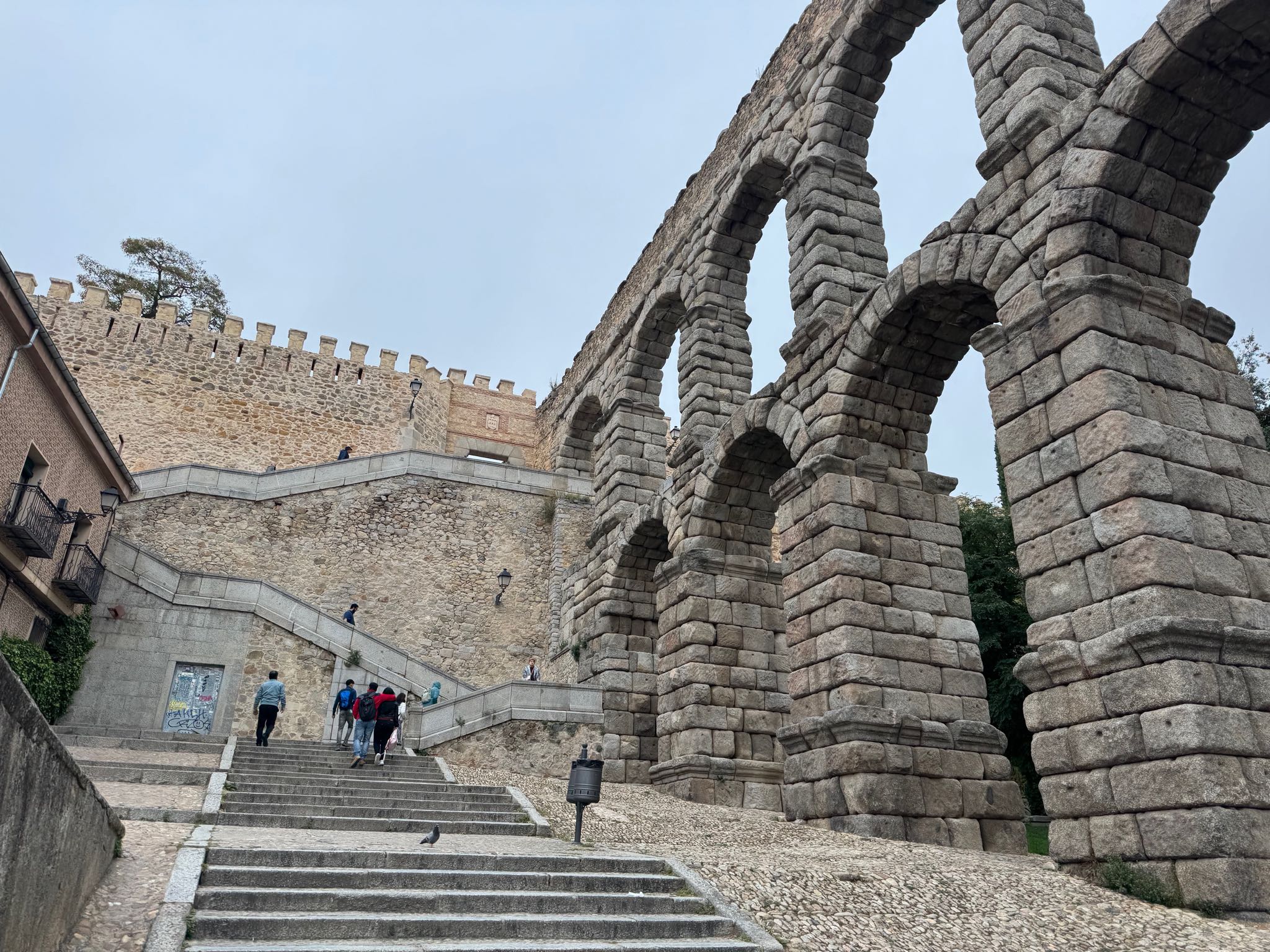
I ponder the Engineer standing under those arches, and the Roman’s sadistic approach to getting things done. The arch looms at me, 1800 years old. That was one motivated engineer. 

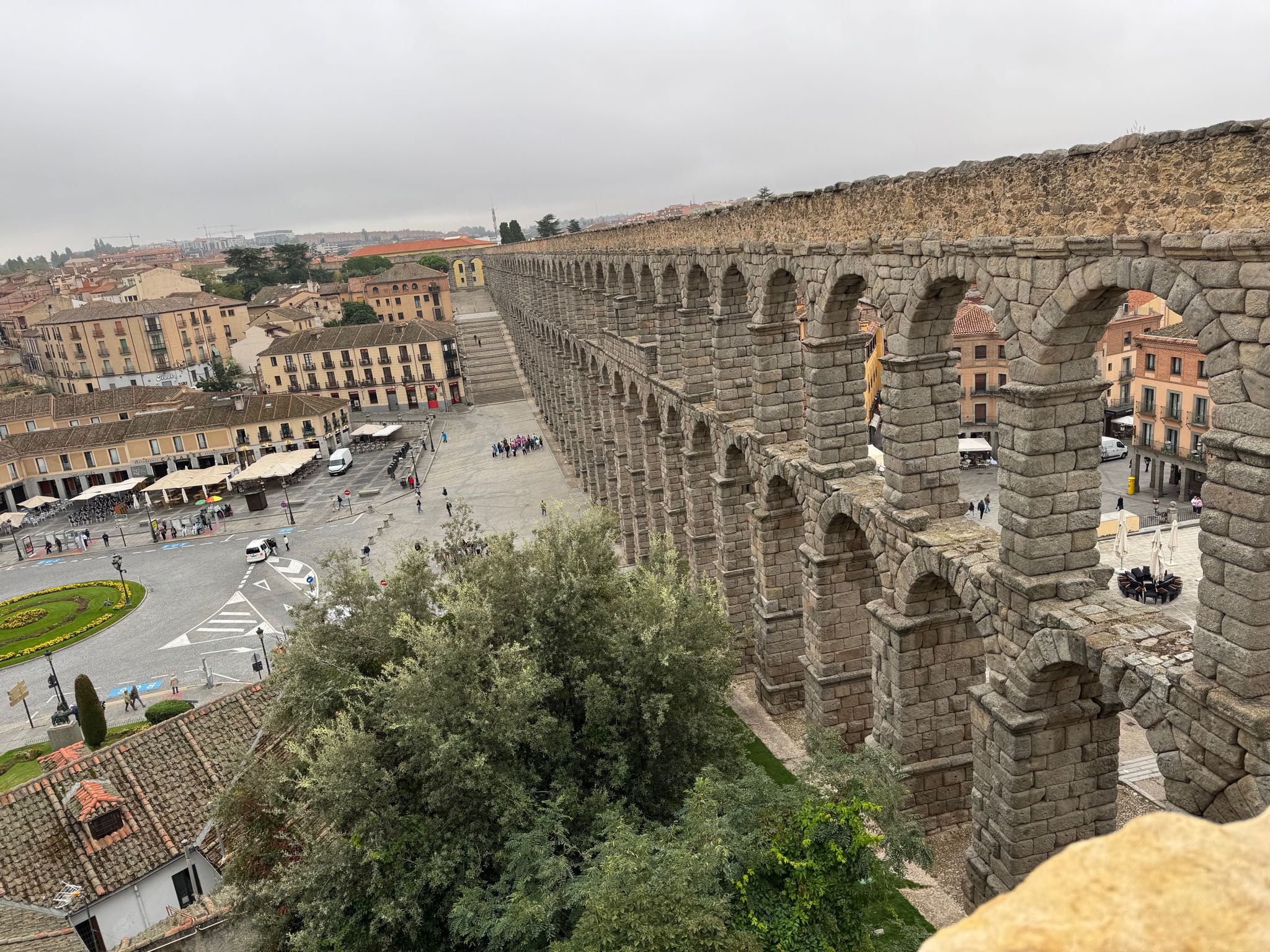
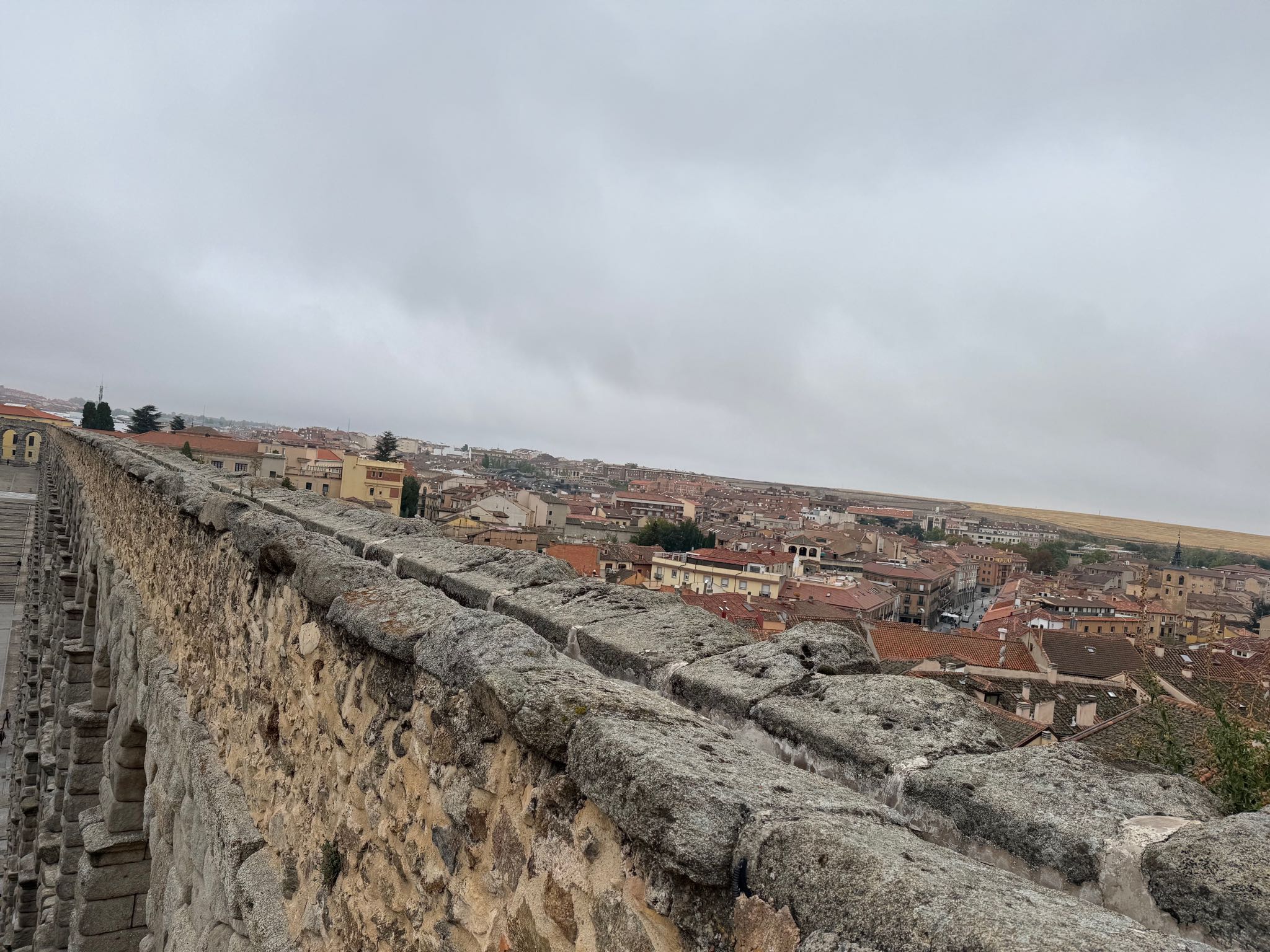
In Sergova we see the Roman aqueduct – built to bring the water 1000m over ground – and 15km underground due to not having pump technology. 

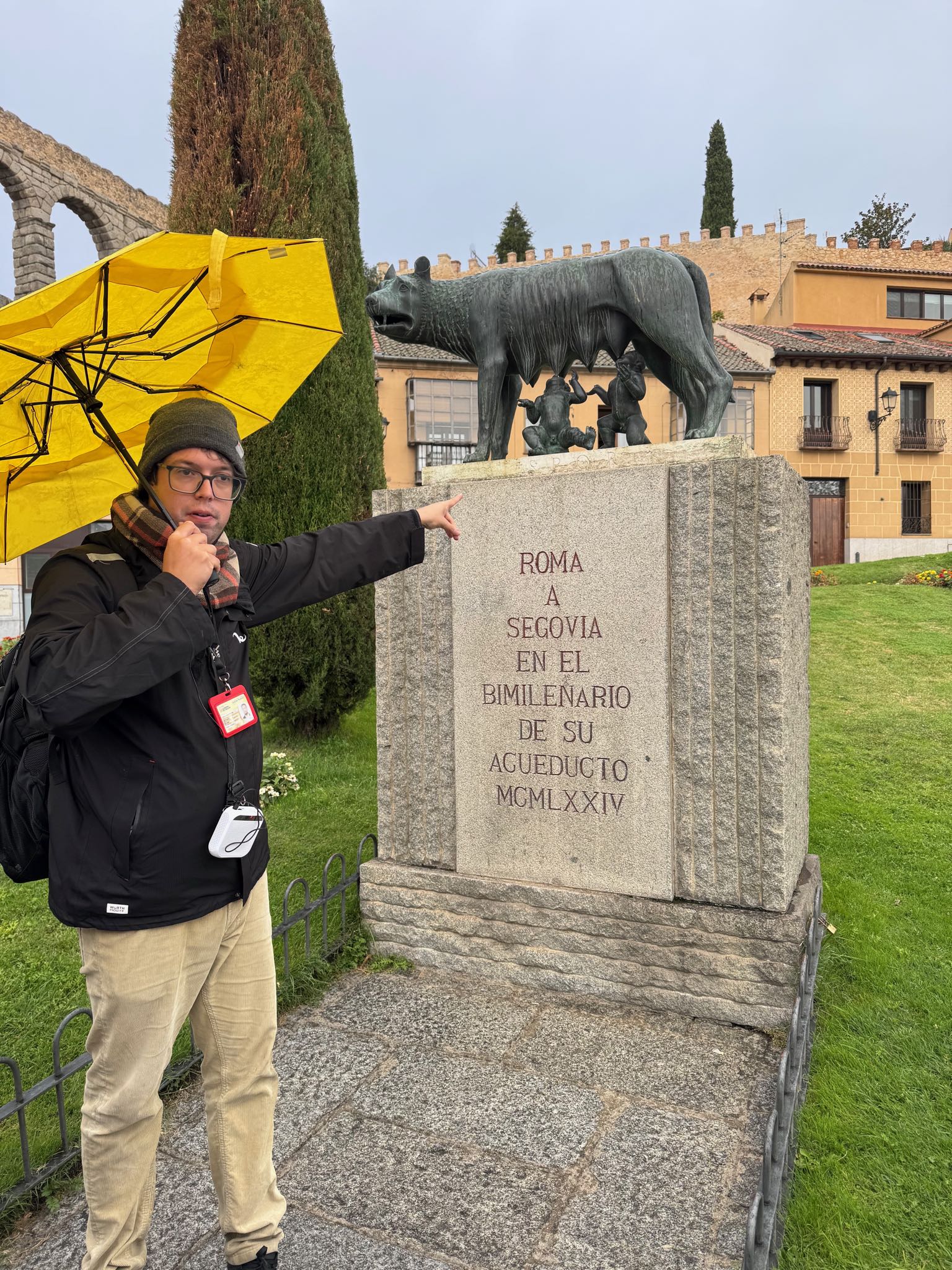
The Roman aqueduct was last used in 1974 – and they put up a Roman style statue to celebrate. All from 200AD. 

In Tolkien and Viking stories they often speak of inhabiting a land that successive civilisations had inhabited  before, the overhanging buildings daring you to rise to their accomplishments. 

Sergova was a capital of Castille and Leon. (Think – cities significant at the time of El Cid).

There are tombs of Christians and Vikings in Sergovia. 

There are 4000 Arabic words in Spanish (my techniques and information flux transfer theory.)

We bump into Margaret Orpwood from church. (Still is following a very similar path to us – completely accidentally.)

The carvings in the plaster are modelled on an Arabic technique from 700AD.

Another building follows a Crusader-era Christian design.

We went to a government building with mixed Christian and Moorish designs. (Dan Brown reads very heavily into the meaning of the arch.)

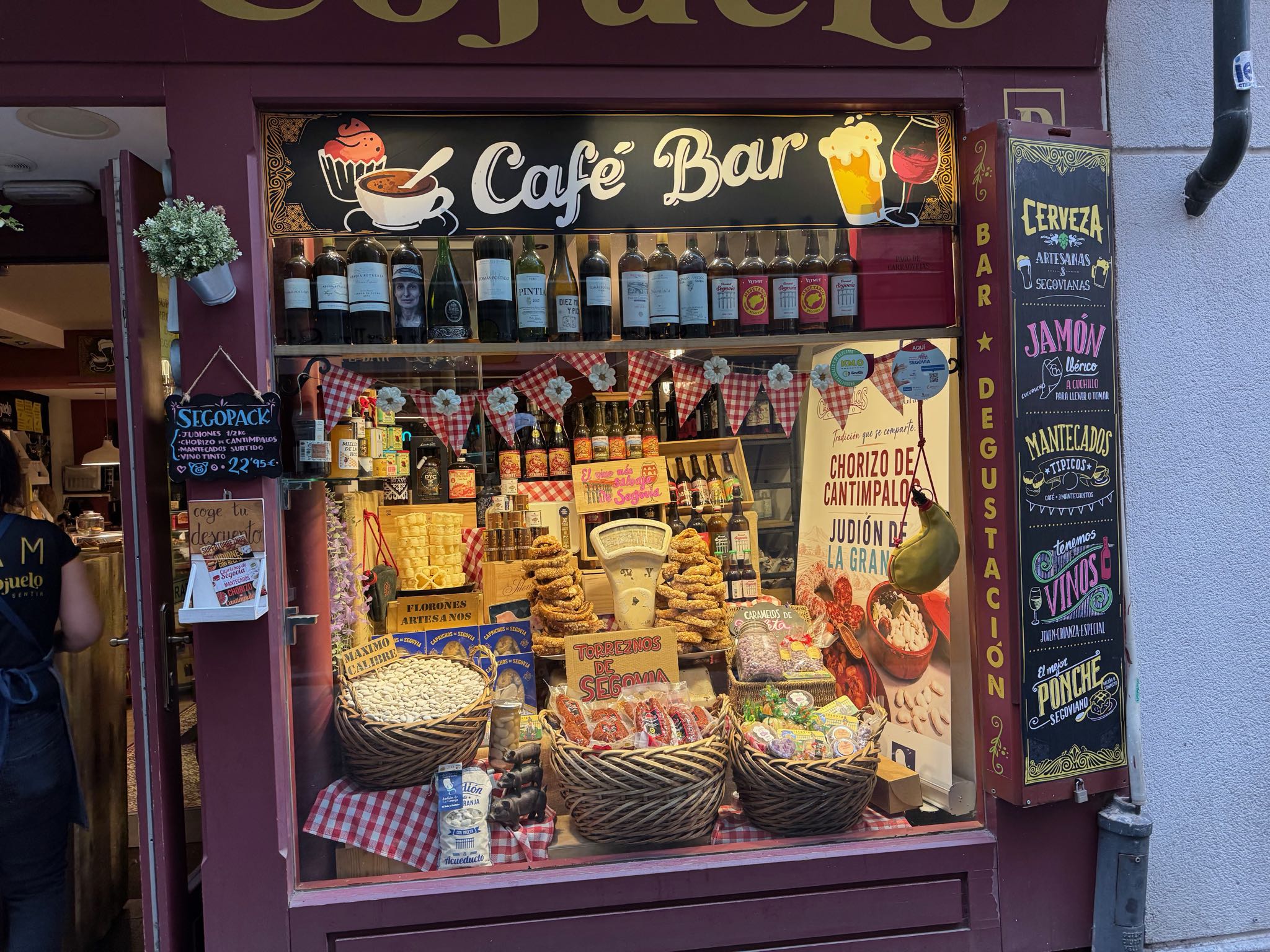
A shop/bar has pork crackling and legumes in the window.

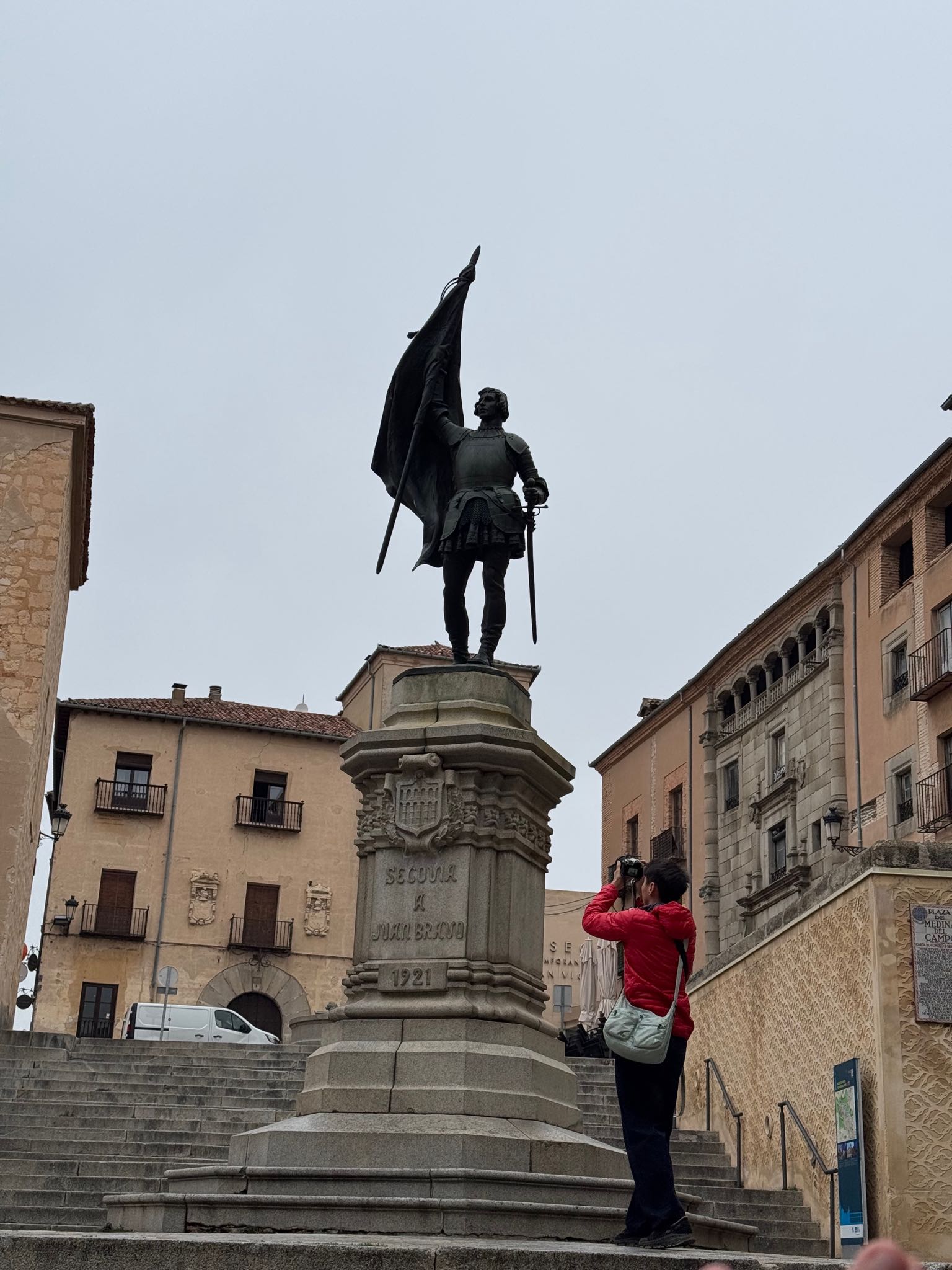
This is a statue of Juan Bravo from who lead a revolt 1520 for a revolution against the King and was beheaded in 1521. It is regarded as the first step towards Constitutional representation, ie he laid the first step towards Spanish democracy.

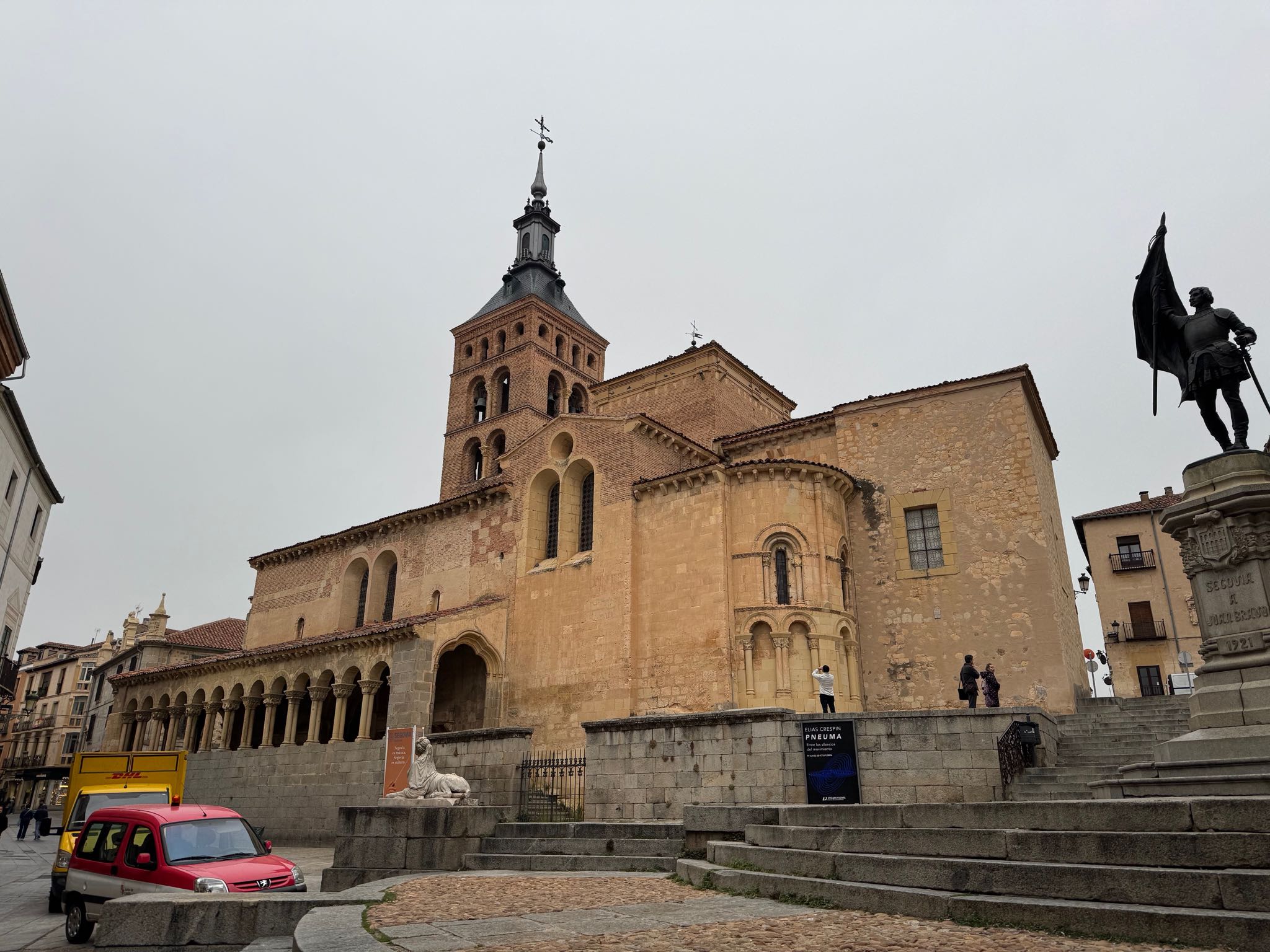
The church is a mix of Moorish and Christian construction – with Moorish down the bottom. 

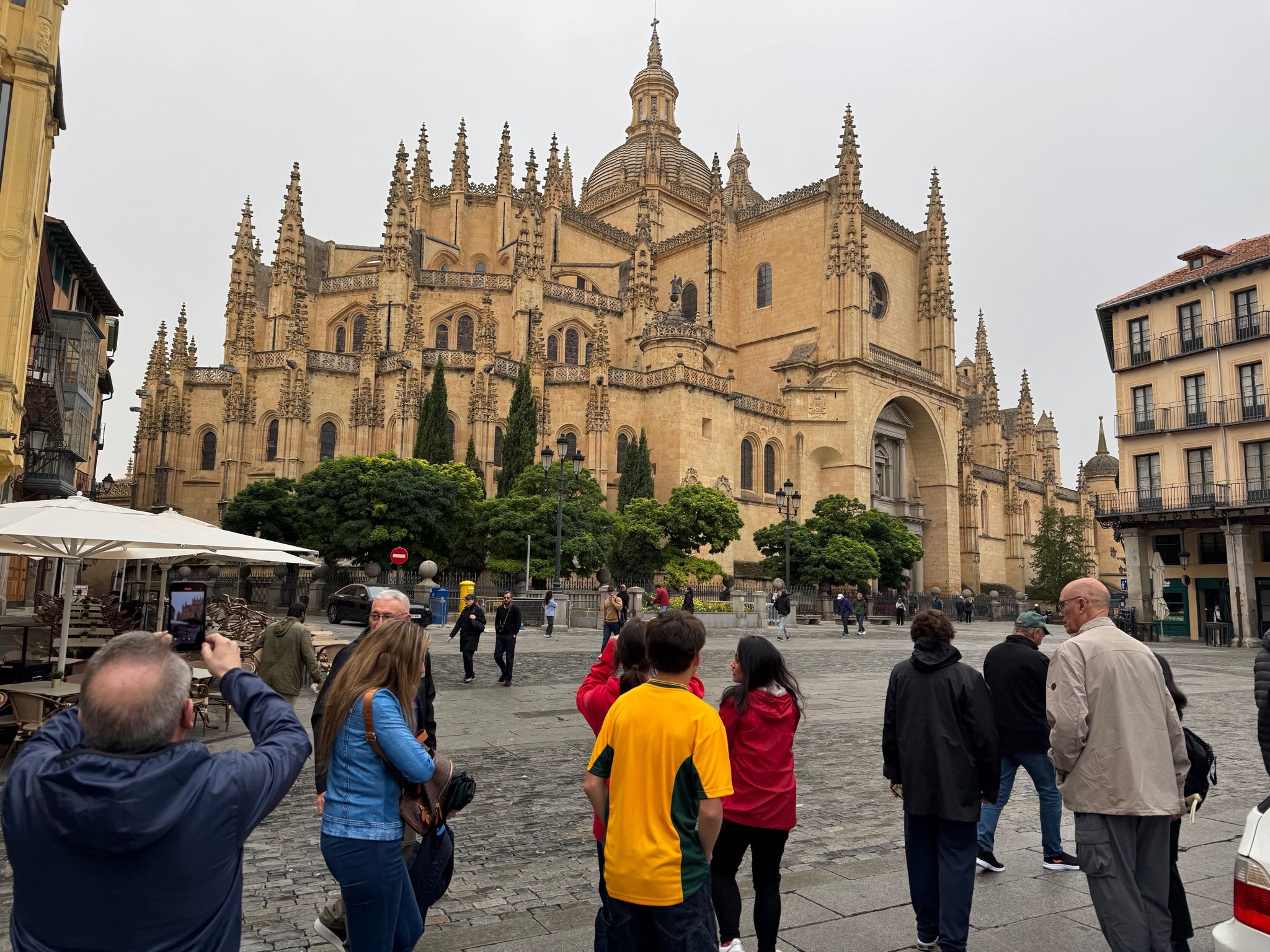
The Cathedral was started in 1521 and finished in the 1600s.

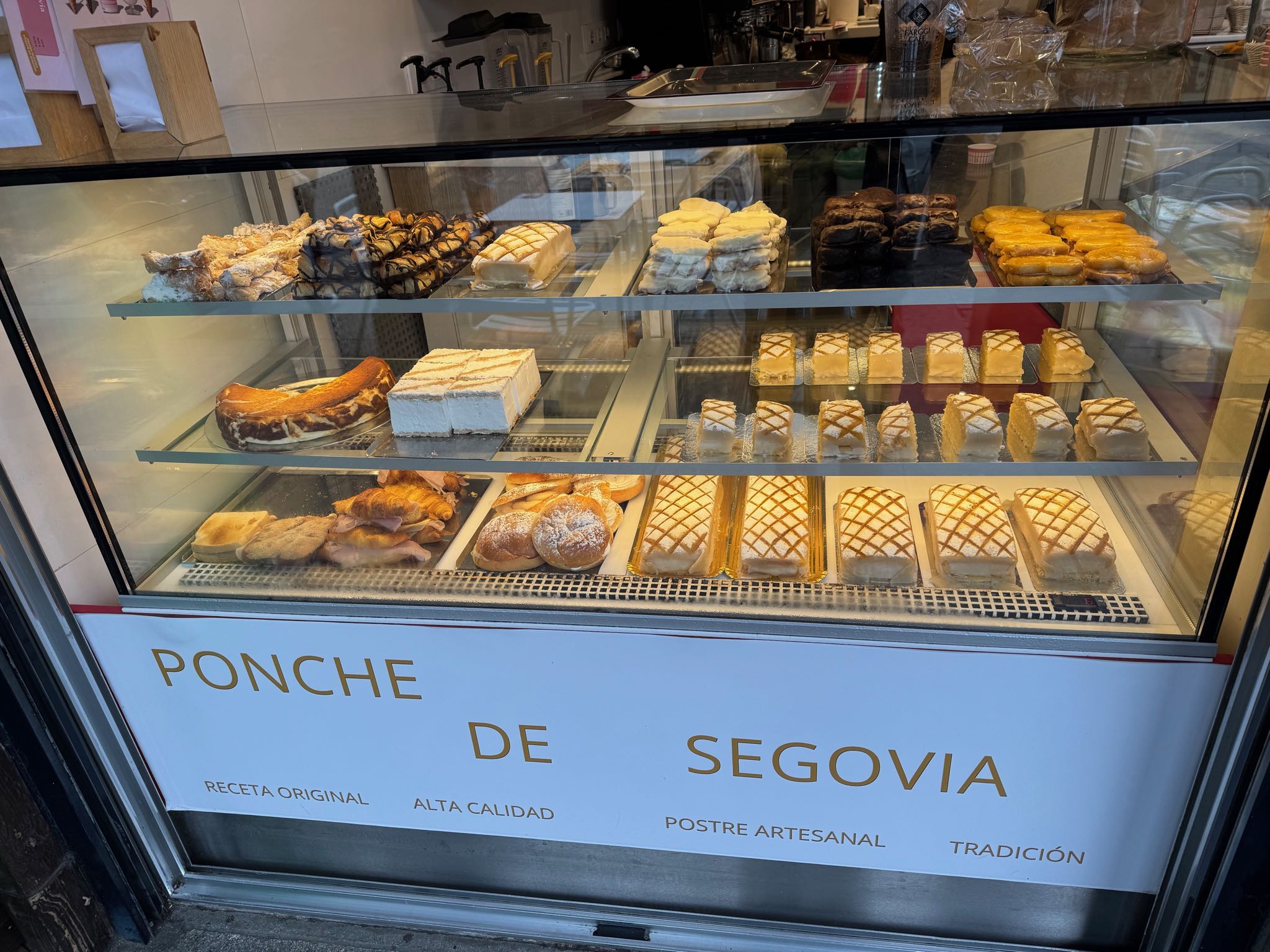
On the way back we grab some sweet treats.

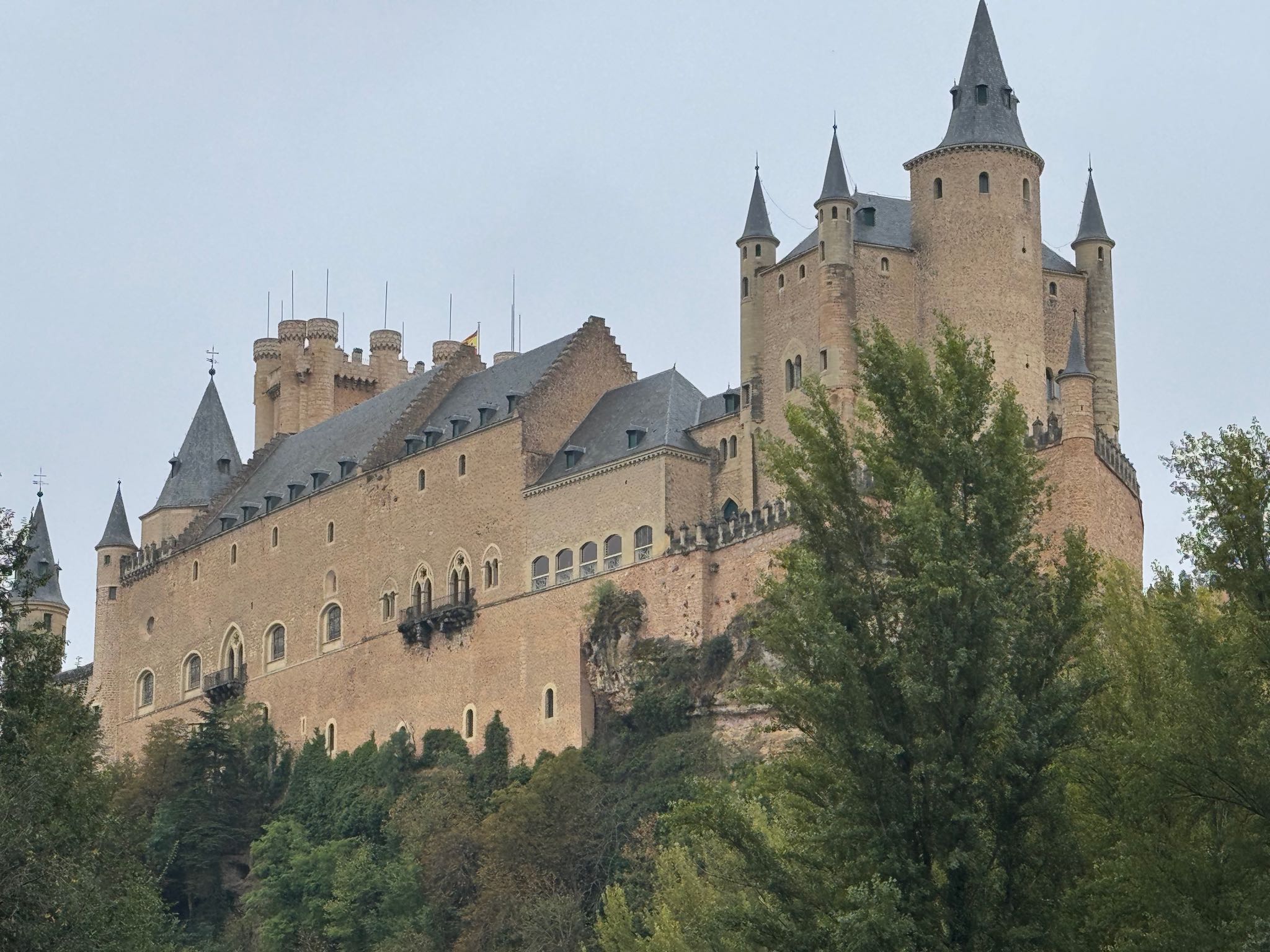
Driving away from the Aqueduct we stop for a Hapsburg Castle. 

Wed 7 Oct – Travelling Tour

My toast obediently jumps out of the toaster and lies politely horizontal on top of the toaster. A new designer kitchen full of European appliances is an impressive experience.

Supermarkets in general match Australian ones with roughly 2/3rds different brands. One exception is milk. It feels like in Australia you can buy milk everywhere including the petrol station. Here the milk must be reserved for the Harris Farm/Marks and Spencer type stores, and everyone else survives on UHT or goes out for coffee. 

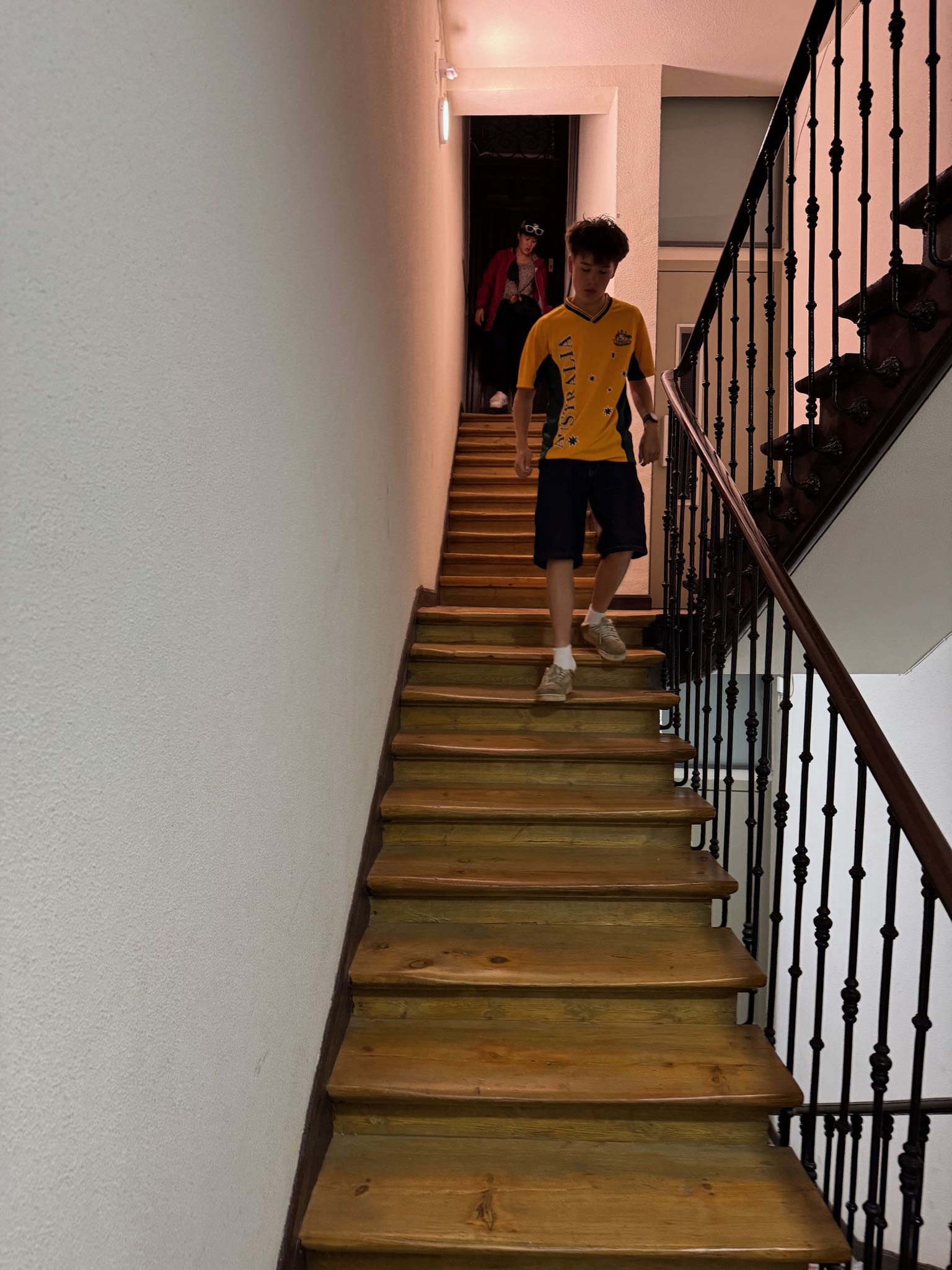
We stepped down the wooden staircase to our apartment and out the front door. 

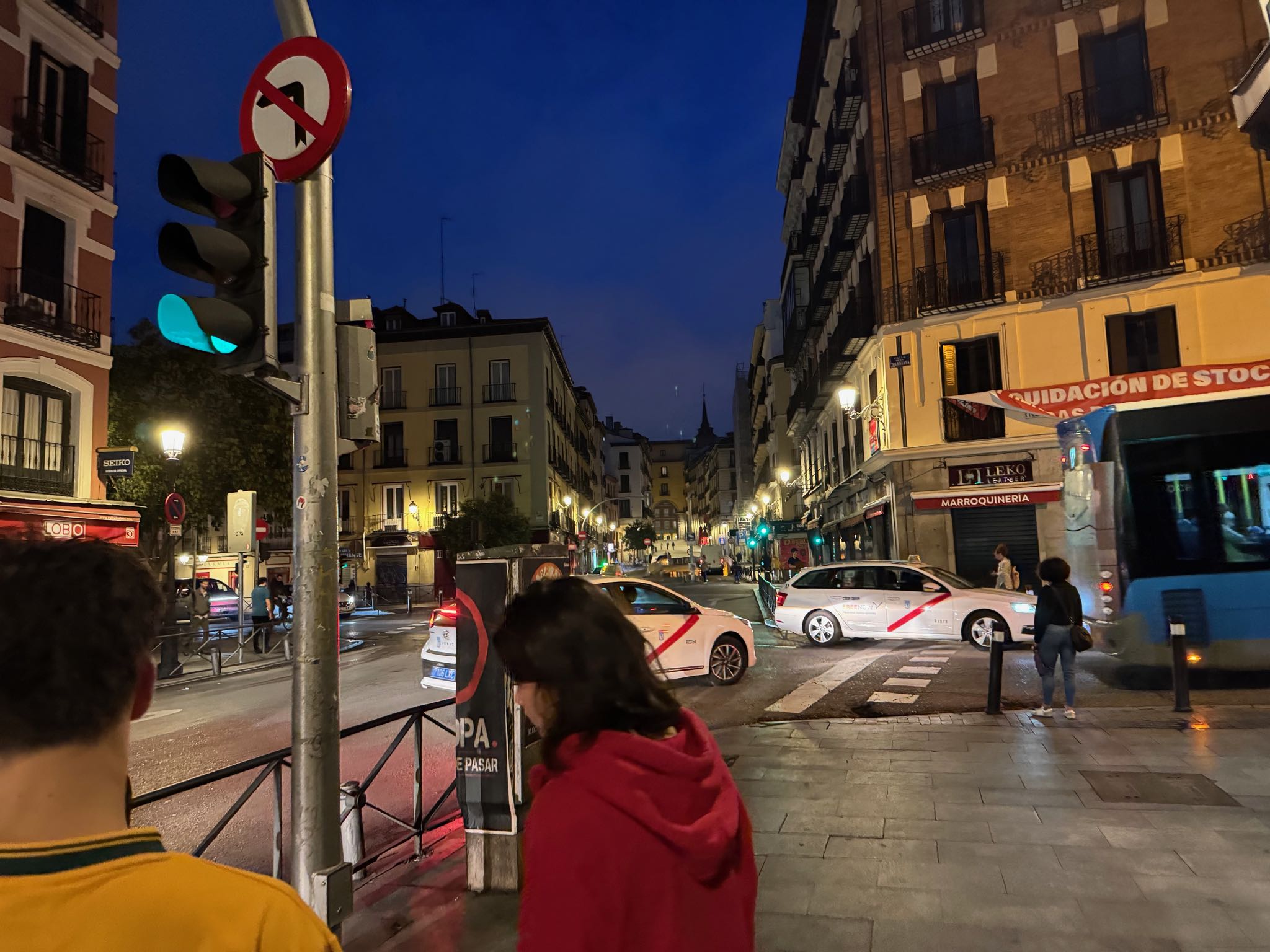
Outside at 7:30 in the morning, it is dark like 8 o’clock at night in Sydney. Everyone sleeping late in this part of the world suddenly makes more sense.

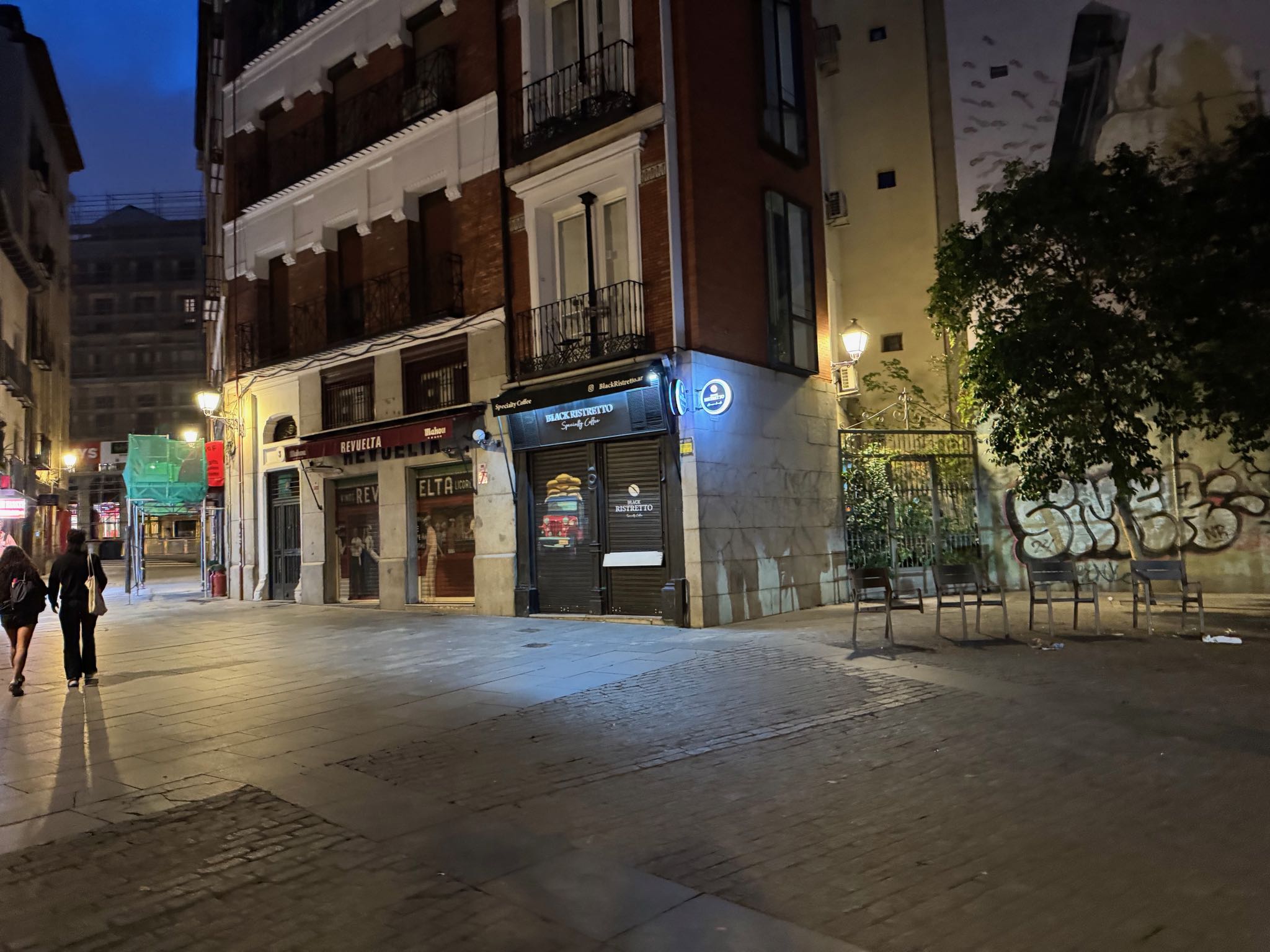
It is too early, at 7.45, even for the coffee shops to be open.

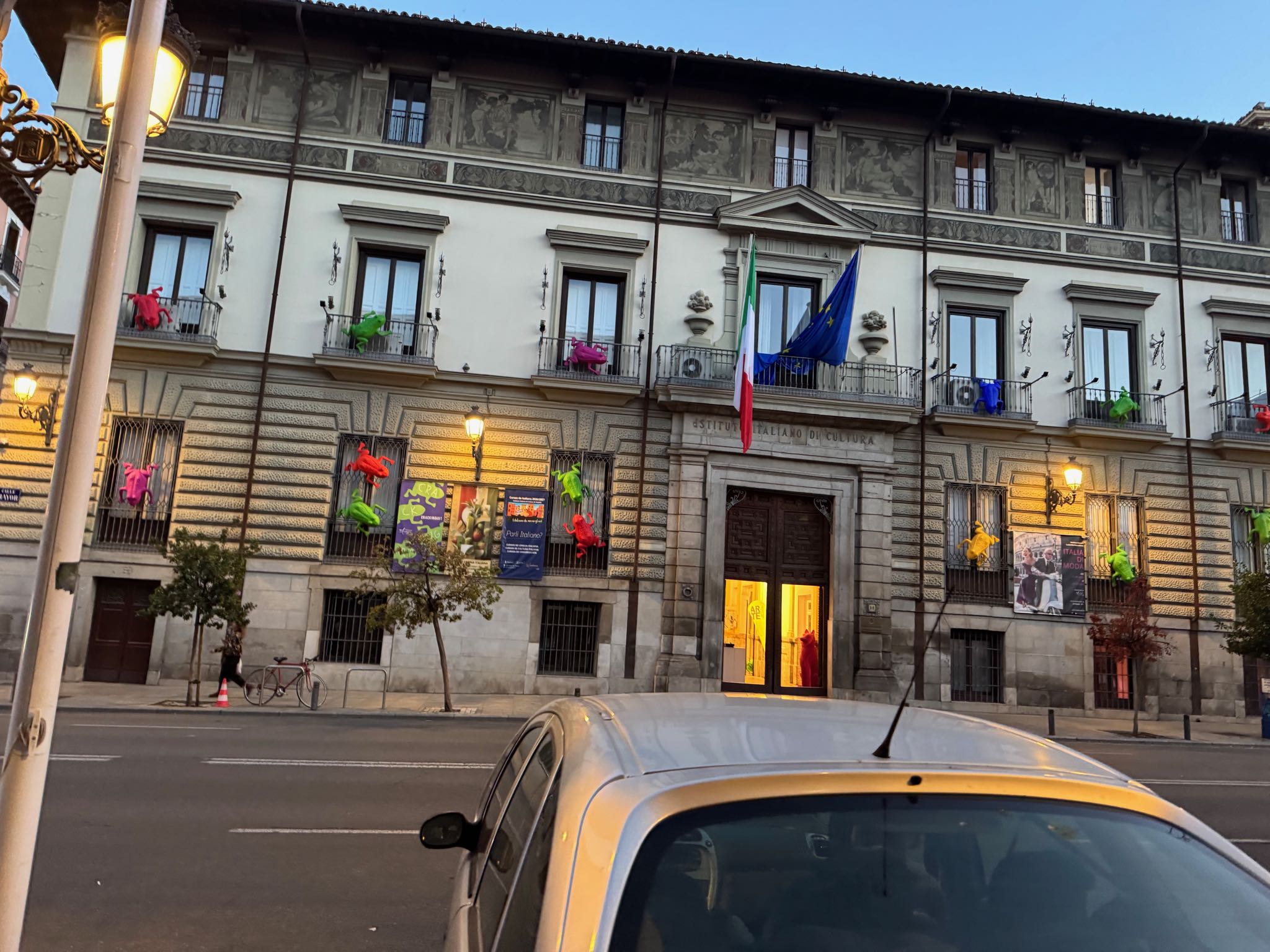
We walked past the Italian embassy. It is covered in red and green frogs.

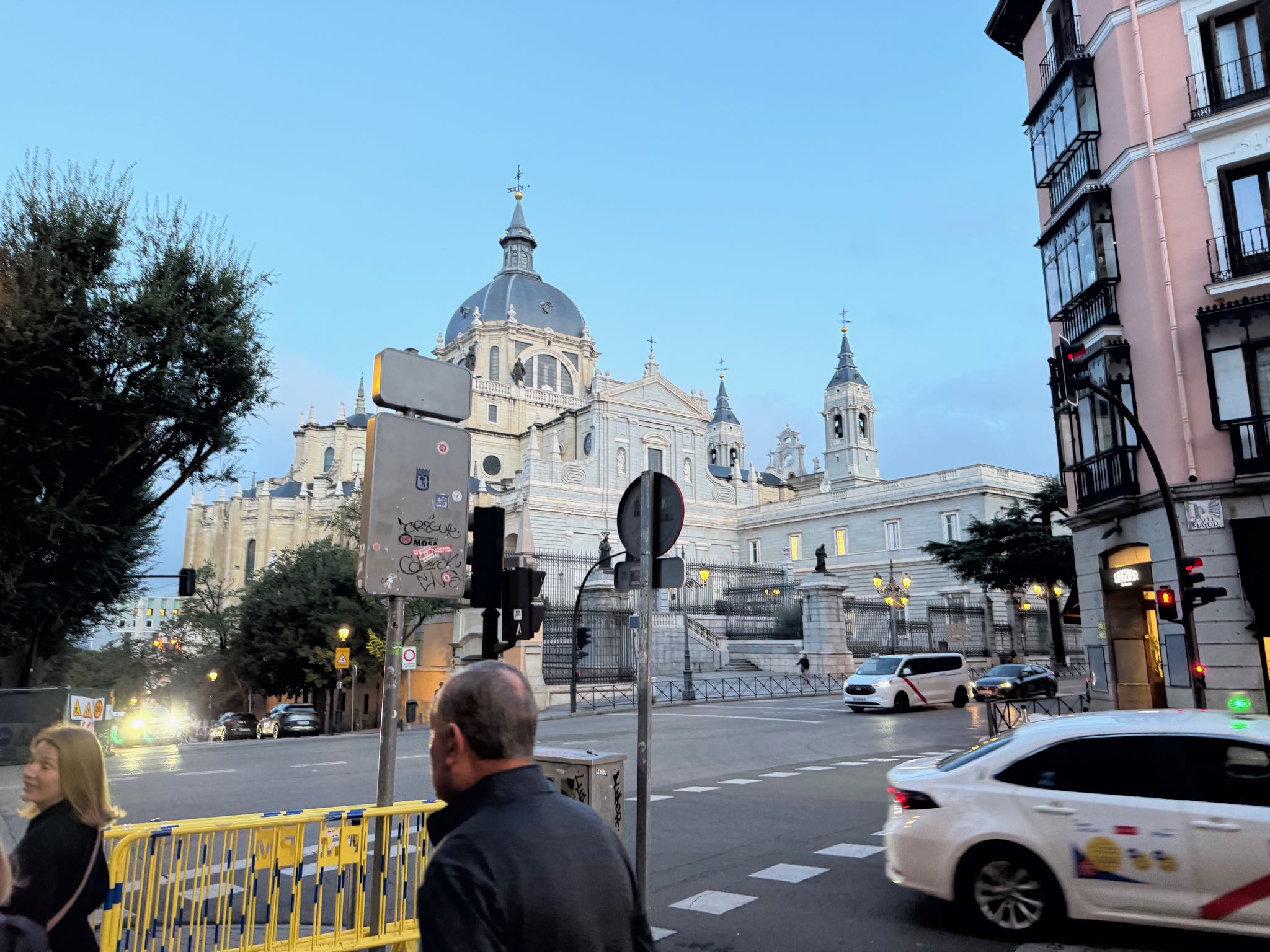
We walk past the cathedral of Santa Maria.

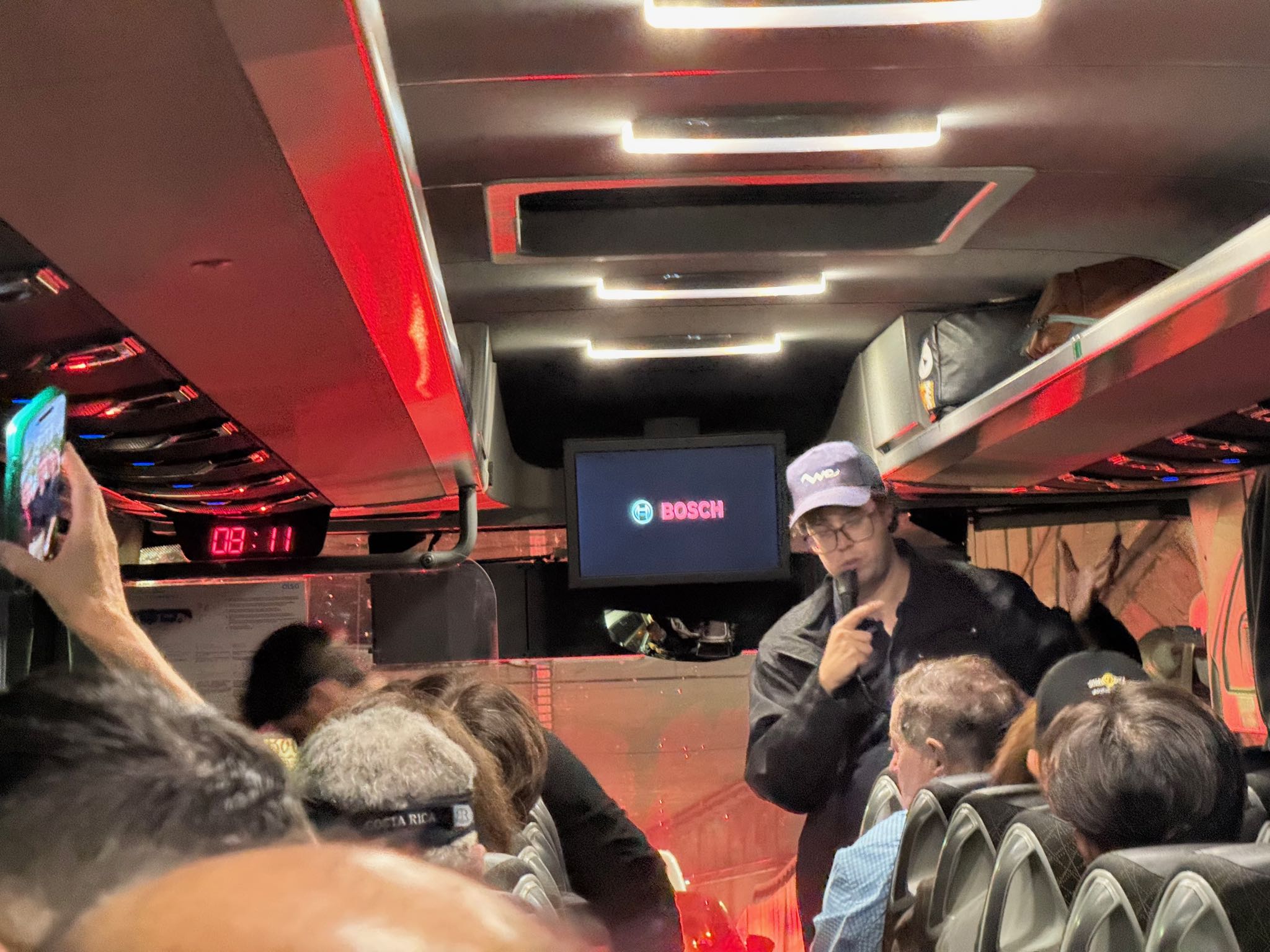
We climb onto a tour bus and I hitch my narrative wagon to that of the tour guide. 

In celebration of European standards, (and the disgust of Californian tech companies) the bus has usb ports to charge your phone with a dangling cable. 

The tour guide pointed out the Egyptian monument was aligned to the compass the same way as it was in Egypt without  the snakes and crocodile. 

The tool guide points at different streets where the left and right wing parties for the election have their bases.

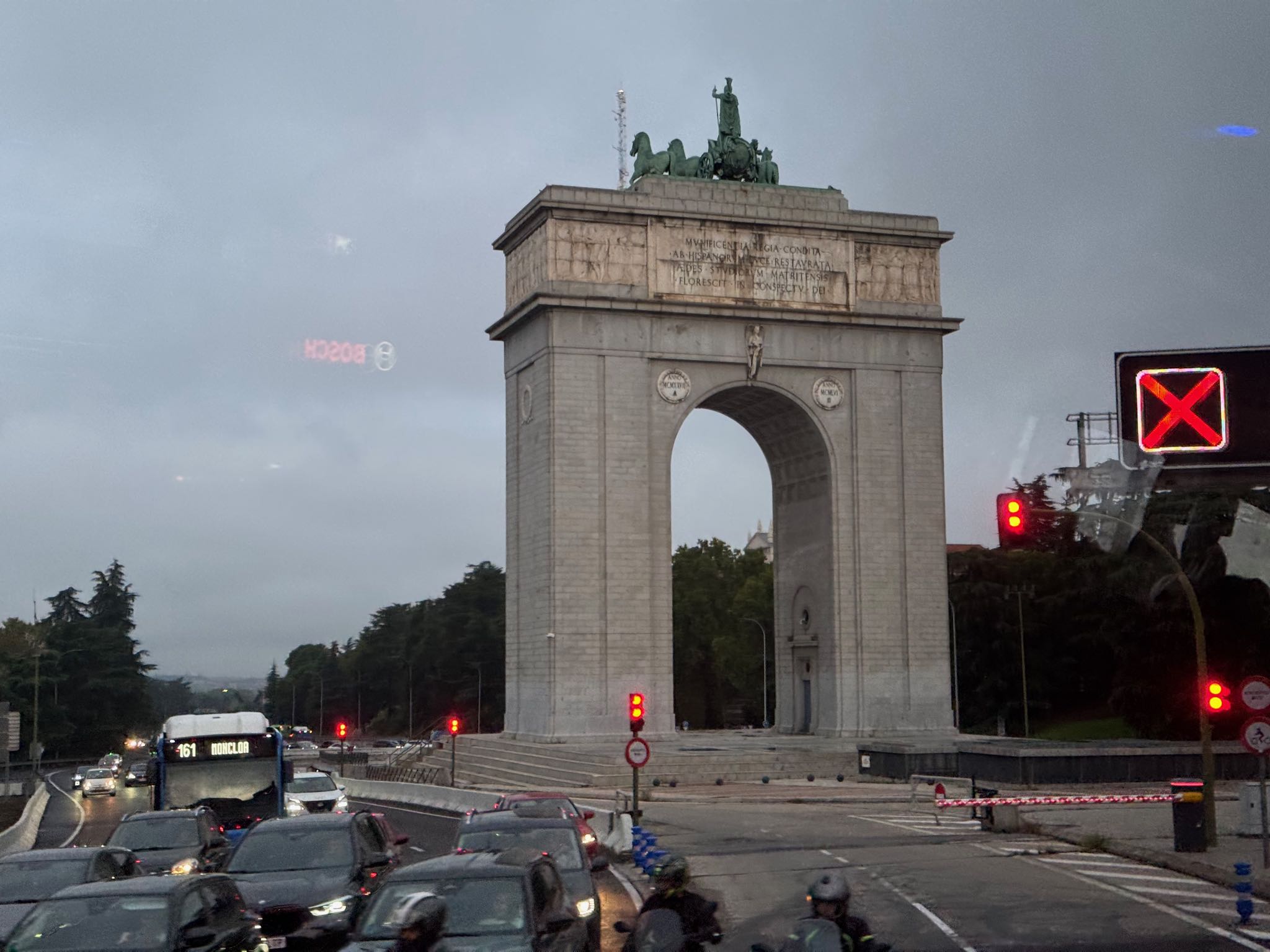
We go past an arch from the dictator Francisco Franco and a sky view tower. (Built in 1956, it commemorates the Victory of Nationalist forces during the Spanish civil war)

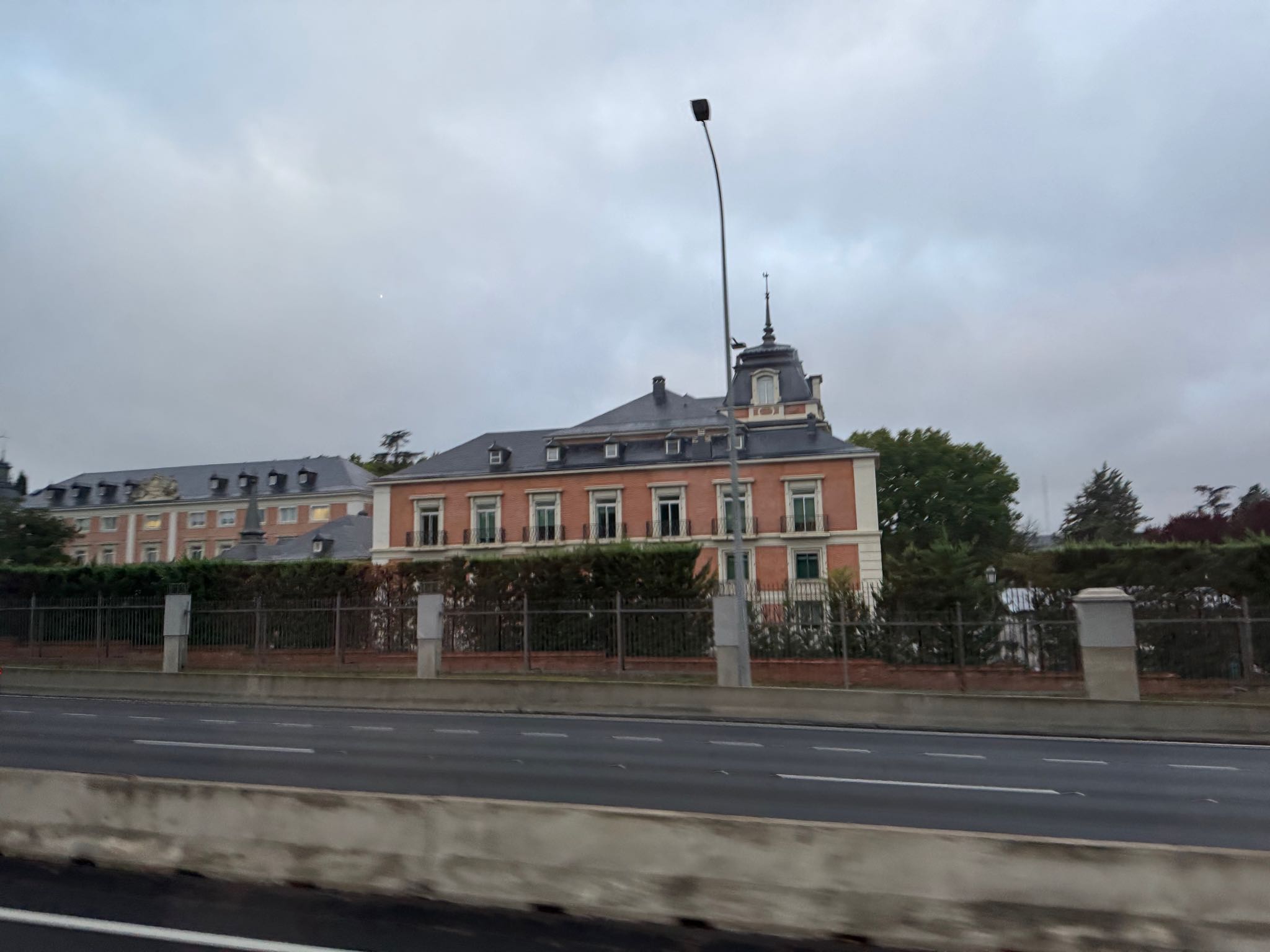
We go past the president’s house (their White House). 

There are 17 states in Spain. 

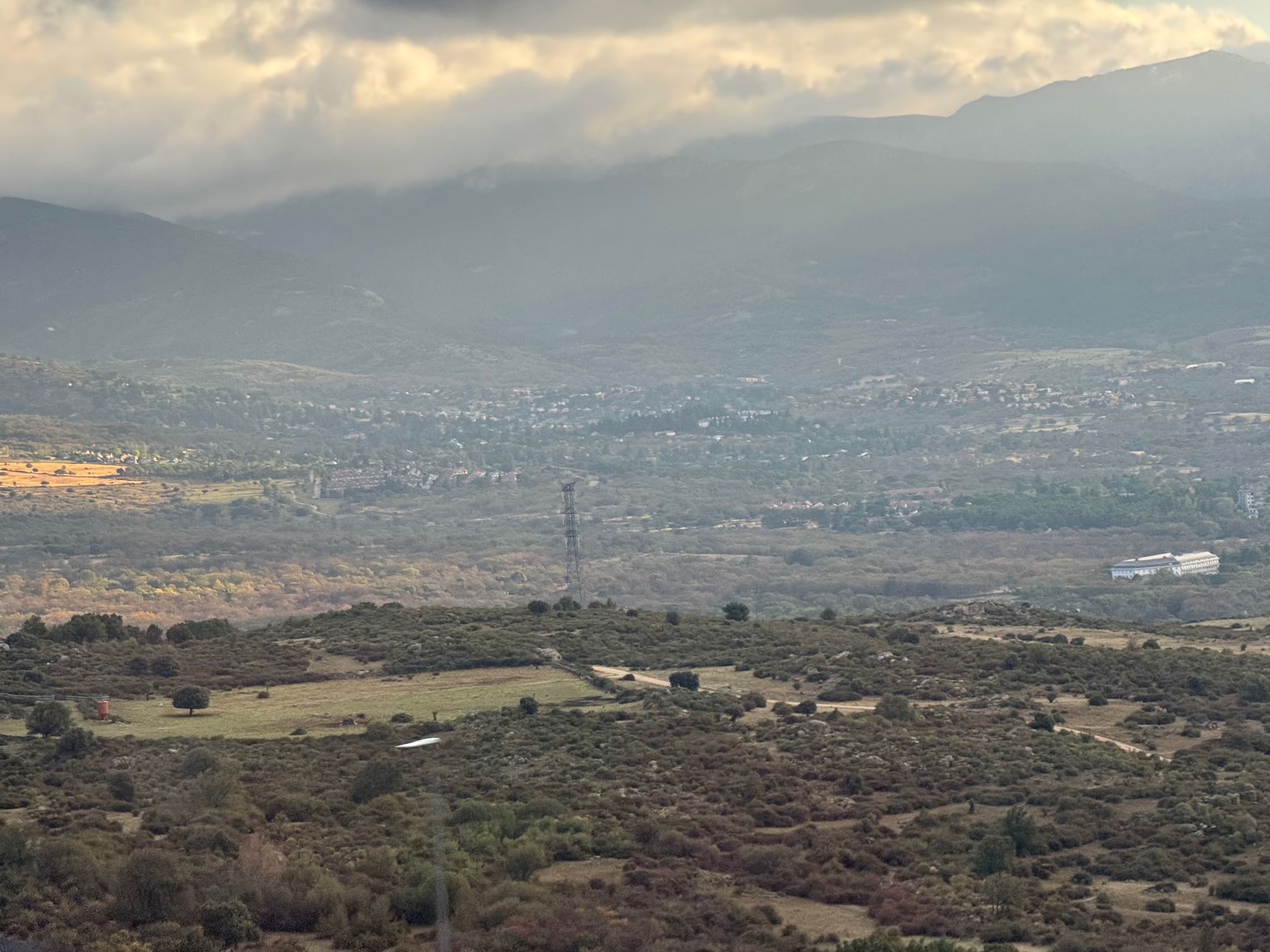
We drive for an hour through traffic, commercial areas, and misty hills. 

I ponder for a moment being in this place 500 years ago, riding a galloping Spanish horse across this plain. One of my favourite movies, the original Gladiator with Russell Crowe, features a house on the Spanish plains. I feel like I can see it out the window. 

The Carthaginians when crossing Spain found lots of rabbits – calling it I-shphanyia (land of rabbits). The Romans adapted this to “Espanola”.

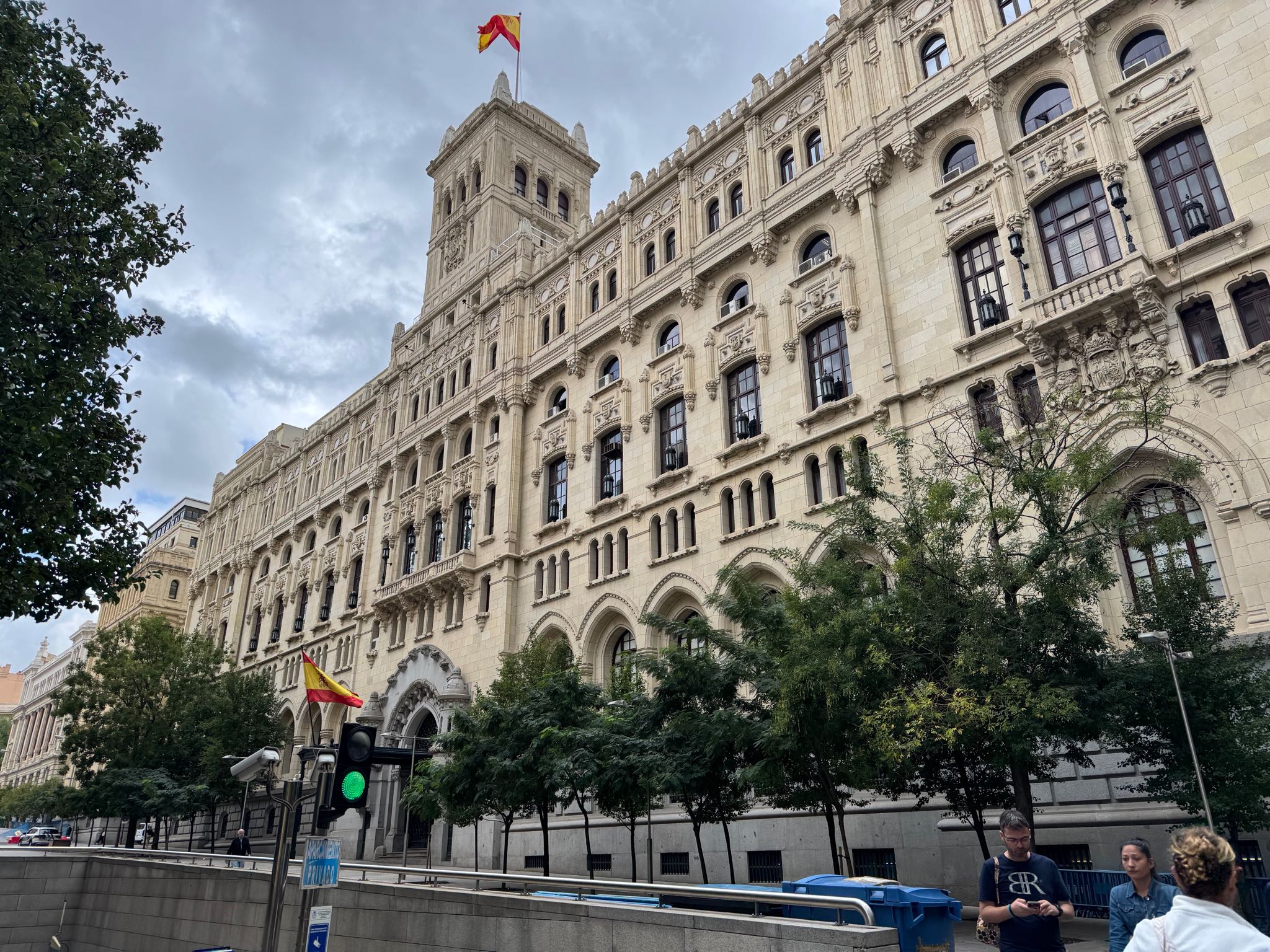
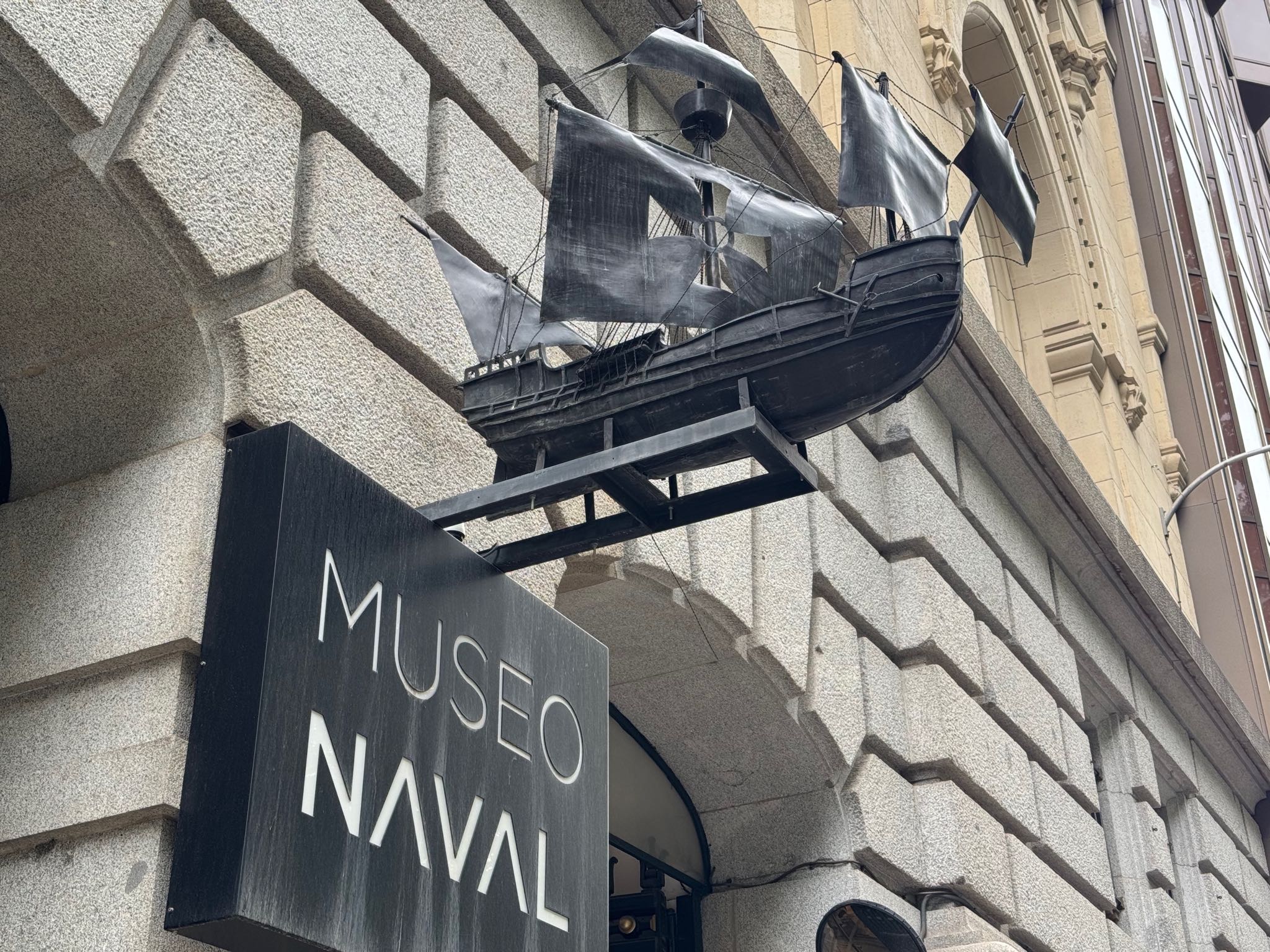
Tuesday 6 October – Maritime Museum

I am aware that among my readers there are those that lived through the Vietnam War. To my best approximation, this must have been an experience of asymmetric death, worry and funerals – all with an unpalatable ideological justification. So to speak of a military museum in any positive terms will seem incongruous.  Keeping that in mind, I’m aiming to draw out positive themes from a time of fewer opportunities for advancement and seeing the world.

Museums are about a narrative. How did the thing become great? What caused it? What replaced it? Why did it become insufficient? If you narrow the scope to history museums, then you can ask: How did they fund it? Did whoever was paying for it keep having money, or did they run out for some reason and stuff up the whole dream?

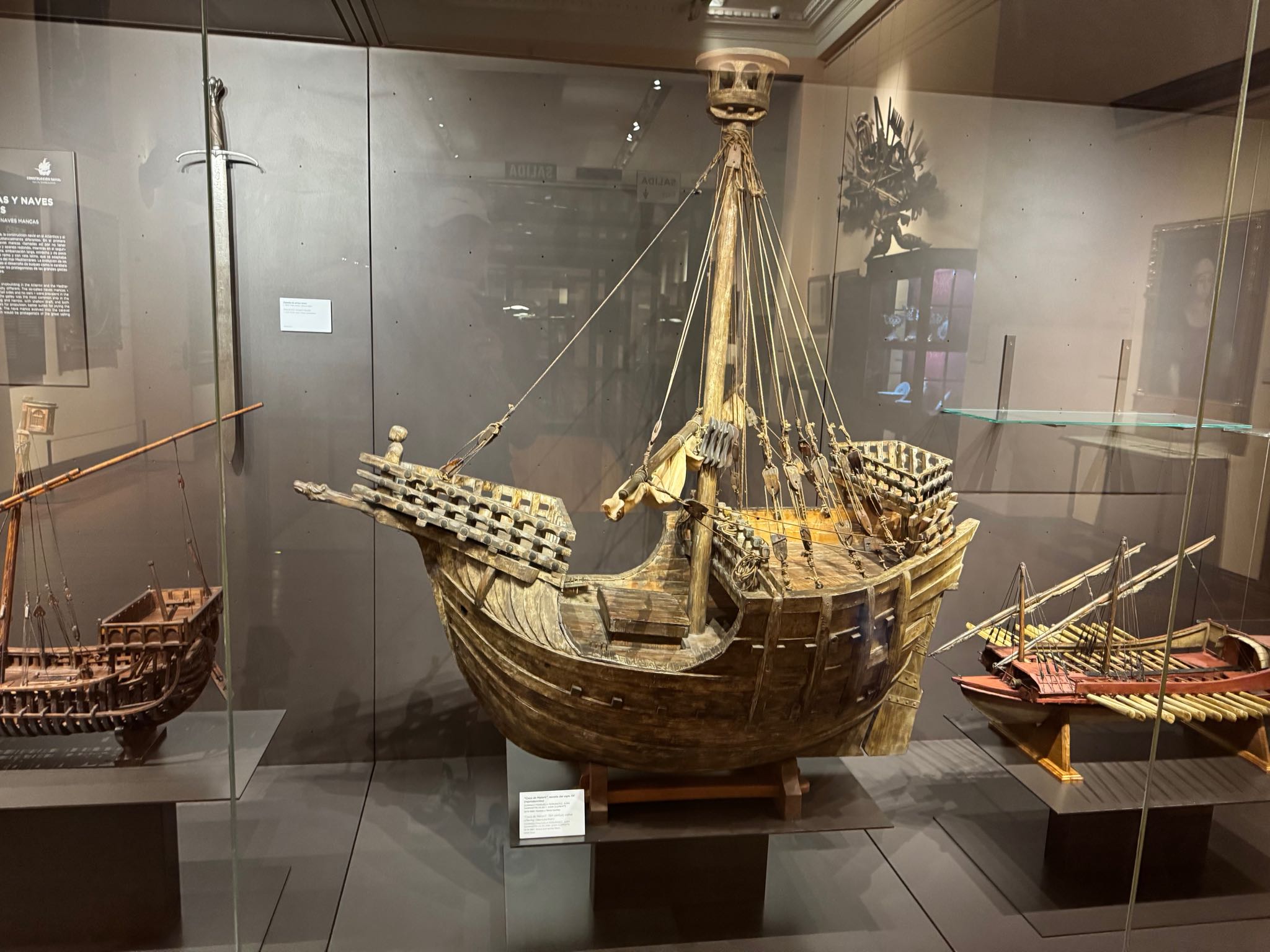
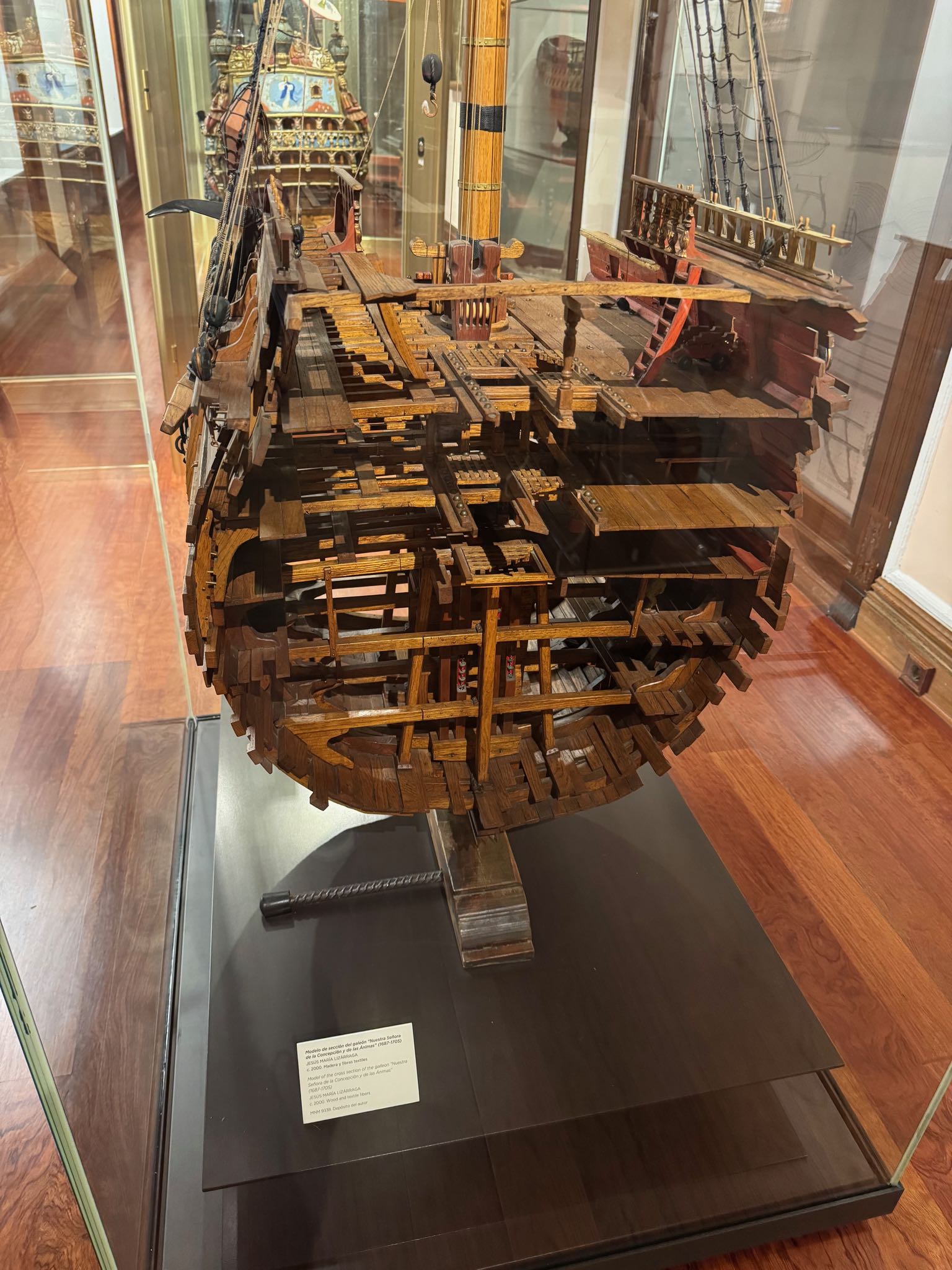
But – you might ask – why in Madrid? It’s about as distant from the Coast as possible! The answer comes back to funding and project management. To get your ship built, you need a design and you need funding. So you need to go to Madrid (where the money is) with a design (a wooden model) and convince them that yours is better than the other designs going. Then you take the wooden model and give it to the Carpenters and Shipbuilders, along with your massive cheque, and get them to build it.

So a potted summary – the history of the Spanish Navy in three distinct phases:
Phase 1: Ascent & Mediterranean Hegemony (1469–1580s) – The marriage of Isabella I of Castille and Ferdinand II of Aragon laid the foundation for a unified state. In 1492 they finished conquering it all, plus the conquest of the Americas brought wealth to fund state military power. The Naval dominance reached its peak with the defeat of the Turks in 1571 – ending the Ottoman domination of the Mediterrean.

Phase 2 – Atlantic Overextension & Growing Rivals (1580s–1650s)
In 1588 Phillip the second dispatched the Armada to invade England, which was a disaster. The Spanish did rebuild their fleet quickly, it did mean that they no longer had uncontested control over Atlantic trade routes. In 1639 the Dutch destroyed a massive trade fleet – ending Spanish control of the Northern European Seas.

Phase 3 – The Long Twilight & Collapse (1700s–1930s)
A brief Naval rival under the Bourbon was cut short after the Battle of Trafalgar (1805). Spain lost its line of battle ships, and its control over the American empire. Internal instability, culminating in the Spanish Civil War (1936-1939) consumed all state revenues and capital.

The Museum would like to say that Spain has recovered to a degree today, and is building ships and projecting its Navy.

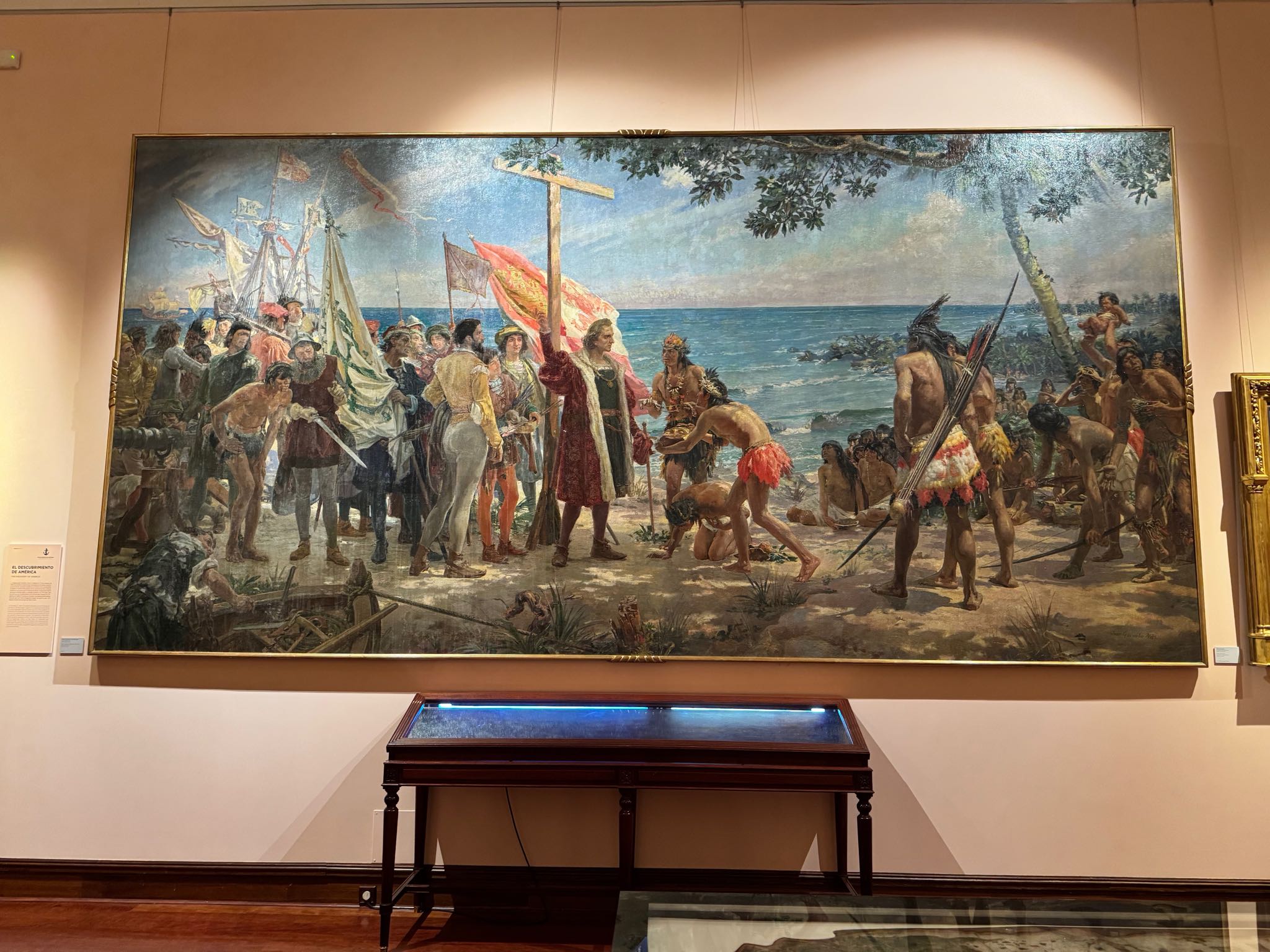
A section devoted to discovery of North America:

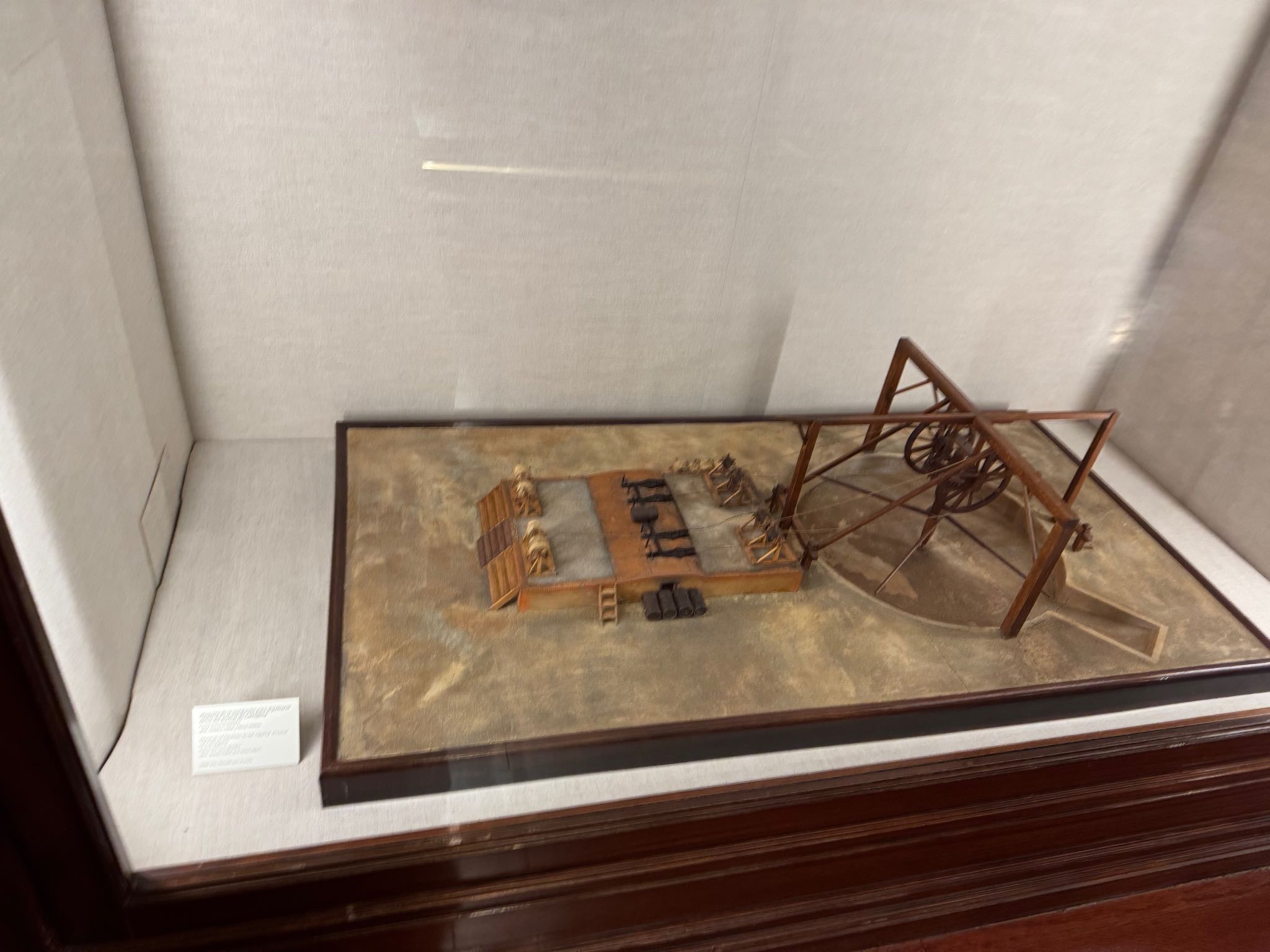
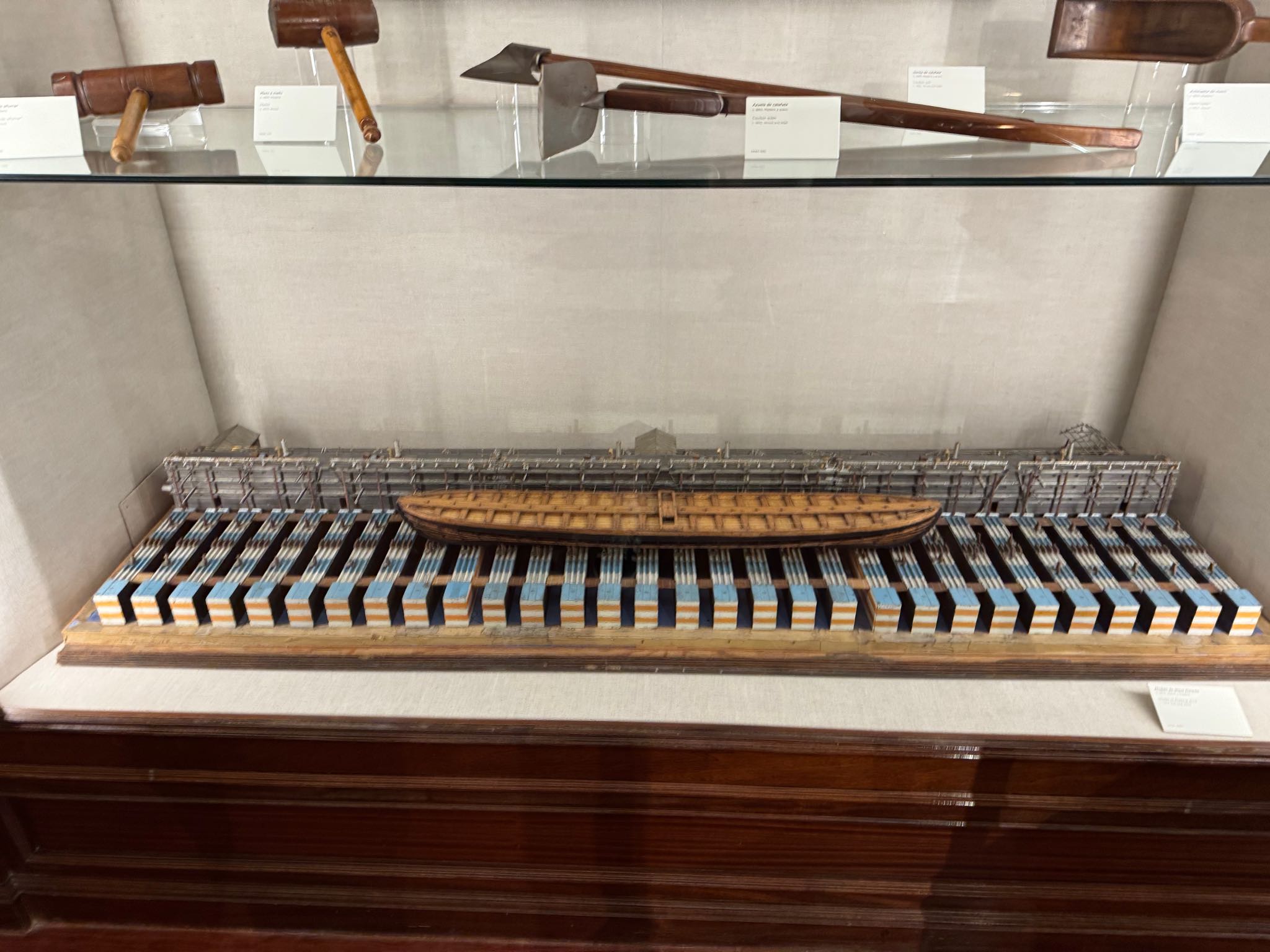
So much not just about ships, but the yards and machines for building ships as well. I suppose those need funding proposals too.

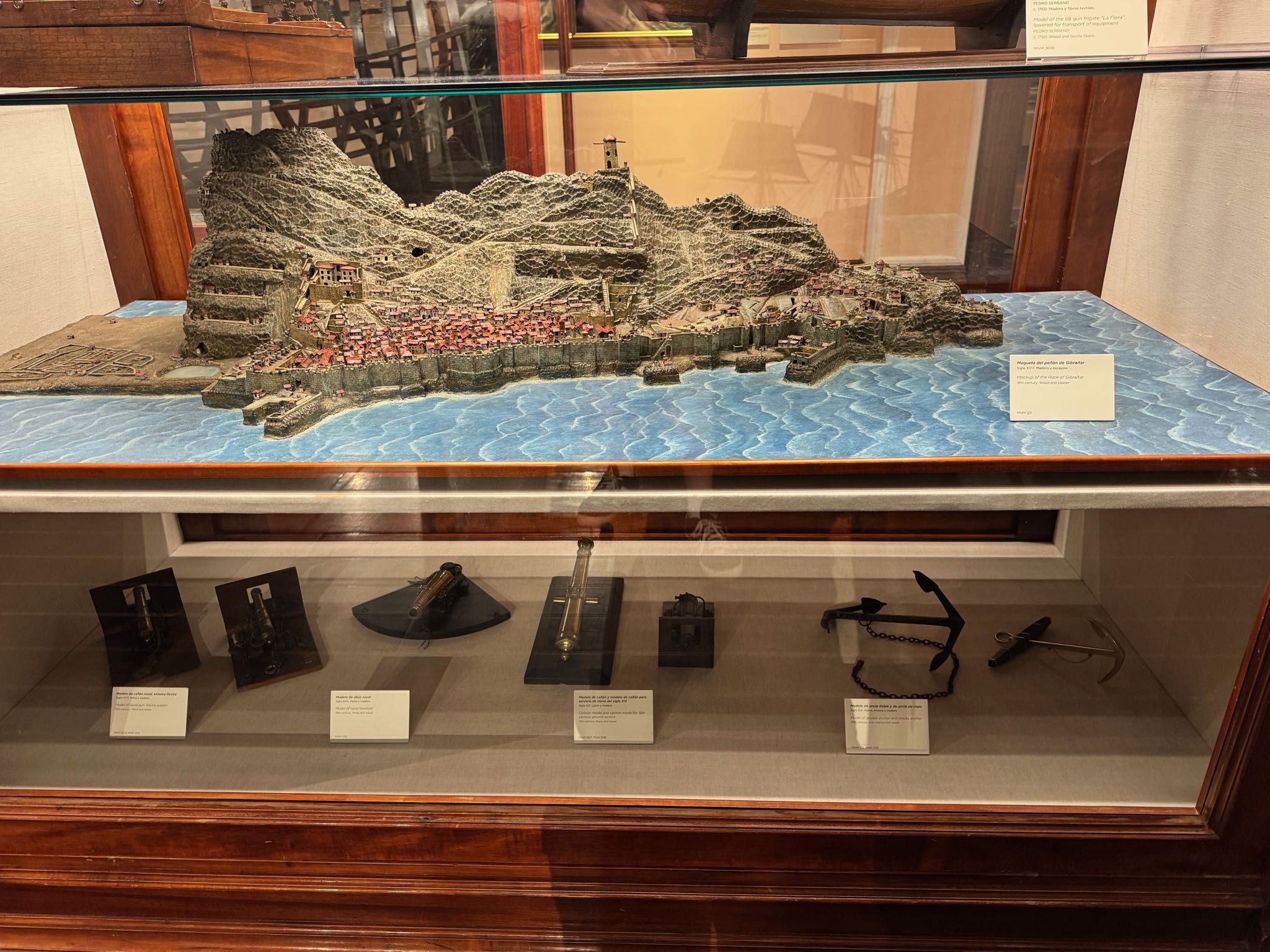
The Rock of Gibraltar. So many Patrick O’Brian stories from there. I’ll get there one day.

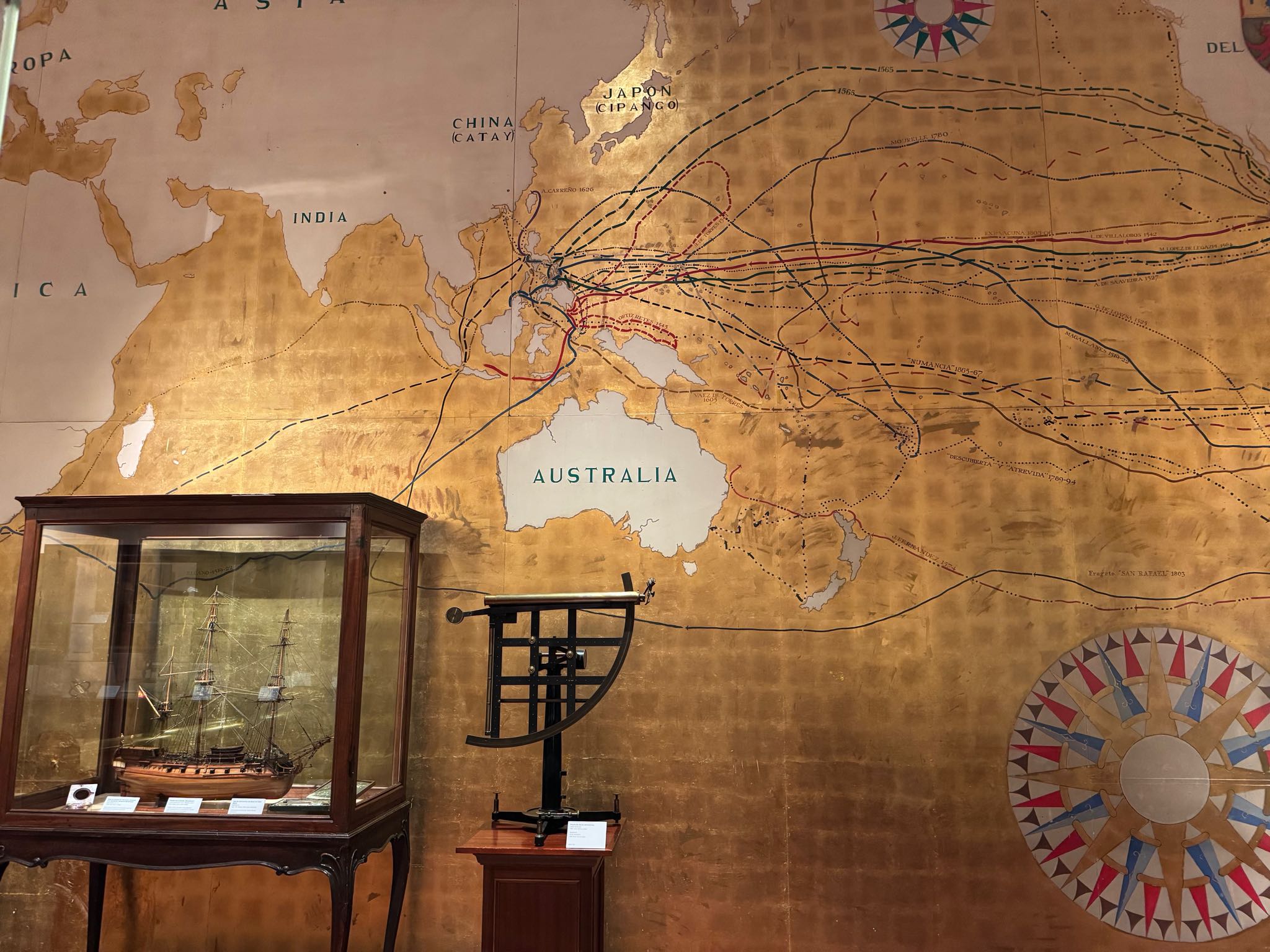
A painting pointing out that the Spanish came to Australia well before the English.

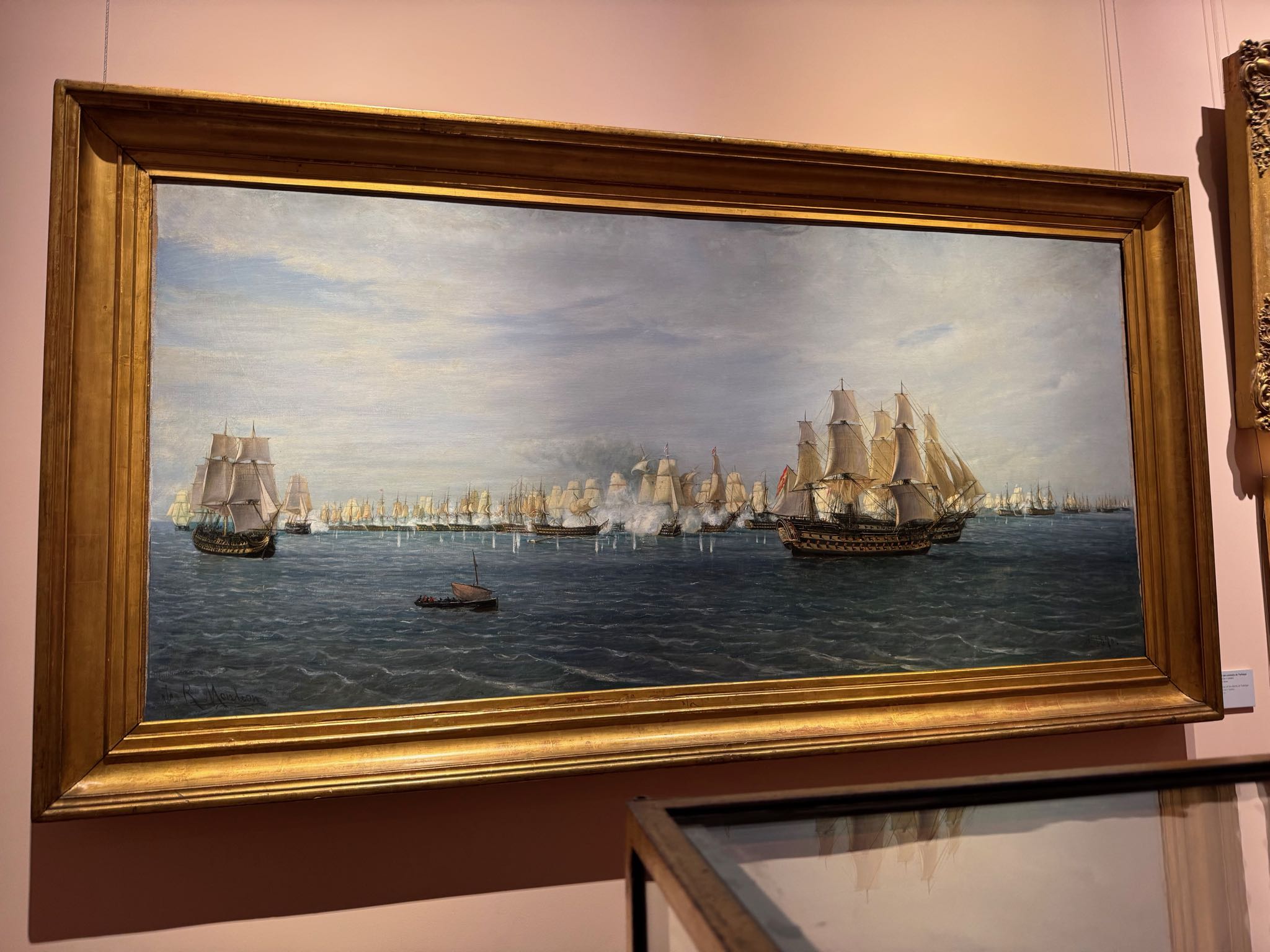
The battle of Trafalgar is parked quietly in a corner. 
There is a wing devoted to the Spanish navy running out of money. 

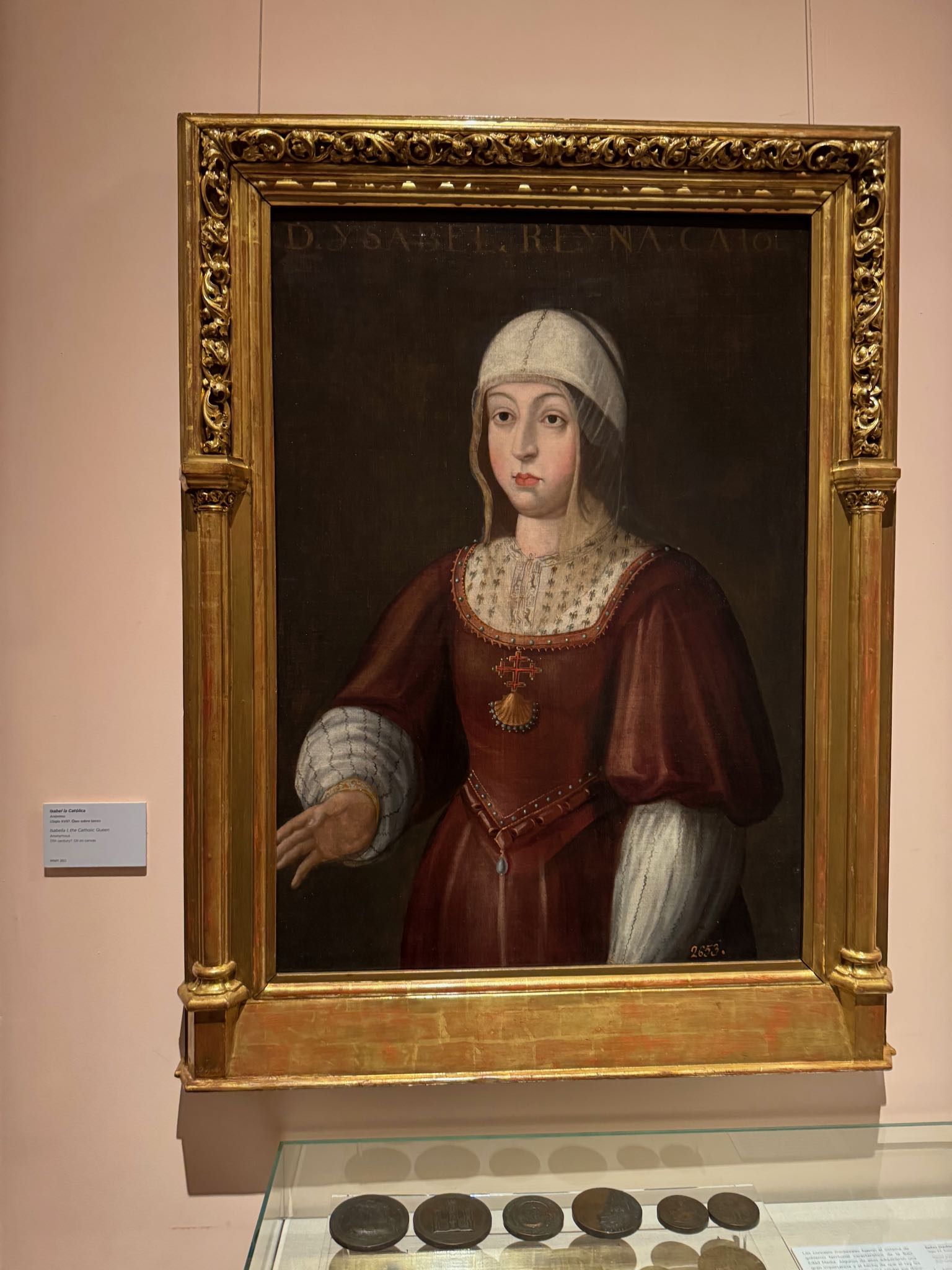
There is a painting of Isabella the first – looking very Catholic and dour. I imagine her life involved many people close to her battling Moors – and keeping everyone motivated to that cause.
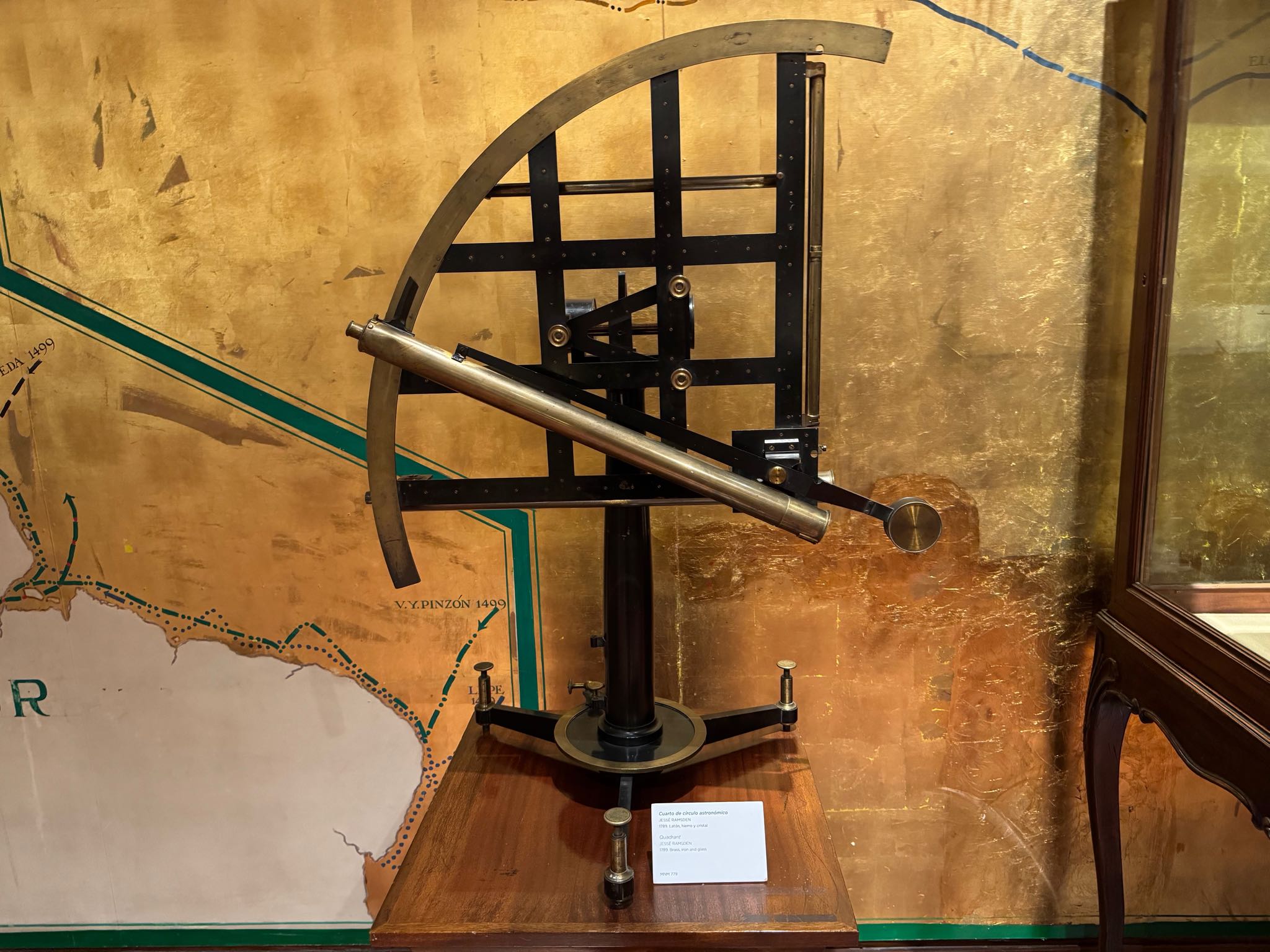
I ponder how we teach trigonometry in classrooms compared to that period. Back then it was much more concrete, more life and death. Now it’s just semi-circles and numbers on a blackboard. I look at my own kids experience (and to some degree my own) and wonder if we could make it more engaging.

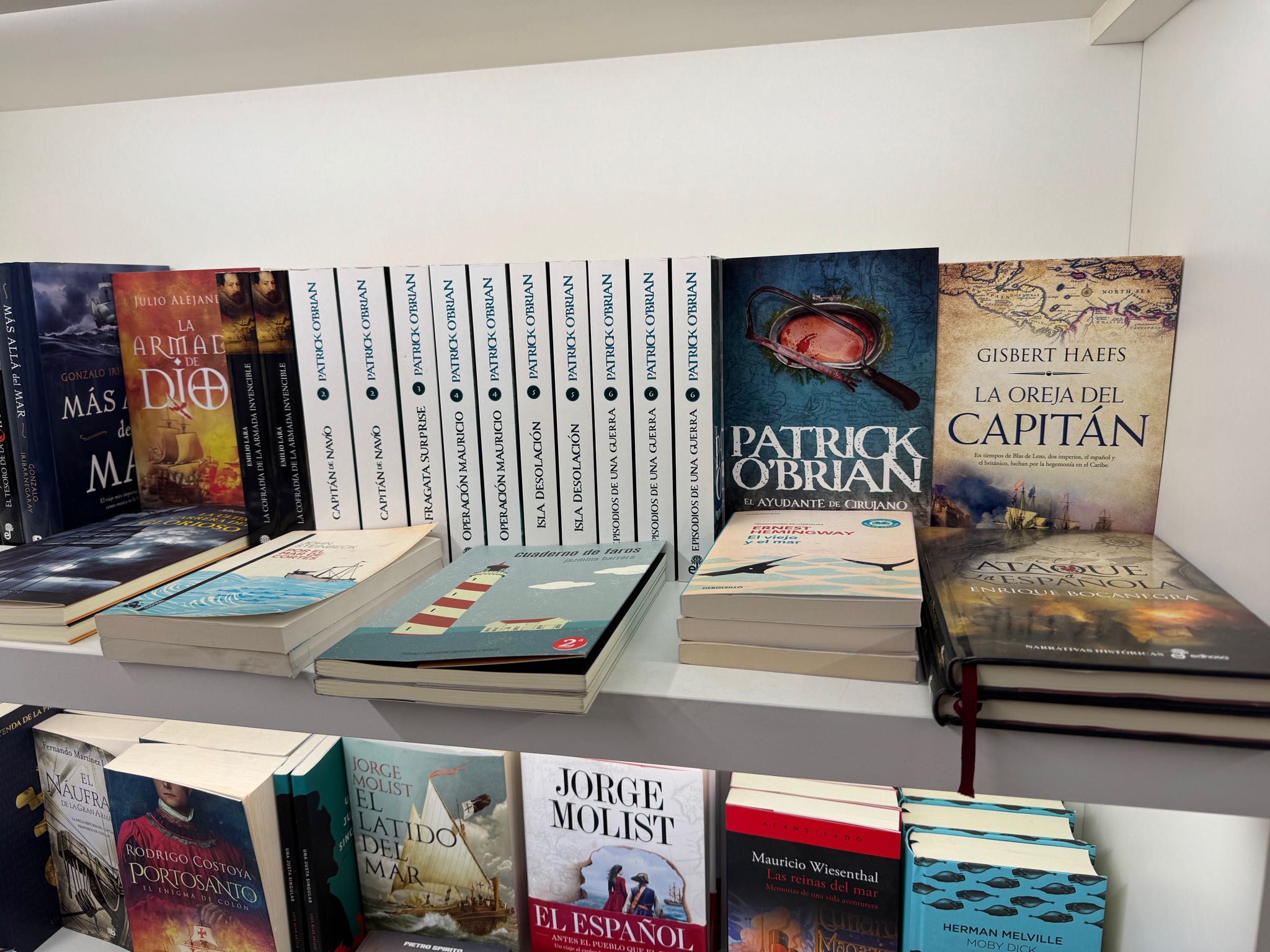
In the bookstore a dedication to Patrick OBrian.

The Madrid Navel museum wants to say that the future is bright for Spain, and they are a player on the world stage. They have had plenty of knock-backs over the past 500 years, but always manage to pick themselves up again. (Quite a different message to what Portugal projects).

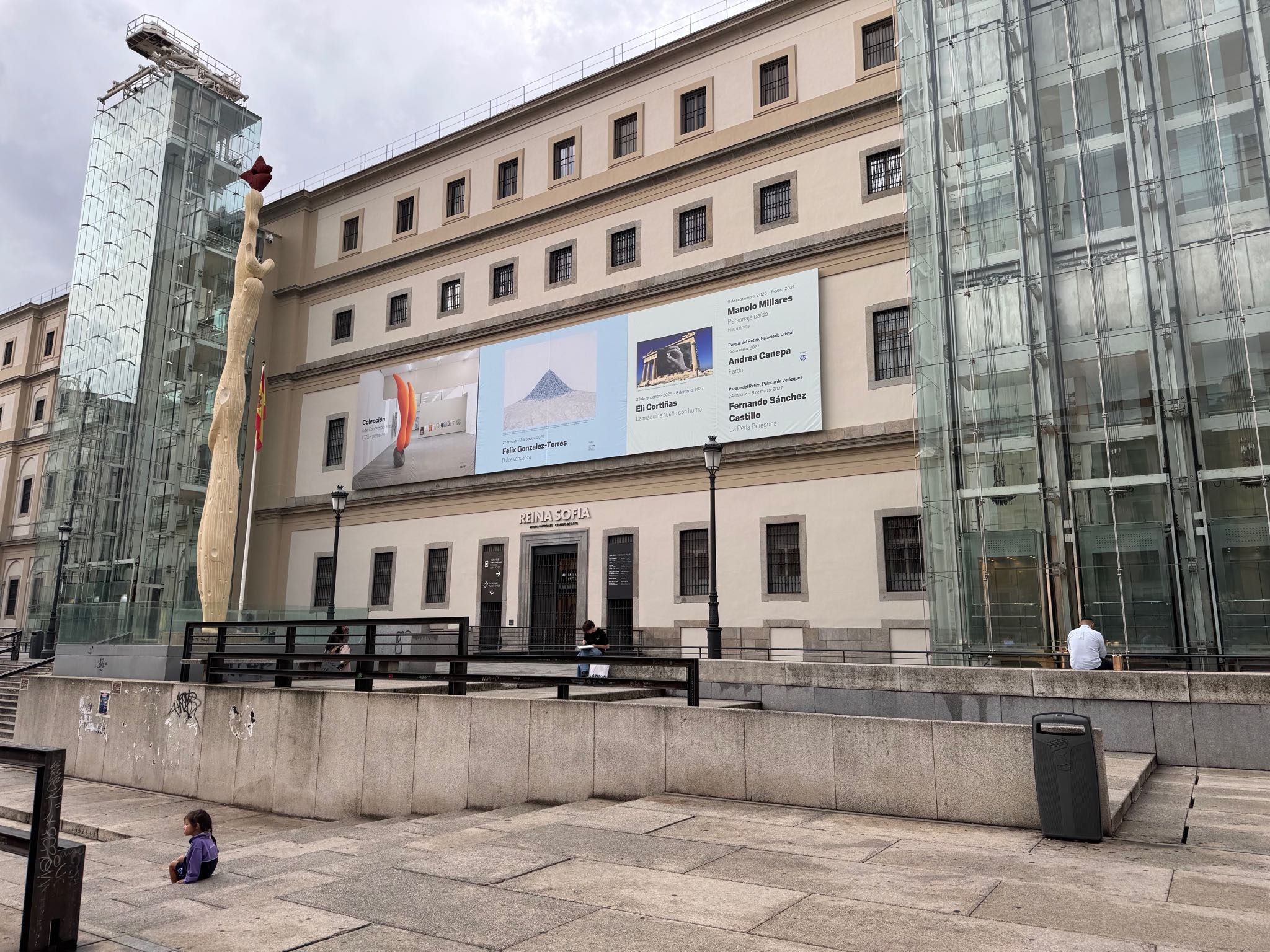
Brief visit to Reina Sofia museum. I have to fill in some of the blanks here.

One of Picasso’s paintings on display is the Guernica. It talks about the Bombing of Basque by the Germans and Italians in 1937, condemning fascism, giving voice to the defenceless. It also speaks into a deeper war-torn feeling of a Spain that had come out of WWI and the Civil War. Whilst recent generations in Australia remember the horrors WWII and the Vietnam War, Australia is the kind of place where you hide away from that, it’s not as much part of the national story (thank goodness) except for Anzac Day.
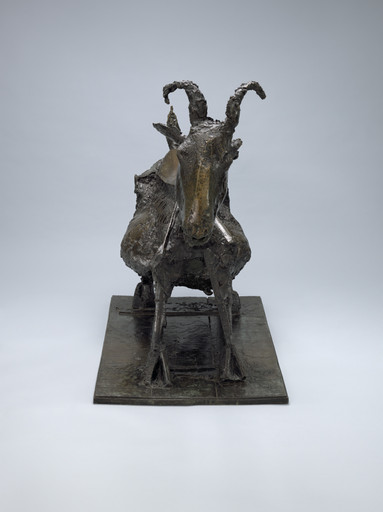
One of Picasso’s most famous Sculptures is the She Goat. It represents post-war optimism and his life with Françoise Gilot and the birth of their children. These themes resonate with me. You kind of have to contextualise it in in the horrors of war, and the simple life of can-do attitude afterward.

Artists (William Blake – 1795) talk of Newton splitting the fusion between art and science, leaving a cold stark mathematical world view. In Madrid they work to reject that idea, and hold strongly to the idea that art and science are part of everyday life.

On the way back we get caught in the rain.

No one feels like dinner after that lunch.