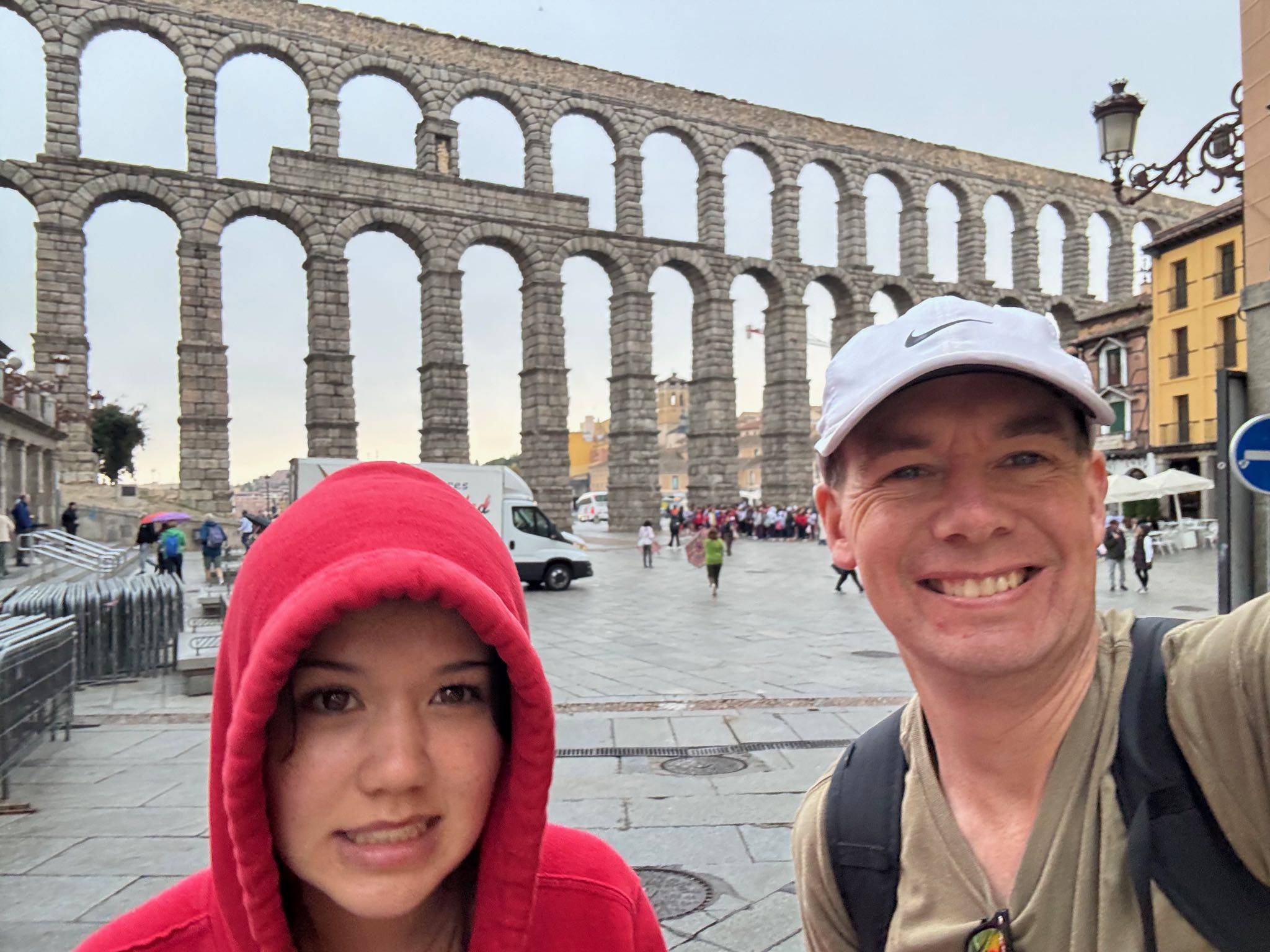
What is the essence of Engineering? What is it about? Some might say “it’s in the word, it’s about engines.” This aqueduct doesn’t pass that test.
Others might say, “It’s applied science.” The Ancient Romans didn’t have a thing we recognise as science.
In banking and finance we would say it’s risk management , but nobody likes that idea.
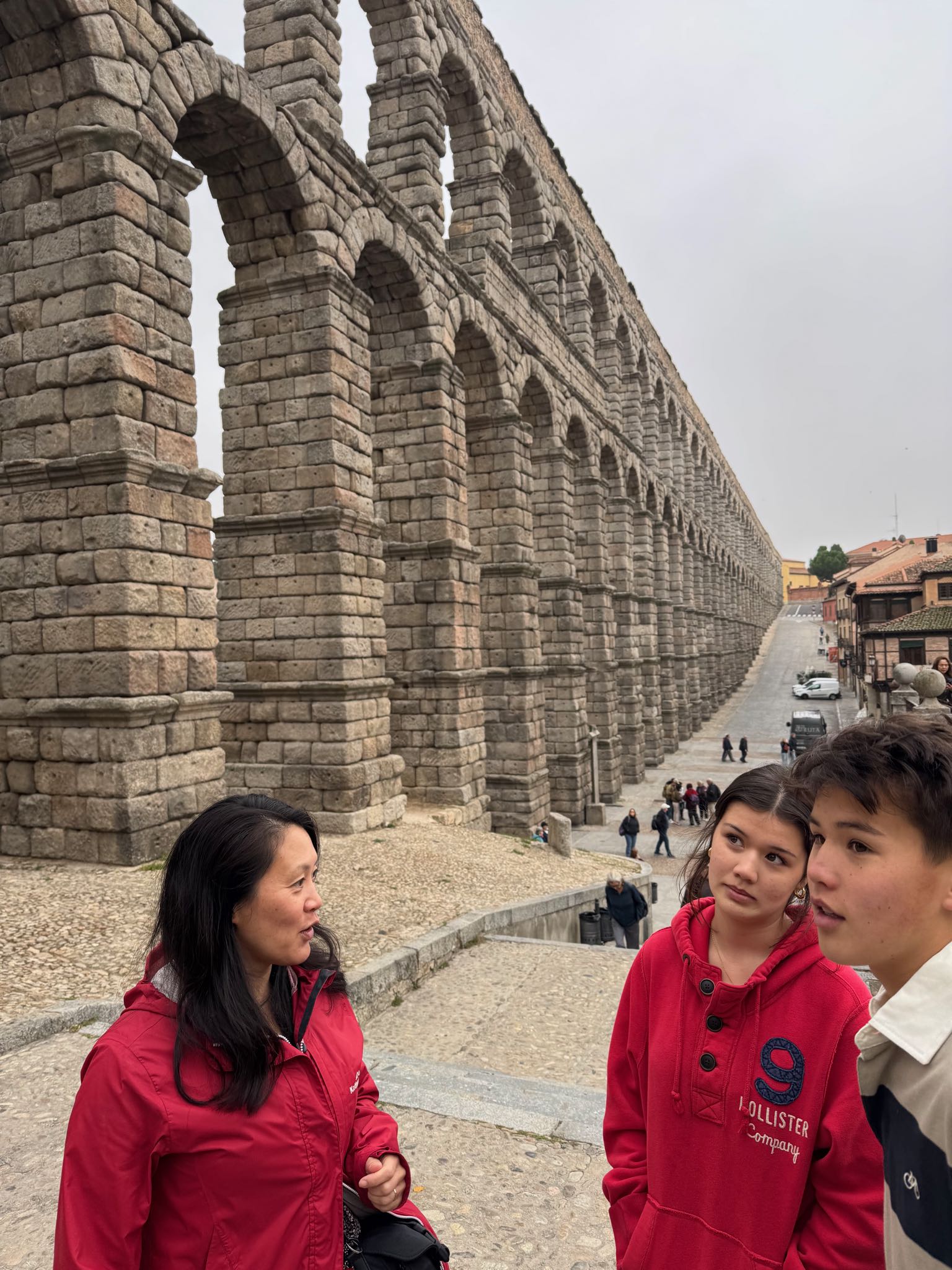
You might say, “It’s a grab-bag of techniques for making it happen and solving problems.” This, I think, comes closer to the mark.
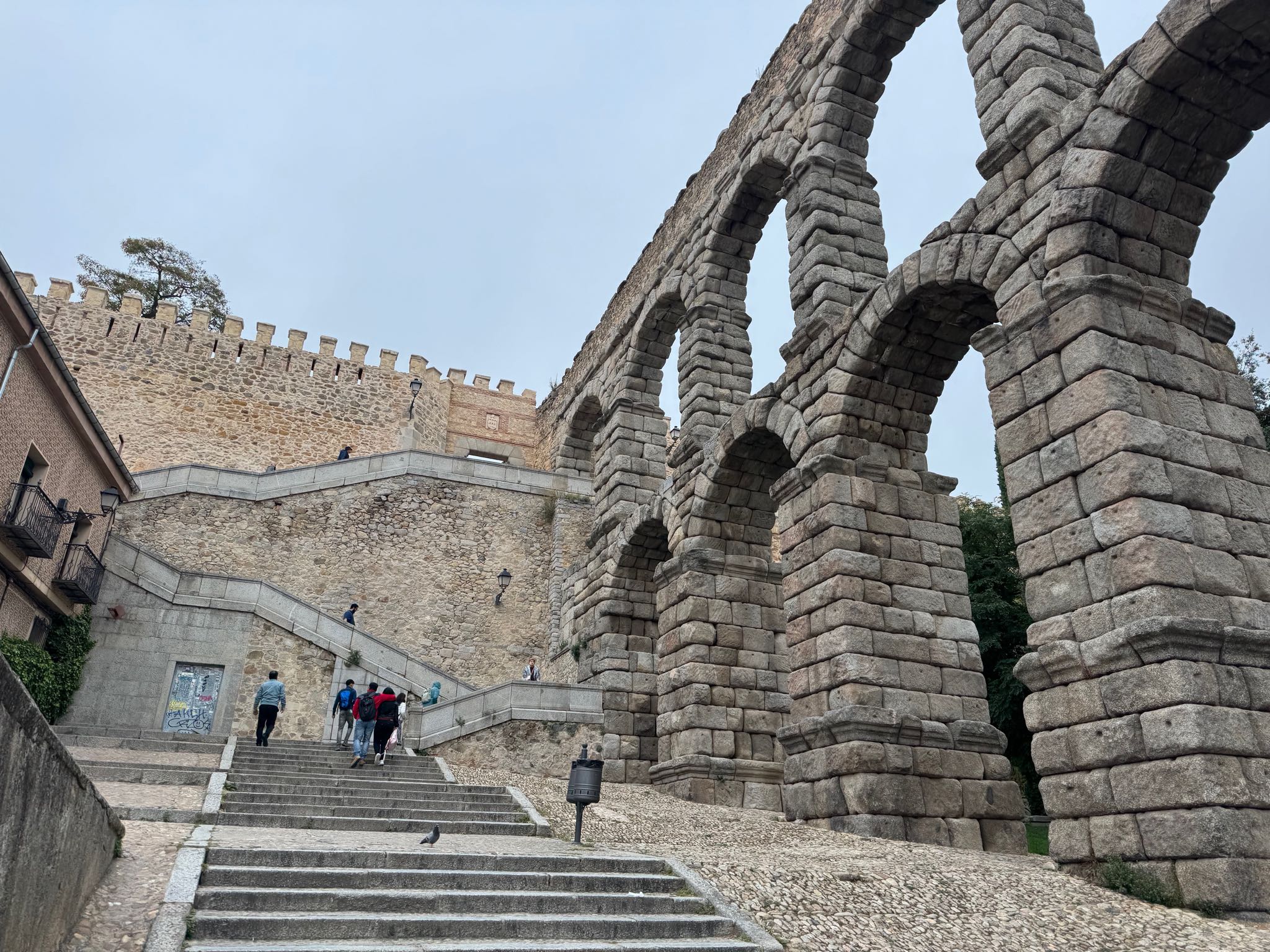
“Engineering,” an American friend told me confidently, “is a craft. The Ancient Romans would make the chief engineer stand under the bridge or aqueduct, and then take a bunch of horses over the top. It was literally on his head be it.”
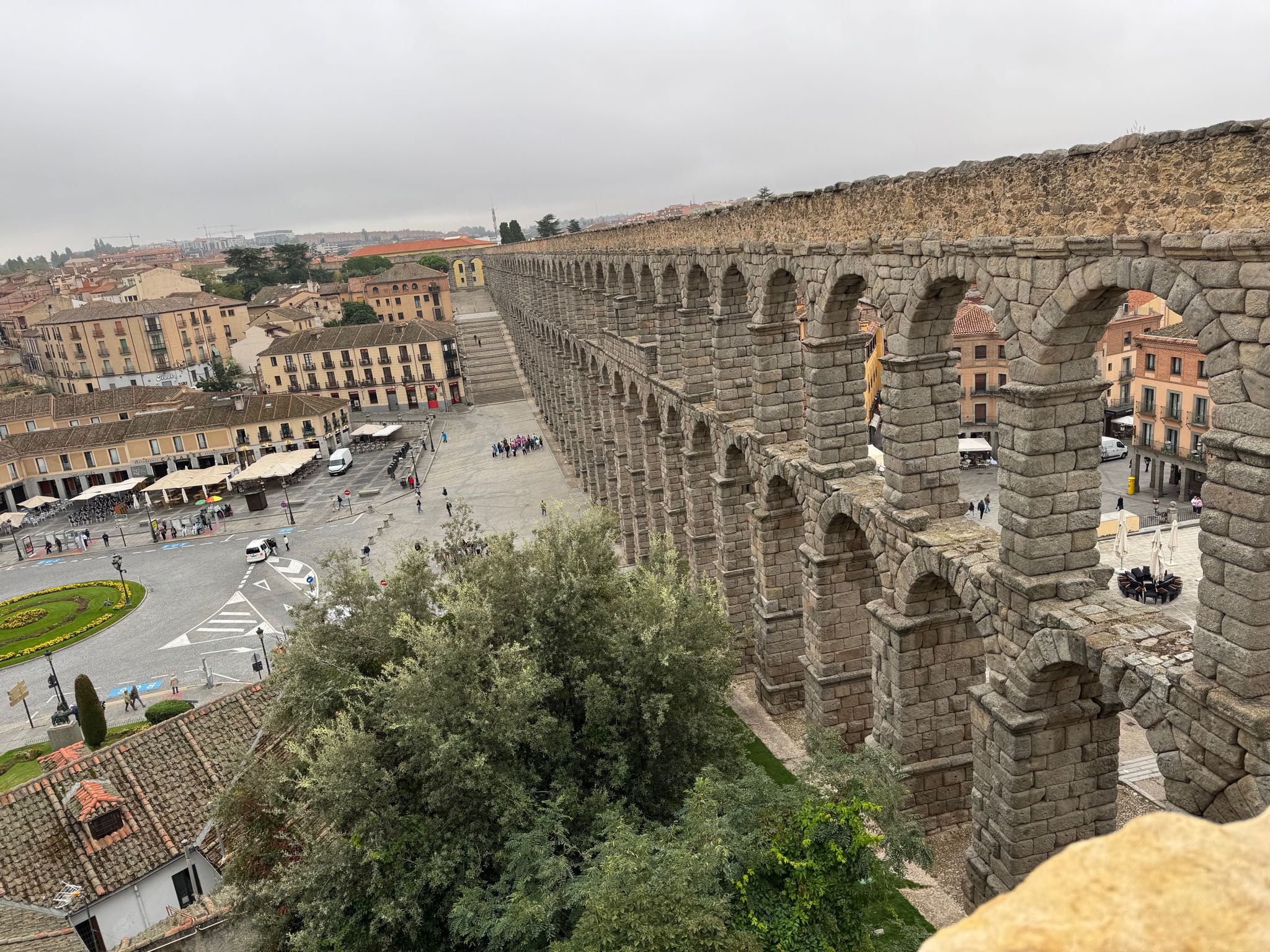
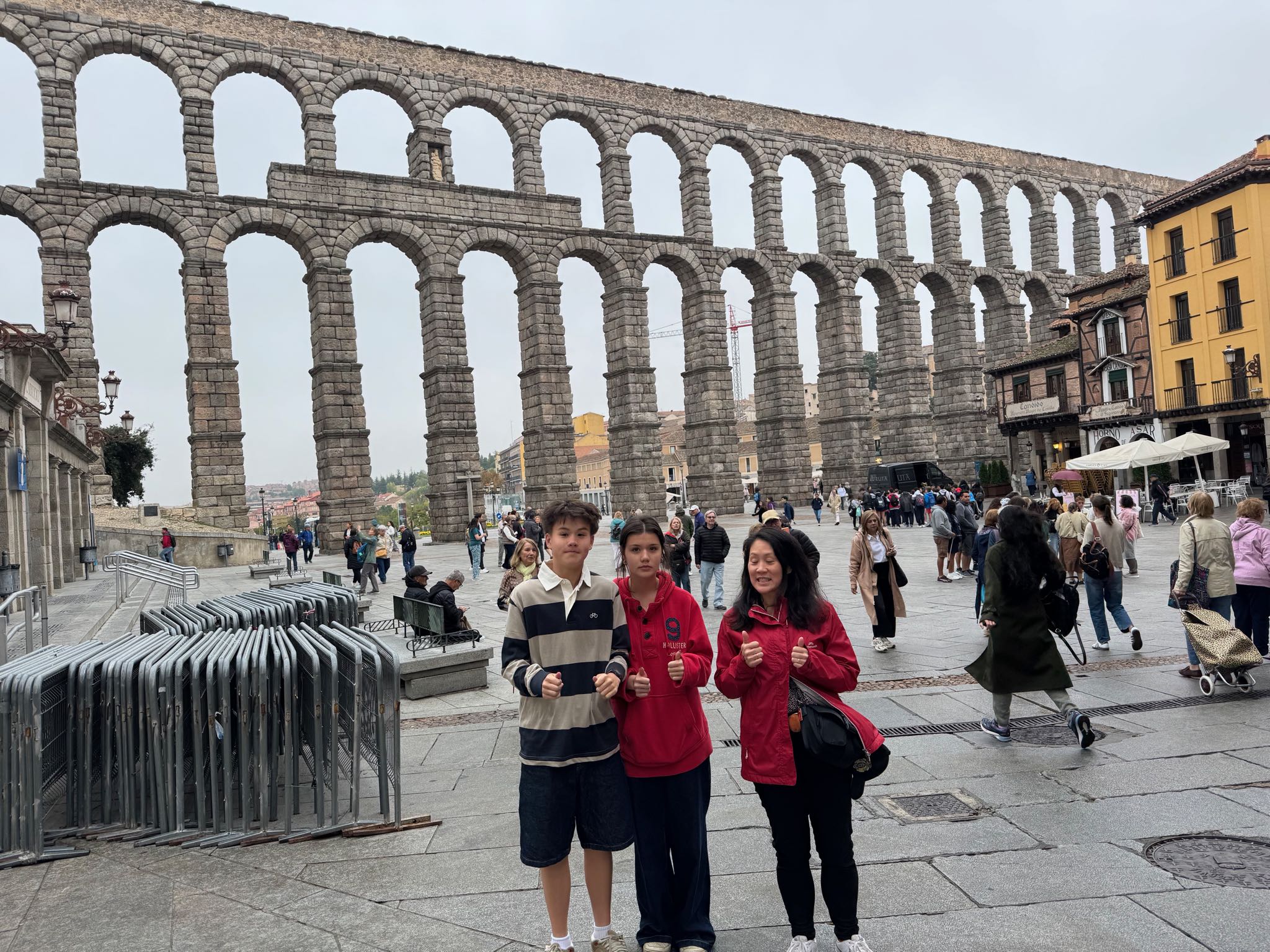
I ponder the Engineer standing under those arches, and the Roman’s sadistic approach to getting things done. The arch looms at me, 1800 years old. That was one motivated engineer.
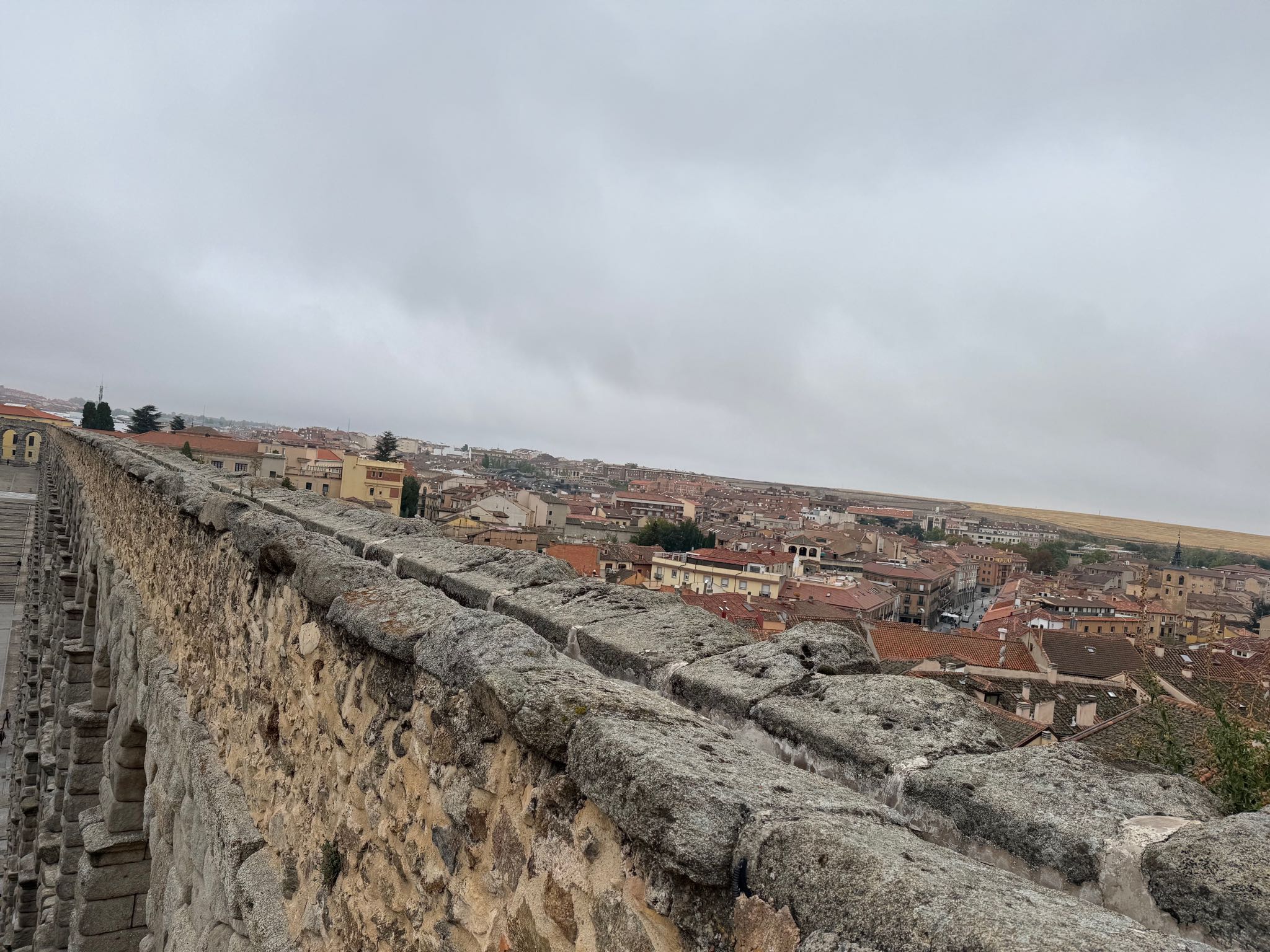
In Sergova we see the Roman aqueduct – built to bring the water 1000m over ground – and 15km underground due to not having pump technology.
The Roman aqueduct was last used in 1974 – and they put up a Roman style statue to celebrate. All from 200AD.
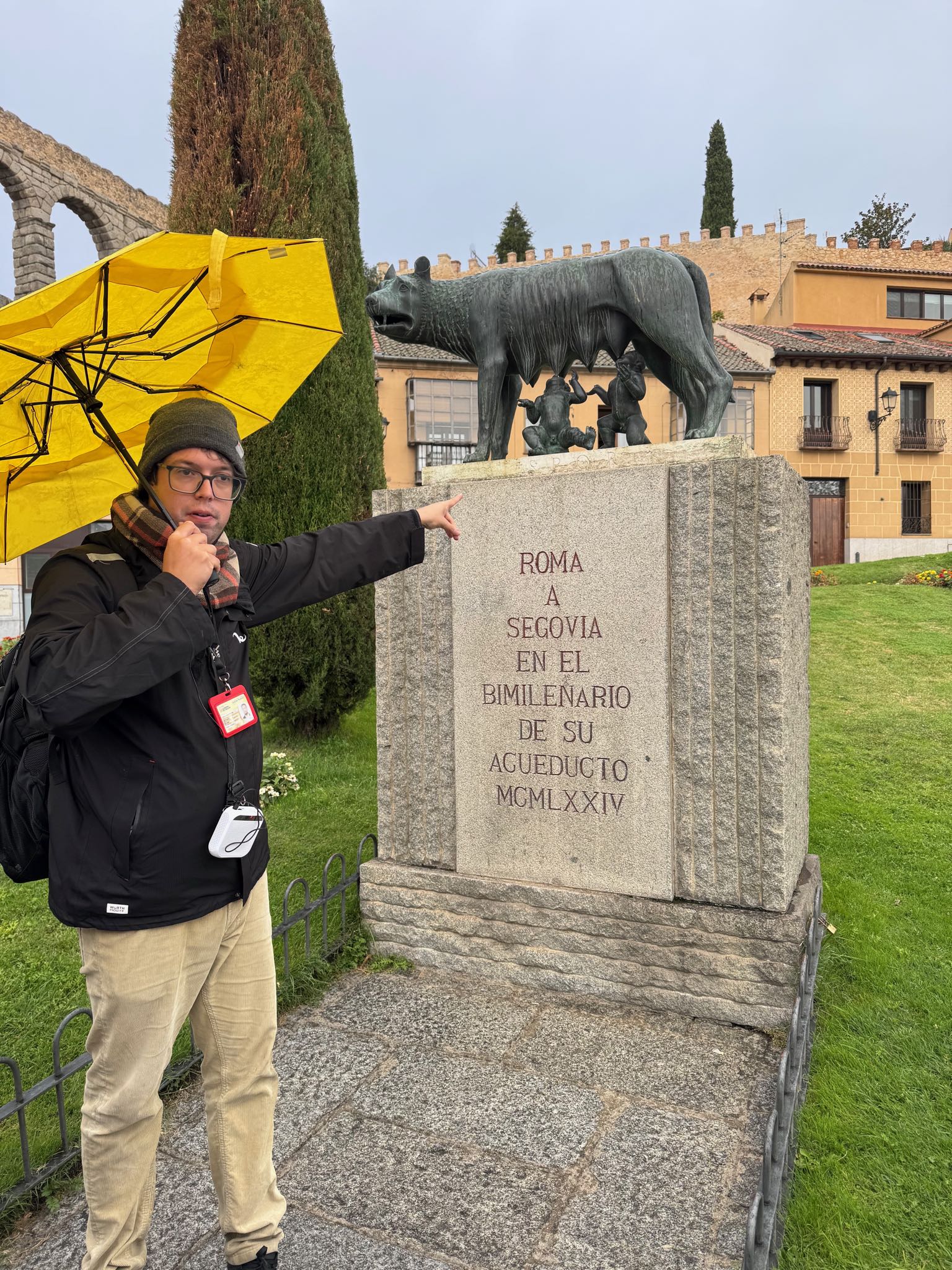
In Tolkien and Viking stories they often speak of inhabiting a land that successive civilisations had inhabited before, the overhanging buildings daring you to rise to their accomplishments.
Sergova was a capital of Castille and Leon. (Think – cities significant at the time of El Cid).
There are tombs of Christians and Vikings in Sergovia.
There are 4000 Arabic words in Spanish (my techniques and information flux transfer theory.)
We bump into Margaret Orpwood from church. (Still is following a very similar path to us – completely accidentally.)
The carvings in the plaster are modelled on an Arabic technique from 700AD.
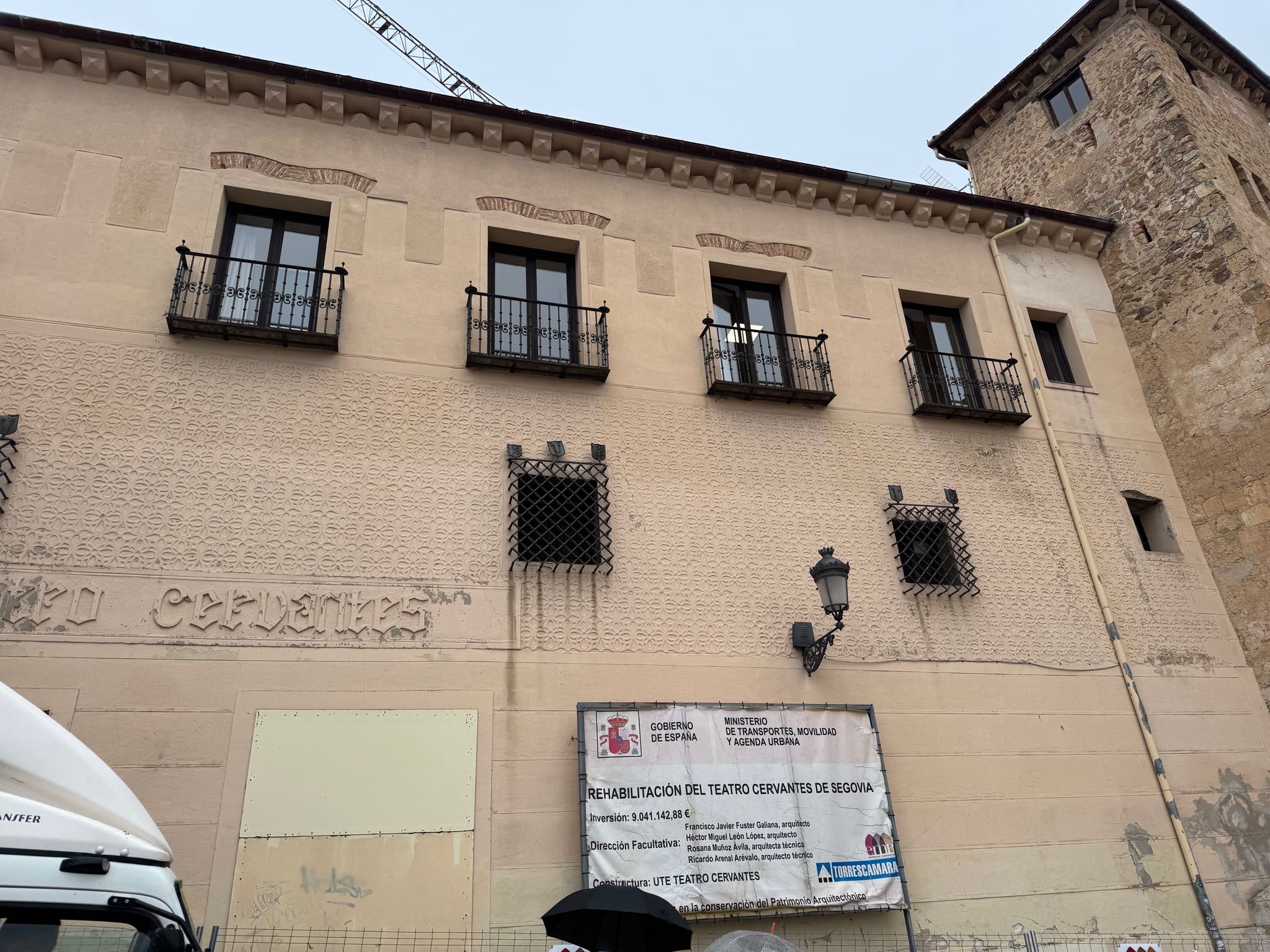
Another building follows a Crusader-era Christian design.
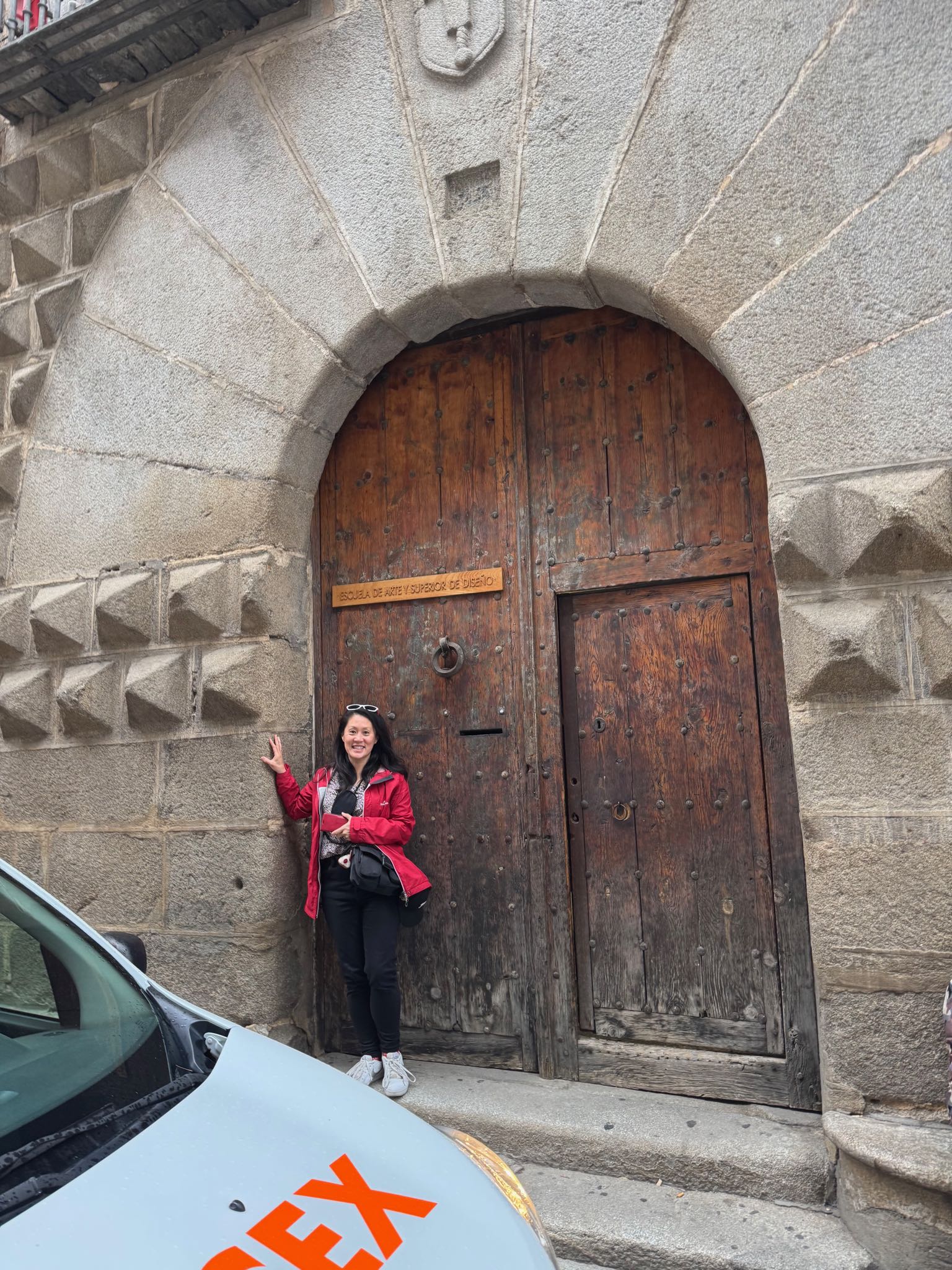
We went to a government building with mixed Christian and Moorish designs. (Dan Brown reads very heavily into the meaning of the arch.)
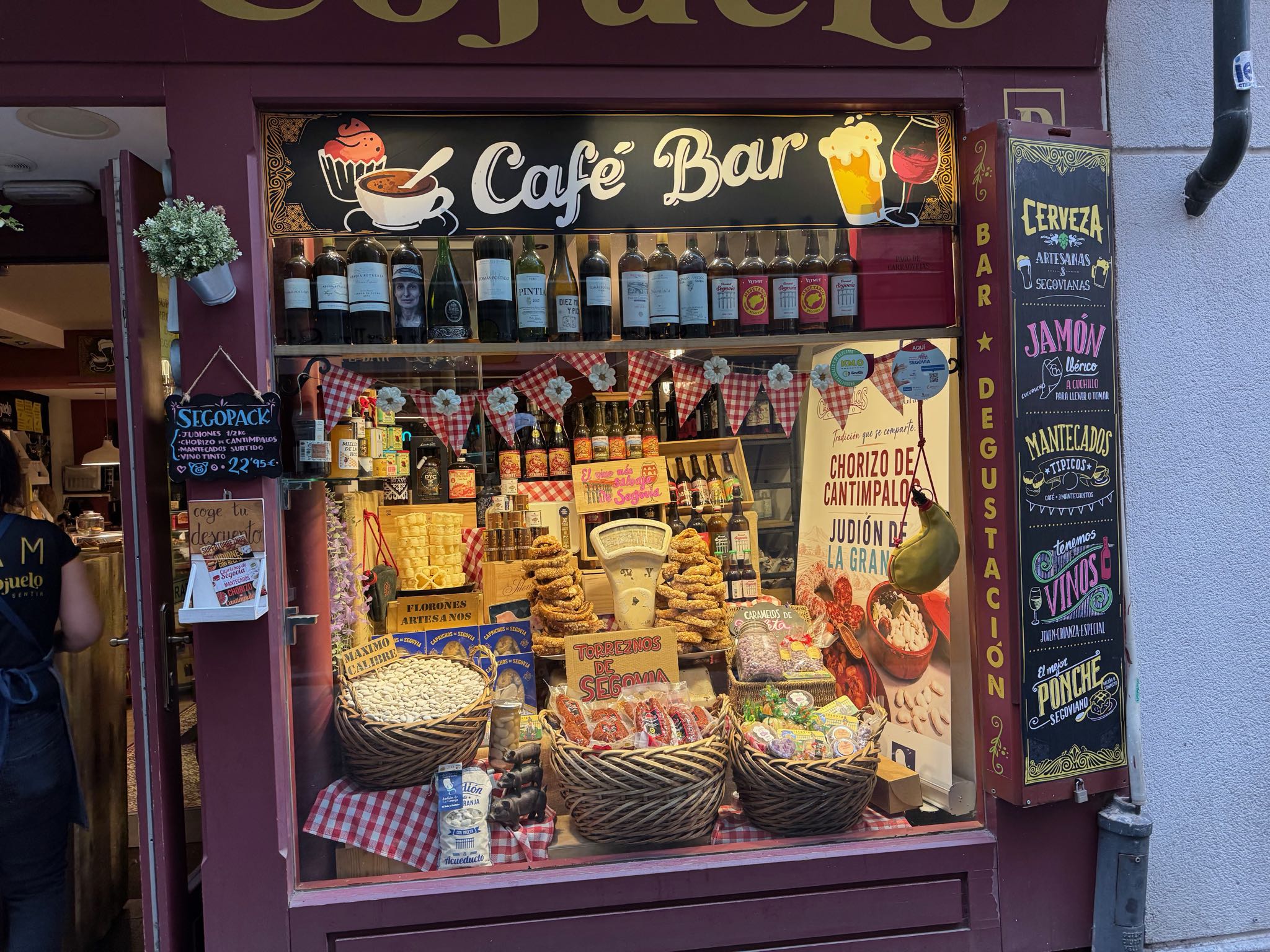
A shop/bar has pork crackling and legumes in the window.
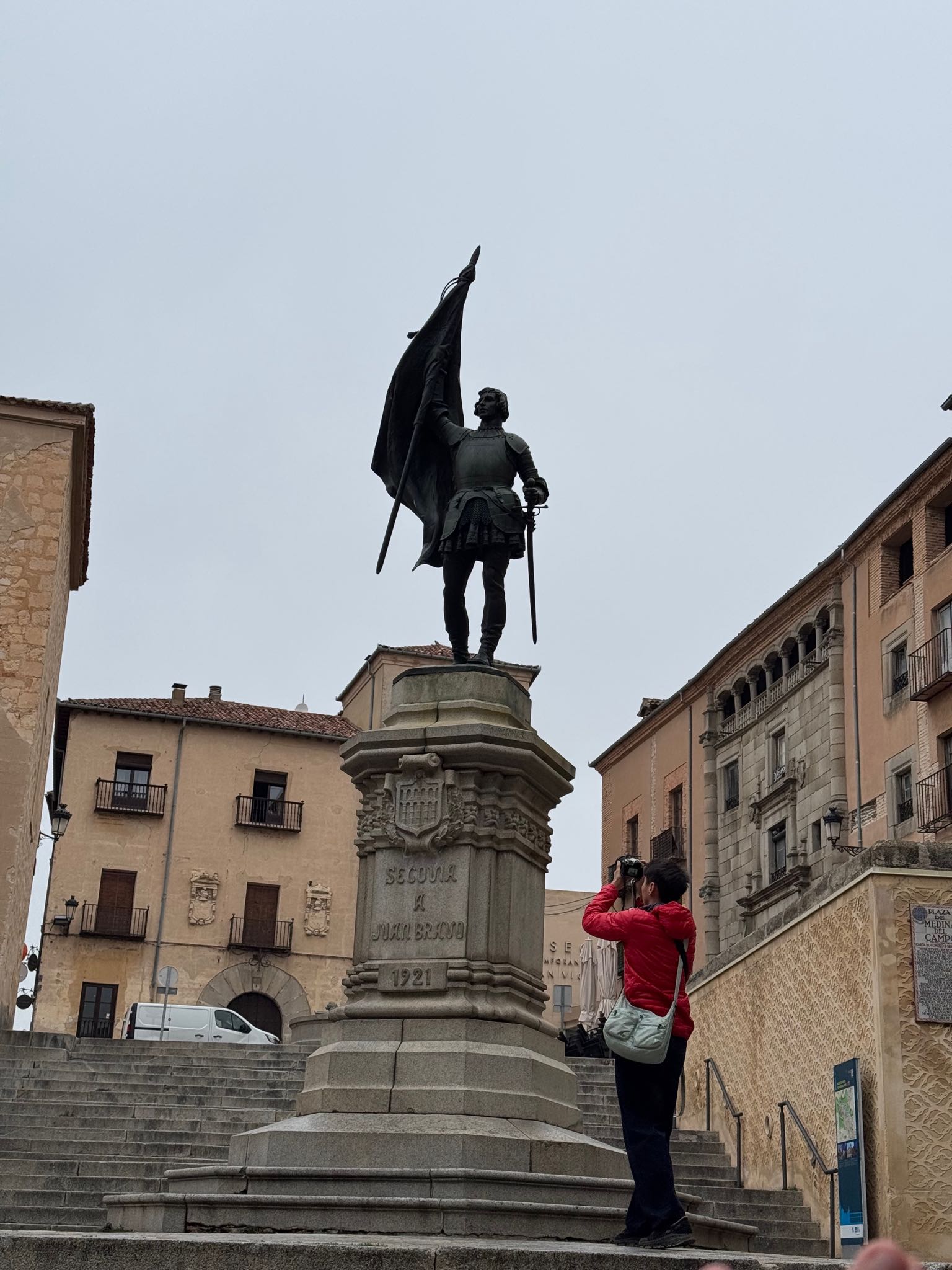
This is a statue of Juan Bravo from who lead a revolt 1520 for a revolution against the King and was beheaded in 1521. It is regarded as the first step towards Constitutional representation, ie he laid the first step towards Spanish democracy.
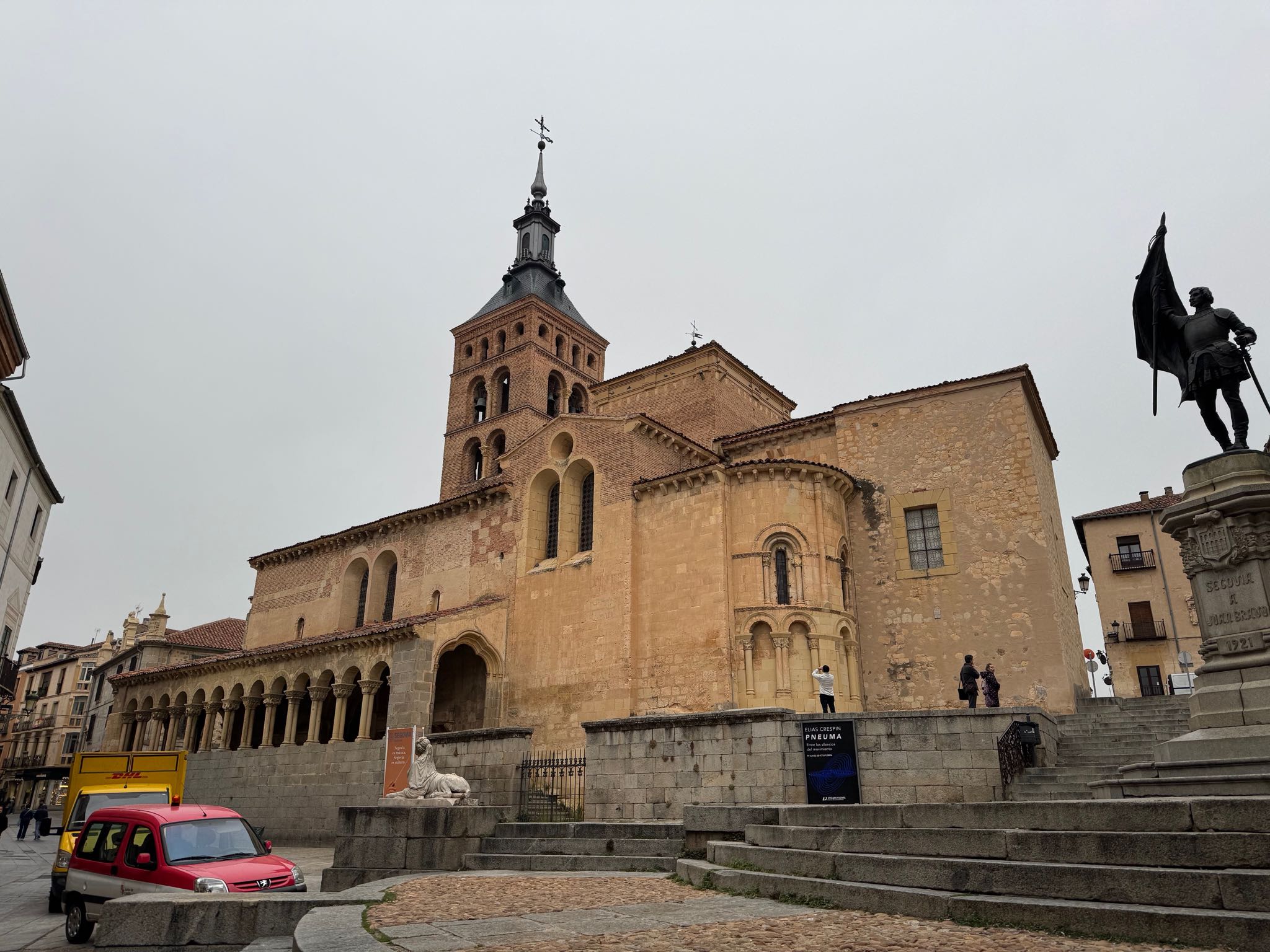
The church is a mix of Moorish and Christian construction – with Moorish down the bottom.
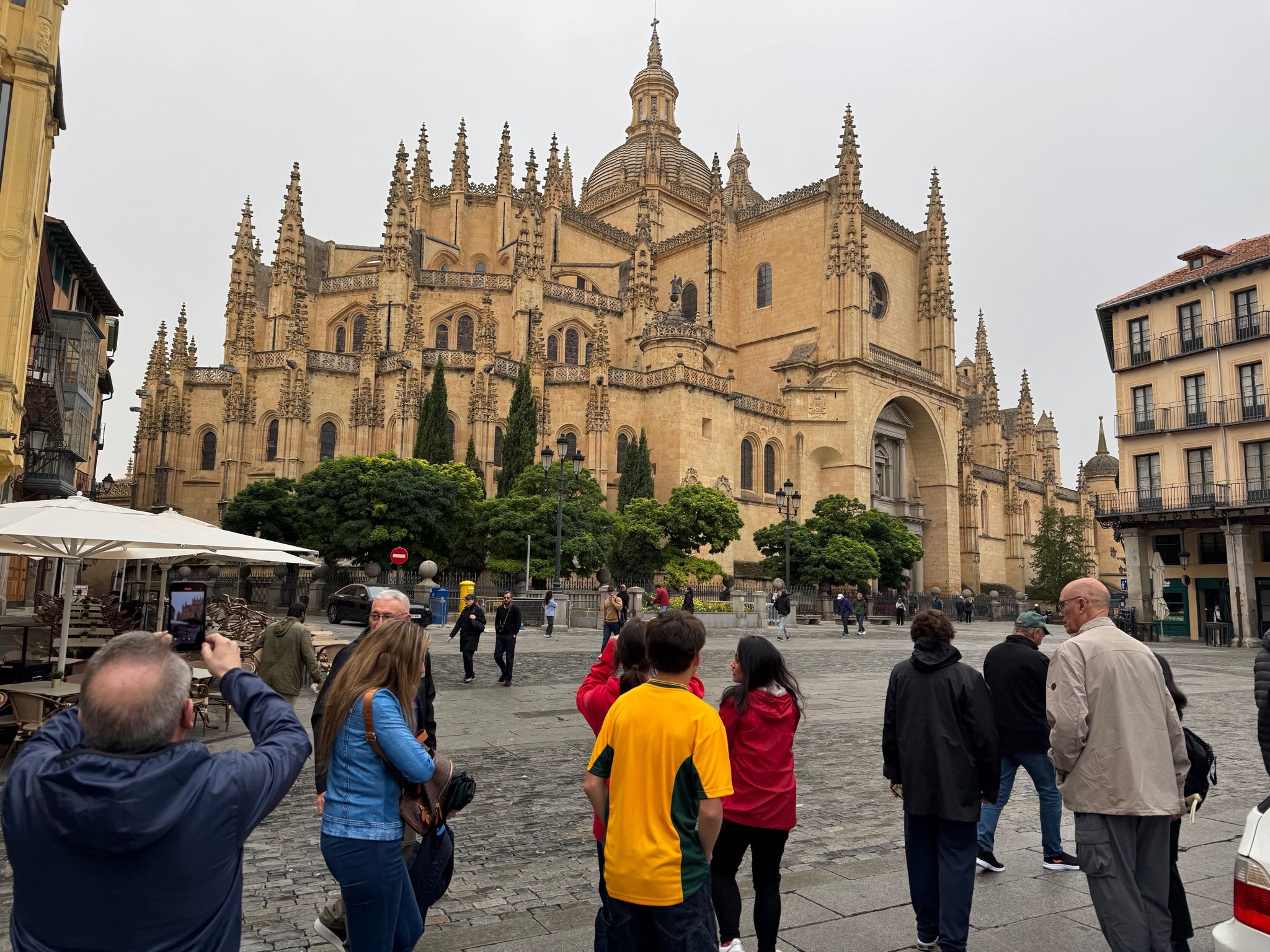
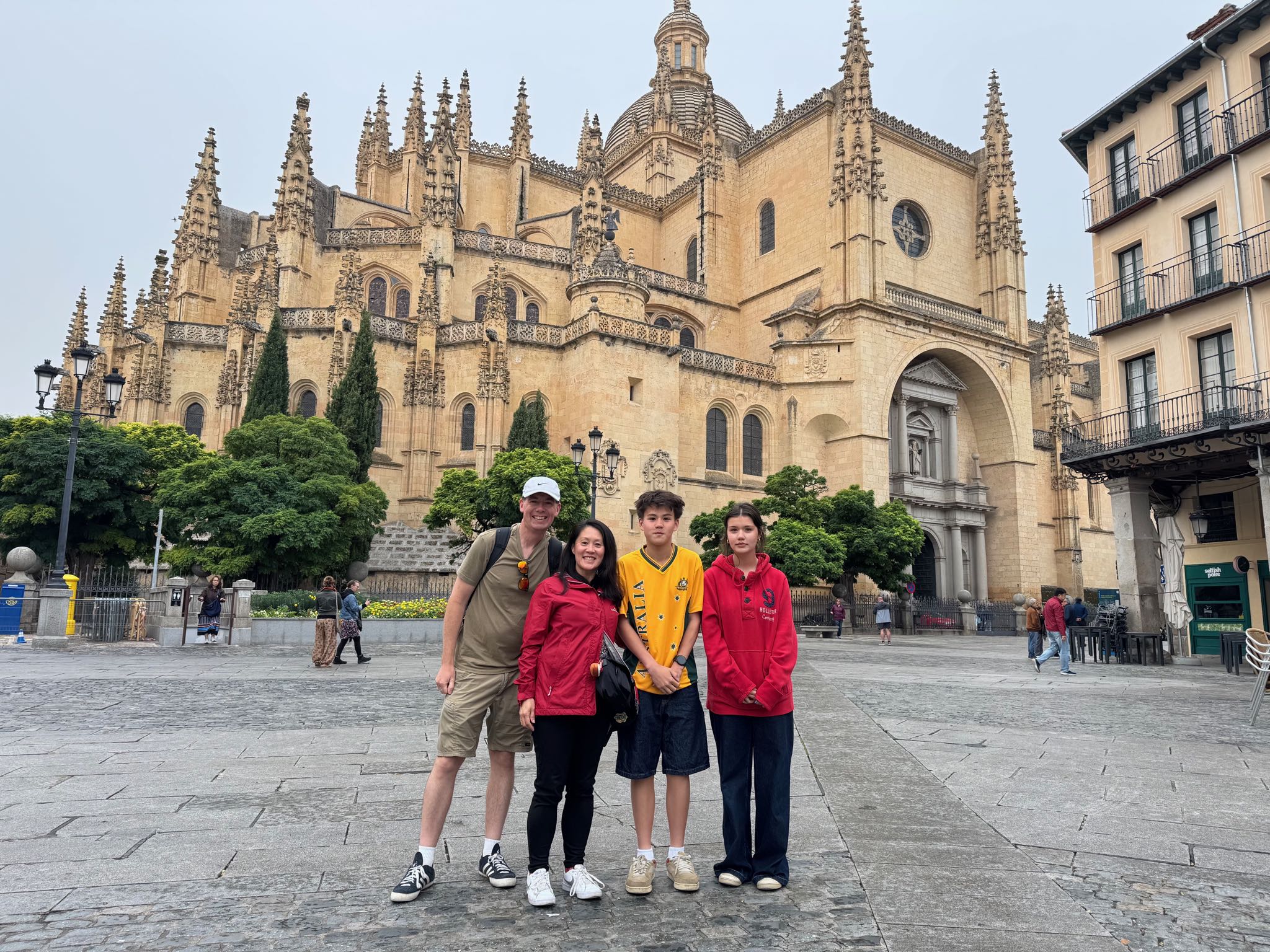
The Cathedral was started in 1521 and finished in the 1600s.
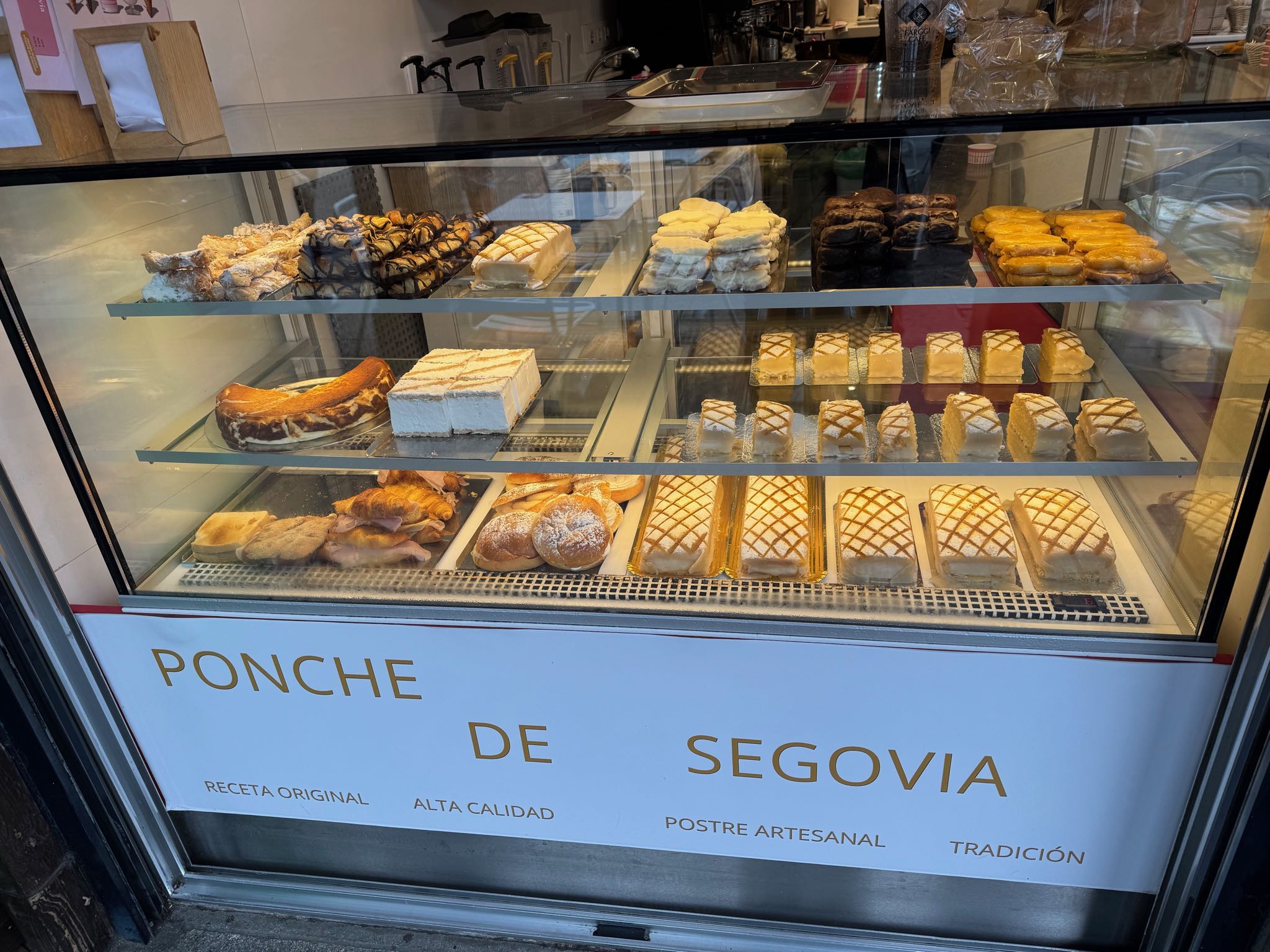
On the way back we grab some sweet treats.
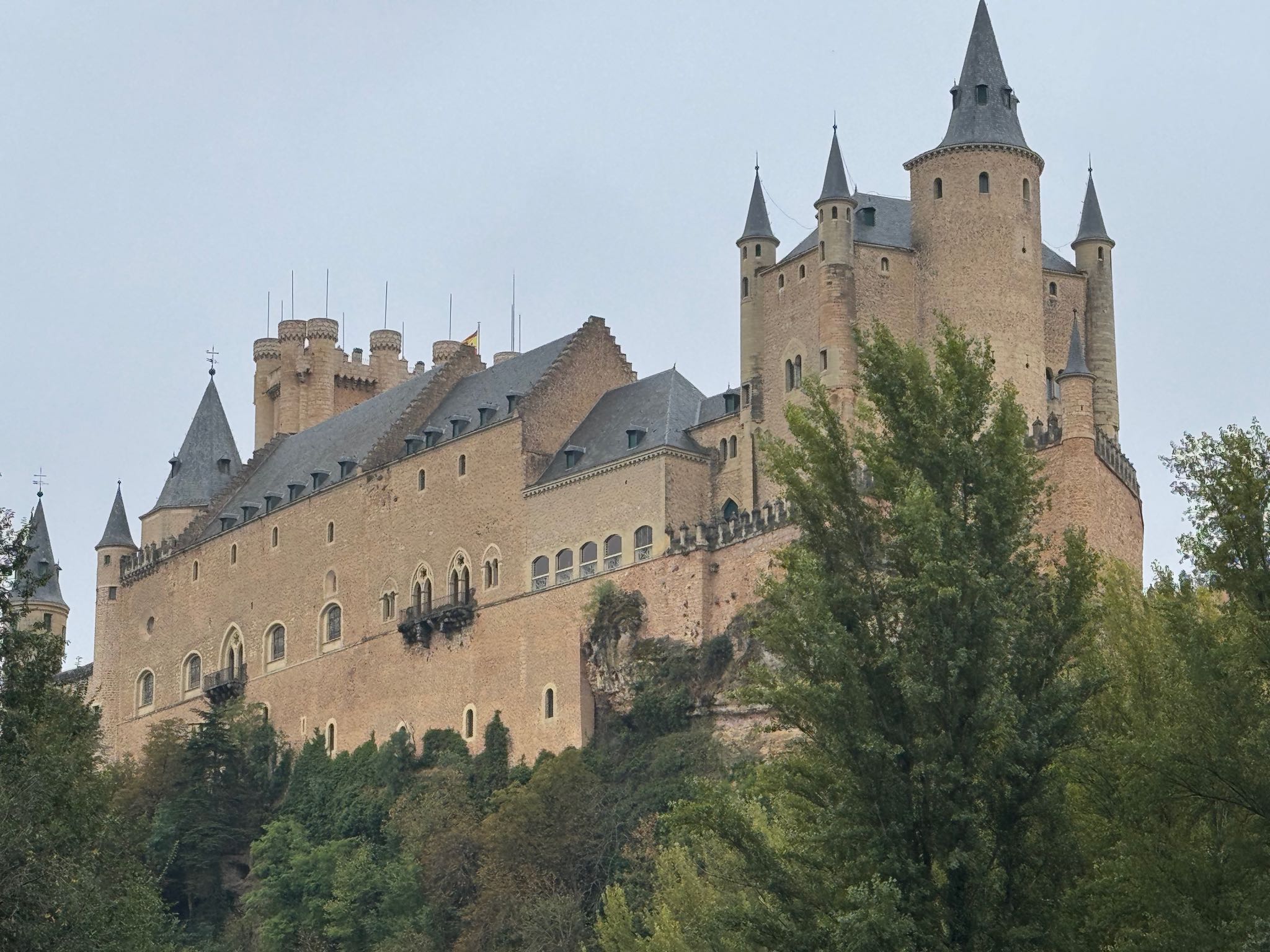
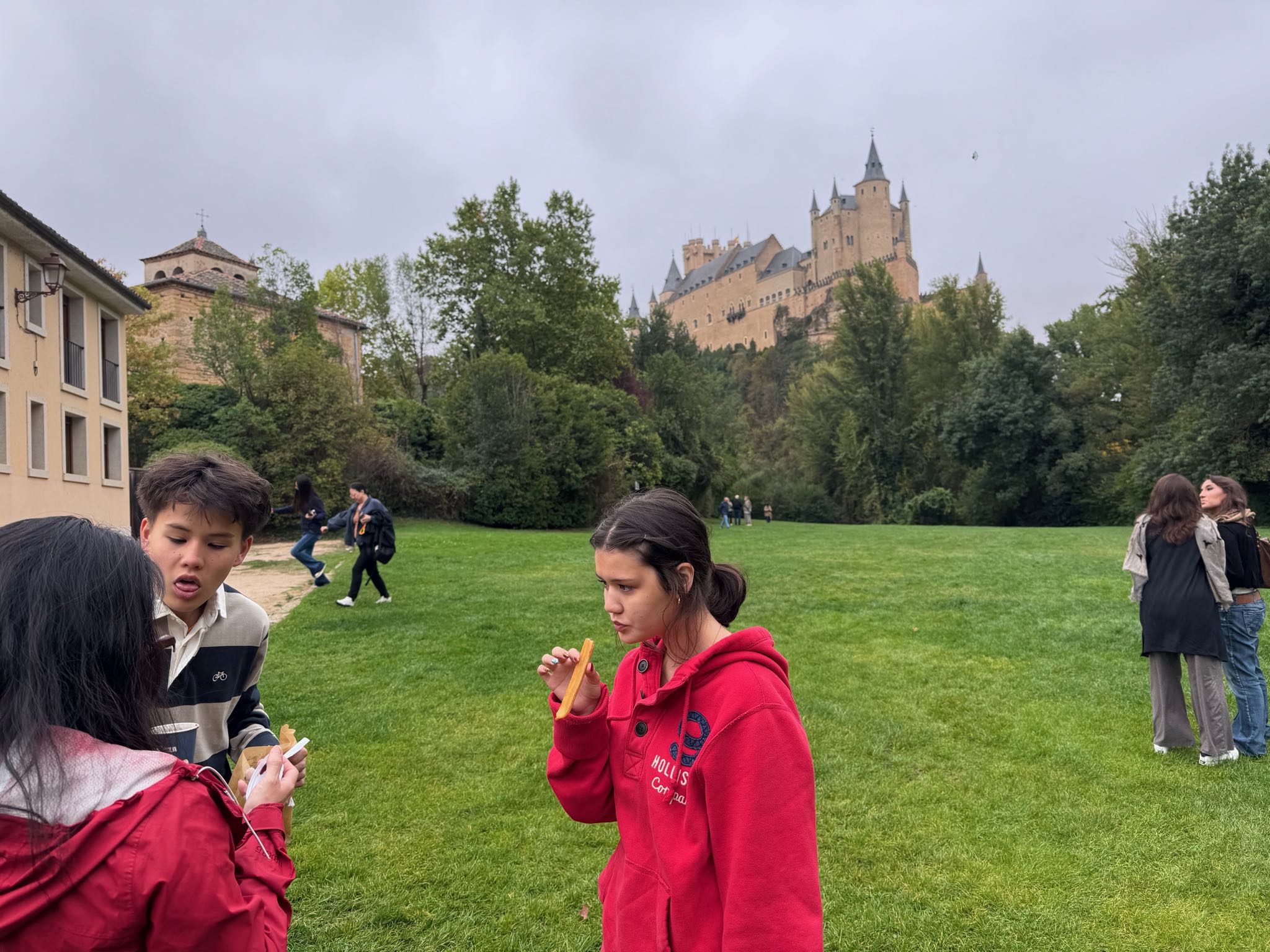
Driving away from the Aqueduct we stop for a Hapsburg Castle.