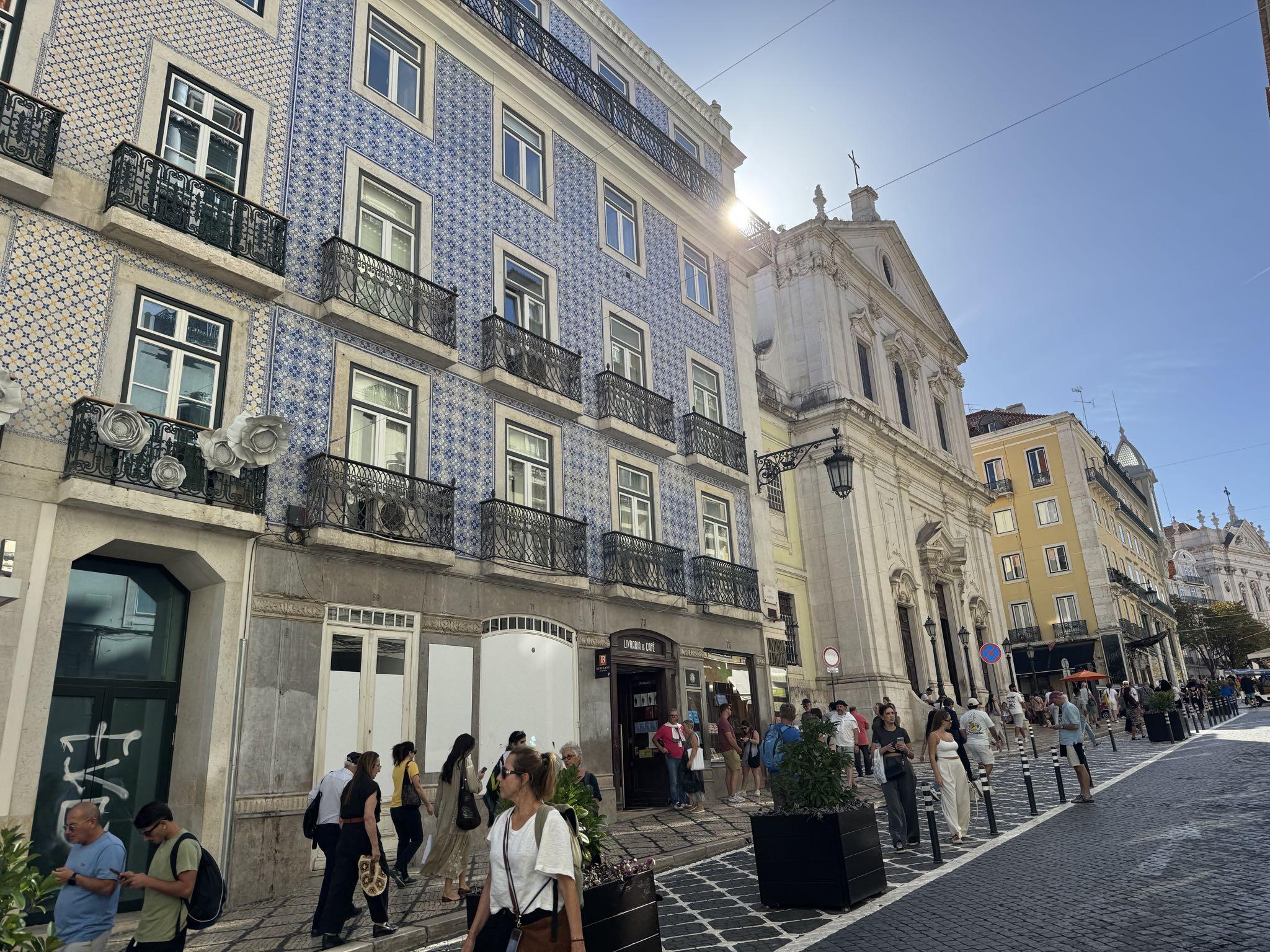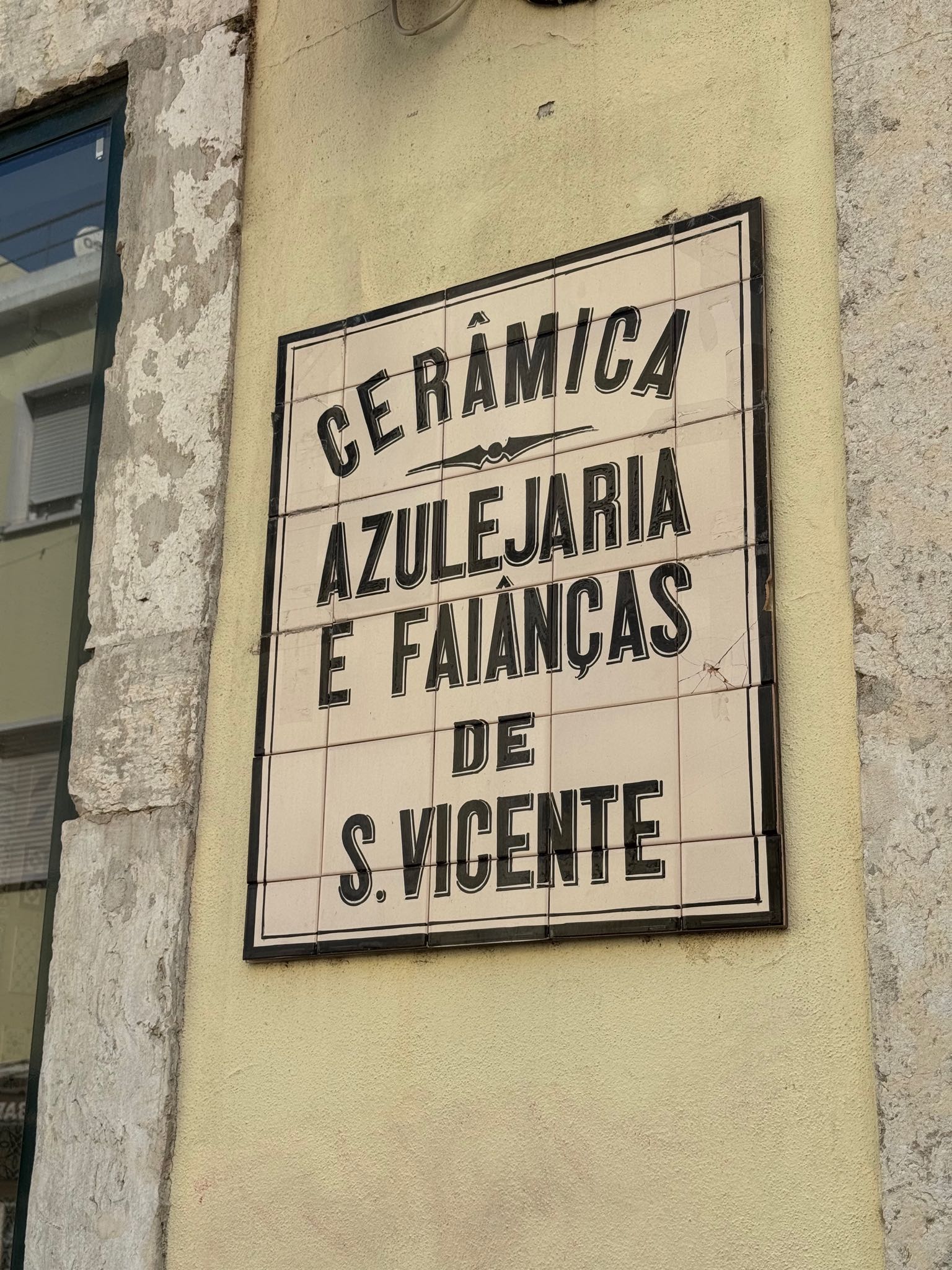
Come with me to Lisbon. The rain has just swept through, the clouds are parting, and the sun catches the glaze of a tiled façade until the whole street seems to shine.
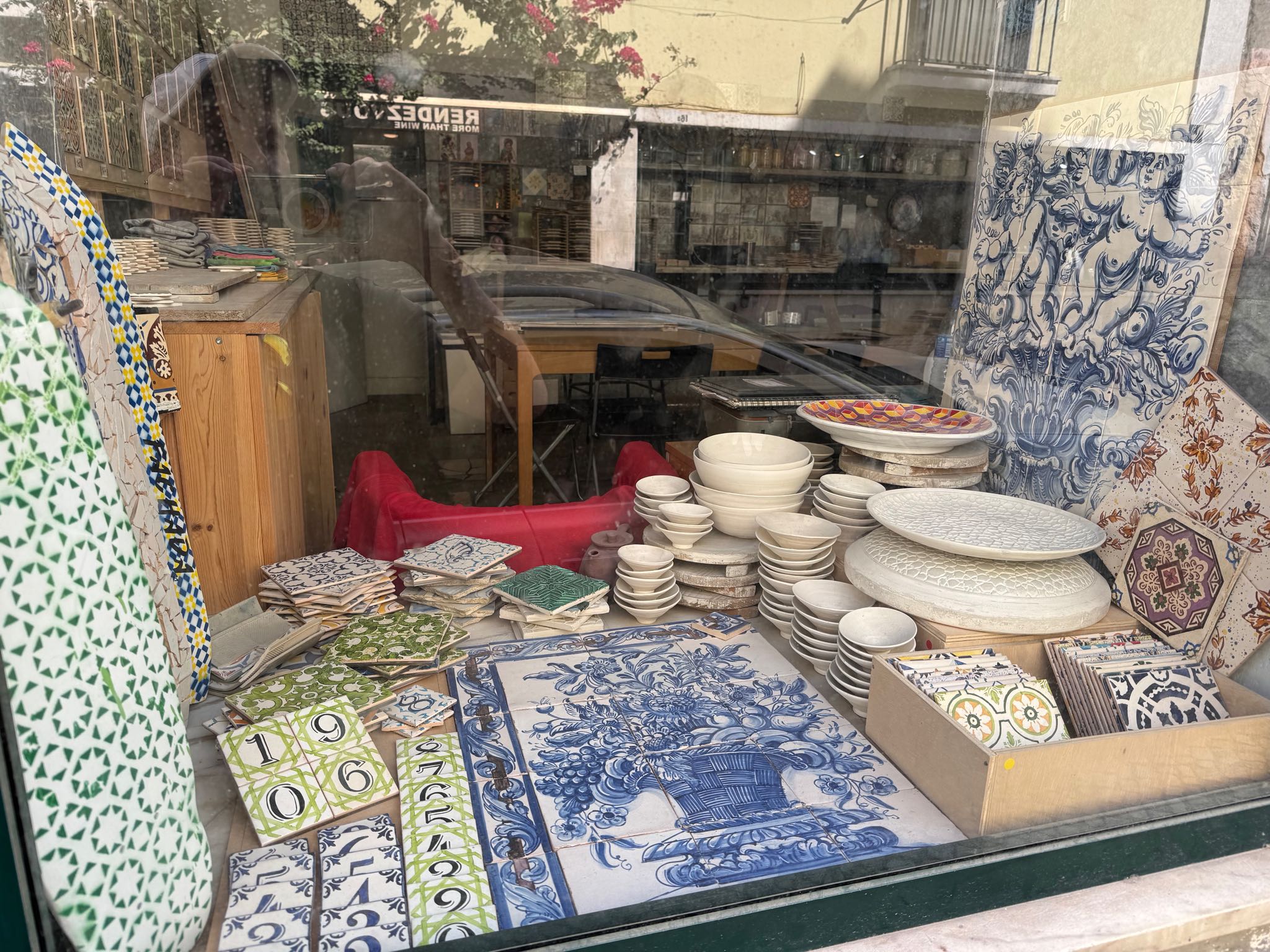
Lift a tile a little and you find good sense. Portugal’s air is salt, heat and damp, and a glazed skin keeps out the rot and the mould.
Lift it further and you find industry: the factories of Lisbon and Porto, which turned a luxury of the elite into something any street could wear. Further still, disaster: after the earthquake of 1755, azulejos were the quick, cheap way to dress a city rebuilt in a hurry. Beneath that, trade: the blue comes from Chinese porcelain, carried home in Portuguese ships.
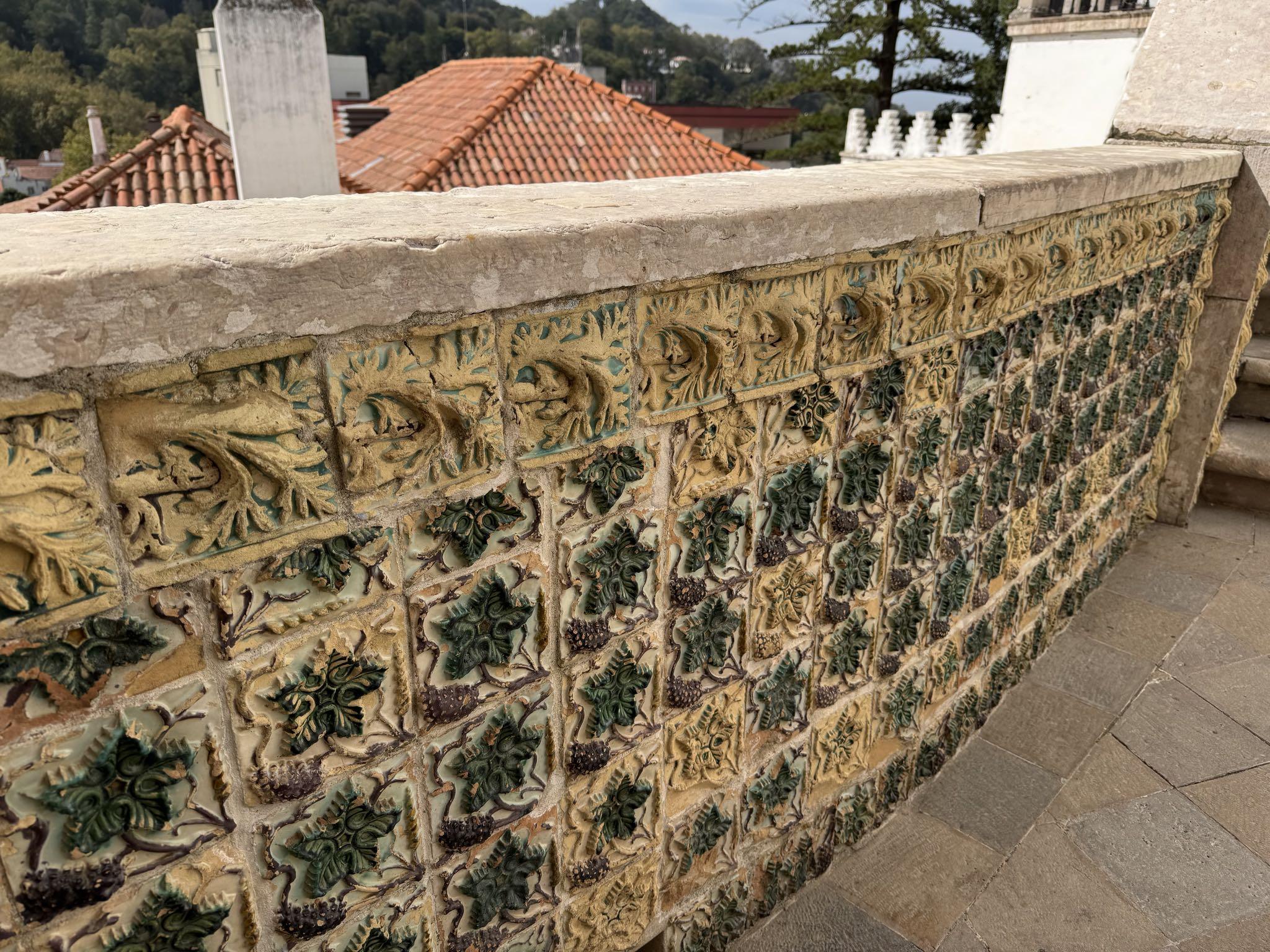
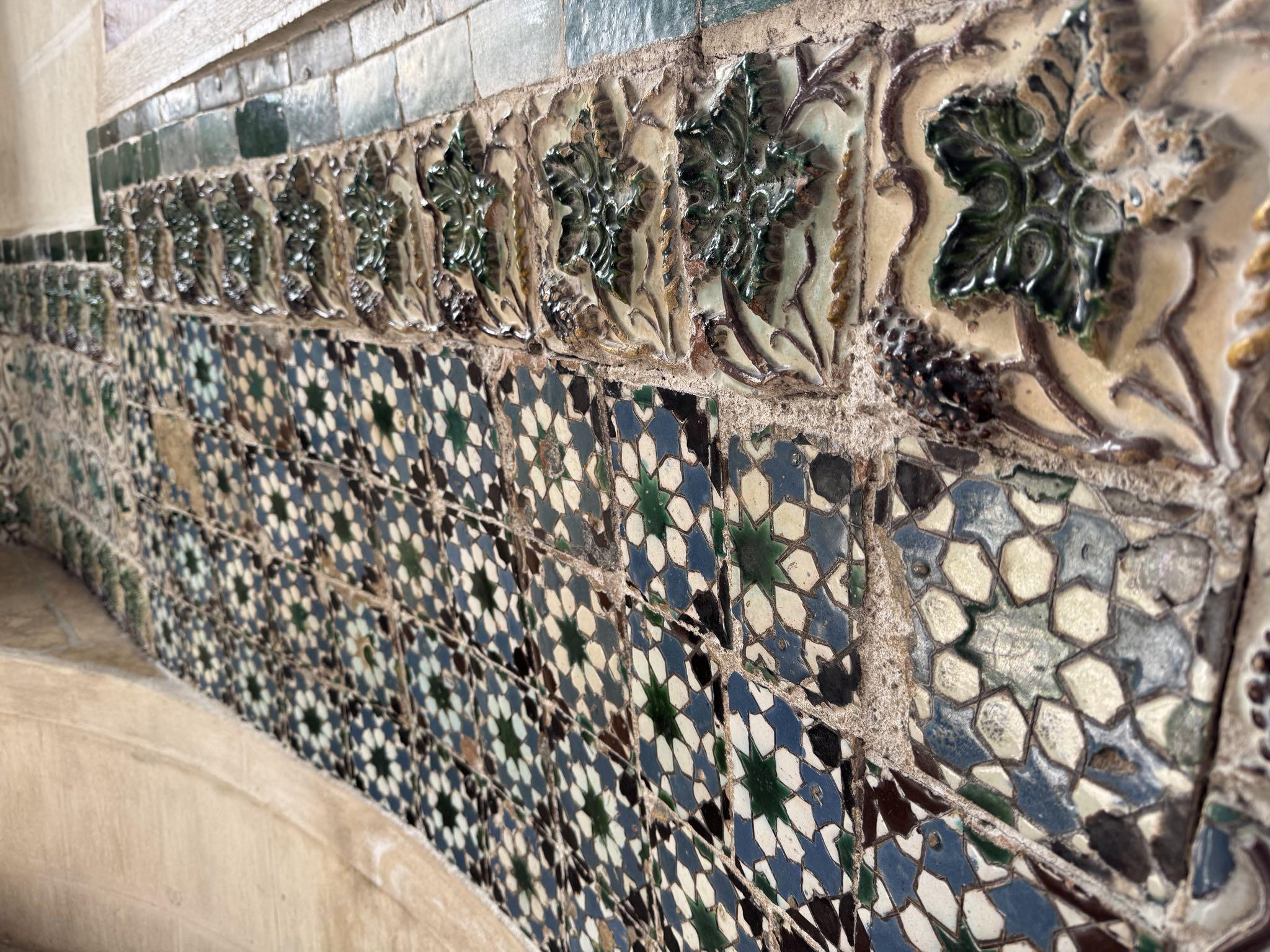
At the bottom lie the Moors. Denied the human face, they made infinity out of a square. Lisbon was taken from them in 1147, but Granada did not fall until 1492, and the end of that war freed the money that sent Columbus west. In the centuries between, knowledge crossed the peninsula like a tessellation, piece locking into piece: shipbuilding, medicine, mathematics, engineering, the craft of the siege.
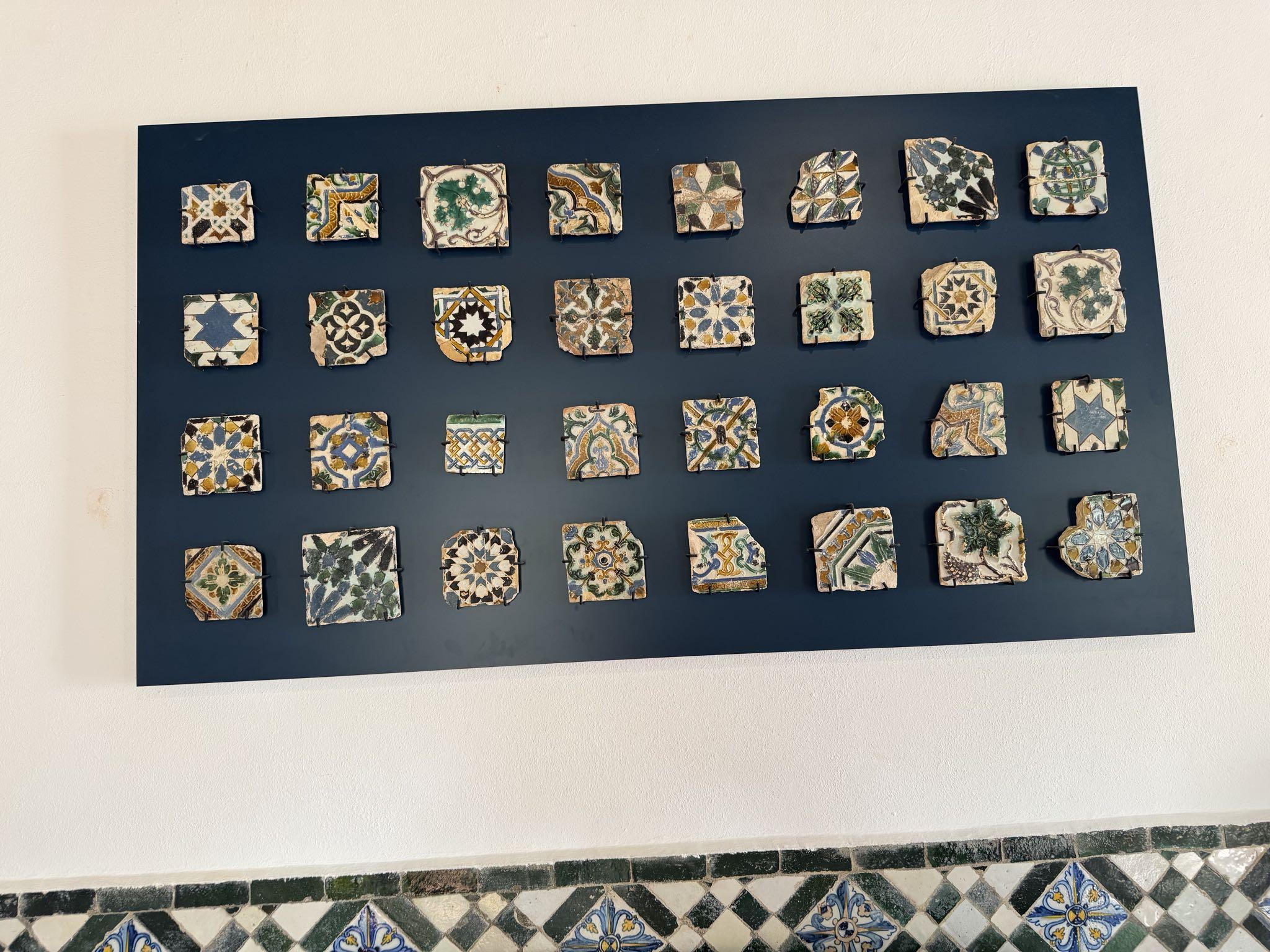
So look again at the wet facade. Each square holds conquest, trade, disaster and industry, fitted together without a gap. The sun is only the latest thing it reflects.