
One of the things the designers of our apartment understood instinctively is that creative people don’t want to wake up with the sun. They want total darkness to be able to sleep long after a late night’s talking, reflecting, painting and writing.
It is temping, as an Australian living in an engineering and finance sphere, (and occasional reader of the Economist) to lump Spain in a bucket of “indolent Mediterranean countries” and assume that the action happens elsewhere. Even in just half a day, Madrid does not radiate that sense, even in half a day. As you ponder your baguette choice and experience sparky, thoughtful service, the airport says “we are part of a dynamic pan-European identity.” As your taxi pulls away to the highway it says “we are a global city and we mean business.” In the city itself the message becomes “we have an artistic identity to rival Paris and Florence. As you walk past the Palace the message is “we can do military pageantry to Rival London and Berlin.”
One of the wonderful things about the rise of smartphone maps/AI driven travel (and the subsequent demise of Lonely Planet), is the fall of “checkbox-driven travel.” The vibe of “we must go to all these places because Lonely Planet tells us they are important.” This leads to the trope of people coming back from ABC European tours saying “Another Big Castle, Another Bloody Cathedral.”
What rubbish. Travel is a narrative we create as we connect our expectations based on our life experiences to the reality of these places. The problem with this approach is that you actually have to have life experiences and expectations of the world. I think this is impossible in your 20s – and so I think there is an argument to be made that early-lifetime travel is a waste. On the other hand, I think there is an argument to be made that Australia is a backwater in many dimensions. A practical example from the life of Ita Buttrose is that you travel and work to build your craft with the authority of updated techniques from overseas.
This move away from Lonely Planet, means that when you consider a city you are travelling to, you are compelled to ask “What does it mean for me? What is special about it that I spend this money travelling here? Will I simply wander the streets and consider the aesthetics of the buildings?” If you fail to answer this question then you need to go on a walking tour and let someone else create the narrative. In some ways this is like the people becoming drones in a George Orwell book and just watching TV to tell them what to think.
This also means that you have to be adaptable. Perhaps the city will not turn out as you pre-conceived. Would you consider going into an Art Gallery? If you had asked me in Sydney, the answer would have been no. But when you hit Madrid, the artistic vibe hits you like a ton of bricks. “Madrid is a place of serious people, and one of the things they are serious about is art.”
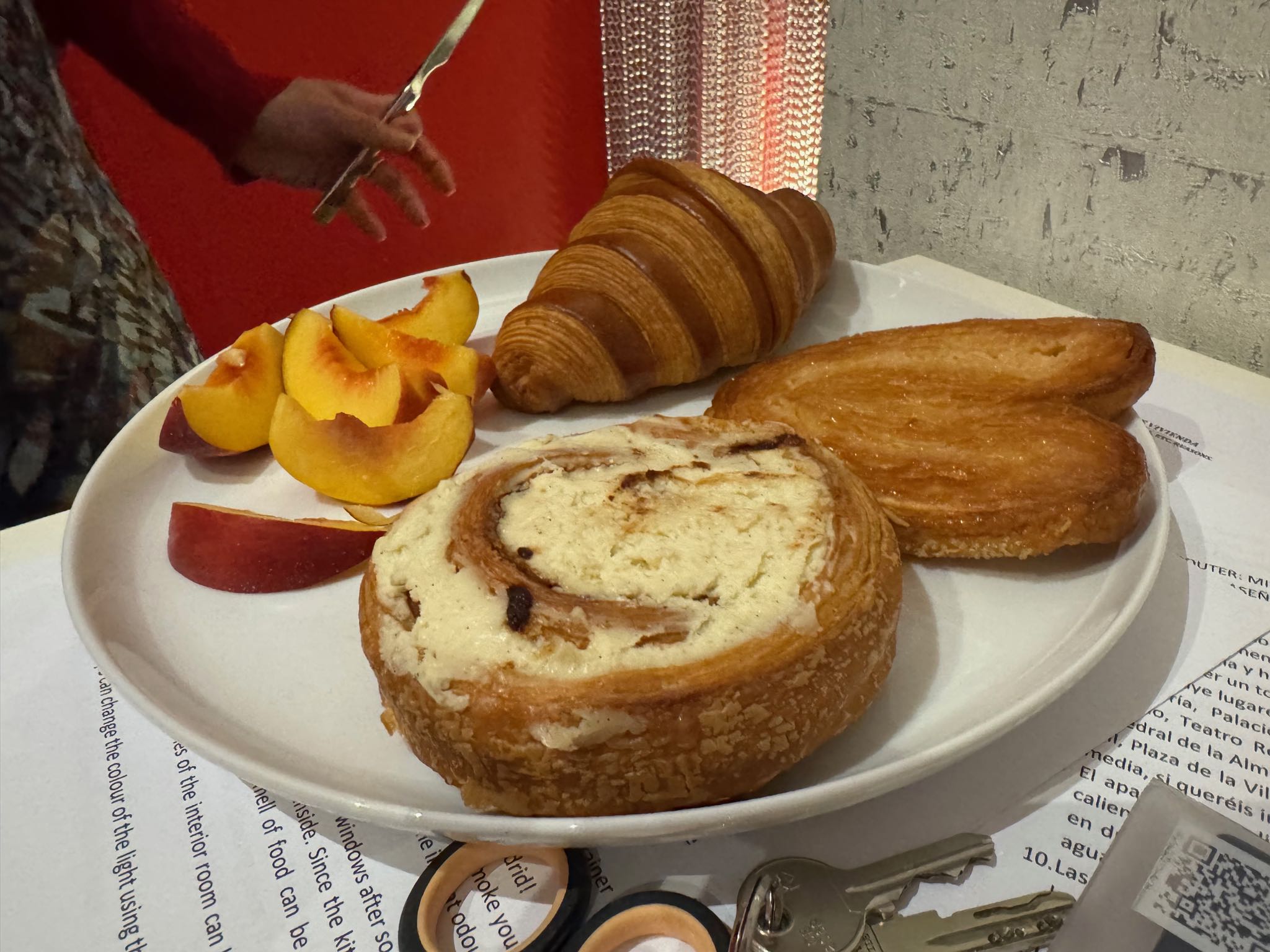
A quiet morning sleeping in and catching up on writing. Breakfast treats from a local Pattisserie. (Can I just say, I love that in this part of the world, you have to take a moment to think about whether you are walking into a Pattisserie or a Boulangerie.)
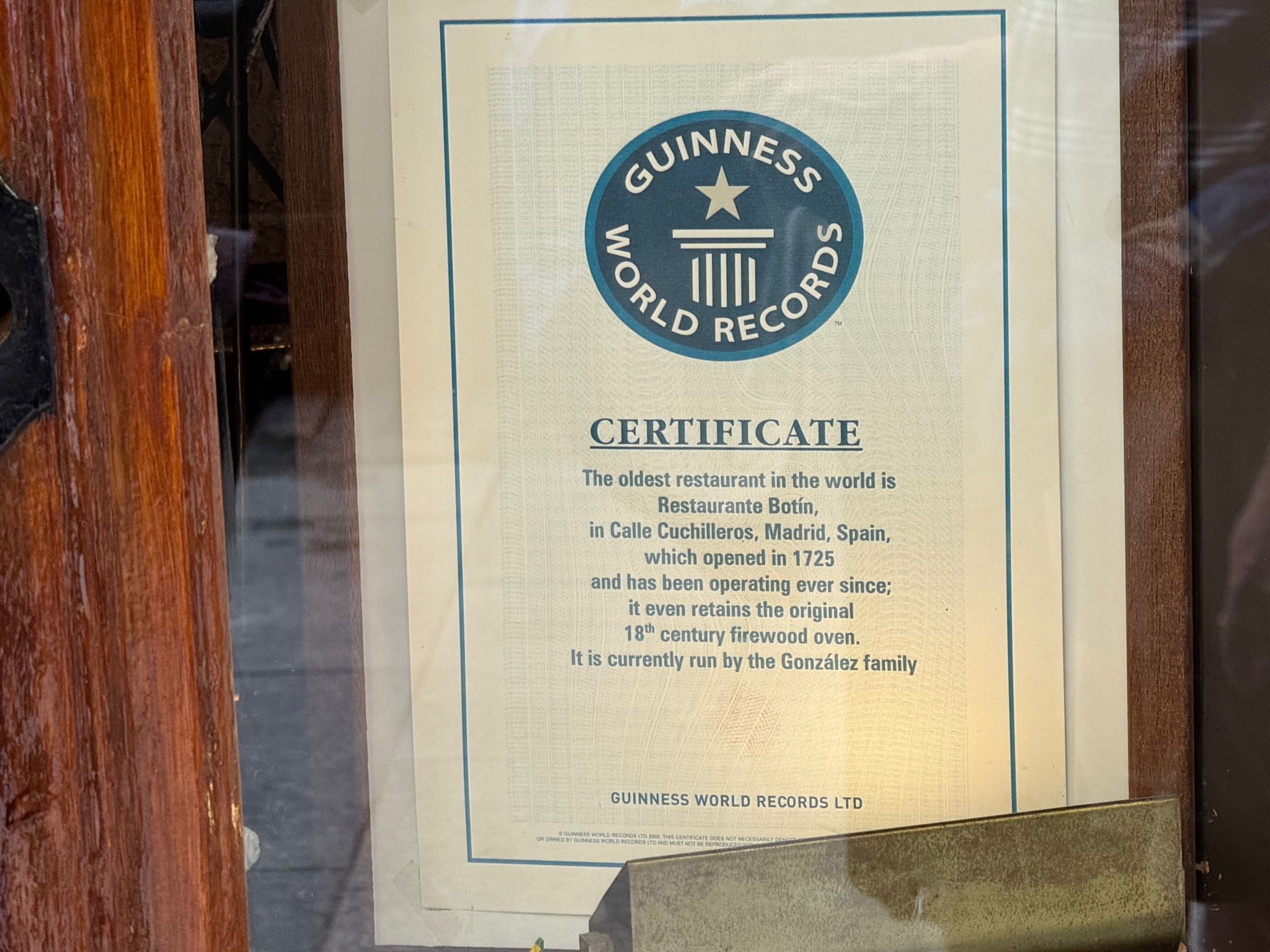
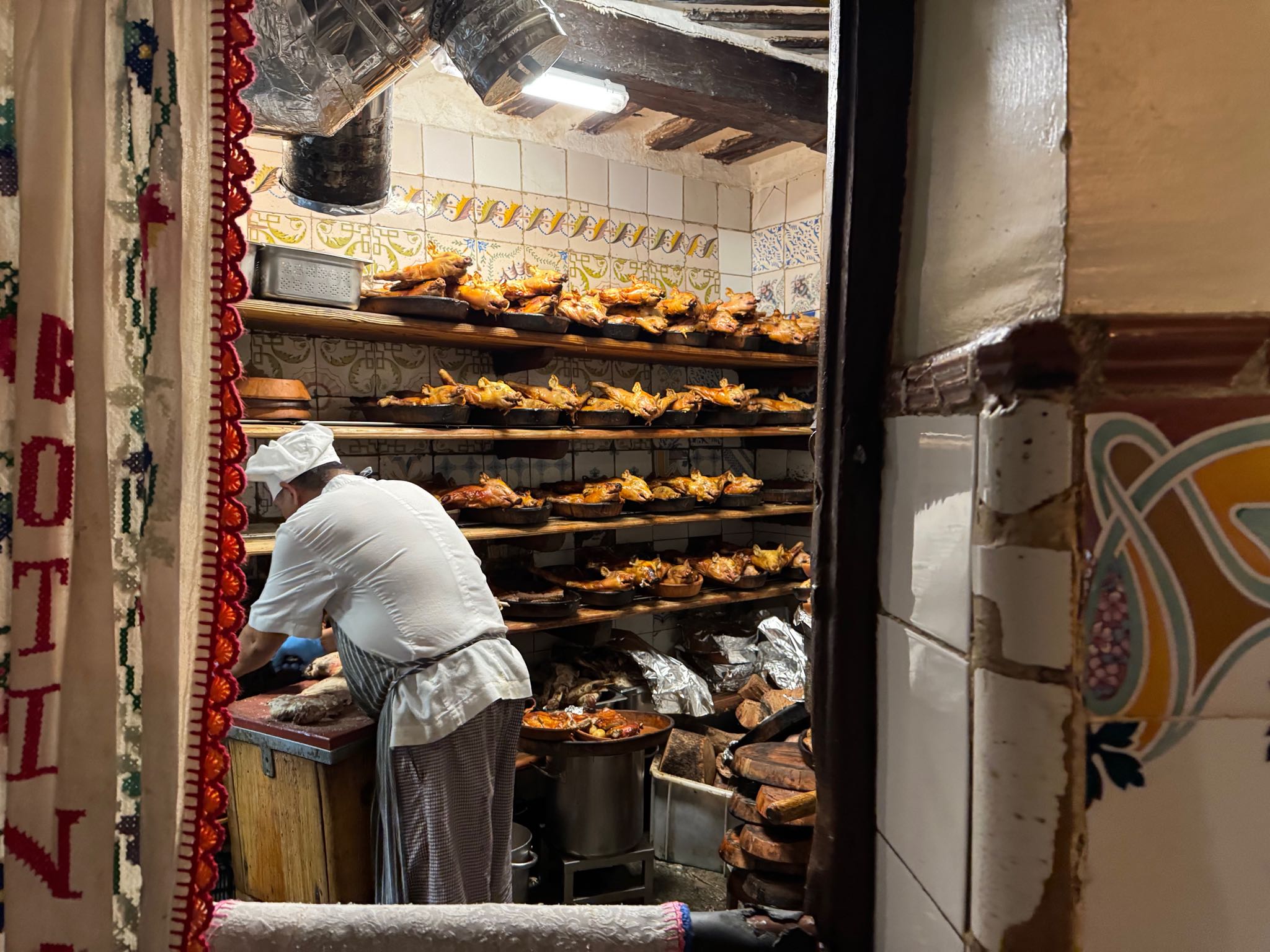
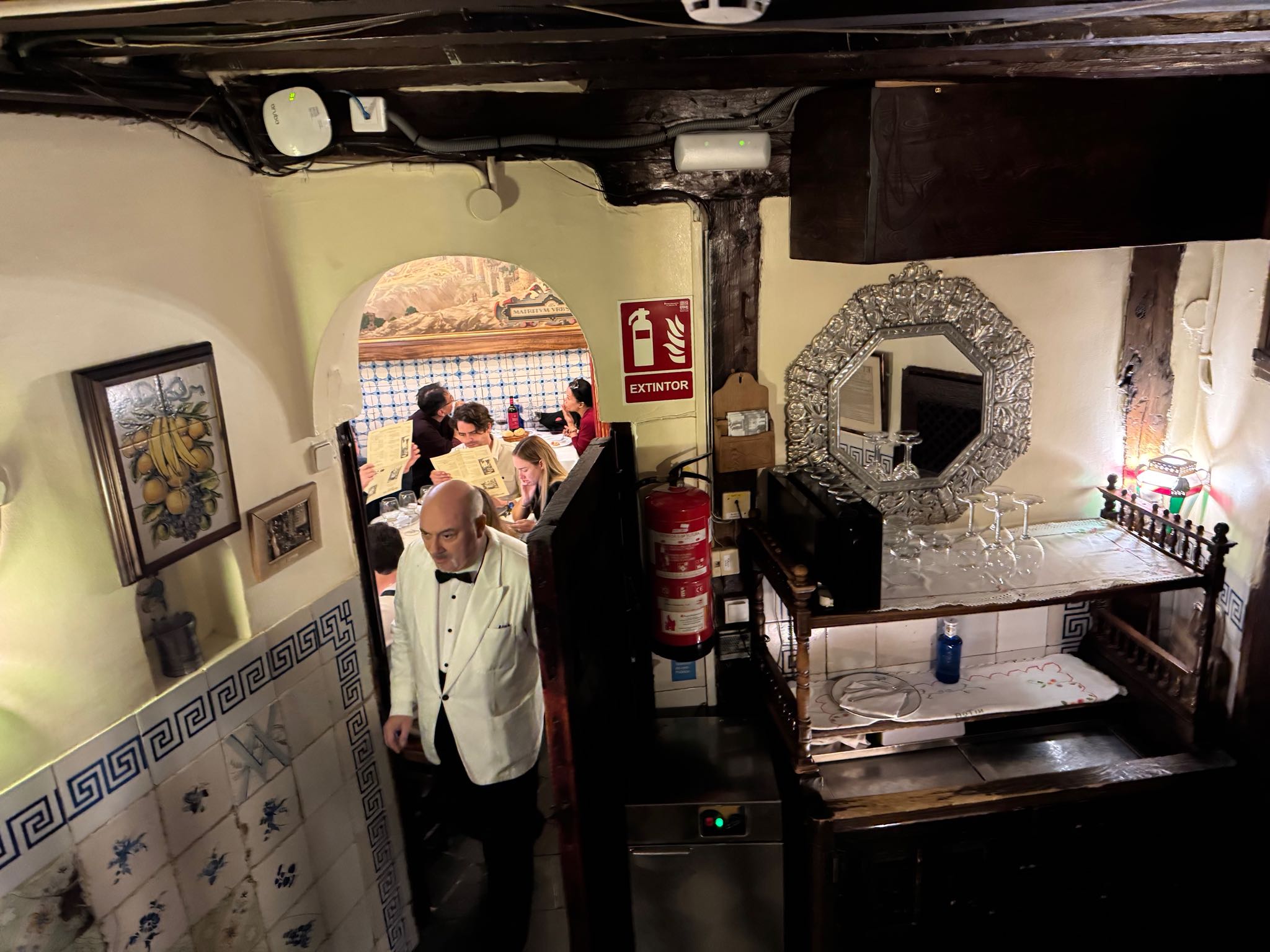
For lunch we go to a Guinness Book of Records certified oldest continuously running restaurant in the world. Last year it celebrated 300 years running continuously. The specialty is roast pork. As we walk in we see a kitchen with racks and racks of pork ready to be served. The restaurant in Sydney that approximates it best is Beppis, a place you have to try, but a little weighed down by its history.
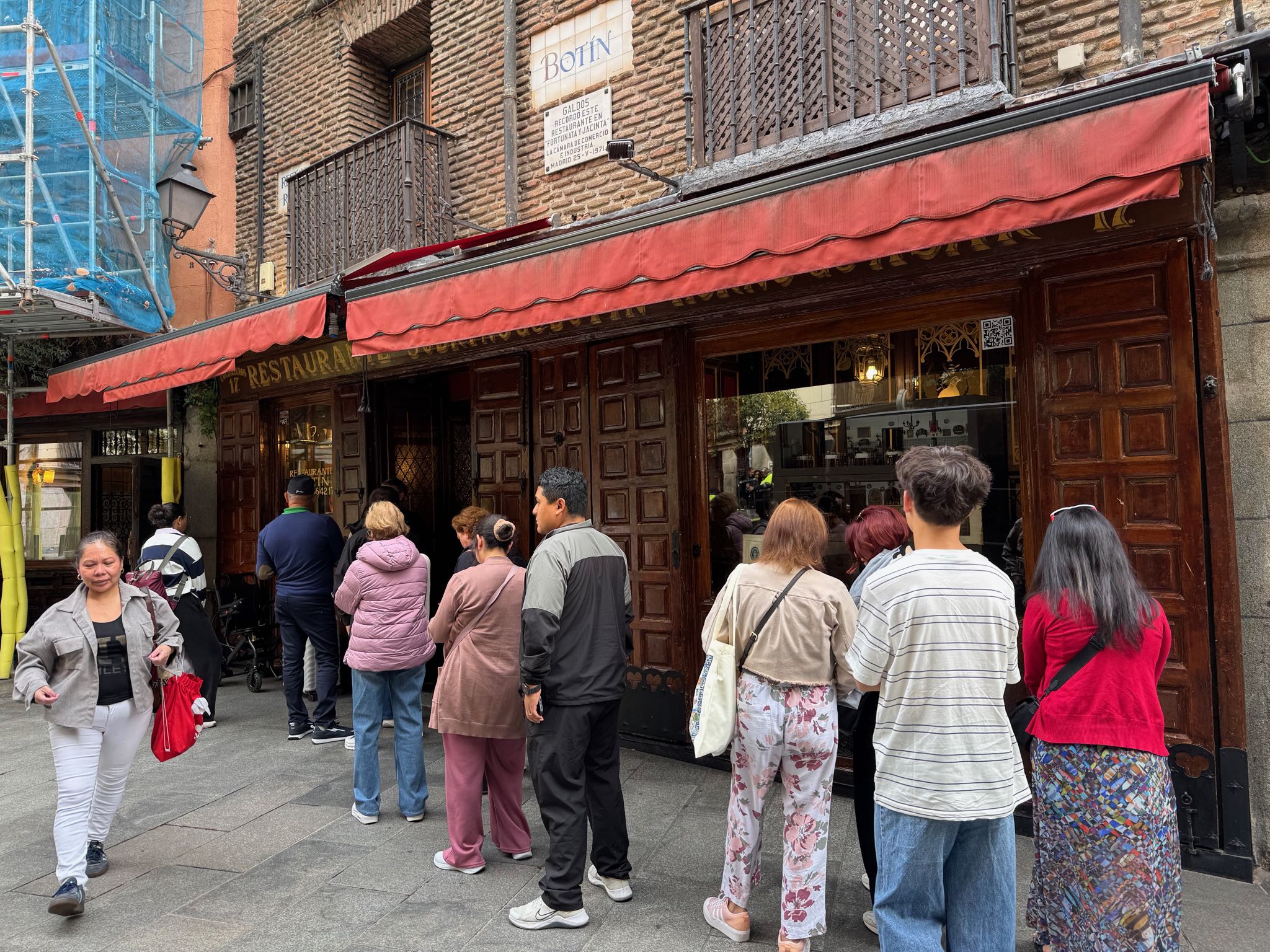
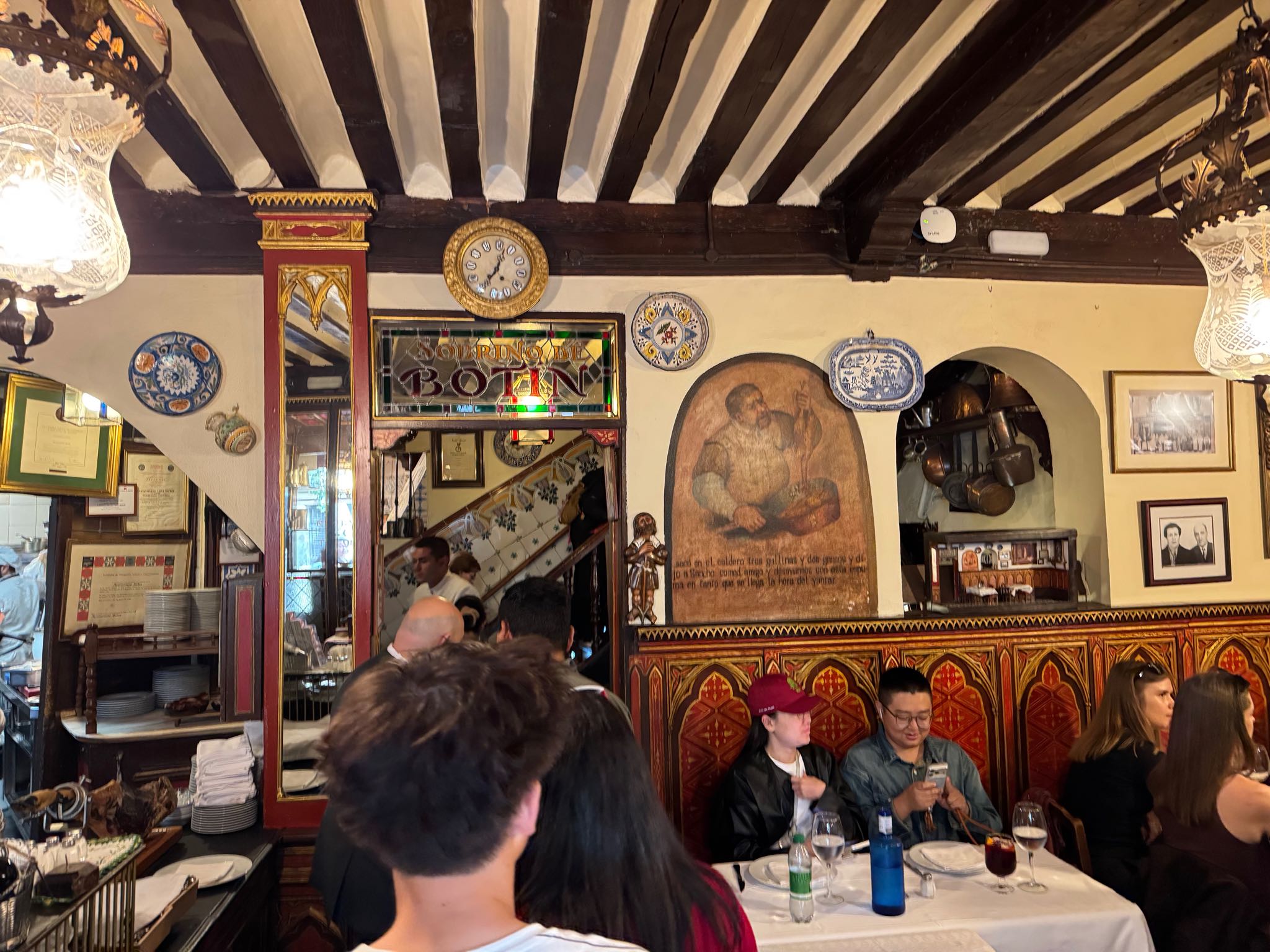
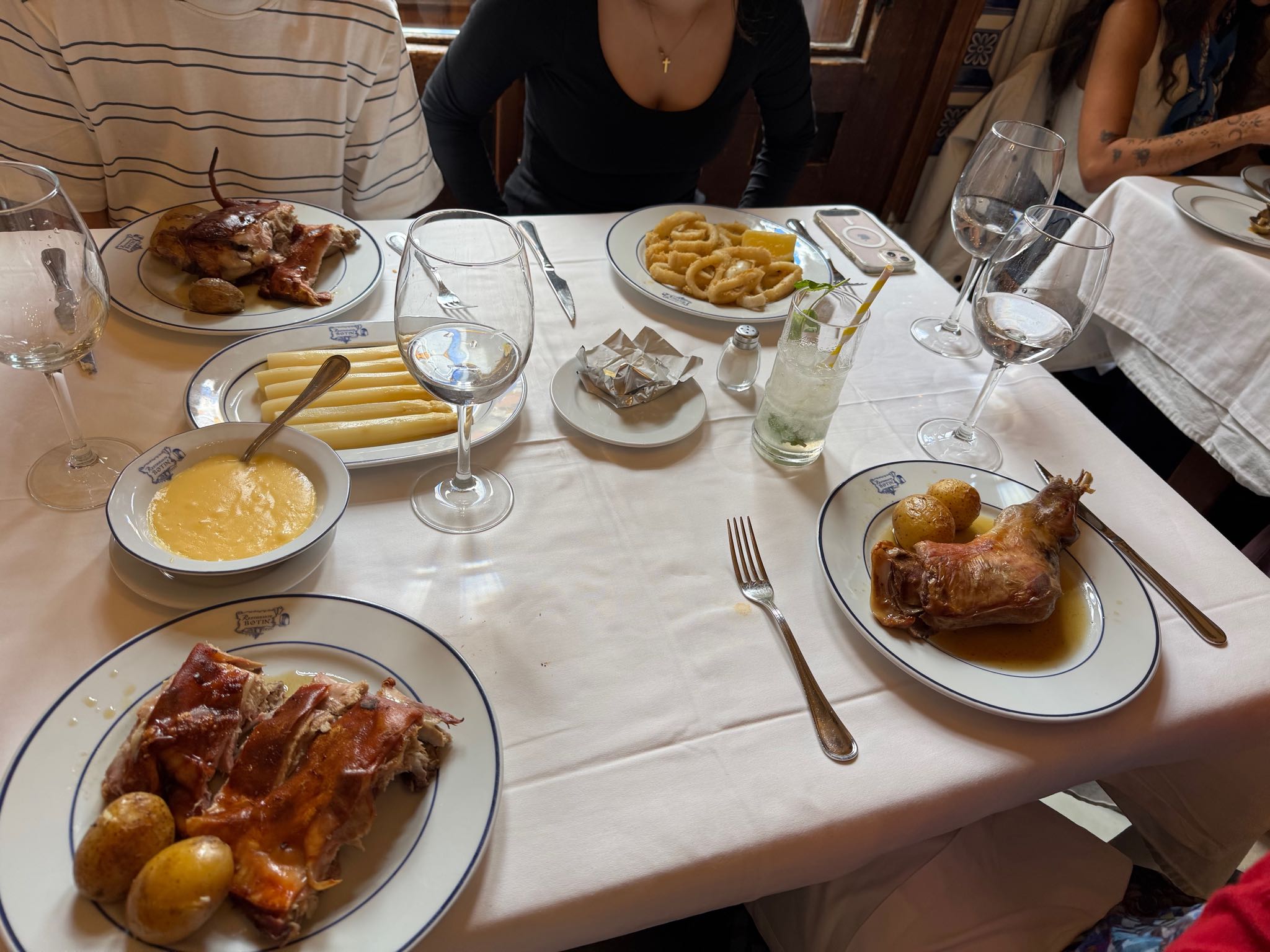
Hugh has a garlic and egg soup. It is strong. I tell the kids that when snails are served in French restaurants in Sydney, they come like that, drowned in overwhelming garlic. Trinity looks at me in disgust.
I ponder for a moment my fictional heroes Jack Albury and Stephen Maturin. (A 20 book epic from Patrick O’Brien set during the Napoleonic wars.) Stephen would have gone to the churches in this city during his education, and perhaps came to this restaurant.
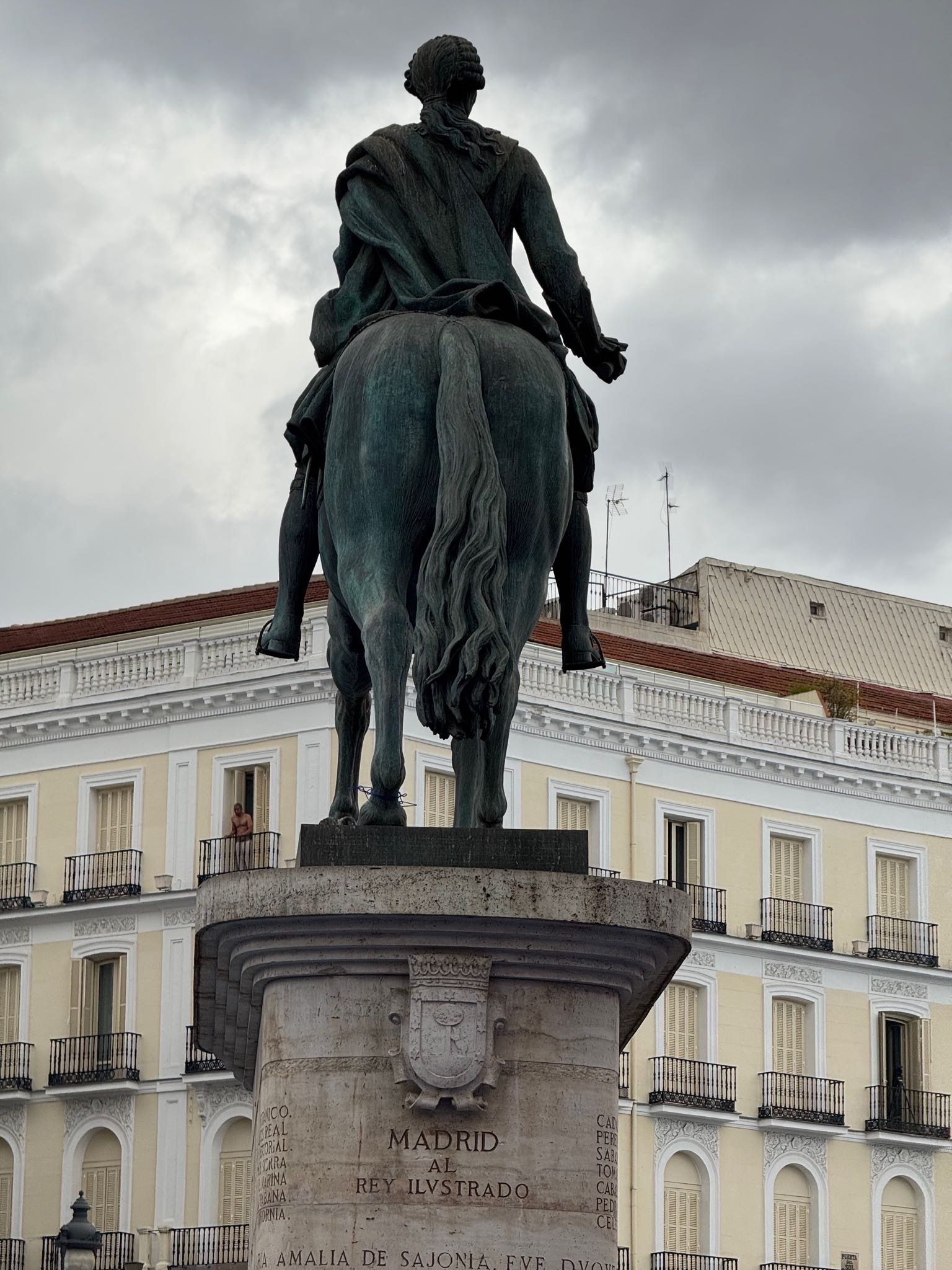
We see a statue of King Charles the III (1759–1788) – affectionately known as “the best Mayor of Madrid” for his efforts to modernise and beautify the city.
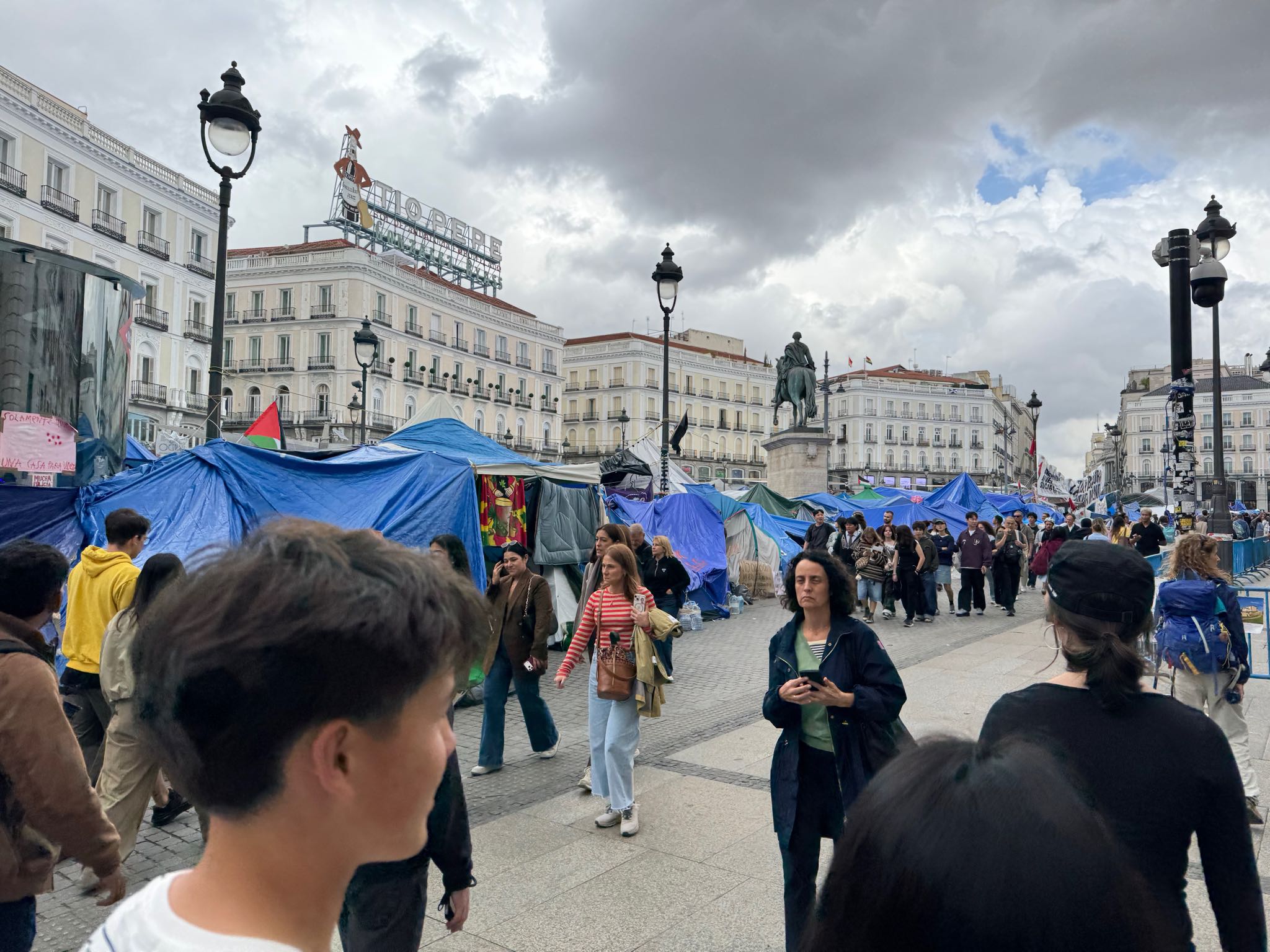
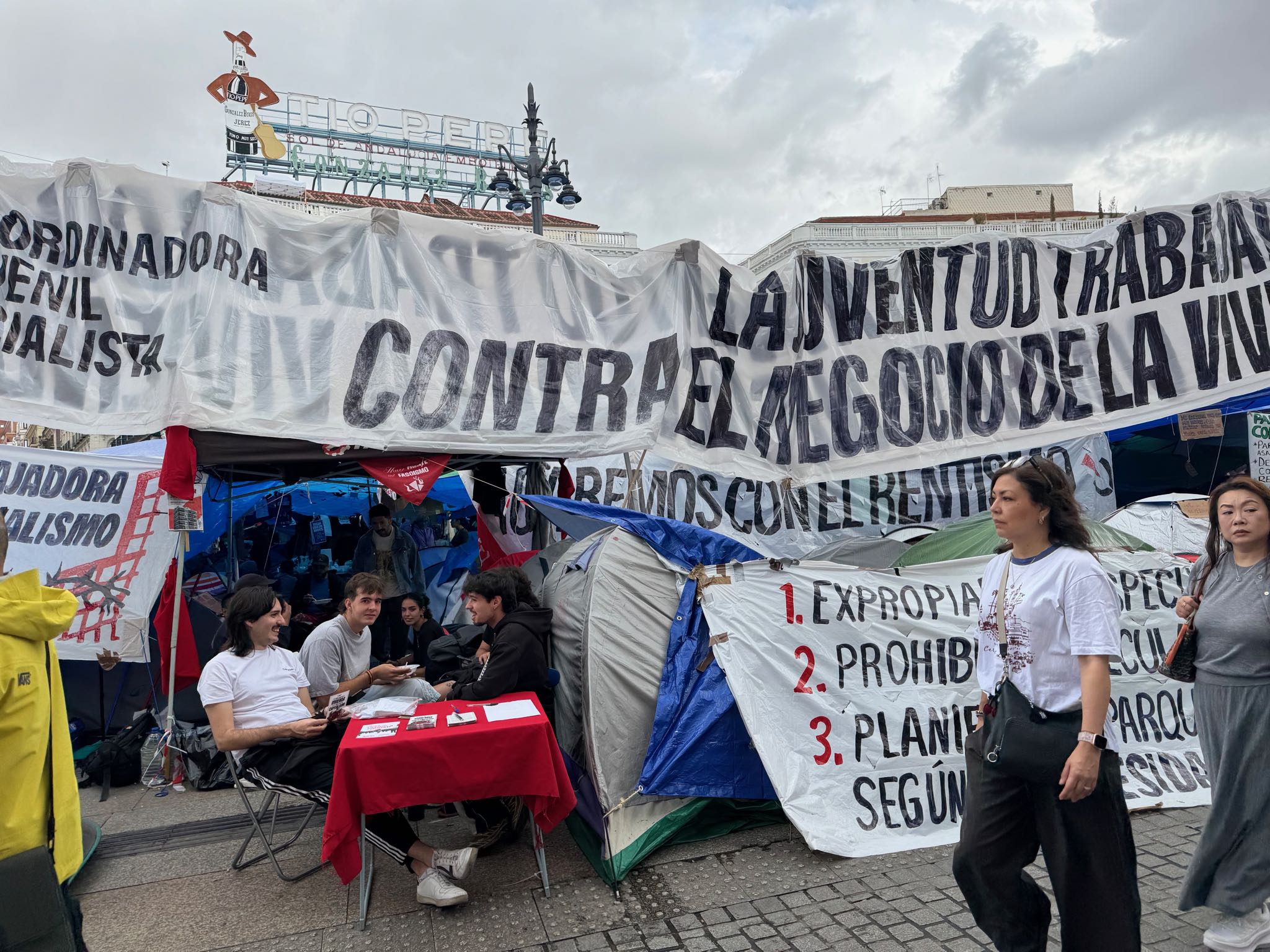
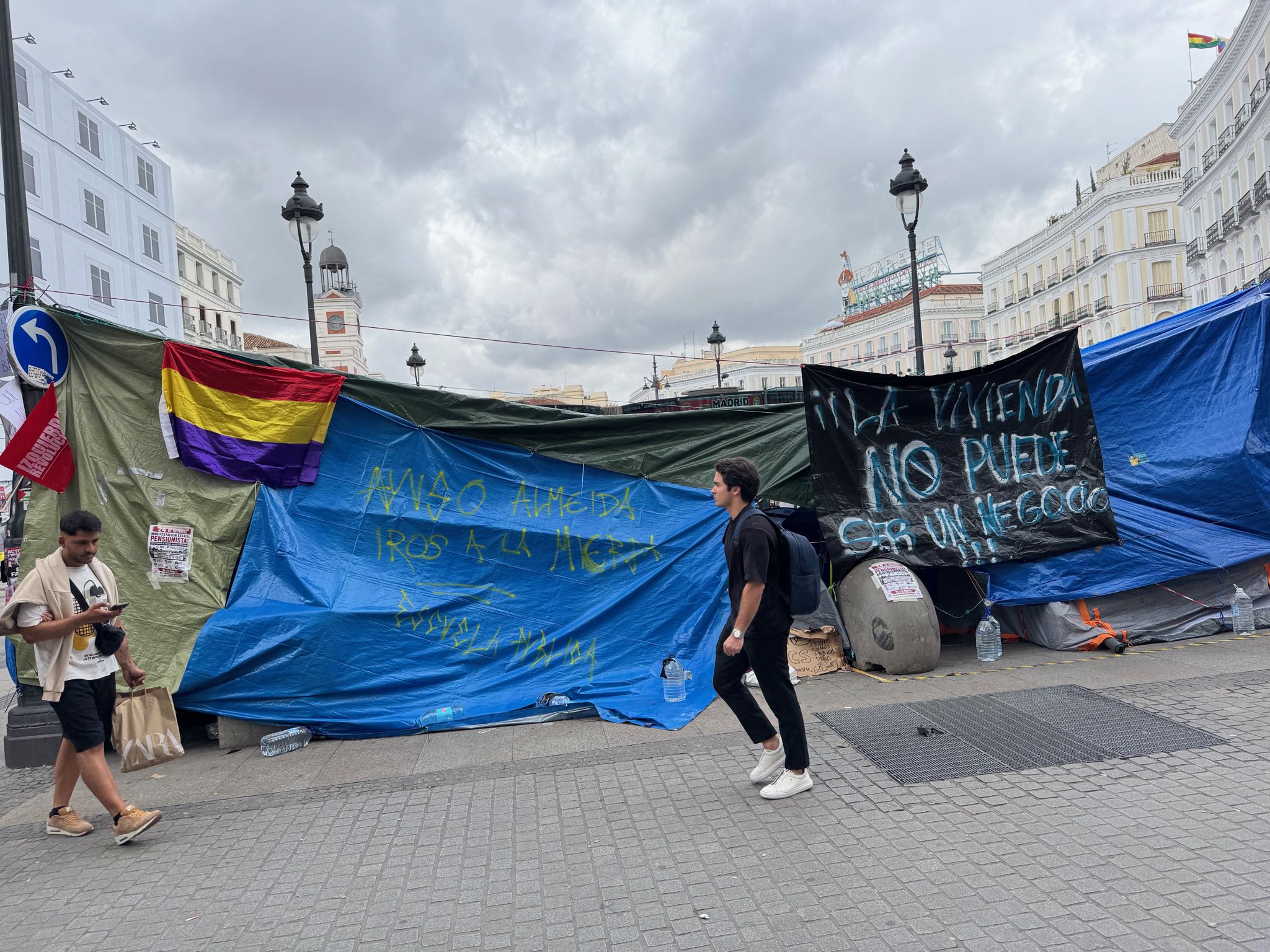
At a square there is a protest for better rights for rental tenants. I am genuinely split on this issue. Having been a rental Tenant for two decades I feel much sympathy for the quality of life of a rental tenant. On the other side I’ve been a Landlord for 10 years admittedly have not been the best. I hate to generalise that about the practicality of their demands.
I have to admire their dynamism and organisational skills. Reading between the lines I see all the stuff that Nelson Mandela was trying to teach about organisational systems for revolution in his book. This seems better organised than any revolutionary protest I’ve seen in Sydney.
I feel I have to take back my comments about Portugal exporting strong man revolutionary politics to South America. The engine of ideology is clearly here.
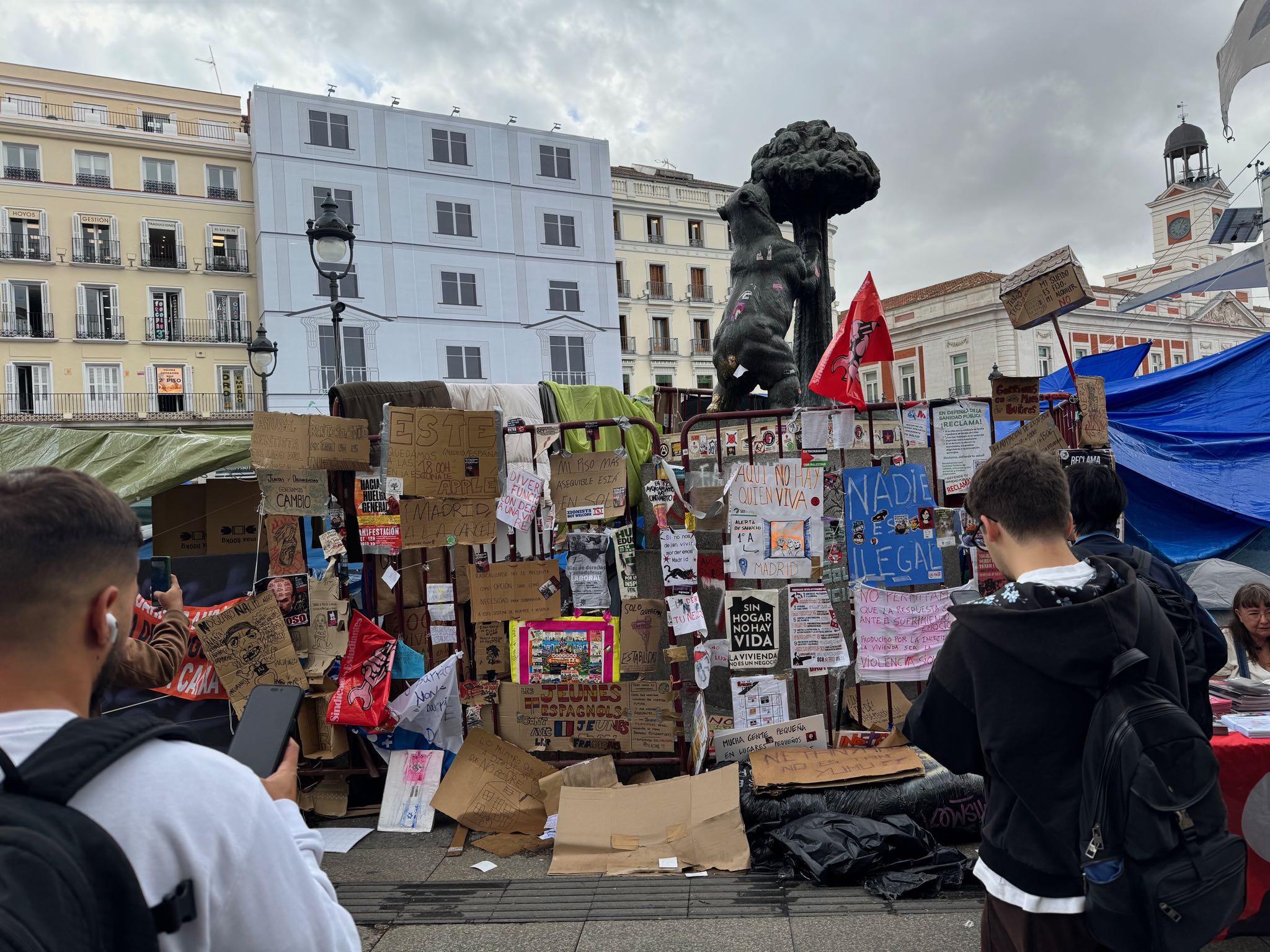
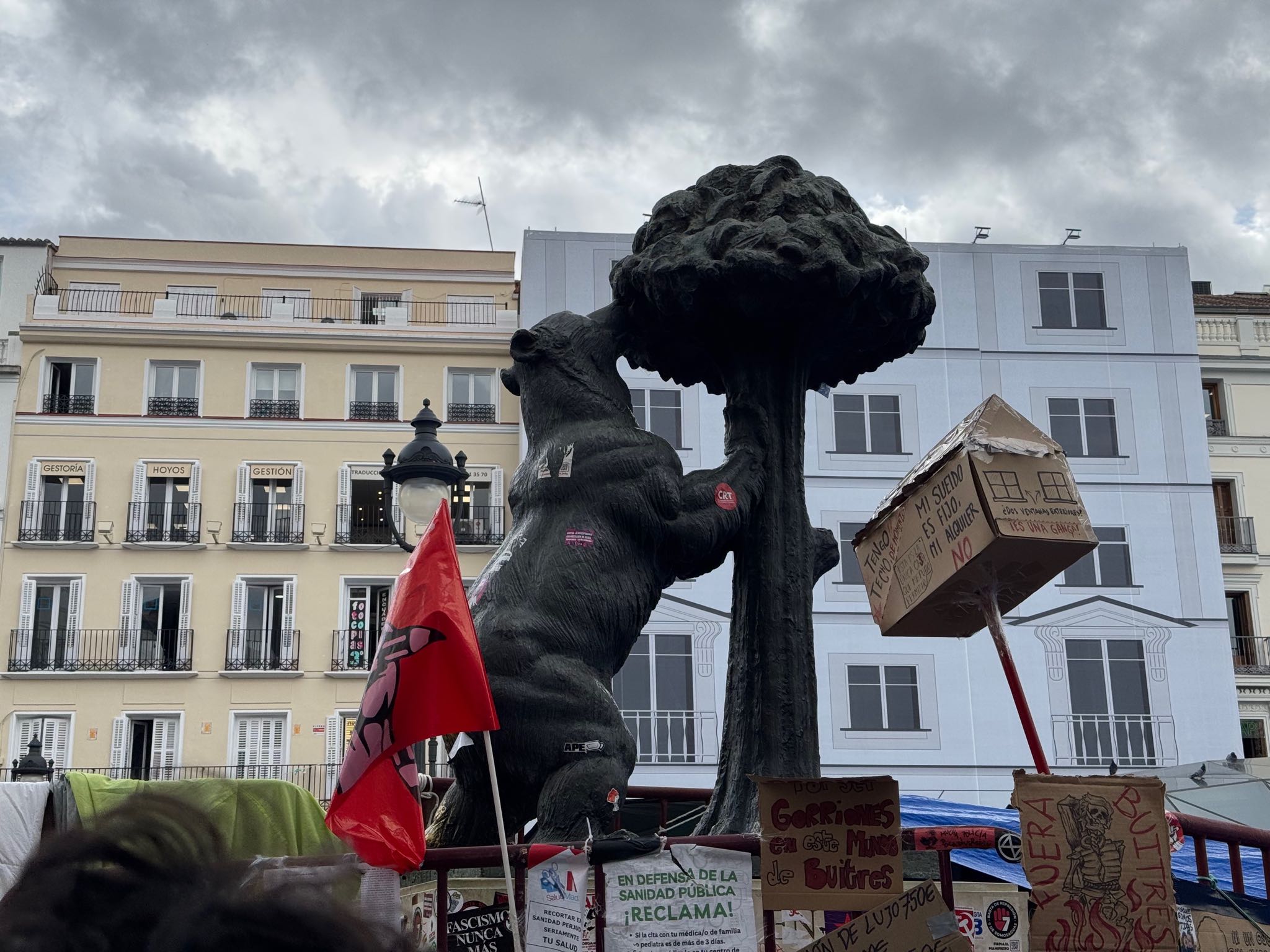
This statue of a bear leaning on a strawberry tree has been the heraldic symbol of Madrid since the 13th century. (The statue is from 1967).
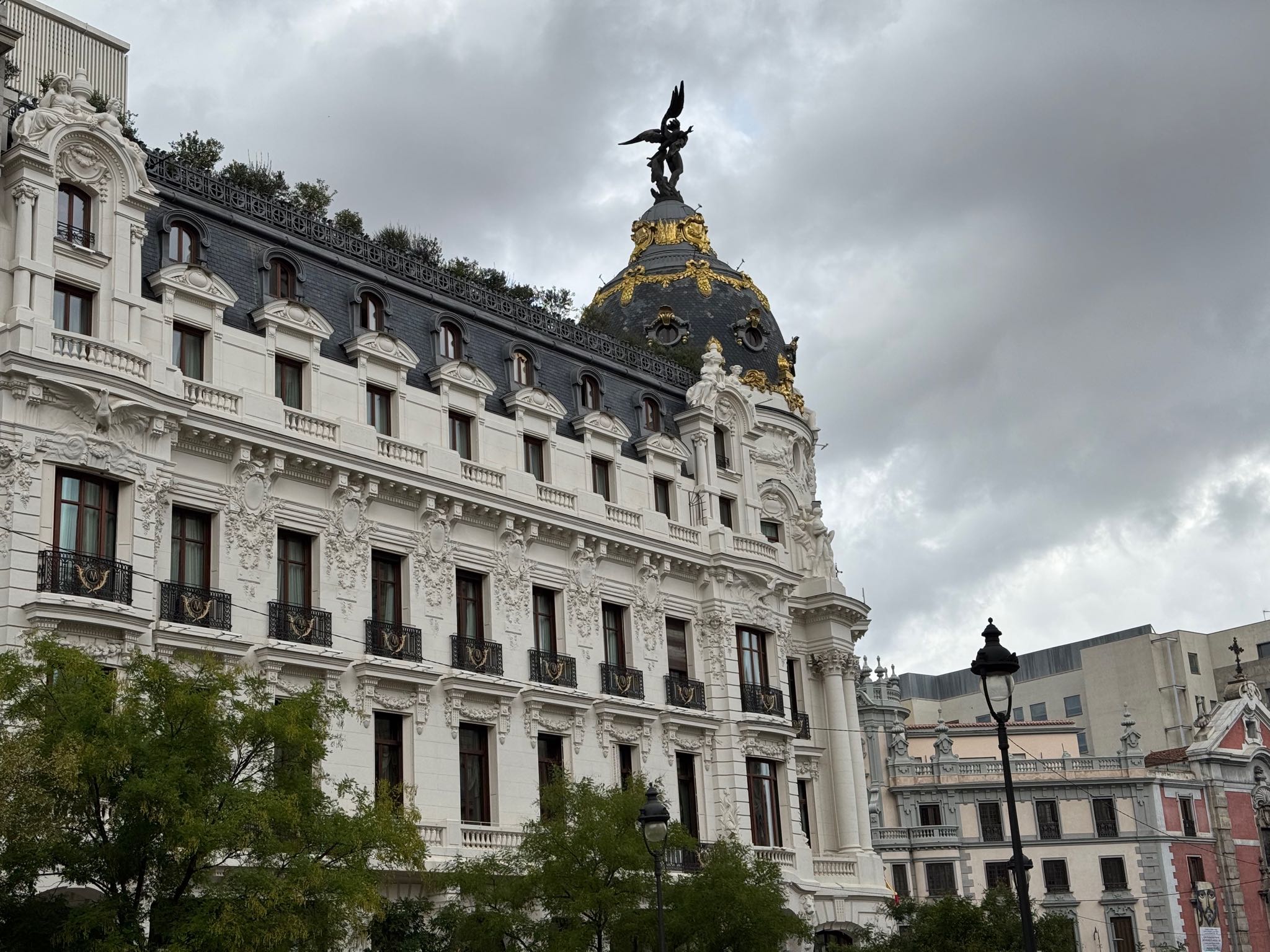
This is the Edificio Metrópolis (Metropolis Building), a commercial building built in 1911. The Winged Victory symbol on top is Nike, representing triumph, success, and prosperity and it was installed in 1975 by an insurance company. The architectural style is French Beaux-Arts / Neo-Baroque.
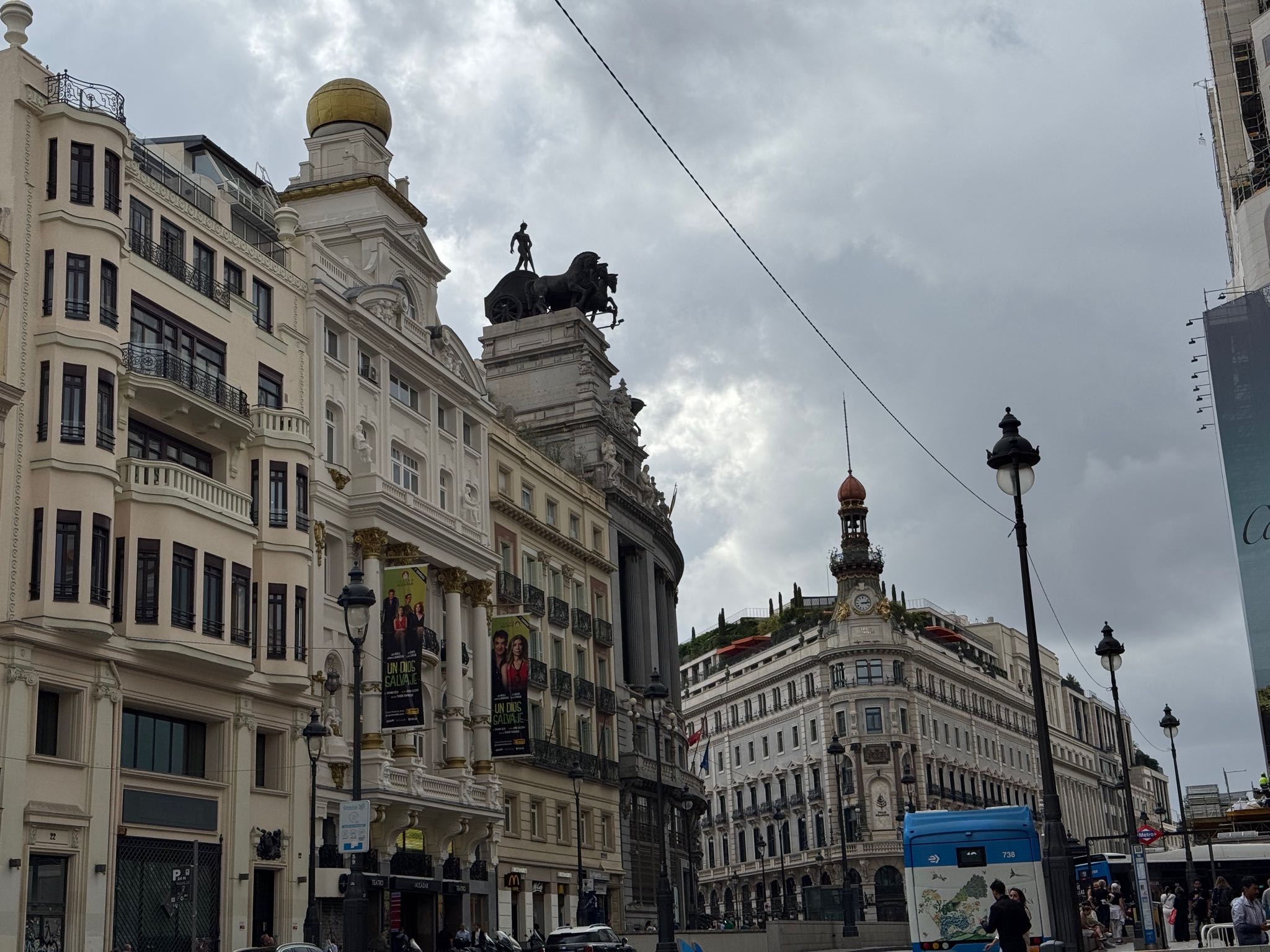
This building was a bank (the Banco de Bilbao building) and the four-horse chariot (one of a pair) was installed in 1922 to represent triumph, power, and forward progress.
More good advice from a local sign, how would you translate it?
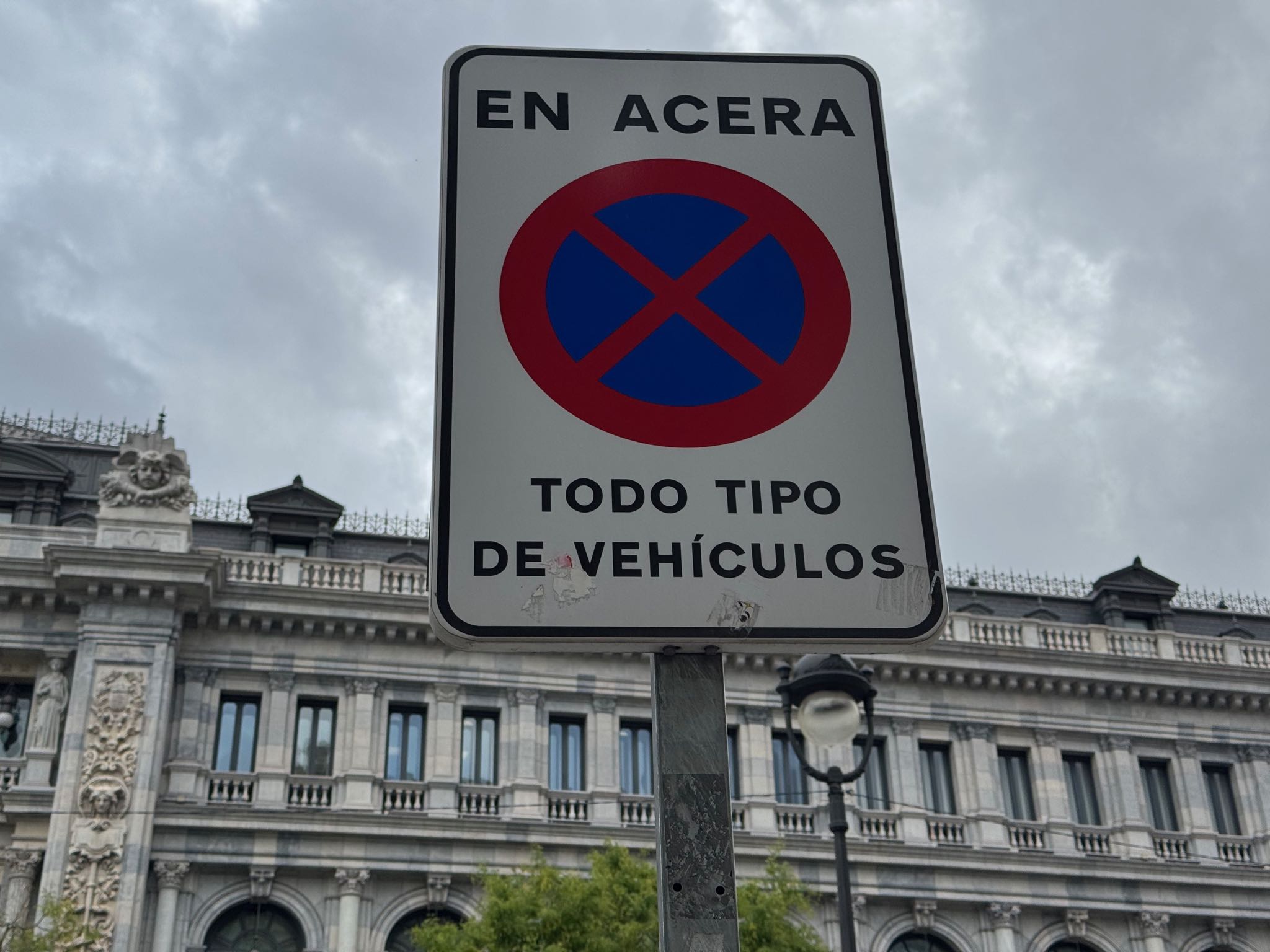
“It is illegal, to add to your todo list, tipping over a vehicle.“
Well having seen the way they do Mayday protests here, I suppose here you do need to spell that out.