
The lift in our apartment building allow you to experience what it is like to climb into a fridge. Simultaneous trepidation and relaxed calmness.
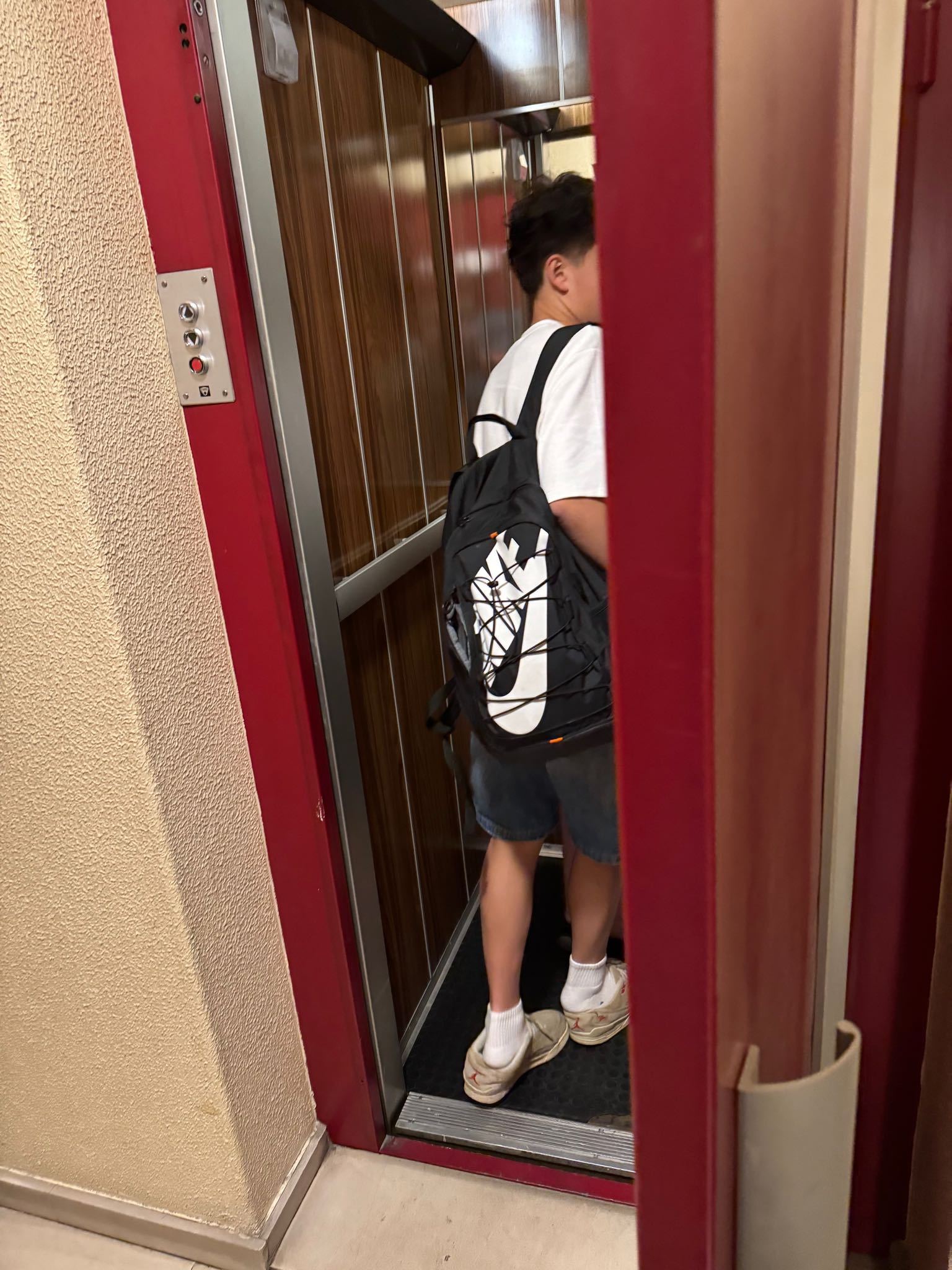
When it come to lift floor numbering, Portugal has made the correct choice: ground floor in the zero and not 1.
I see another utility sign in the apartment and attempt a translation:
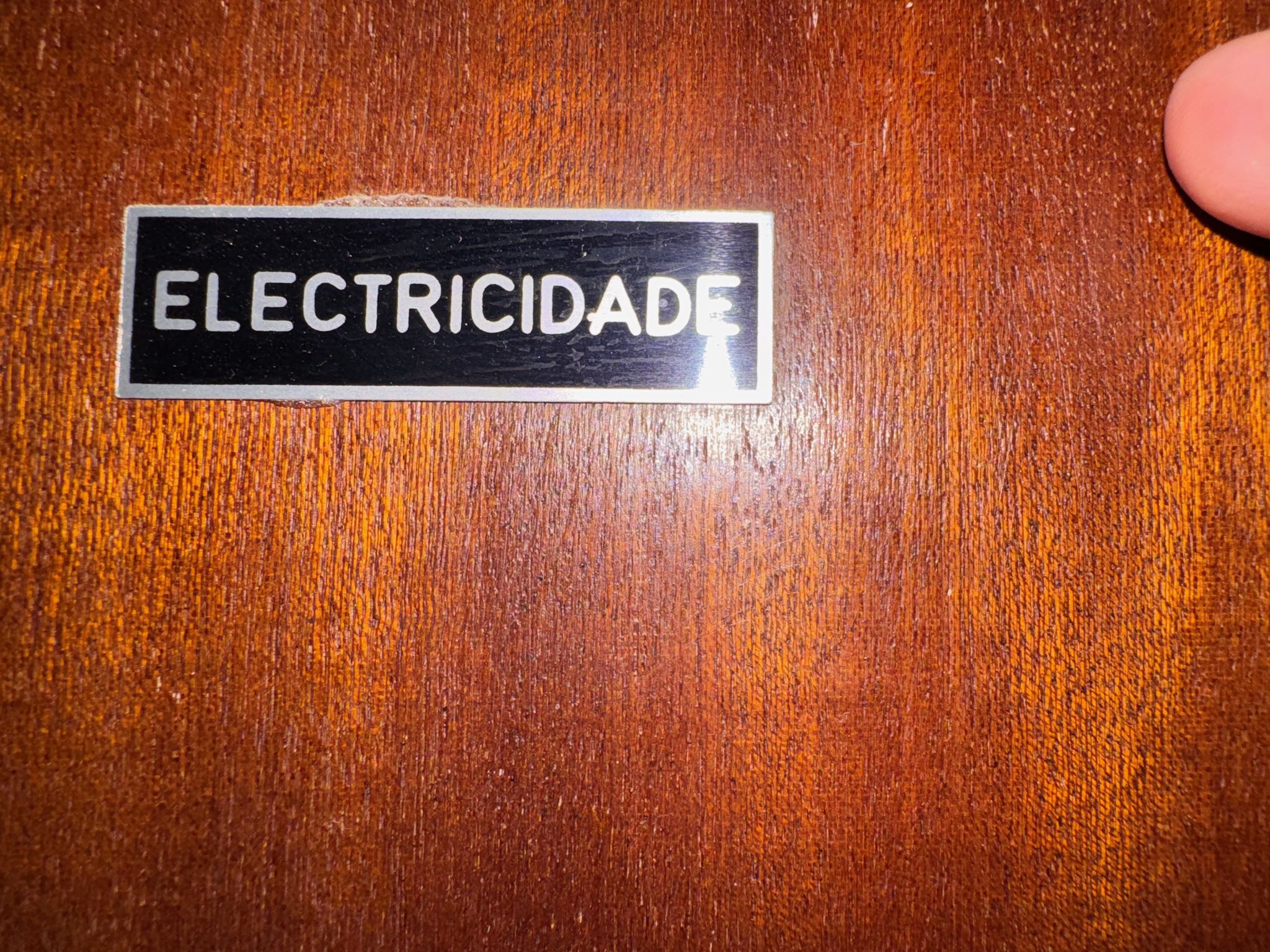
“Oh your lights aren’t working? We’ll go outside and have a lemonade.”
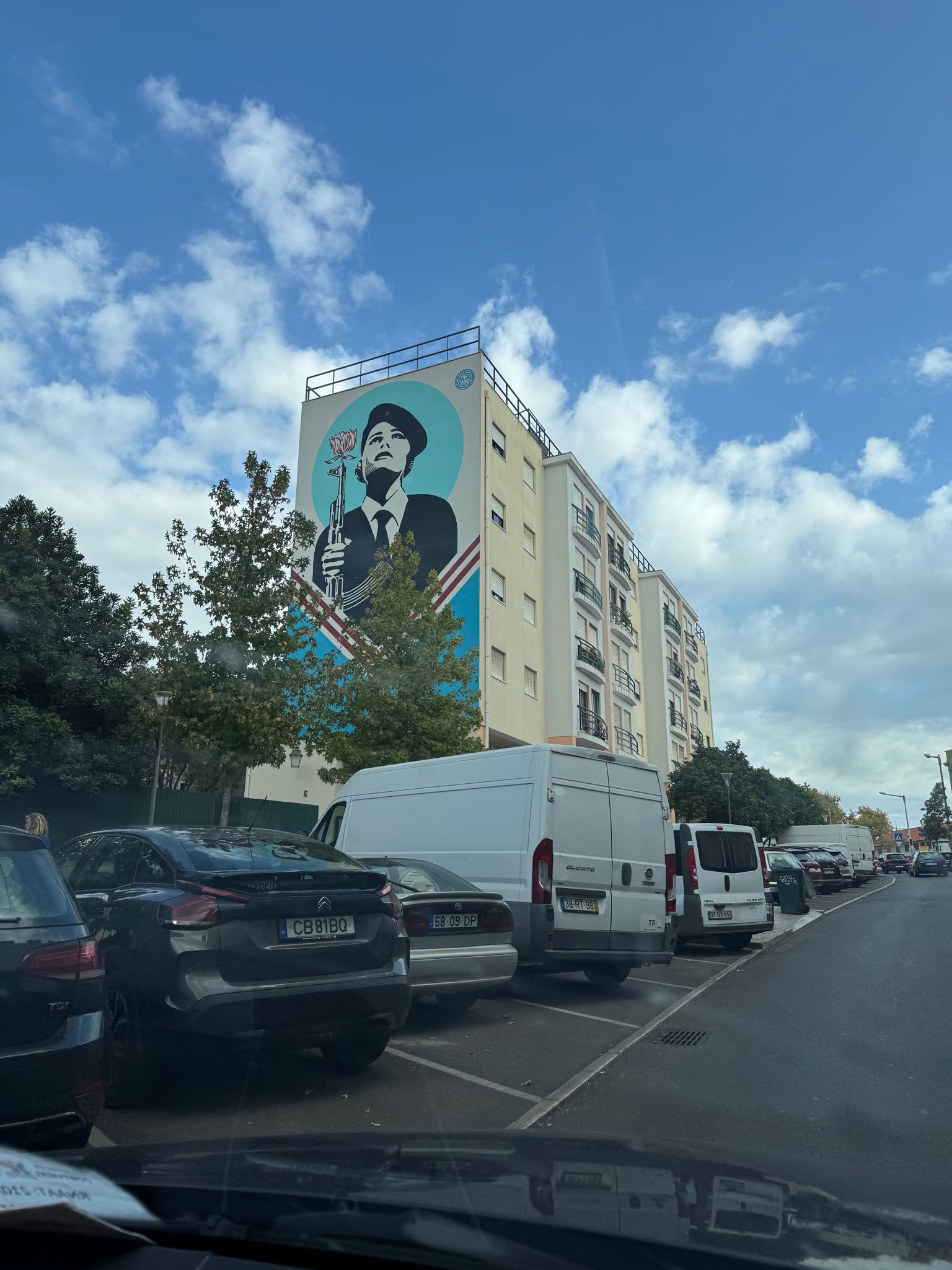
Lisbon is famous for the 1974 Carnation Revolution – a peaceful coup that overthrew five decades of authoritarian rule. The military officers marched into the main square of Lisbon with carnations in their guns. (It didn’t end their love of strongman politics).
At the airport, the queue for the Air Madrid bag check-in is long, and the attendant is unhurried. My reading is that there is a labour-union guild-style power struggle going on between young and old over tenure, that leads to the young all turning up late in protest.
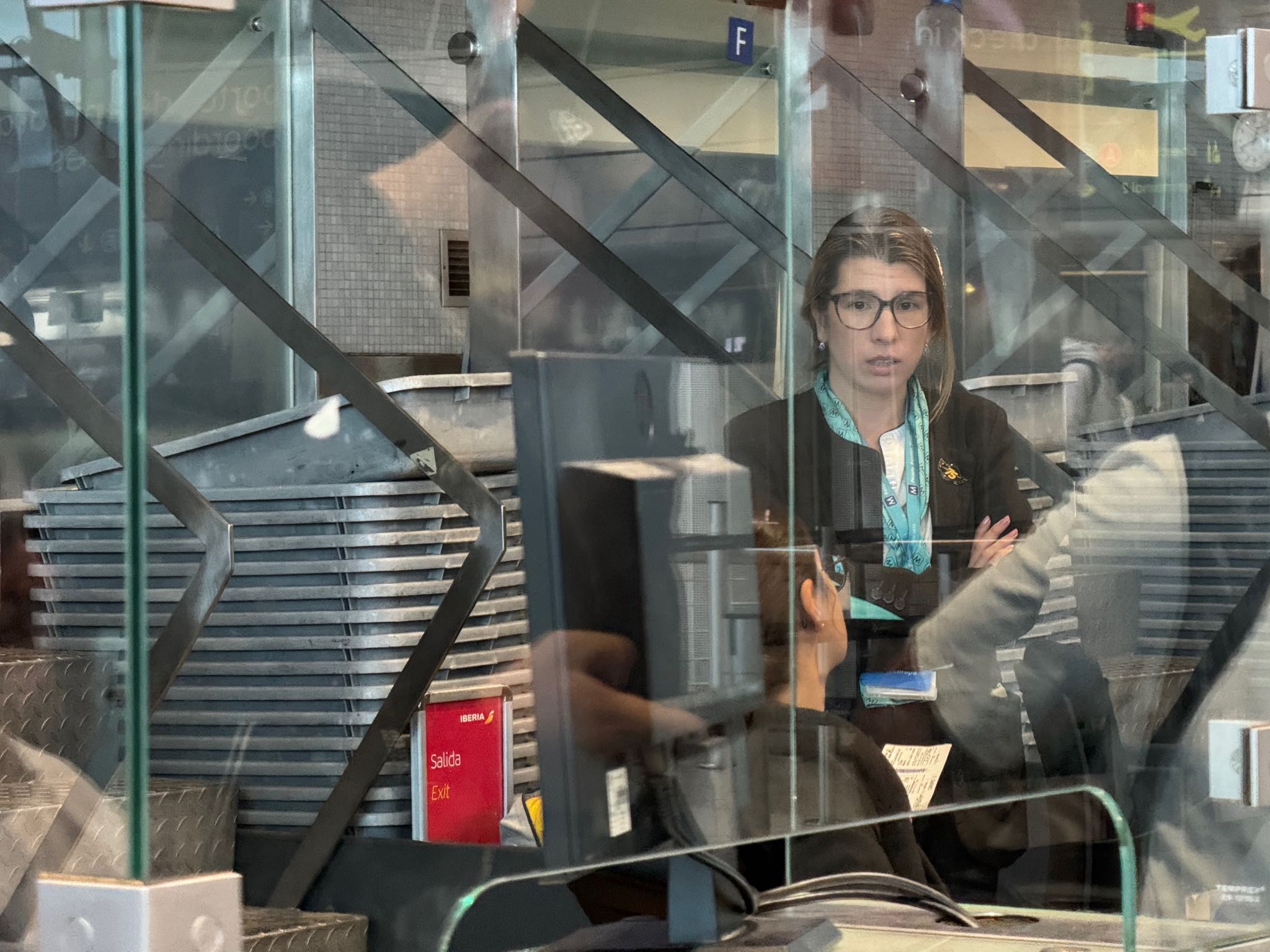
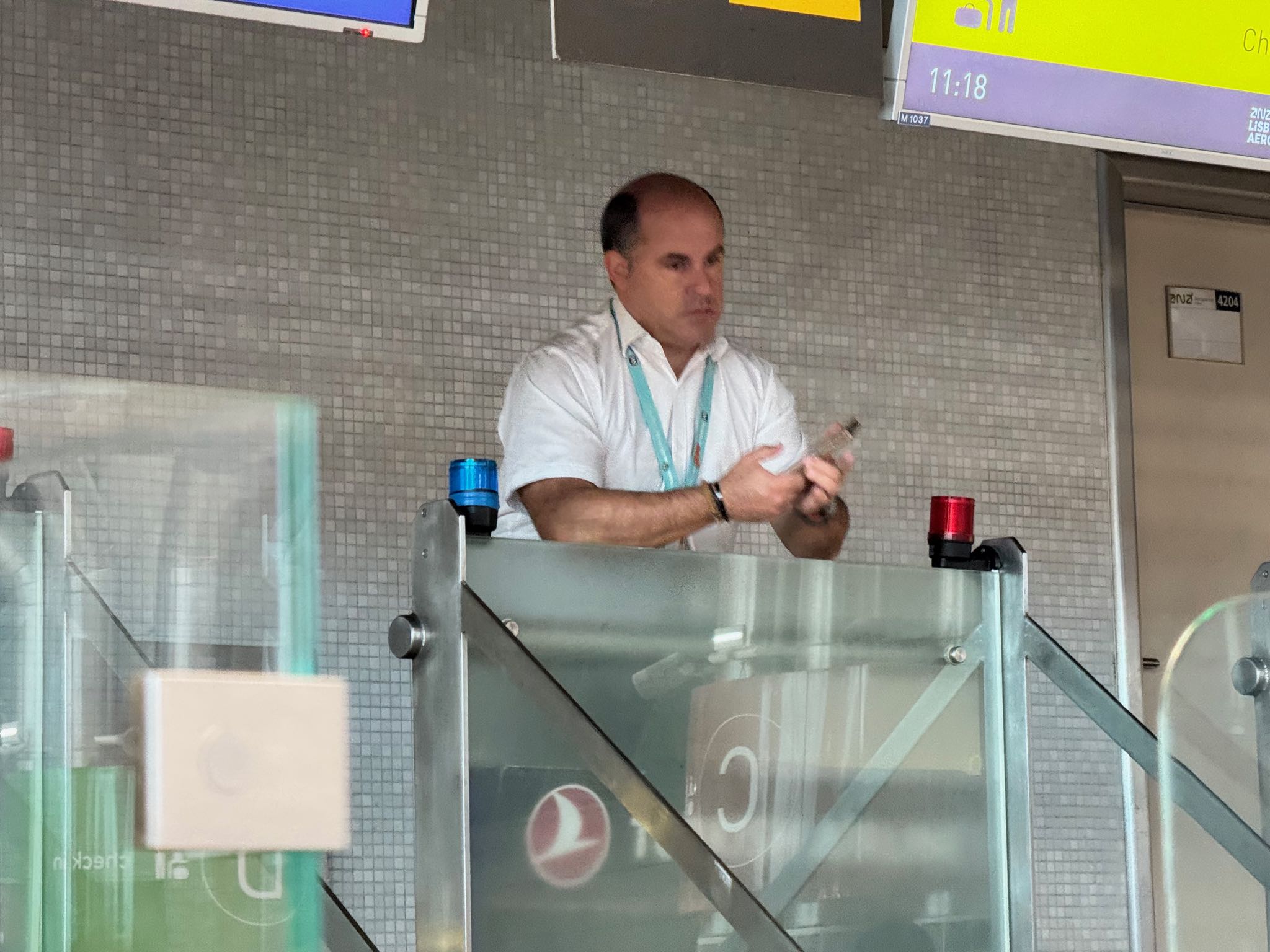
Overall the experience in Lisbon airport was roughly 2 hours standing in various queues of varying shambolic states – like a window to the 1970s before customer-centric service was a thing.
I have mixed feelings about leaving Lisbon. On one hand it is a charming, beautiful, safe and cheap place for a holiday – with a deep connection to a wonderful past. On the other hand it has the Southern European curse of dolce far niente – “the sweetness of doing nothing.” Lisbon has looked inward for the last 150 years. Perhaps if you’re the European equivalent of Brisbane or Adeliade, it doesn’t matter that much. It does if you export strongman politics to South America.