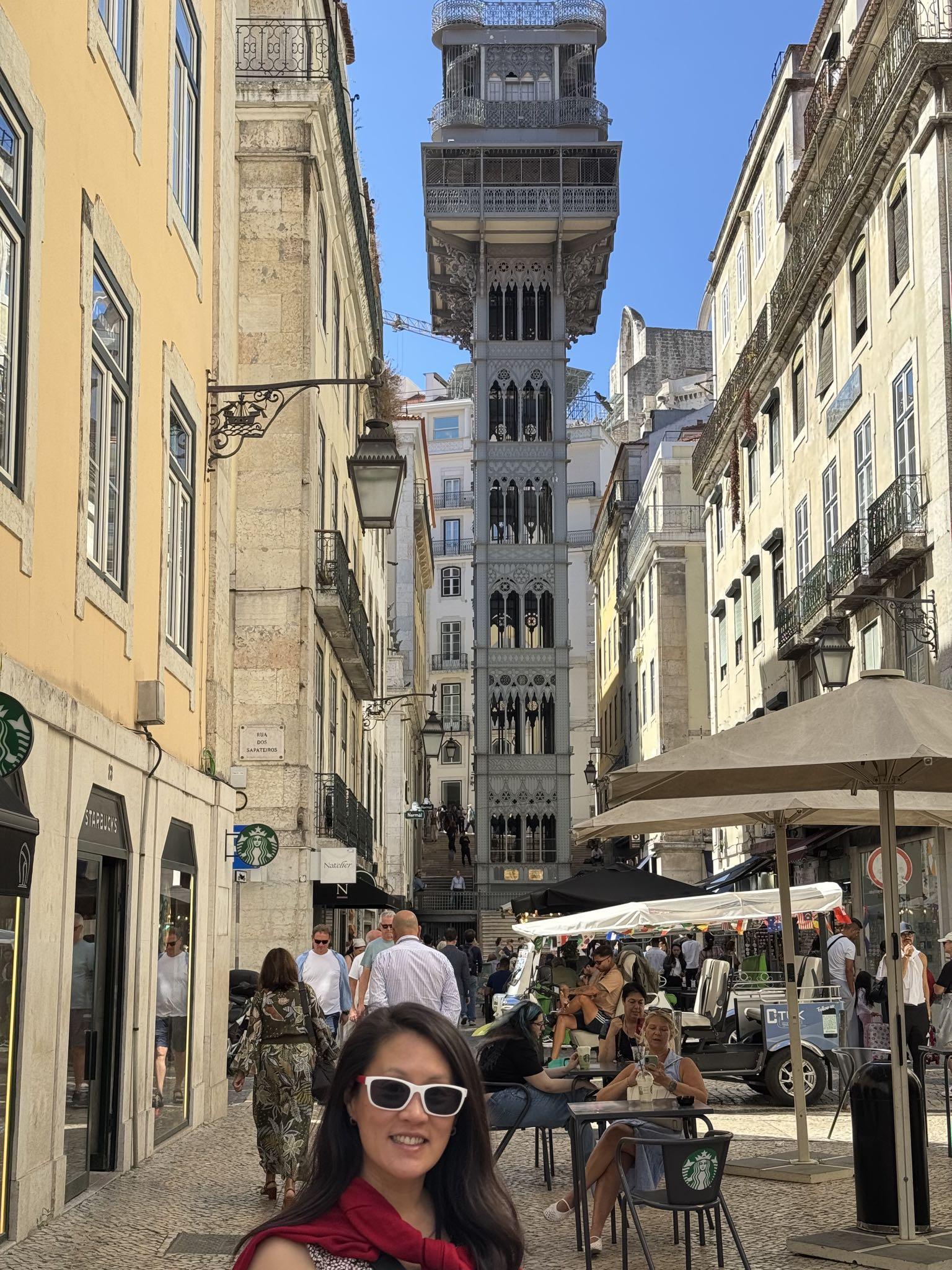
At 9.55 church bells can be heard across the city, inviting people to come to church.
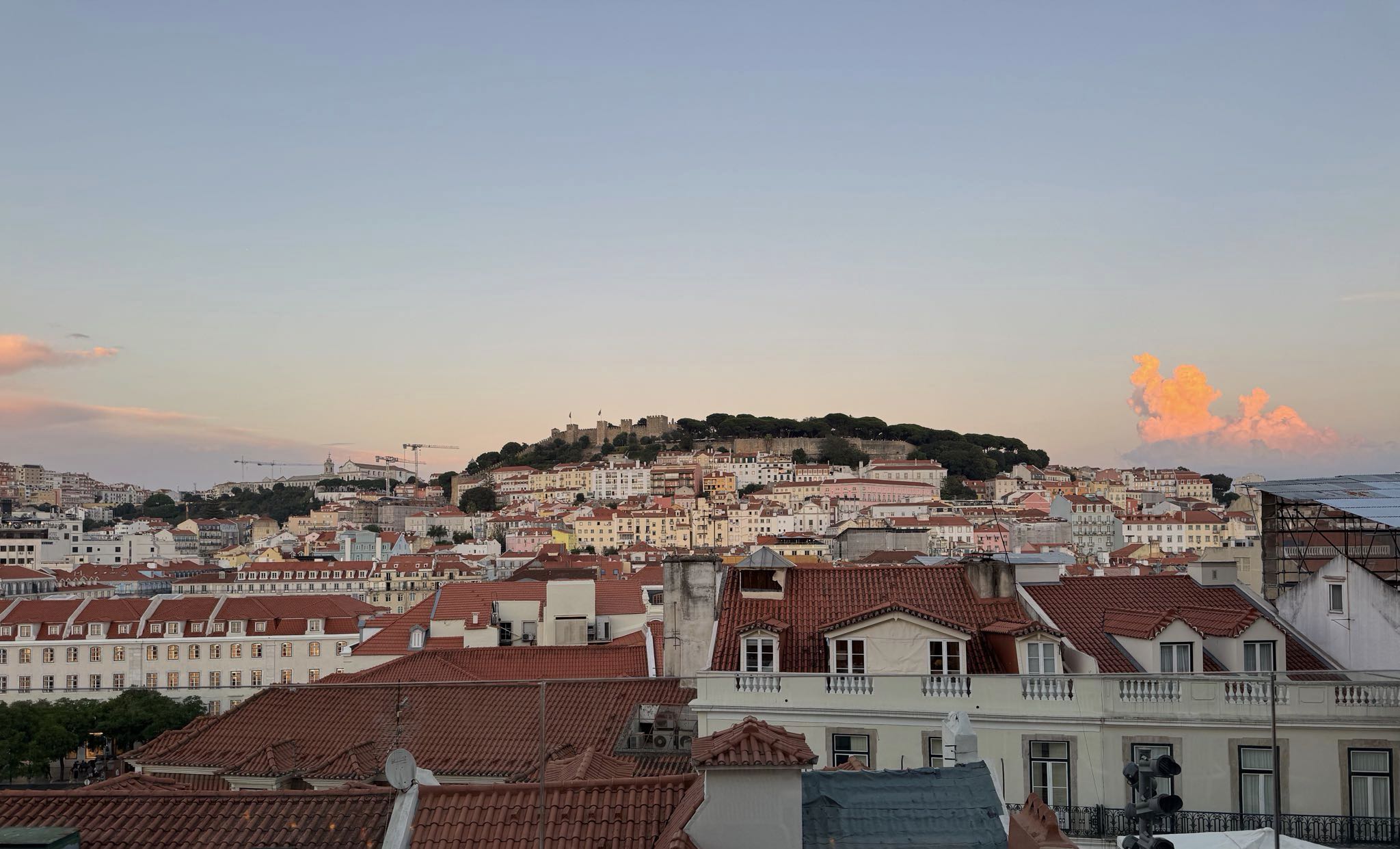
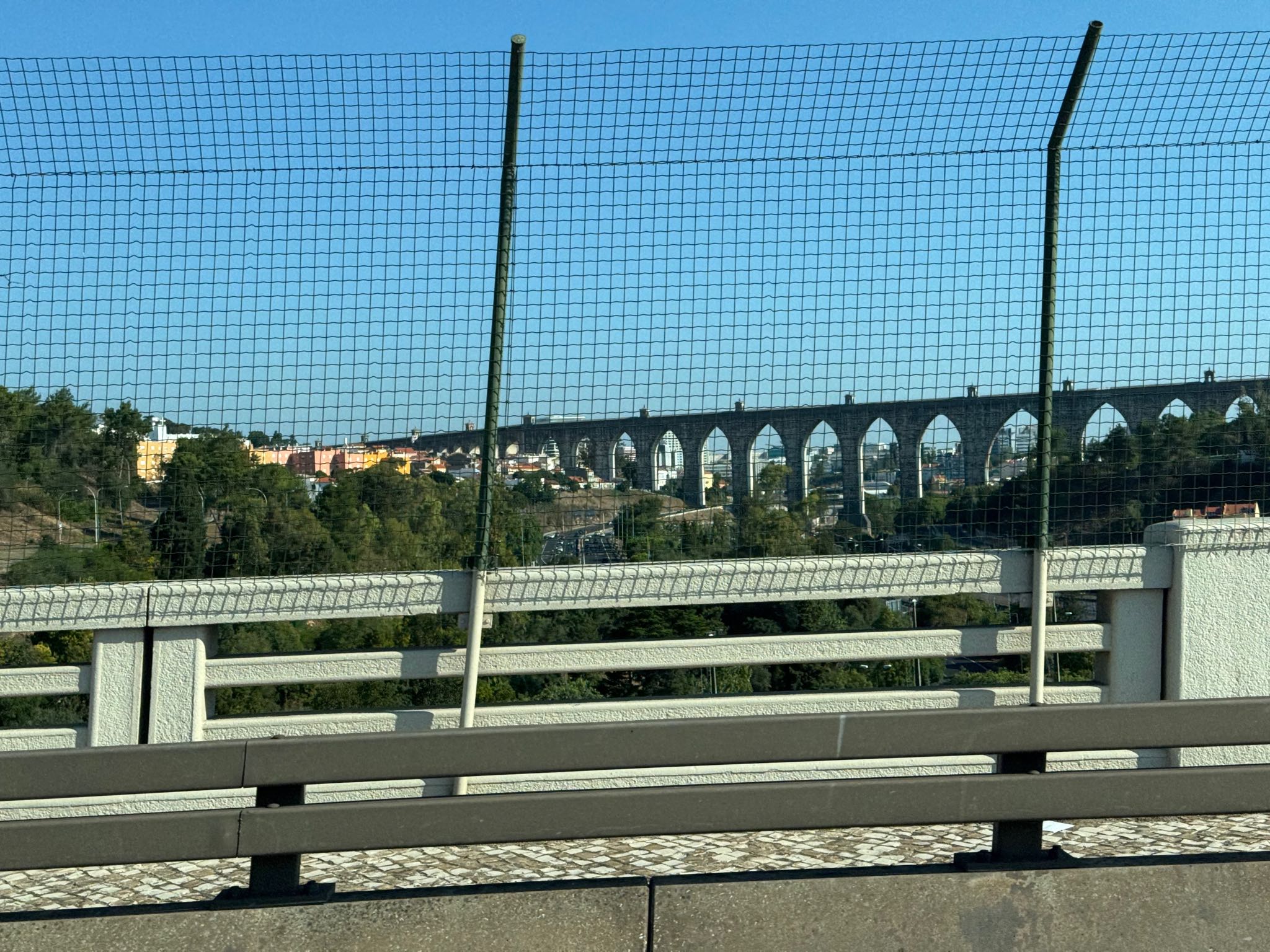
On the morning drive we see a restored Roman aqueduct.
We spent the morning at 11am church with the Georges. The PCA are worth a second look.
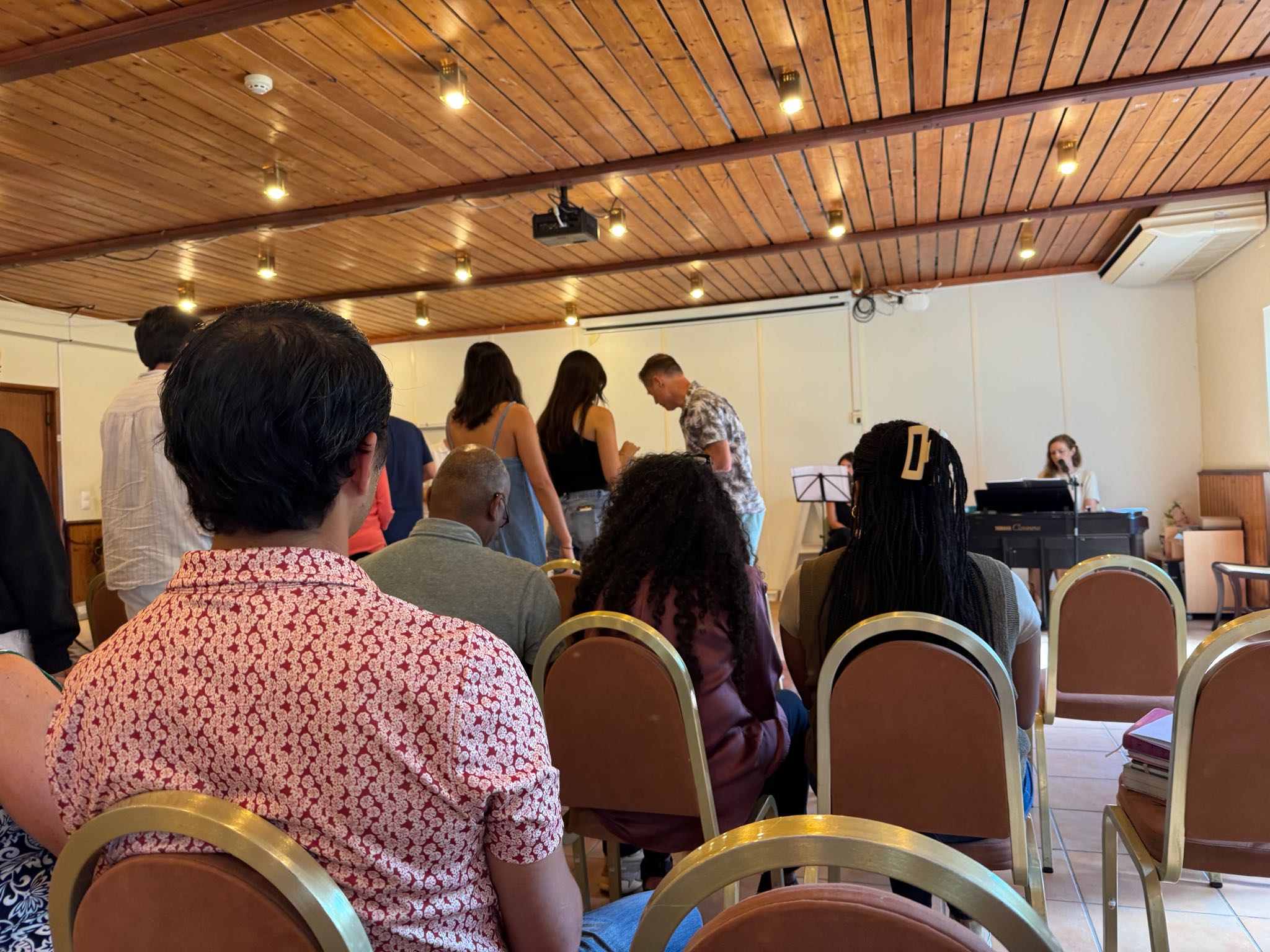
After church we travelled to Belem. (Pronounced in Portuguese with a kind of Aussie nasal slang – “Belang”).
Belem is significant for being the place where the significant parts of Lisbon history are situated. We arrived at a cafe half empty at 2.15 and it filled up at 2.30. Perhaps this is the Portuguese way.
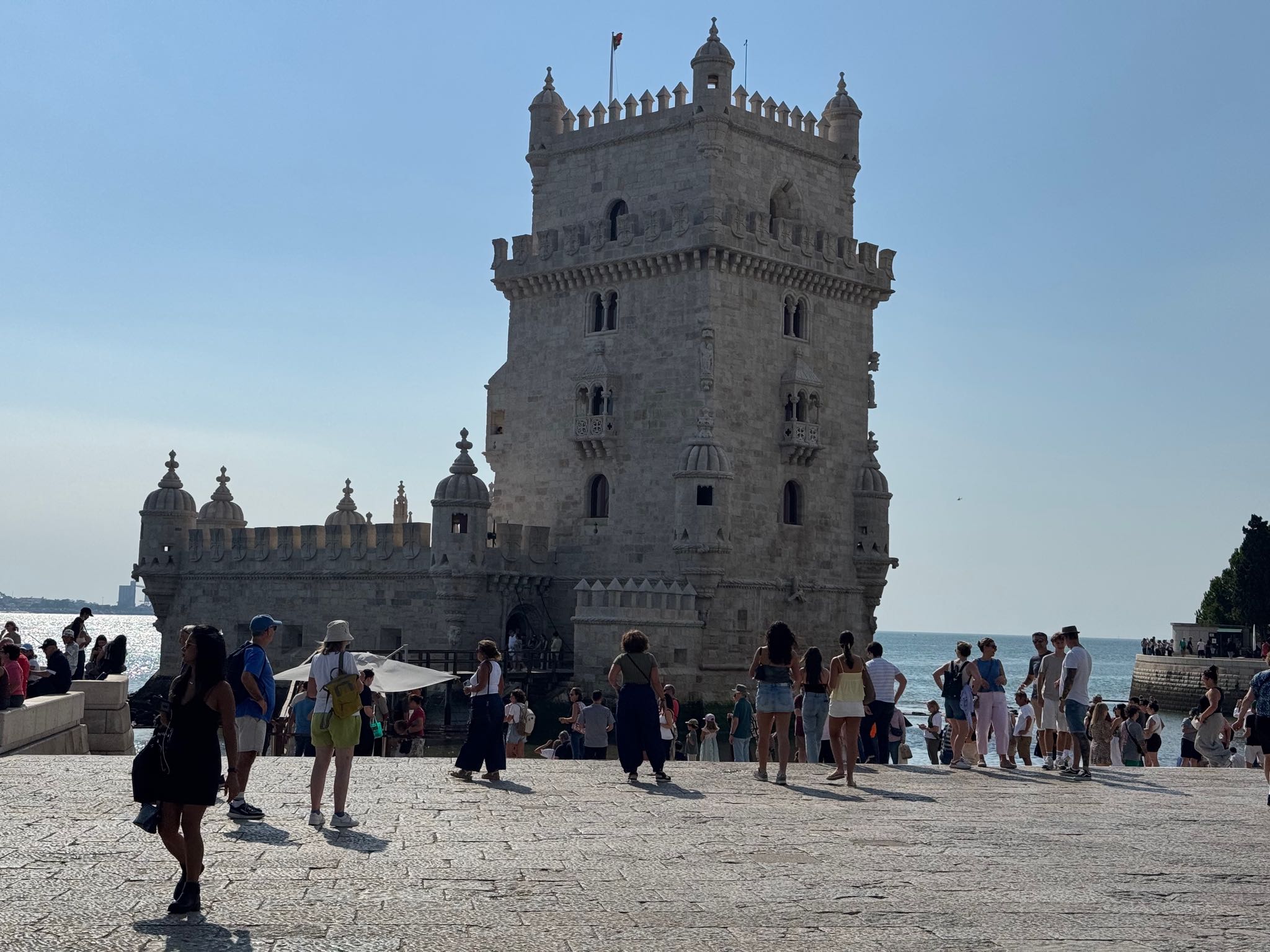
First stop – Dom Successo’s castle. Whilst this was in active use as a Fort during one war – since then it has become a symbol of highly-paid government official’s egos. Most recently it was the postmaster generals office. In a way it makes me disgusted. This is what Portugal has been spending money on instead of actually doing things.
This is the Padrão dos Descobrimentos – the Monument to the Discoveries. This is where the ships left to explore the Orient and trade with India and Indonesia. The massive 54 metre structure is designed to look like a Portugese sailing ship from the 15th and 16th centuries. From here we see Prince Henry the Navigator (who instigated this theme.) There is also Dias who navigated the Cape of Good Hope, Vasco De Gama who found the trade route to India, Magellan who circumnavigated the earth, King Manuel I who funded the trips, and scientists, cartographers and warriors.
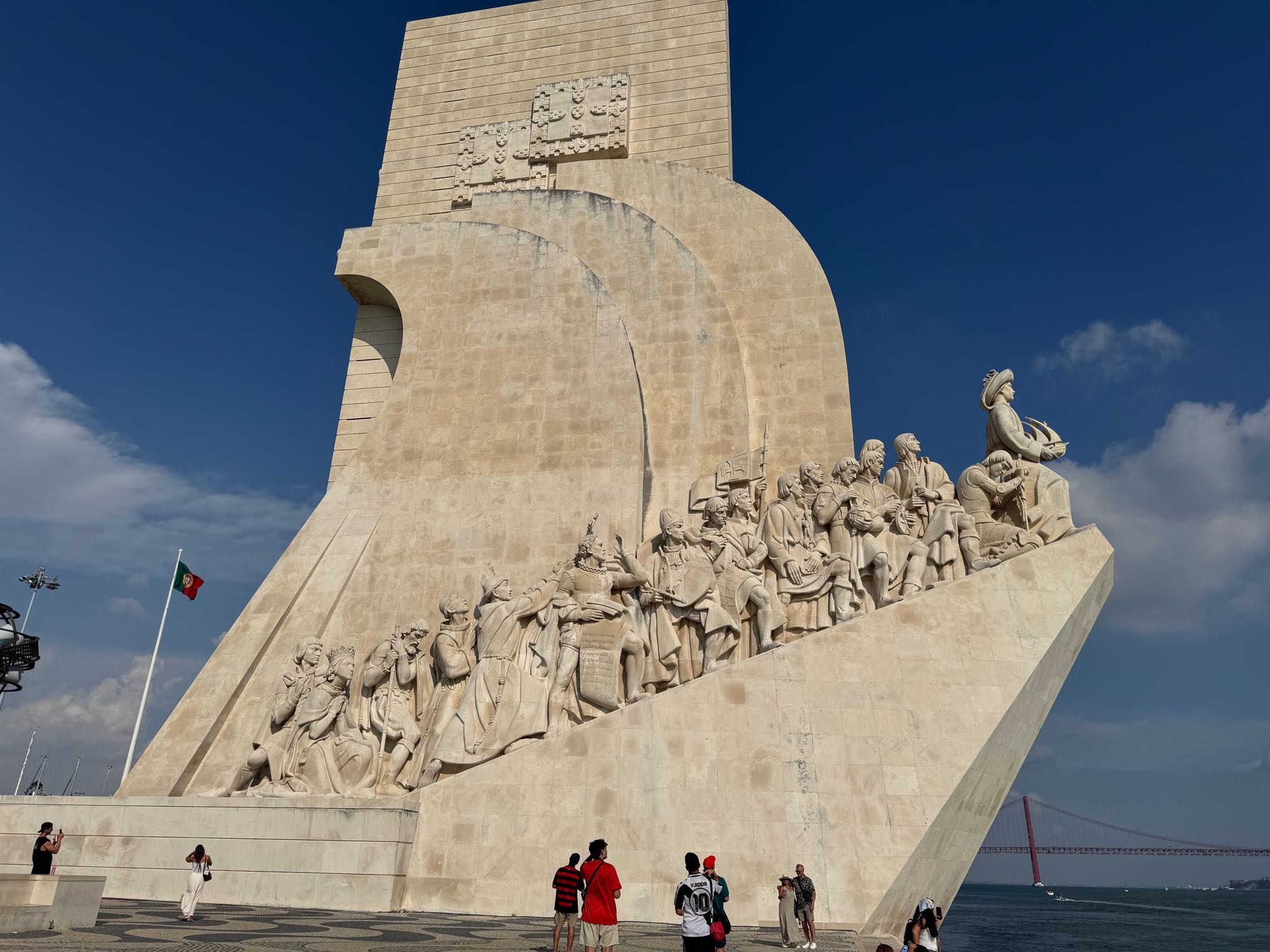
This is it! This is where all the magic happened! This is the bit where Portugal actually stood on the world stage and looked outward! I’m so excited I can shed my my middle-aged male pretention and jump for joy!
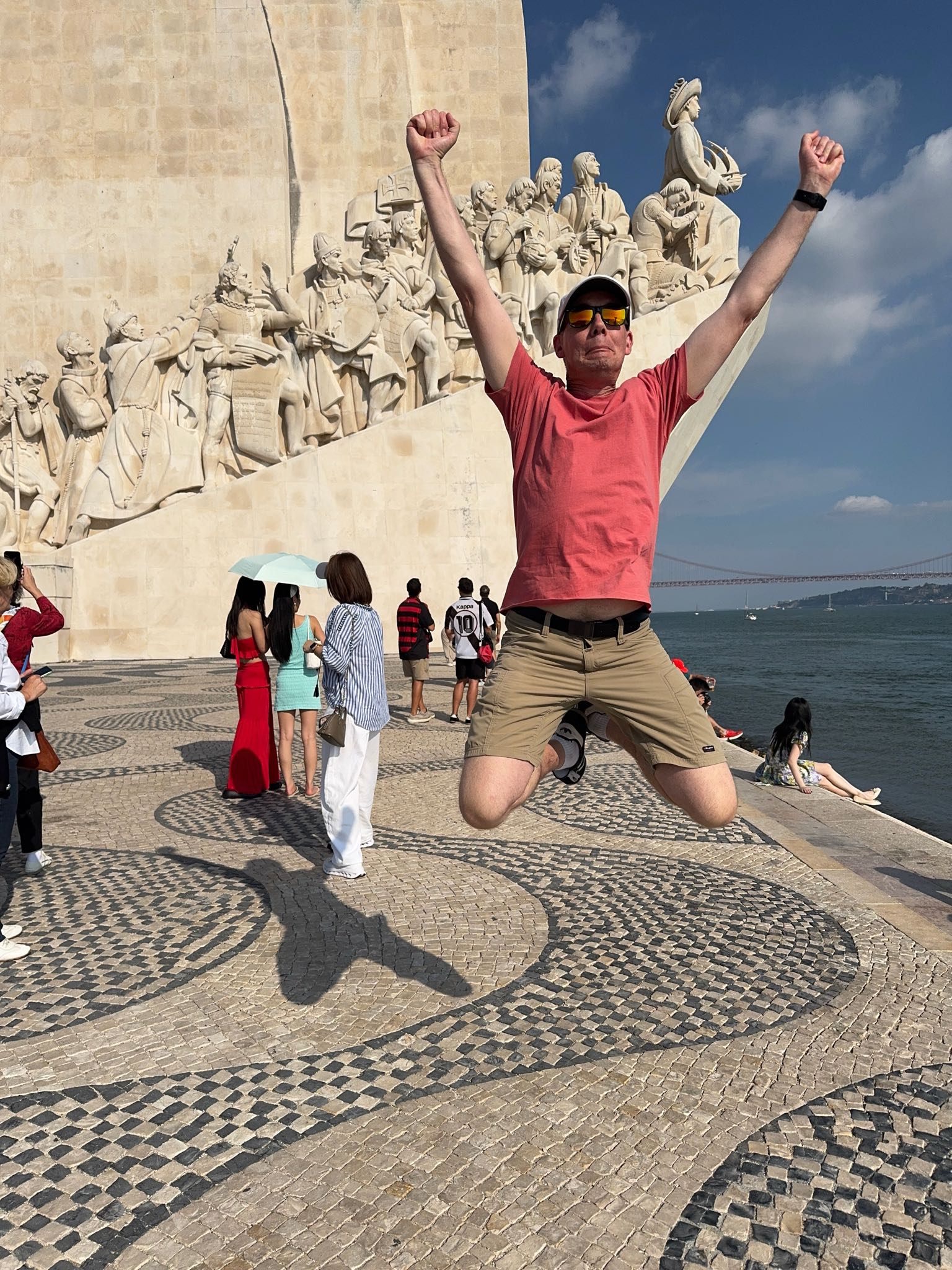
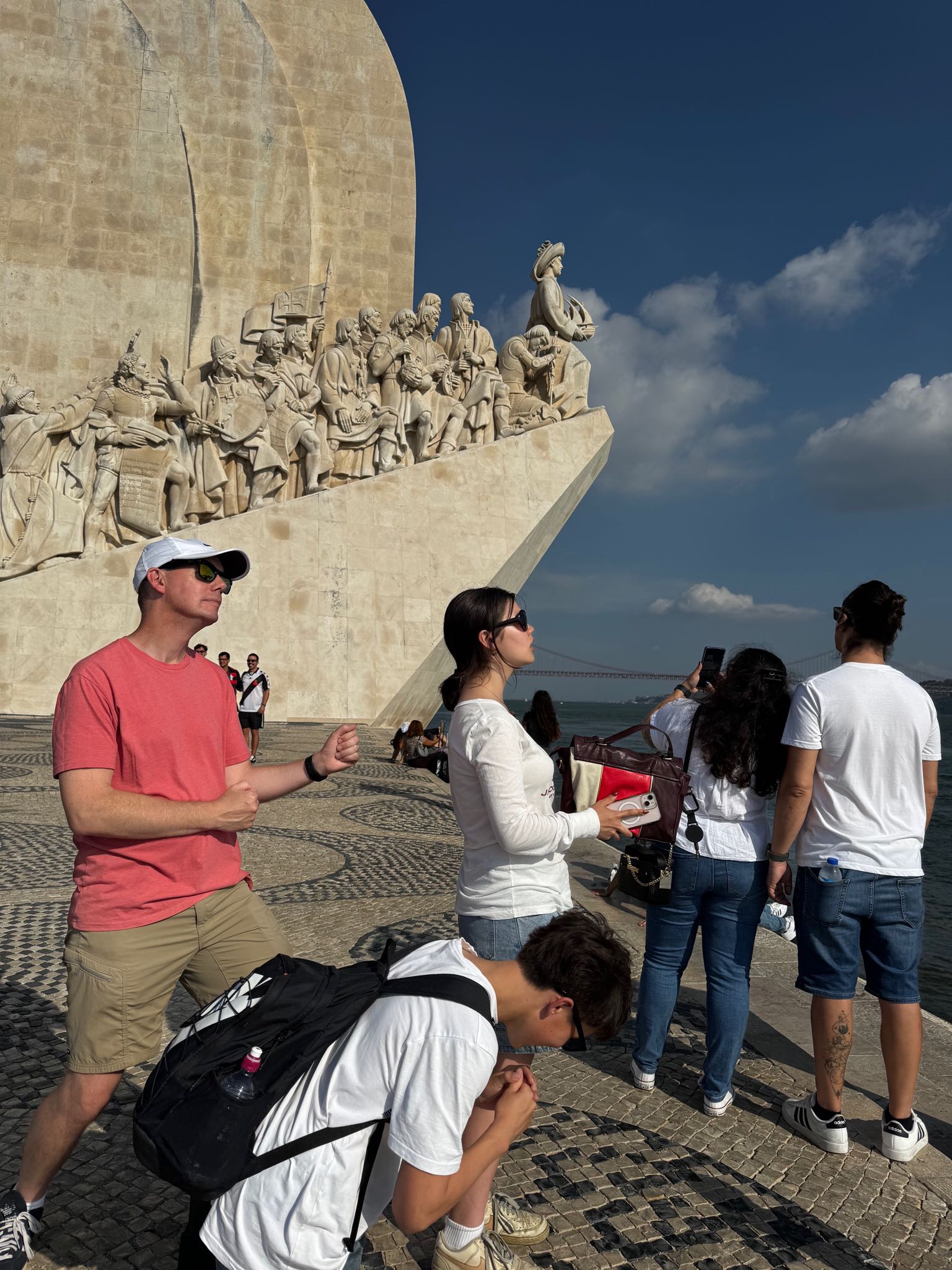
Even my family senses the drama in the moment.
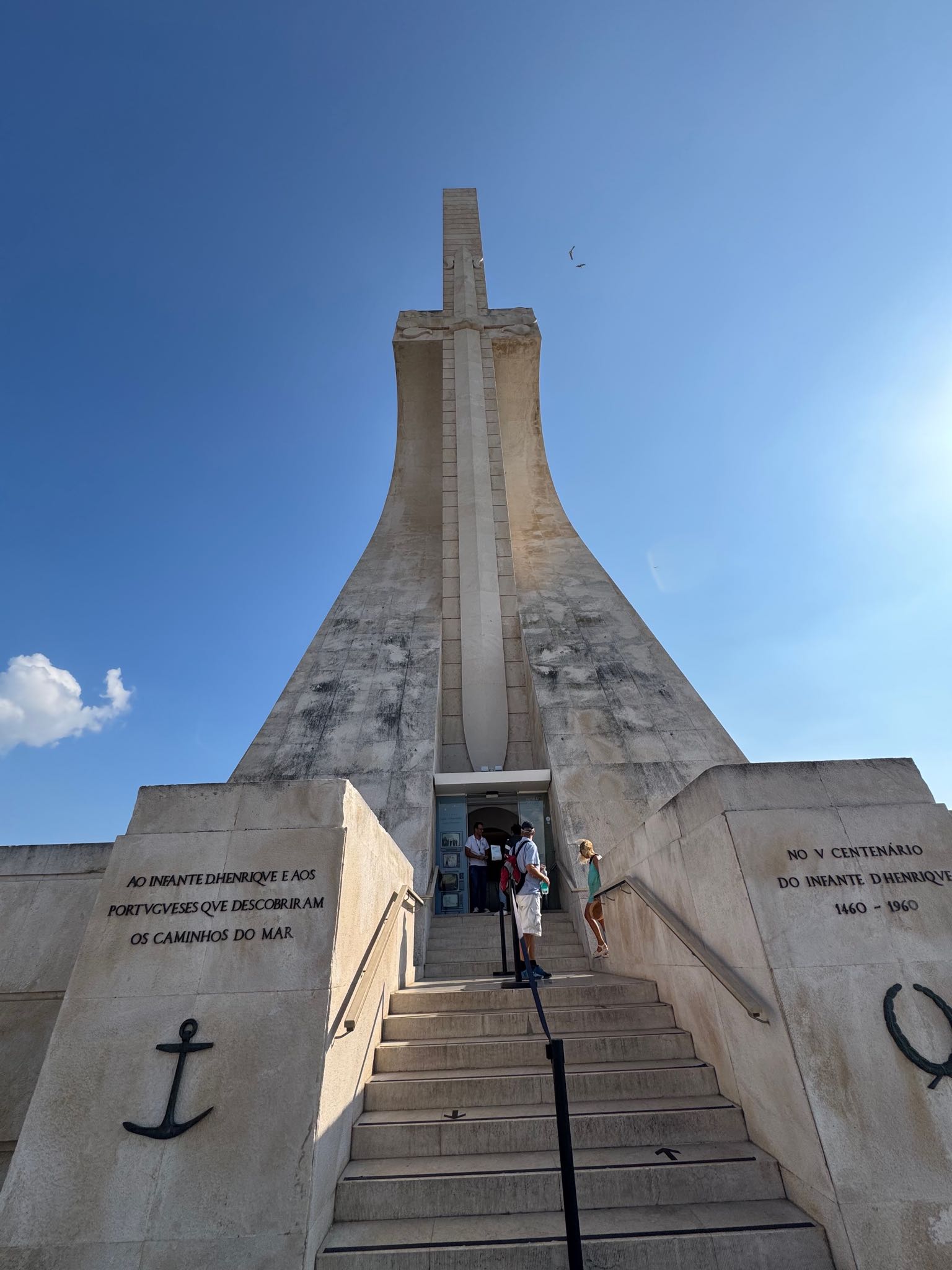
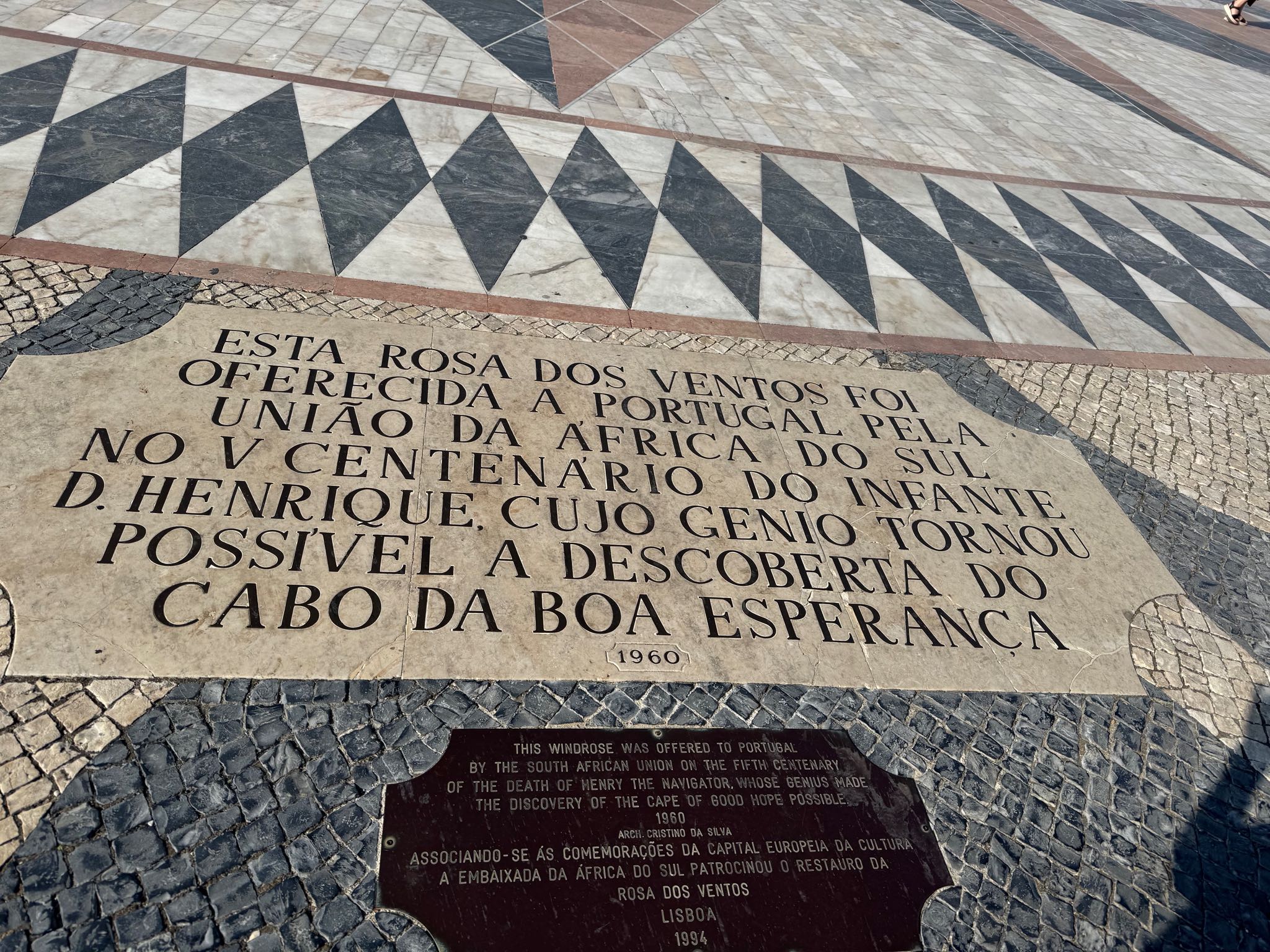
There is also a monument from South Africa in 1960, honoring Prince Henry the Navigator.
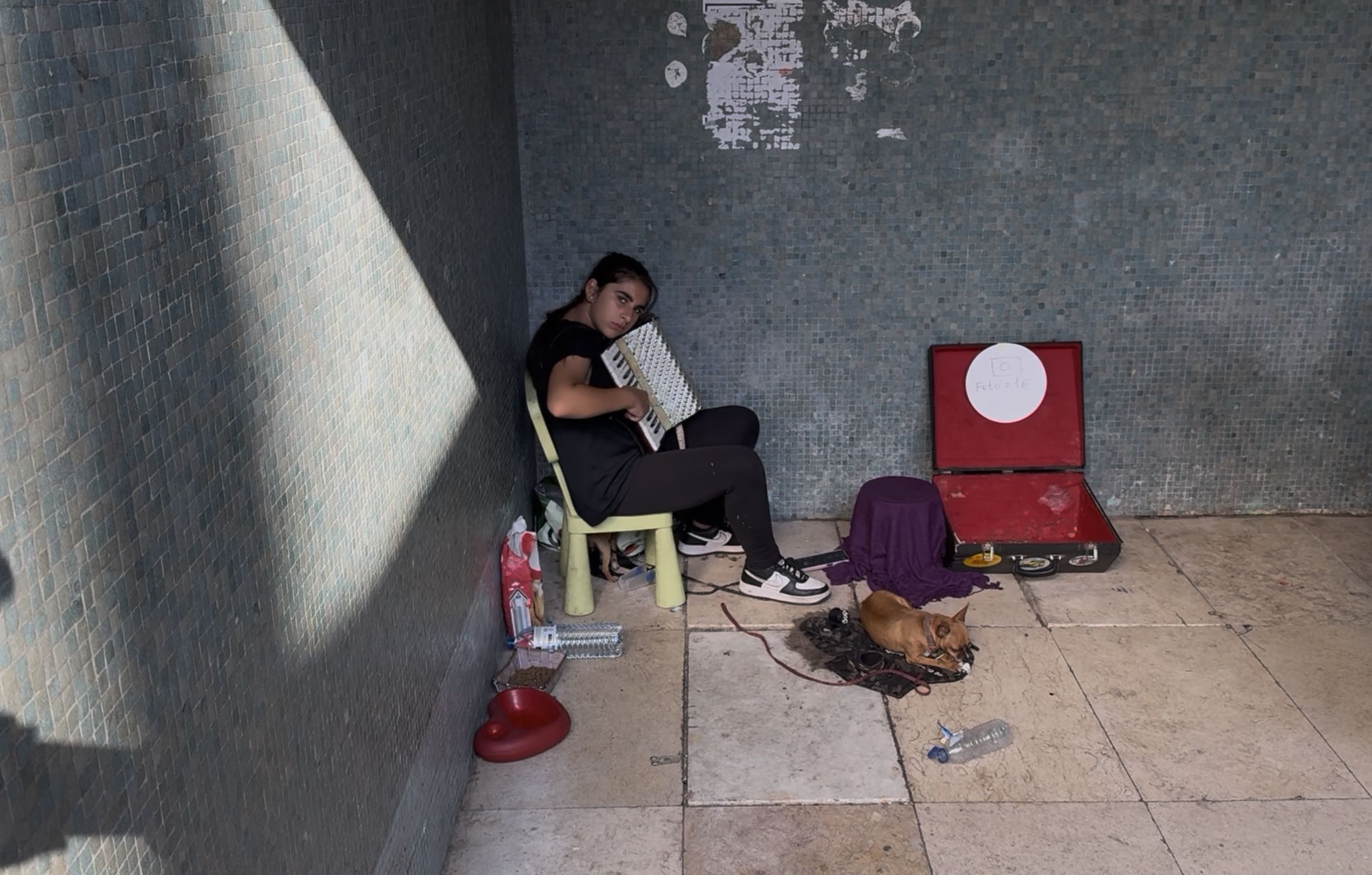
We cross the highway by walking under a tunnel. Sheltering from the heat is a girl busking, playing accordion. We are transporting us to images of Paris or Belgium, but reminded of pan-European identity.
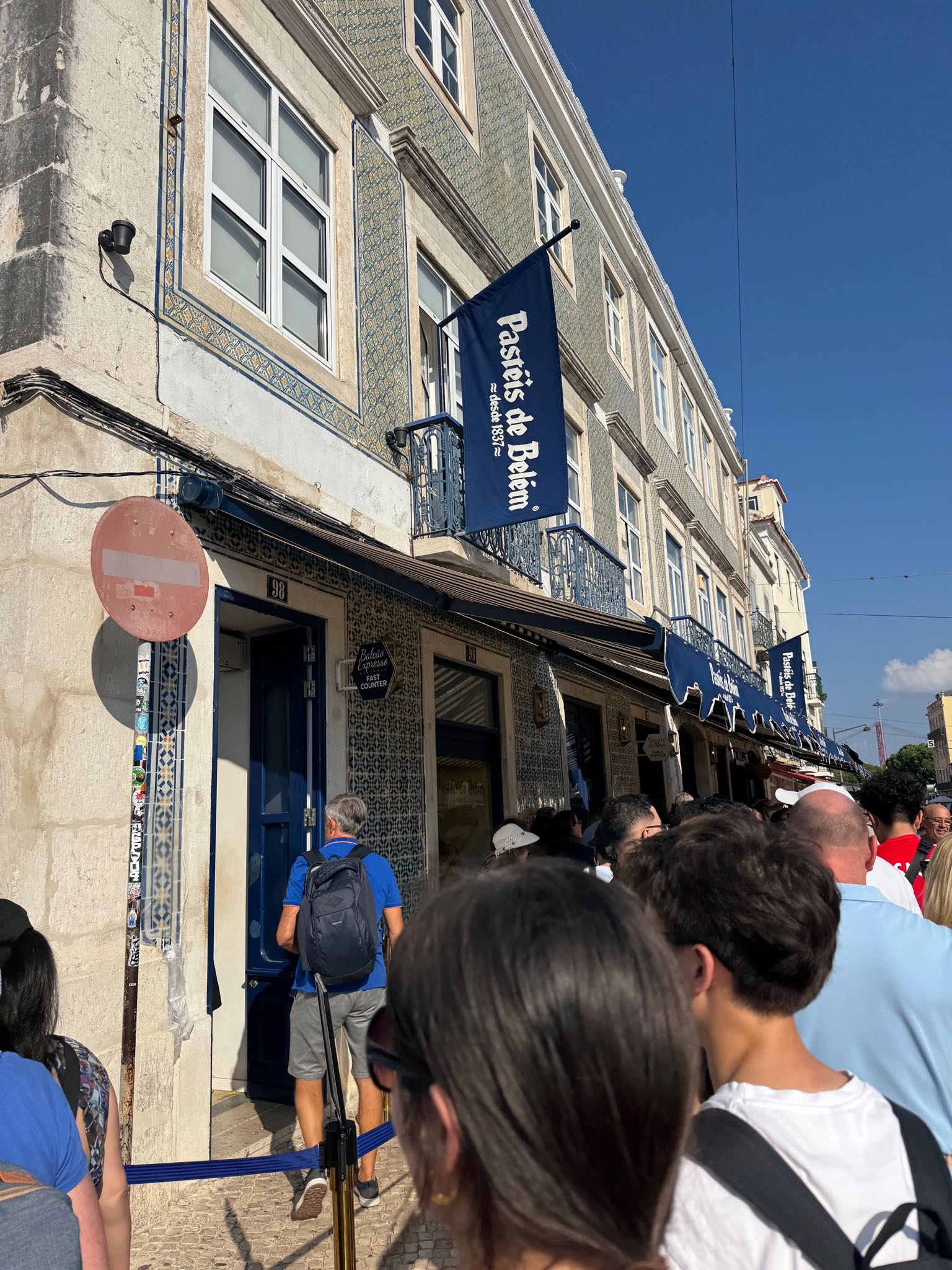
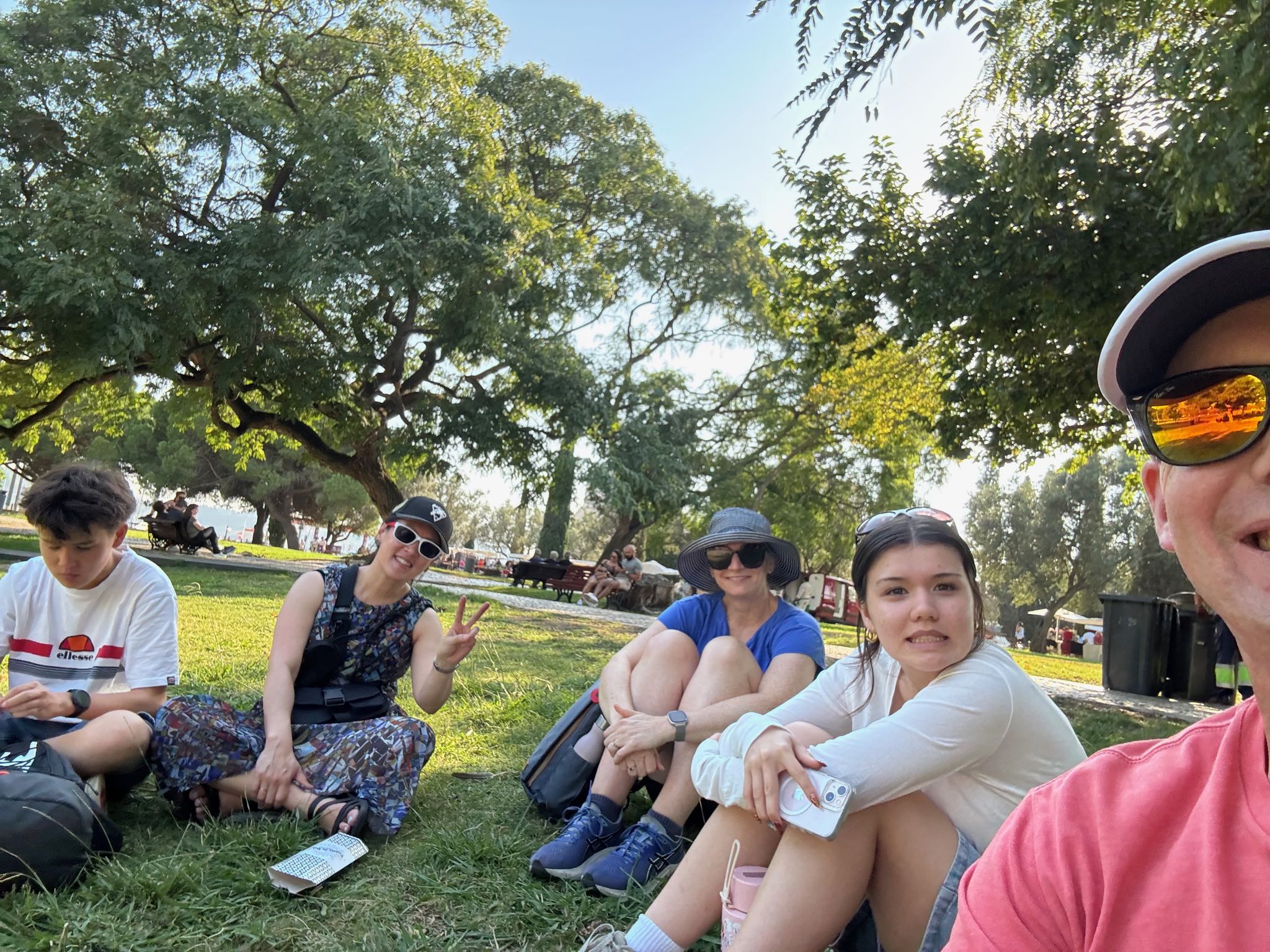
On the theme of global Portuguese influence – we go to the place where custard tarts apparently originate. (In Sydney we mostly see them from Hong Kong restaurants due to the Macau influence – but Portuguese bakeries are becoming a thing.) We take them to a park to eat.
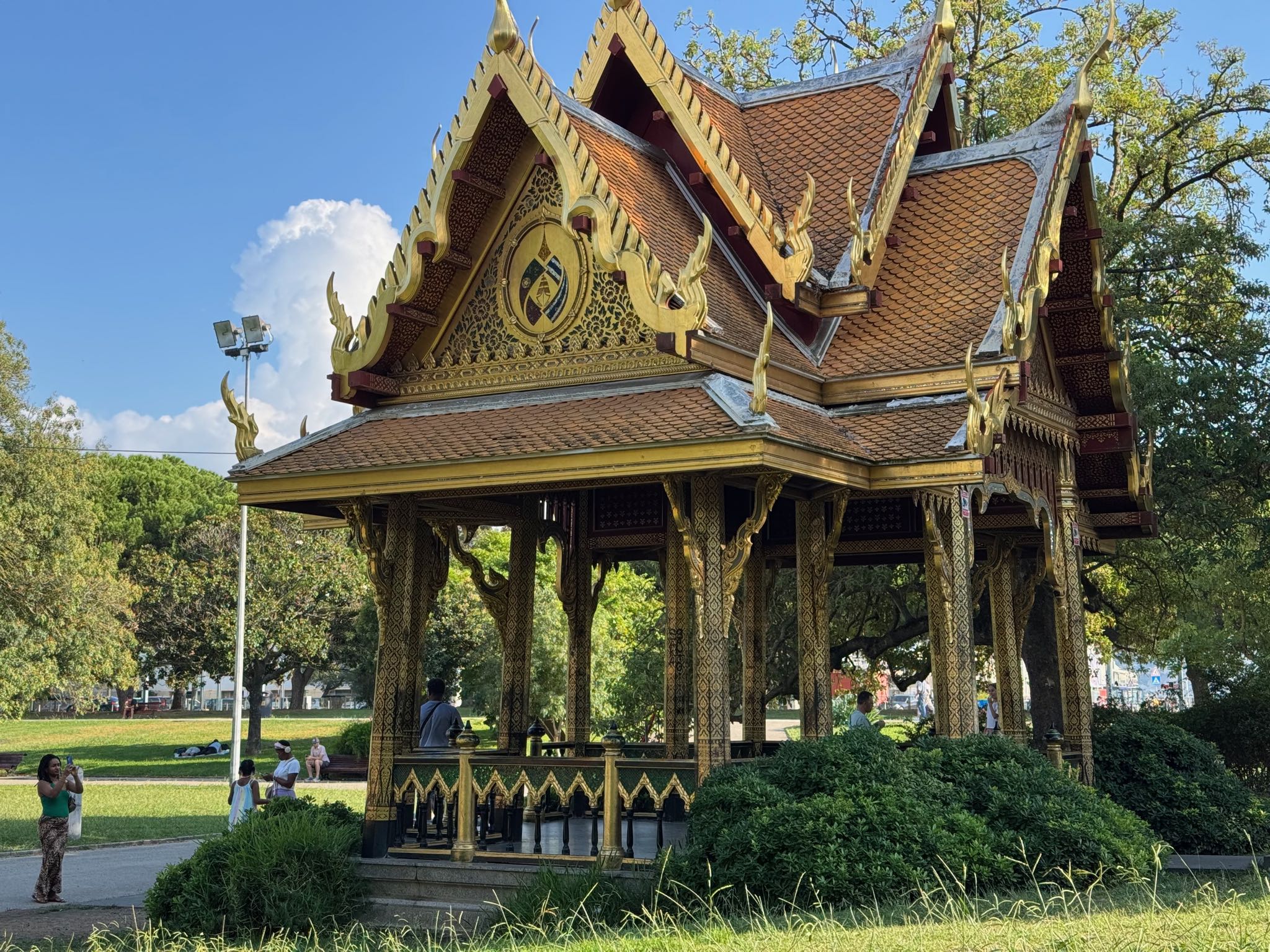
A nearby building from 2012 commemorates 500 years of friendship between Portugal and Thailand. (Portugal being the first European nation to open diplomatic relations.)
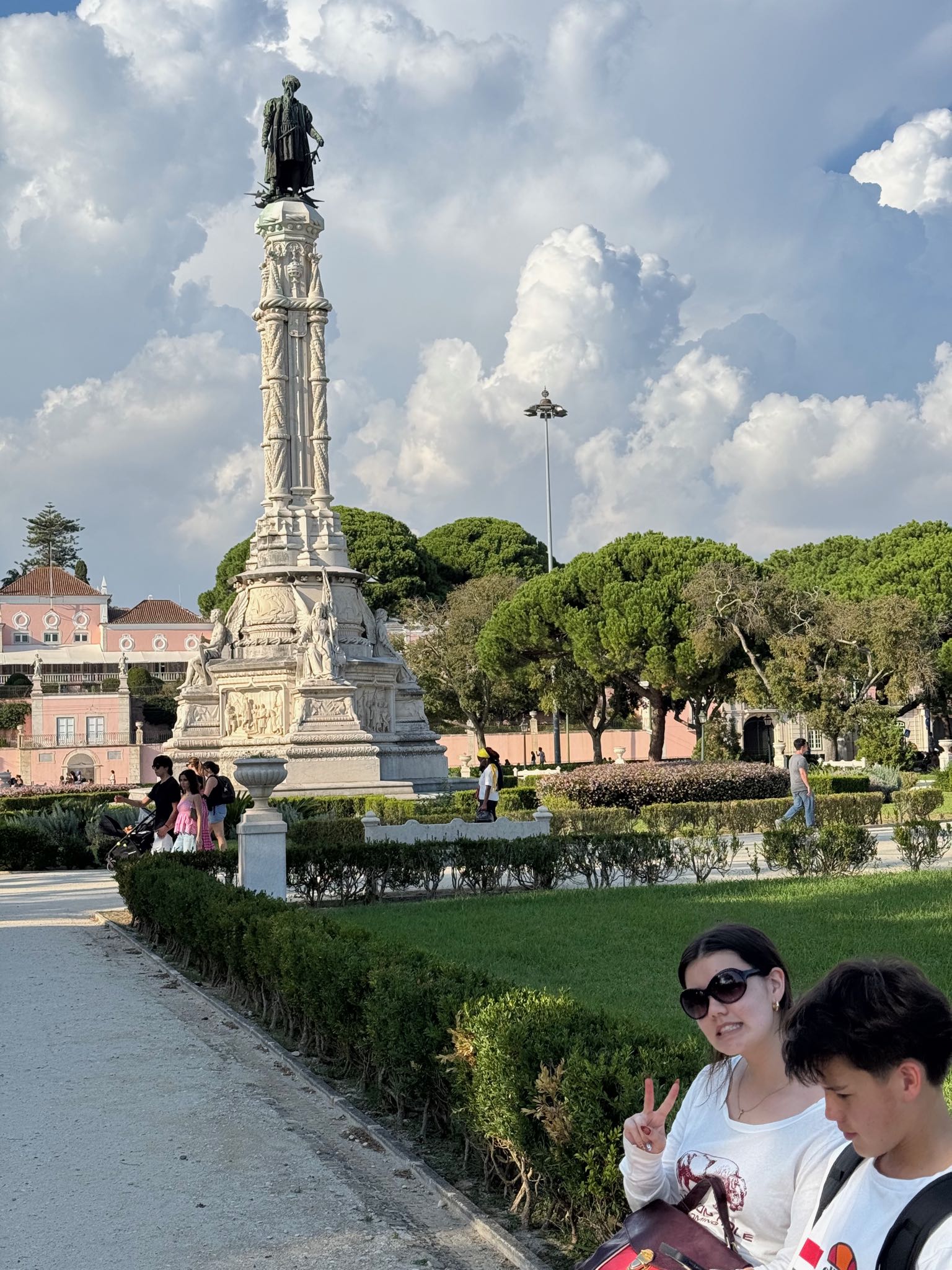
This is a statue of Alfonzo De Albuquerque. As a Naval Military commander, he “opened” the strait of Hormuz, Goa and Malaysia – to establish the Portuguese empire in Asia. (I will let you make your own comment on the present day geopolitical situation.)
During primary school, and some of high school I was transported many times to the Powerhouse Museum in Ultimo. Over the many times I went there my affection for it dwindled but looking at it now I think they made one critically important decision. They took the power station out of the Powerhouse. The Sydney Powerhouse museum is not about power generation, not about furnaces or boilers or turbines or generators. In Portugal, in their Powerhouse museum, they forgot to do this.
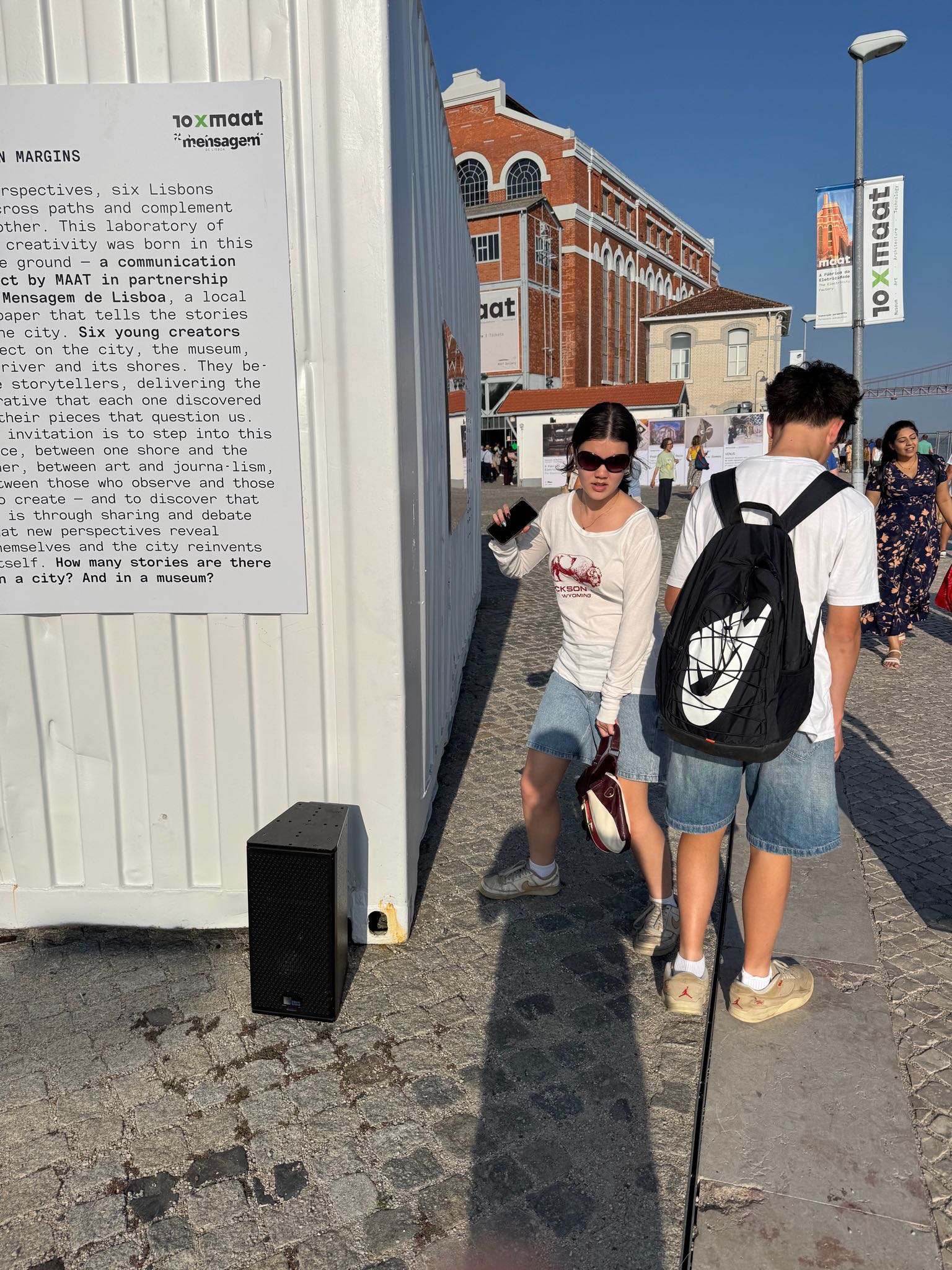
Museum of Art and Science- a powerhouse museum they failed to have the good sense to remove take the power station from.
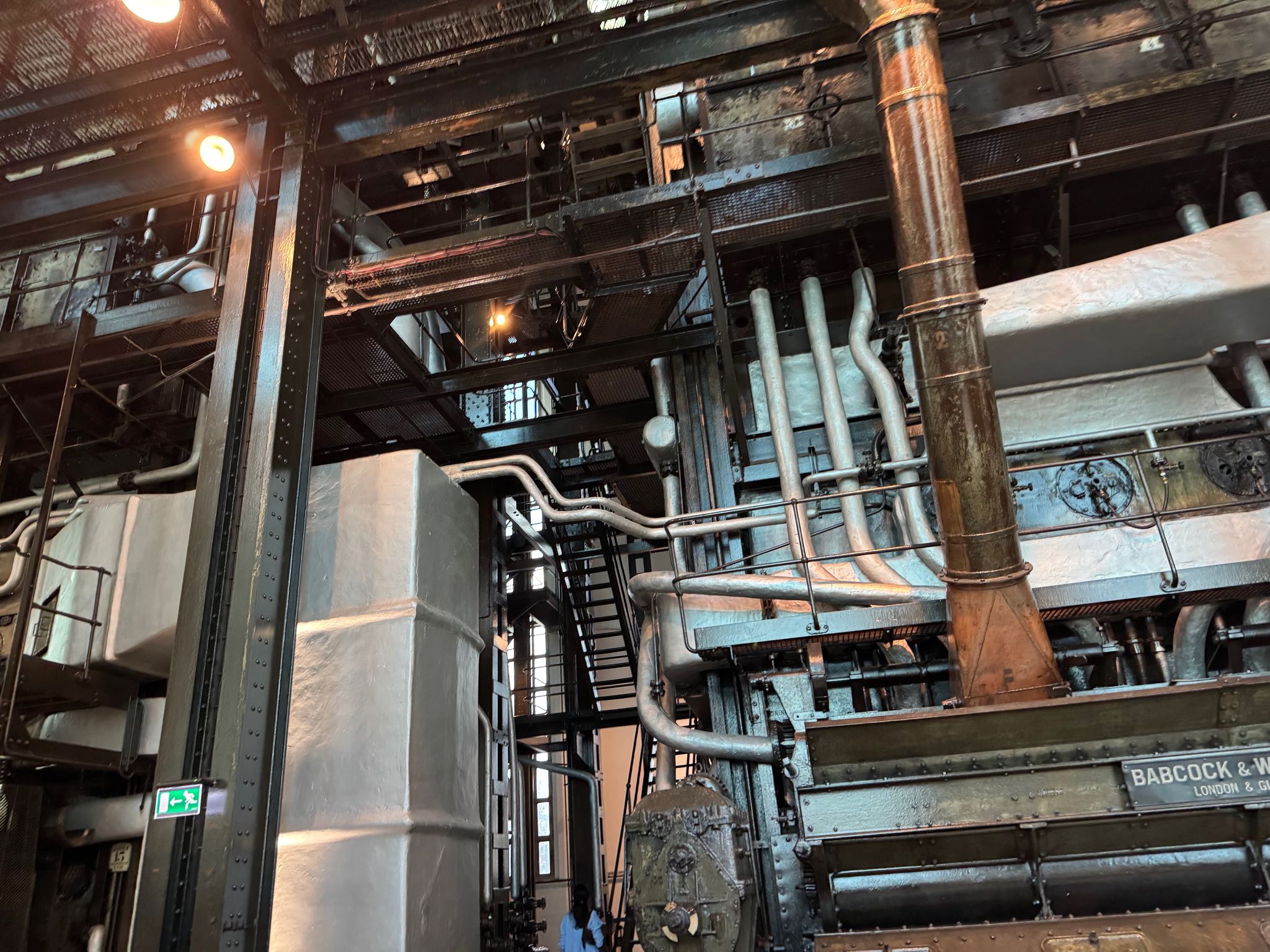
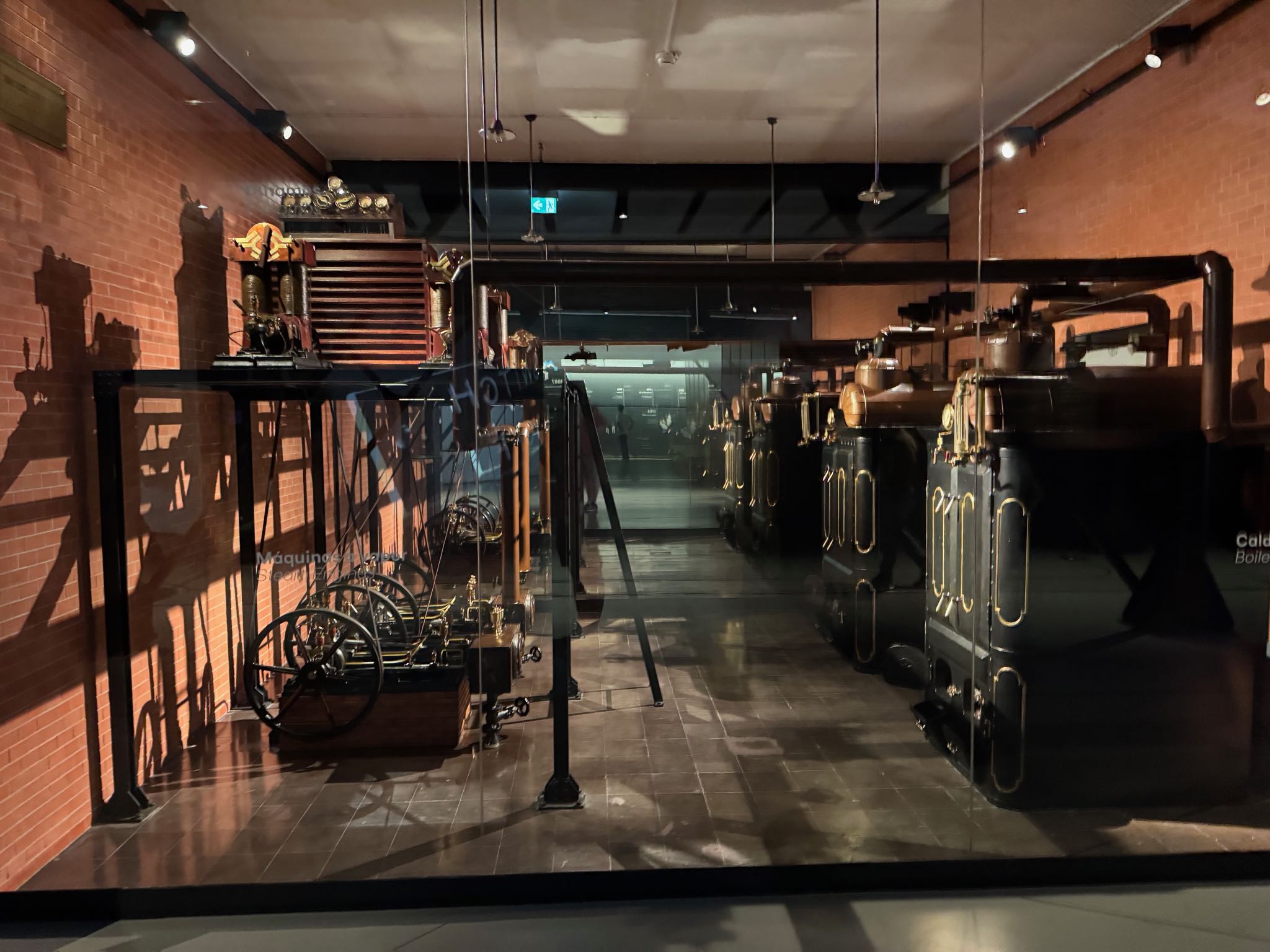
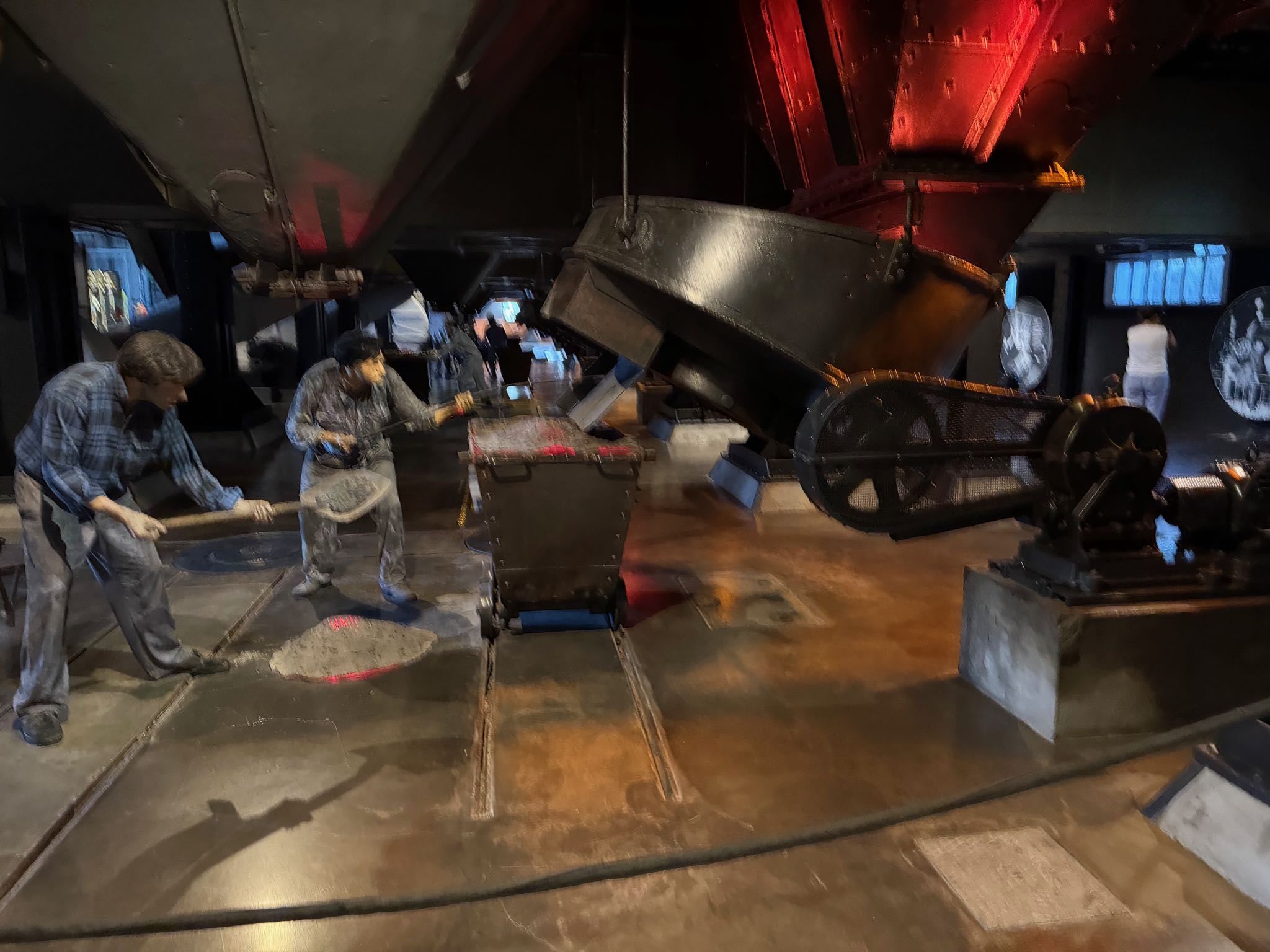
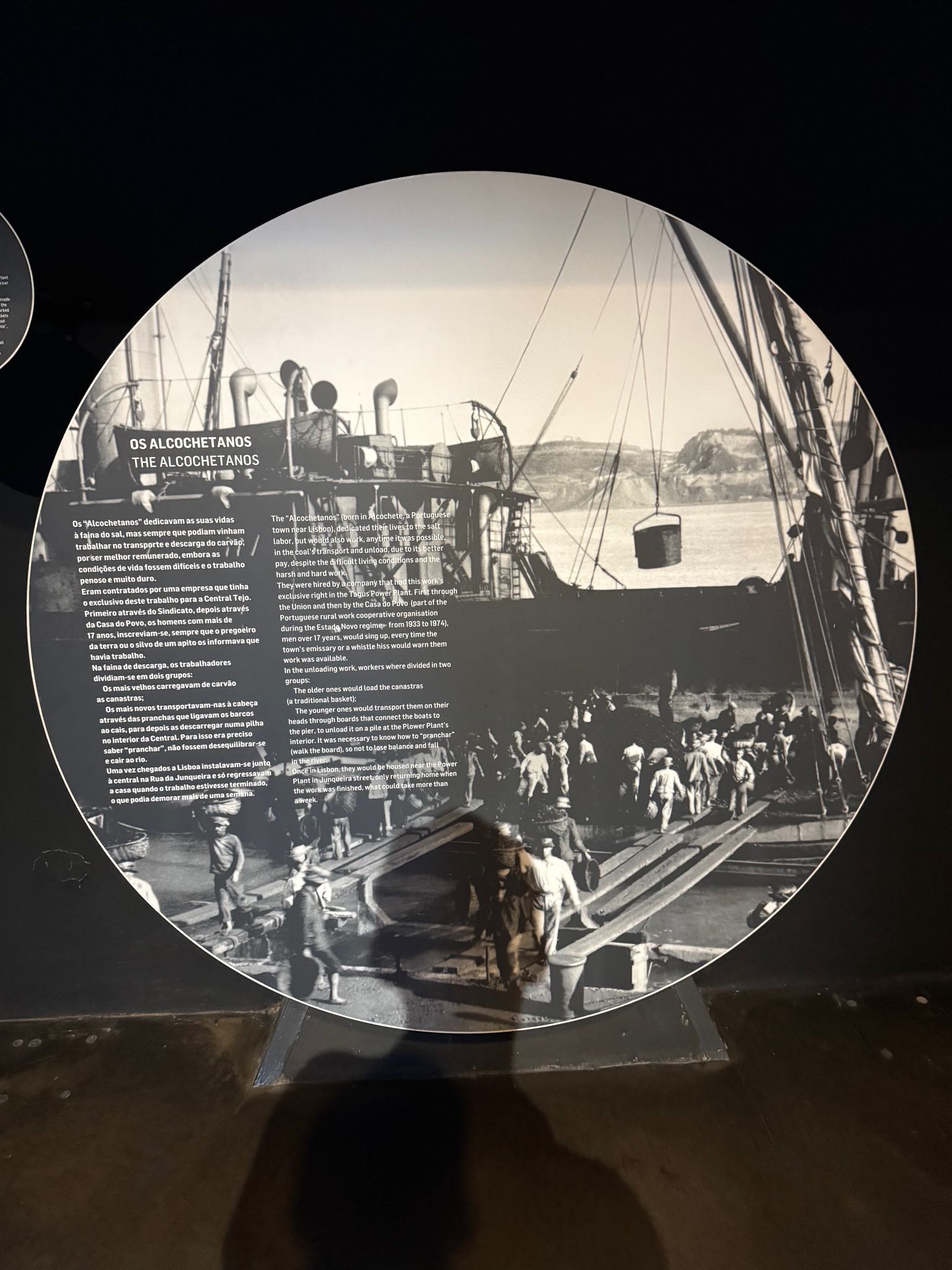
Technology museums should convey a techno-utopian vision that inspires another generation of kids to become engineers and make things better. This Lisbon technology museum is an exercise in heart-bleeding sympathy for the workers for who had to carry the coal and ash by hand because they took another 20 years to mechanise all those aspects after they installed it. (To be fair there are aspects of the museum that show a hope of solar and wind and other future power sources, but sneeze and you’ll miss it.)
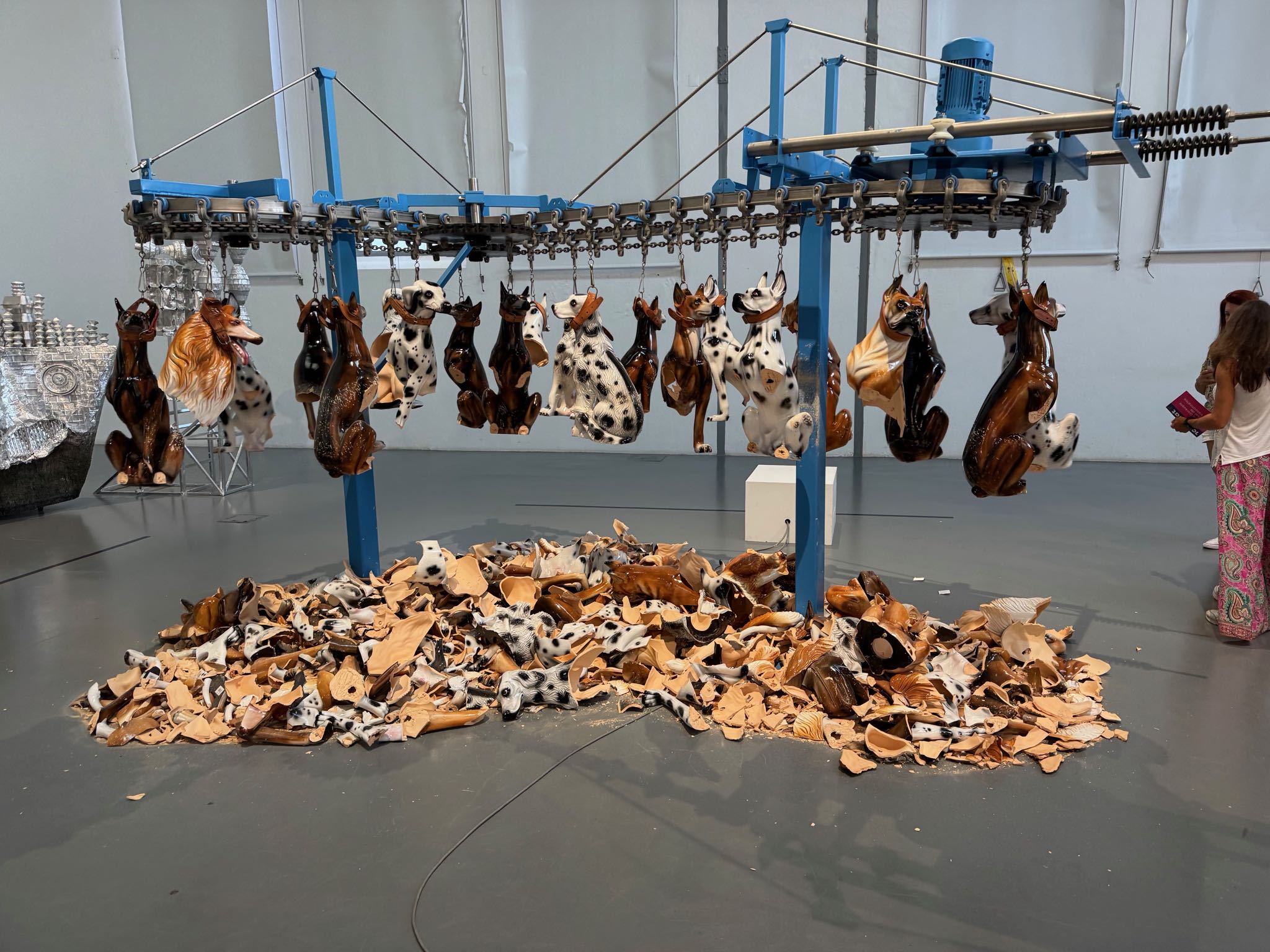
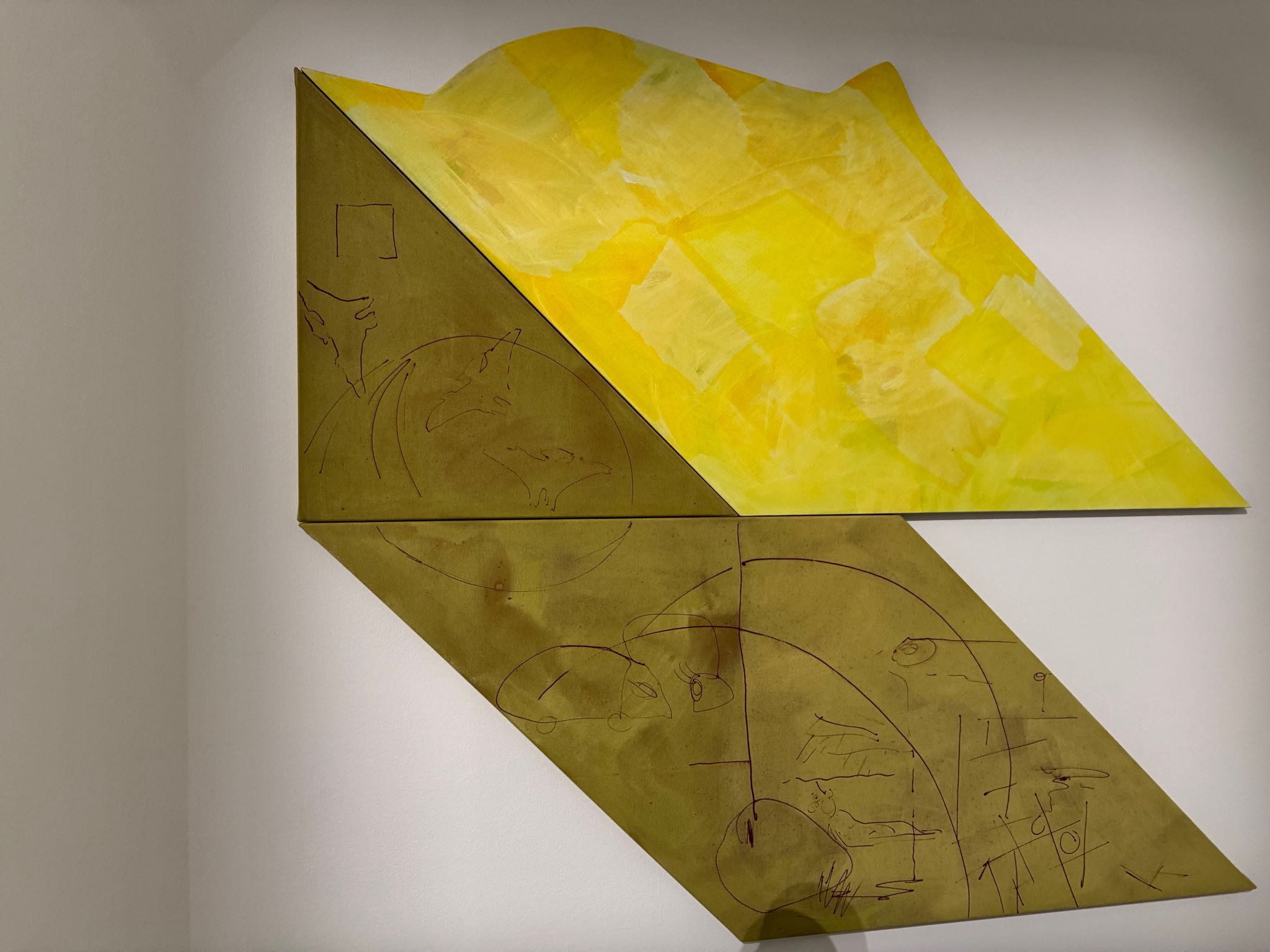
Connected to it is an modern art museum. I managed to connect with one or two of the narratives.
Dinner at a rooftop restaurant in Lisbon near the old elevator.
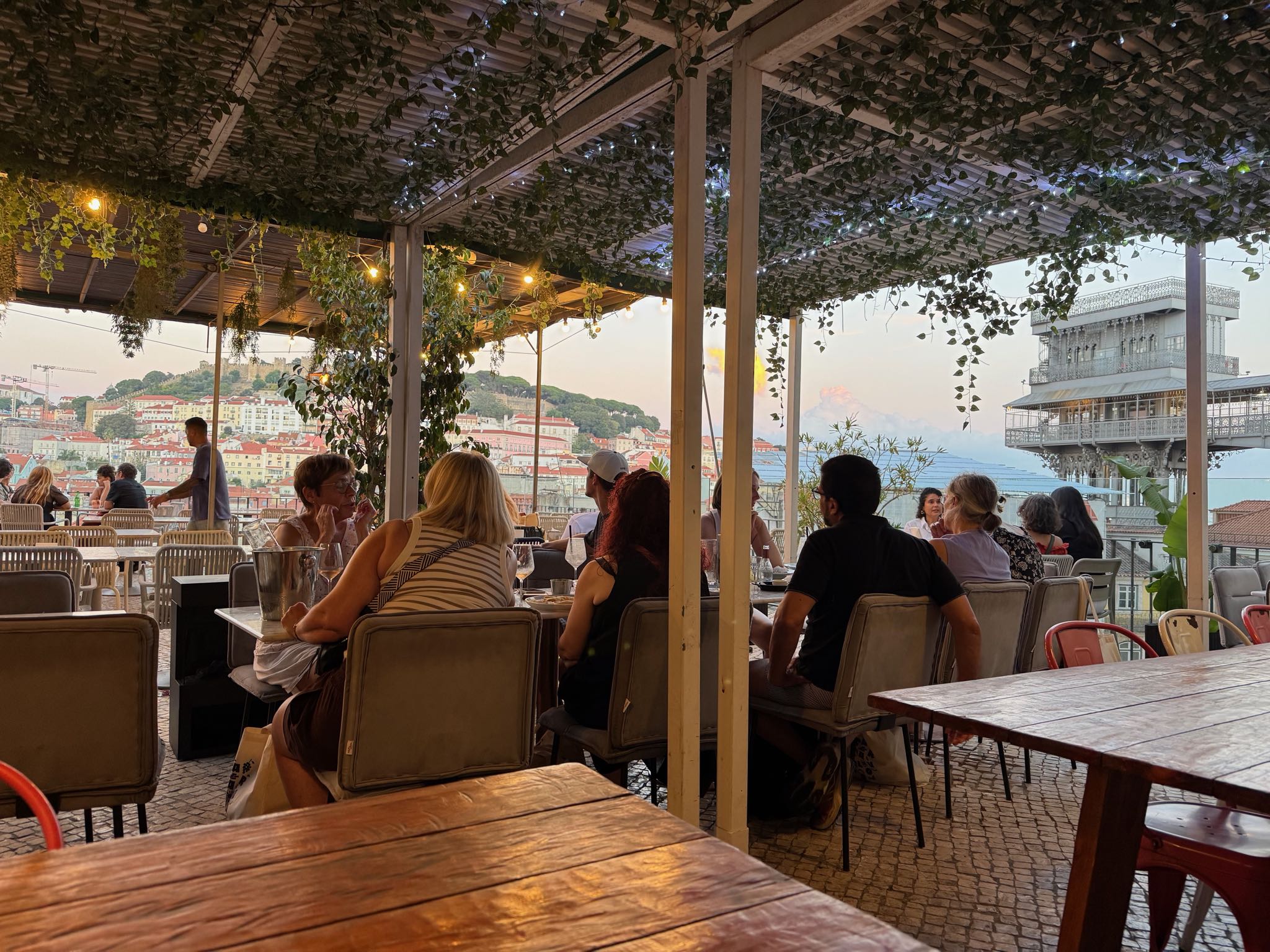
The elevator in Lisbon (Elevador de Santa Justa) is significant because when it was built in 1902 locals were exhausted of the hills between city districts and bought tickets to save themselves the climb. (You see escalators on the hills in Rio De Janiro). It was designed in wrought iron by a student of Eiffel, was originally built driven in steam. It switched to electricity in 1907 and remarkably still runs on those original electric motors.