Category Archives: Uncategorized

Thur 3 April – National Computer Museum, Manchester 

An offshoot of the Bletchley Park museum, which leans more towards military stories, this Museum is a place for the stories of Britain’s computer Industry following World War 2.

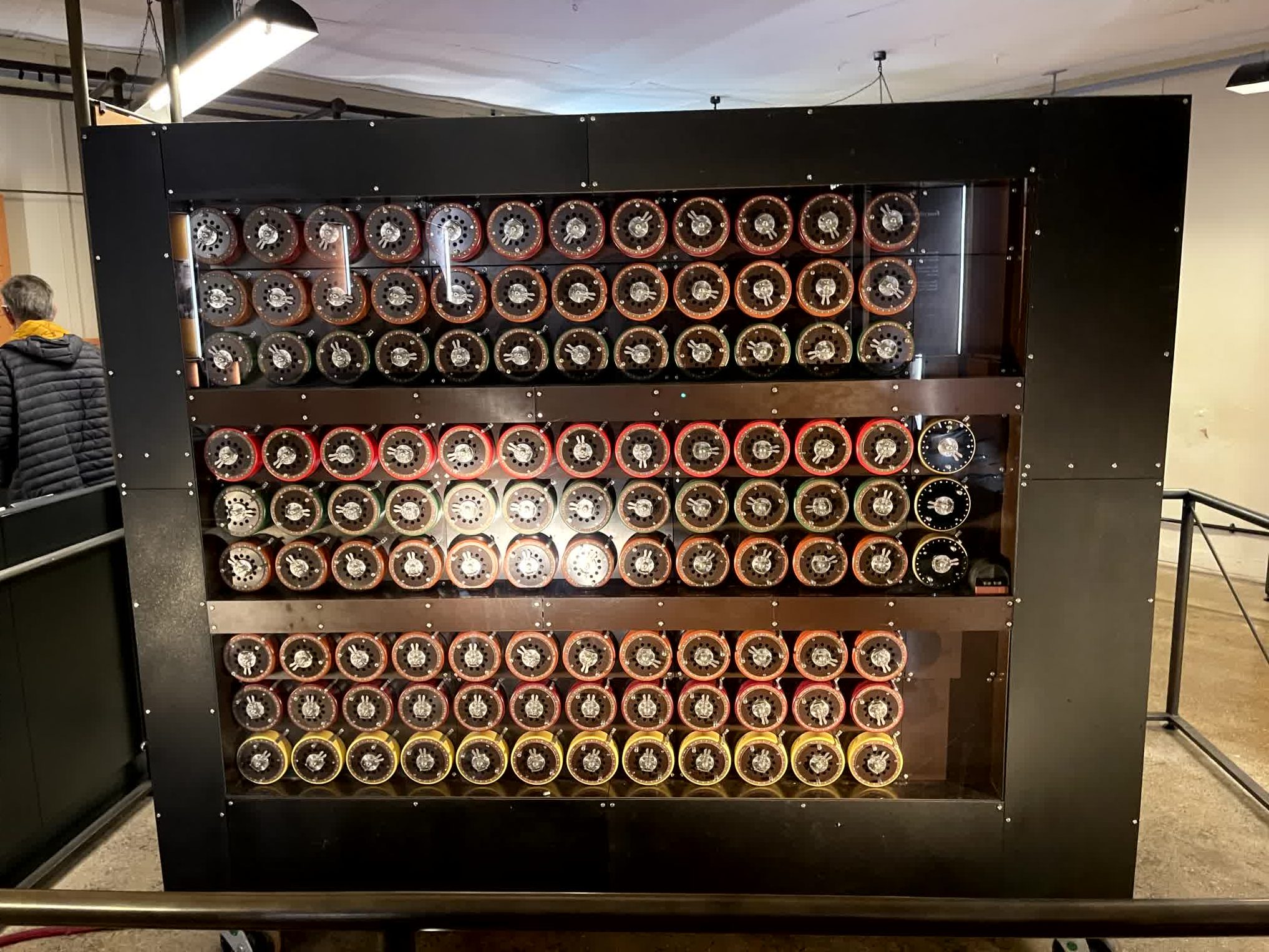
They start with a largely working Bombe machine replica – ticking over to find combinations that might work against a particular encrypted message.

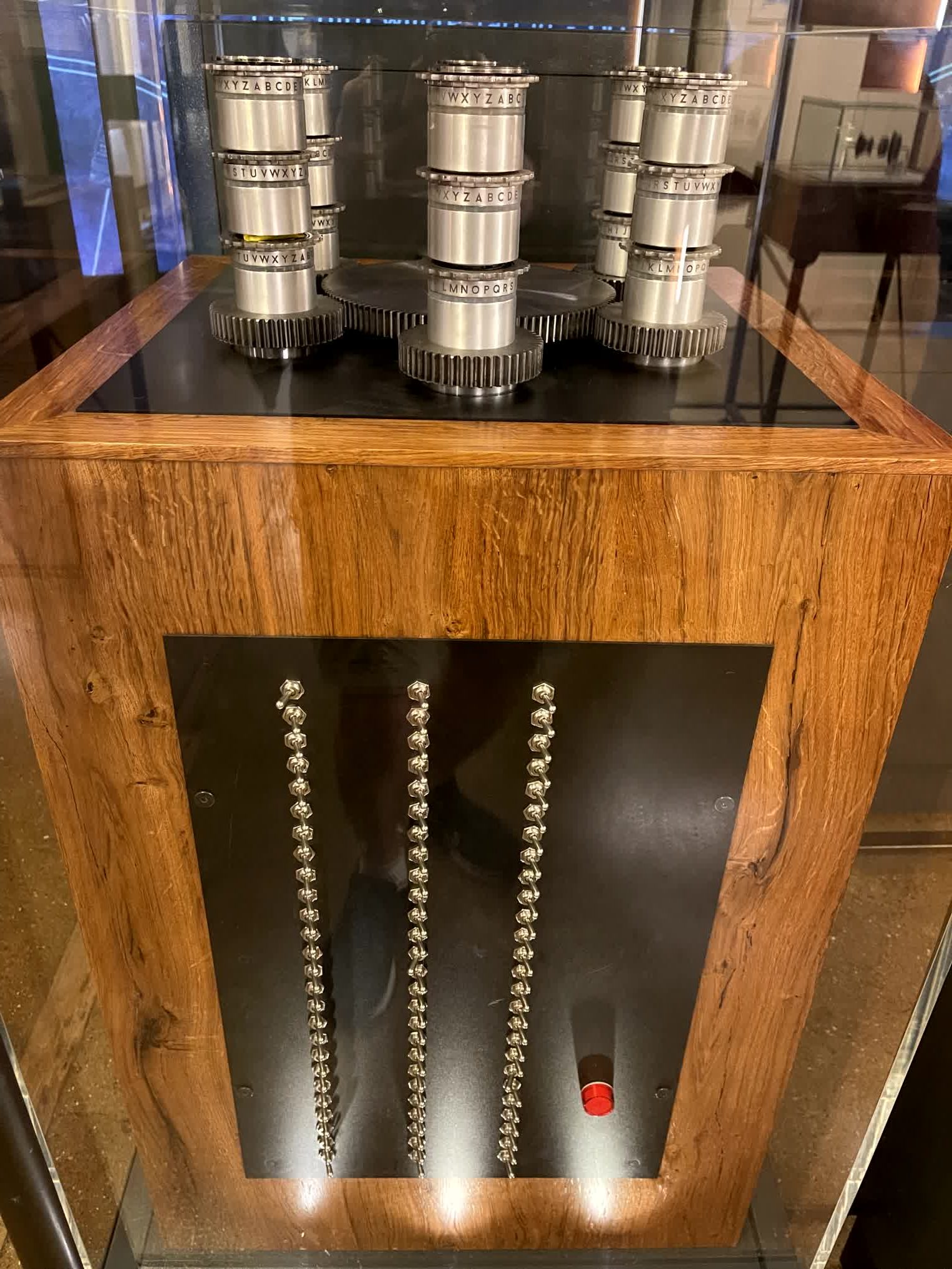
Inside of a rotor, fine brushes made contact with the commutators. These were cleaned with tweezers by an operator. (This was modelled on the Enigma machine’s rotors).
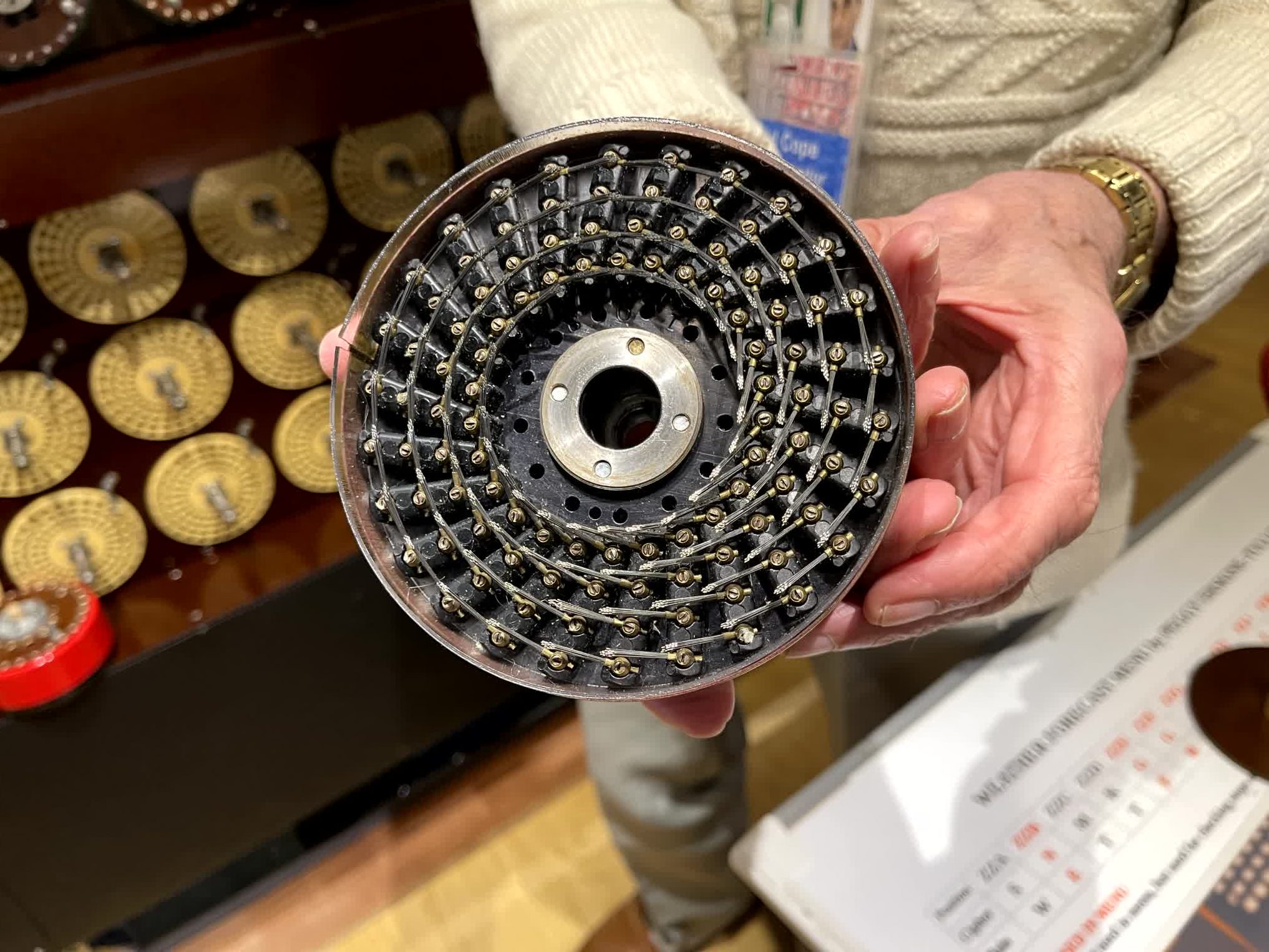
The rotors were plugged into the commuatators:
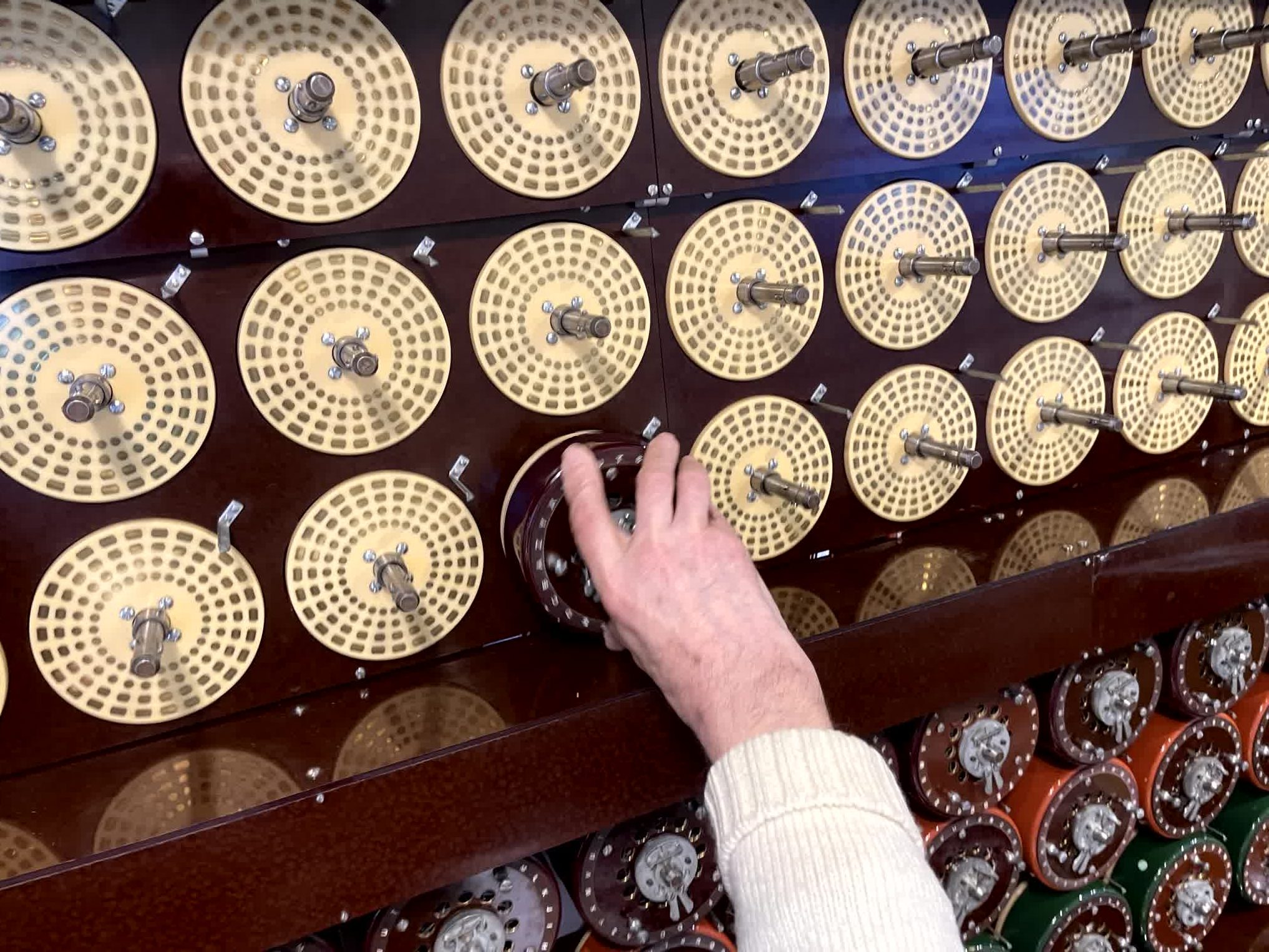
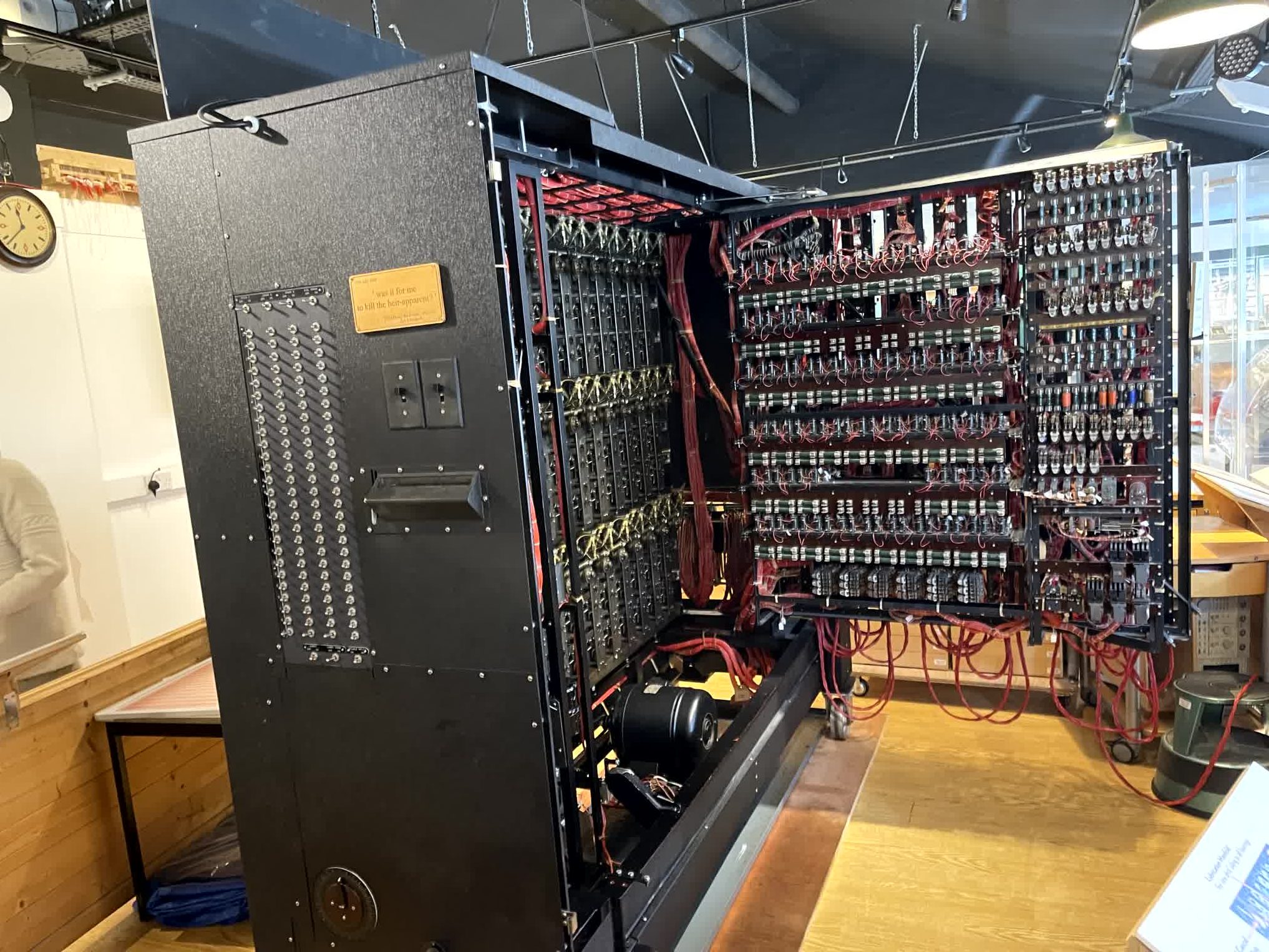
On the back were plugs (26 pins for the alphabet) which were matched up to each rotor depending on the instructions for the run.
To choose settings for the machine – you would check for a crib (like the weather report) to check for letters not translated (ie the ‘W’ in the Weather Report would never be translated to W – so you could exclude that as a possible translation with a sliding rule.
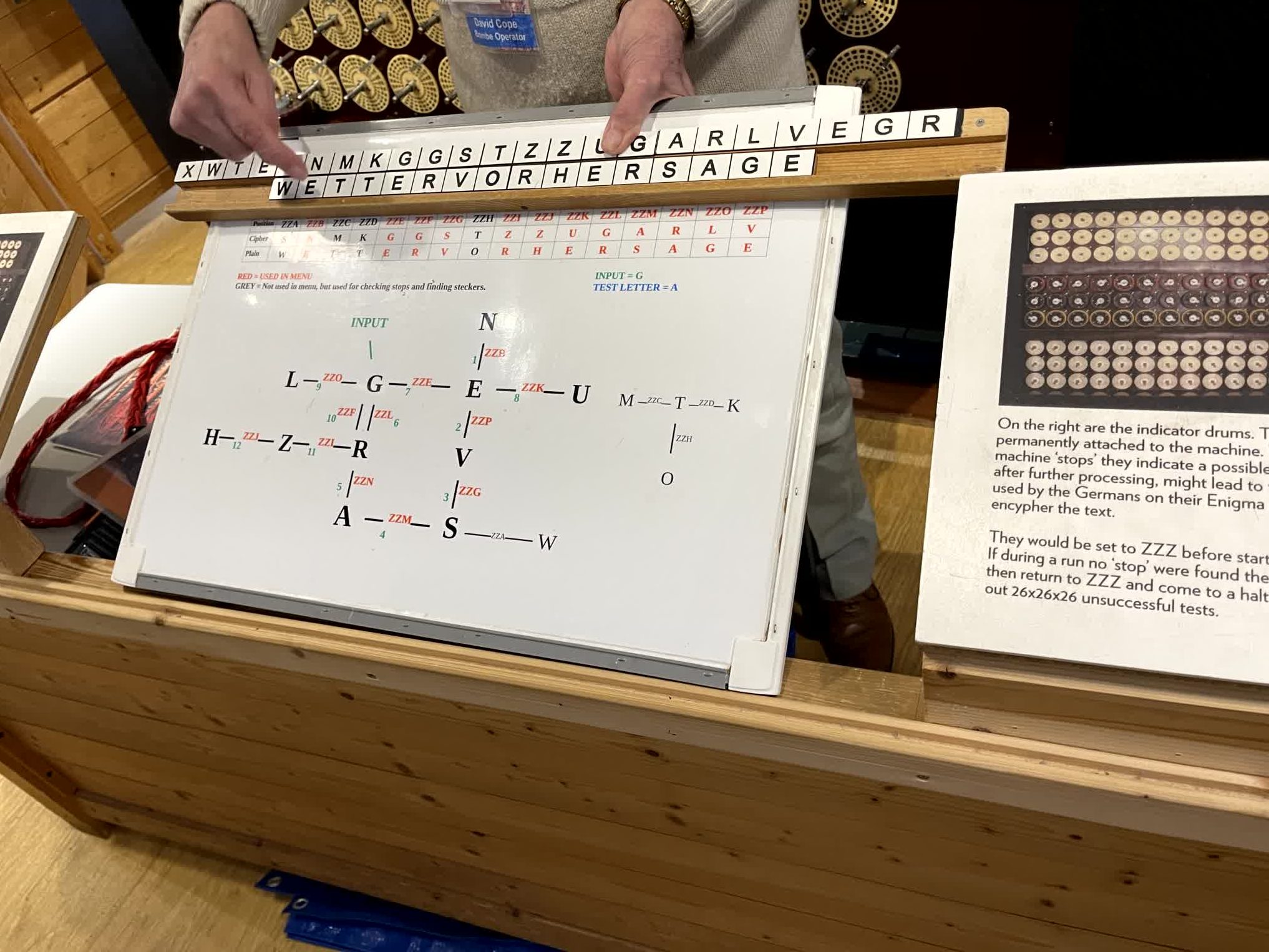
After the Bombe had ‘stopped’ – you took it to a checking machine to see if you had hit a valid combination.
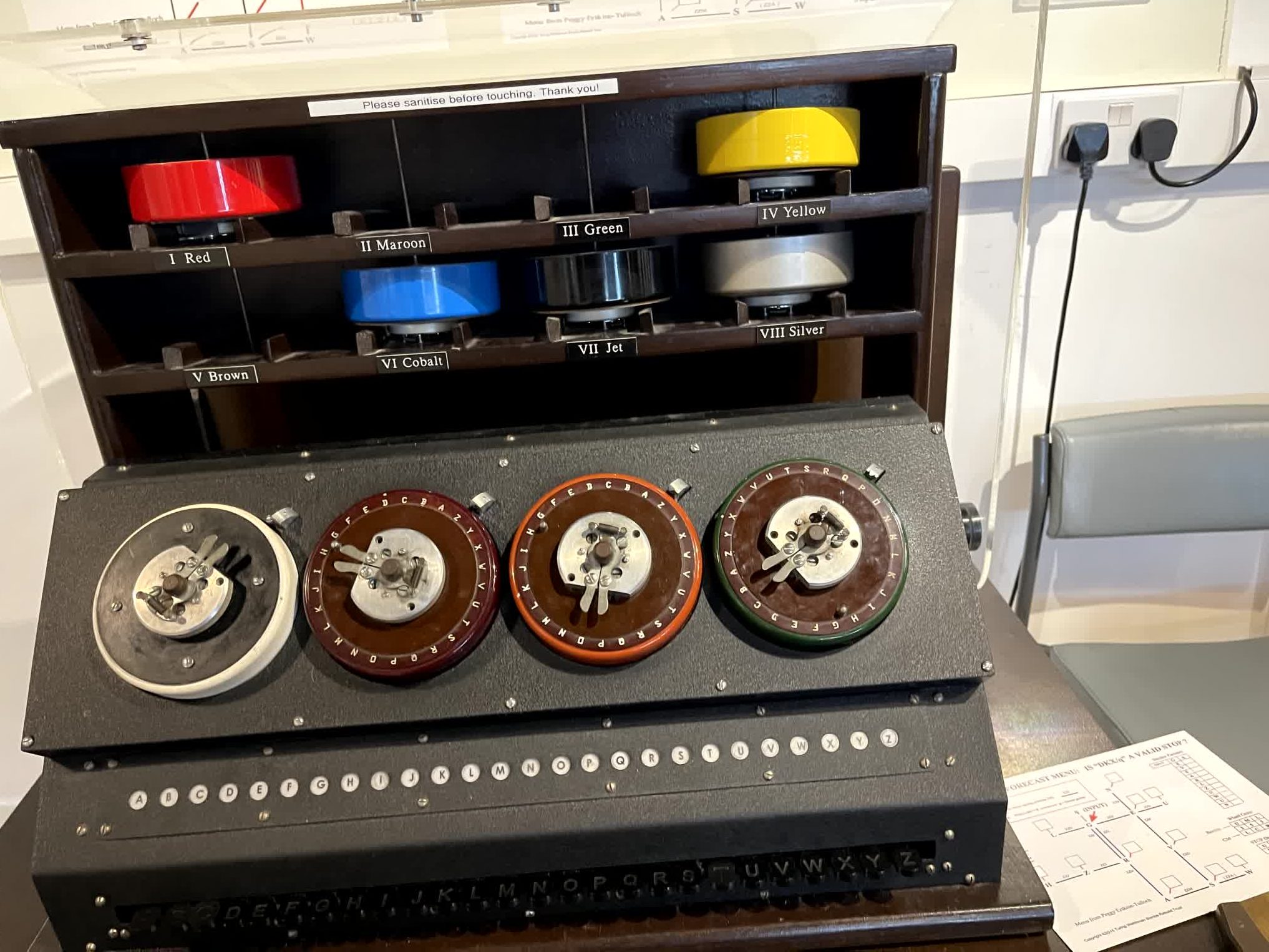
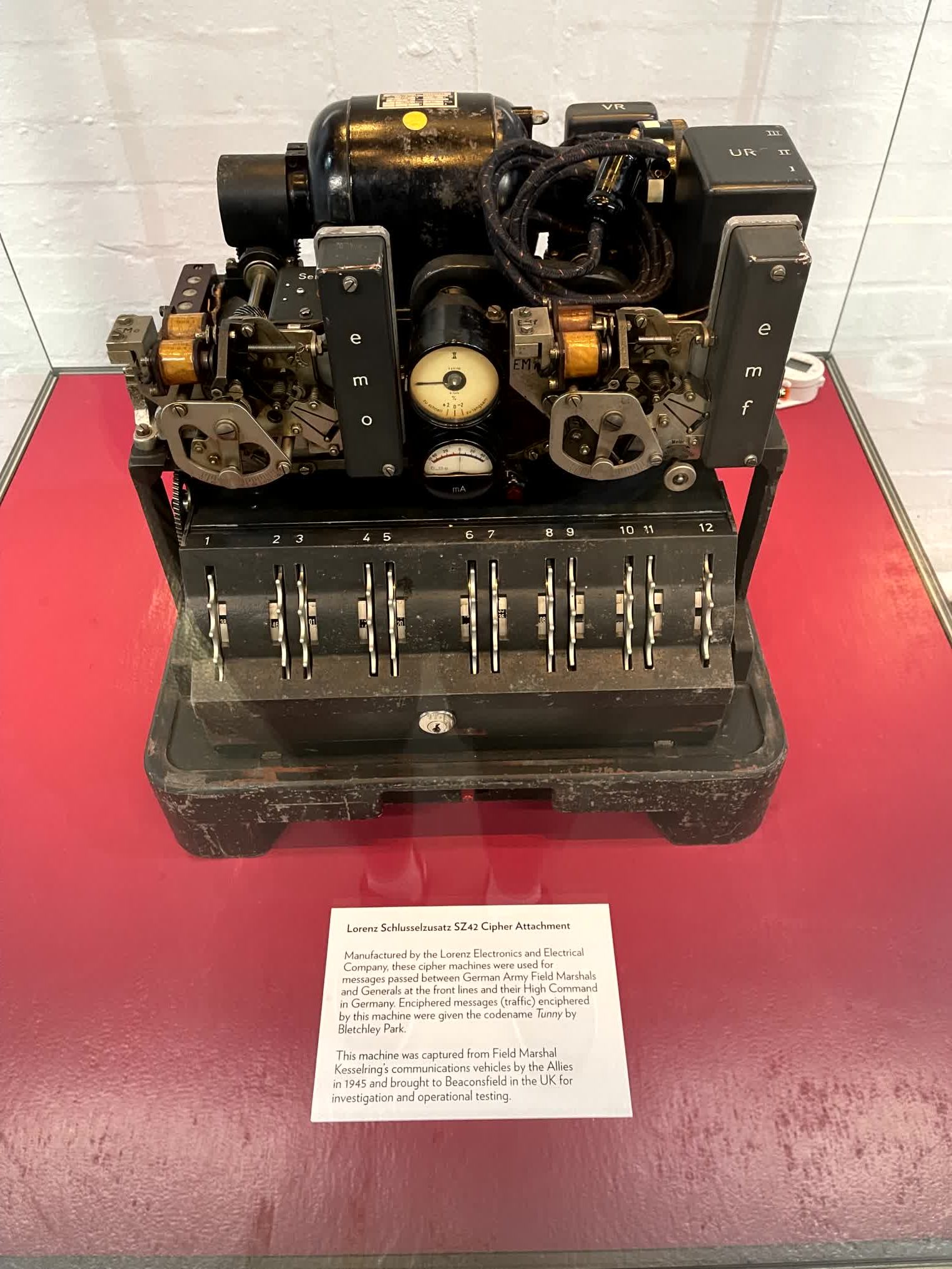
Next they had the Lorenz Machine and the machines for cracking it – a more sophisticated 12 rotor (instead of 3 rotor) machine the German high command used for overall strategy.
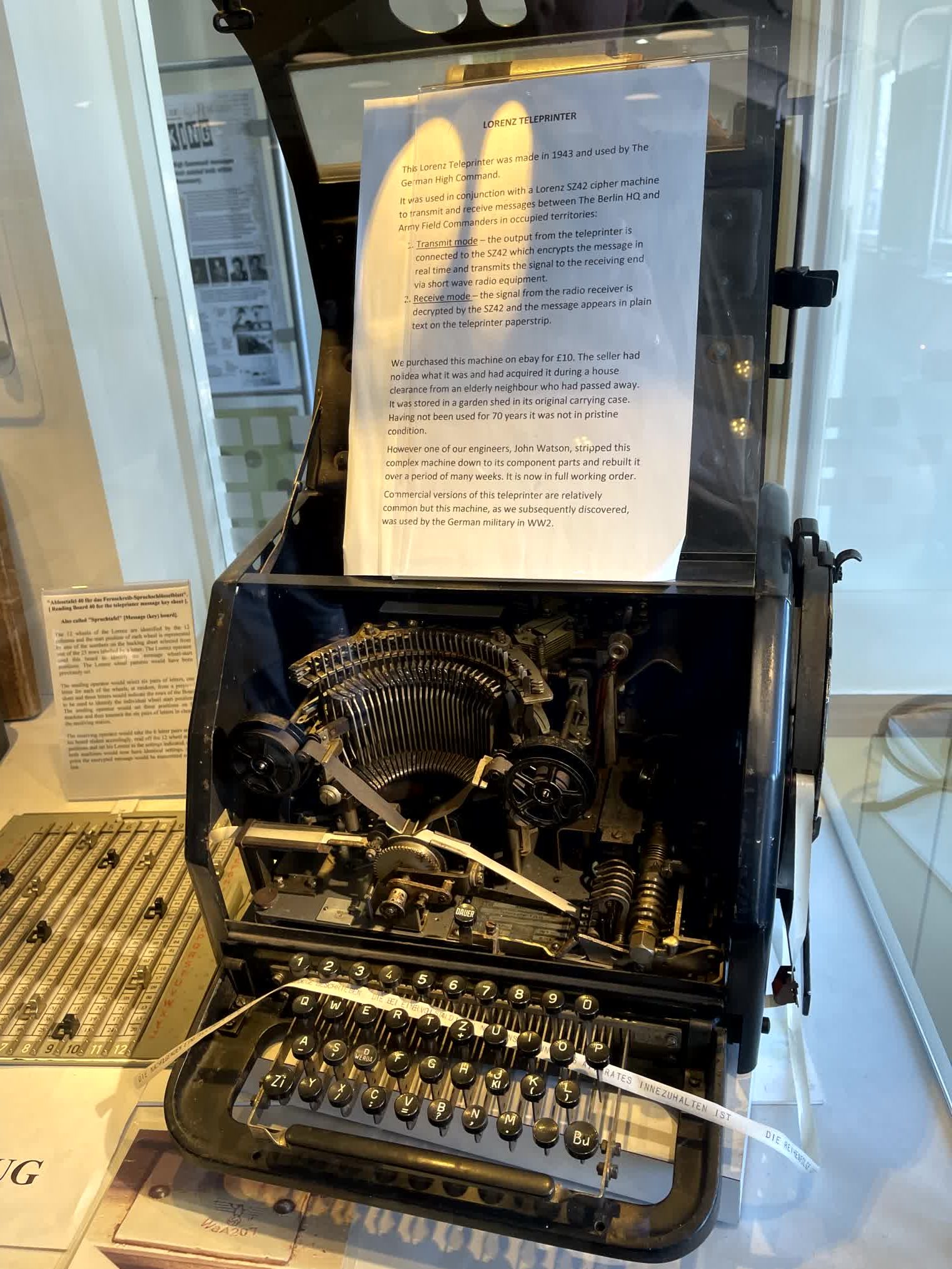
The first machine they attempted to build to crack it was named the ‘Robinson Machine’ – because it was considered an unreliable bunch of wires. It had two tapes, which were always getting out of sync with the machine.
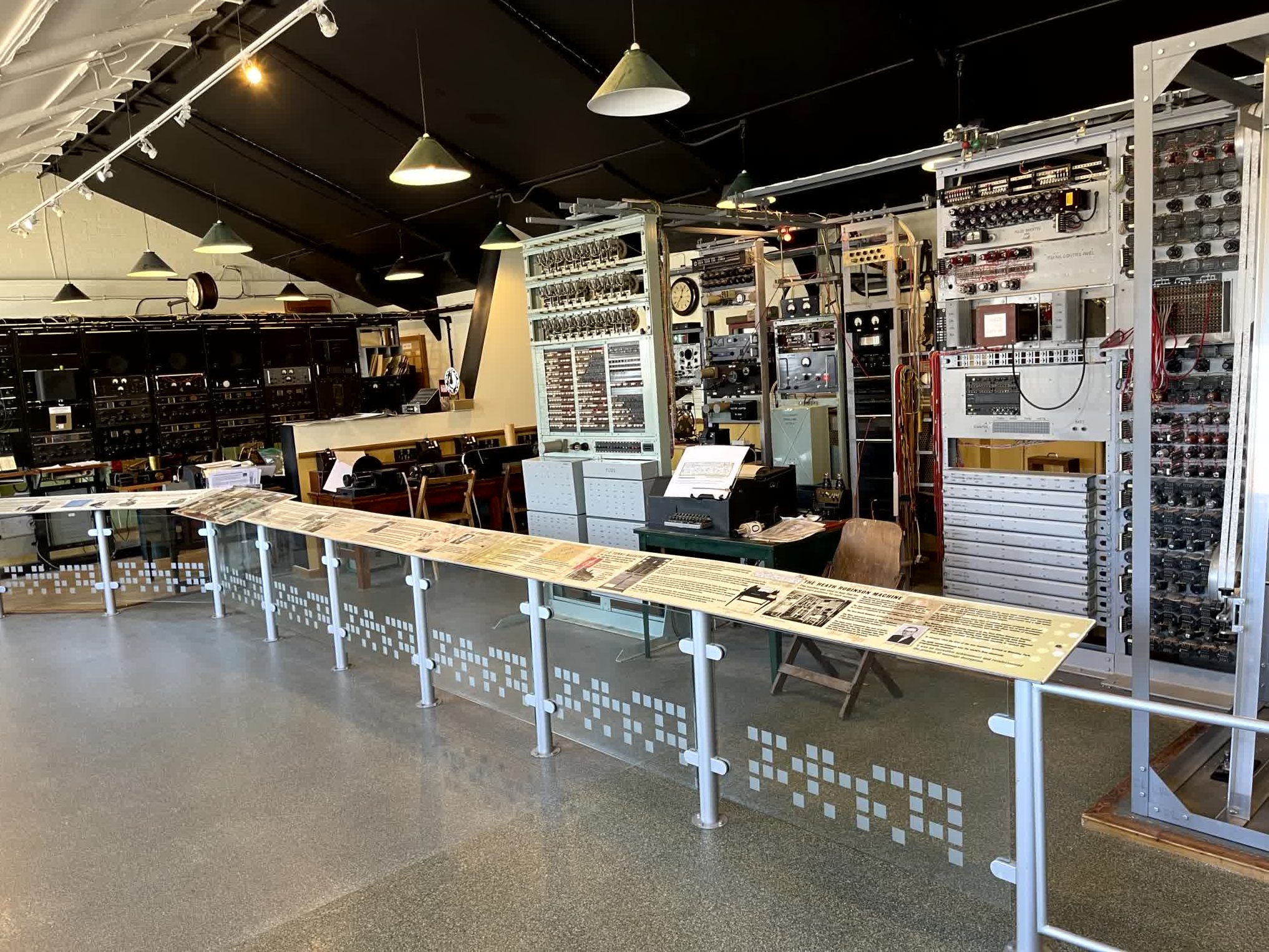
Their next attempt was the Colossus – built by people from the GPO who had worked on telephone exchanges.
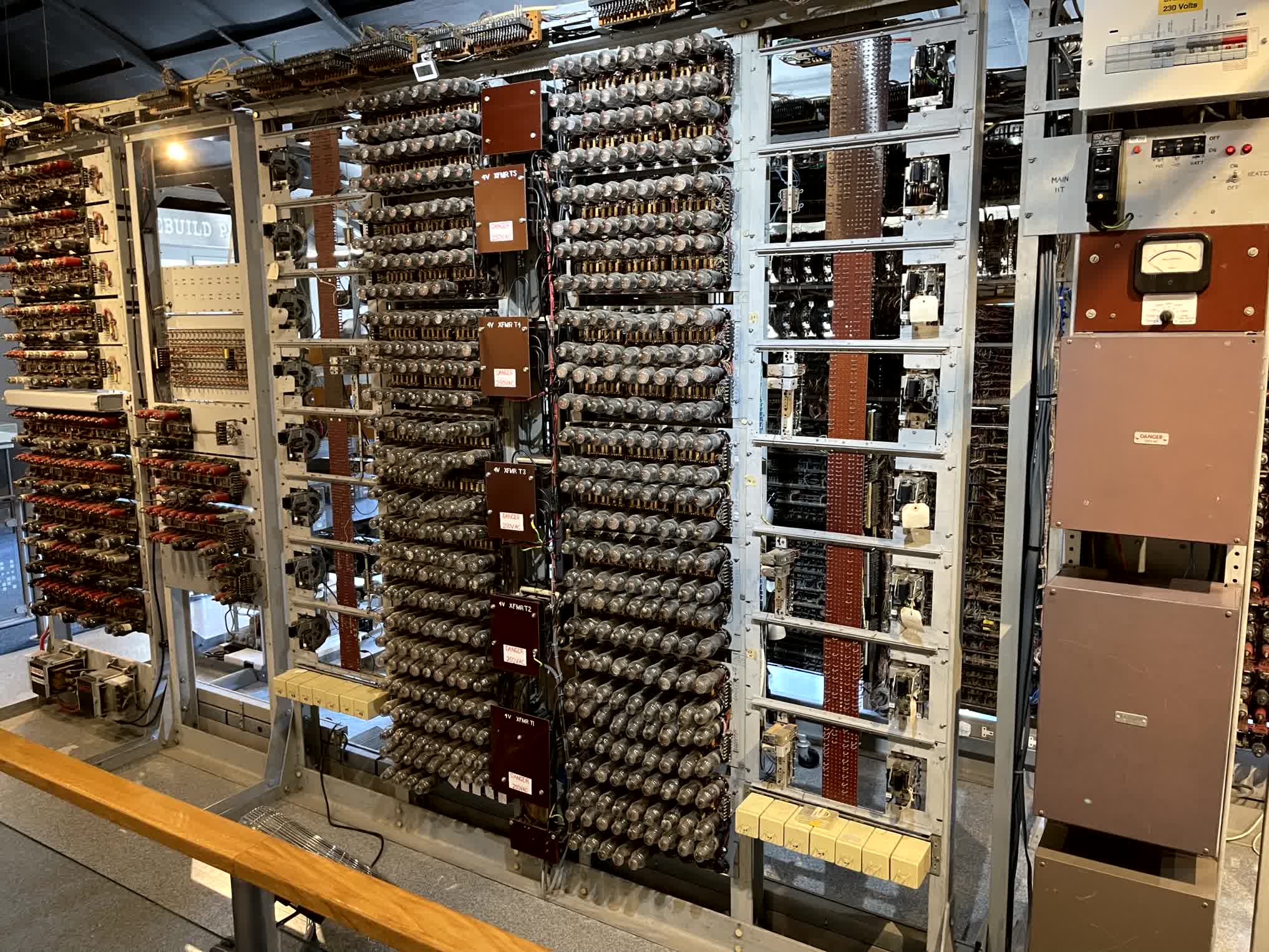
It had a single rotating tape. (5 bits wide – one for each finger of your hand.)
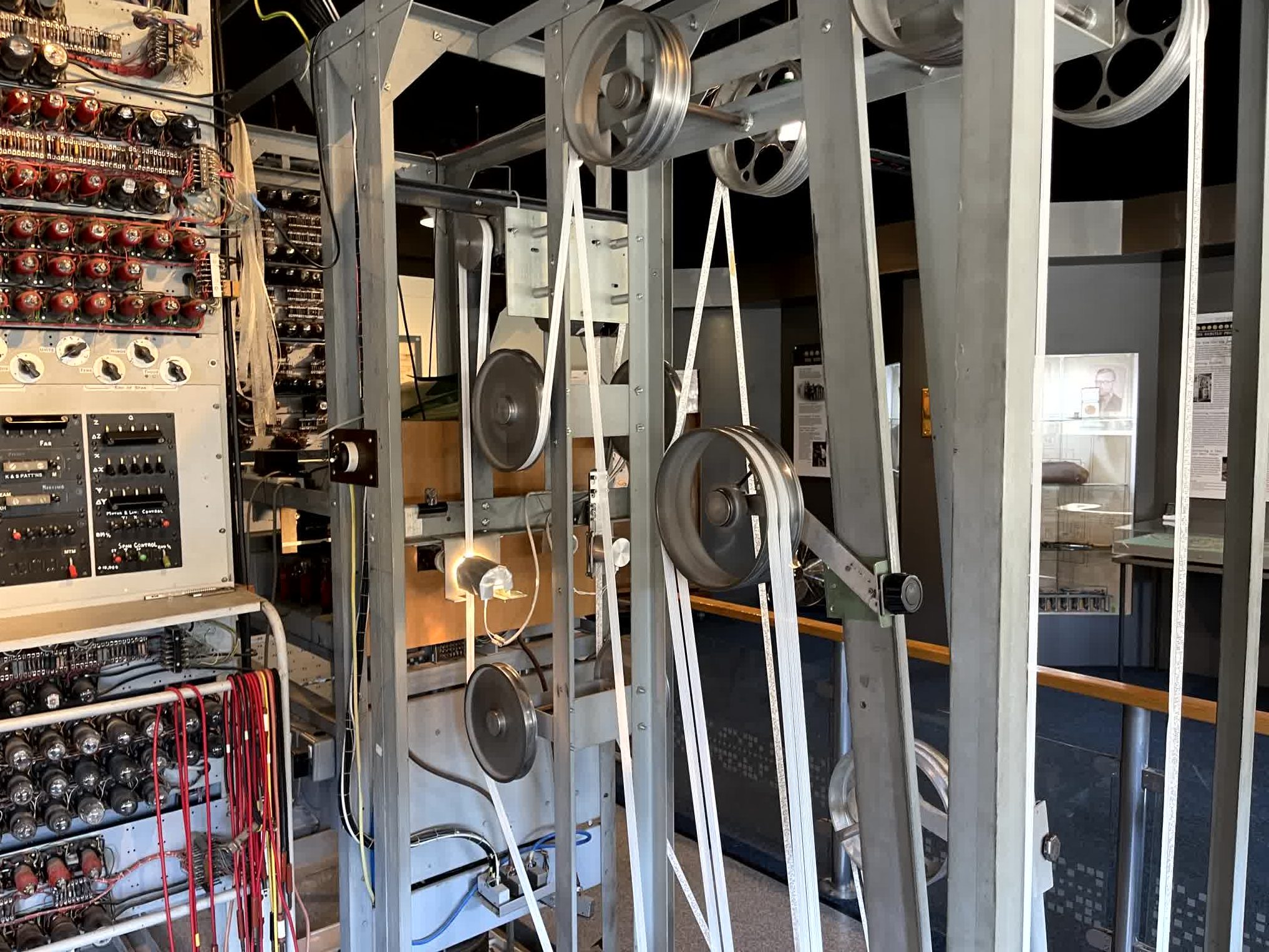
There is a philosophical question about whether it was truly the first computer. It had shift registers and branching instructions, but no memory. It was not general-purpose programmable. I am truly on the fence on this question. (It seemed like a bunch of electronics to do statistical attack calculations, looking for the ordered pattern in the randomness of encryption possibilities.) Still it is very close to Turing’s Phd thesis model of a Mathematical computer running on a tape.
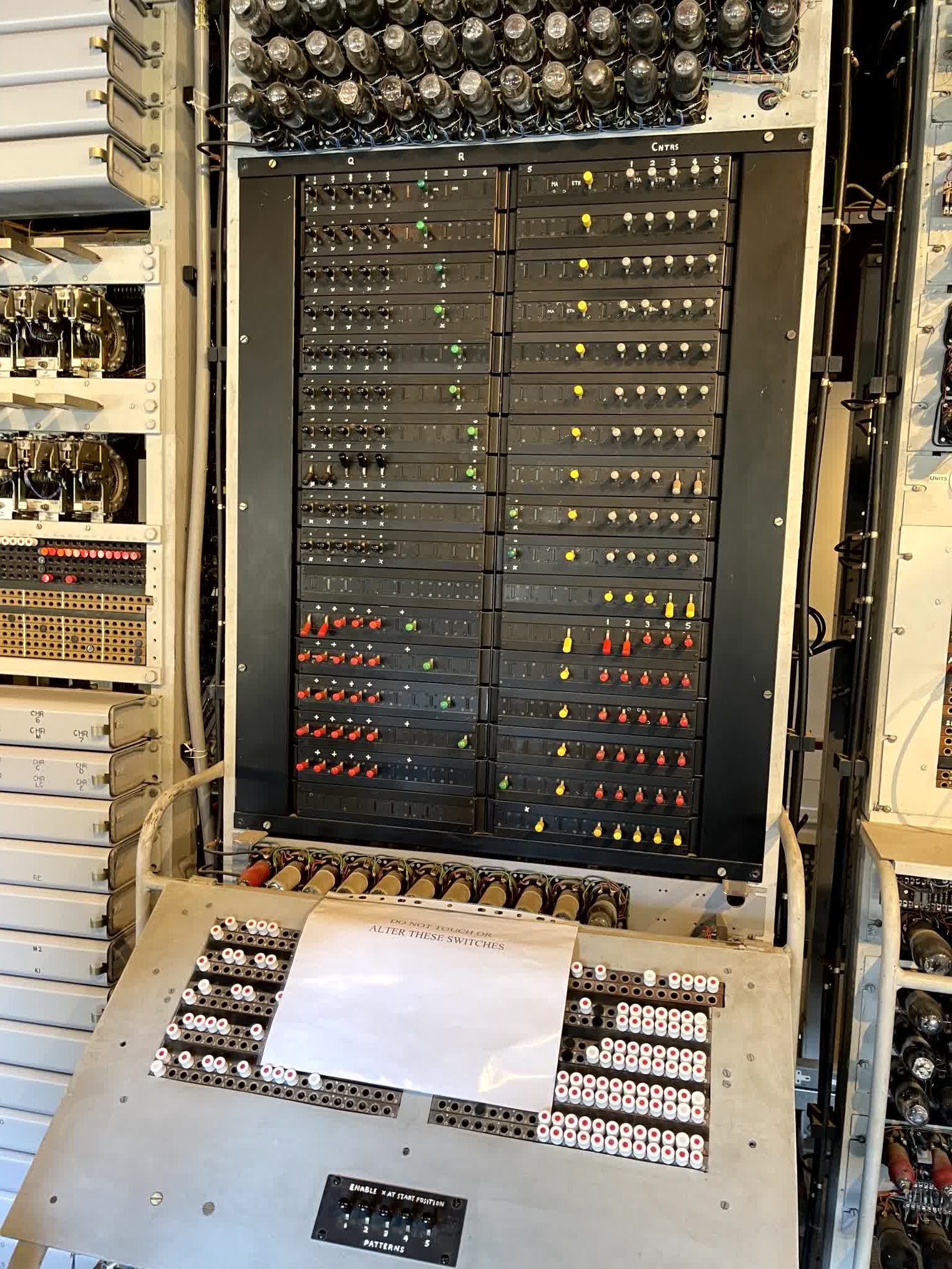
The leaders of Bletchley Park at the time were so impressed with the first demonstration they commissioned 3 more on the spot to be delivered in two months. (The builders had spent 11 months working 12 hour days for 6 days weeks to deliver this prototype.)
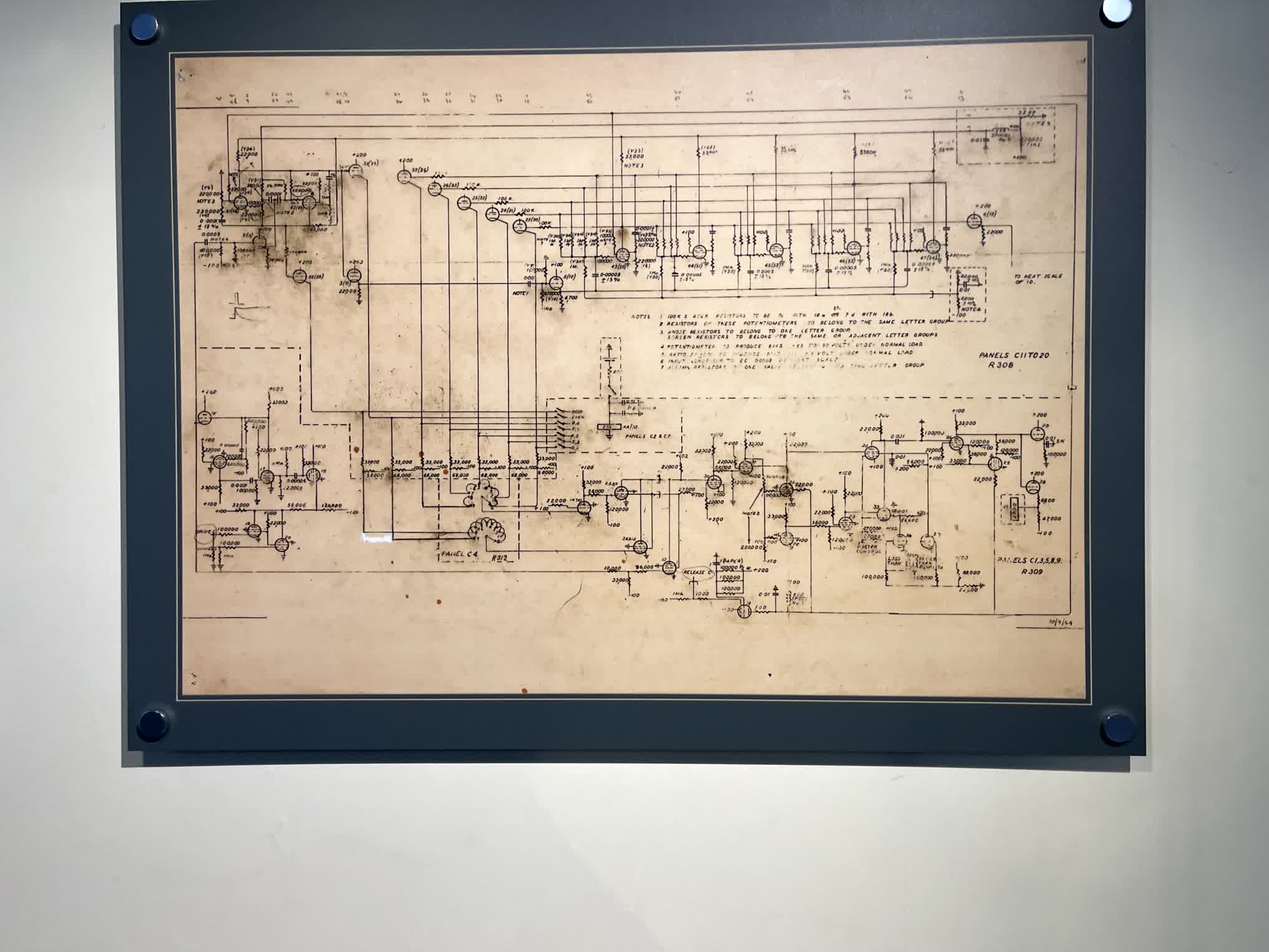
Tony Sale did a rebuild of the Colossus in 1994 after working to save the Bletchley site from developers in 1991. He got notes from an Harry Fensom who worked on the original Colossus. 

There is a profound historical parallel to the Biblical writings, where people don’t seek to preserve things by writing them down or publishing them, until or after the original people who experienced it were on their deathbeds roughly 40 years later.

The museum also had a rebuild of the EDSAC computer. It was built for the Cambridge Math’s department. This was significant because it had Turing’s design for storage, a mercury delay line, and had a form of assembly language converted down to binary.
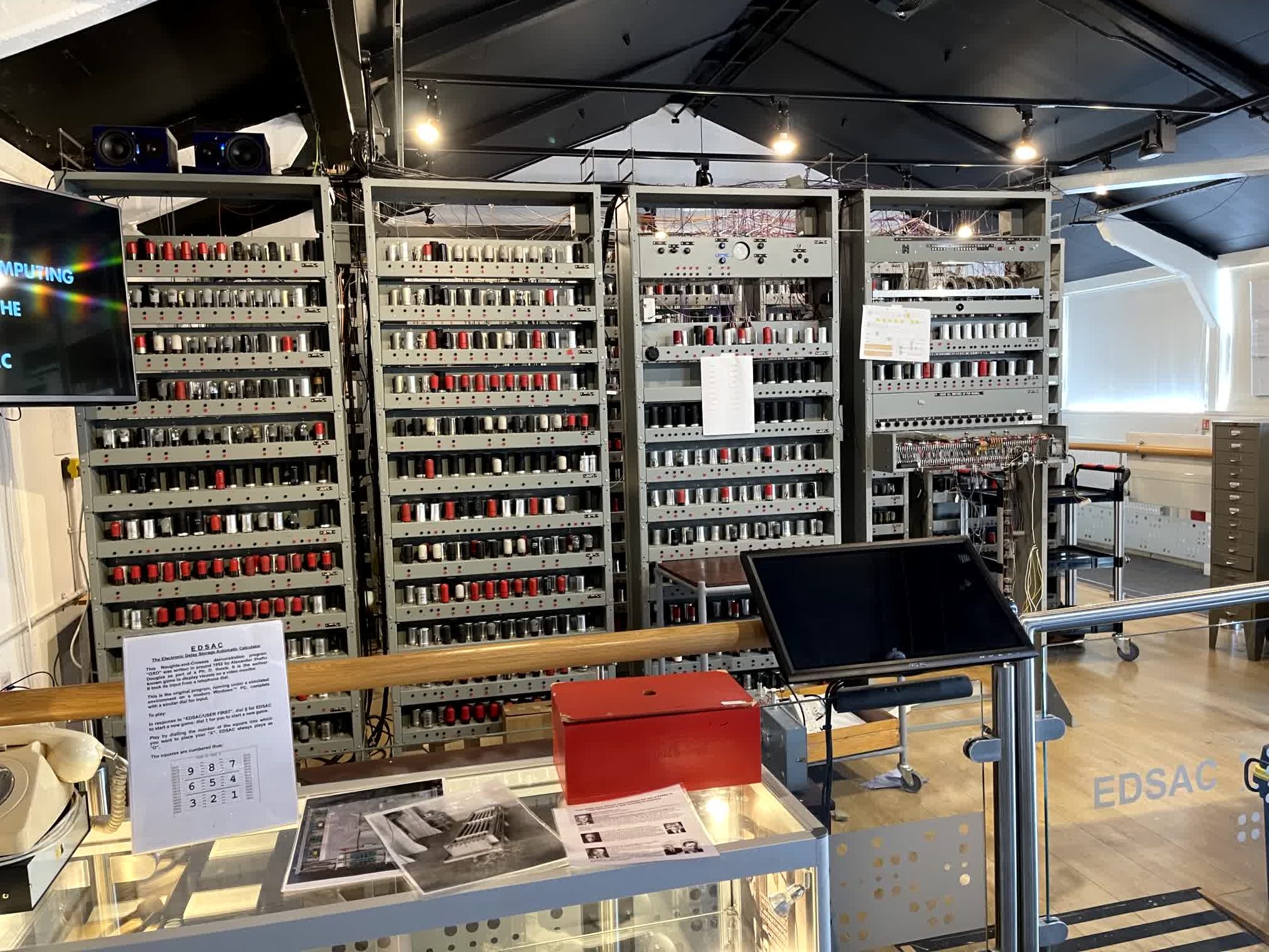
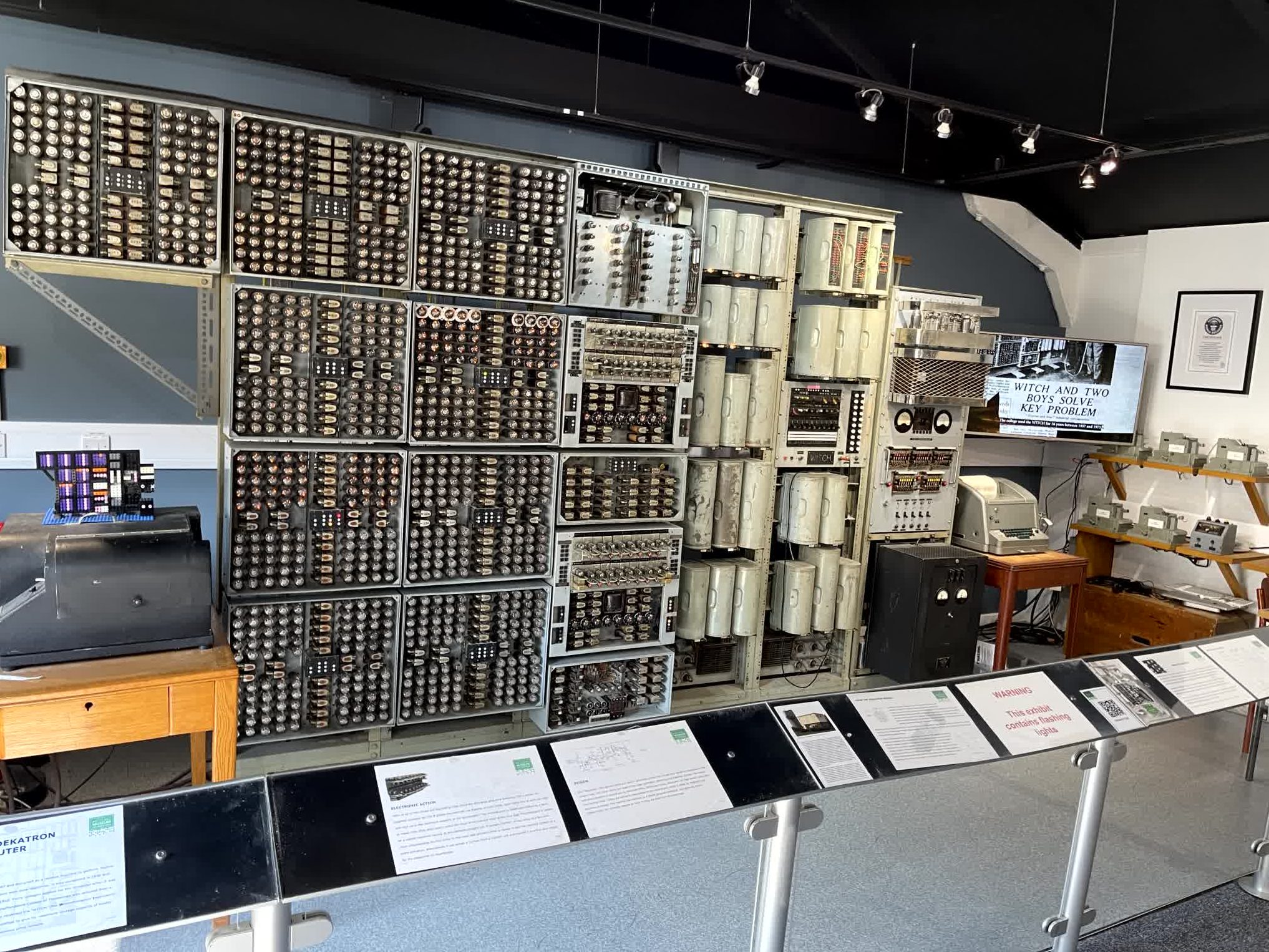
They had a Harwell computer, made from Geiger Counters (10 bit cathode tubes). A one-off given to a Maths department. It was as slow as a human at calculations, but but resilient and less error-prone. It was an early general-purpose computer.
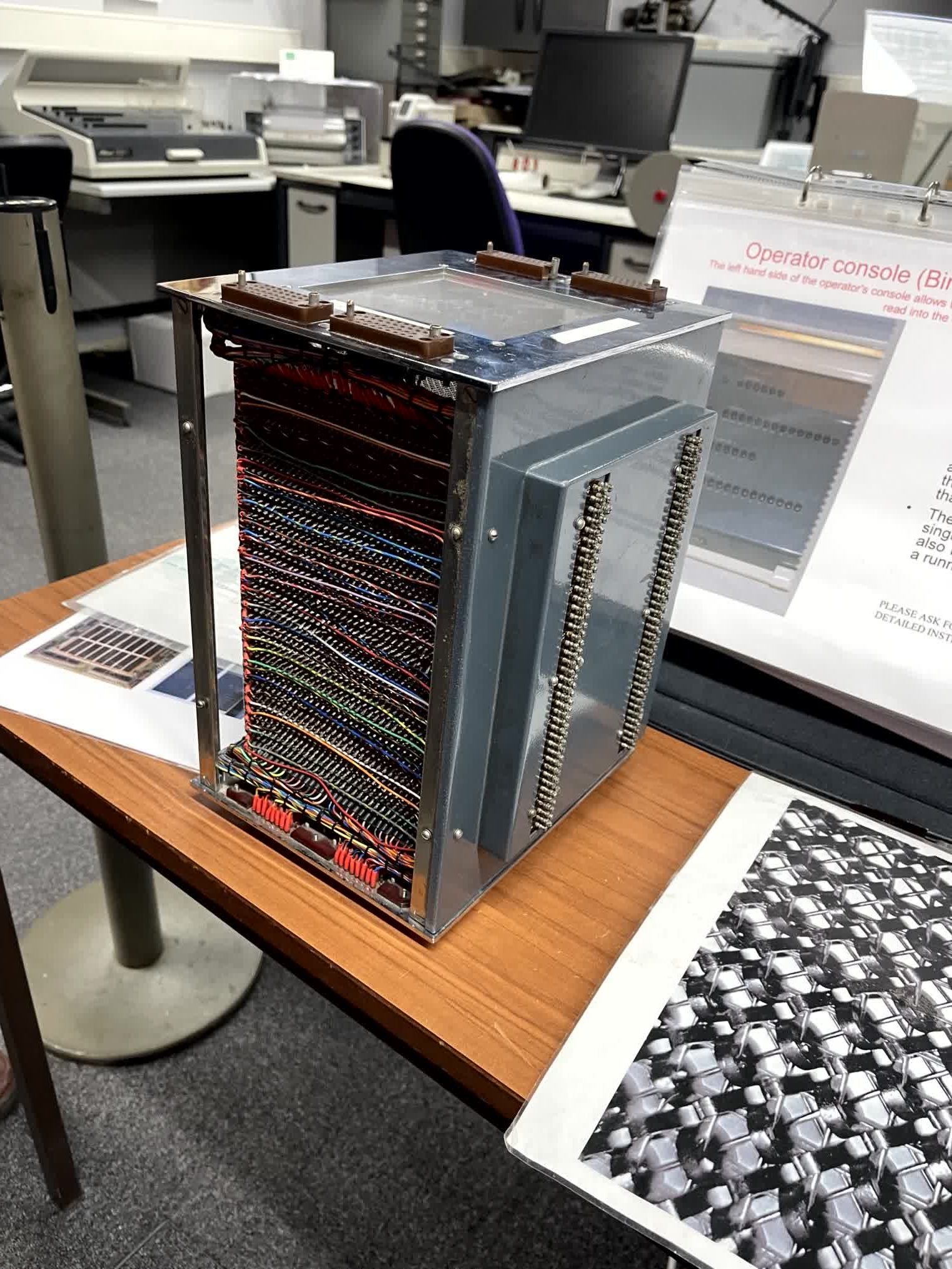
They had a mainframe memory core. From what we get our phrase ‘core dump’ still used in diagnostics today.
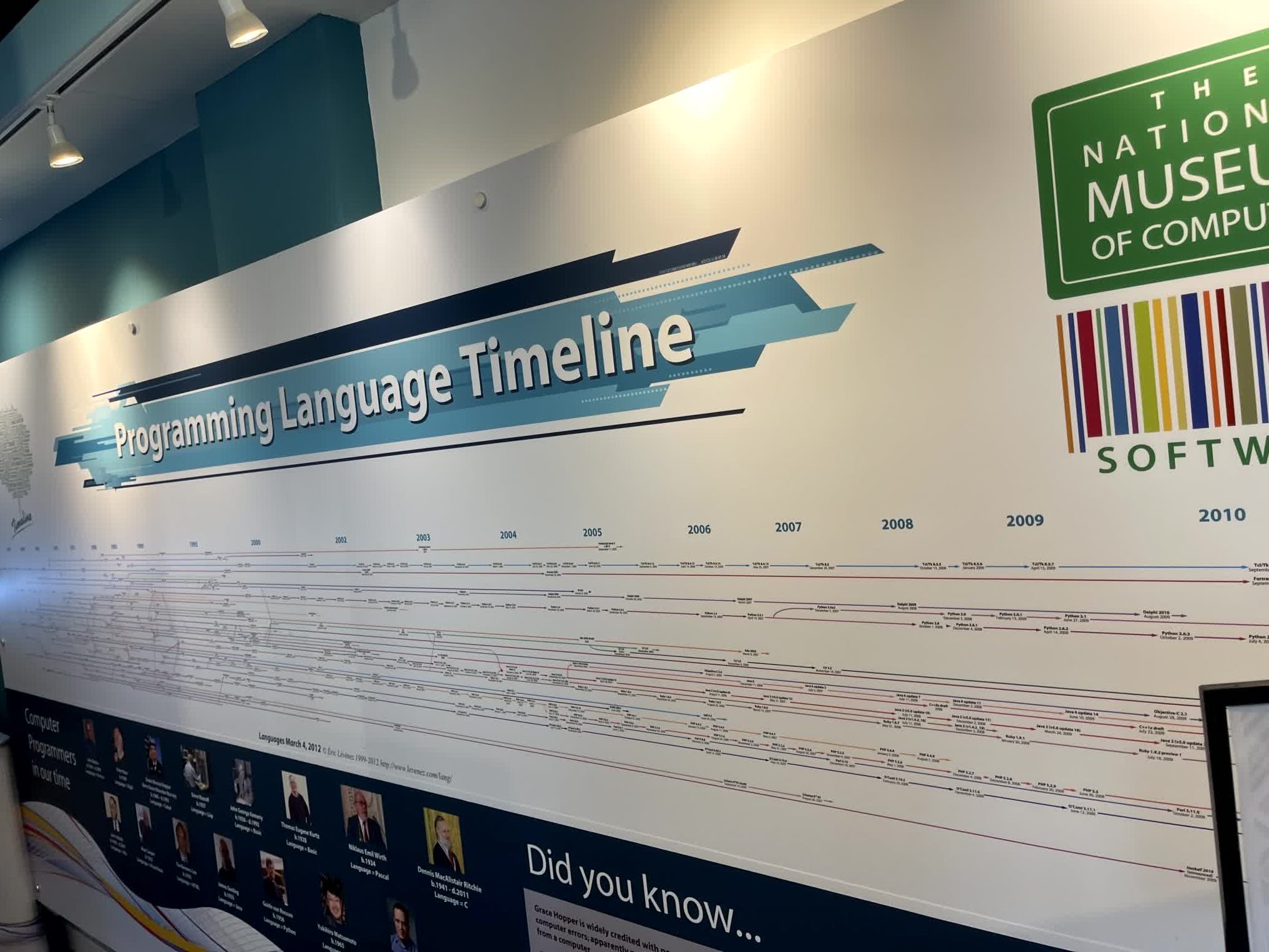
They had a software section with a programming language timeline.
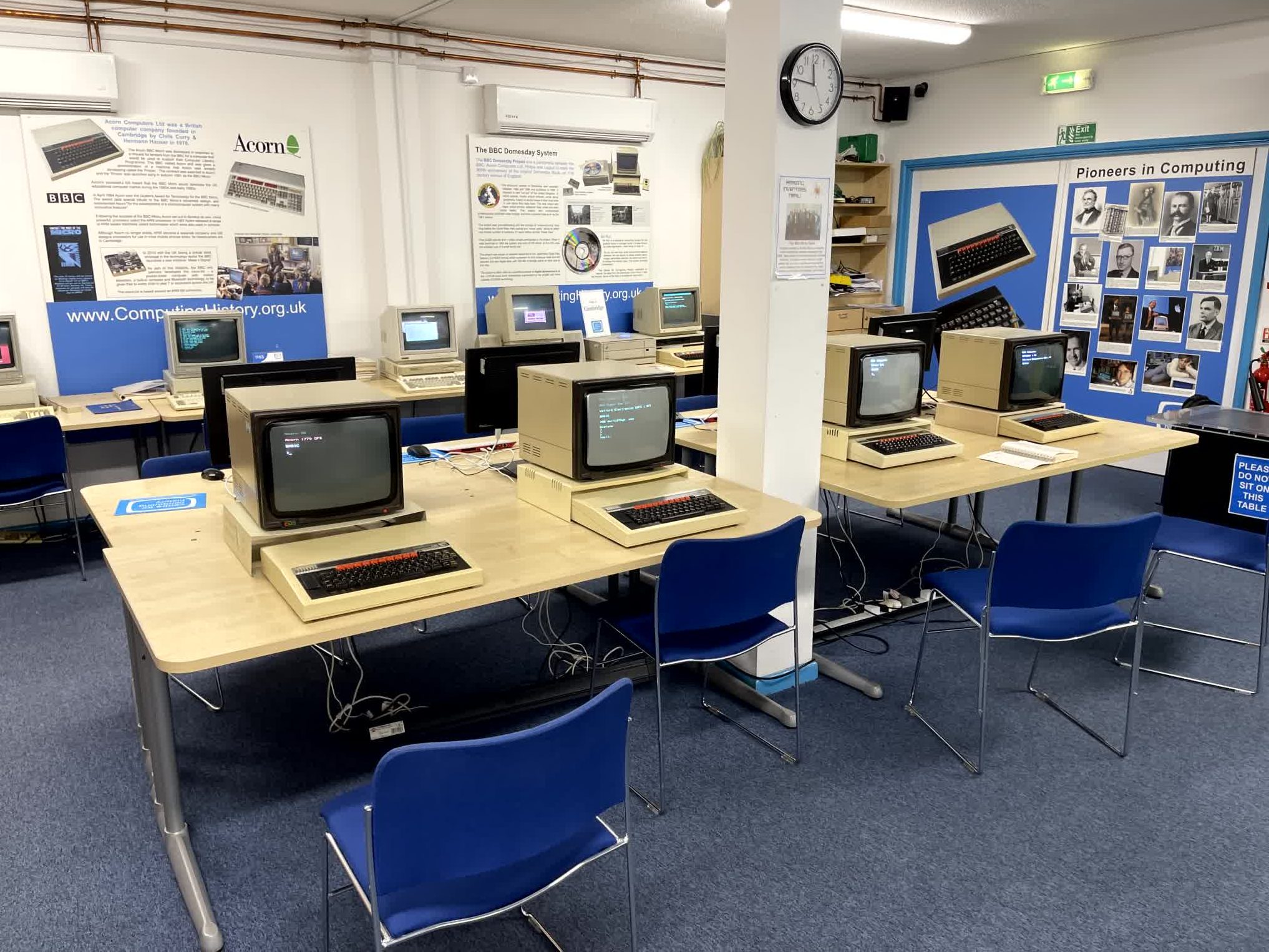
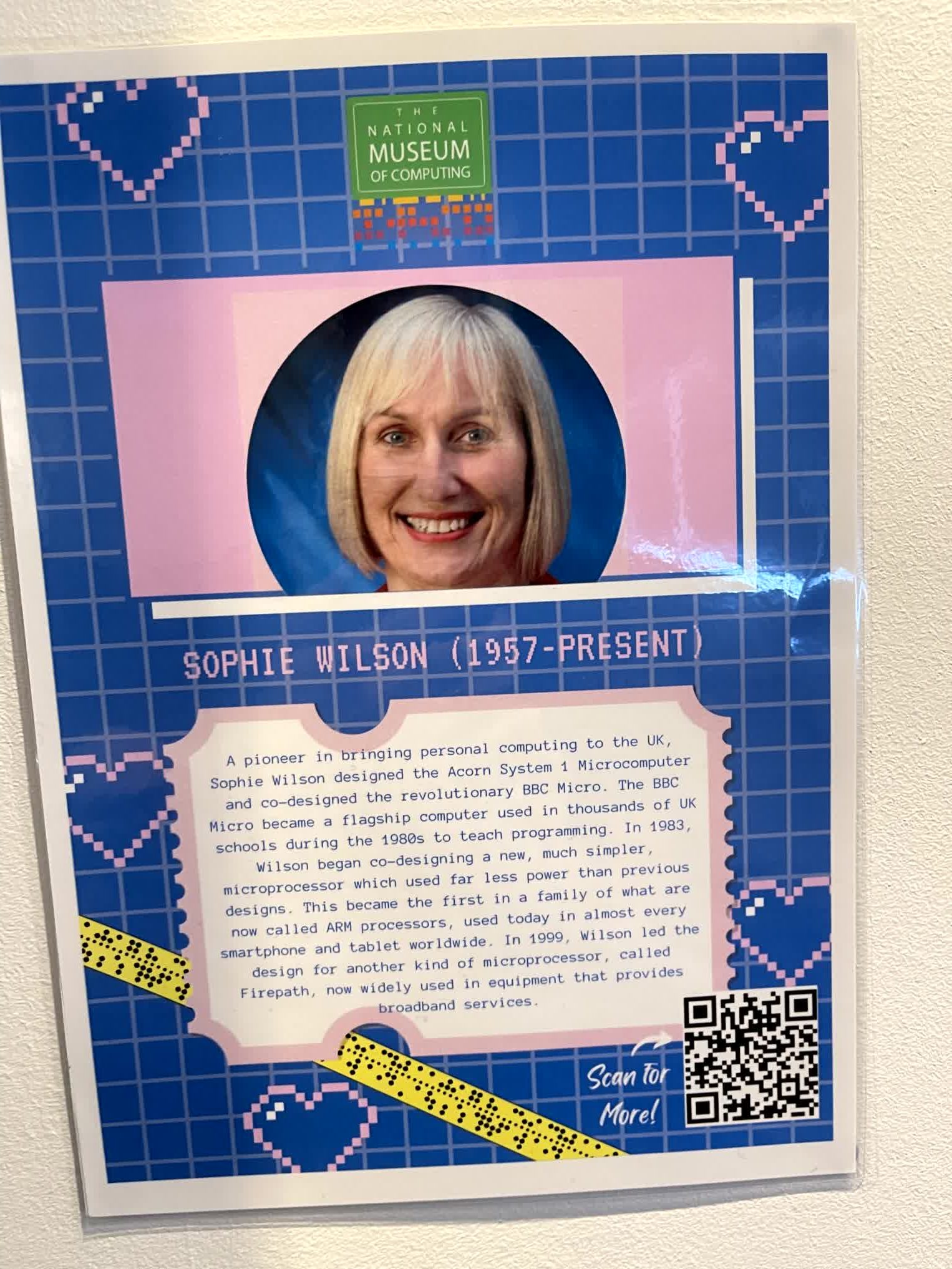
A note about Sophie Wilson, who designed the Acorn System 1, co-designed the BBC Micro, and was involved in the design of the first ARM chip.
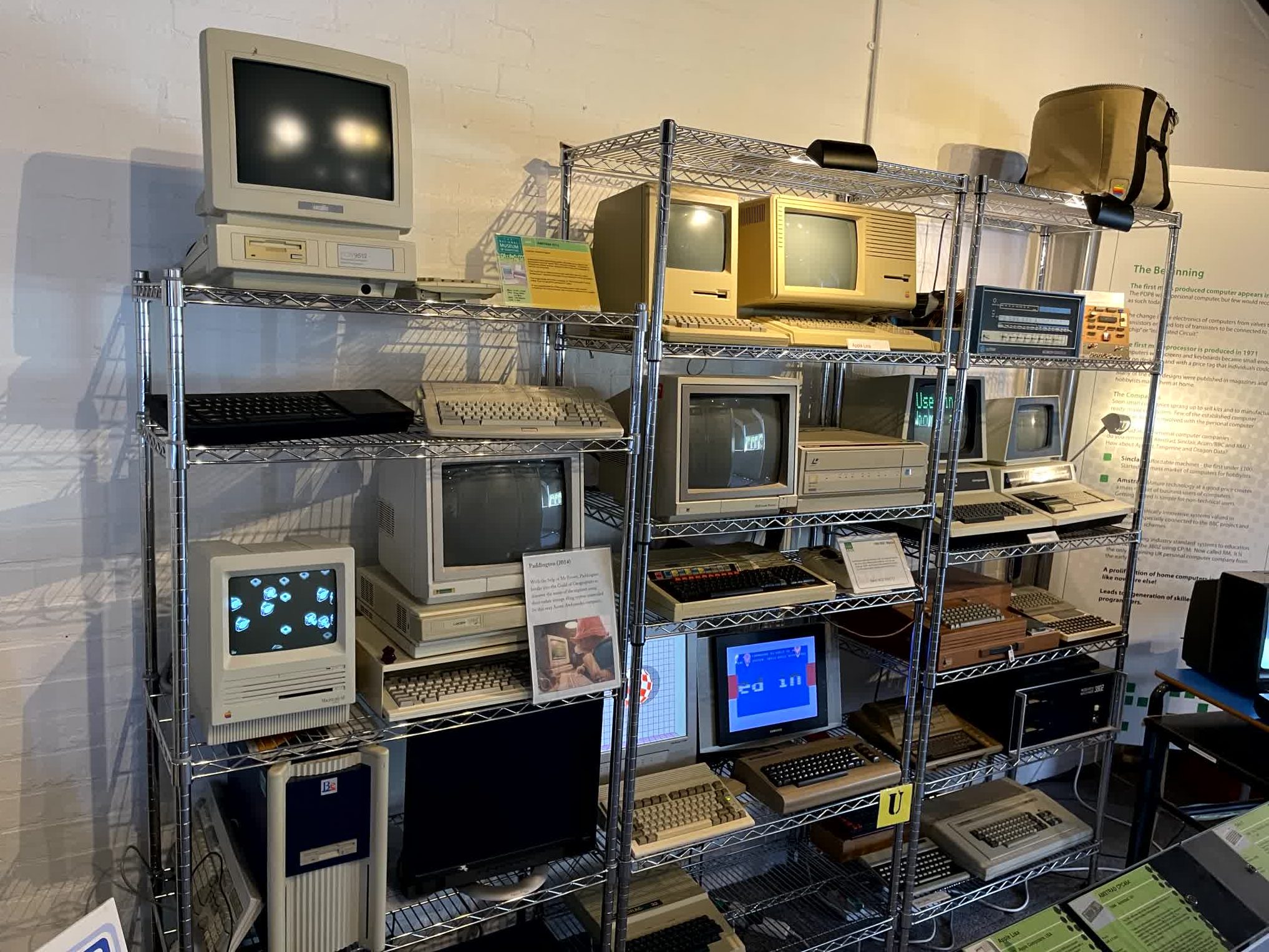
Then they went onto personal computers. There was a Be next to a Macintosh.
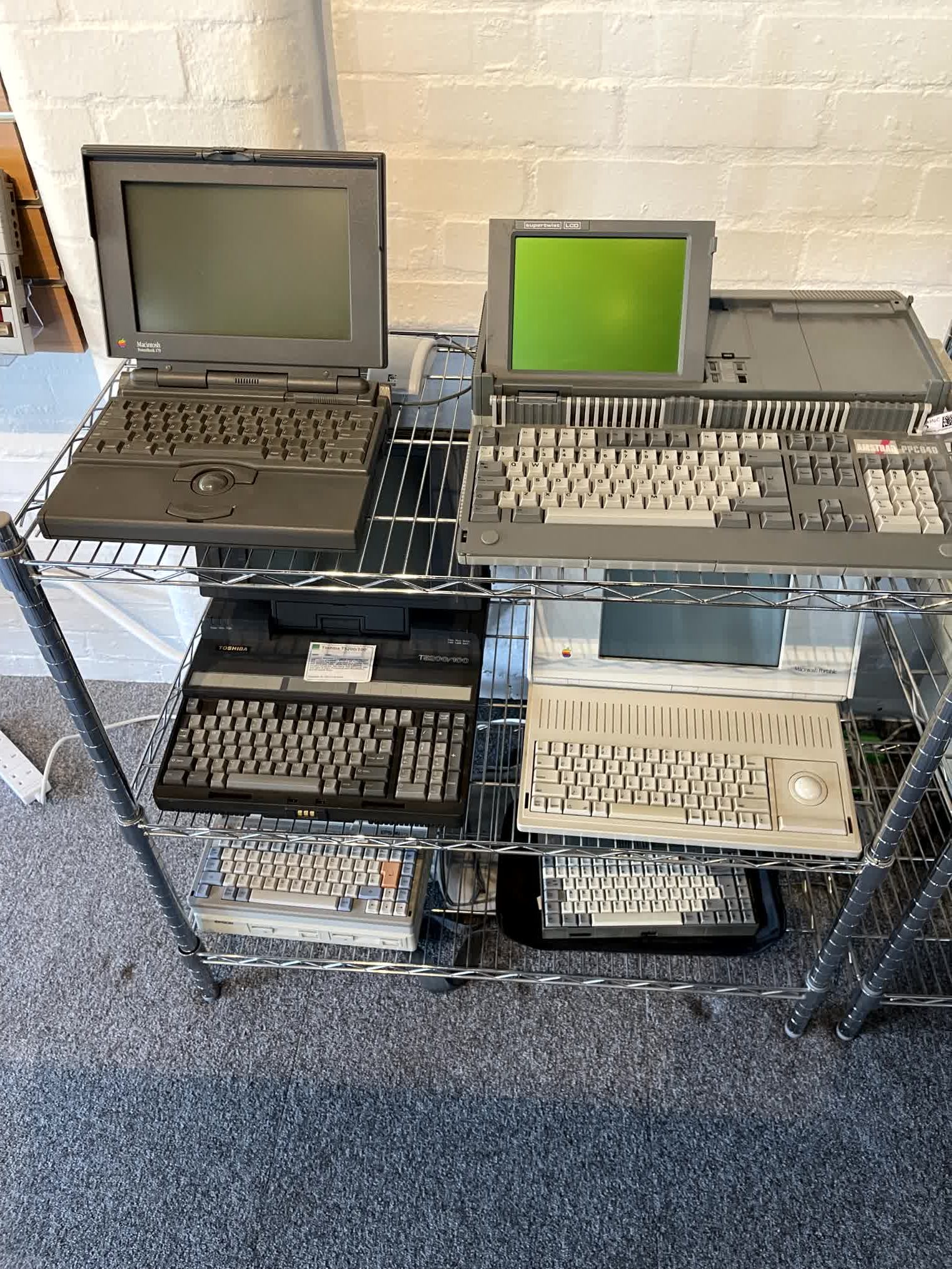
They had a section on portable Computers, including a couple of Apple’s I remember from my childhood.
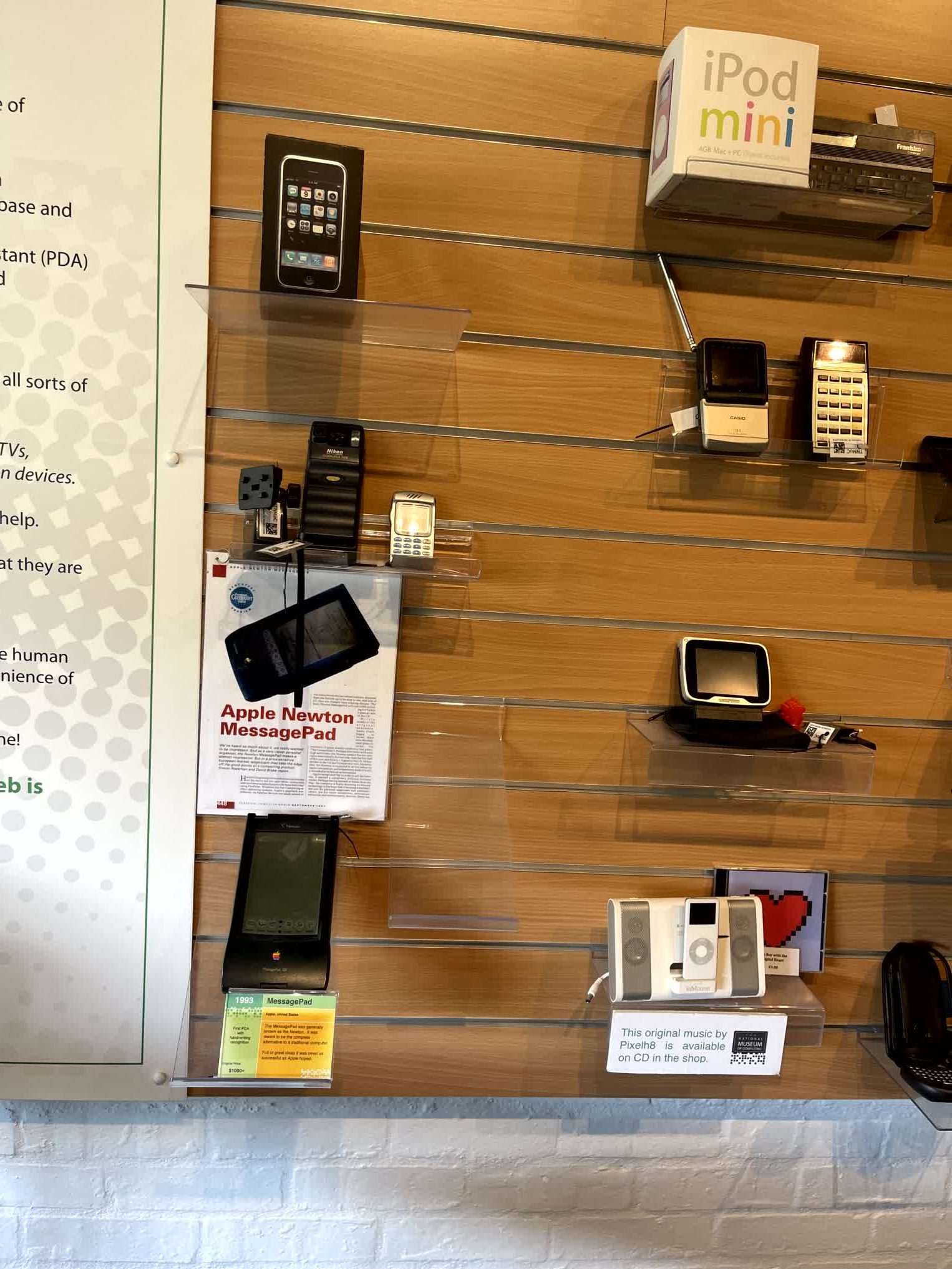
They had a section on the development of smartphones, including an Apple Newton and the original iPhone box.
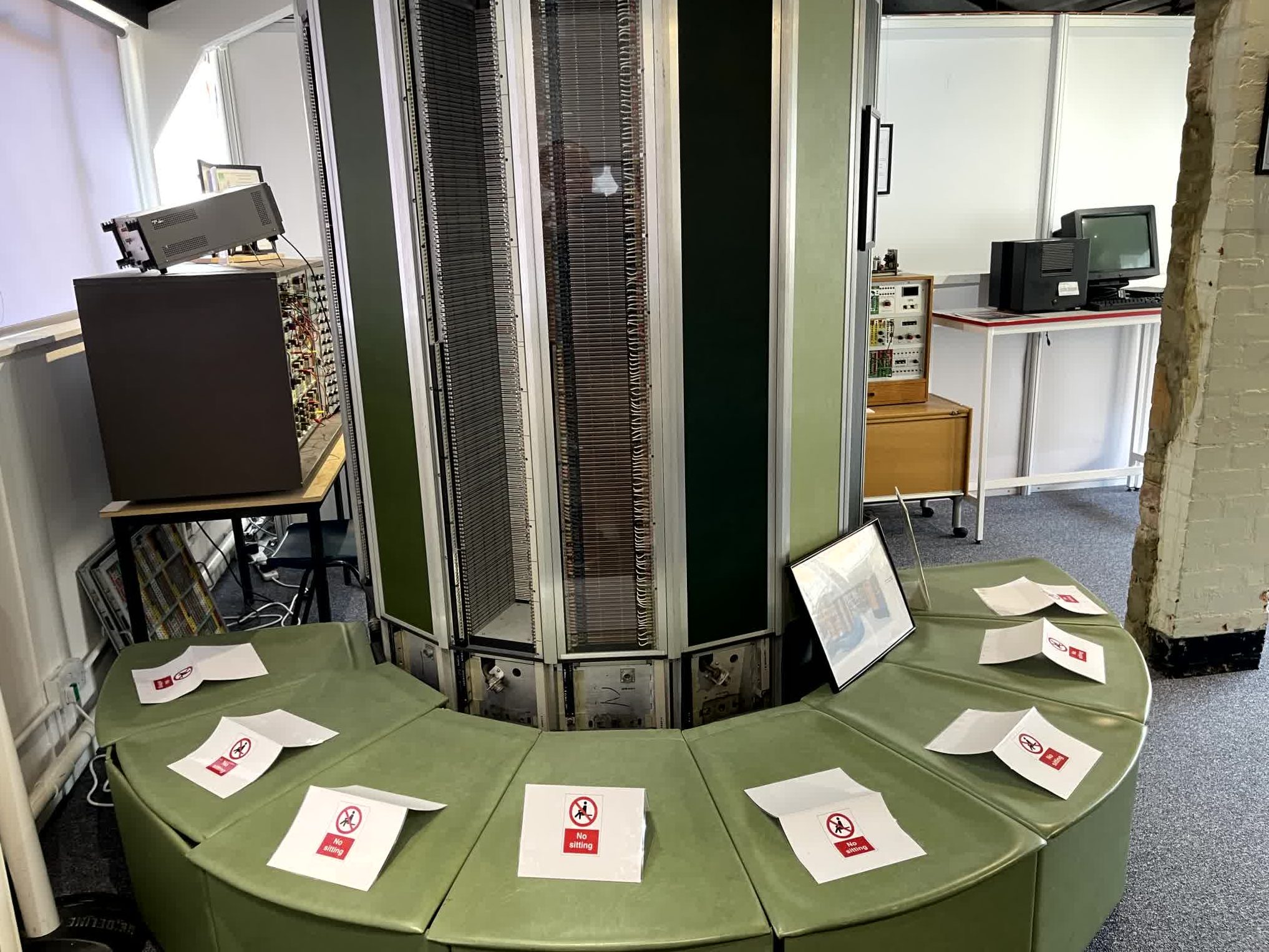
They had a Cray 1 Supercomputer from 1976. (Which my watch now beats in performance).
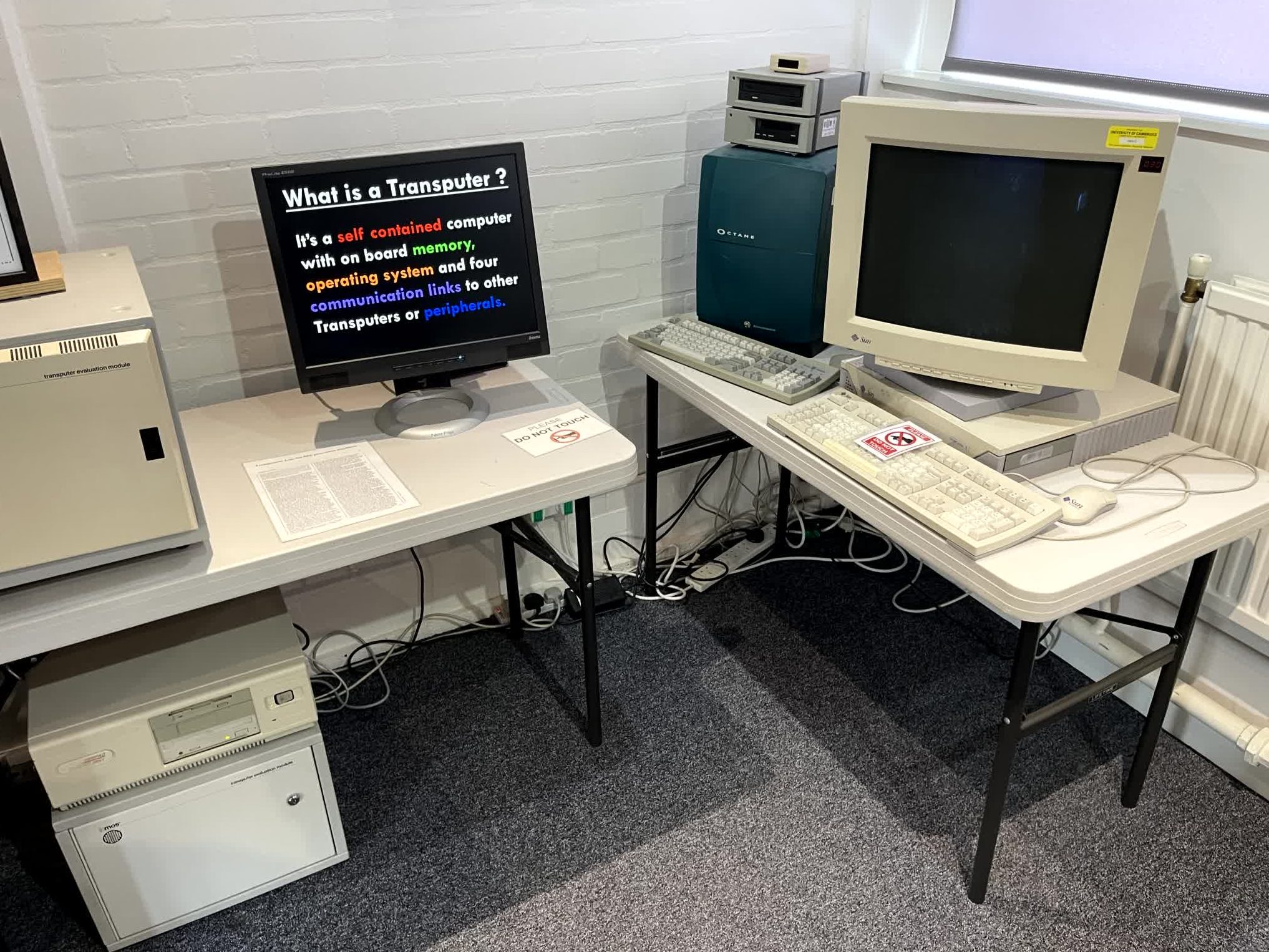
They had a Silicon Graphics workstation and a Sun workstation that I recall from Uni.
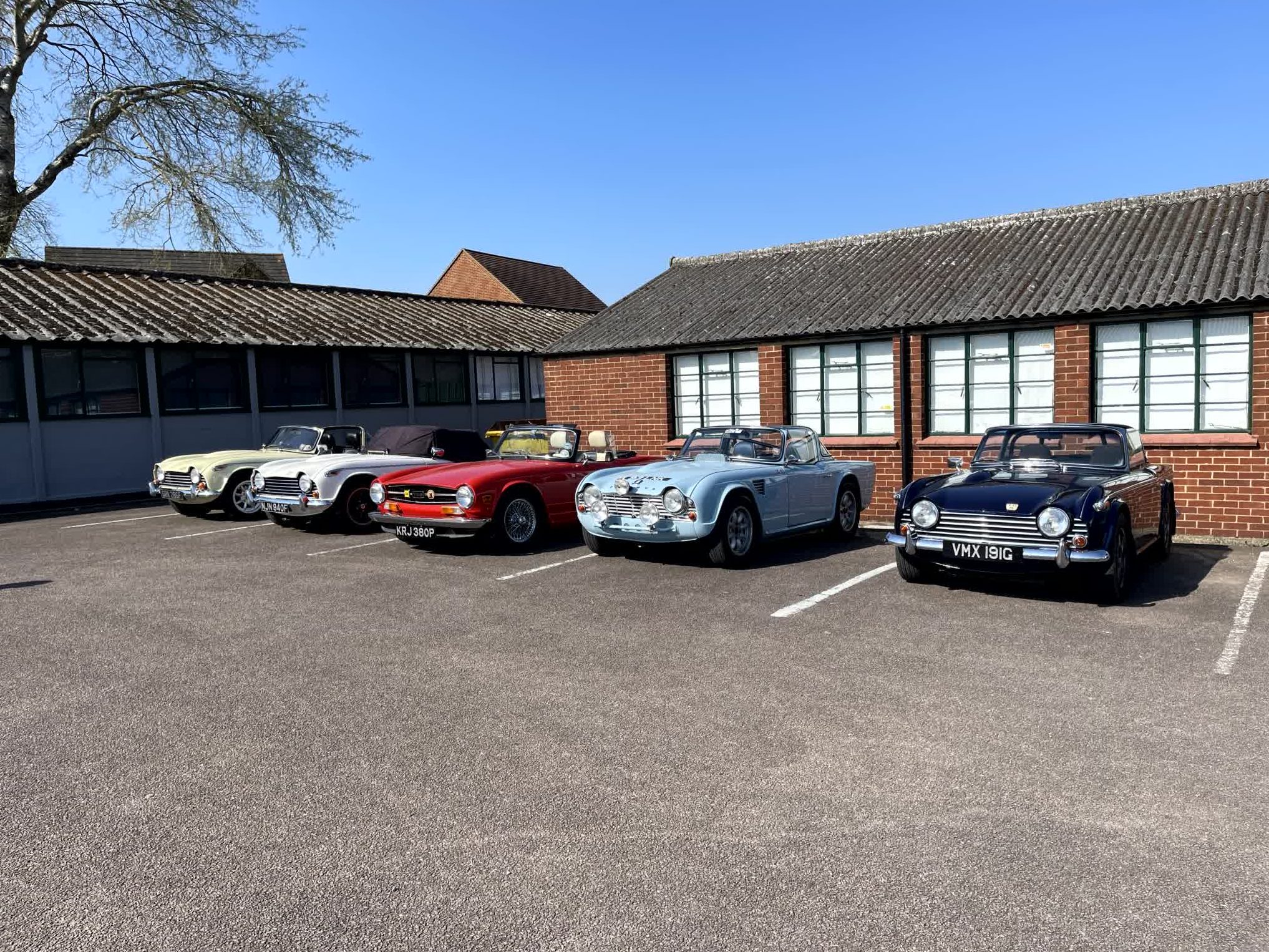
A driving club had come for a visit.
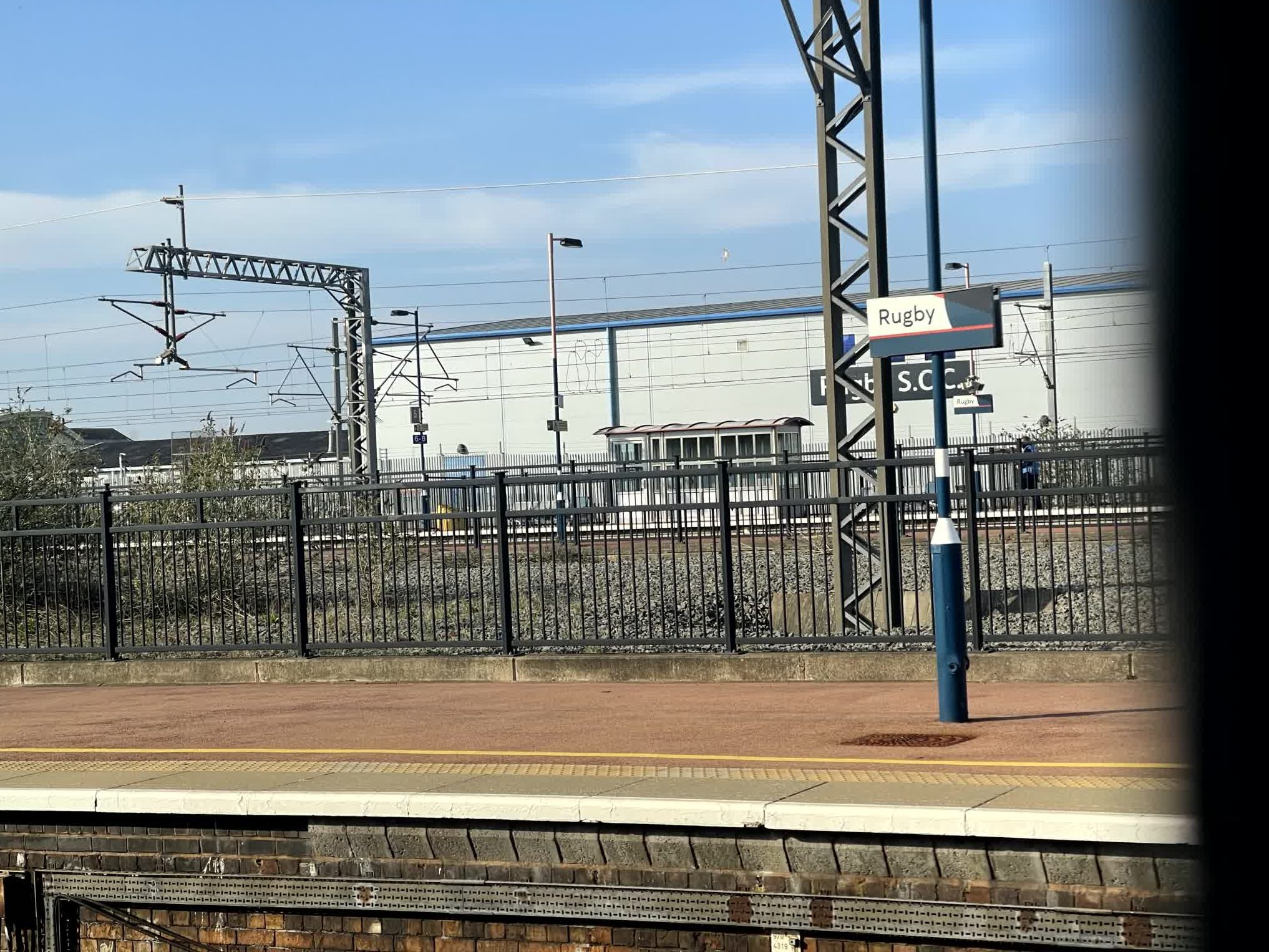
I recorded a train whizzing past (they seem to go faster here.) I estimated it was going about 145 km/h.

I couldn’t resist taking a photo of Rugby station.

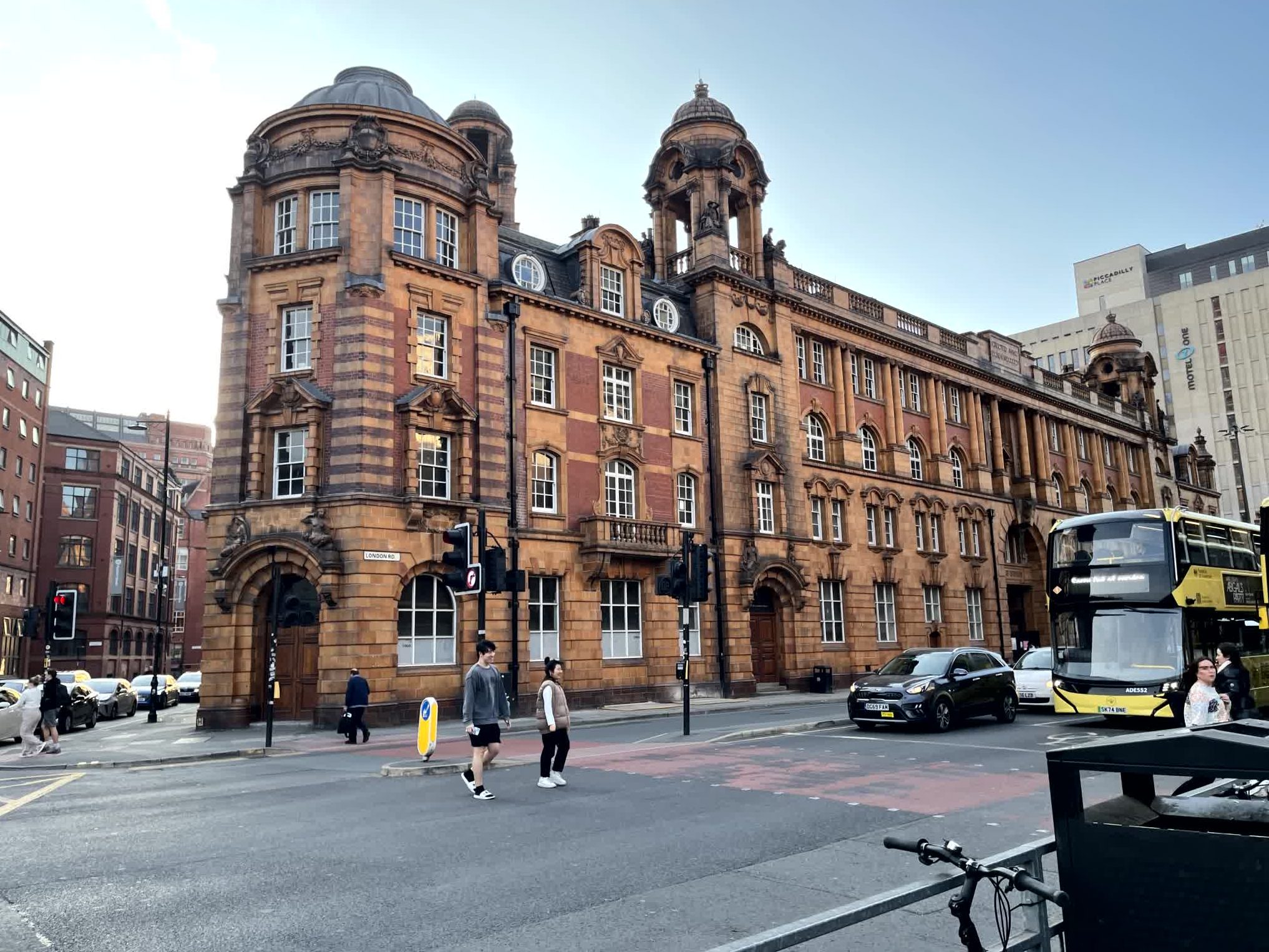
My grandfather was born in Manchester and grew up grew up there. A manager at work once spoke with affection of the Manchester he grew up in. I wondered what it would be like.

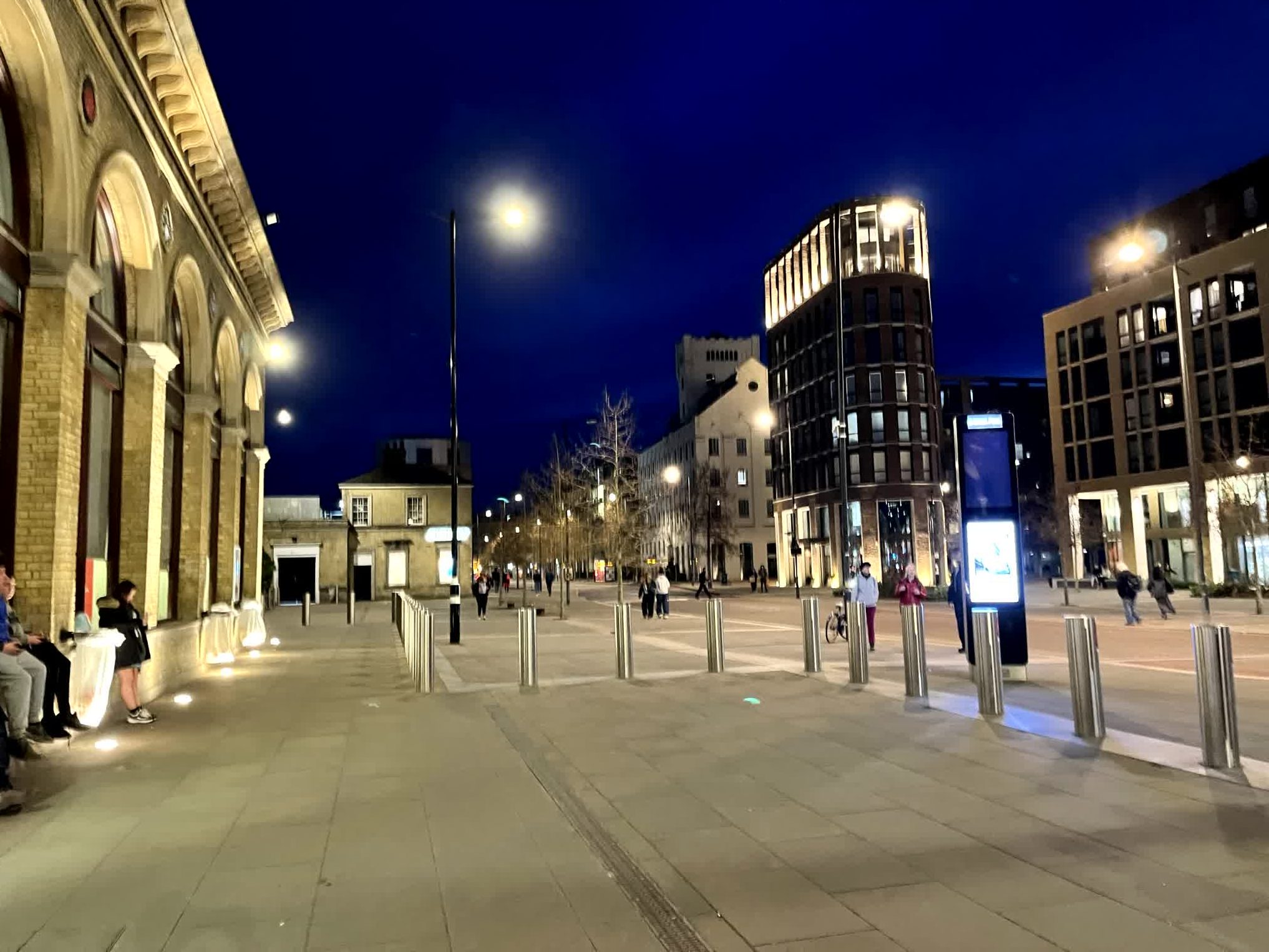
The buildings around Manchester Piccadilly  Station look like they saw the Industrial Revolution.
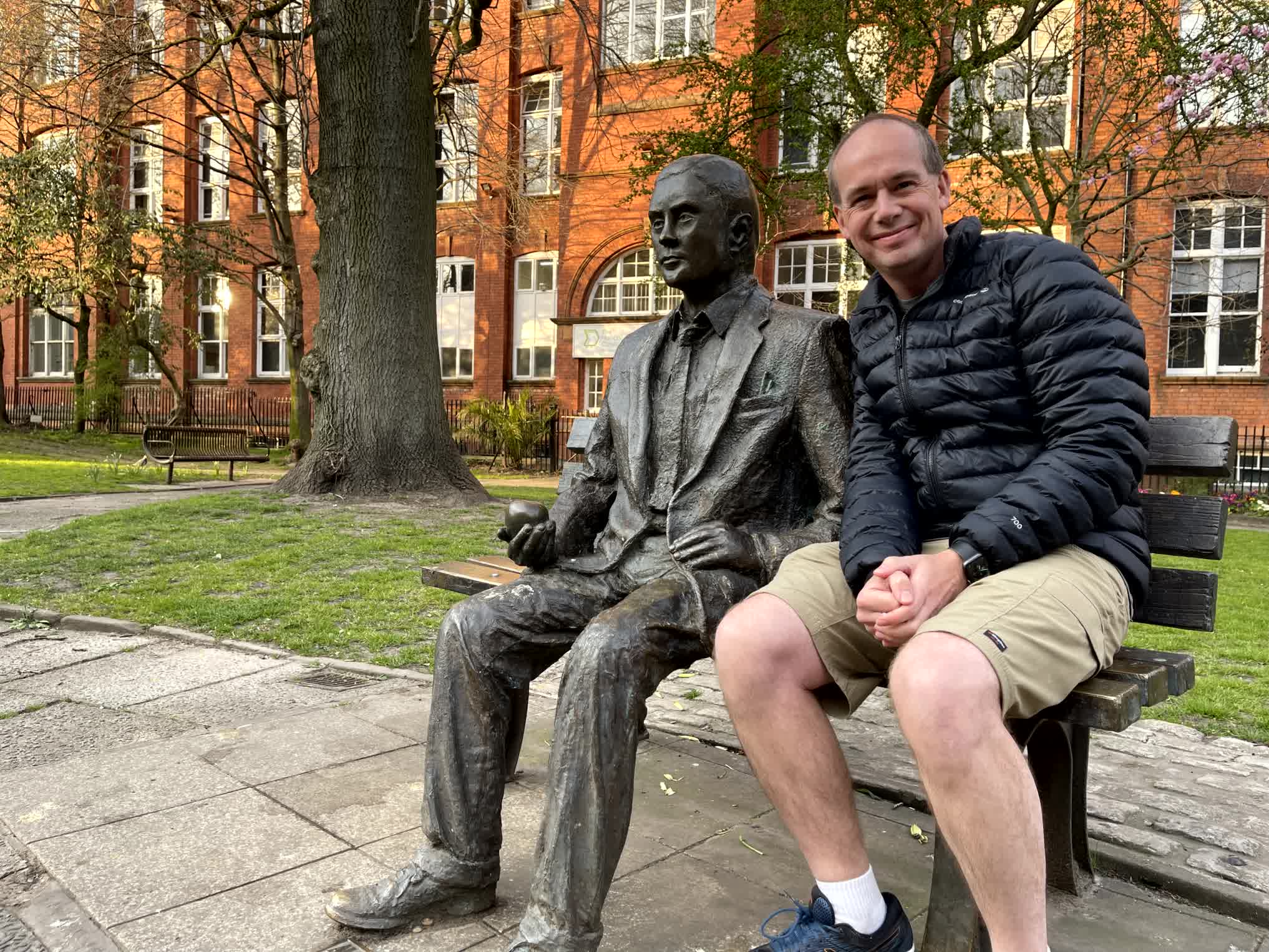
Whilst walking to my accomodation, I sat on a bench with Allan Turing. He told me my journey was nearly at an end.
Walking along the streets in the evening, people aren’t in a rush, many make eye contact and smile. 

Walking through the streets on a Thursday evening big suites of tables from the pubs spread out into the streets, full of people talking. 

At the Tesco buying dinner I asked a question and the attendant replied, “of course you can!” With a kind of sparky charm that hid the fact he’d been working on his feet for hours. 

Manchester so far has come across as a compassionate,  sparky and empathetic place. History tells me that not that long ago this is was a place of high unemployment.  I imagine that in the post World War II childhood of my grandfather, this may have been a grim city.
Wed 2 April – National Radio Centre

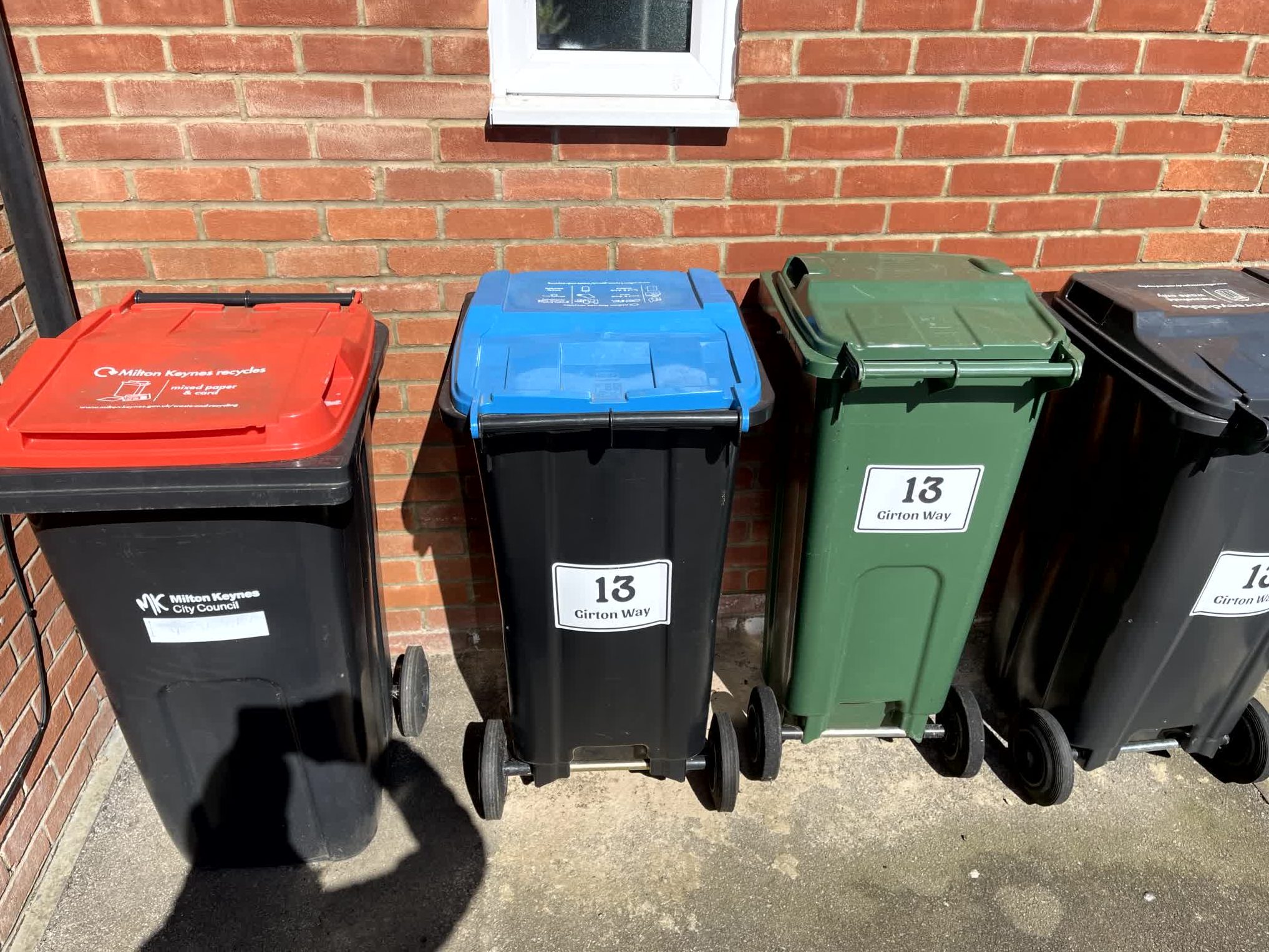
As I step outside I see the bins queued up. Recycling (in this council) appears to be partitioned into cardboard/paper separated from cans and bottles, in addition to green waste and regular waste.

National Radio Centre

This is a kind of celebration of ham and amateur radio over the last 100 years – in a way that is educational about how radio works. They relate the theme of radio to how mobile phones have 5 different radio transmitters in them.


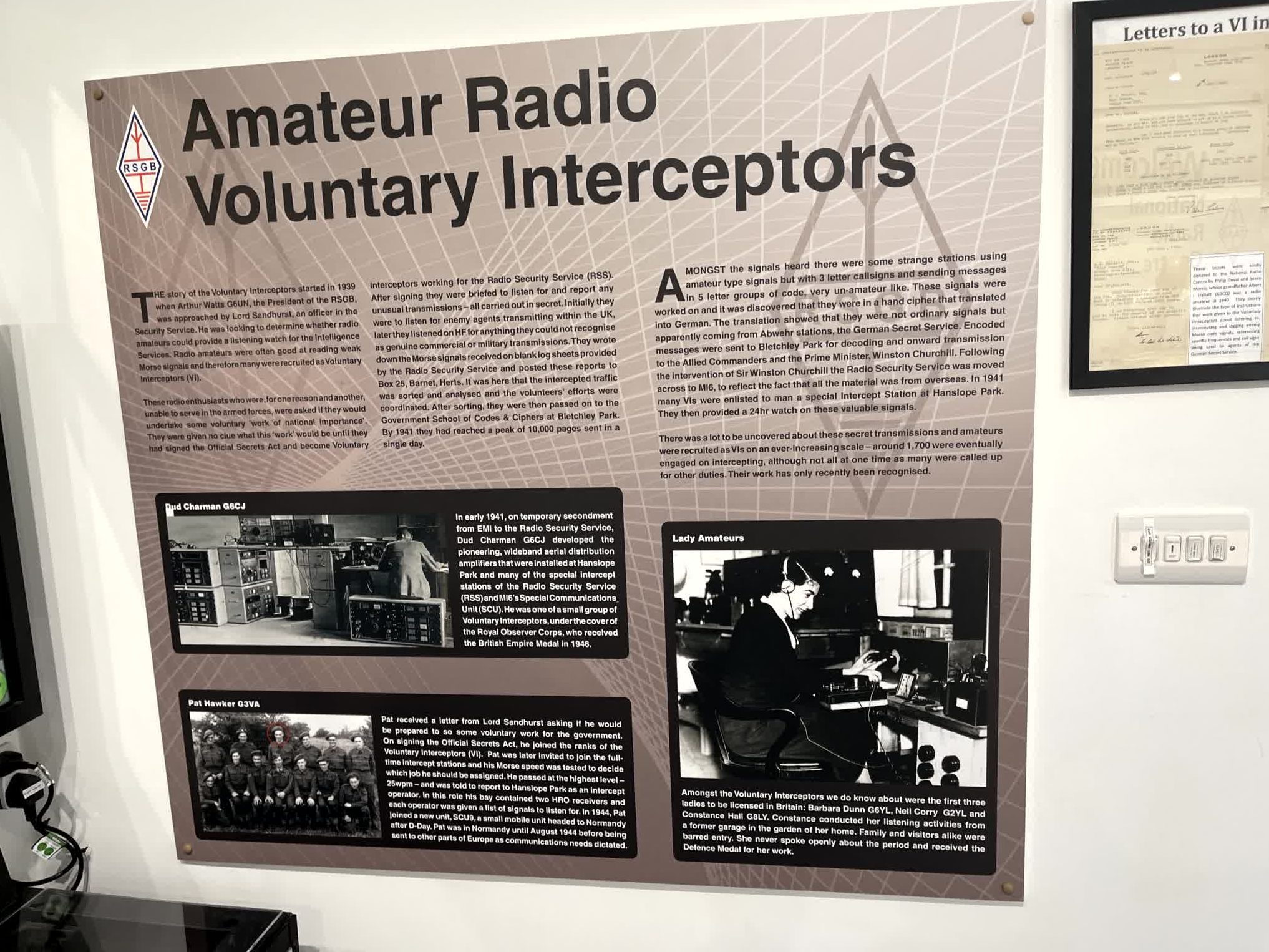
They link this to Bletchley Park by talking about WWII volunteers who listened to Morse code that was unusual, first within the UK and then overseas. (My speculation is that ‘unusual’ morse code is that not in English, or coded, or just unfamiliar.)

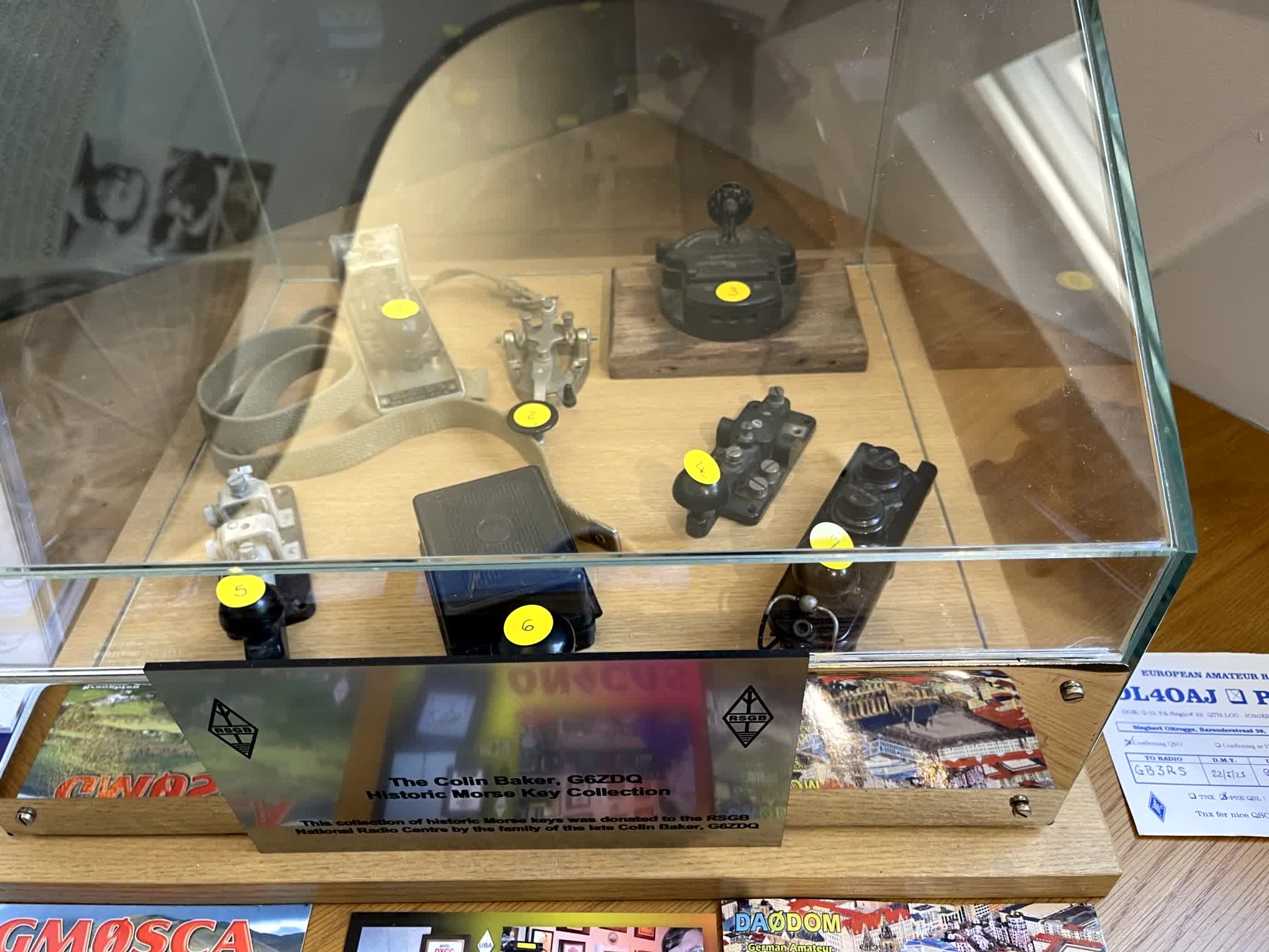
There are morse code transmitters.


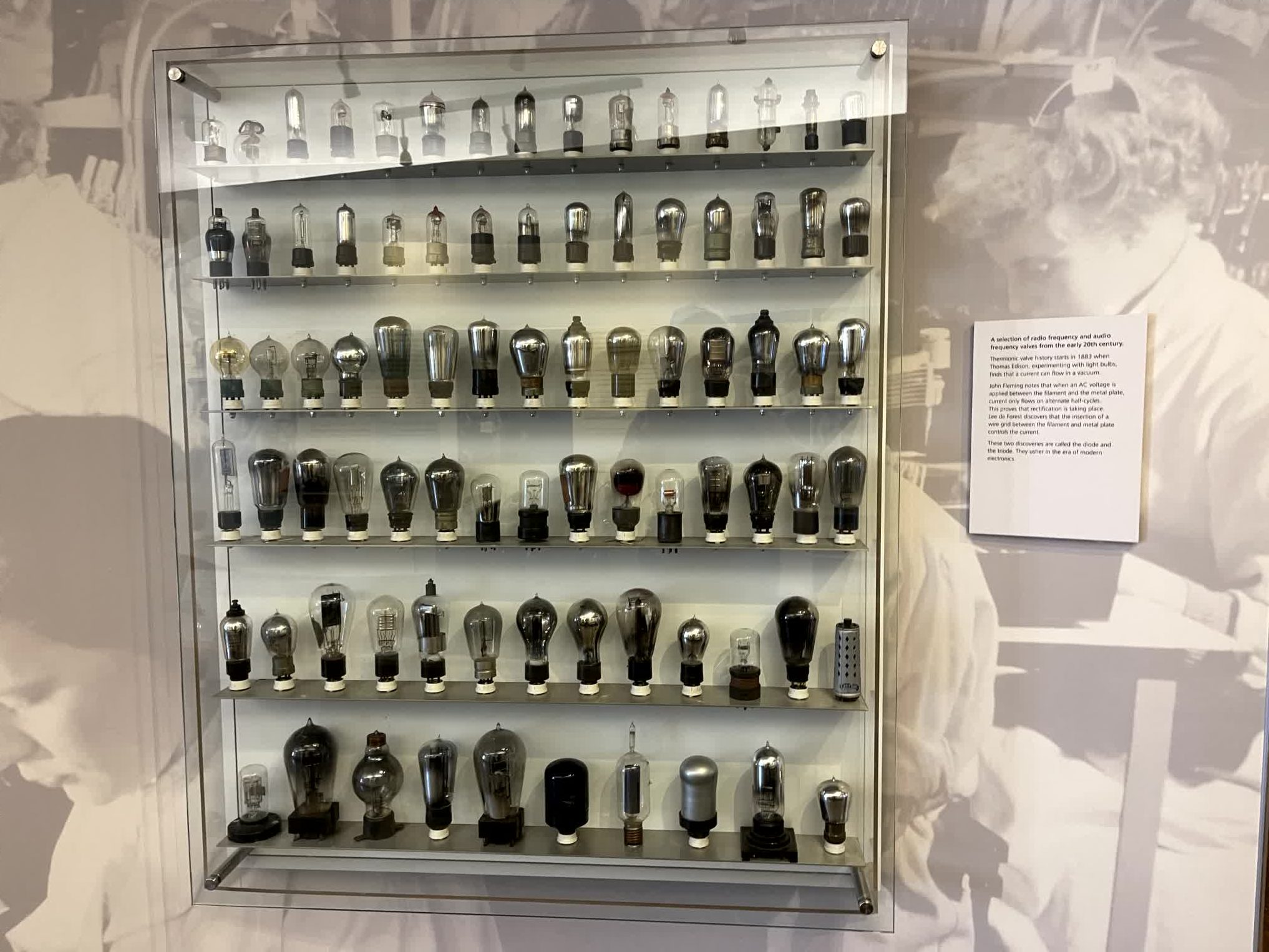
They talk about thermionic  valve manufacturing in the UK as a successful enterprise. The replaced by transistors the business declined and transitioned. 


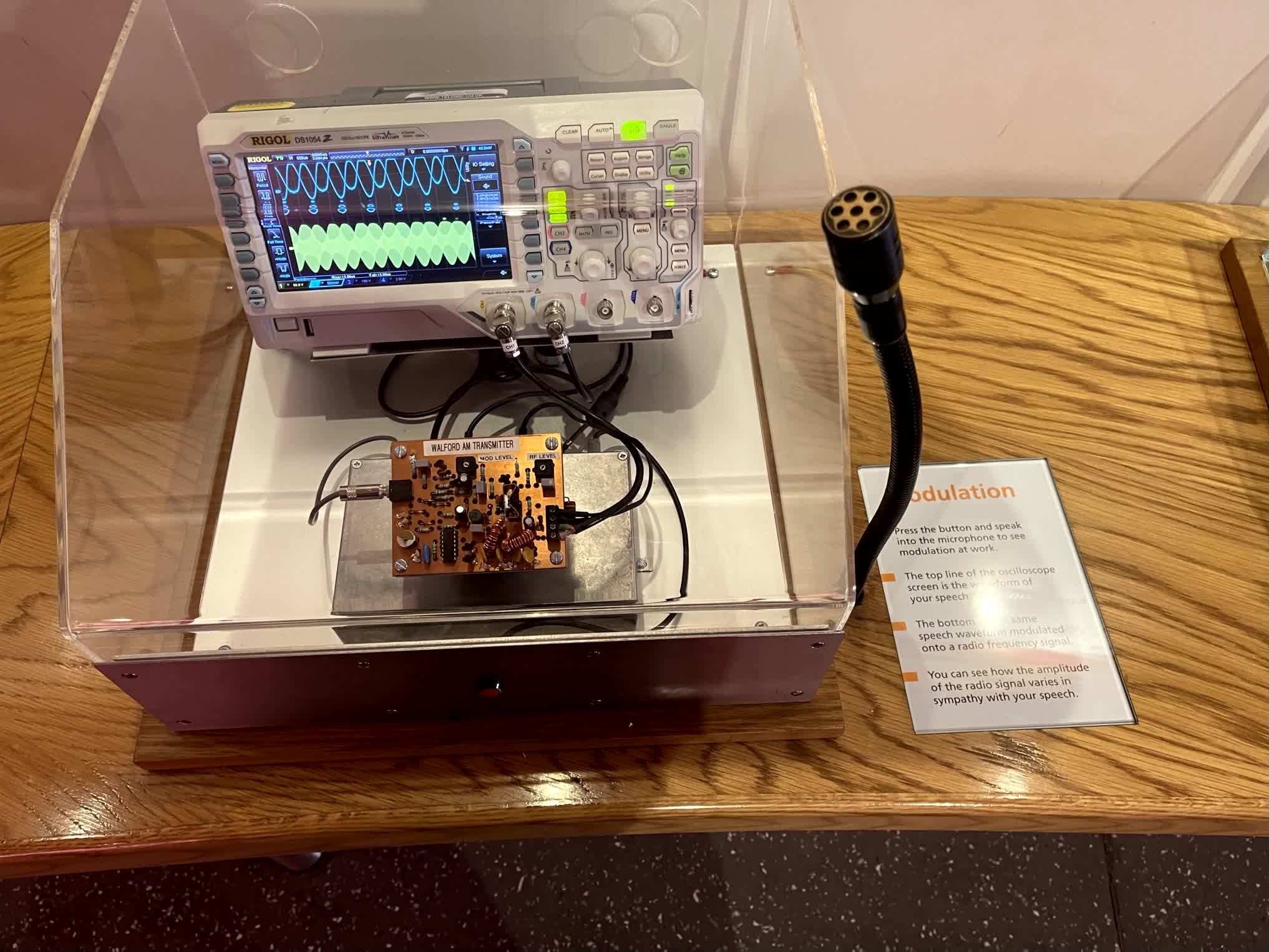
There is a detailed description of how radio works with interactive exhibits. 


They talk about the future of radio, in smart radio to make best use of limited bandwidth, nano medicine in taking smart pills that communicate externally and wearable technology in AI to project the virtual world in a way we can experience with our fingertips. 


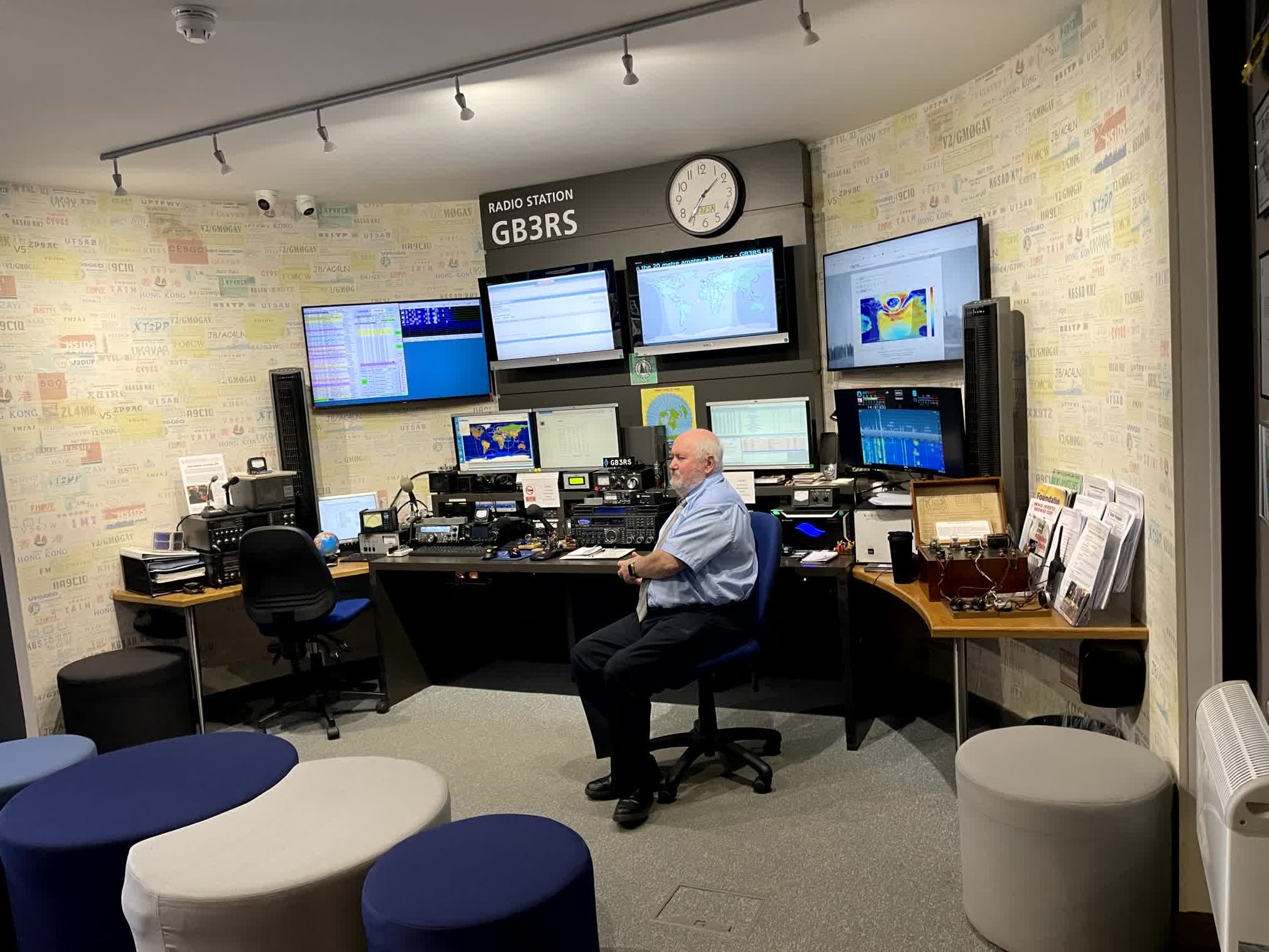
Then there is an amateur radio section.  

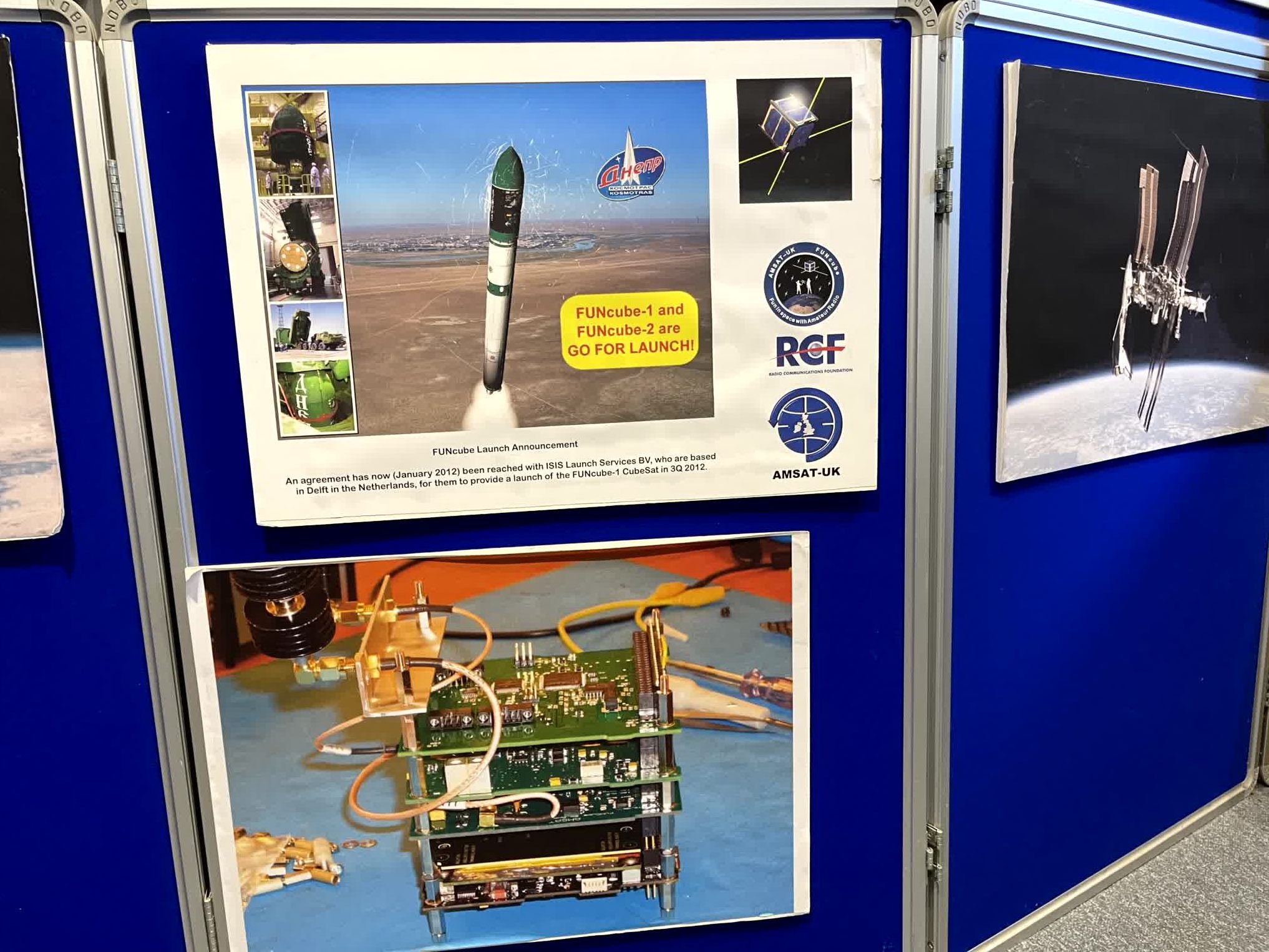
They have a geosynchronous satellite over Africa to broadcast television that this facility has the ability to broadcast off on a radio ham frequency band . The OSCAR-100. It was launched in 2018.  It was paid for by the Sultan of Jordan.


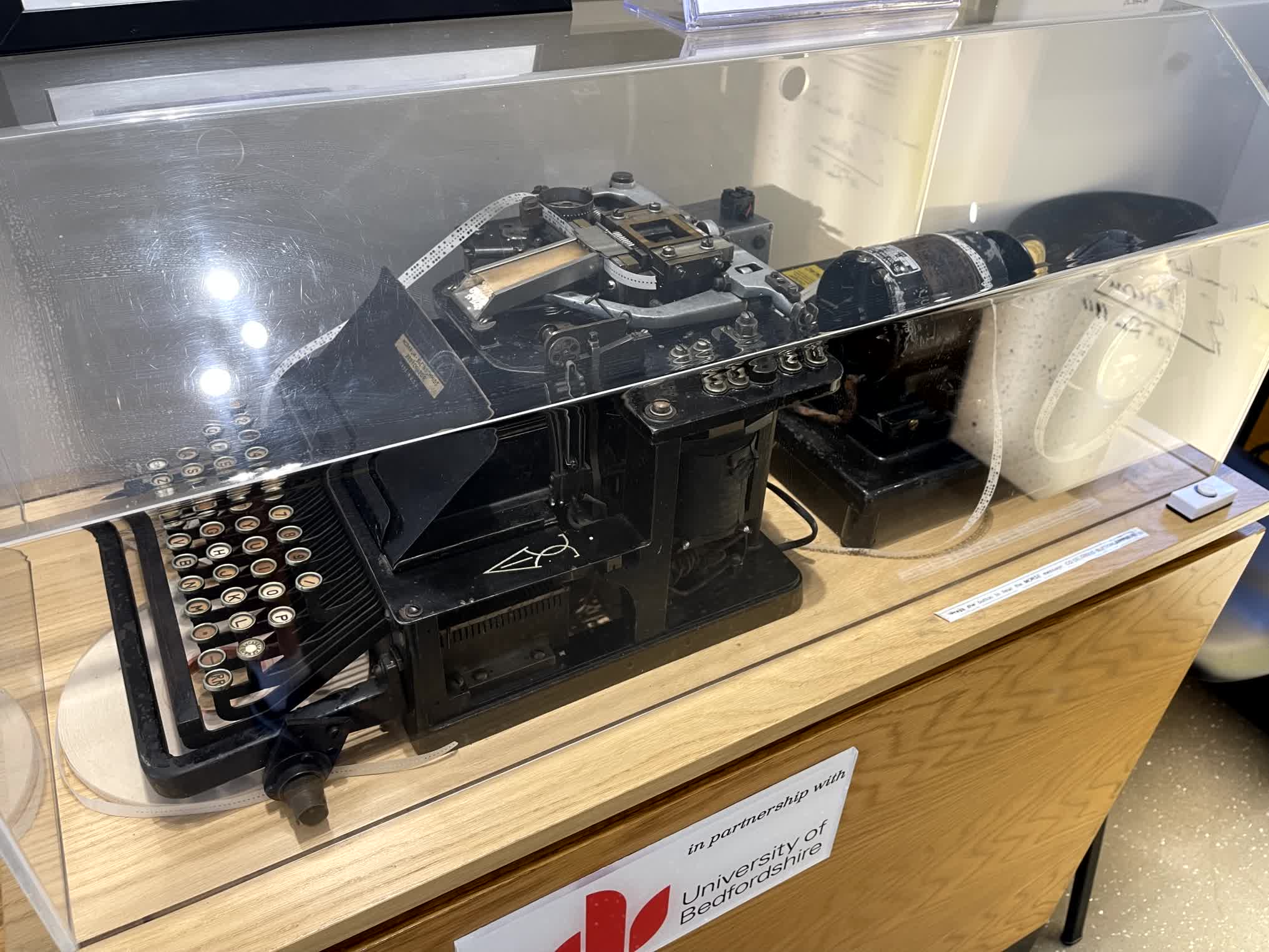
On the way out you see a type-writer that generates Morse code on strips (and broadcasts them). 

Tues 1 April – Bletchley Park Museum

Apart from seeing my Dad – this museum was one of the principal reasons I had come to the UK. (Turing’s influence on Computing are diverse – and I had read a great book on his PhD.)

I did spent six hours walking around, there as there is a lot to see and take in, a full day. The museum has intersecting themes here, of military history and significance, code-breaking, and development of computer technology. It’s big focus is people, and their experience of being on the code-breaking site.

I have written pages and pages of notes, and taken hundreds of photos during the day – but I’ll keep this brief.

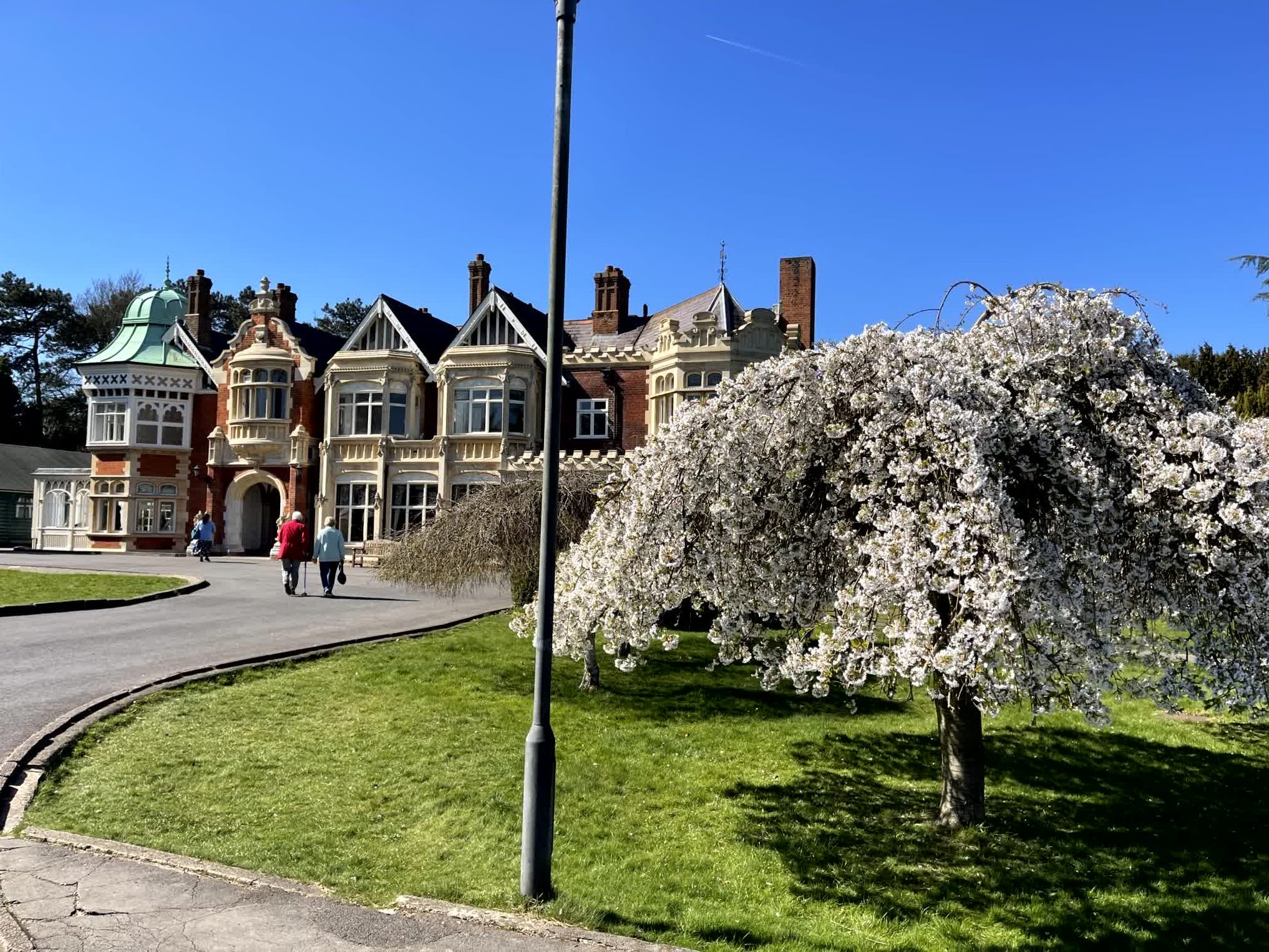
The Mansion was built in the 1880s by a wealthy stockbroker, and his children sold it during WWII to Admiral Hugh Sinclair. It was purchased for its equal proximity to Cambridge and Oxford (they had a train line called Varsity connecting them at the time) and London.

People’s Experience

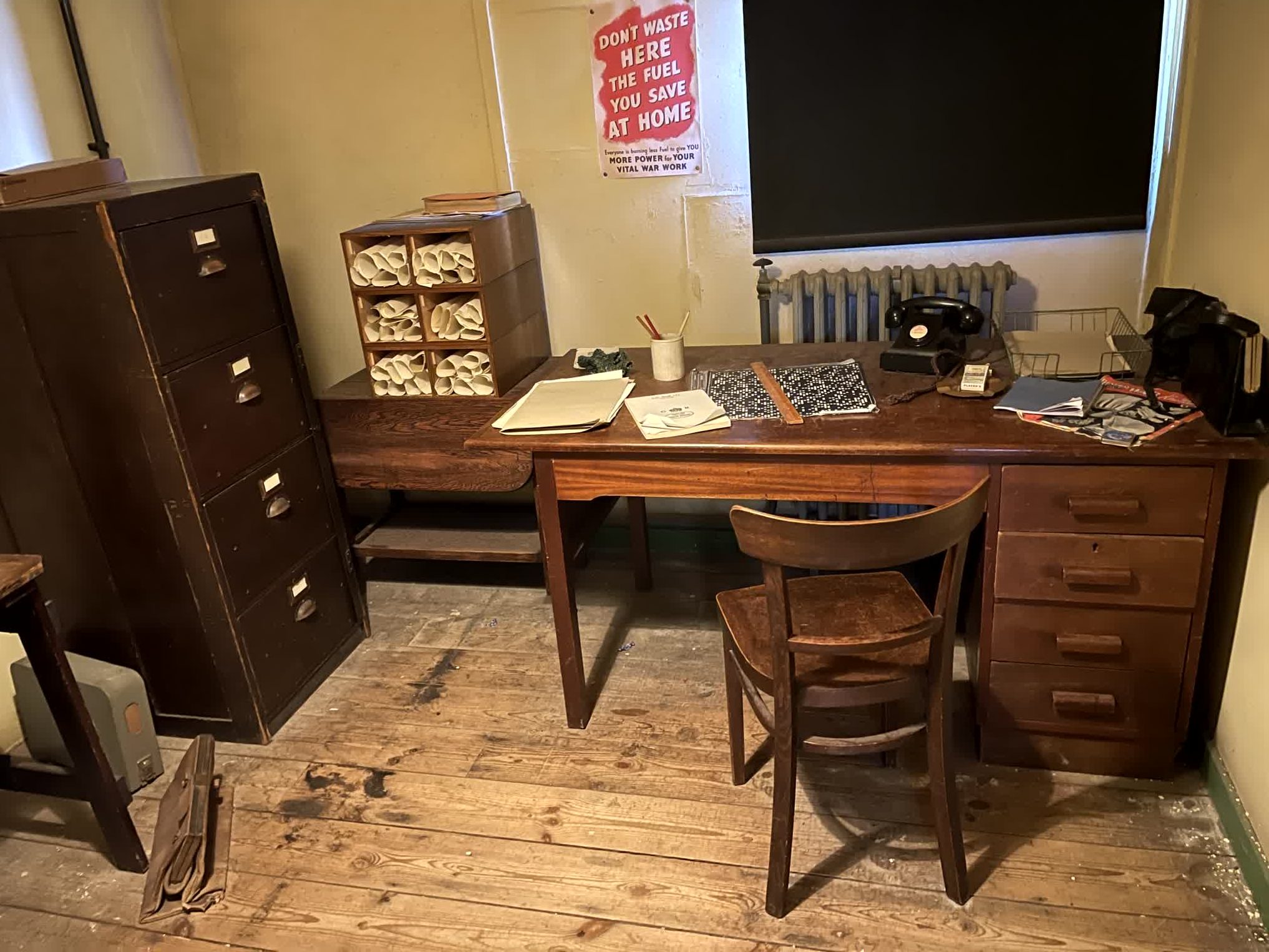
There is an enormous sense of careful stewardship of resources.

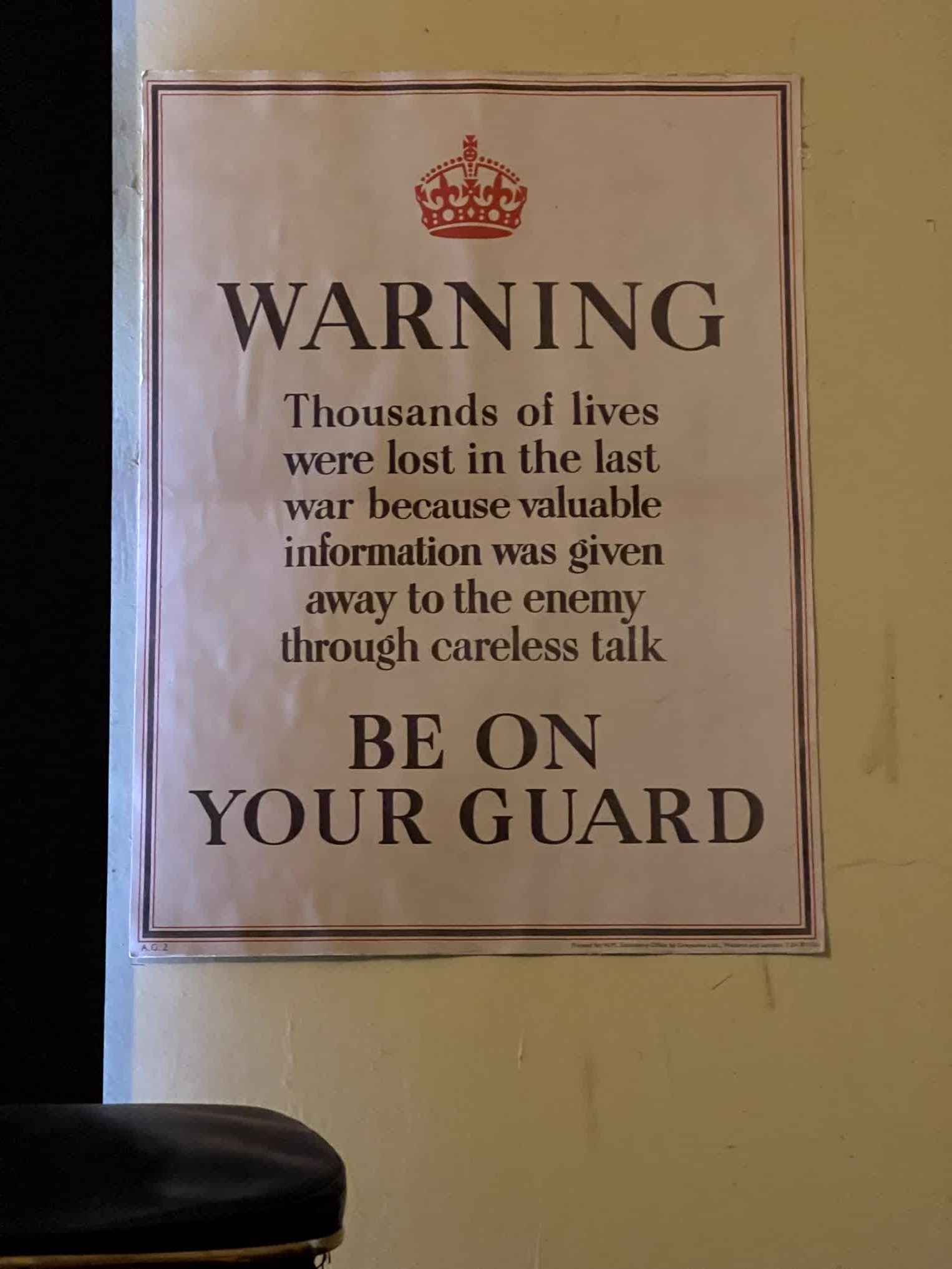
Of the moral obligation to keep secret due to the failures during WWI of spies listening into plans.

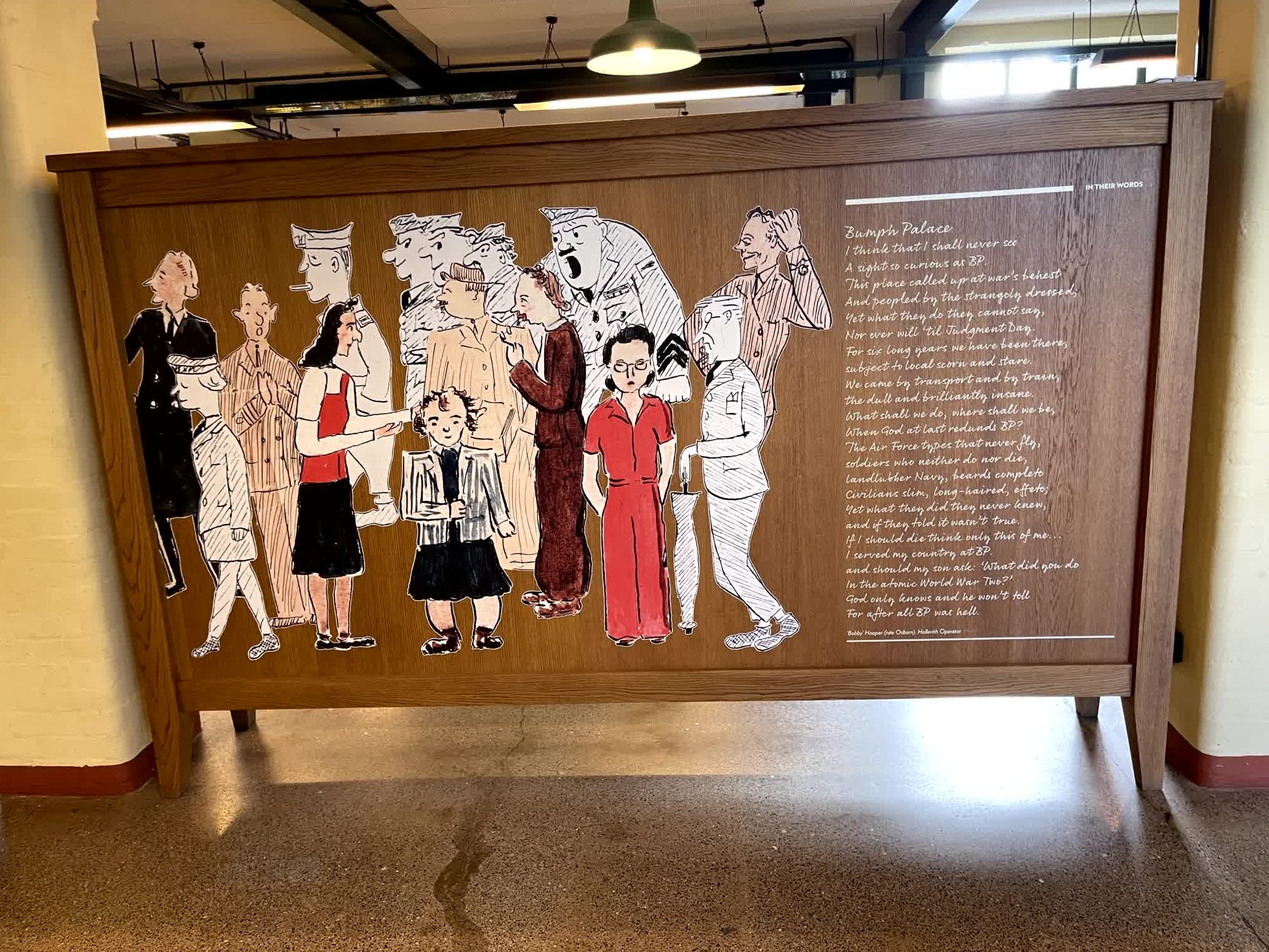
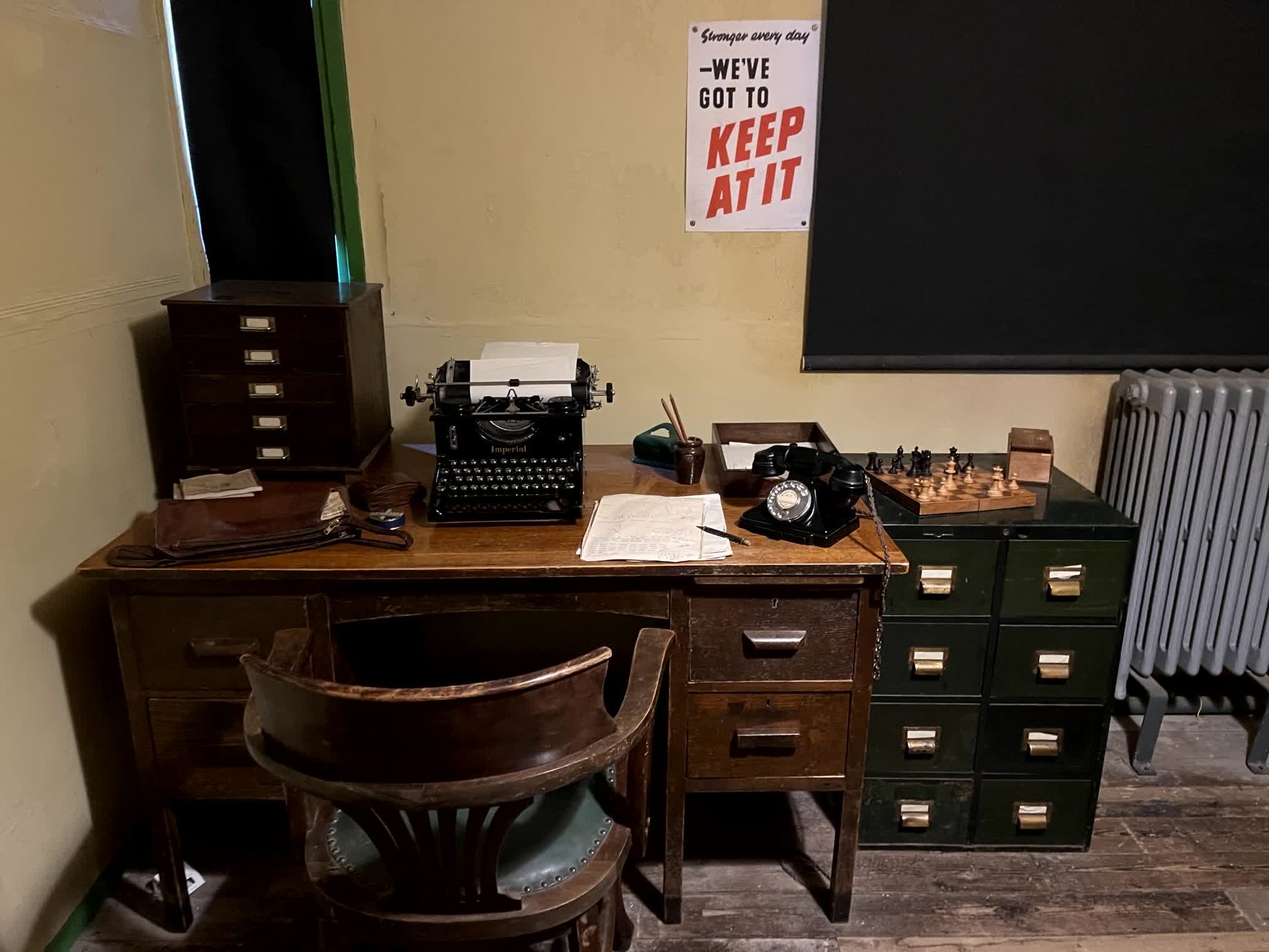
Signs at desks reminding people to “Keep At It!” that hint at the drain on people during the war. Stories of nervous breakdowns, and the the need for tennis matches, Scottish Dancing, Operatic Performances and Fencing Clubs.


Cracking Codes

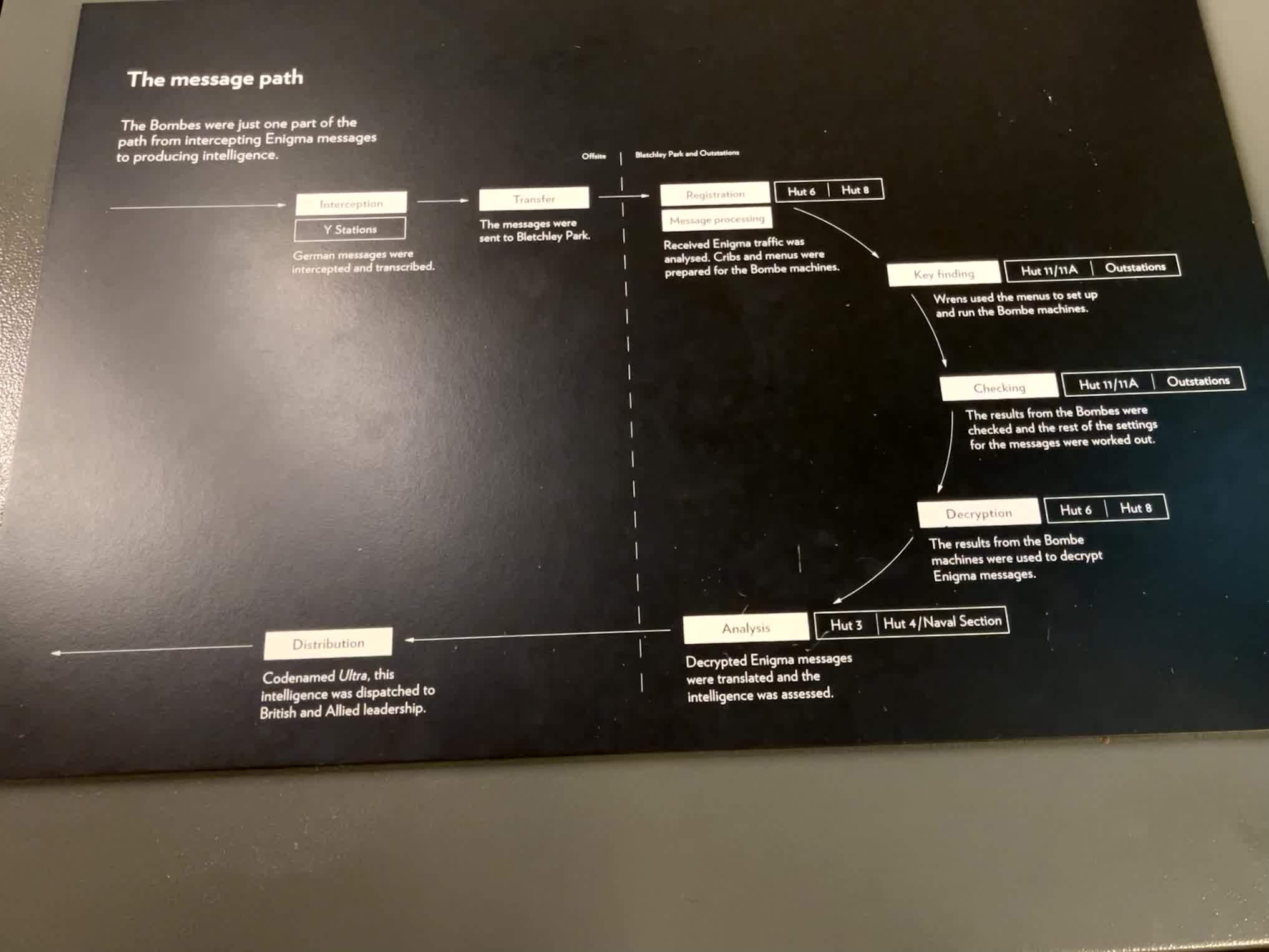
There was a multi-step system for cracking codes that came in during the day.

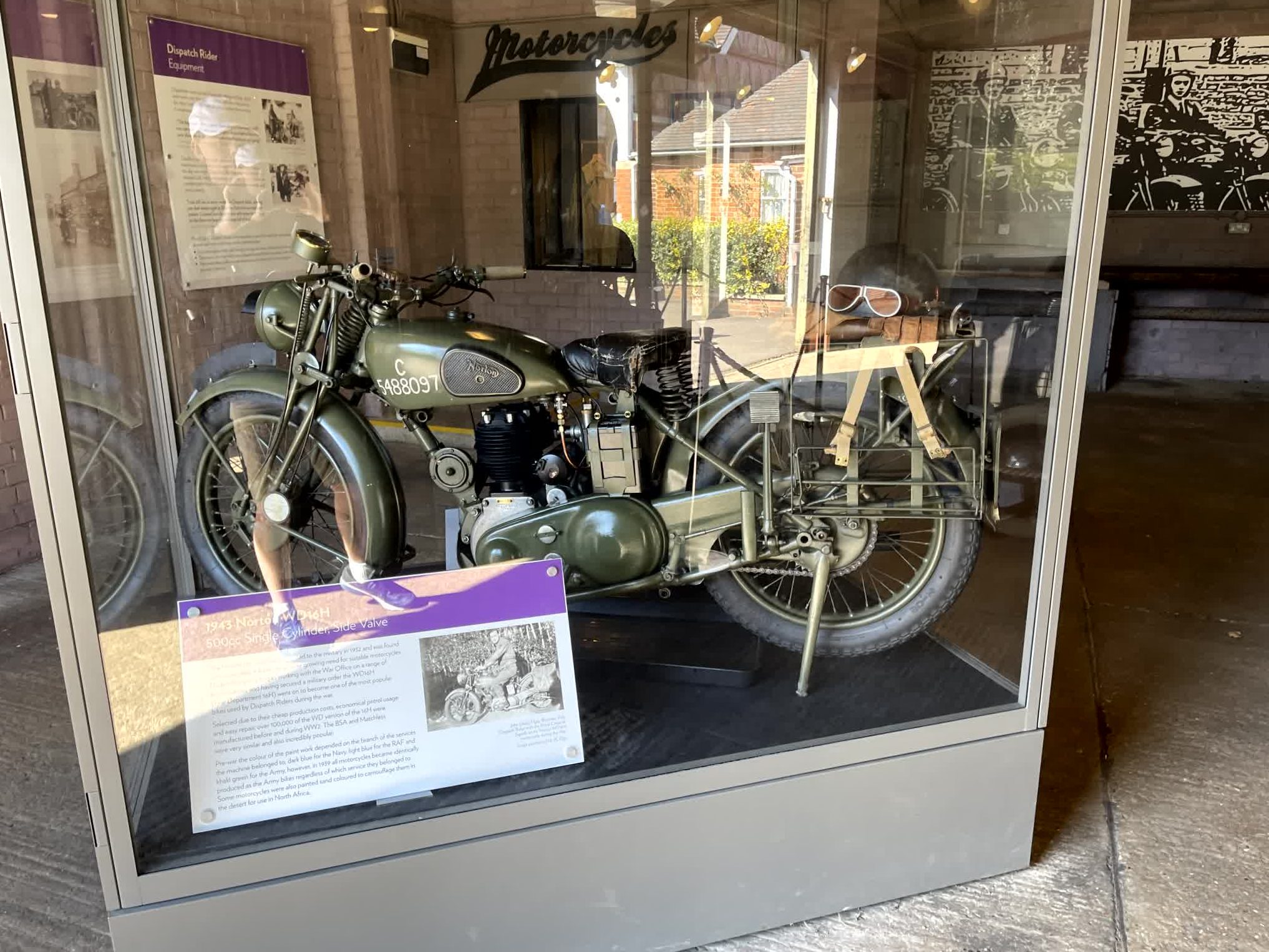
The motor bike riders delivering messages skills in Morse code, repairing motor bikes, map reading, operating a sub machine gun, laying field cables from moving trucks. They were instructed to have zero curiosity about the message except where it was being carried. 

In 1940 they removed the road and railway signs to confuse a potential invading enemy. Some riders chose to vary routes in case they were being followed. Some had to drive around bomb debris in London. 

The riders could ride up to 1200 miles per week sometimes at night, dealing with ice and snow. The riders wore blue and white armbands identifying they were not to be held up by military patrol, and could ask military vehicles for petrol. 

Victory – VE Day

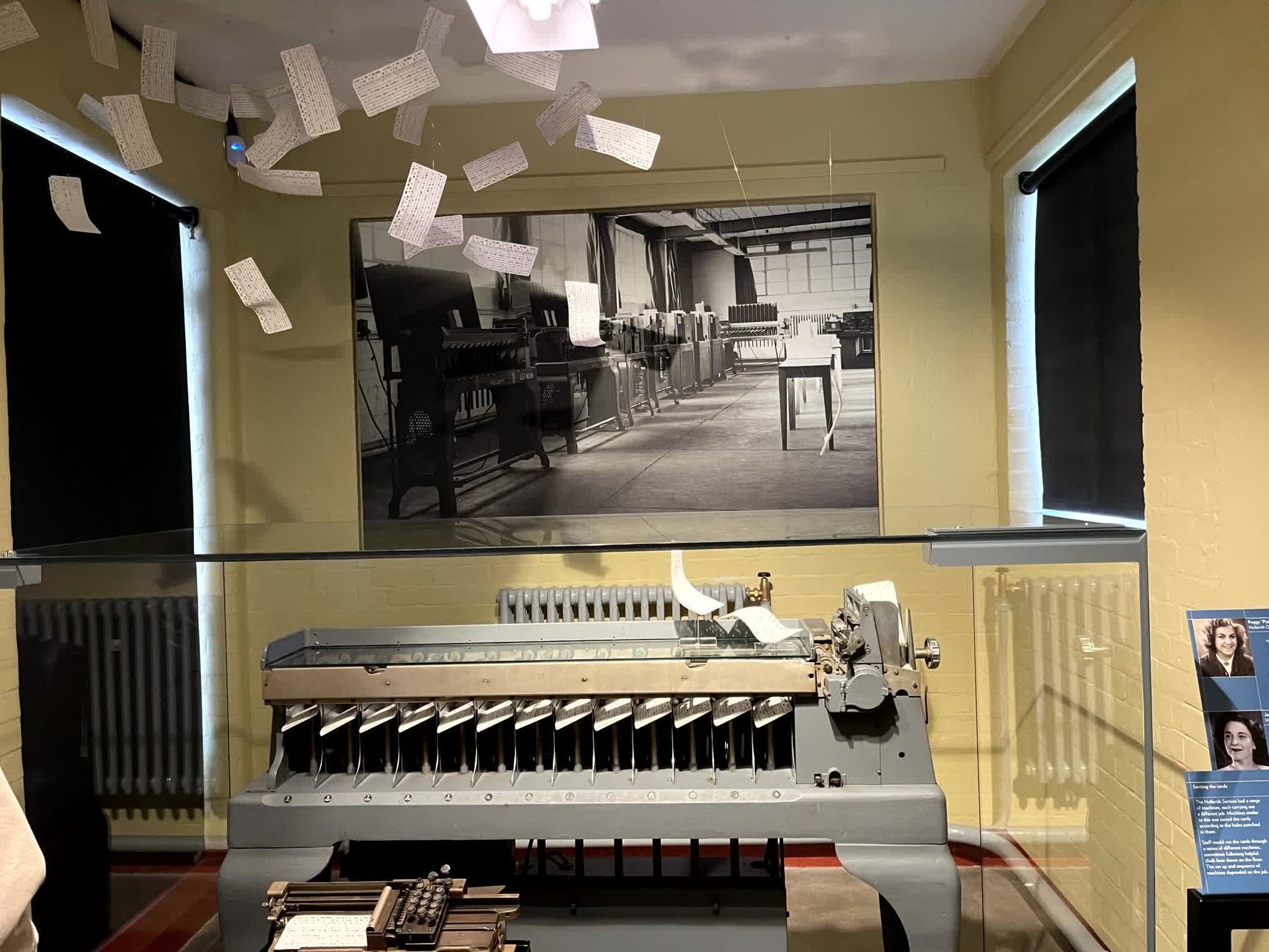
The Park had been storing information on punchcards, as a storage and retrieval system. When Victory was announced, the girls threw all the cards up in the air!

History of Development of Codebreaking

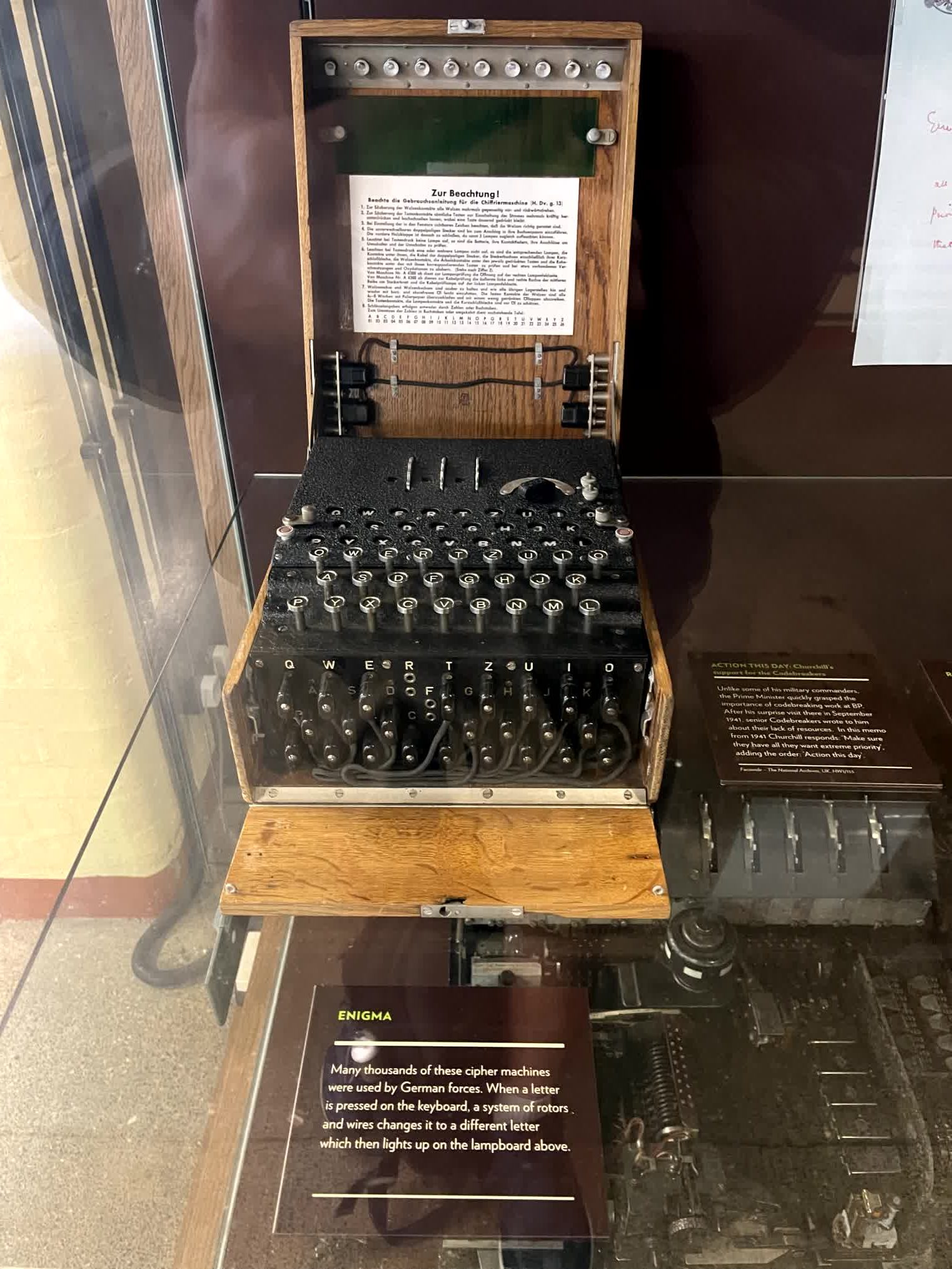
The Enigma machine had been developed by a German electrical engineer Arthur Scherbius in 1920. The (3-rotor) machines were common knowledge.

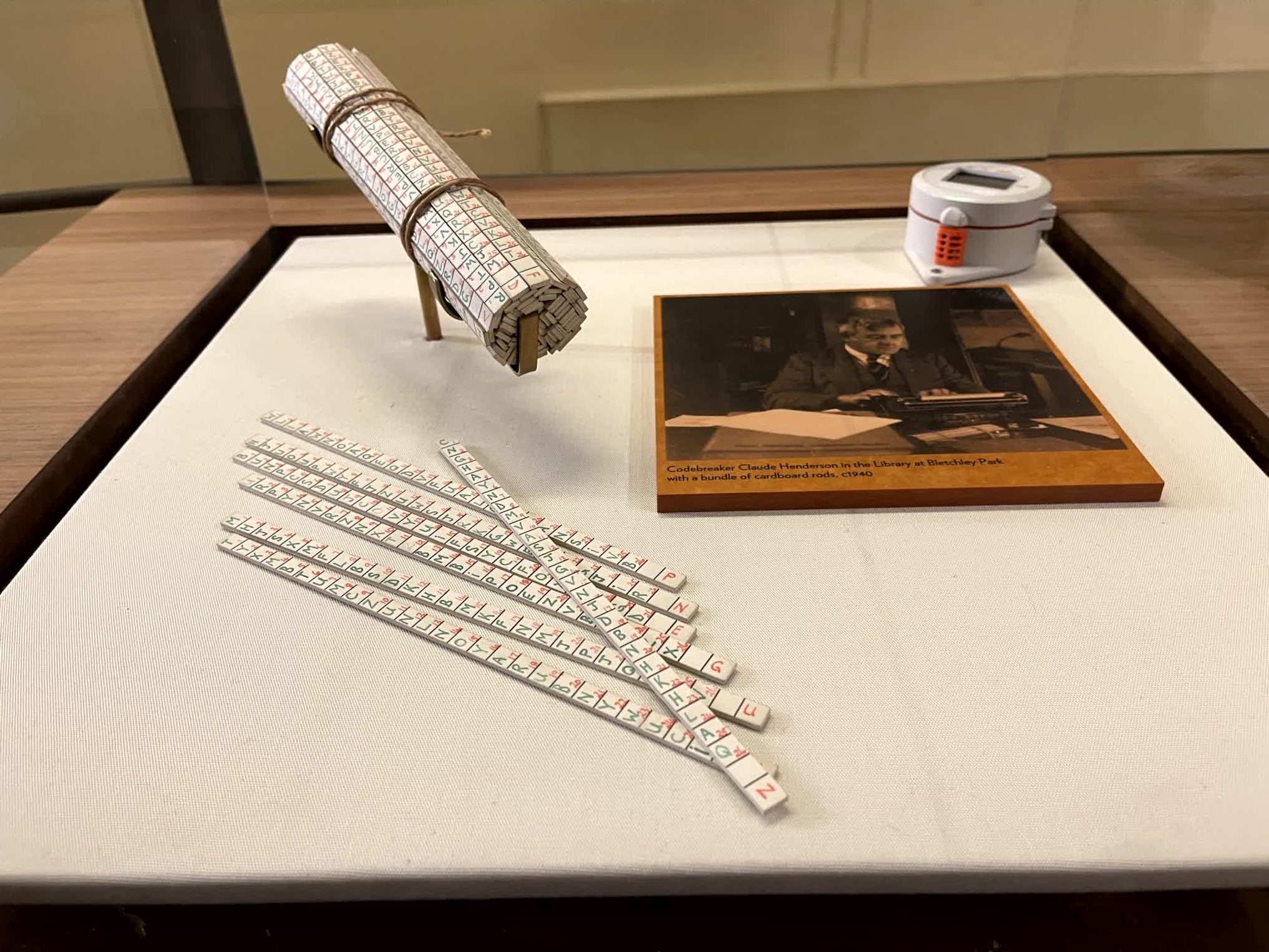
An English Mathematician had developed a system of cardboard strips to break Enigma codes. The challenge was with rotating settings and different plugboards, you had to keep re-cracking the day’s codes.

Turing had started work cracking Enigma codes as soon as WWII broke out. He wrote a detailed description of how it worked (he showed remarkable Engineering capabilities).

The Germans increased the choice of rotors in the Enigma – choosing 3 from 5 and inserted in any order. This made cracking the codes more difficult.

(Enigma Rotor)

The Polish developed a system of plugboards that had some effect for decrypting enigma codes.

Later the the Polish developed The “Bomba” (in Polish – something special – like icecream) to cycle through rotor positions. This had some effect to crack enigma codes).

Turing did a design for breaking Codes – called the Bombe machine.

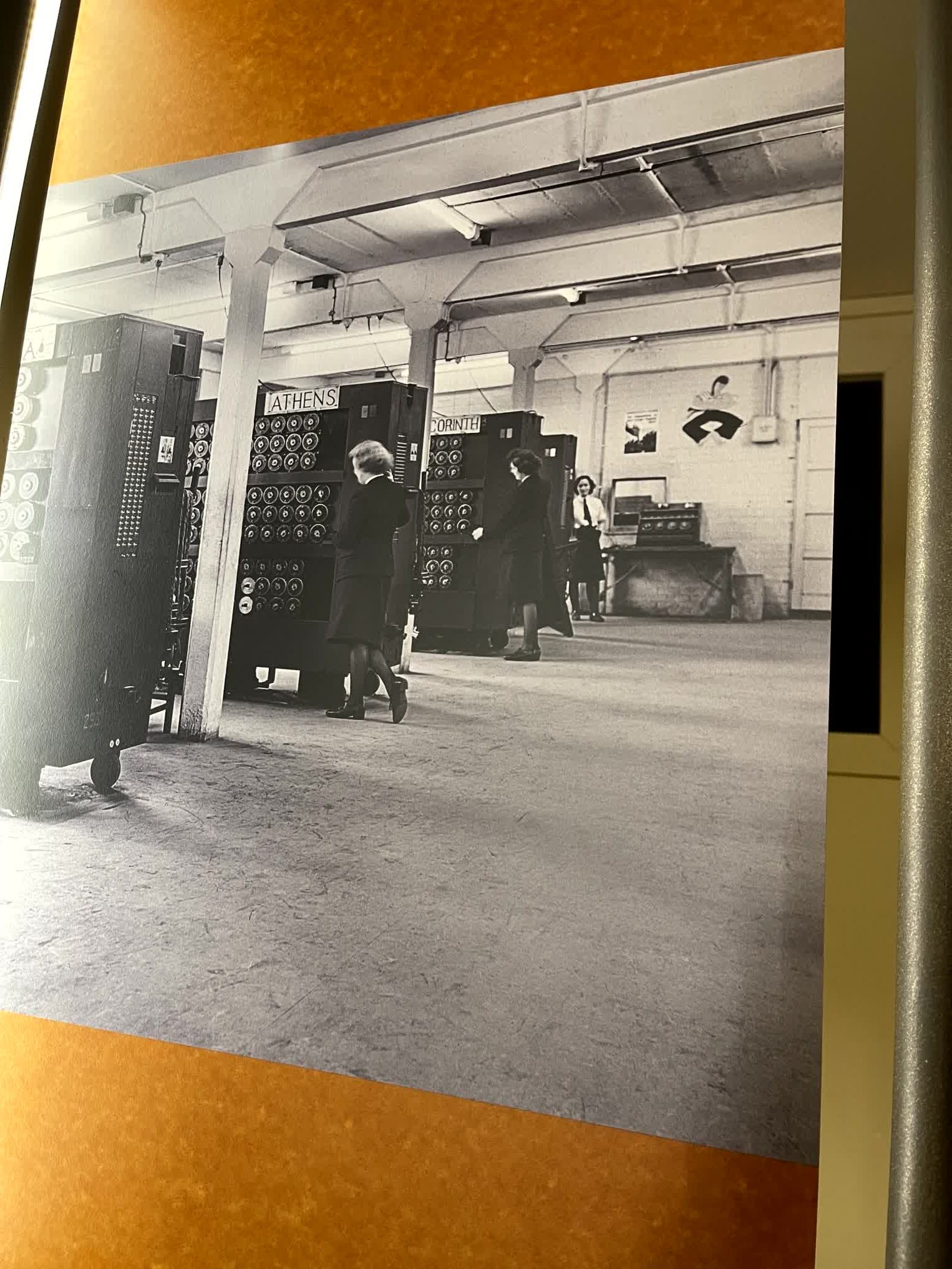
This was built, and hundreds like it by the English and Americans, and they were run 24 hours a day. (The cigarette smoke was detected in the walls from the operators.

They had a model running (since all the originals were destroyed after the war.)

Hitler used a more secure machine called Lorenz for communications to Commanders. This was broken using a new machine called the Colossus. This is significant for signals intelligence on D-Day. (more on the Colossus tomorrow).

Enigma Types

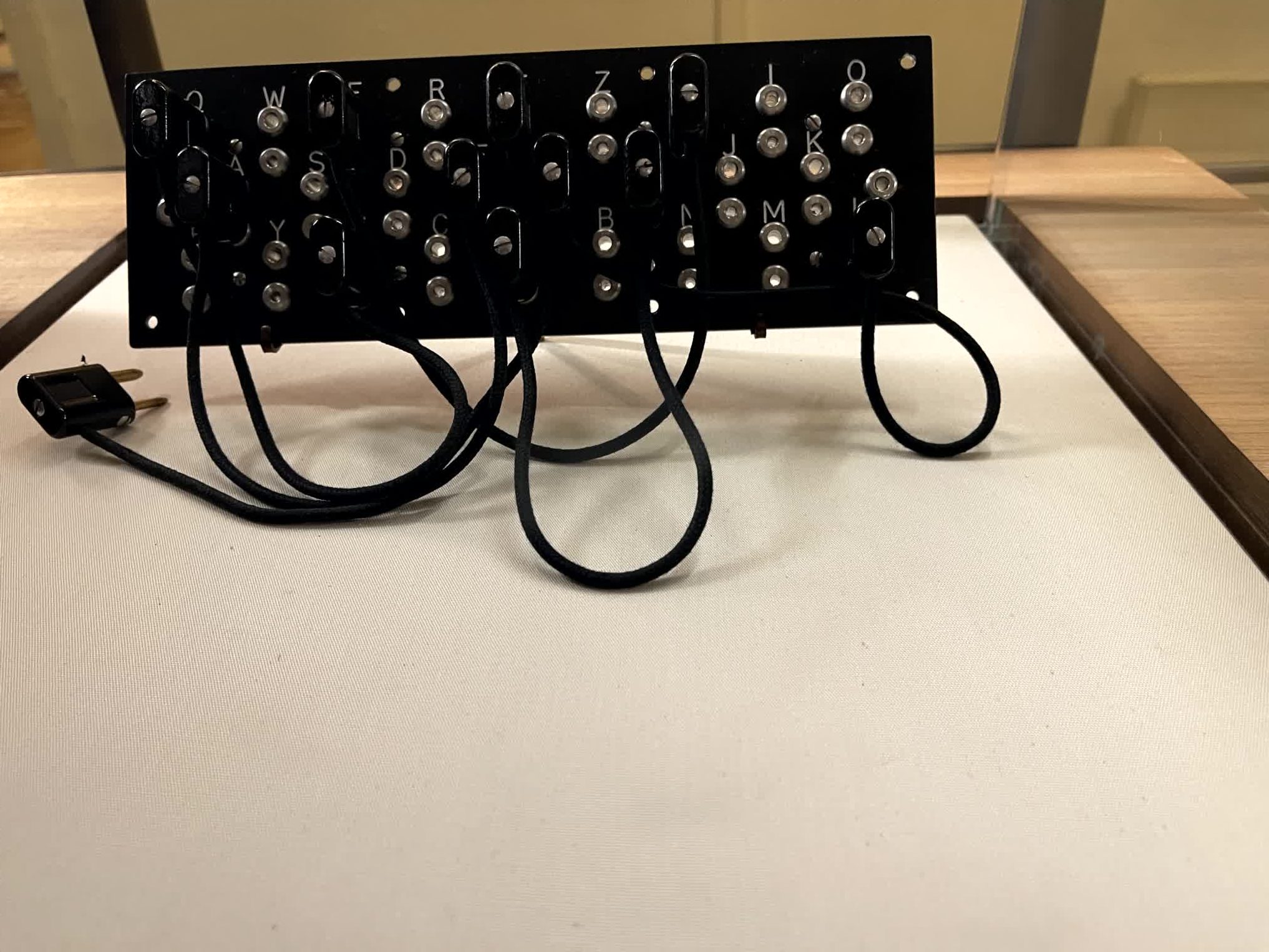
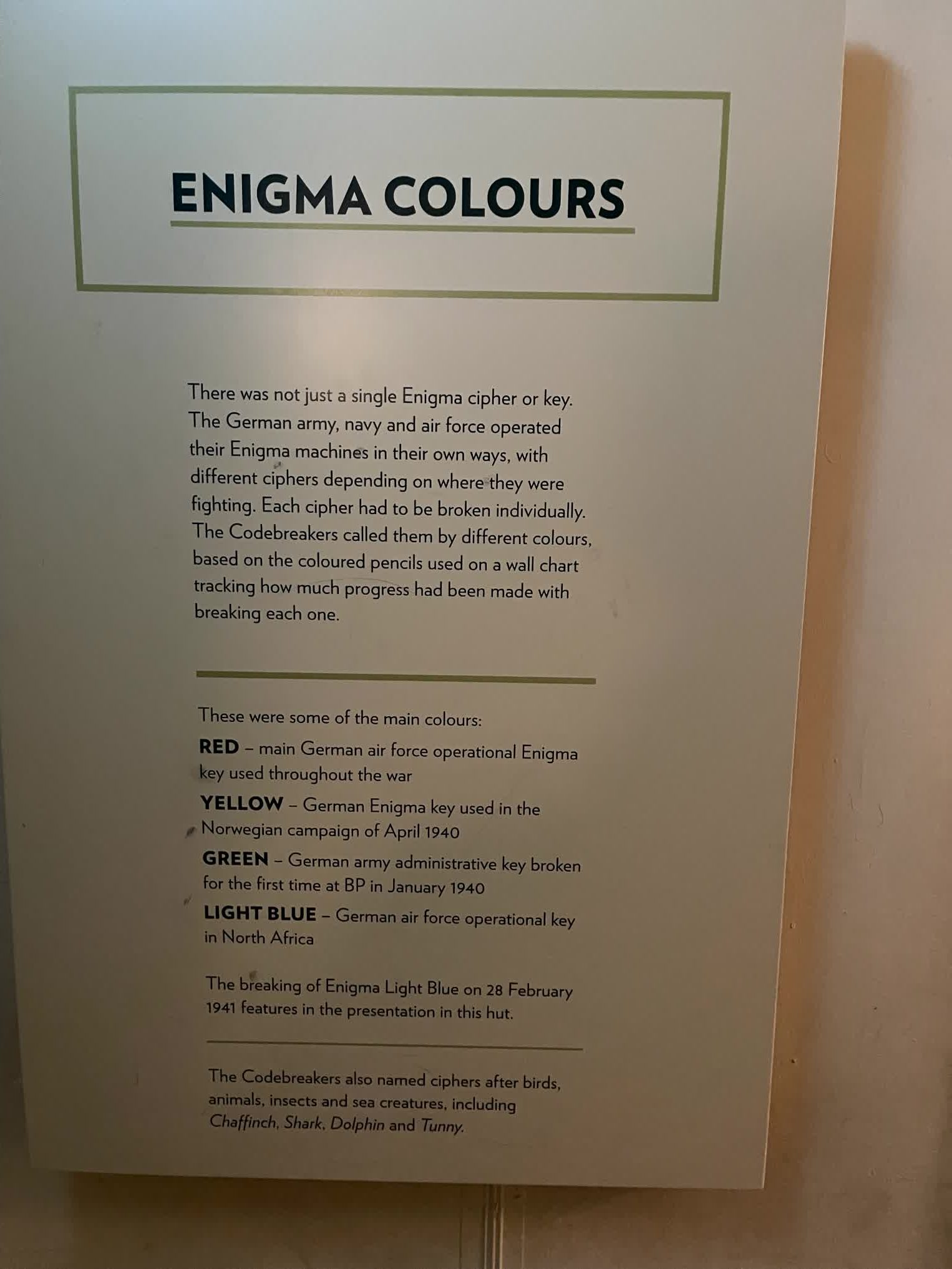
There were many different types of enigma:

Mon 31 March – Cambridge, London, Bletchley Park

As I open the door, French accent drift by. A man pushing a pram. There are no cars on the curb today. There are a bunch of bicycles outside the dry cleaners. There are lots of people walking past wearing backpacks. People sit outside the Mediterranean bakery speaking in Eastern European. A regular morning at the University.
I enquire about bag storage. “De’re’s noow ba’ lo’or ‘oire,” the attendant helpfully offers at the station. As he picks up his crutch to stand, I see how Robert Louis Stevenson got his characters. 

As I walk along a street in Cambridge, the Australian rule of walking on the left leads to confusion of people walking the other way. Either there is no rule, the rule is in transition due to European influence, or they’re used to accommodating European pedestrians. To me it feels like a mixture of the first two, European standards quietly creeping in generationally. 

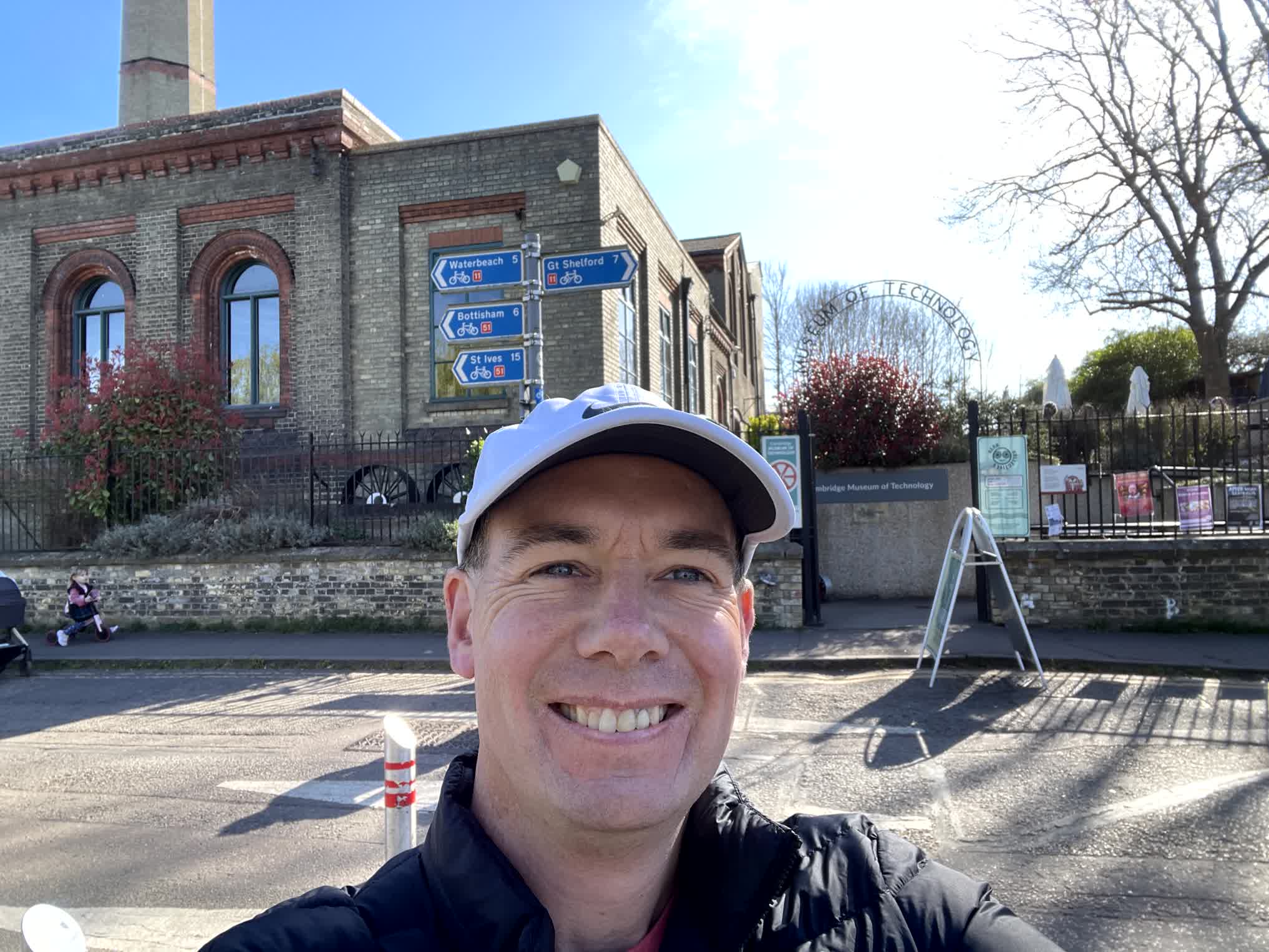
There was nothing to write home about for the Cambridge Science and Technology Museum.

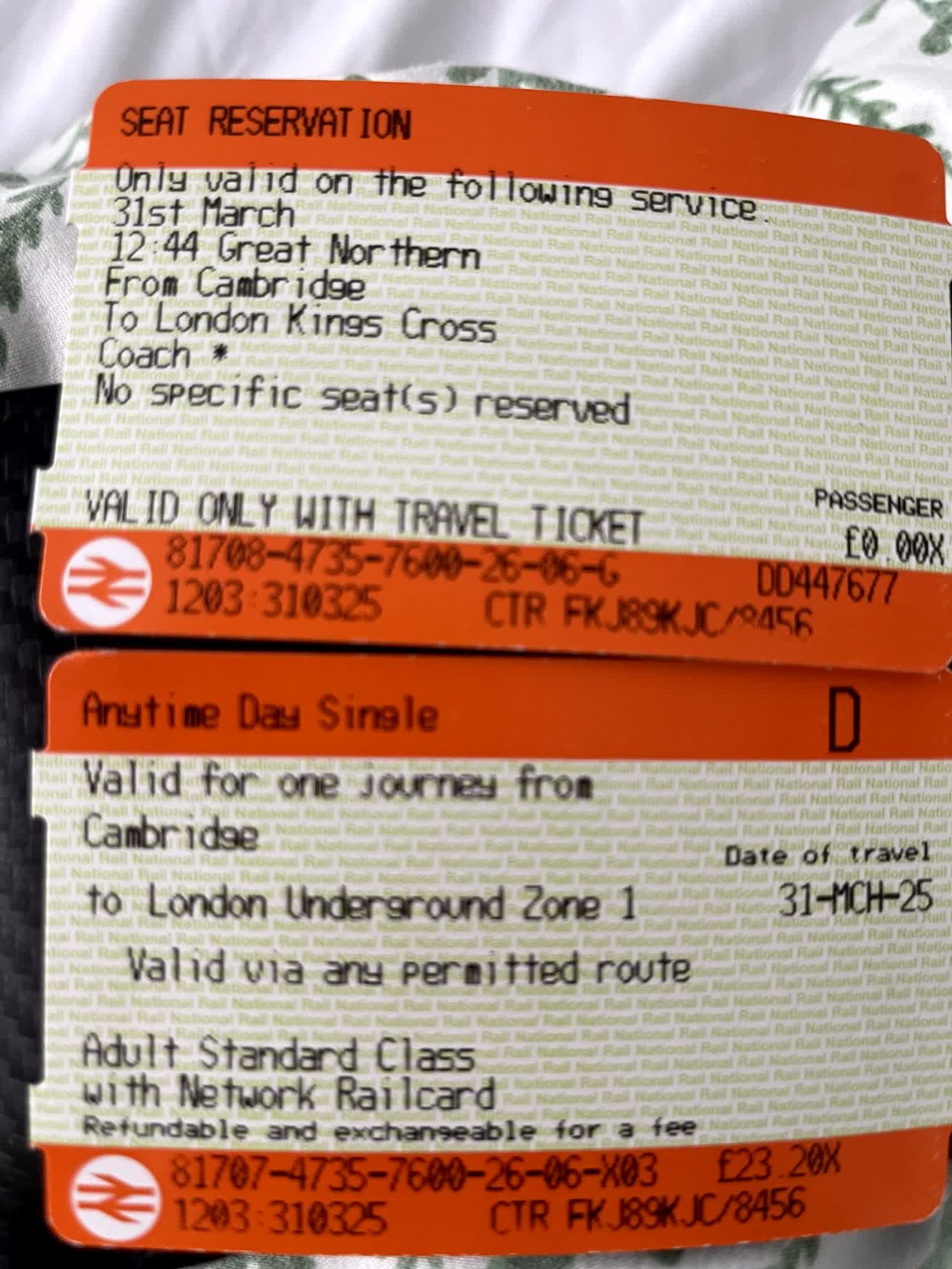
The train driver to London belts along in a way that would seem out of place on a NSW train.

Laptop and phone charging at every seat on the train is a treat. 

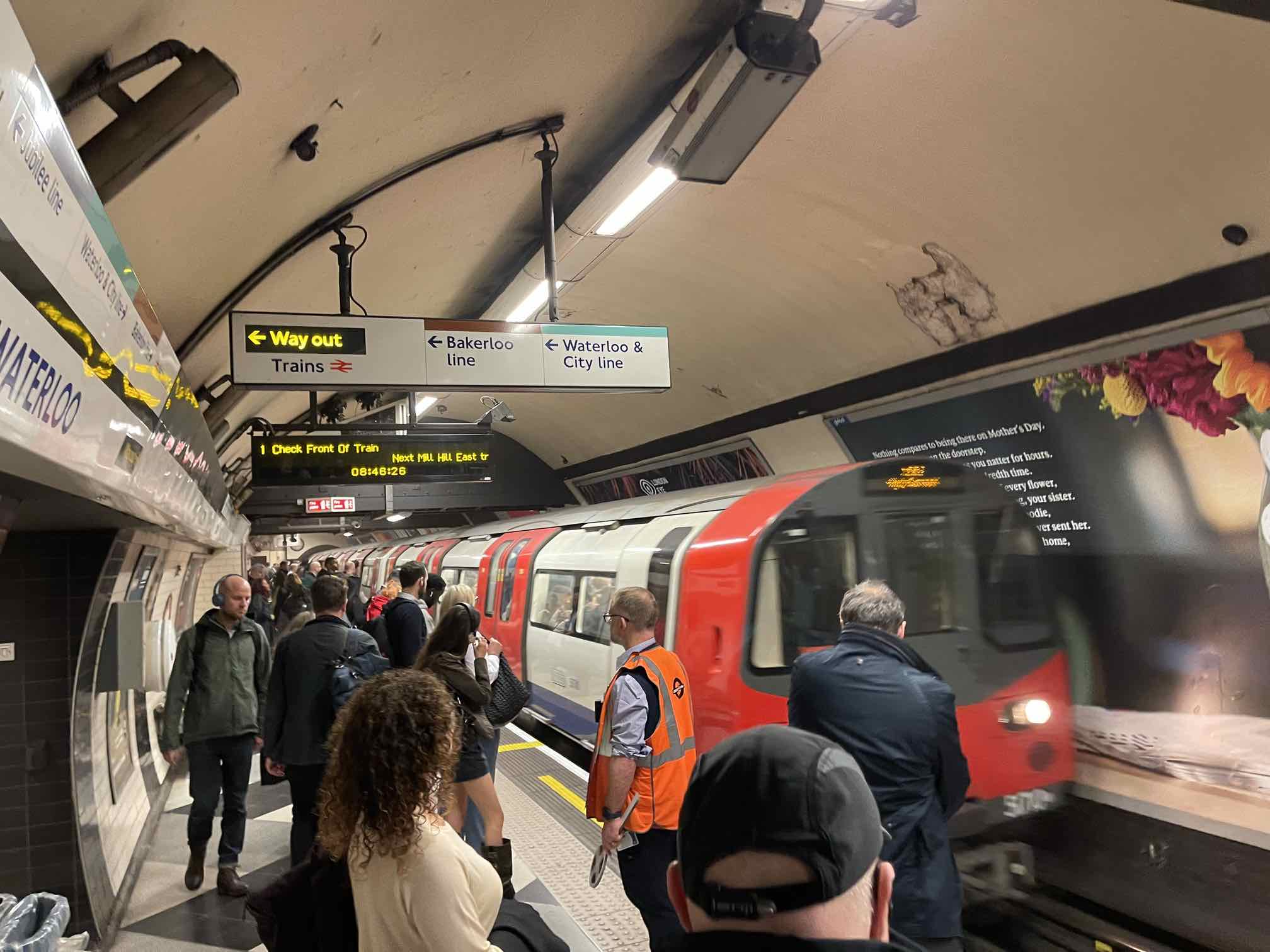
Kings Cross to Euston on the underground. Change at Euston to get on the Birmingham train to Bletchley.  Walking through underground tunnels is definitely on the left, walking on escalators the left, pausing on escalators is the right. (It turns out the escalator rule is left over from the first escalators where the ending platform was diagonal, rewarding those in a hurry on the left.)

The Population of Bletchley and surrounds is 287,000 which is slightly more than the population of Wollongong. It feels suburban, in a way that London, Cambridge and Bridport did not. Curved rows of houses mostly separated from each other, cut-de-sacs no shops or pubs in sight. Probably designed in a post-car age.  Some of the houses feel like old Wahroonga, sweeping trees and hedges and gravel driveways. 

Whilst I wash some clothes getting ready for dinner, I get an email saying that I’m entitled to compensation as my train was delayed 15 minutes. All I had to do was fill out a form. What an interesting effect of privatised trains. With long distance trains at home, you would get what you get and not get upset. 

Sunday 30 March – Cambridge, Computer Museum, Whipple Science Museum

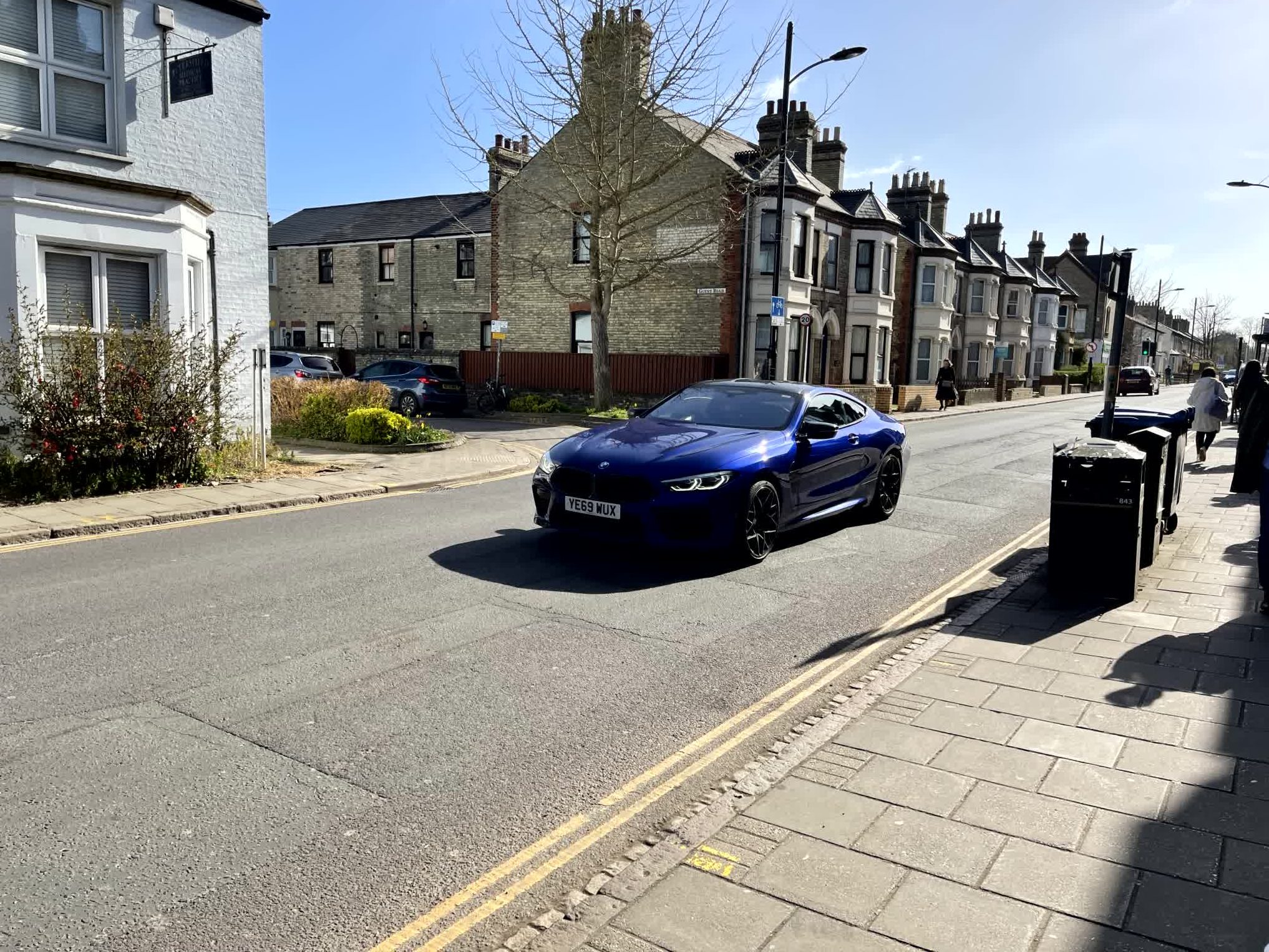
As I step outside a sporty Mercedes pulls onto the curb in front of me. Another engine revs in the distance. A BMW pulls into view, driven at speed, the engine working hard. 

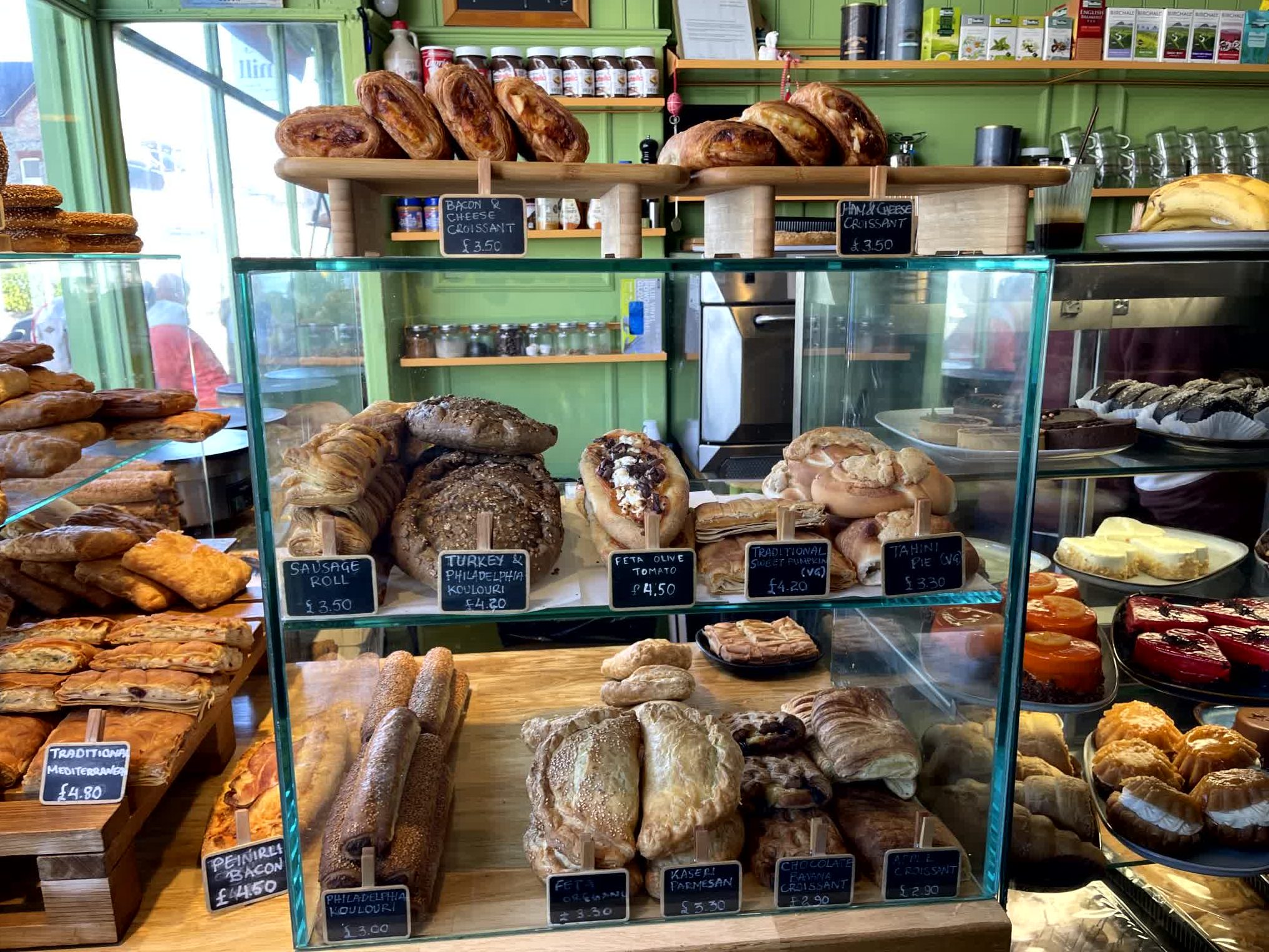
Women in Burkhas step into a supermarket. Men in white hats and white skirts queue outside a Mediterranean coffee shop selling pastries. The end of Ramadan.

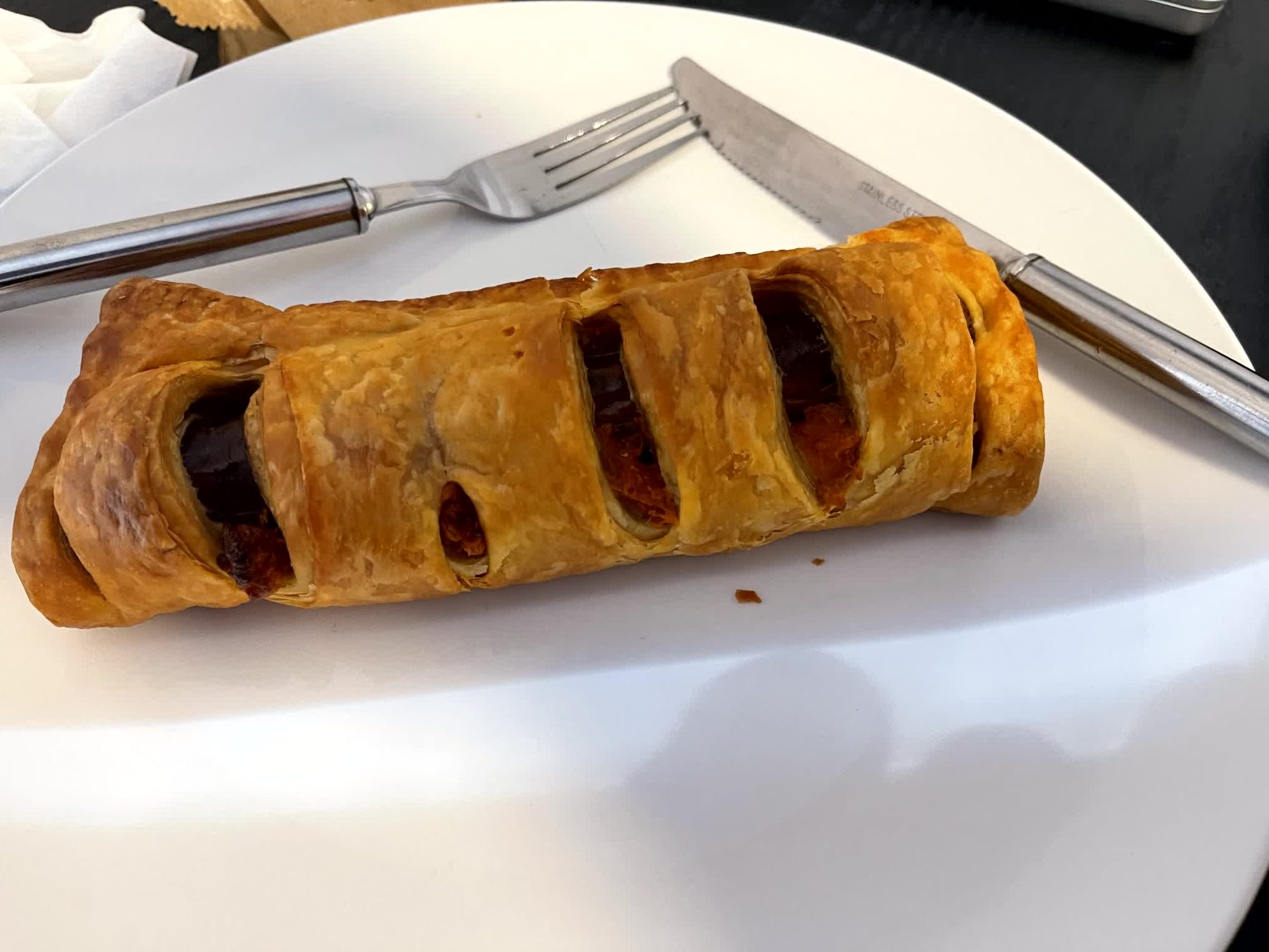
I pause and have a sausage roll. Inside it has a German wurst-style sausage and a line of tomato-puree baked into the puffed pastry. 

Cambridge has a population of 124,000 and with surrounding suburbs probably even greater. It will take 30 minutes to walk across the town to where I’m headed. It puts the spin on the word “university” as a group of separate teaching colleges gathered around the same area.

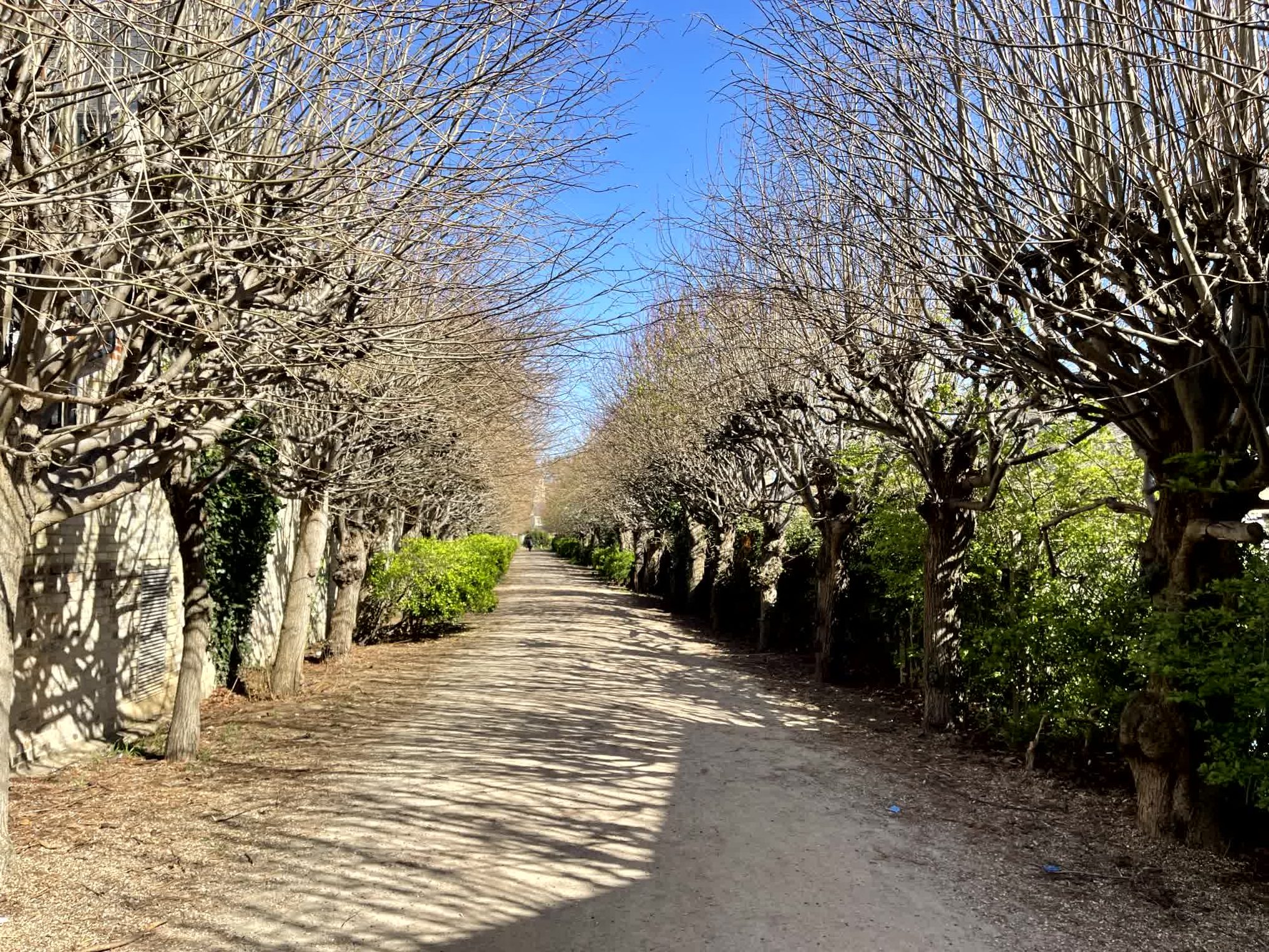
On my way walking , find an avenue ringing with birdsong.

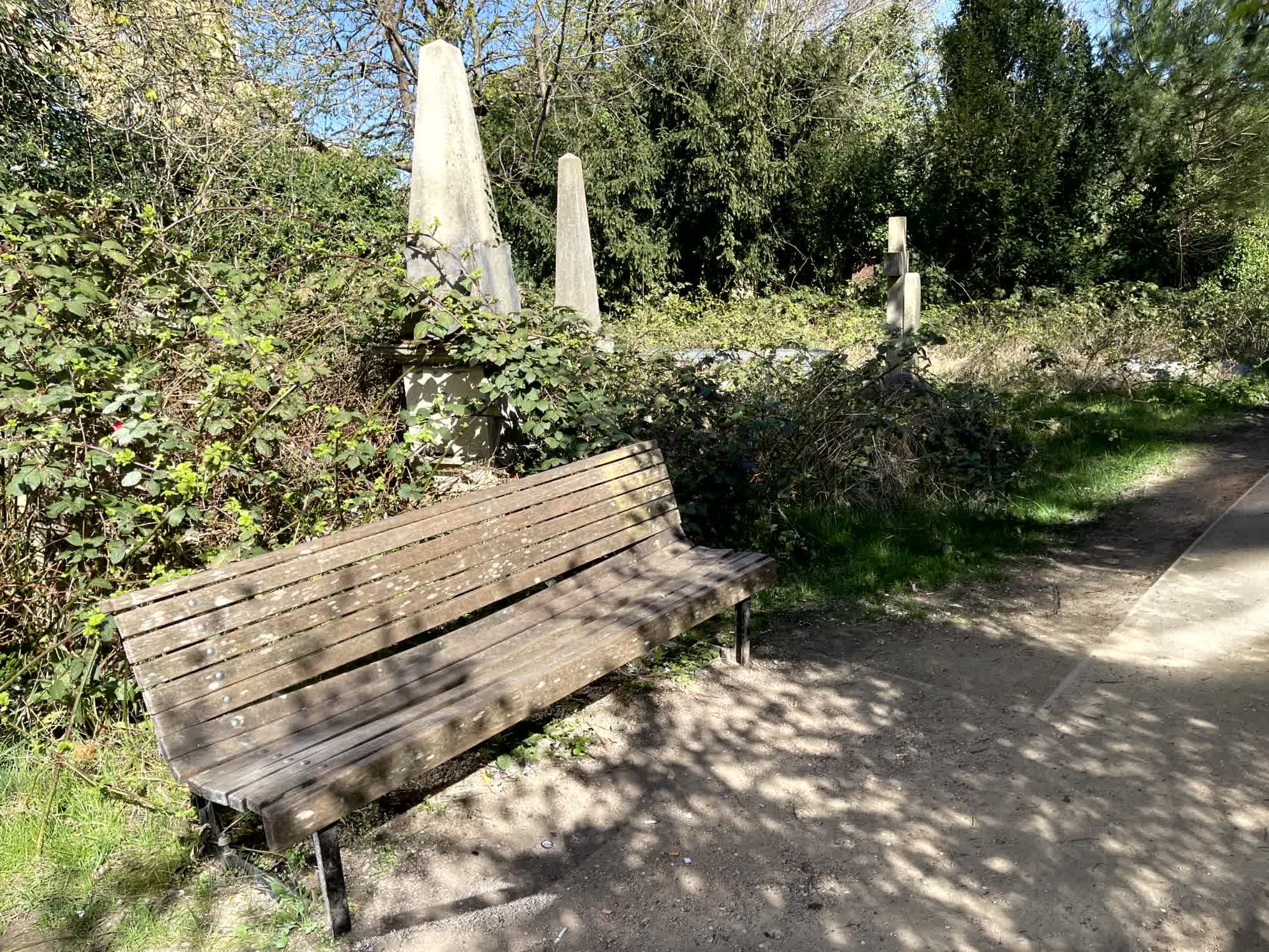
Then I come to a cemetery overgrown with brambles. 

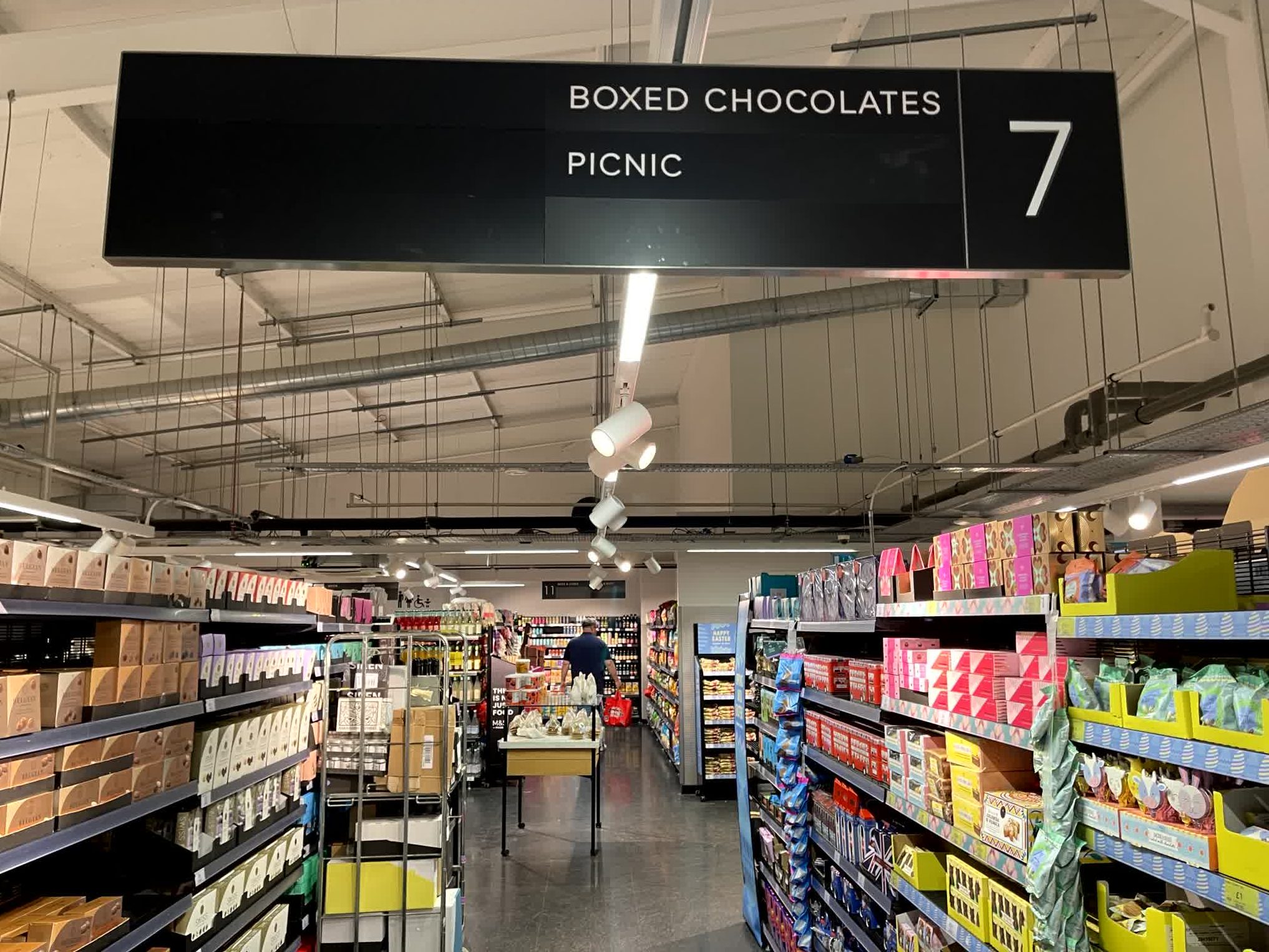
Further I come to a path near the railway and then to a mall car park, having a carpet store, baby perambulation, a Subway and M&S. In the M&S there is aisle called “Boxed Chocolate and Picnic”. 

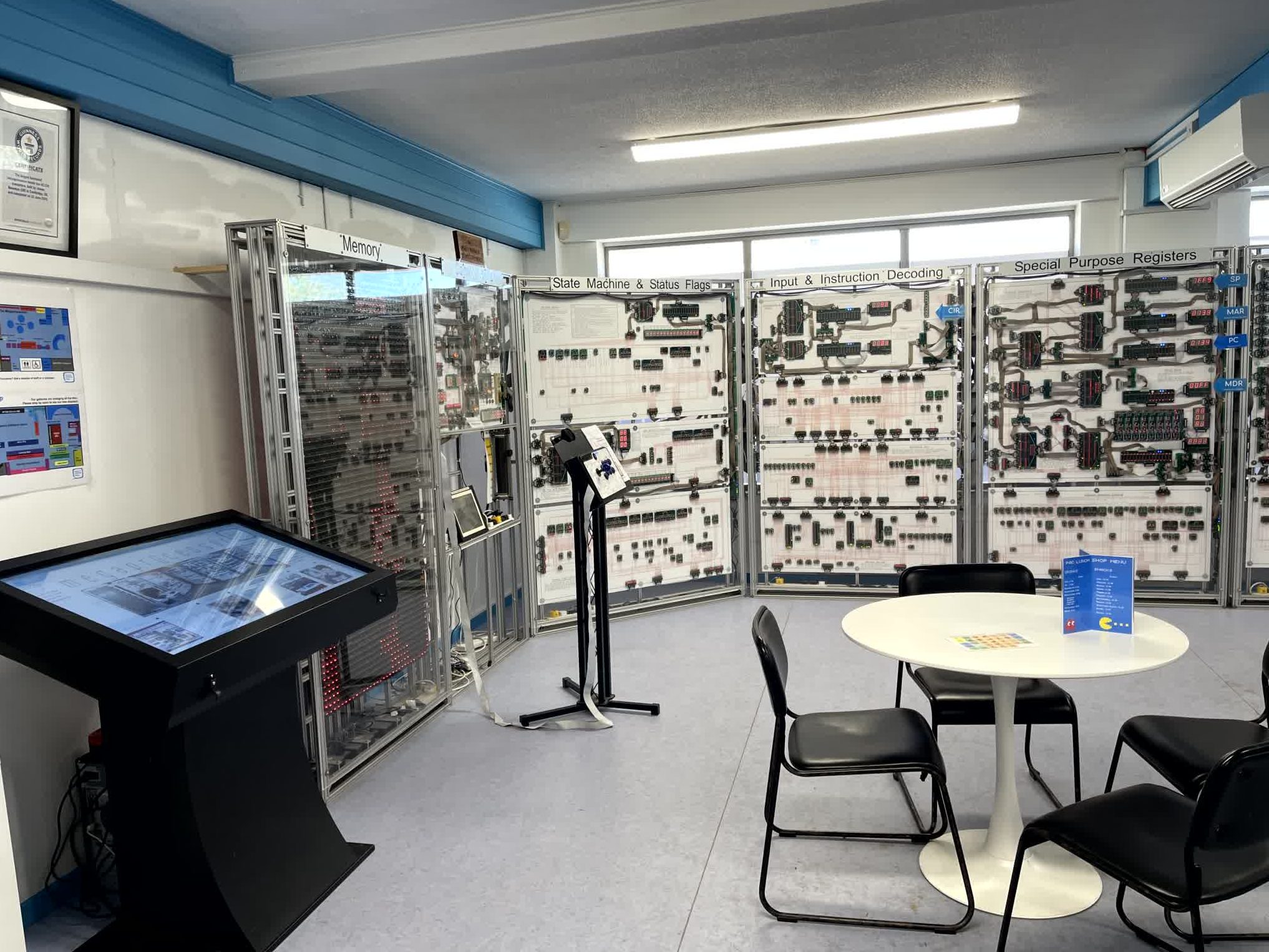
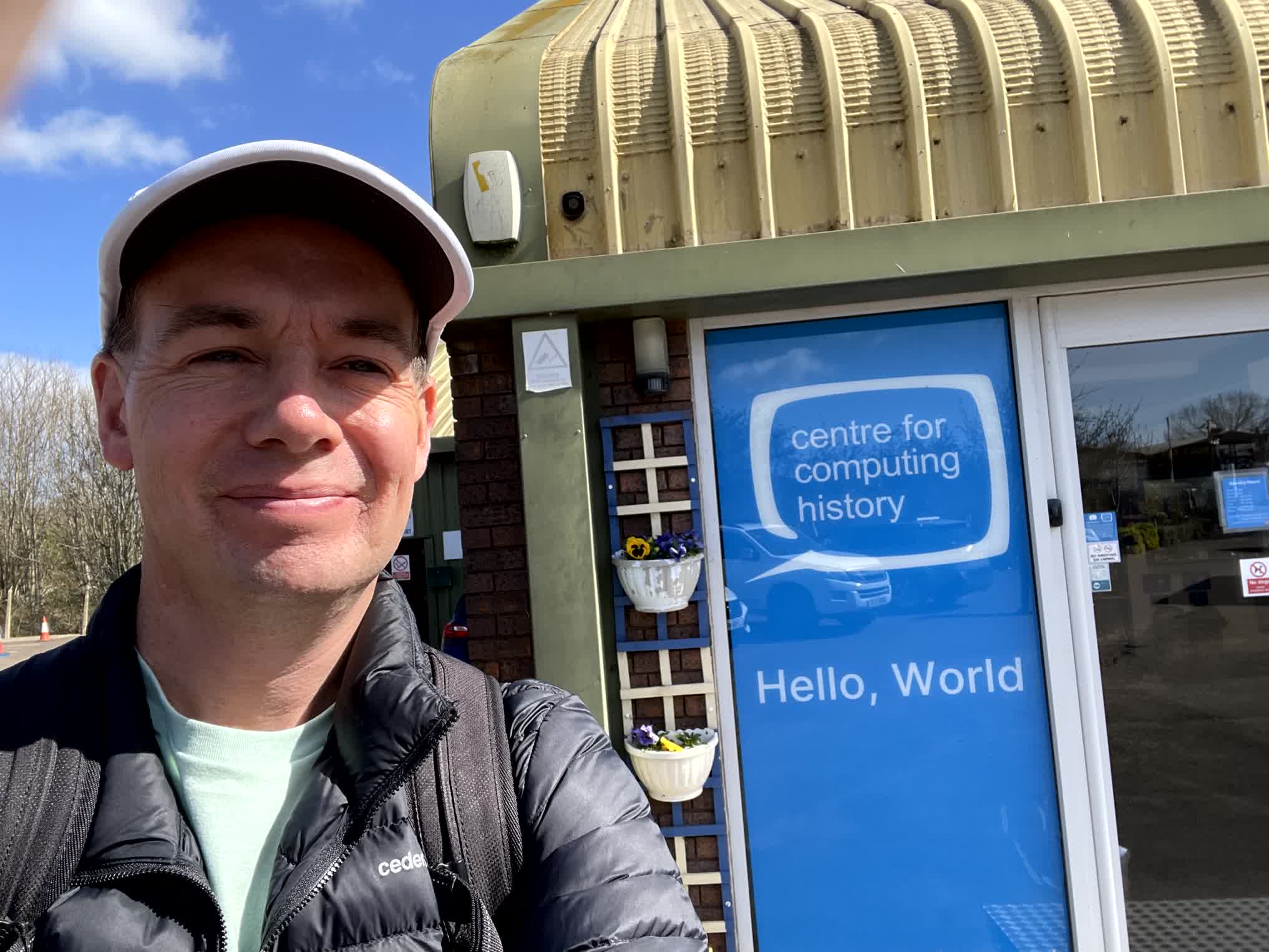
At the Cambridge Computer History Museum I am welcomed by a 16 processor on the wall made from scratch from transistors. Designed for education and inspiration, it gently rebukes me for more bringing my own hex program to run. It offers to play Tetris on a large matrix of normal size LCDs. (More photos at the link).

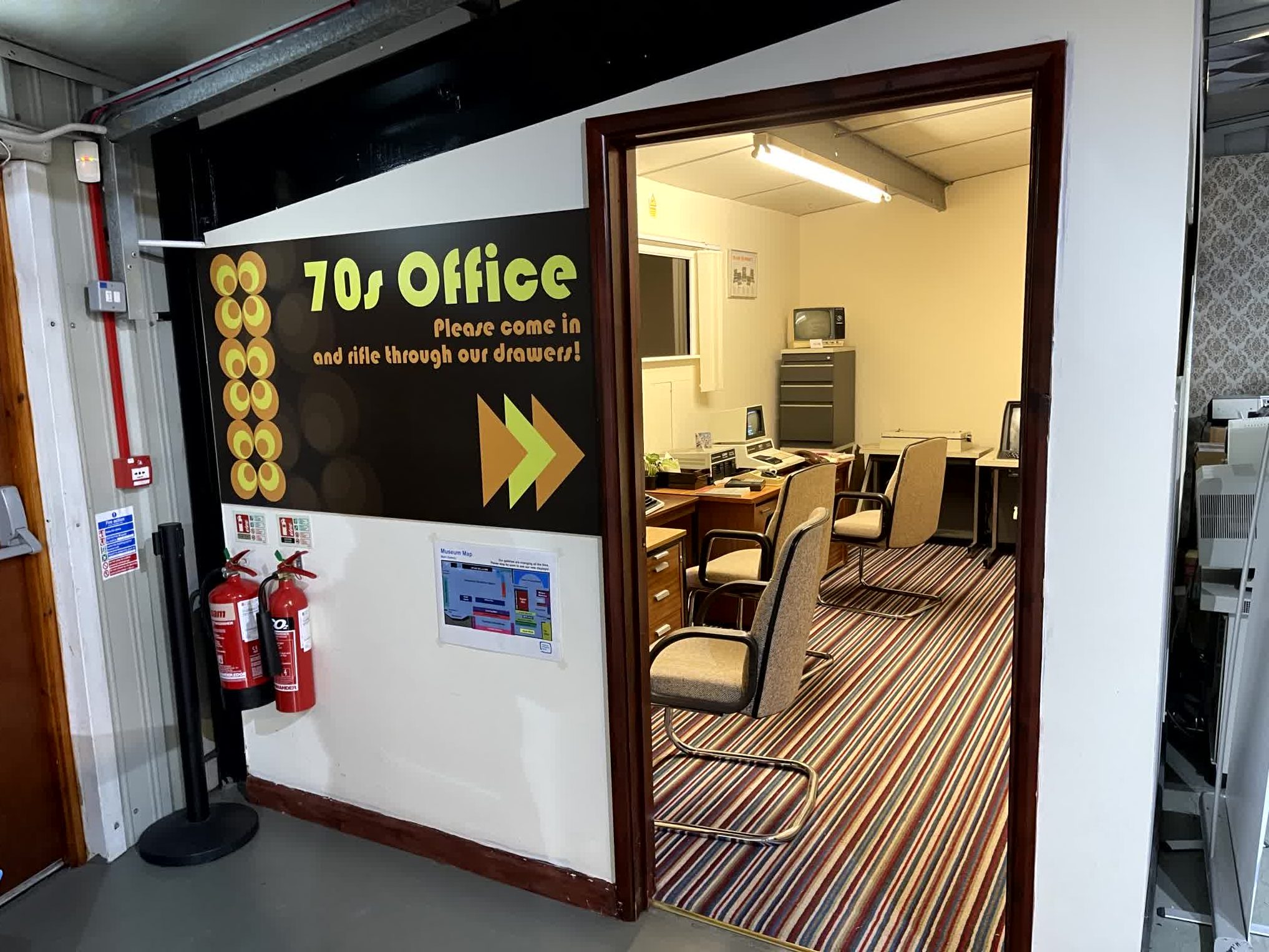
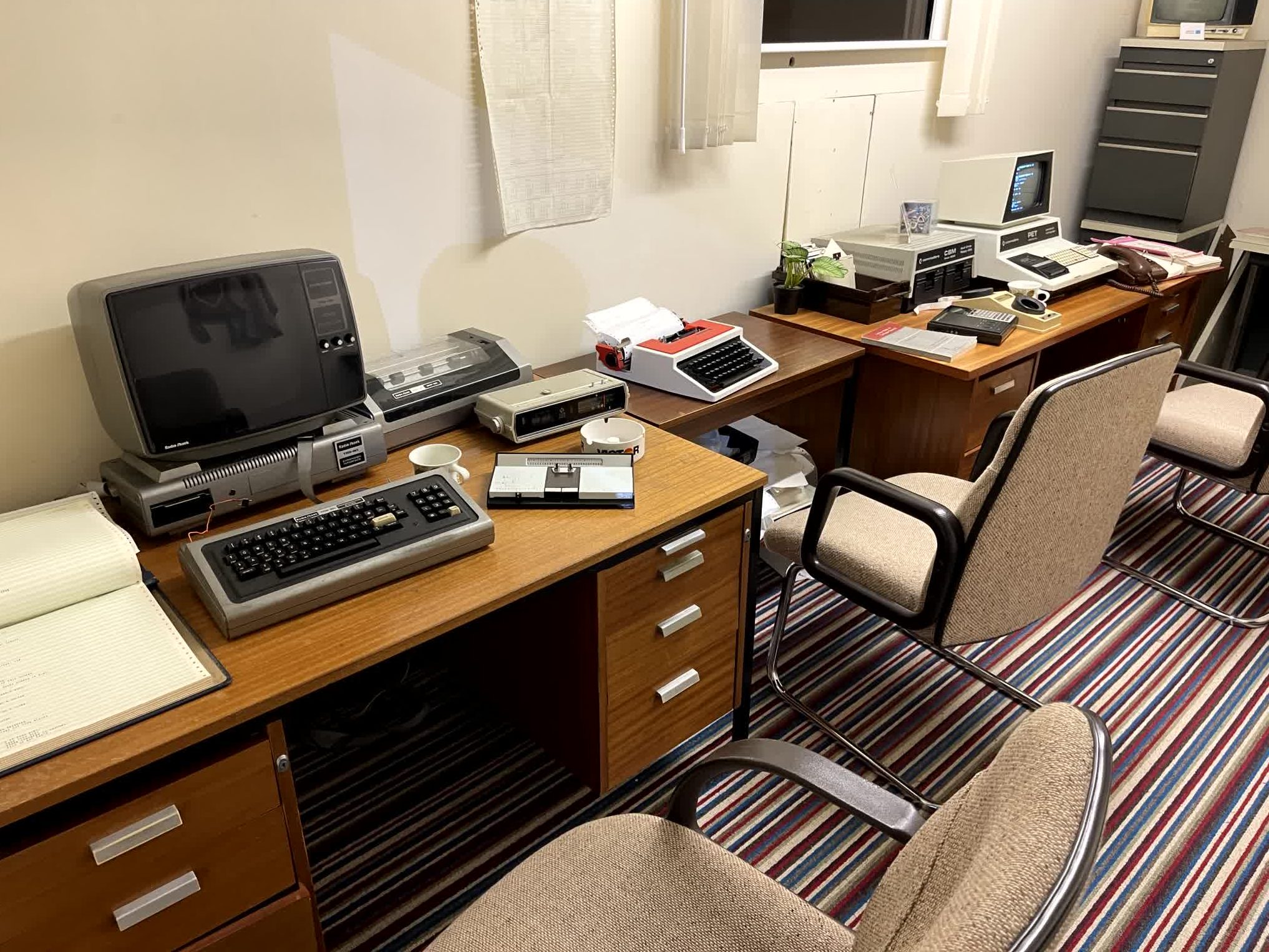
The museum invites me into a stylised 1970s office. 

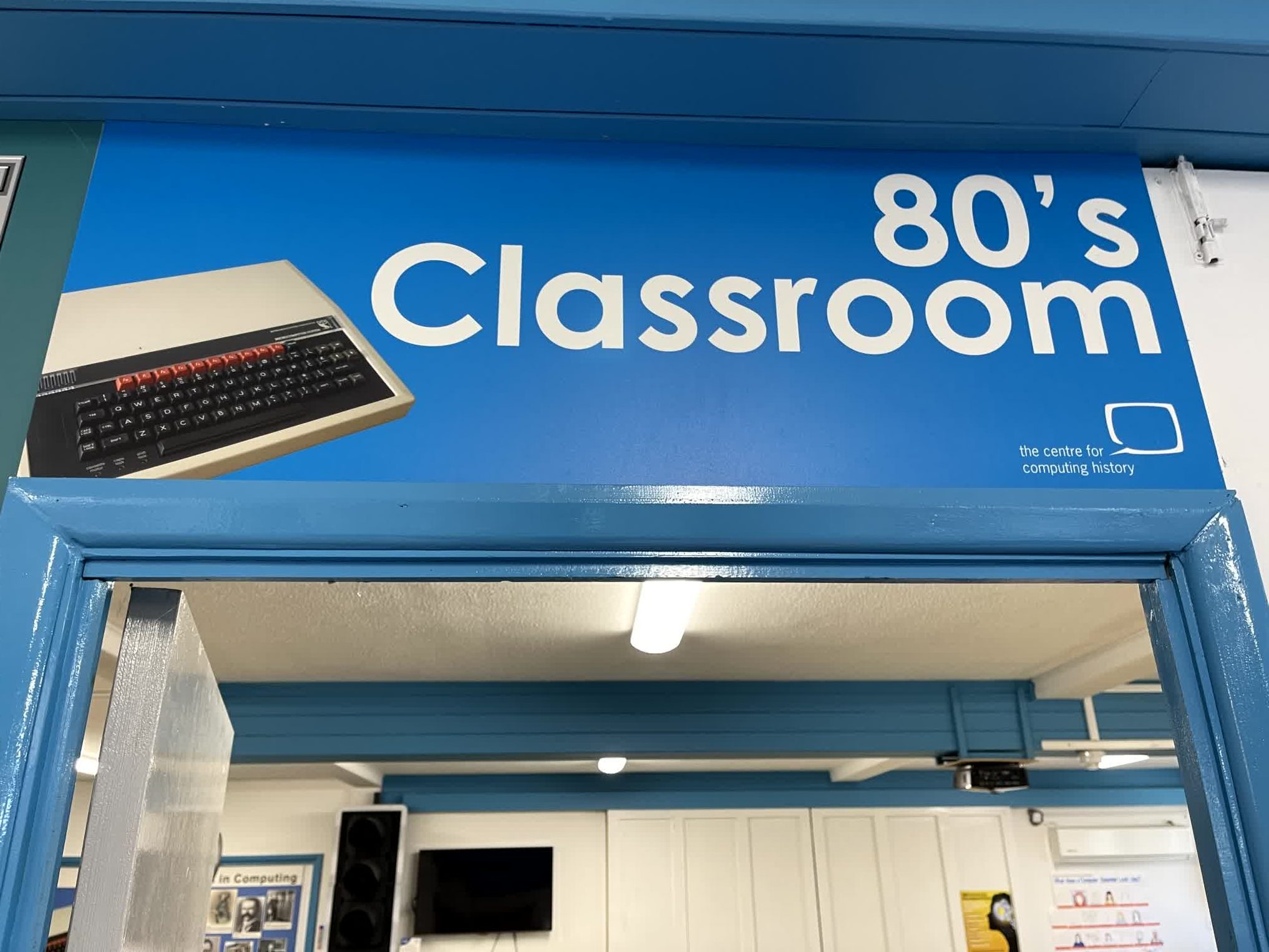
Then into a stylised 1980s computer classroom. 

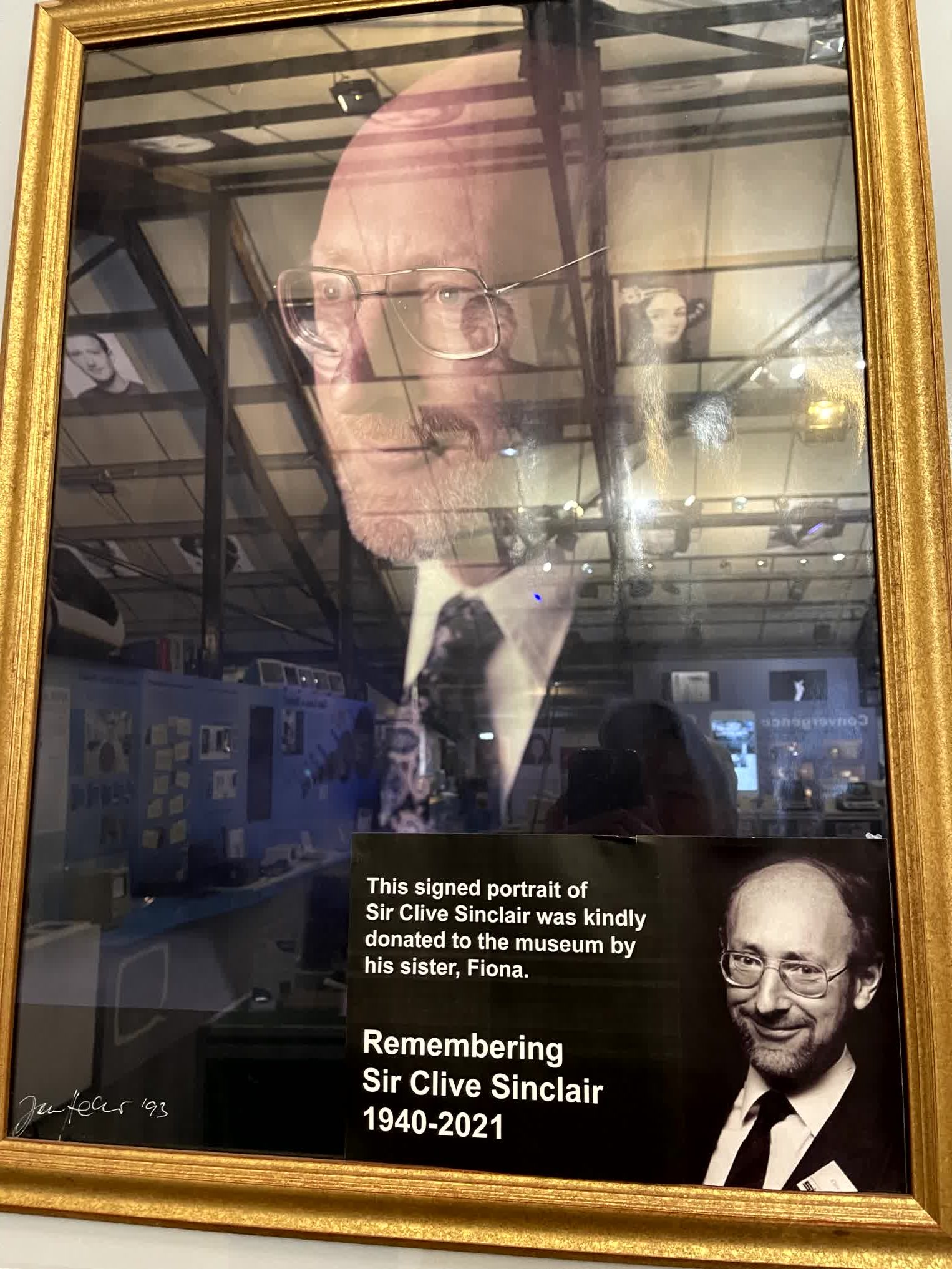
One theme is people solving the problem in front of them with the tools available. Lots of incremental improvements, but many bunched up close together. A few giants stand out. The museum wants to celebrate Sinclair and ARM as being the companies close to home. 

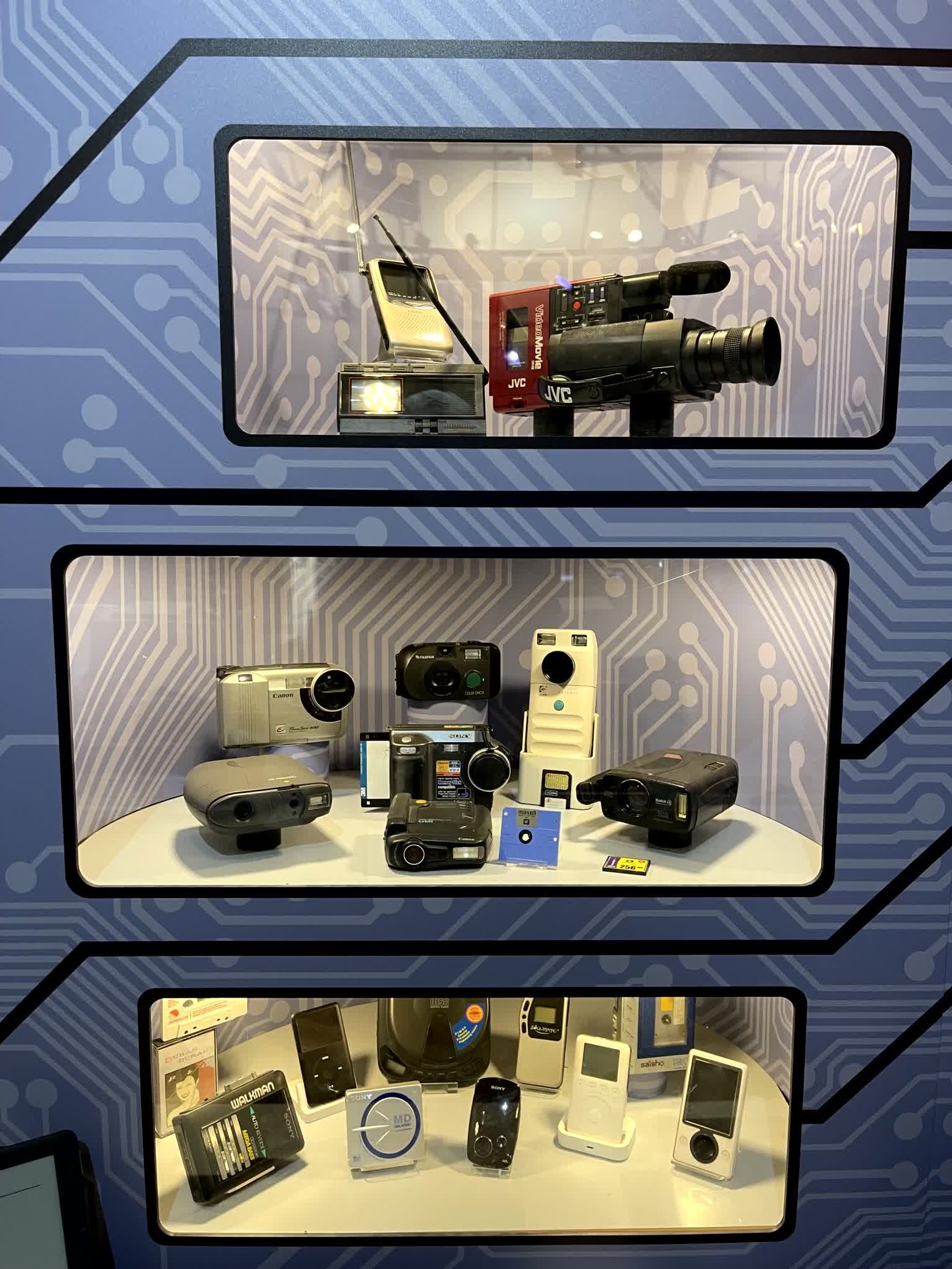
The museum notes that the British computer industry minimised to an extent in the late 1980s and a lot of the value chain moved to software. The value of computer engineers was able to be channelled into companies like ARM holdings. There was much convergence in hardware.

Museums are a funny mix of old bits organised into displays, nostalgia, a celebration that something significant happened and education, all constrained by the funding available. 

A ponder for a moment whether it helps people move forward and look to the future by looking at the past. I see a glorious past and amazing possibilities for the future but I wonder what others would see. There is so much here and too much to write about now. I’ll put most of the photos in the link.

Off to the Whipple Museum for science. A 40 min walk.

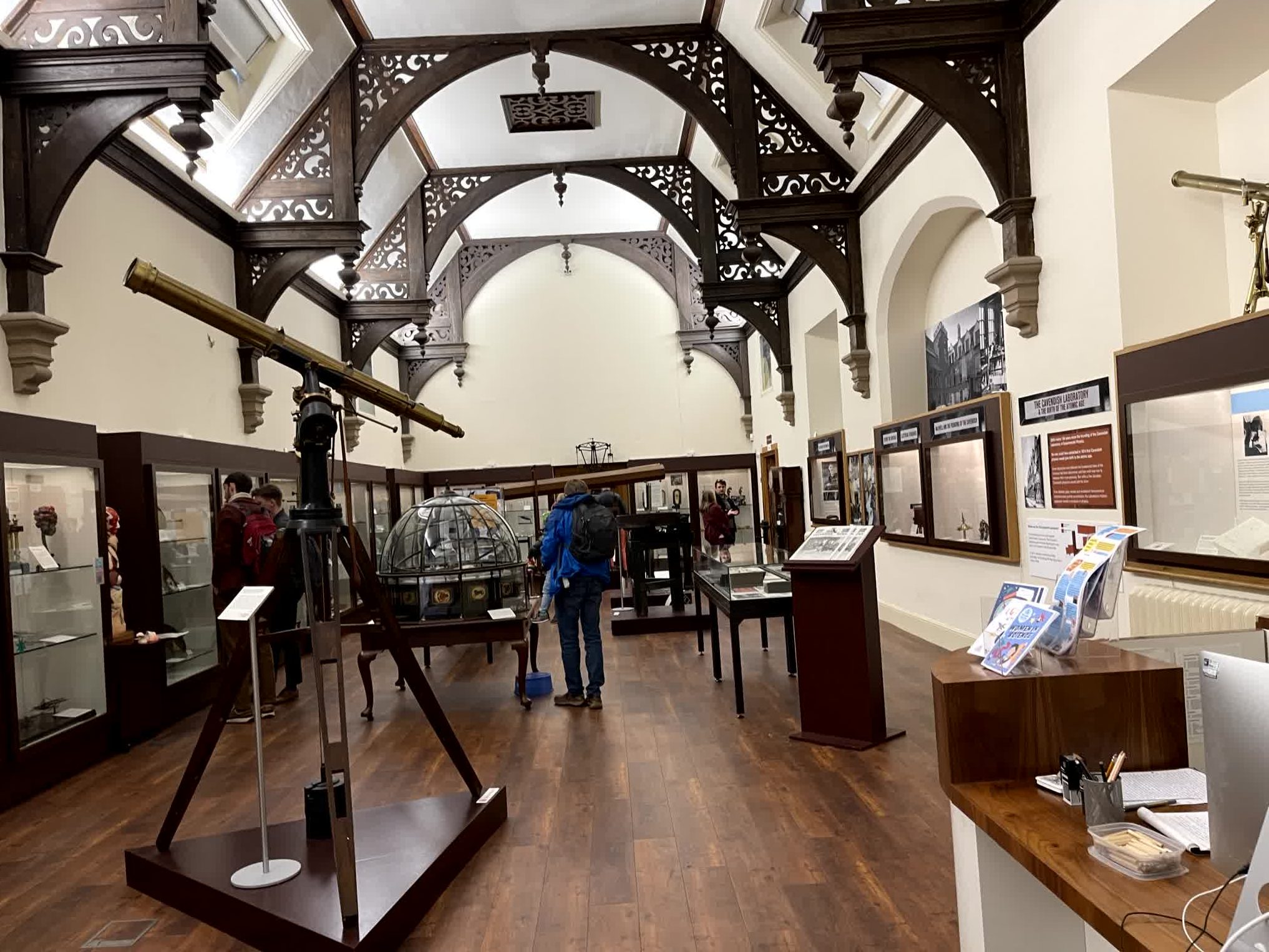
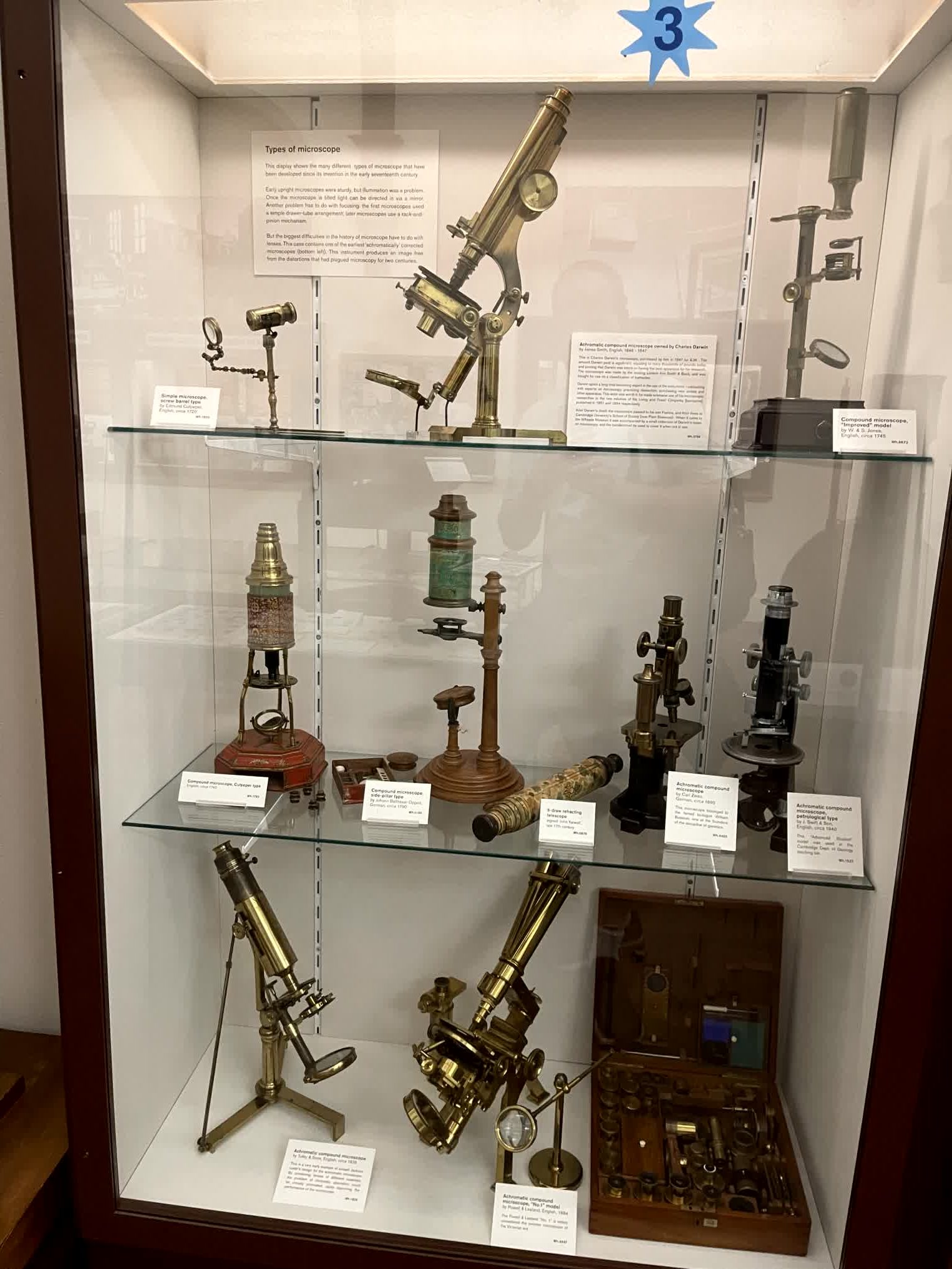
Whipple was a successful instrument-maker with a big personal collection donated in 1944 – which has been running as a museum for 80 years. It celebrates the theme of measurement in science, ie that better measurement lead to better models and understanding. (Acknowledging the role of calculation as well.)

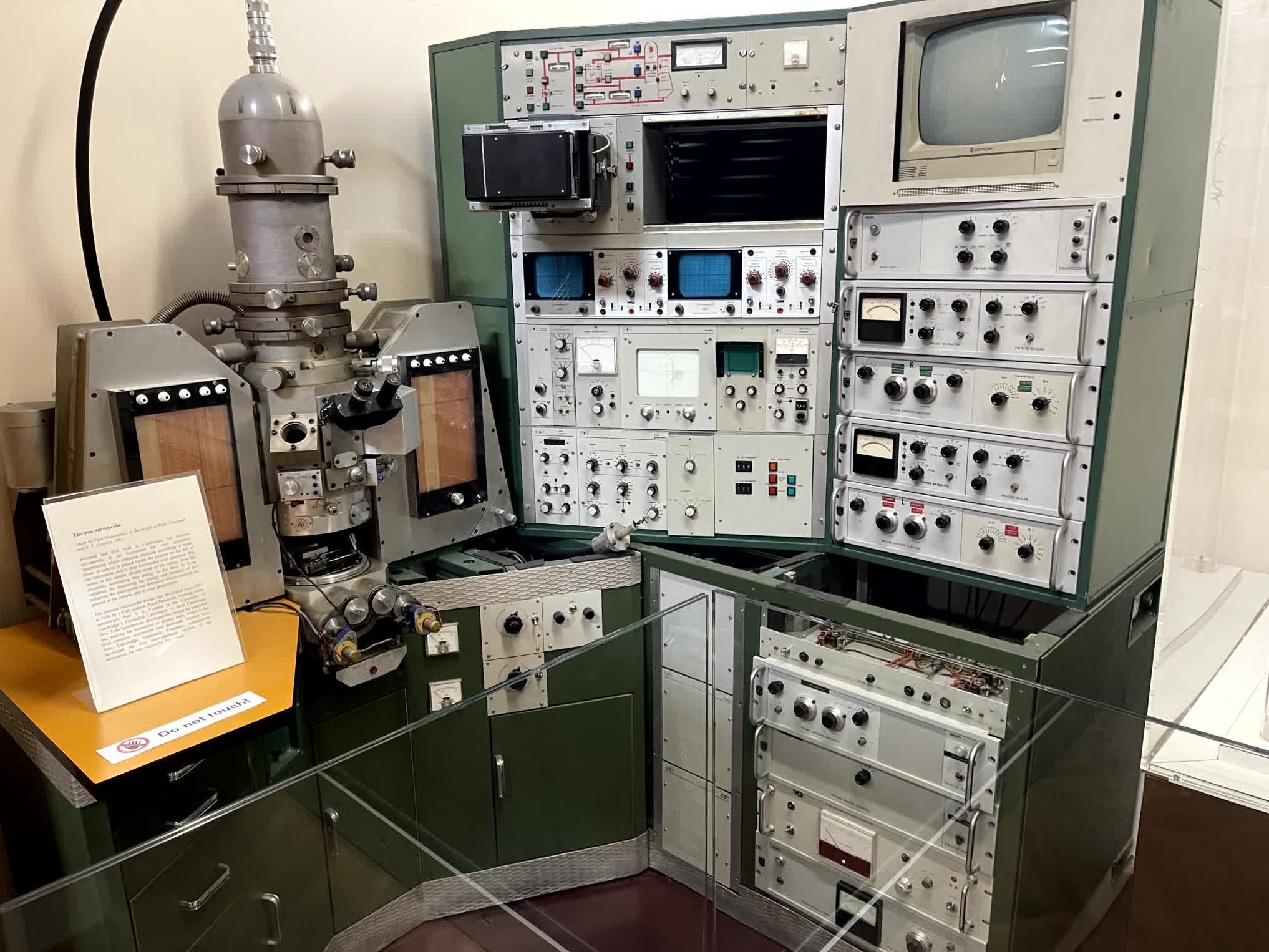
It had an scanning electron microscope similar to the one Watson and Crick used for mapping DNA.

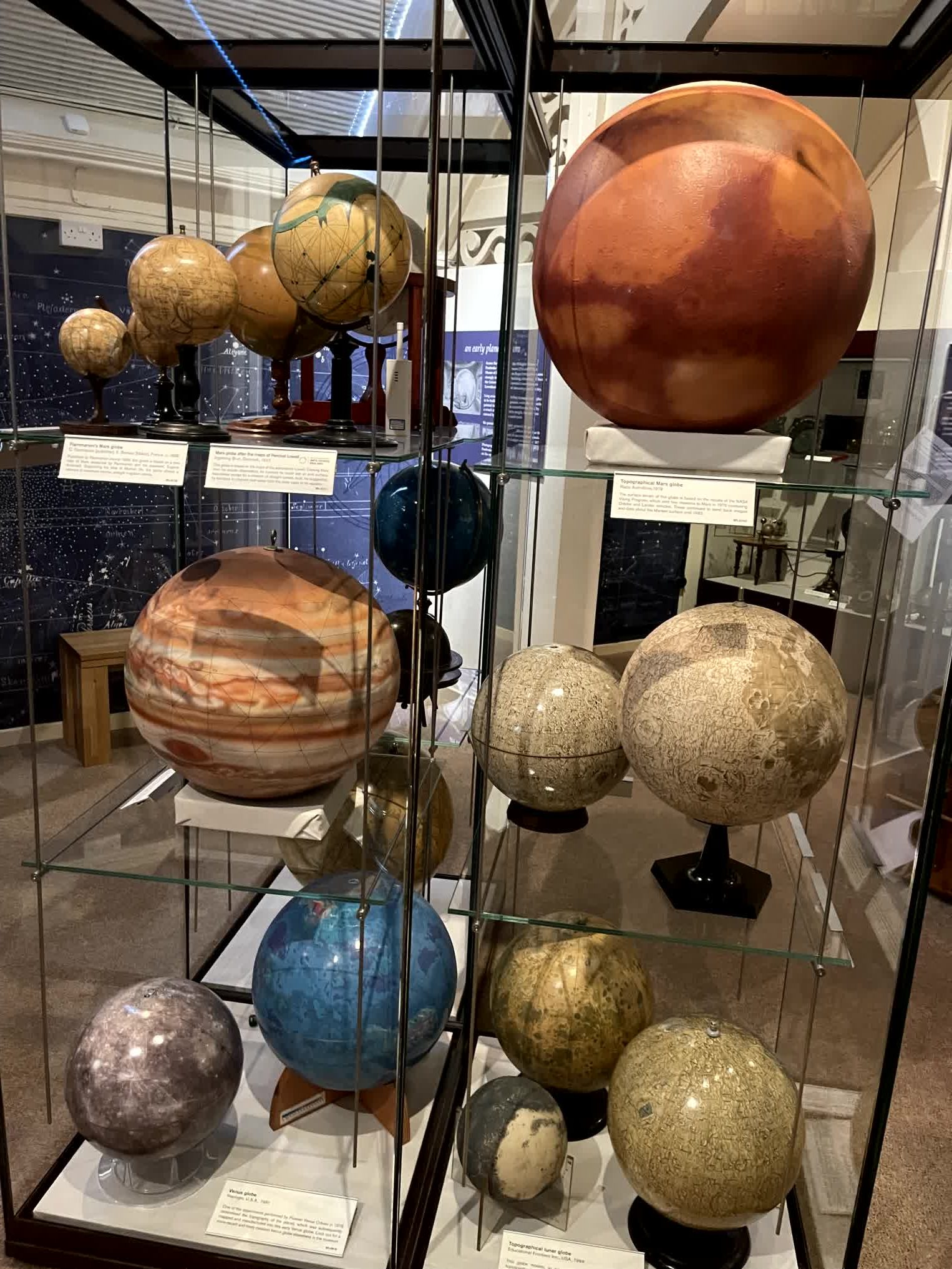
The museum also acknowledged the history and role of globes in mapping the earth, the heavens and other planets.

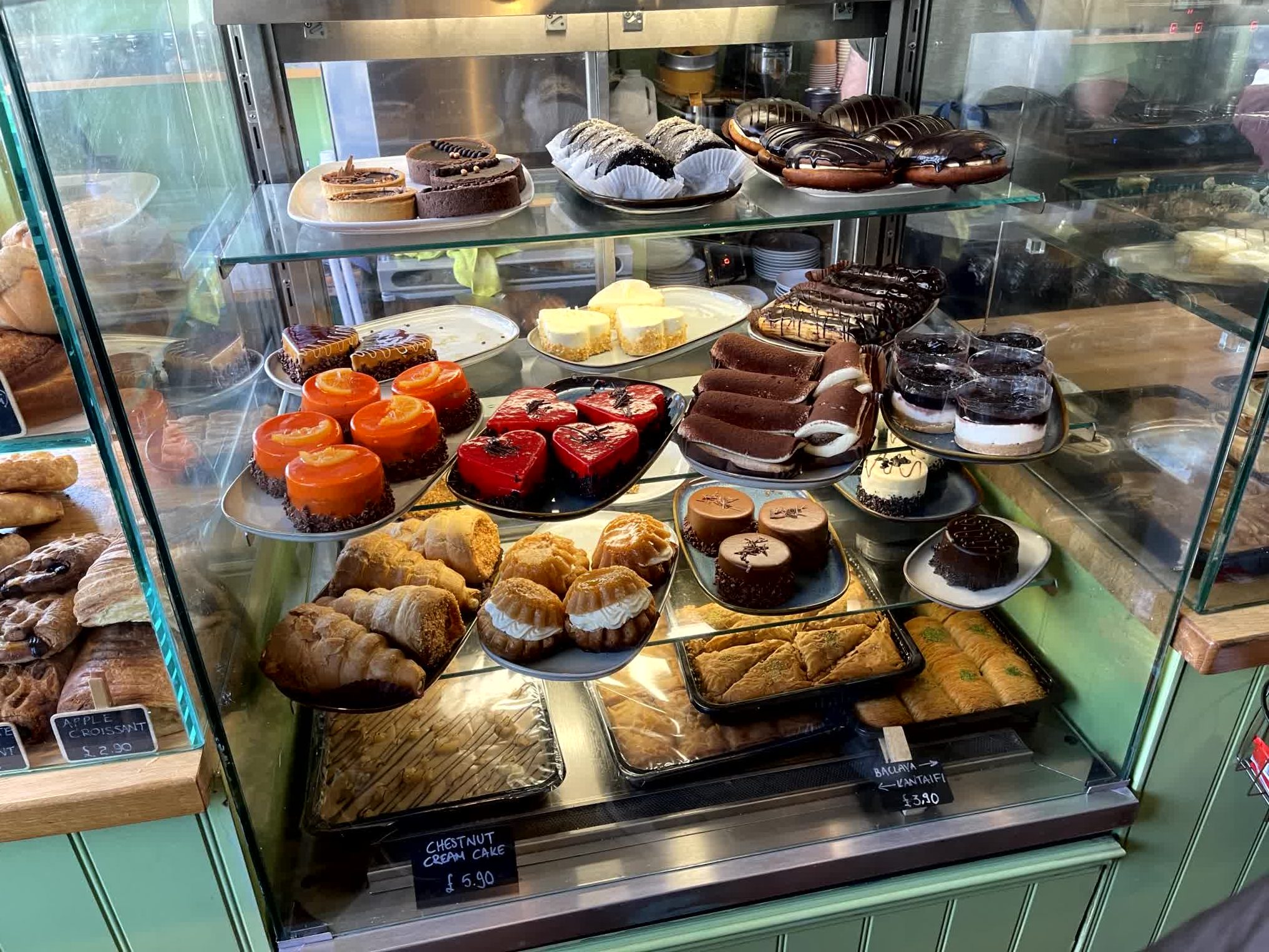
Walking back, I walked past more bakeries. The baking scene here is truly next level. 

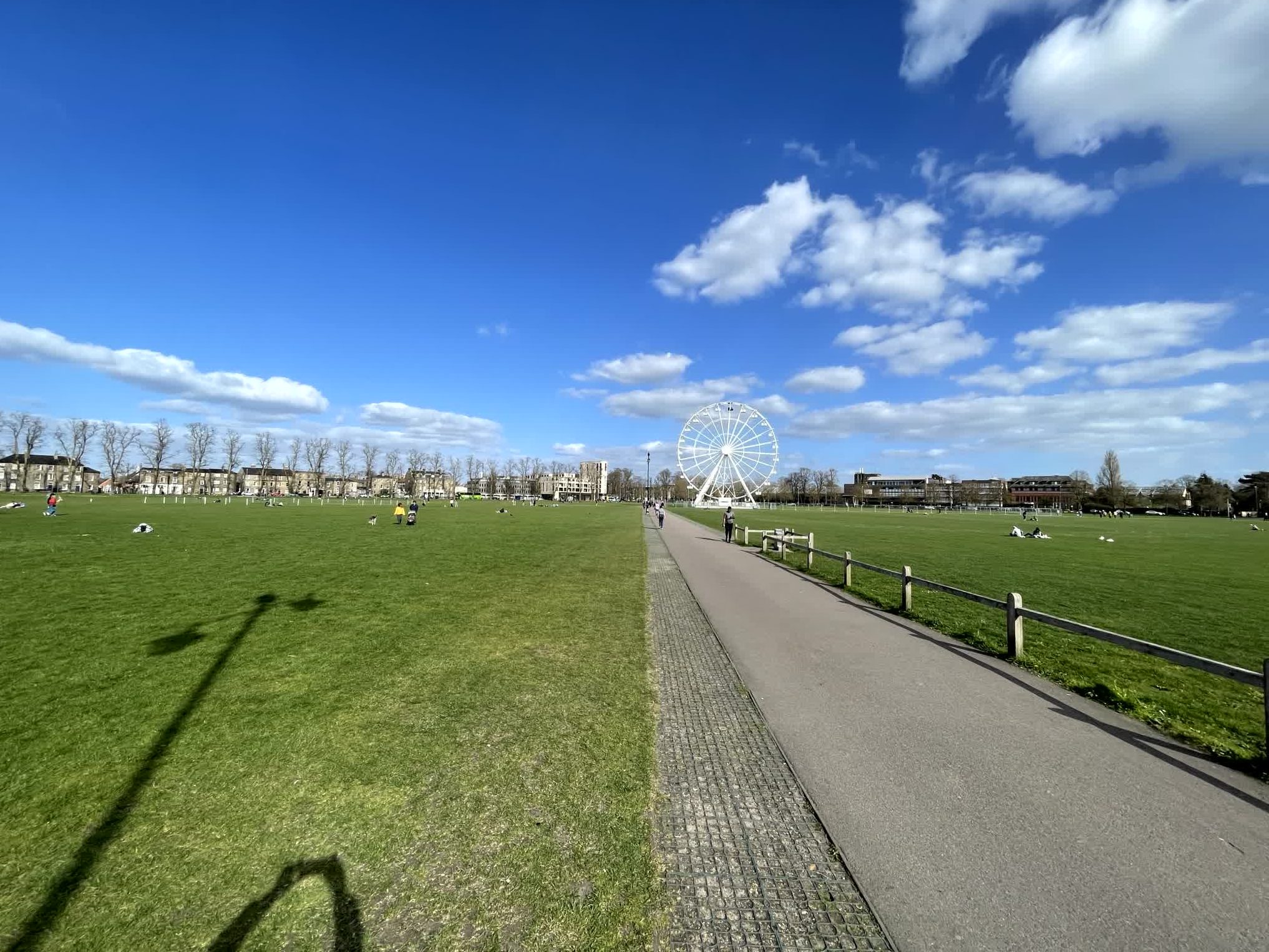
I walk back through a magnificent park. 

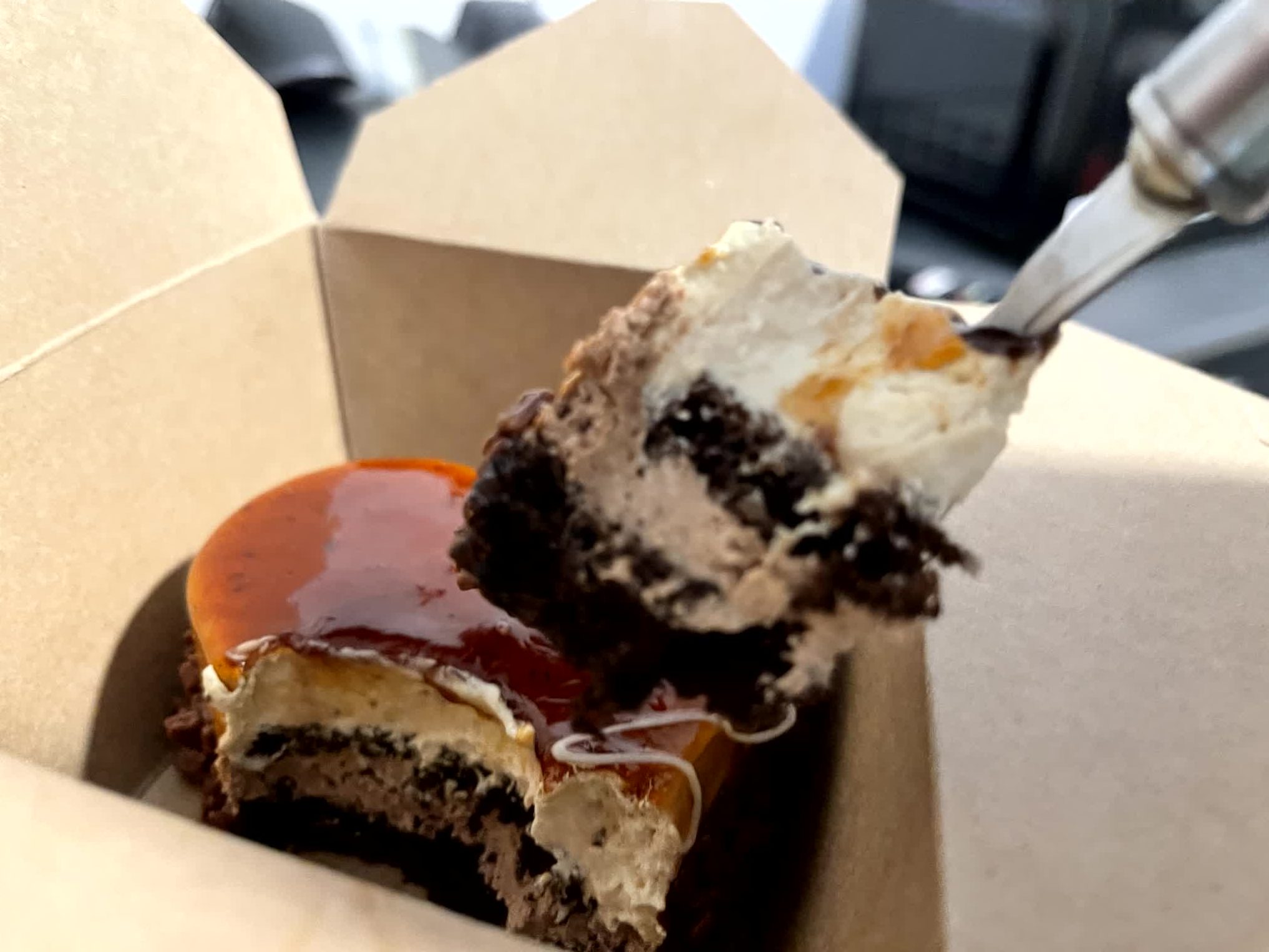
I buy a small treat for afternoon tea and later dinner dessert. It has a layer of chocolate cake, a layer of coffee cream, a layer of regular cream, and a layer of burnt caramel on top, sprinkled with chocolate shavings on the sides. 

Sat 29 May – Train to Cambridge

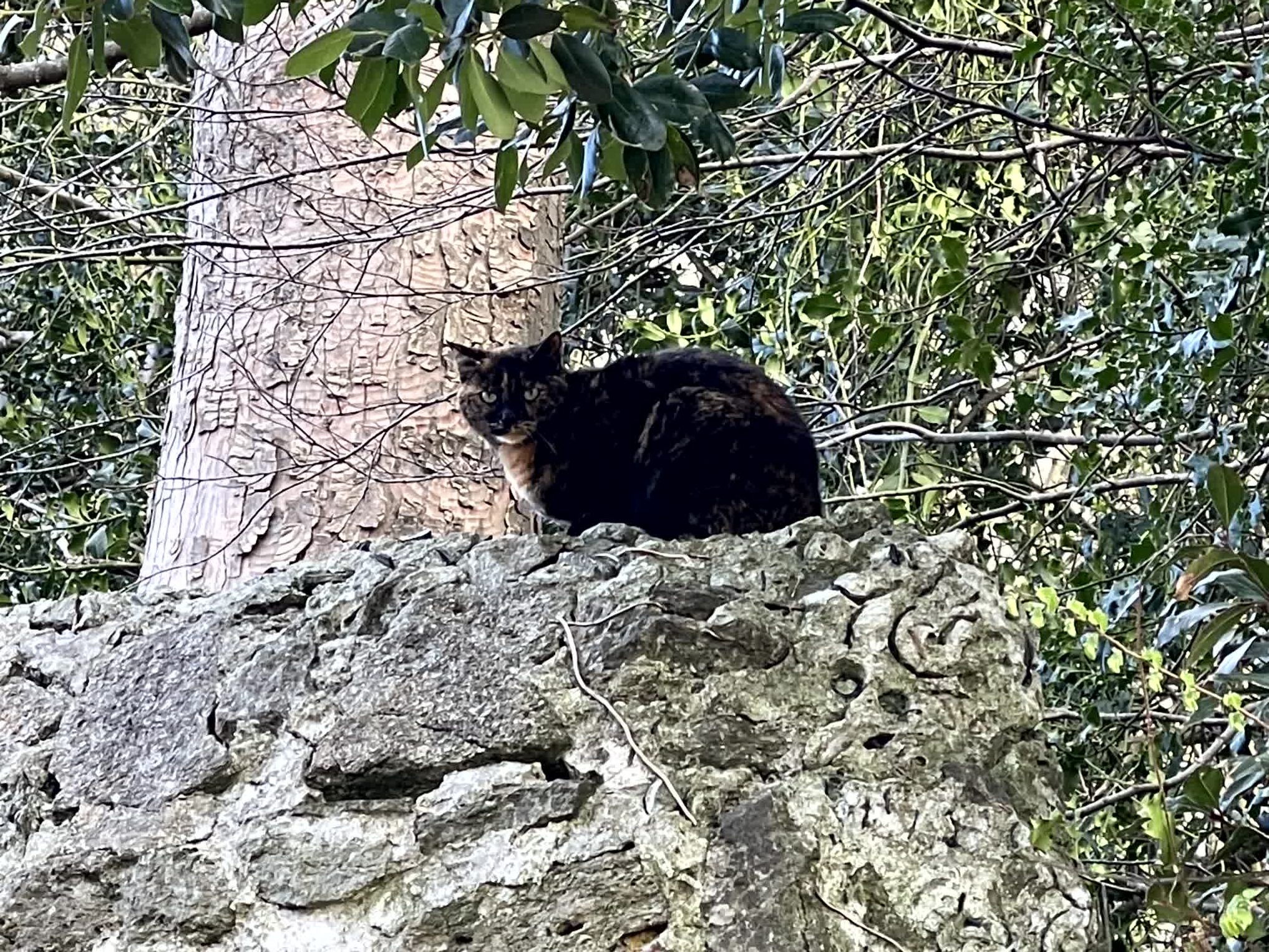
In the morning, as we walk along the back lane, steam puffs out of bathroom vents in the chill air and a black cat perches on an old stone wall. 

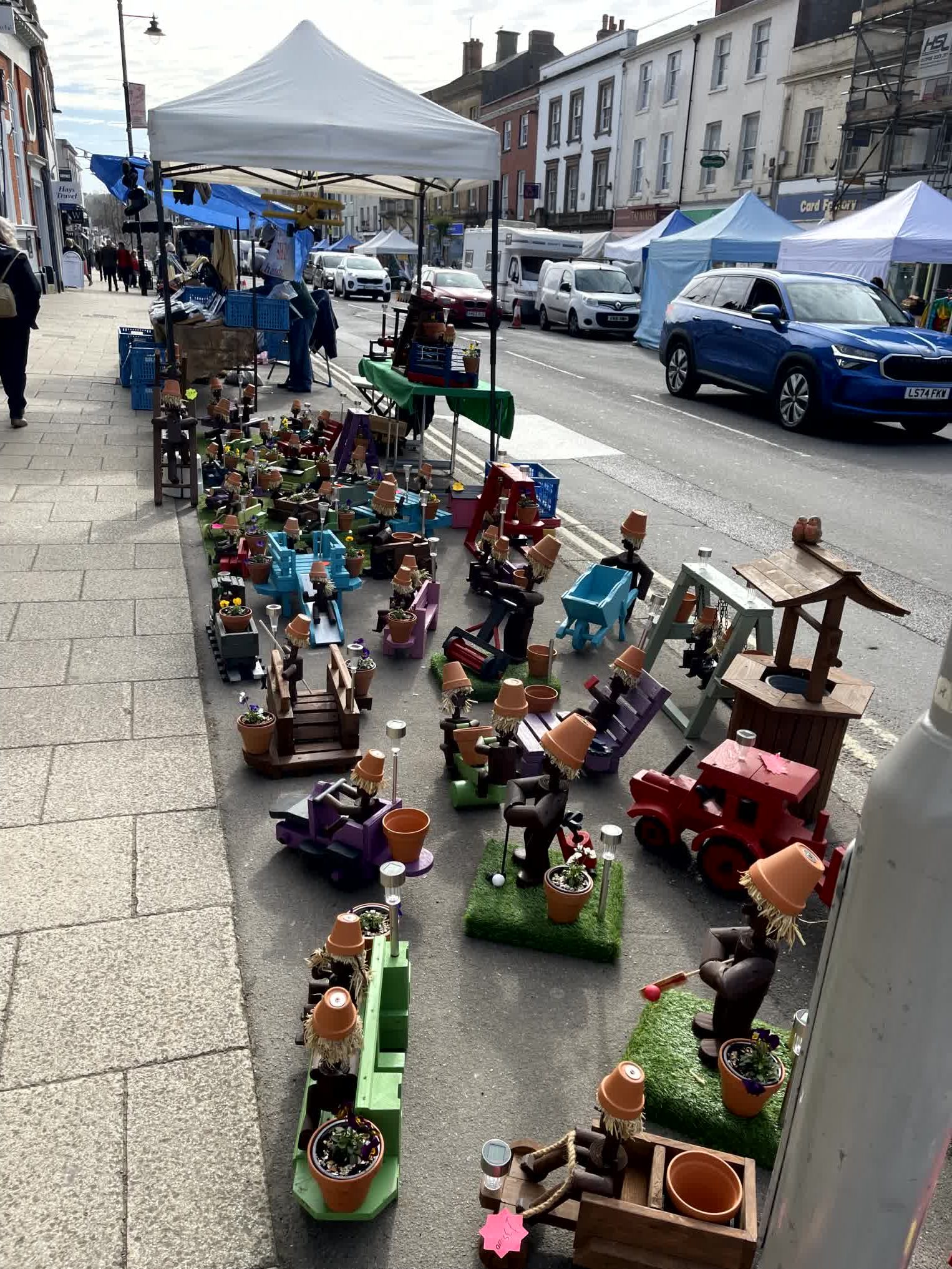
Wooden toys on the kerb indicate market day. 

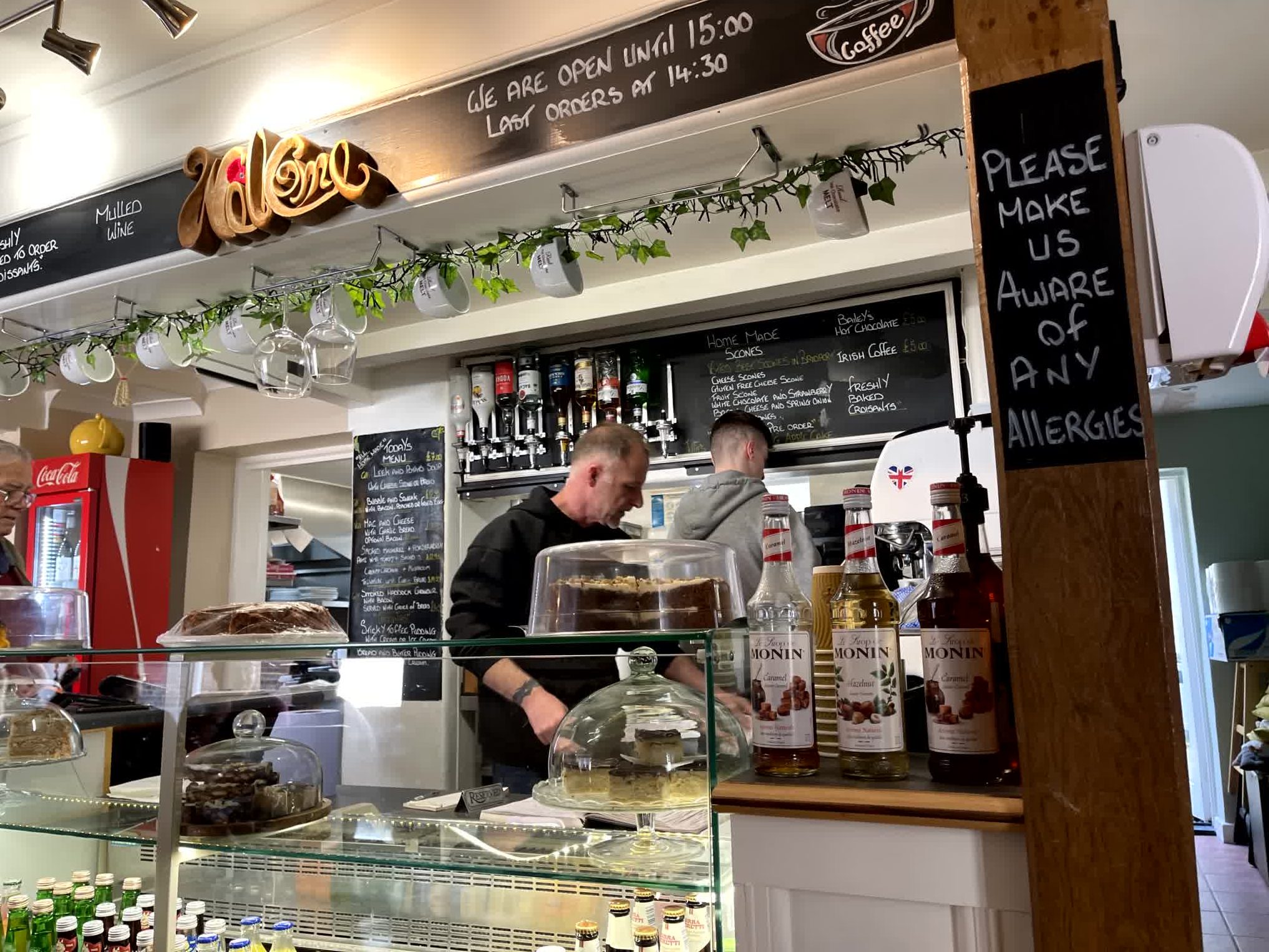
As we sit down to breakfast the barista catches my eye, “w’ ar’ y’ trinkin’ sar?” with a Dublin accent that could just as easily say “tap’ o’ th’ marning t’ ye”.

I chat to Dad about ways to fix his computer. Conversation turns to updating his business website. 

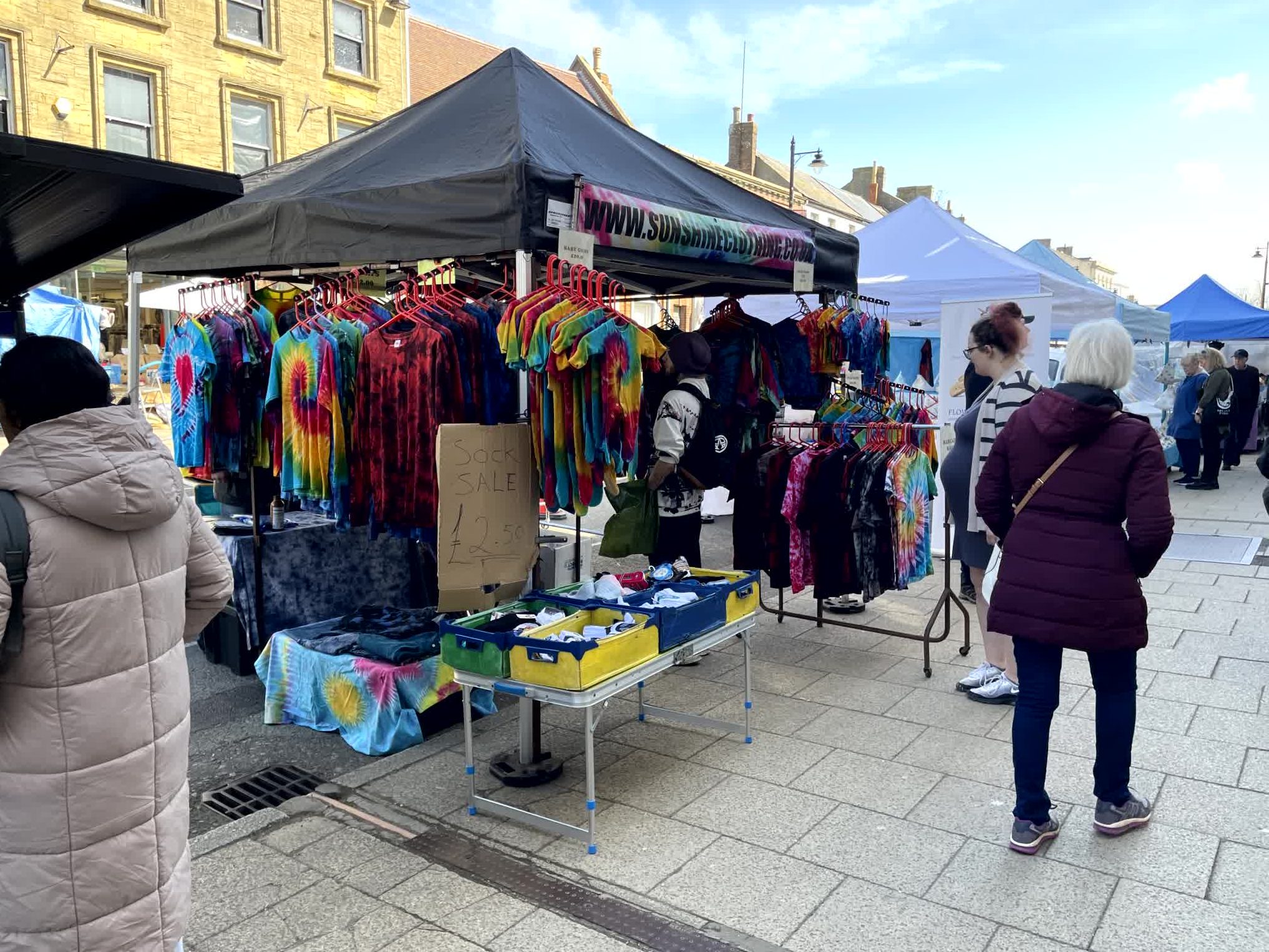
Morning walk through the Saturday markets, second hand book stalls, tie dye tshirts and toys.

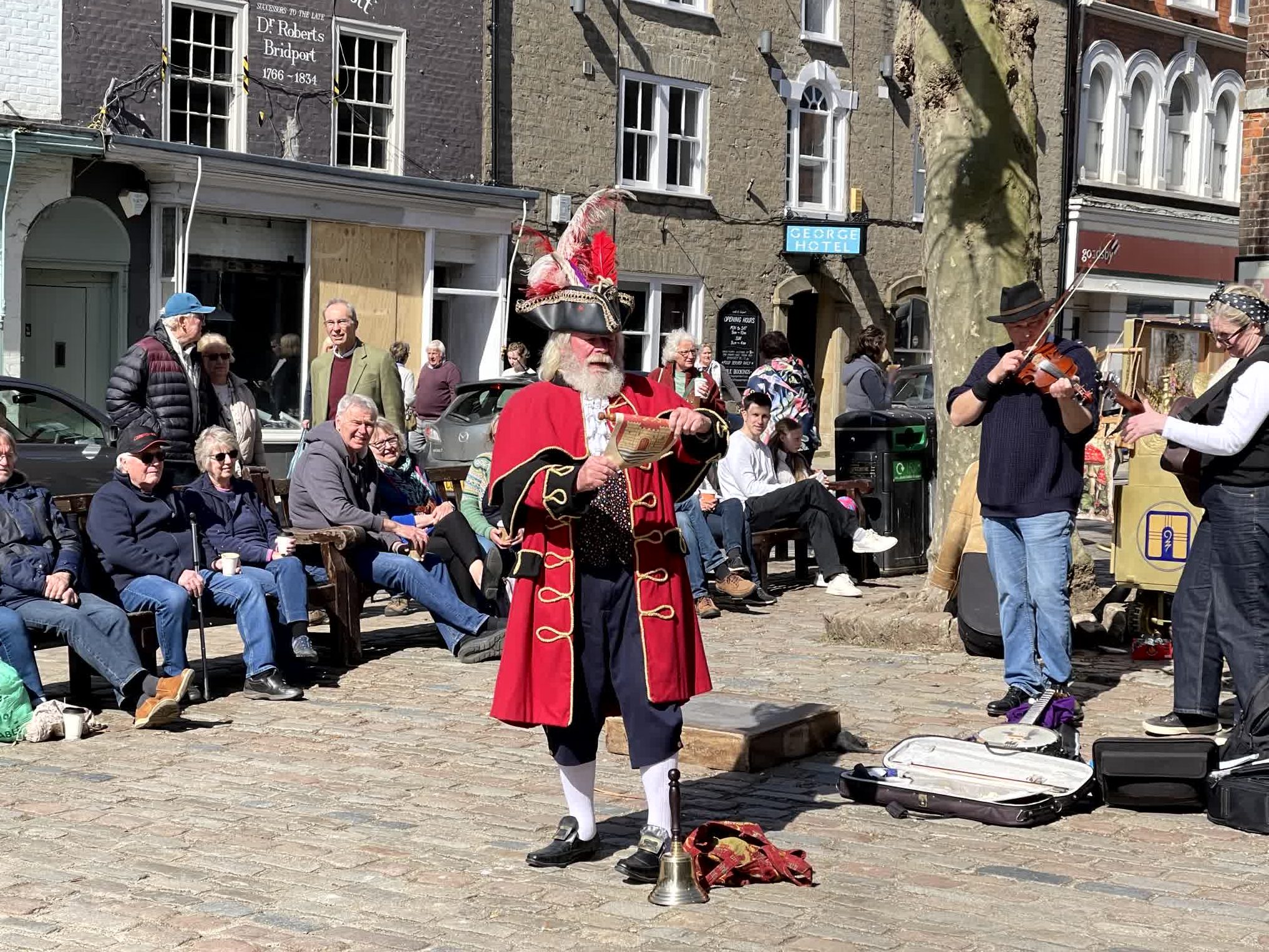
A town cryer calls out, public meeting times for local community groups. 

A street band kicks up a jaunty tune.

Dad takes me back to Crewkerne station.

A train flies back to Waterloo at what feels like speeds comfortably over 100km/h. (I’m told this line can hit 160km/h.) This driver is not holding back. 

On the Underground at Russell Square the intercom announces a fire at Kings Cross prevents the train from stopping there. Everyone on the train shrugs and gets off. The only option is to walk 800m to the next station. At this point I’m glad I brought at suitcase with wheels. 

Halfway to Kings Cross we see a big group of suitcase-walkers coming the other way. 

The mix of accents on the train include: loose-tongue London, northern Toff, received English, some Birmingham and some Novocastrian. 

It’s difficult to describe an analogue for Cambridge Station – Redfern perhaps – but not really. It is big in scale, and yet small in intimacy. 

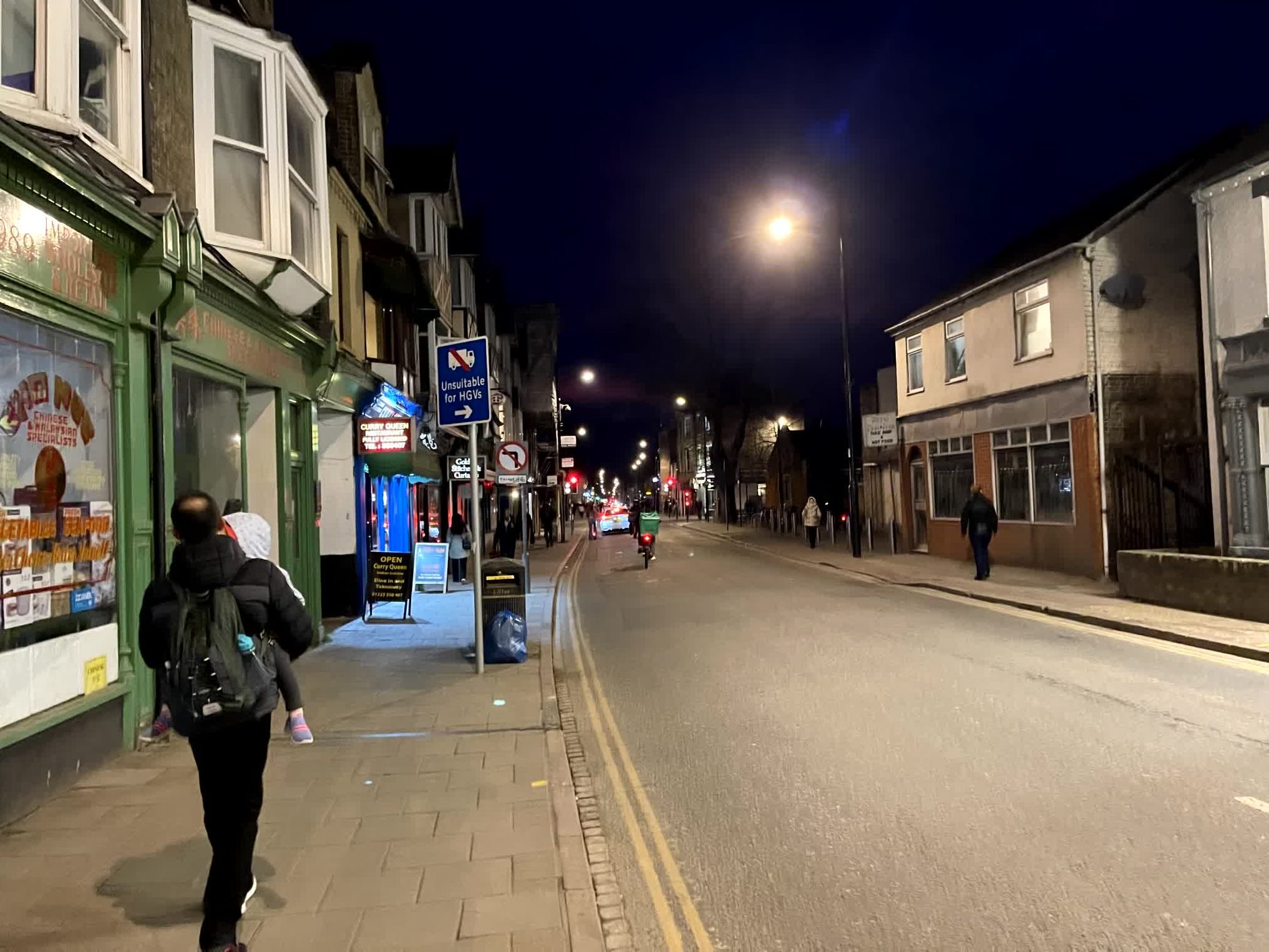
Coming into Cambridge station and walking out in to the main street, it shouts “we’re here to solve concrete problems and do business.”

The younger 20s people here are completely multicultural, but I get a sense that the teaching staff are largely English. There are all nations of undergraduates in the Chinese restaurants, young couples pushing prams, and the pubs seem filled with 30s+ Anglo people. 

I drag my suitcase down small streets of two story houses with pubs, Afghan restaurants, pretend Coop supermarkets that sell Aldi goods, noodle houses. 

Friday 28 March – Bridport Fields, Gardens and Jazz

The morning is a crisp 9 degrees. I like the freshness and absence of humidity which clogs the brain. 

Over the morning cup of tea we talk about trains. There is confusion about ticketing due to the proliferation of train companies, different websites and companies incentivised to hide the best ticket prices. And then the tracks owned by another company further confusing the commercial incentives and adding a layer of indirect costs. 

Dad observed that the trains had originally been privately owned, then government owned, now privatised. Dad wonders if it is time for them to be nationalised again. It’s a contrast to Sydney that has always seen government ownership of trains. 

Over the dog walk the conversation goes to council plots and waiting lists for garden allotments. Apparently you get the allotment taken off you if you don’t look after it. We walk with nothing to rush to, just needing to be.

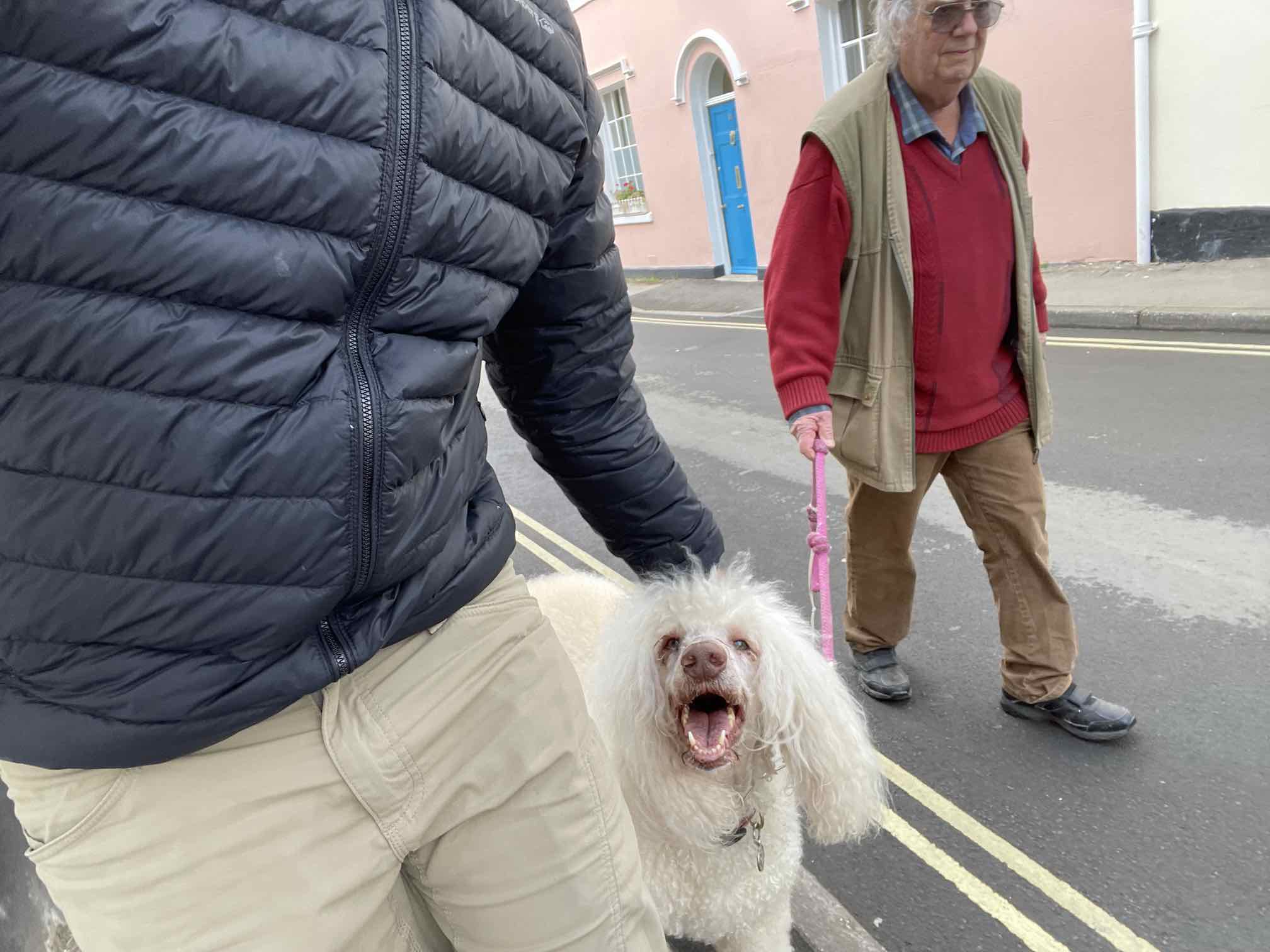
Trixie proves she is not an alpha dog by refusing to walk unless there is something walking in front of her. 

As we sit down for breakfast Jamiroqaui’s “This corner of the earth” comes on. The lyrics feel perfect. 

The music changes to Gerry Rafferty’s Baker Street. The saxophone matches the mood. 

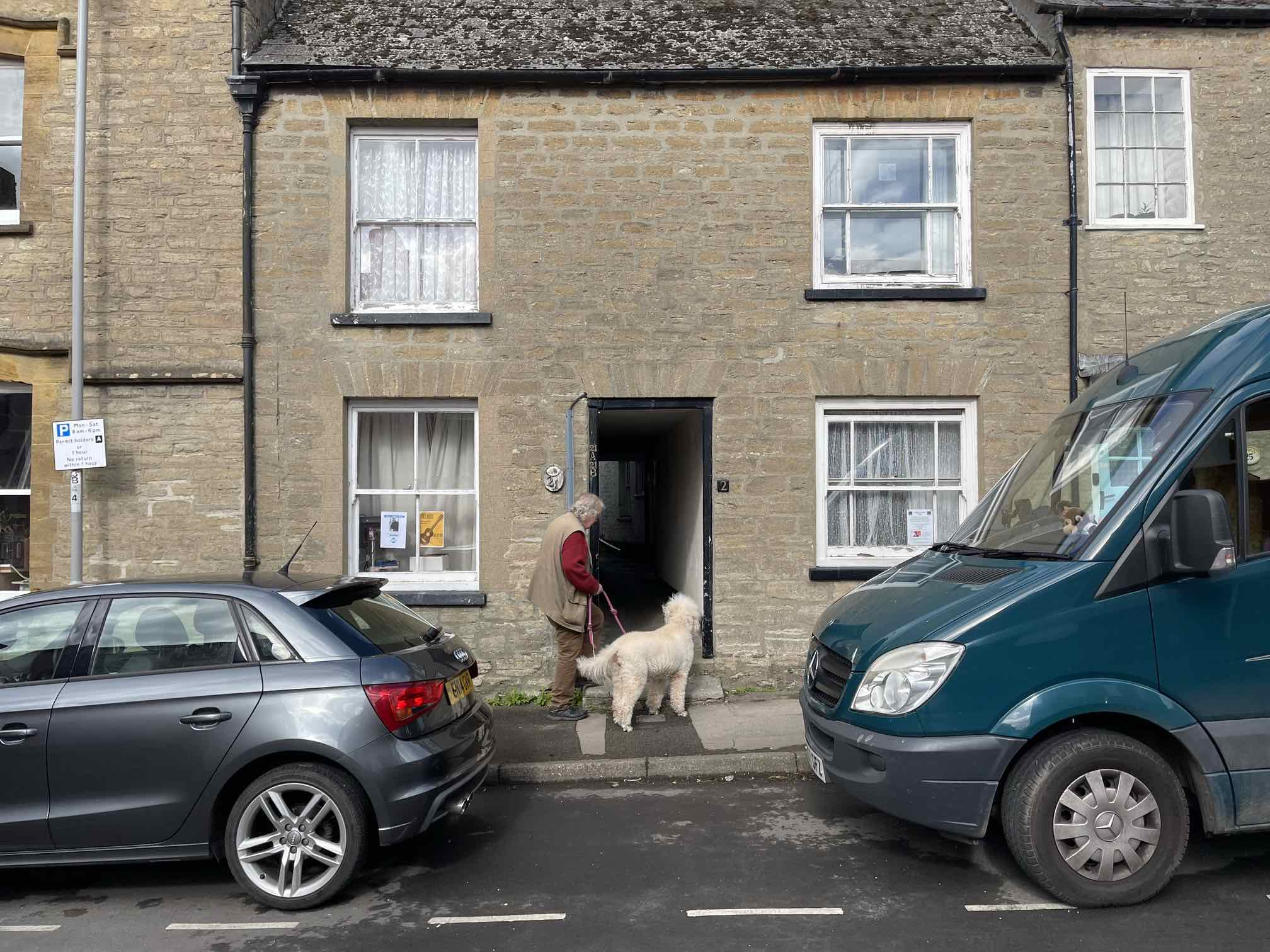
Part of the wall of Dads building is 400 years old, another part 200 years old. The council controls what sort of wood design they can put in to replace a window that needs maintenance. 

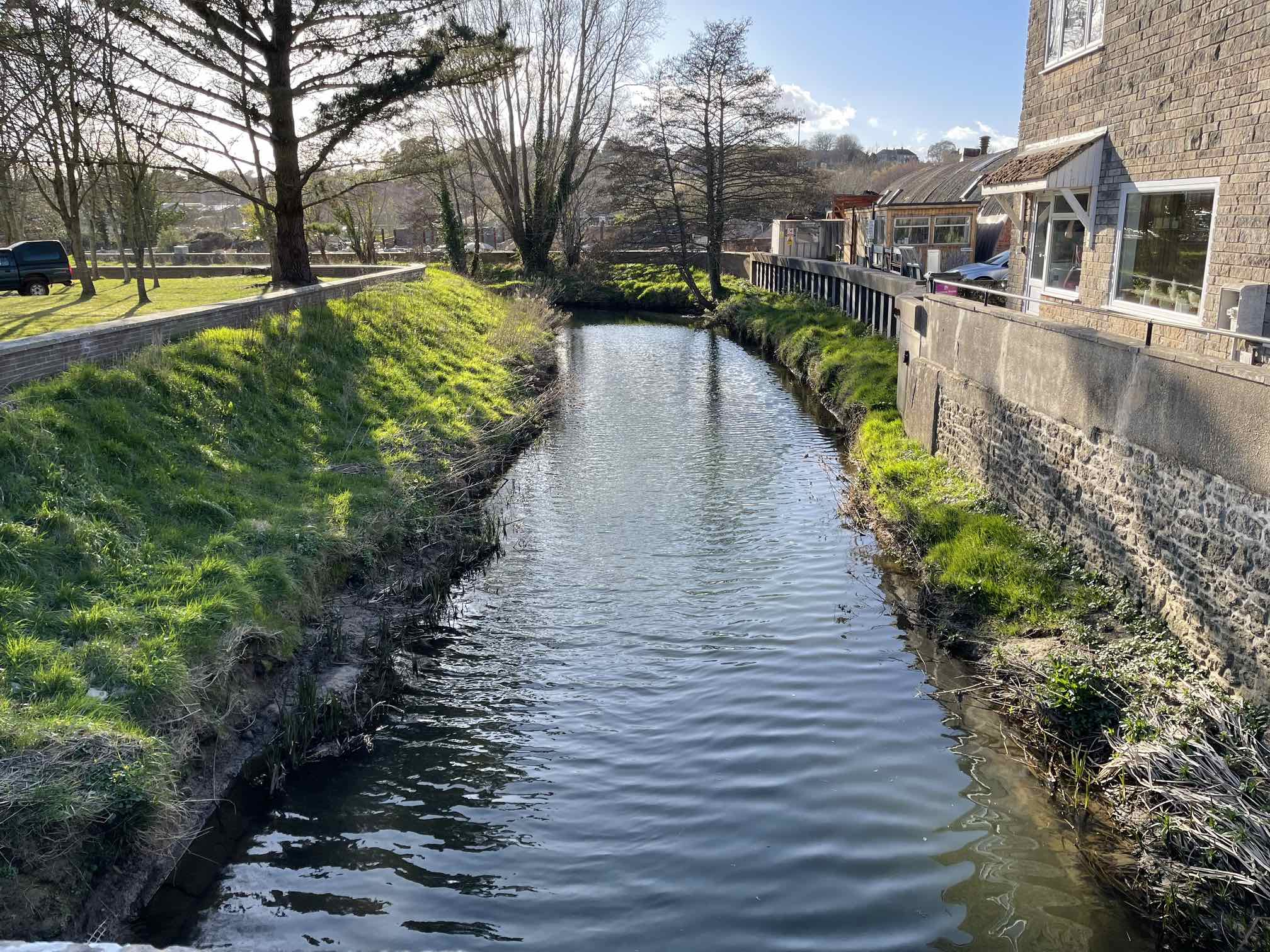
An afternoon walk over the stream.

(It seems like the local school uniform is remarkably close to Hogwarts – featuring brown pants and a yellow striped tie. )

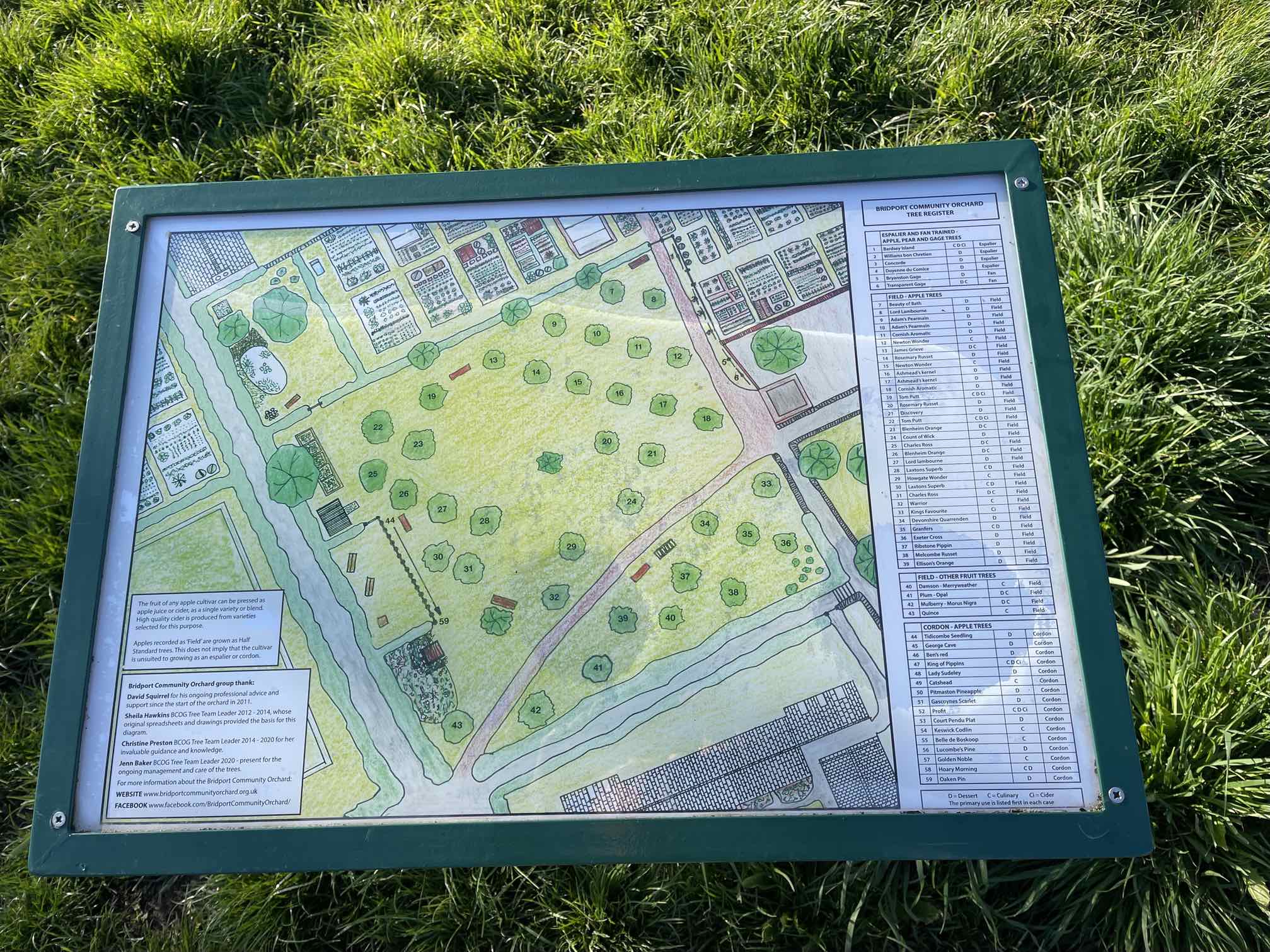
Walked to the local brewery, then a community orchard. It preserved 50 types of Apple trees. 

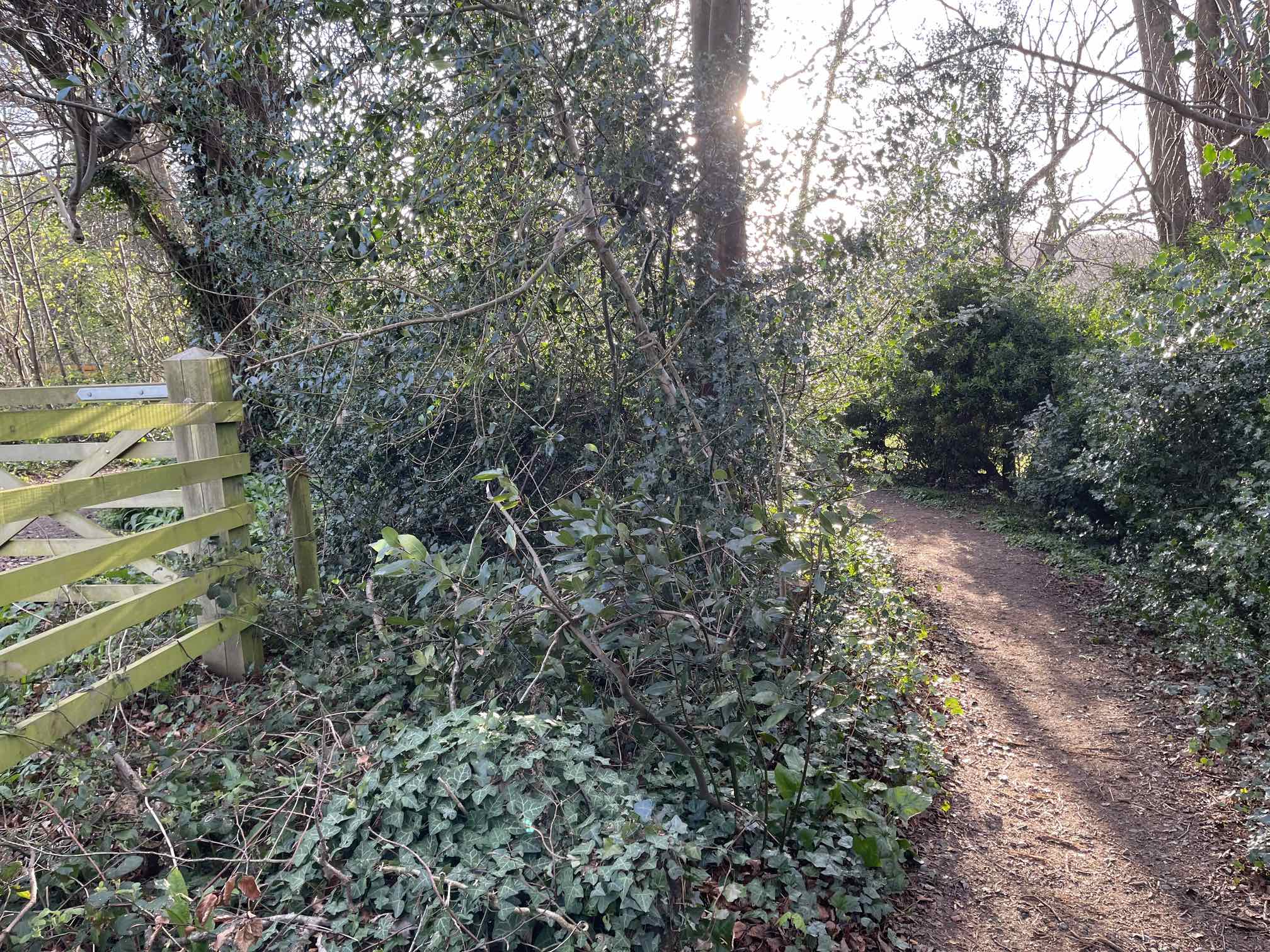
Further on found me tramping uphill along rights of way past holly bushes and paddock gates. 

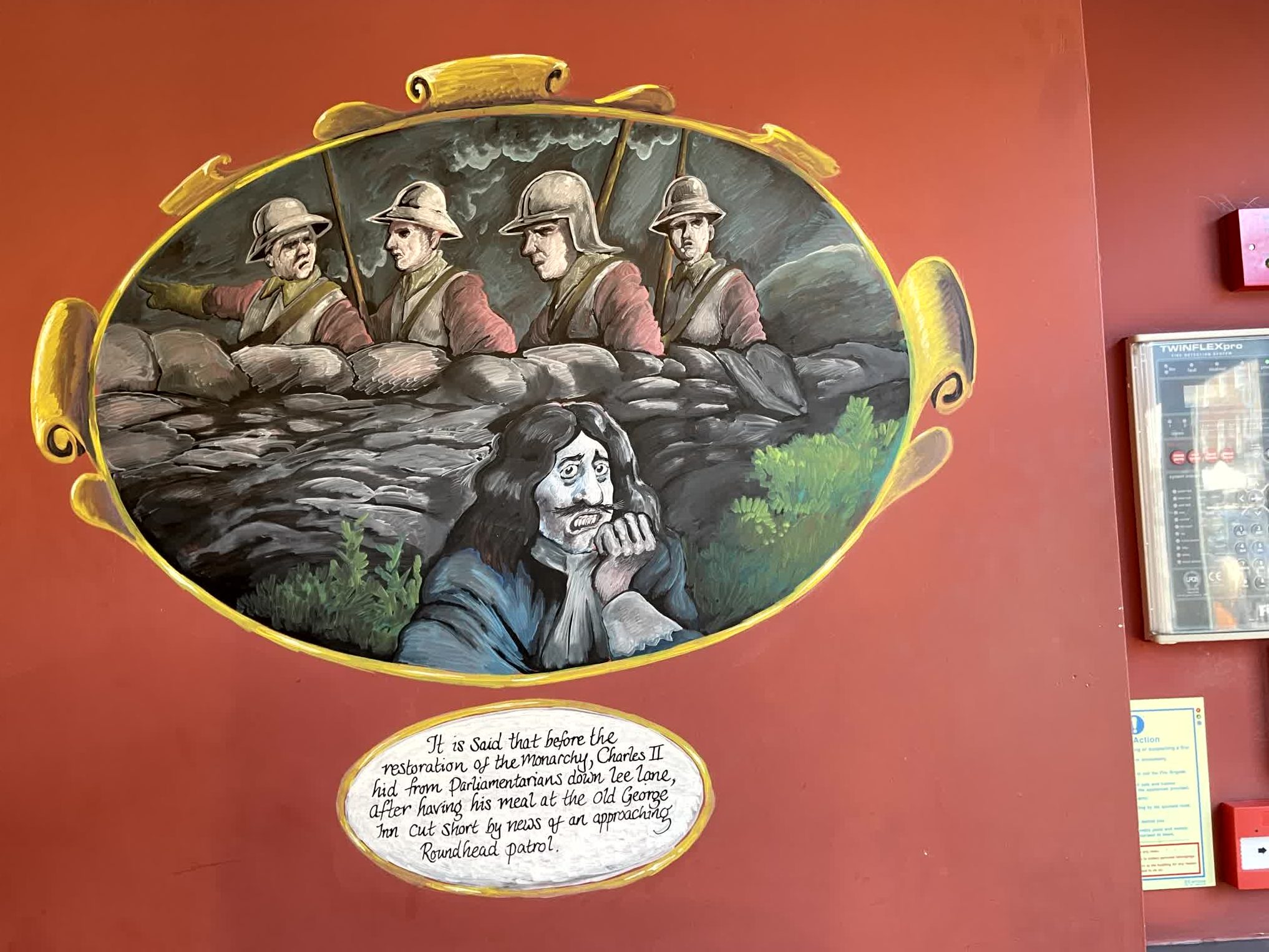
Walking past a painting of King Charles II (not King Charles III) hiding from insurgents wanting his head, and looking at bricks that weathered the smoke of the Industrial Revolution – it makes the current US Government issues seem like a blip in time. 

I walk through a stile to get to a walking track by the river. 

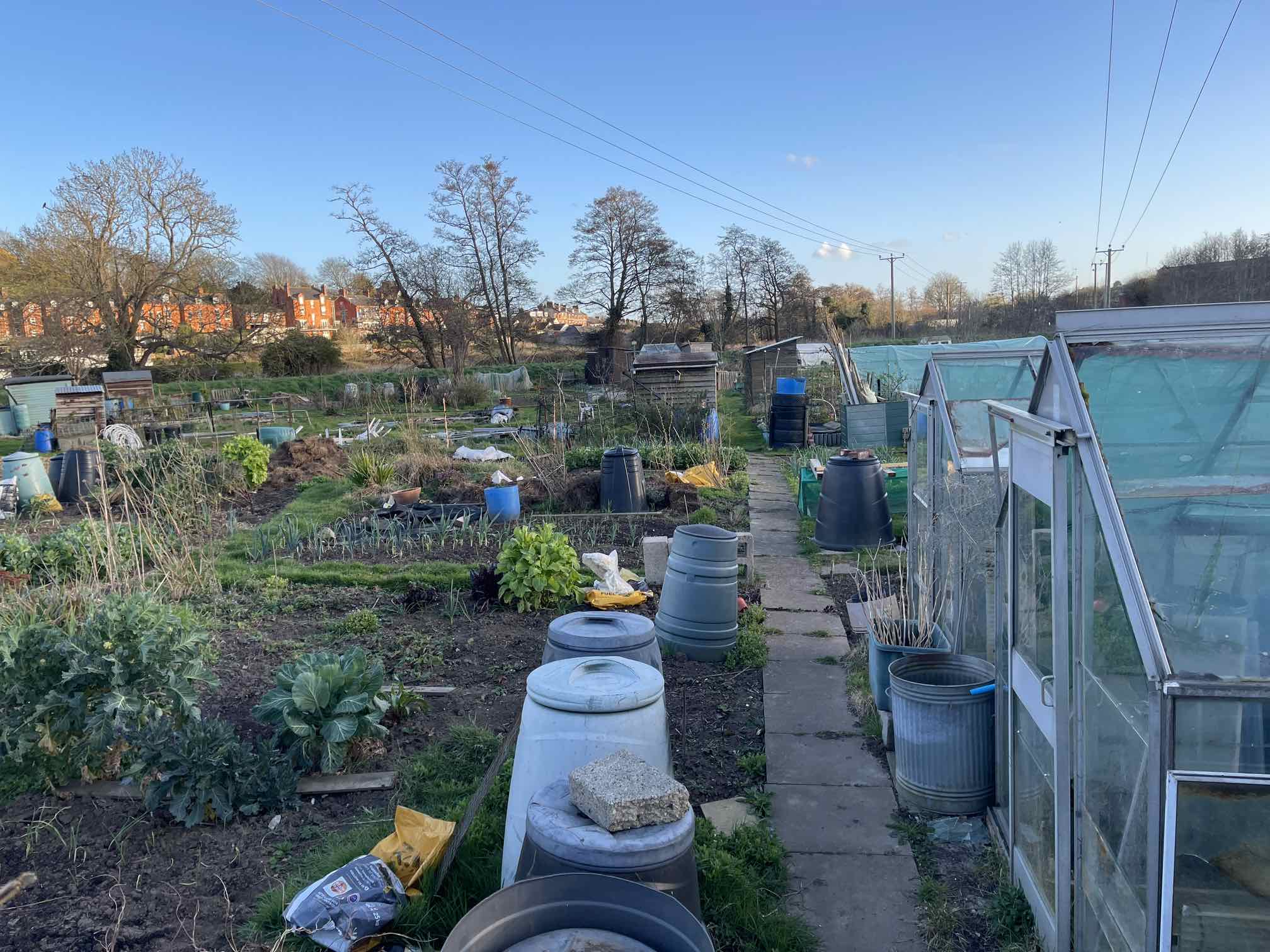
I come to a council allotment garden setup. 

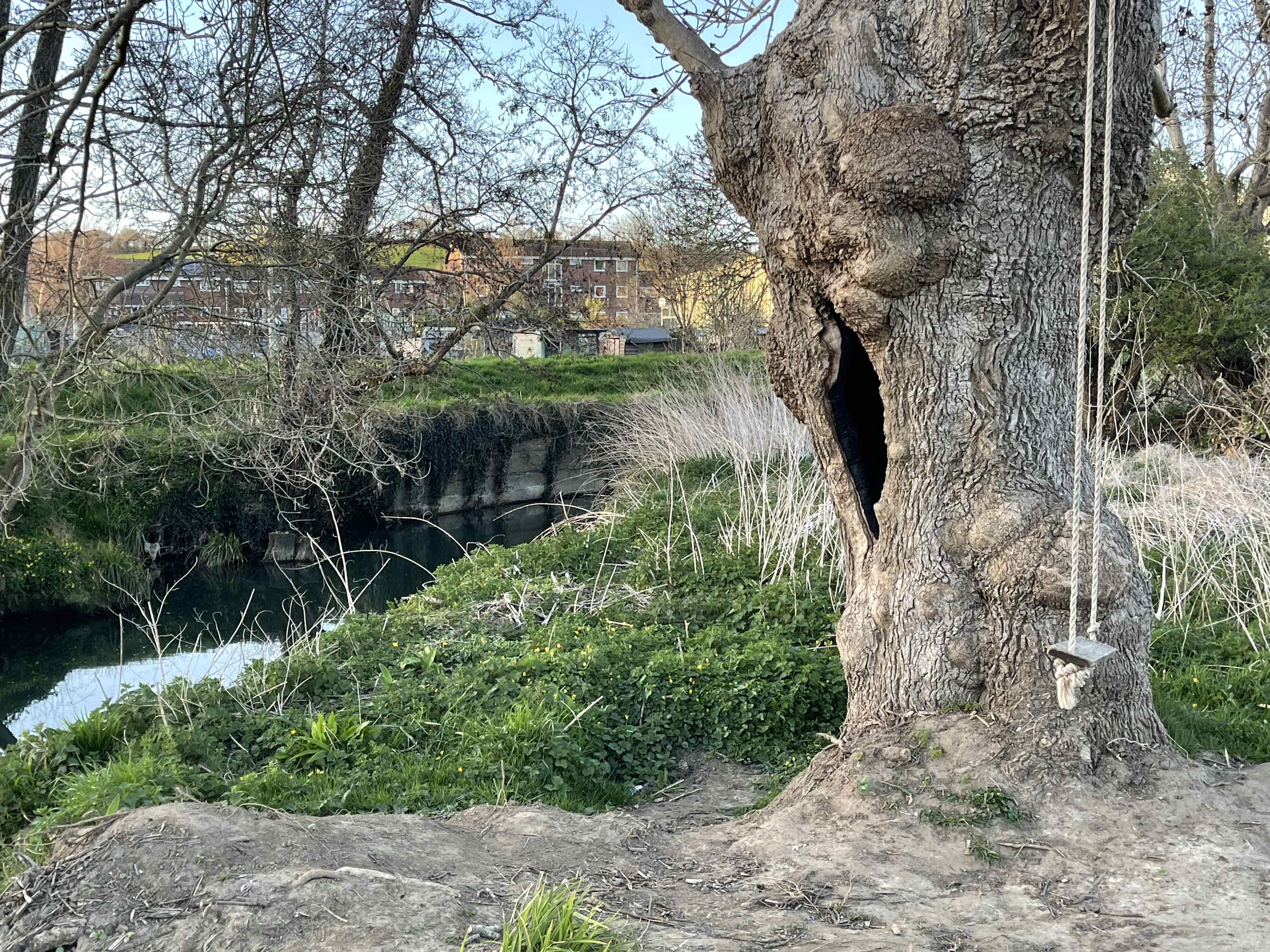
Walking back I find a swing hanging from a tree by the river. The tree looks like it was once host to a family of squirrels. 

After dinner, we went down the road and listened to some jazz.

Thursday 27 March – Bridport


The morning dog walk proceeds without a care in the world. There is no reason to rush here as we wander lanes and avenues. Birdsong and the cry of land-seagulls provide a backdrop.  We say hello to other dog-walkers and stroll back along the main street. 

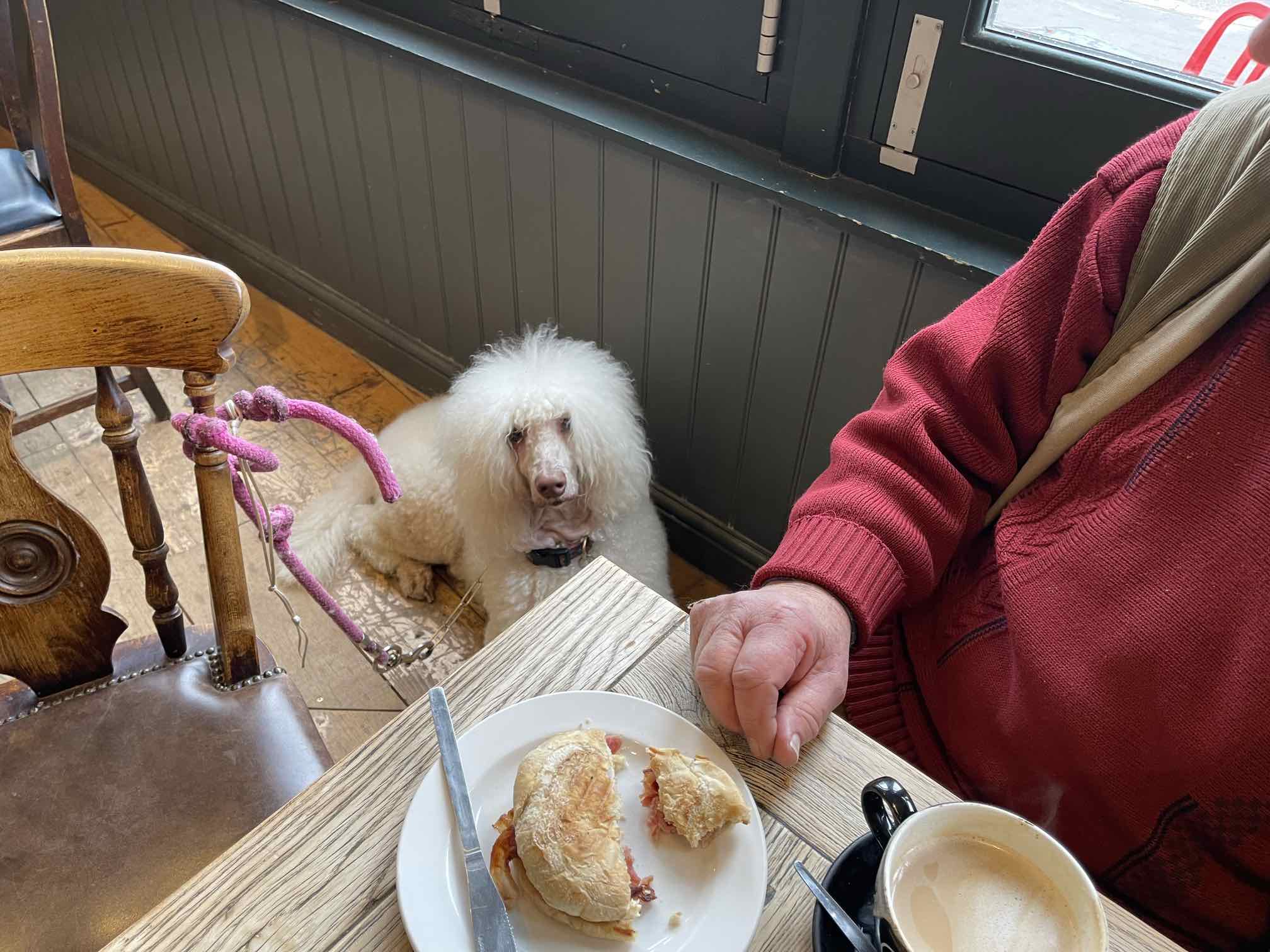
Breakfast bacon rolls. The place originally banned dogs, but was in danger of going out of business. The community considered it mean- spirited, and came back when they changed the policy. 

Walk back – I see sales of window-daffodil-bulbs for Mother’s Day. Whilst this would be amazing at home, it seems strange here, where daffodils grow wild like daisies.

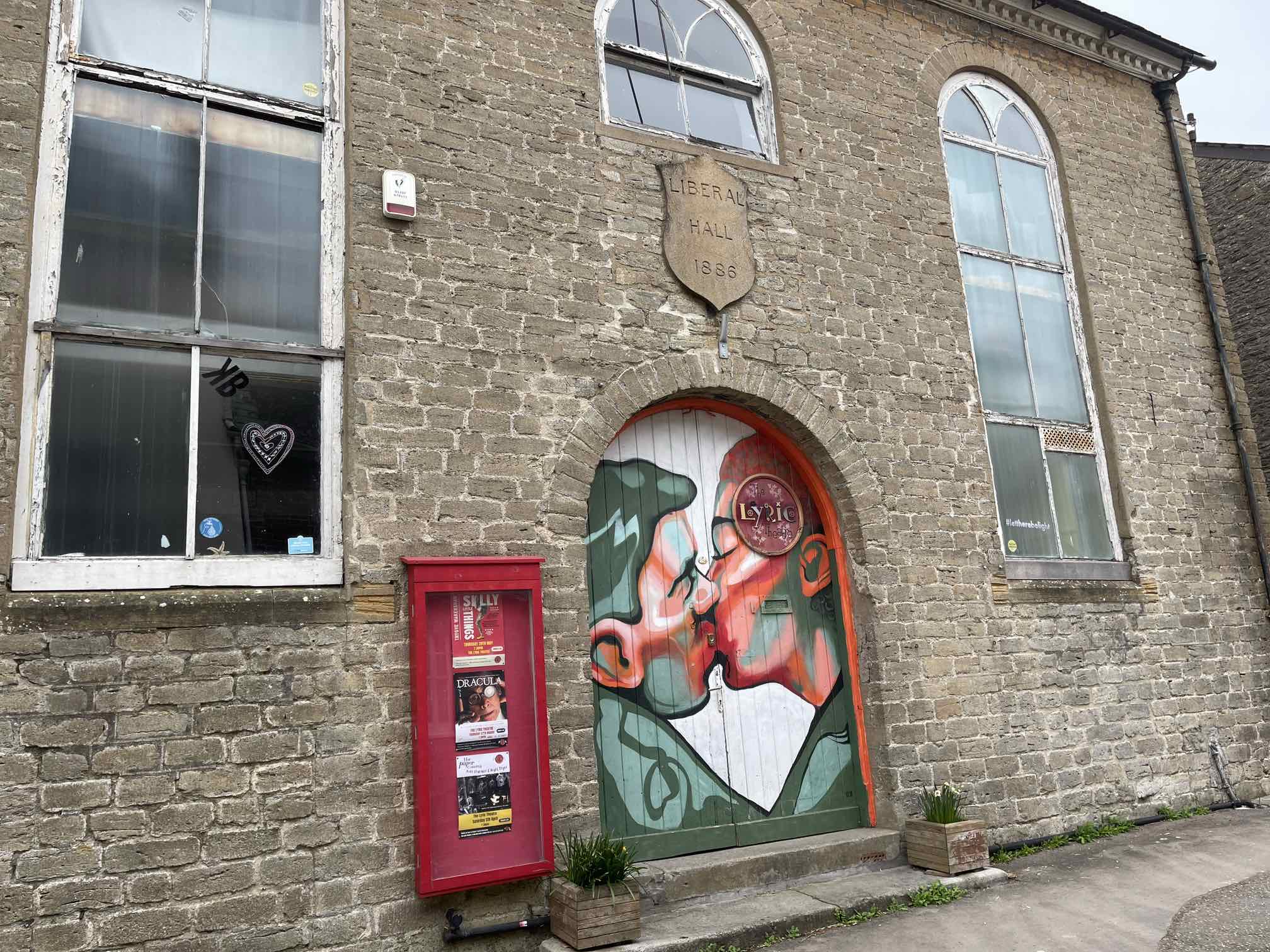
We pass a community theatre down the road from Dad’s place. It looks like there is lots on.

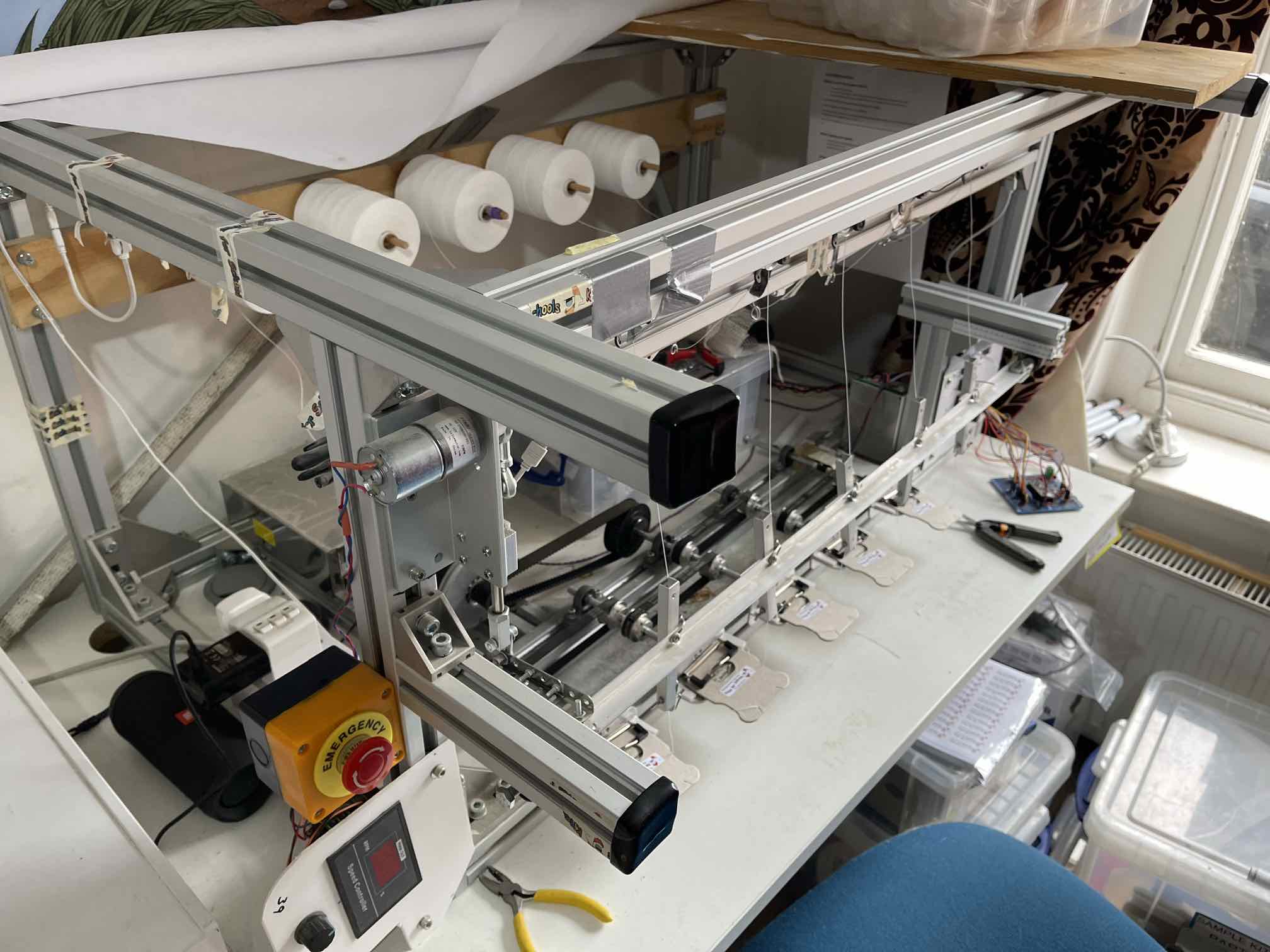
We pass the time talking about home projects, and Dad describes mechanism he has built to wind kite handles for his kids kits business.

As we walk to lunch people ask about the dog. It is the key to relationship here. 

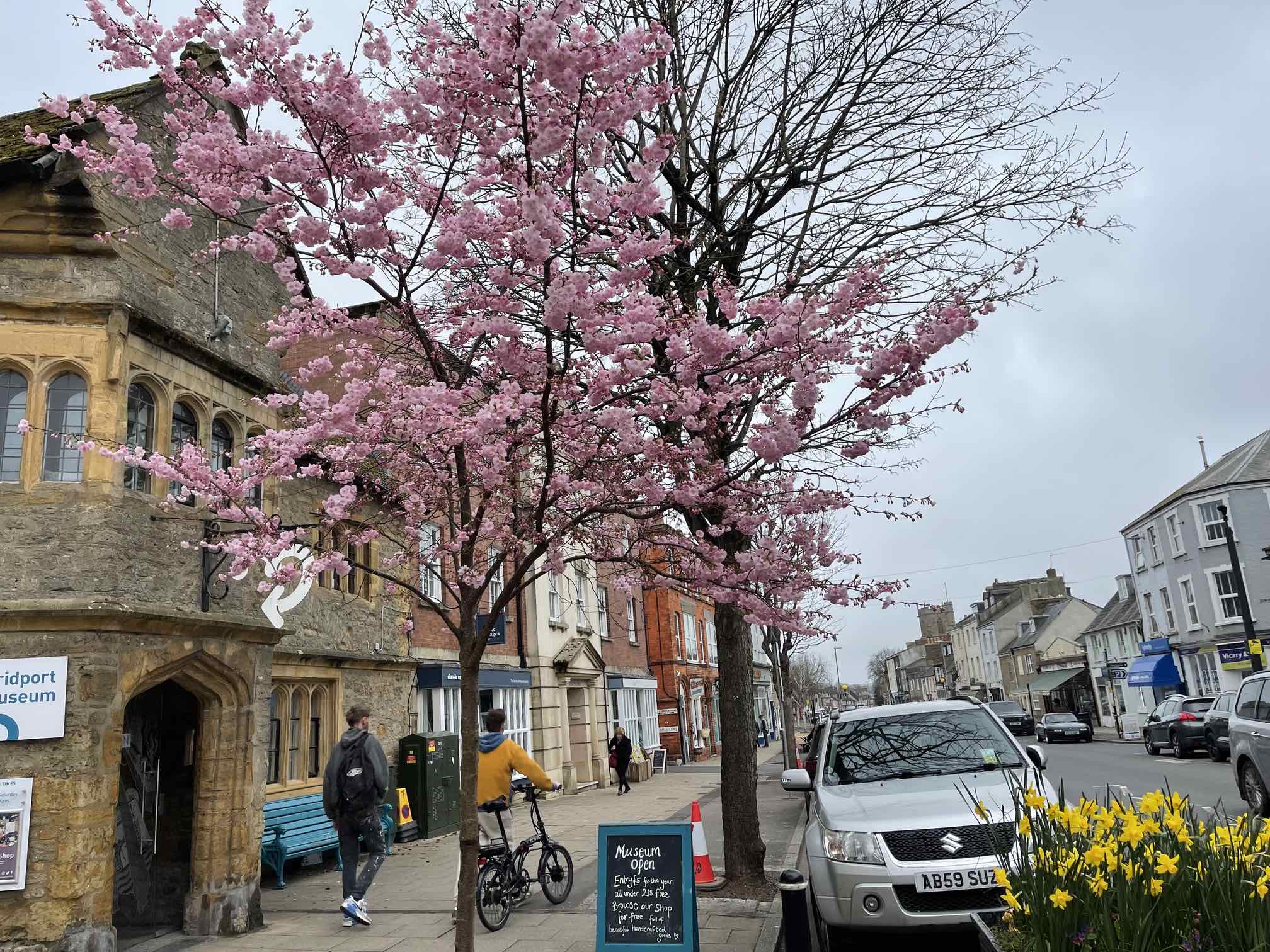
A Blooming Cherry tree celebrates the spring. 

In the afternoon we Dad about another community project Dad is part of – organising a hat festival. It seems that everyone does their bit here to build a sense of community.
I stroll through second hand book shops.

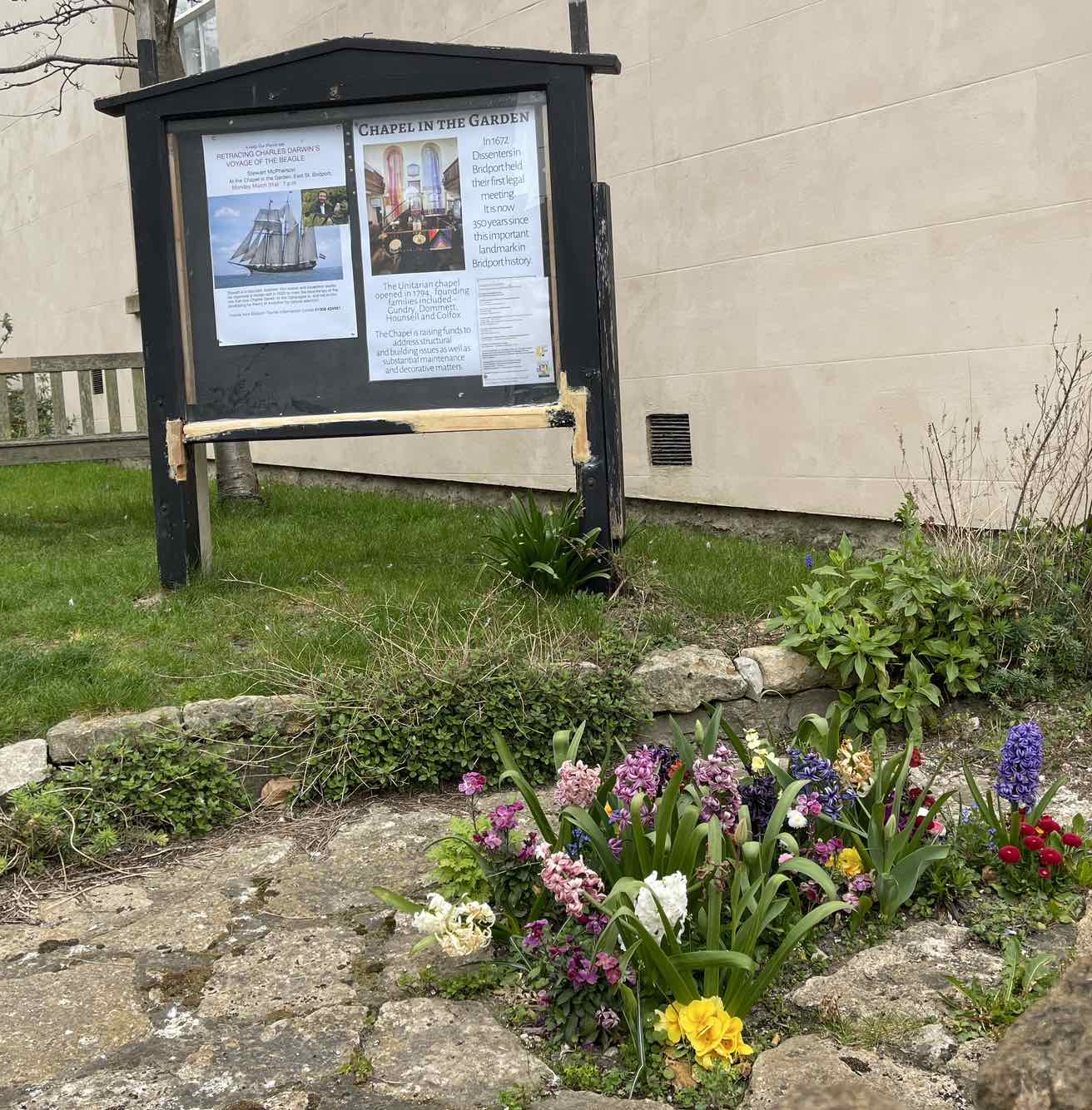
Hyacinths mark the entrance to a Garden Chapel. 

Dinner with more friends from the street. We talk about Cricket and Rugby and Dogs.

Arduino Project – Winding Kite Handles

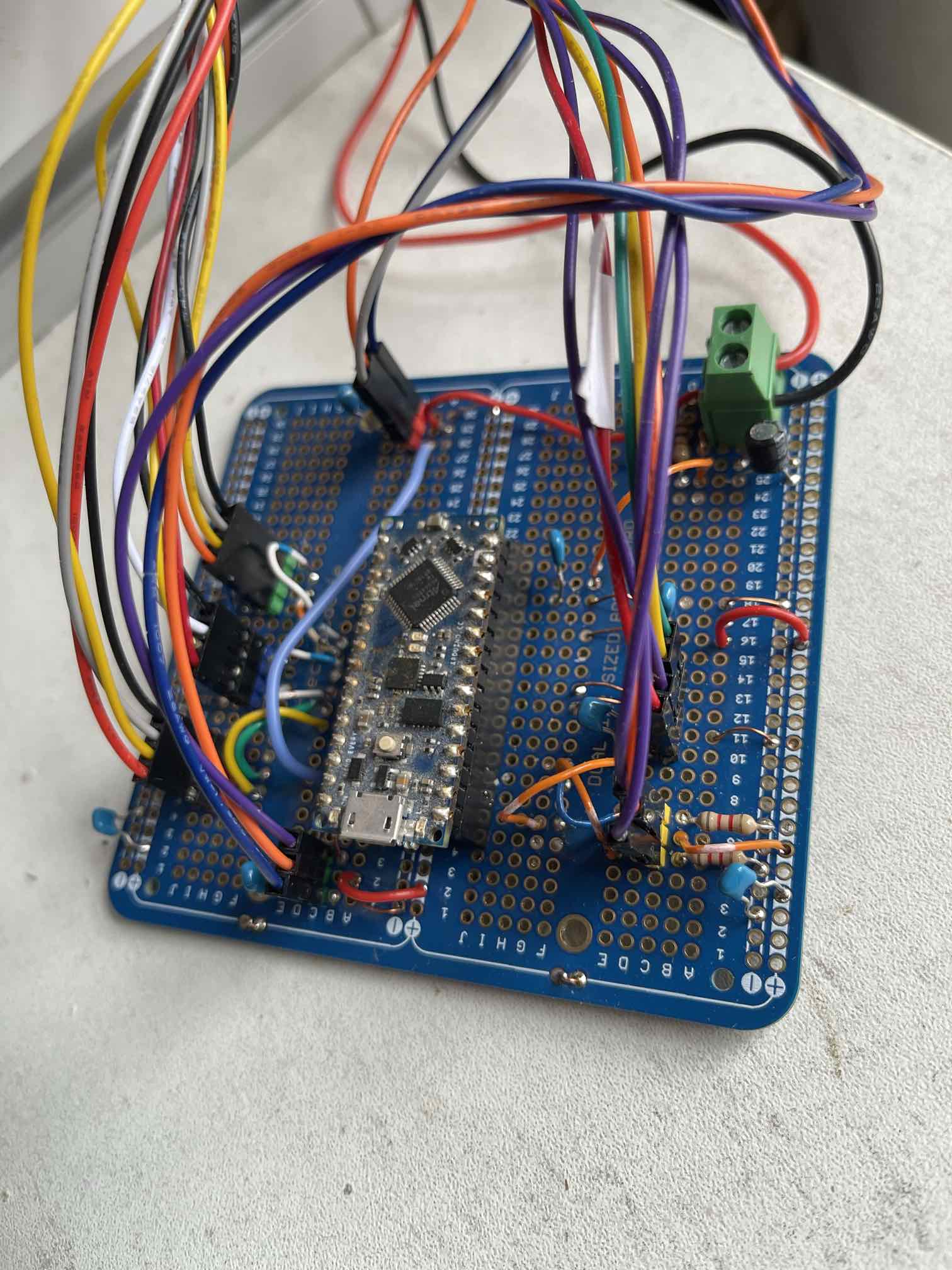
On a visit to my Dad he showed me his custom rig for winding kite handles at scale for craft kits – driven by Arduino. (Arduino Every). The connection to the display counter board is I2C wire protocol.

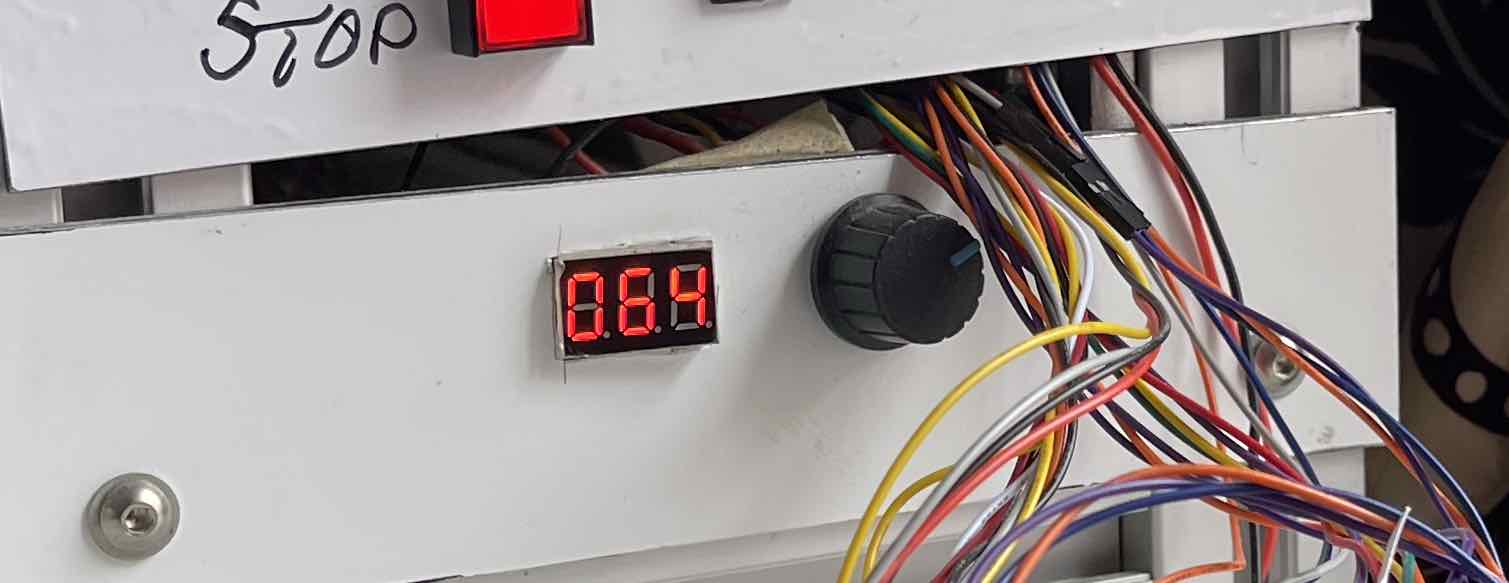
A potentiometer is used to control speed. This is on the power line to the motor – not connected digitally.

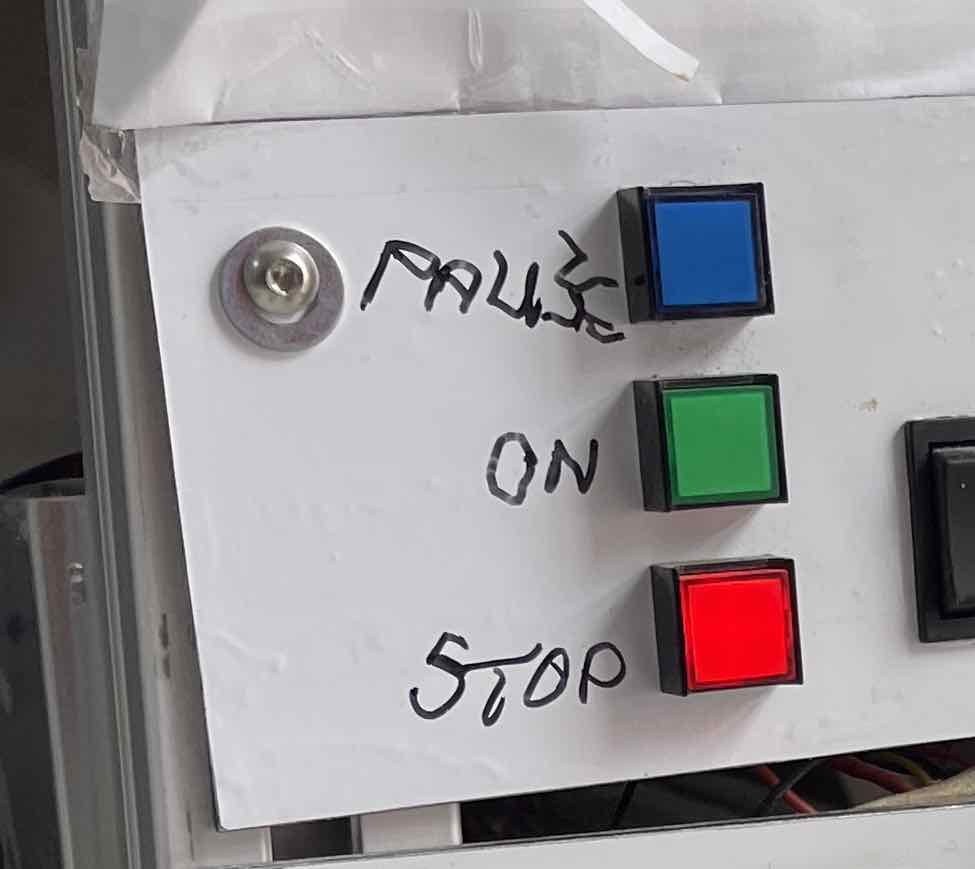
The logic board reads a button to start and stop the device. This is connected on the I/O pins to the arduino.
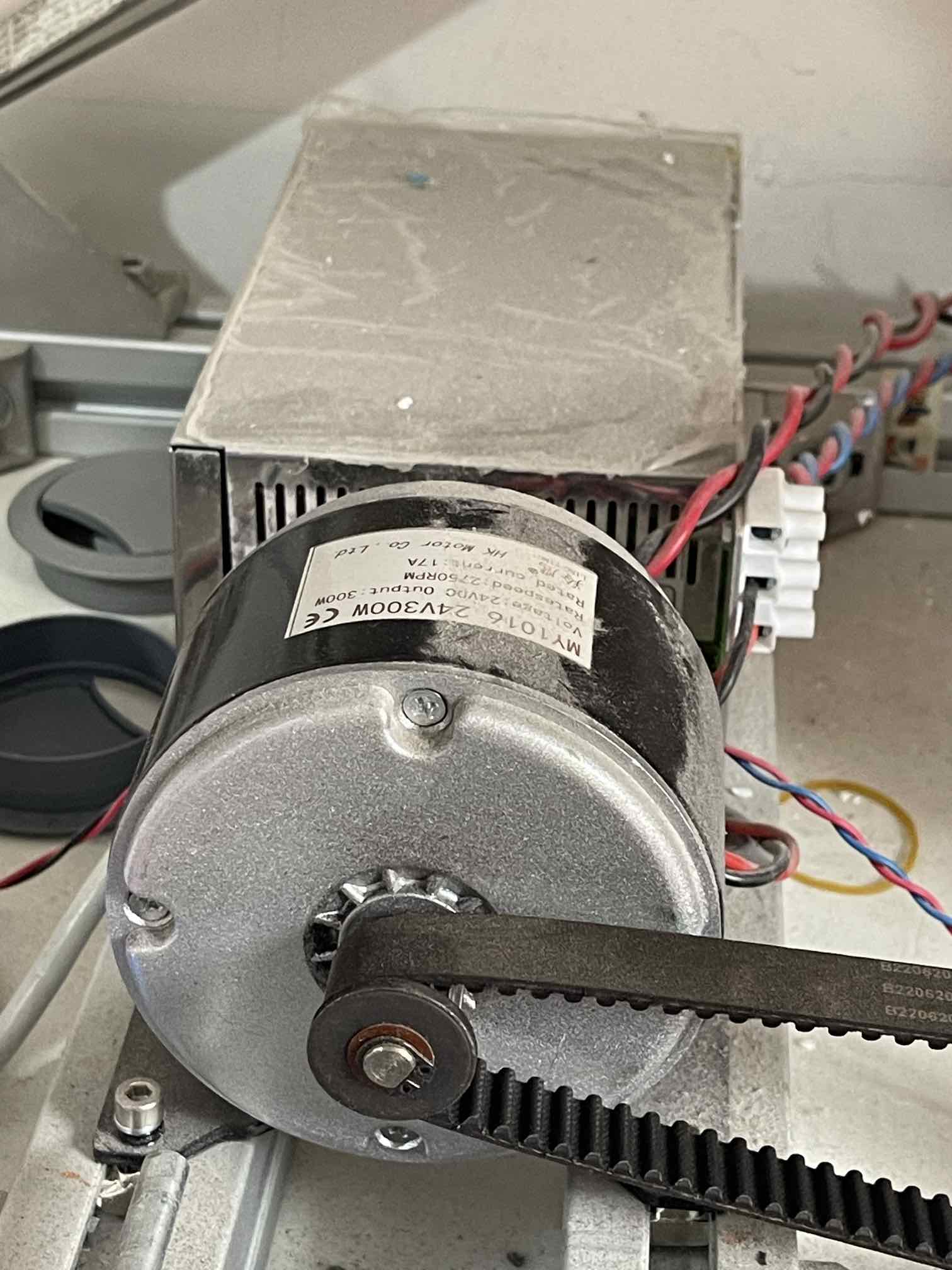
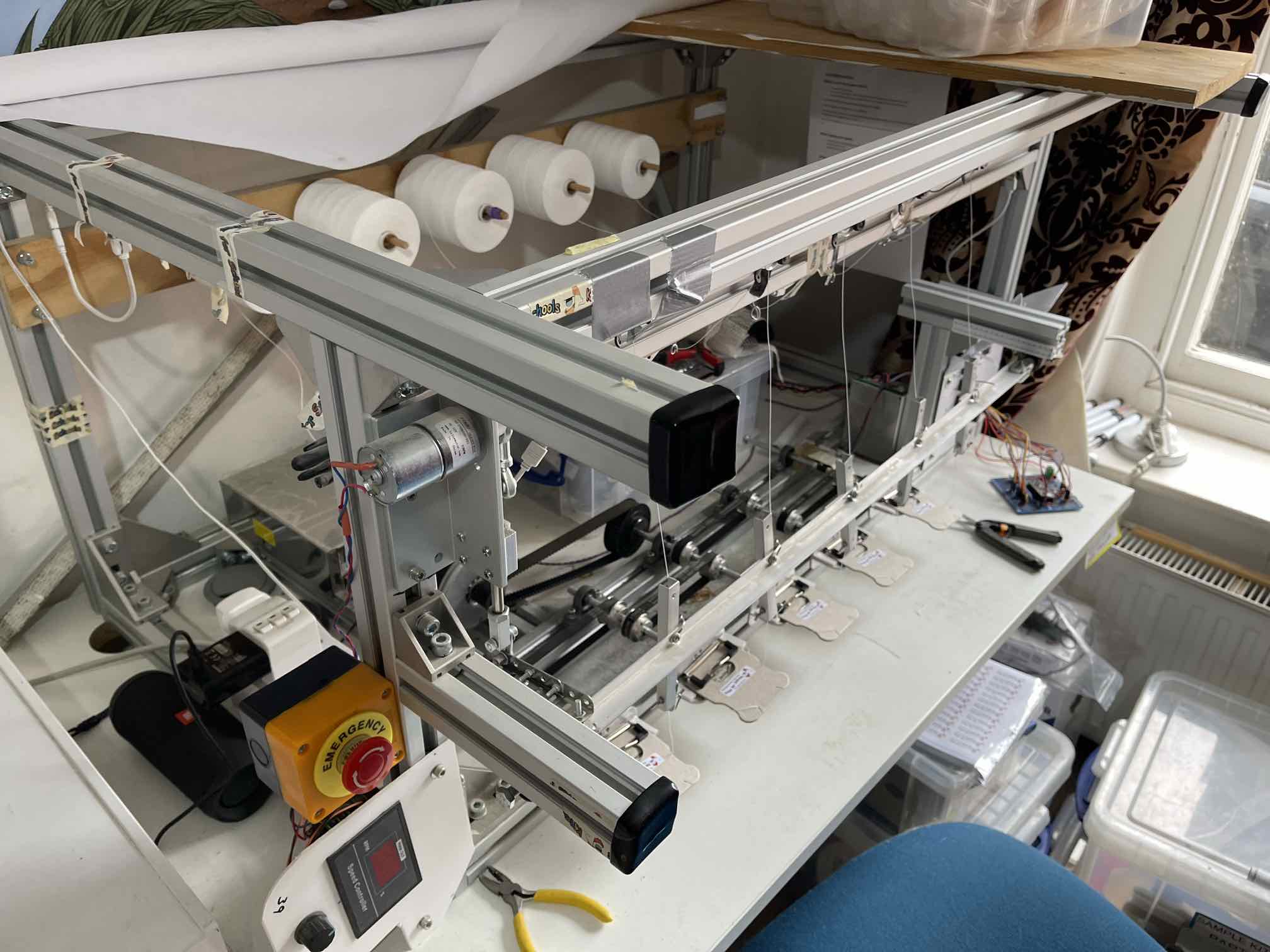
The arduino logic board triggers a scooter motor which drives the toothed belts connected to the axles.

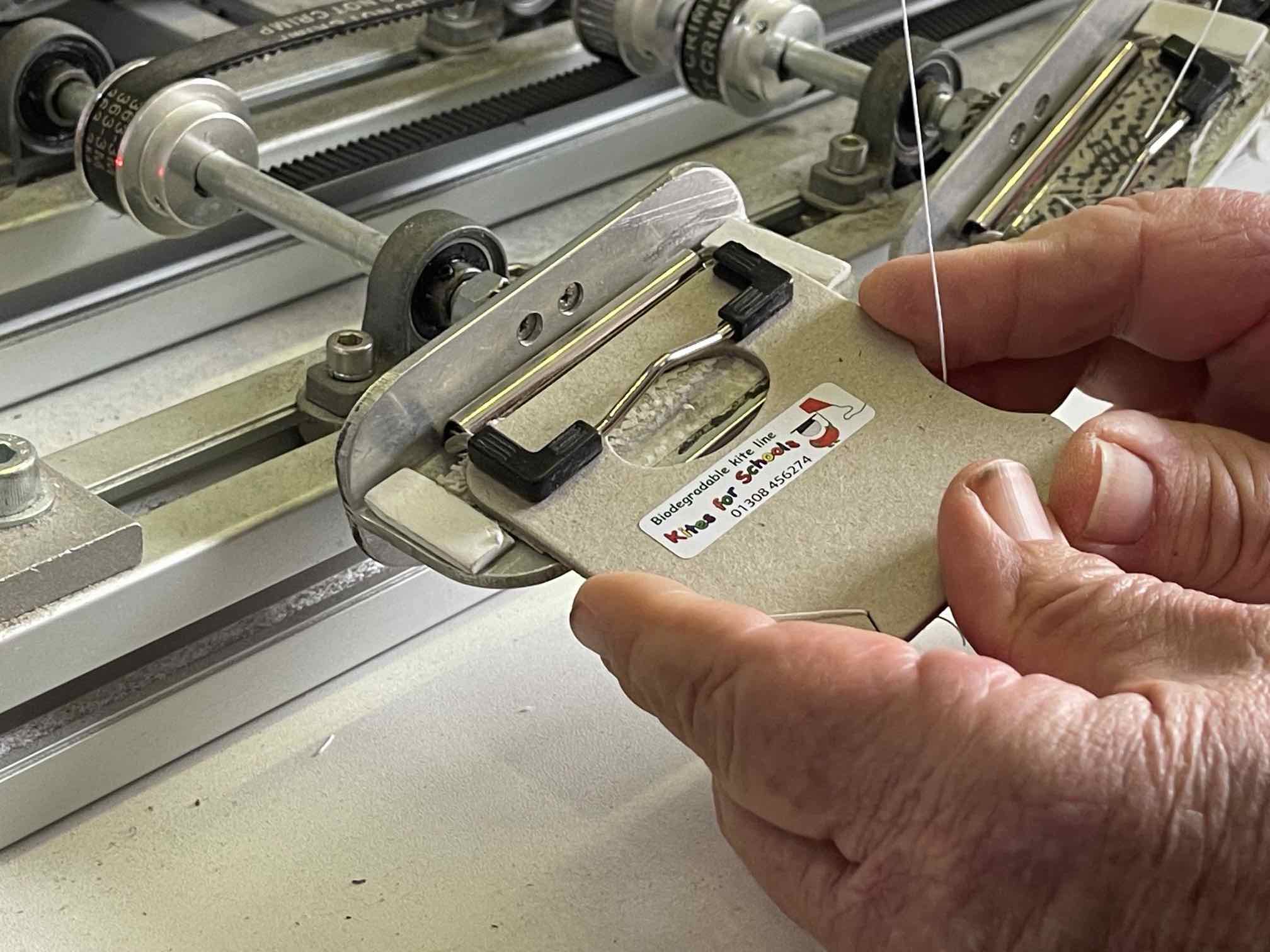
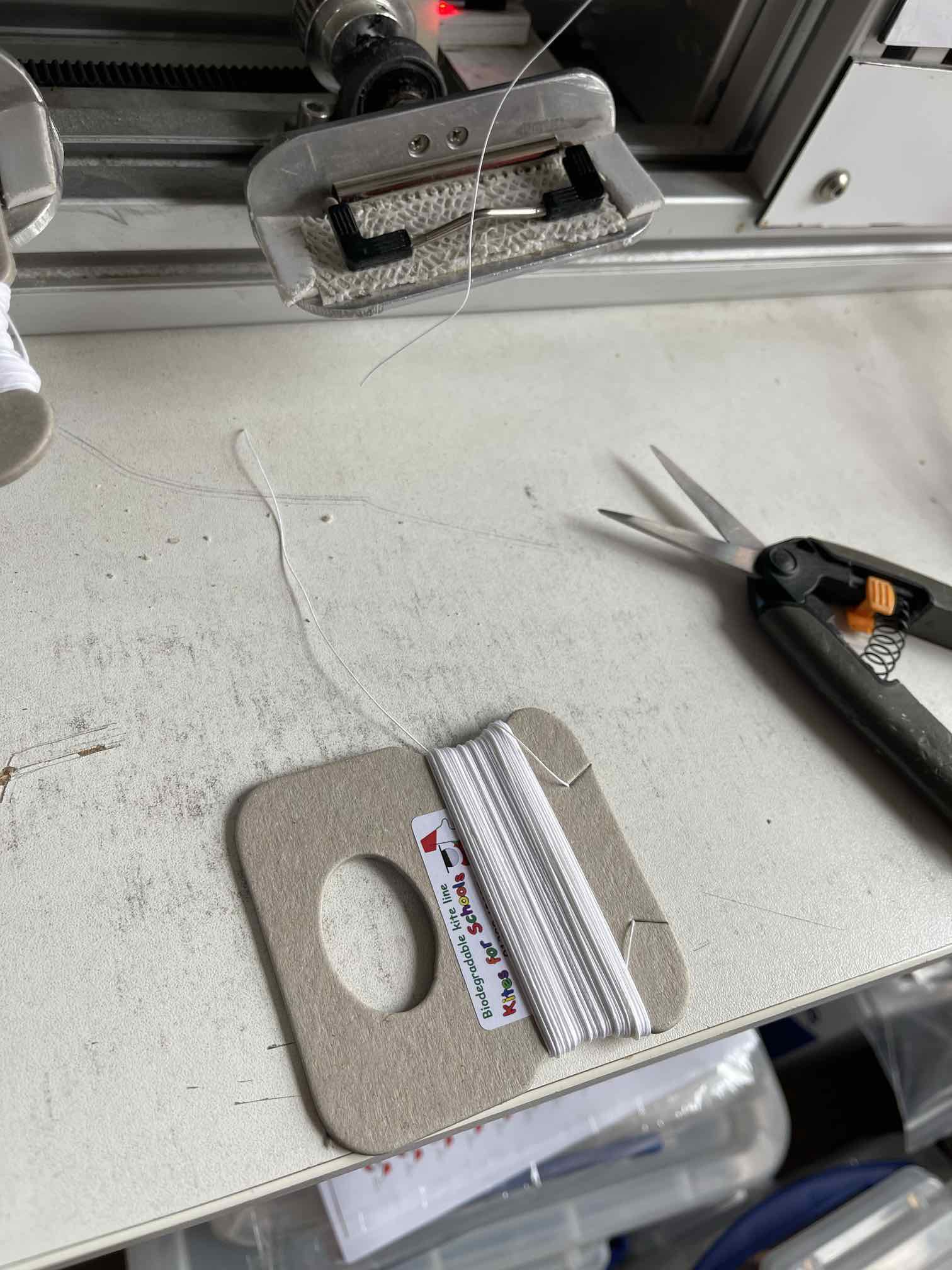
The axles hold cardboard kite handles held in with pad folder clips.

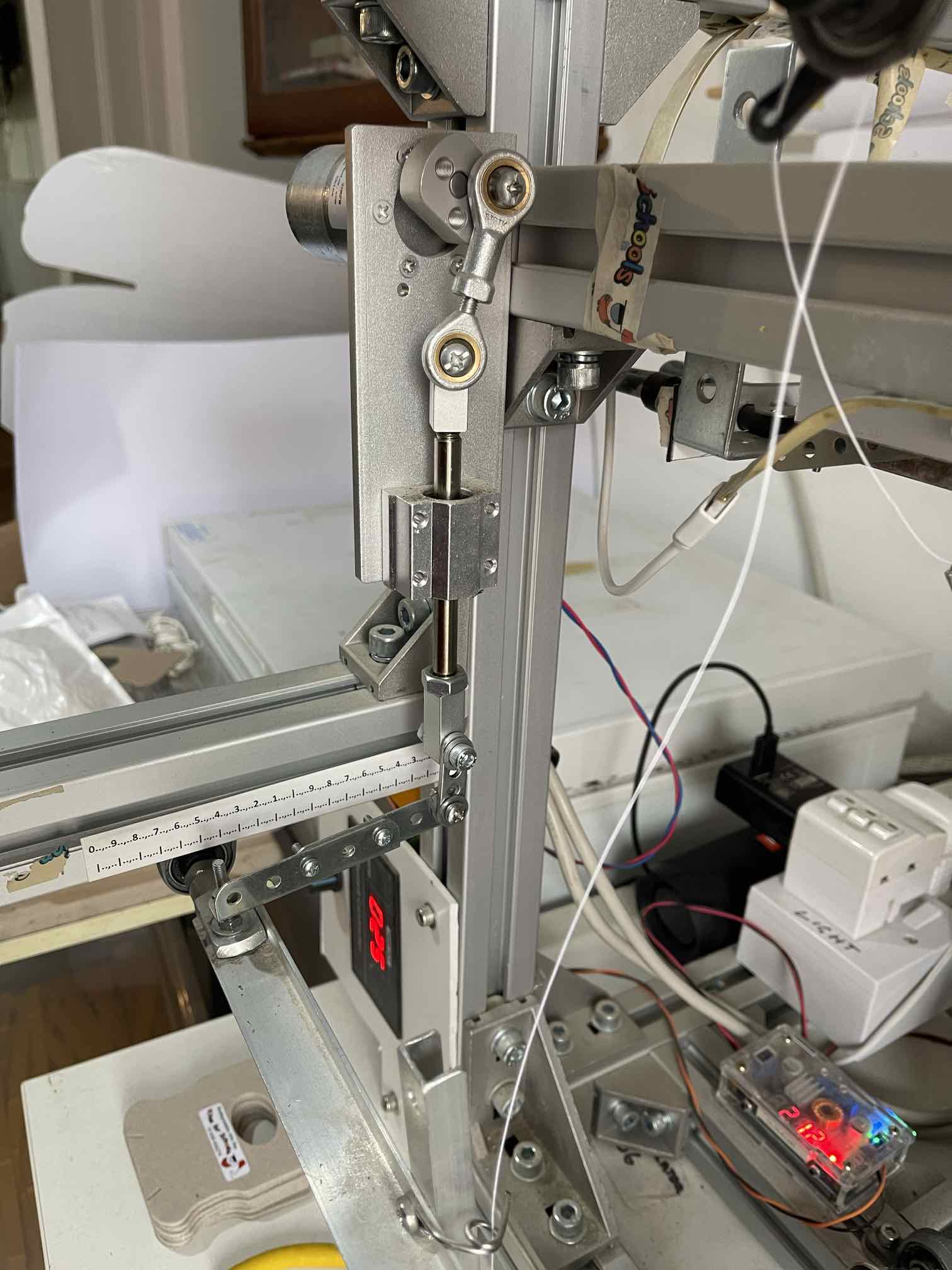
There is a second mechanism to oscillate the string guides to spread the string evenly across the handle. This stops bunching and slipping of the string off the handle.

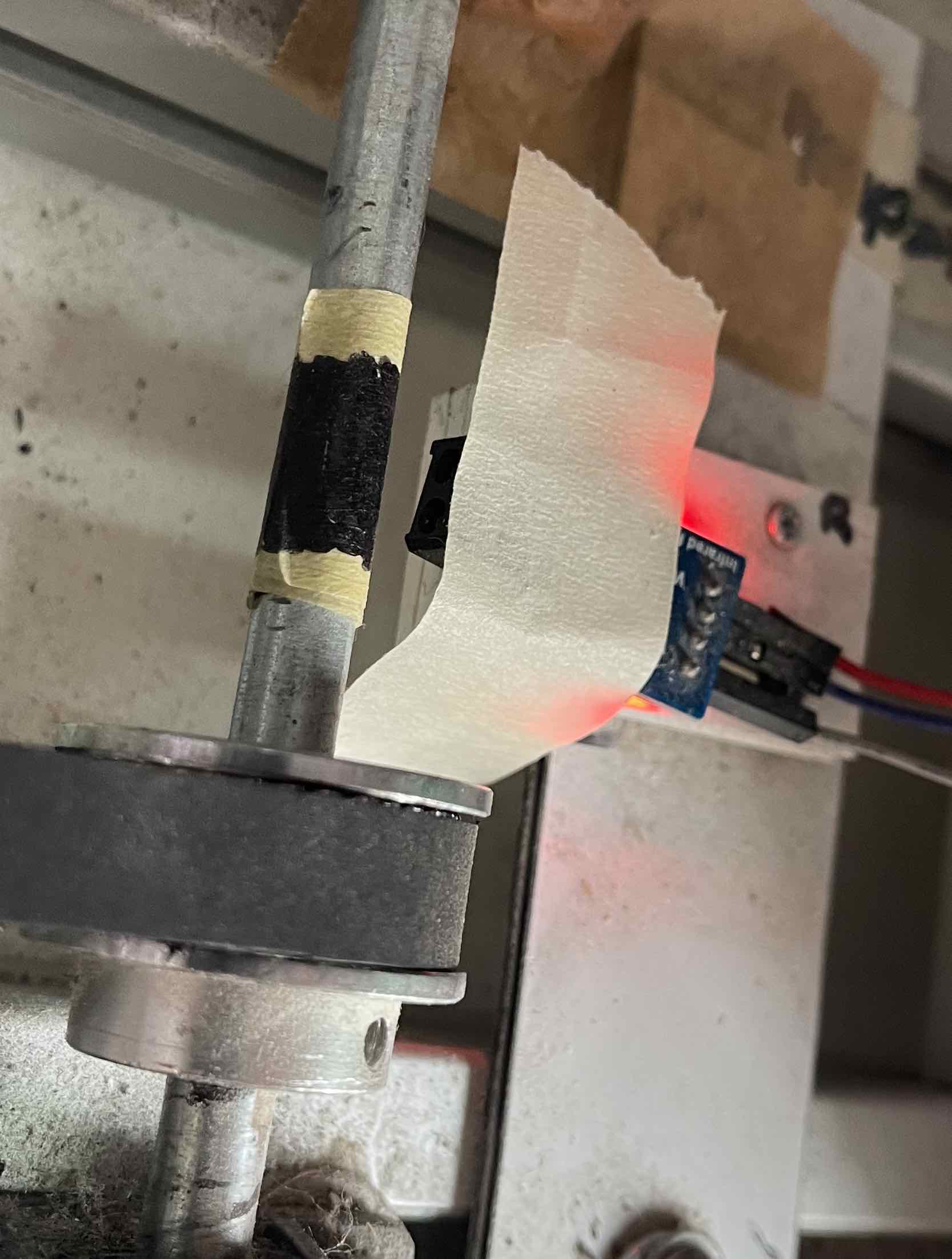
There is an axle tab with an optical detector board with source LED and detector that looks at the reflection off the shaft. The tab is covered with black from a texta.

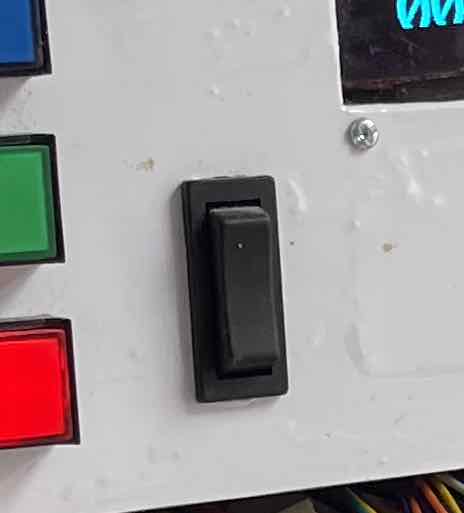
There is an input button for setting the desired number of meters.

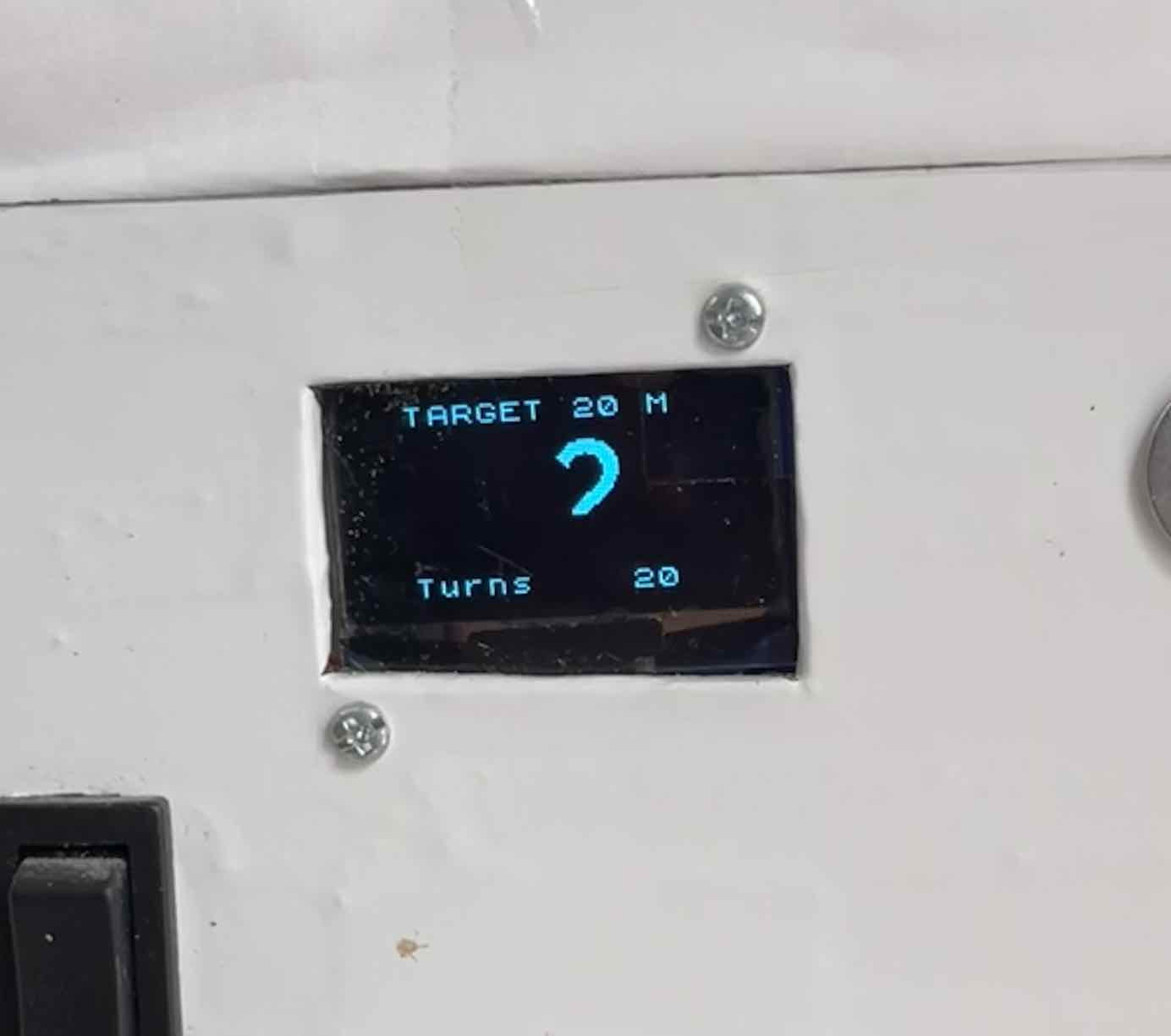
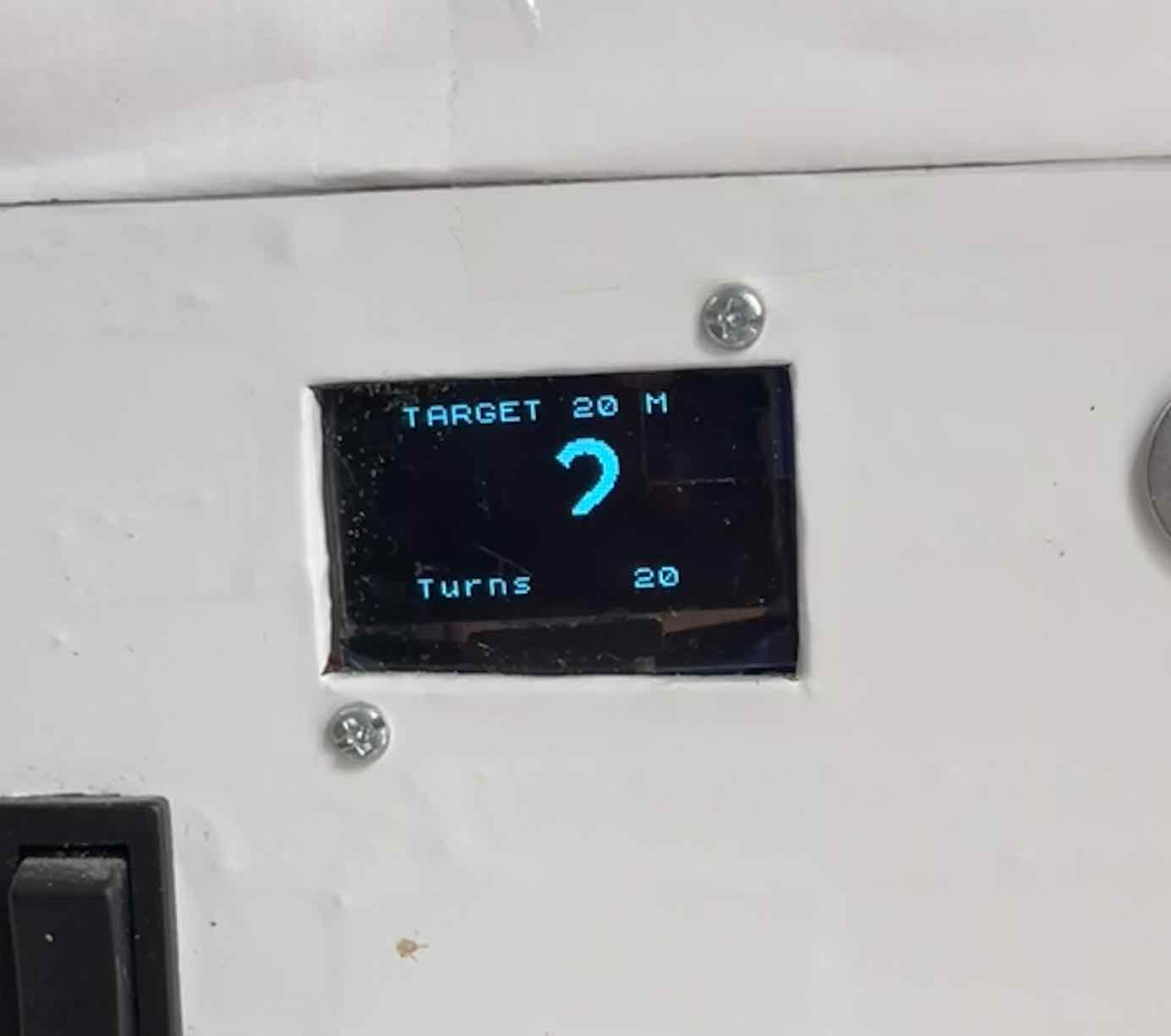
The Ardiuno system outputs the desired number of meters on the display.

After the start button is pressed, the Ardiuno system counts the number of rotations from the optical sensor, does a ratio calculation to meters wound, and stops after the desired number of metres.
The output display shows winding progress. (The strobing/refresh of the display has caught the larger meter count in mid-refresh.)

After completion the handle is removed from the clip and is nearly ready for shipping.

This is the overall System.


This is the system running.

Scale
This has the capacity to do about 120-130 handles per hour.

Engineering Iterations and Reflections:

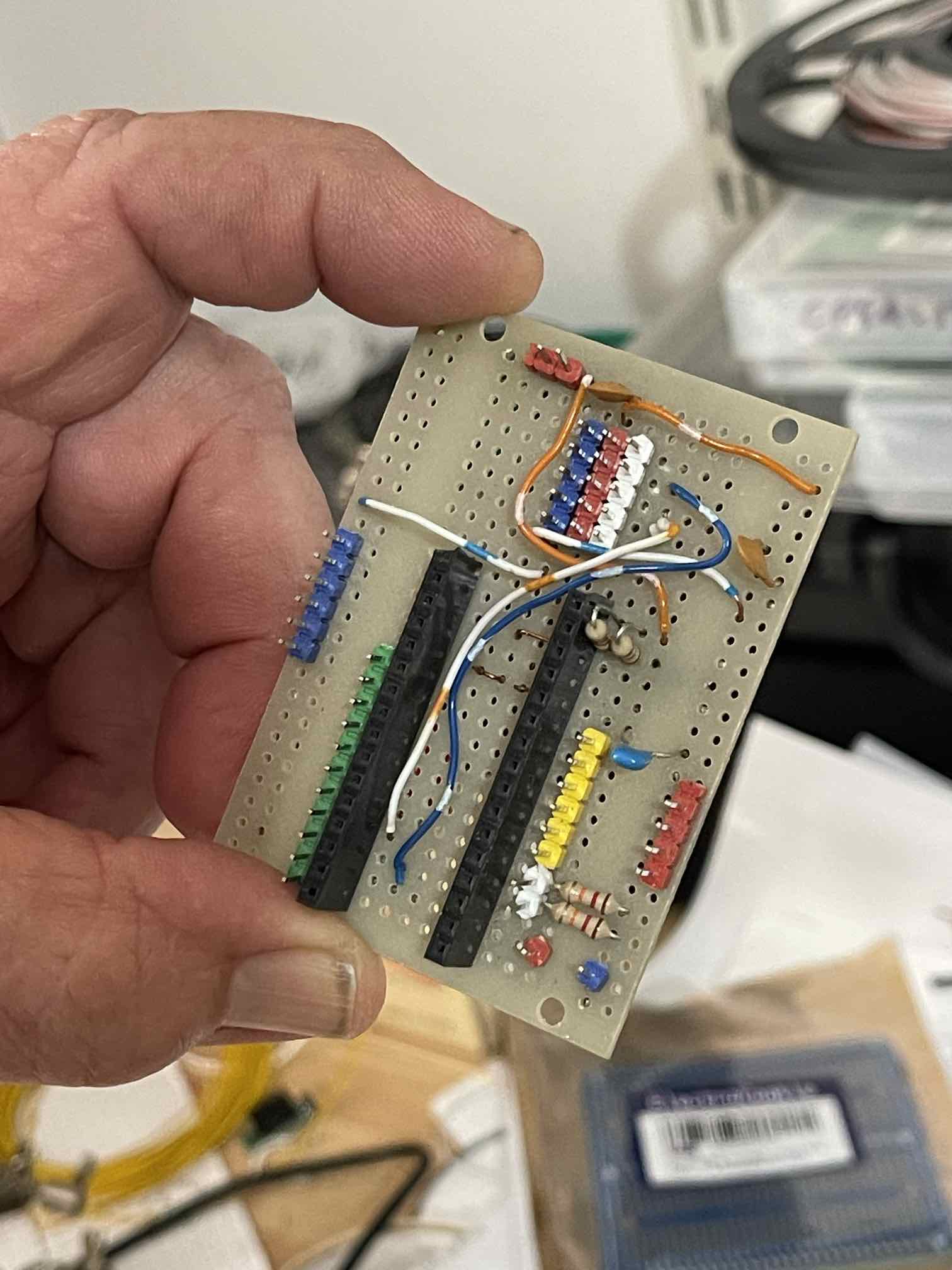
This logic board is the first attempt, different to the second board shown further above. On the first attempt, power glitches on the first attempt. The logic board at the top of the post has added capacitors to solve coupling problems.

One of the issues encountered on early software development iterations was that the system would miss the exact matching target length and keep going even if the target length had been exceeded.

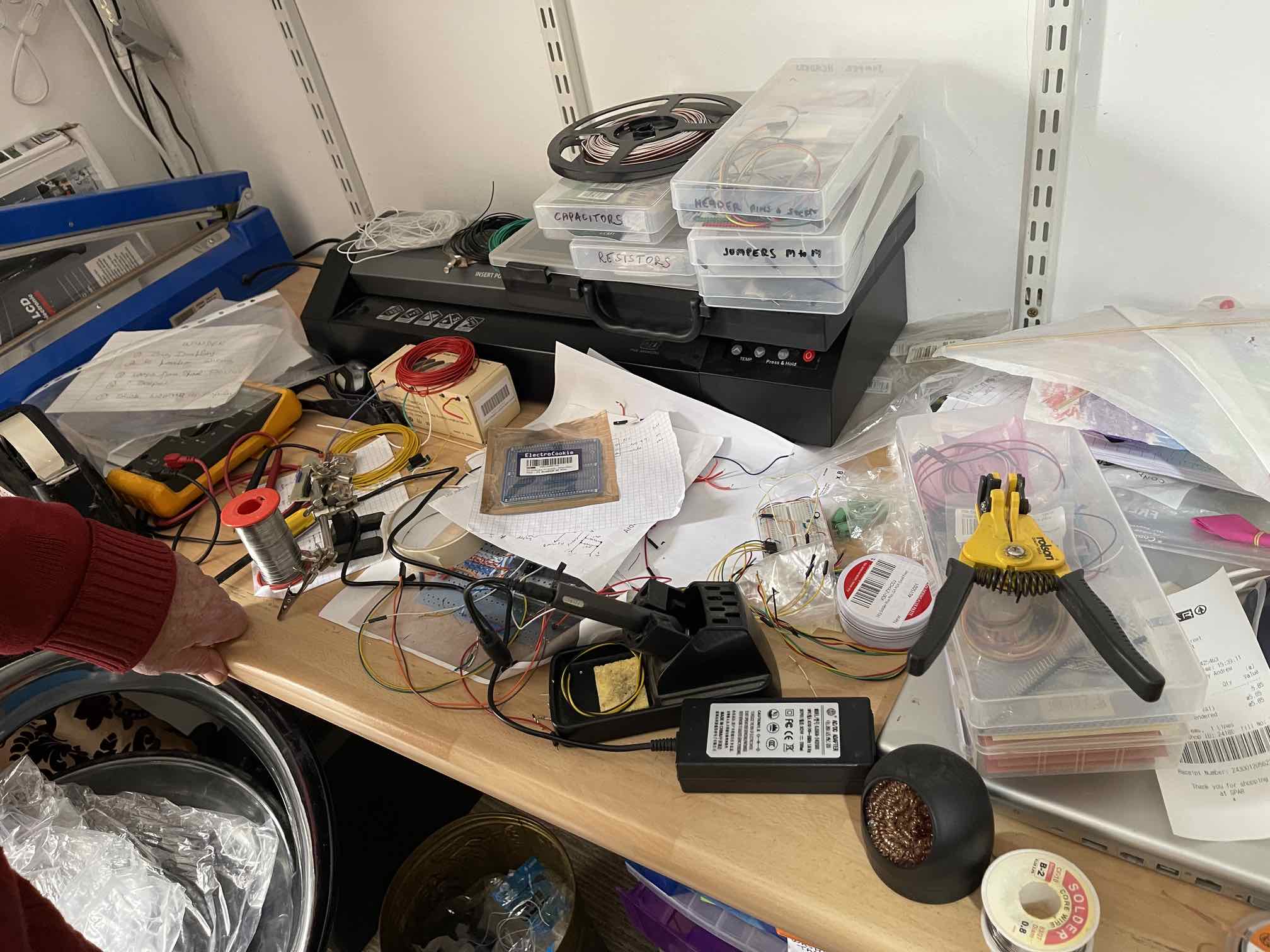
This is Dad’s workshop. It is reminiscent of the place where he taught me to solder, and to reason about electrical systems.

Wed 26 March – London Monopoly Board, Bridport

It is surreal being in a city where cars have been minimised. The streets are empty of traffic but for buses, and pedestrians don’t own the roads, but walk with leisure. Where there is traffic, there is a kind of even bargaining-power between pedestrians and cars for road access.

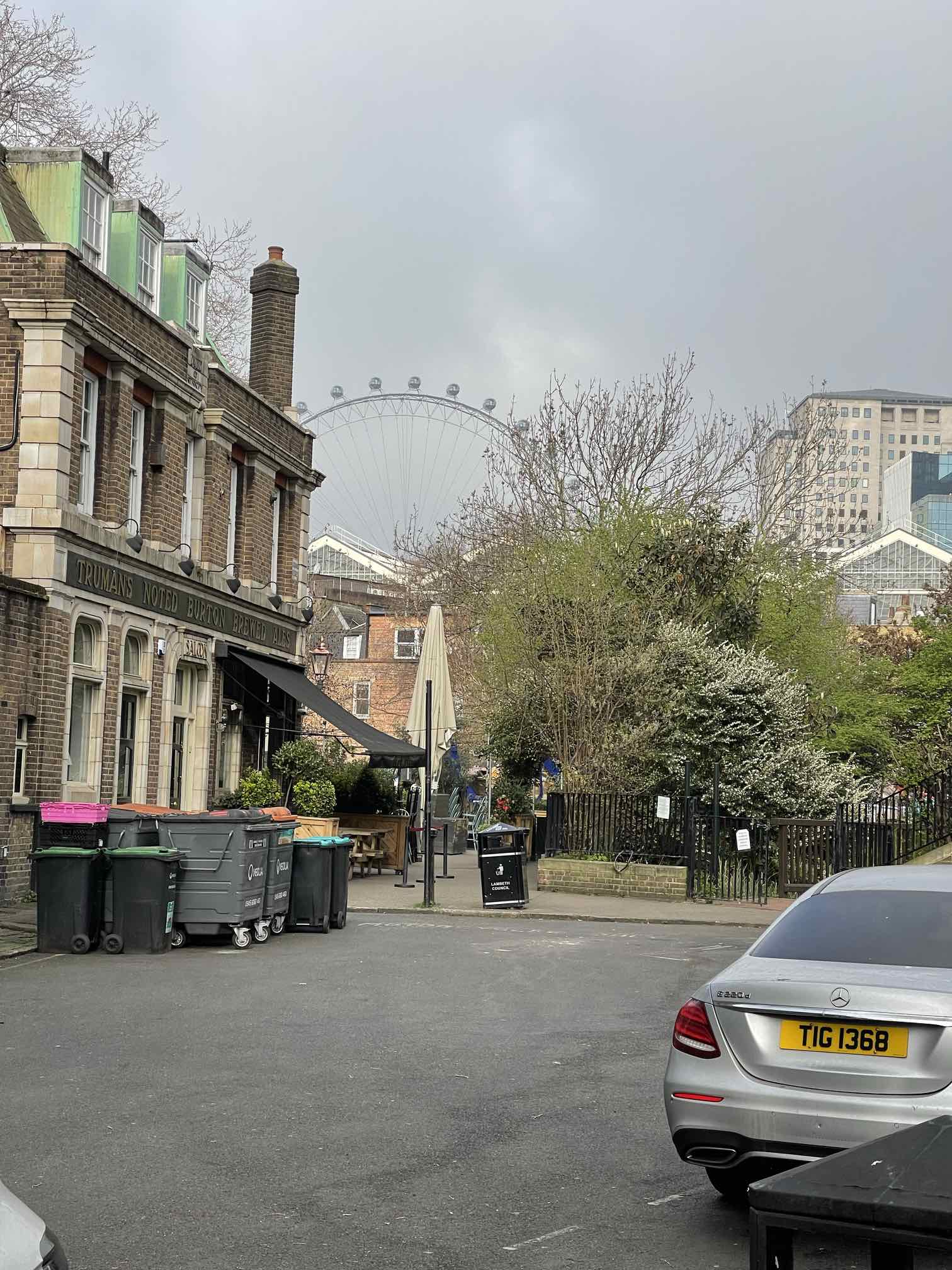
Walking out my door and see the top of the London Eye I am reminded I’m in a place that is not quite home. The chill dry 10° air adds to the sense of wonder.

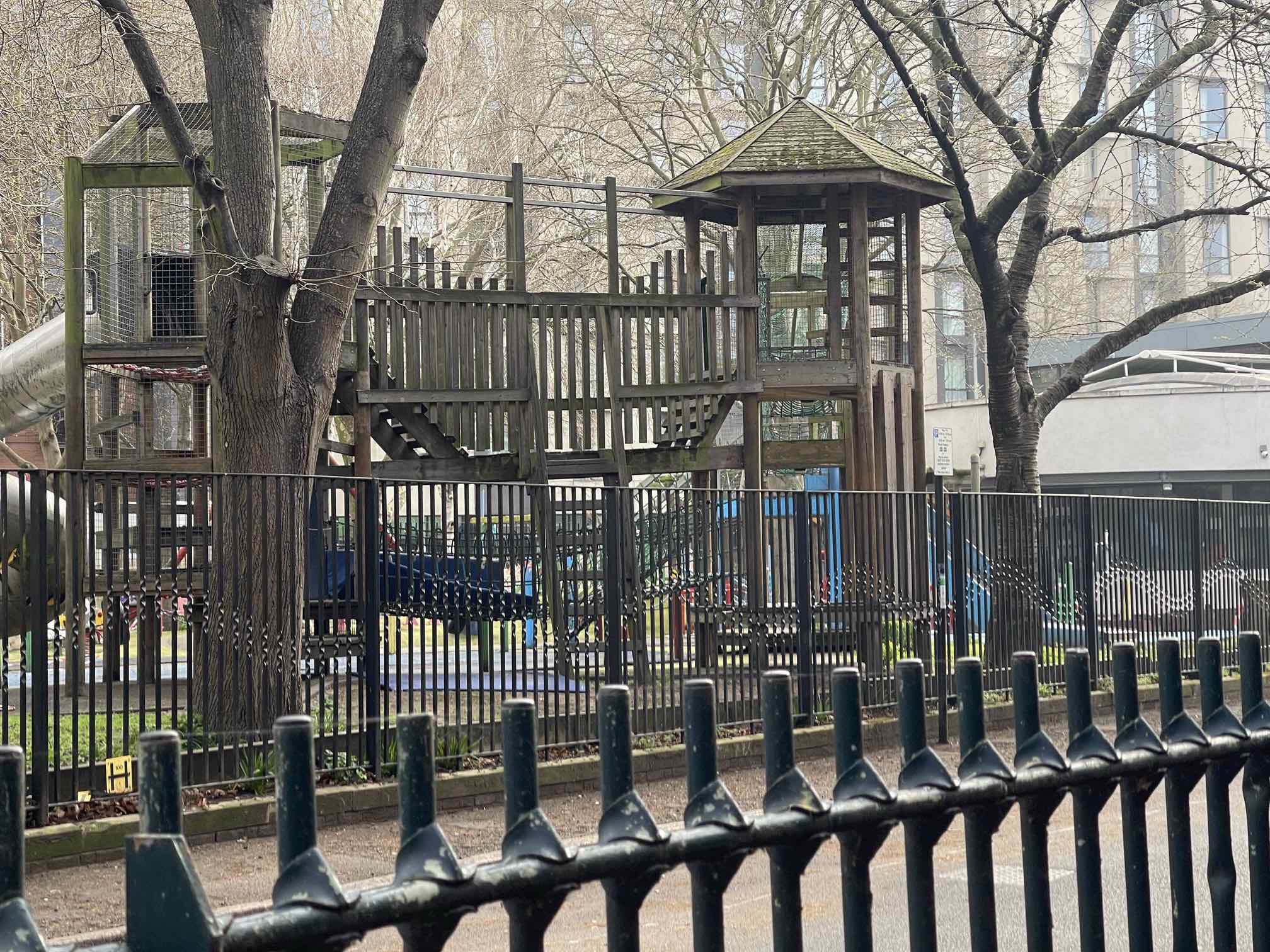
Across from my accommodation is a children’s play equipment that feels a level up from anything the Canada Bay Council ever provided. 

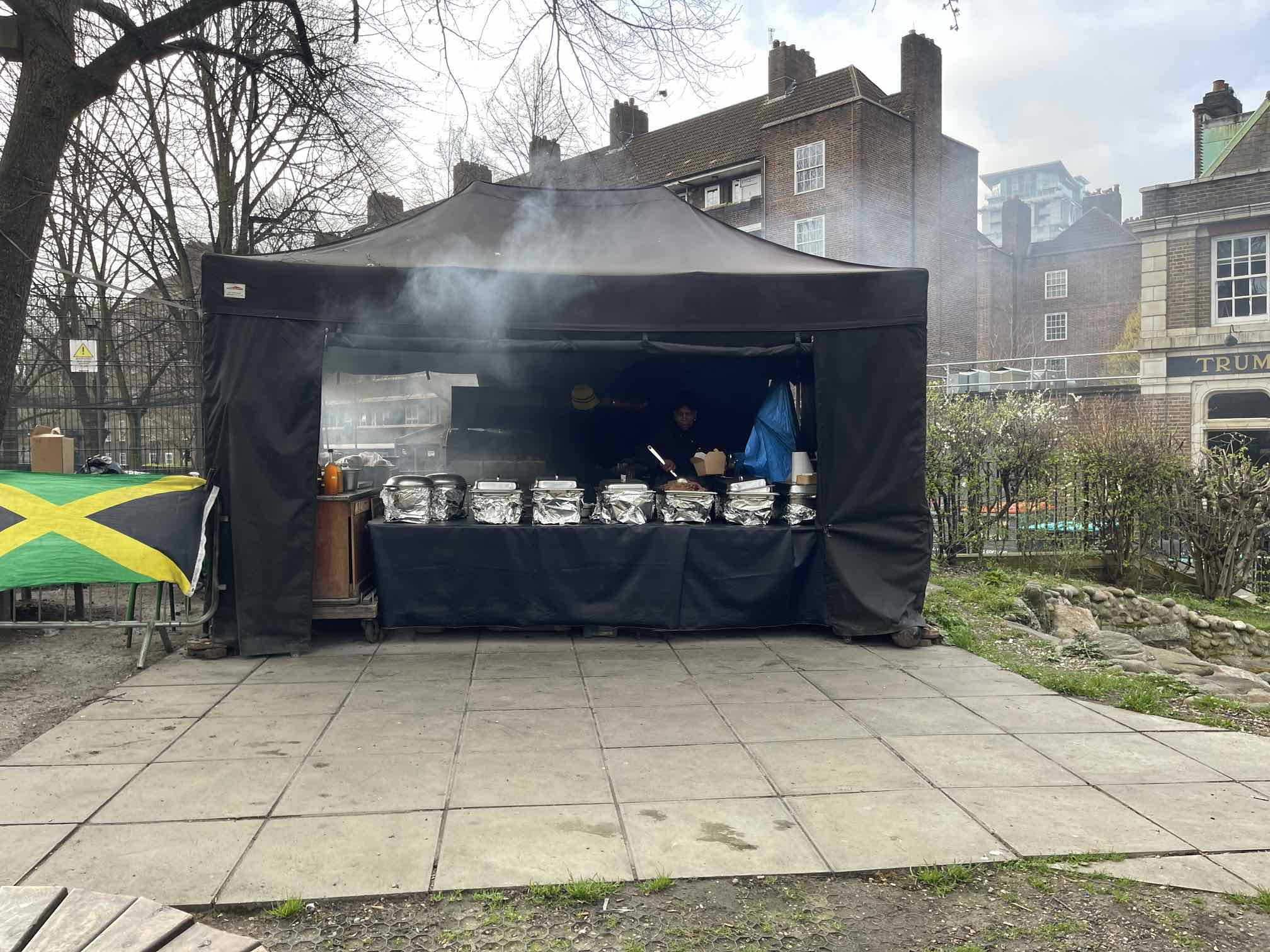
Across from my accommodation is a park which I walk into without a care in the world. There is a tent with smoke coming out of it that appears to sell food. I asked them what’s on offer and they say jerk chicken. I recall last time in London when I had to get them to explain what jerk chicken was.

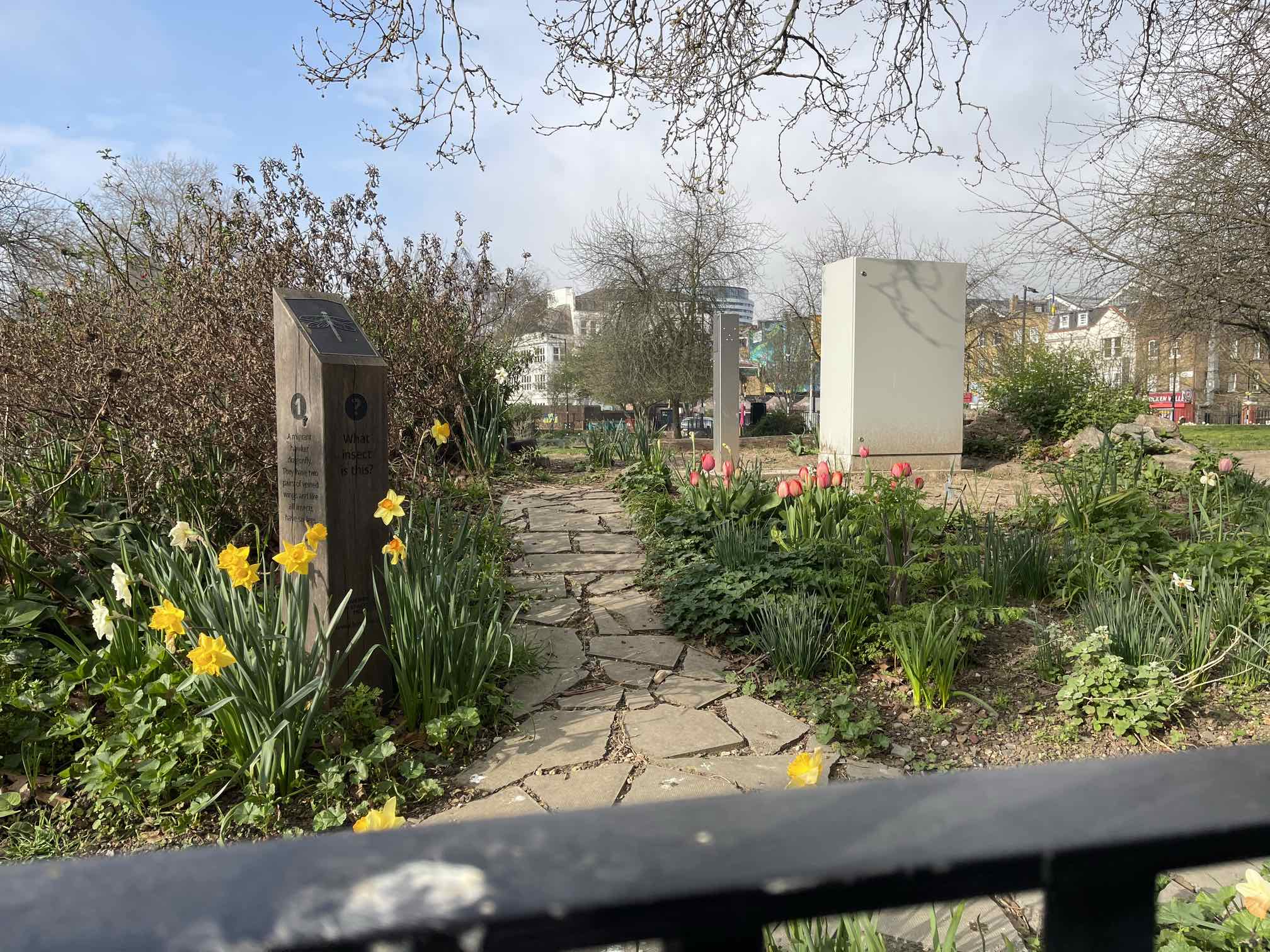
As I wait for my order, I look around the daffodils in the park and listen to the radio on in the background. On the radio the journalist is interviewing a local politician about vacant land tax policy. The journalist appears to grill the politician for inconsistencies in a way that I’m not used to in Australia.

Picking up my order there is a wonderful smell of barbecue sauce. I realise there’s enough here for both breakfast and lunch. I ponder sitting with the tulips and the daffodils but decide to keep going.

Walking through the tunnels to get to the underground at Waterloo station at 8.30 brings in a strong sense of the familiar and different. There is a very strong sense of being at Wynyard commuter hour.

Leicester Square station feels likeSt James station, but expanded out times 10. 

Coming out of Leicester Square station I hit the theatre District and I wonder of white brick 5-story buildings.

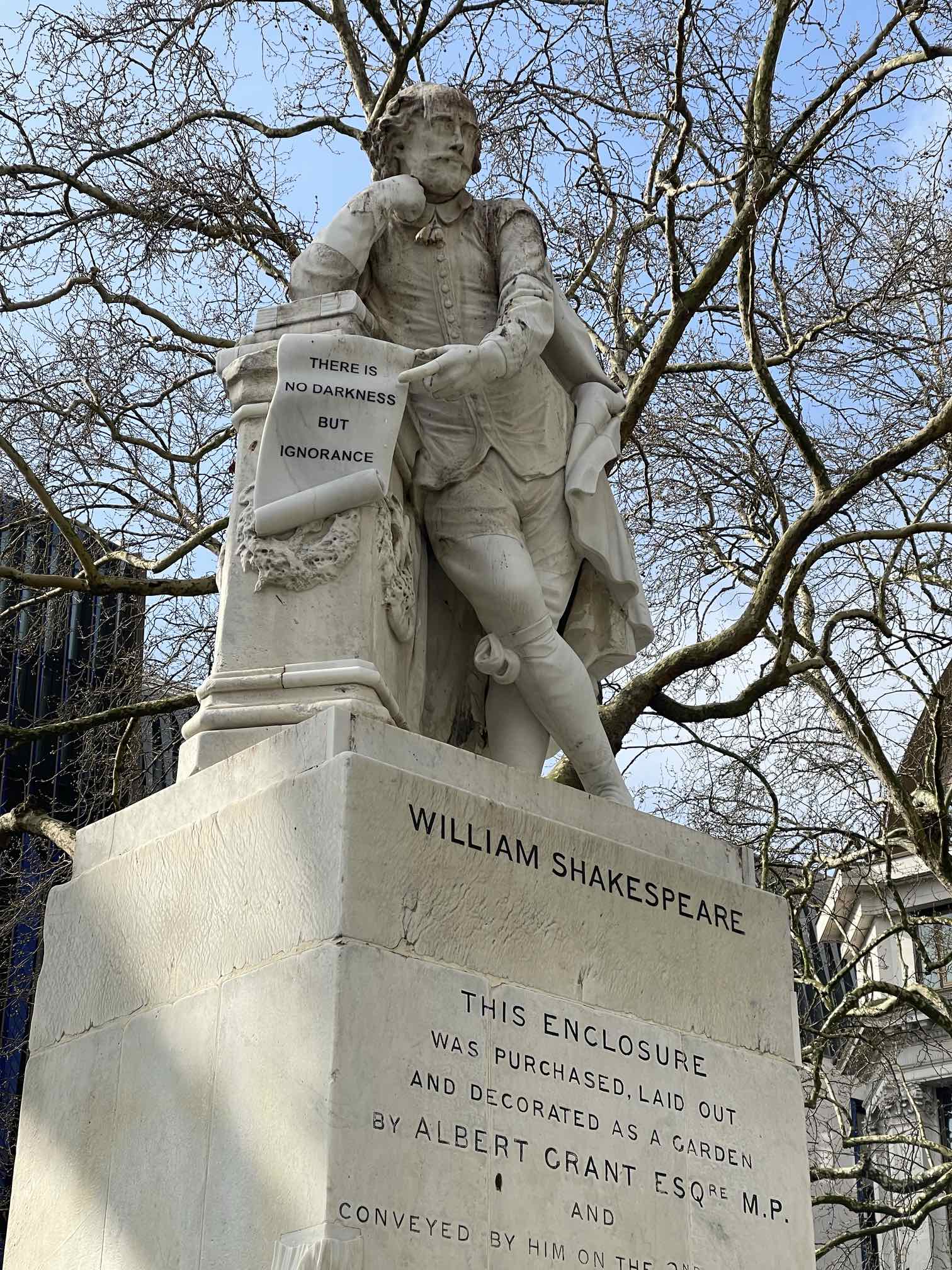
I pause for a moment and have breakfast chicken with William Shakespeare. His messages “there is no darkness but ignorance“. Whilst I appreciate the self-congratulatory nature of the message,  I note that the statue was put up in 1874, the full height of British Empire. As I said, William argues with me, and says that he is ambivalent to the nature of empire and wants to celebrate the the playful flexibility of language and its tooling for many contexts. Then Shakespeare tells me that the meaning is the opposite. As Feste (the fool) in Twelfth Night mocks the pompousness of Malvolio (and perhaps the Empire Minded) for their shaded knowledge.

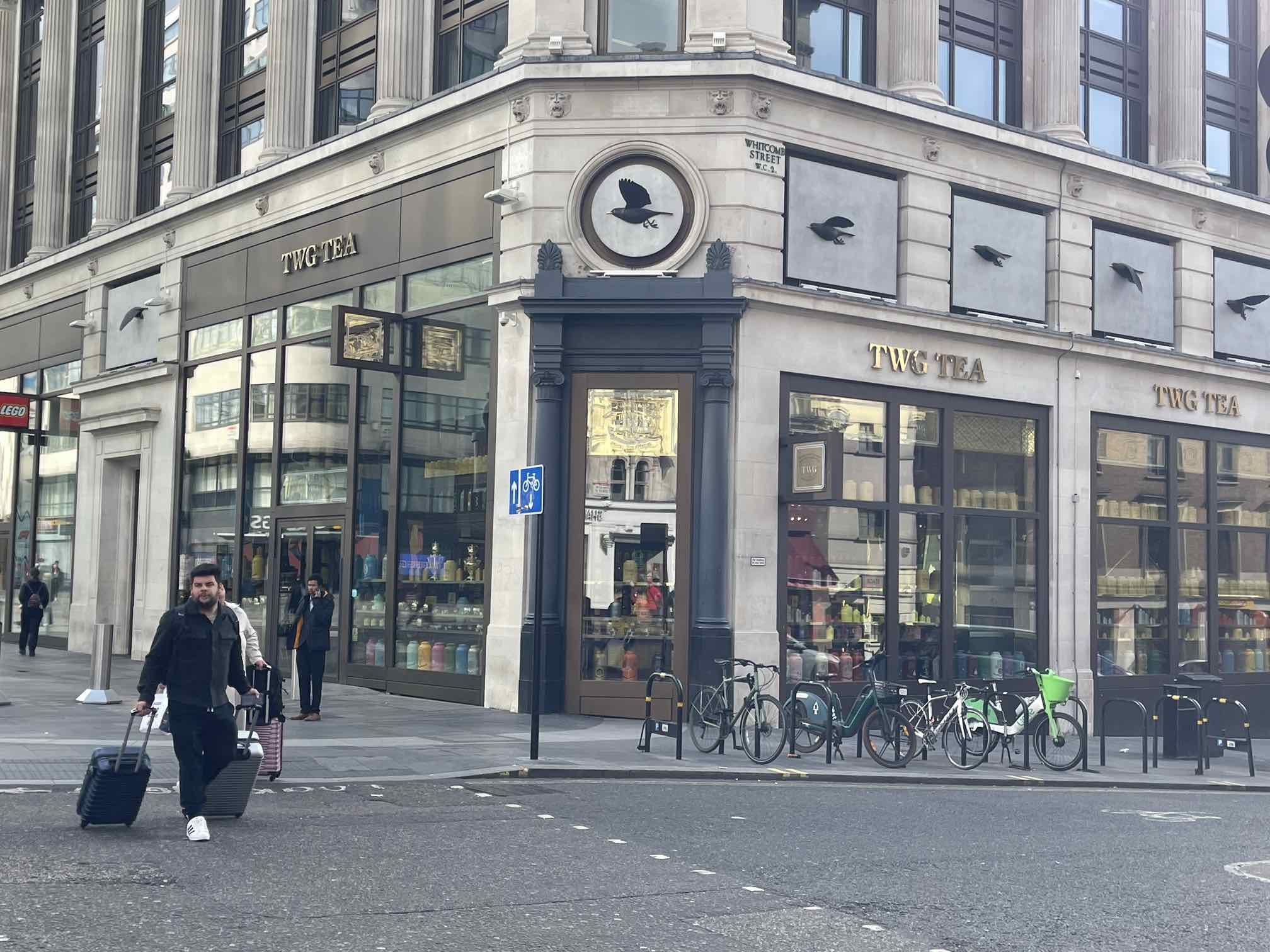
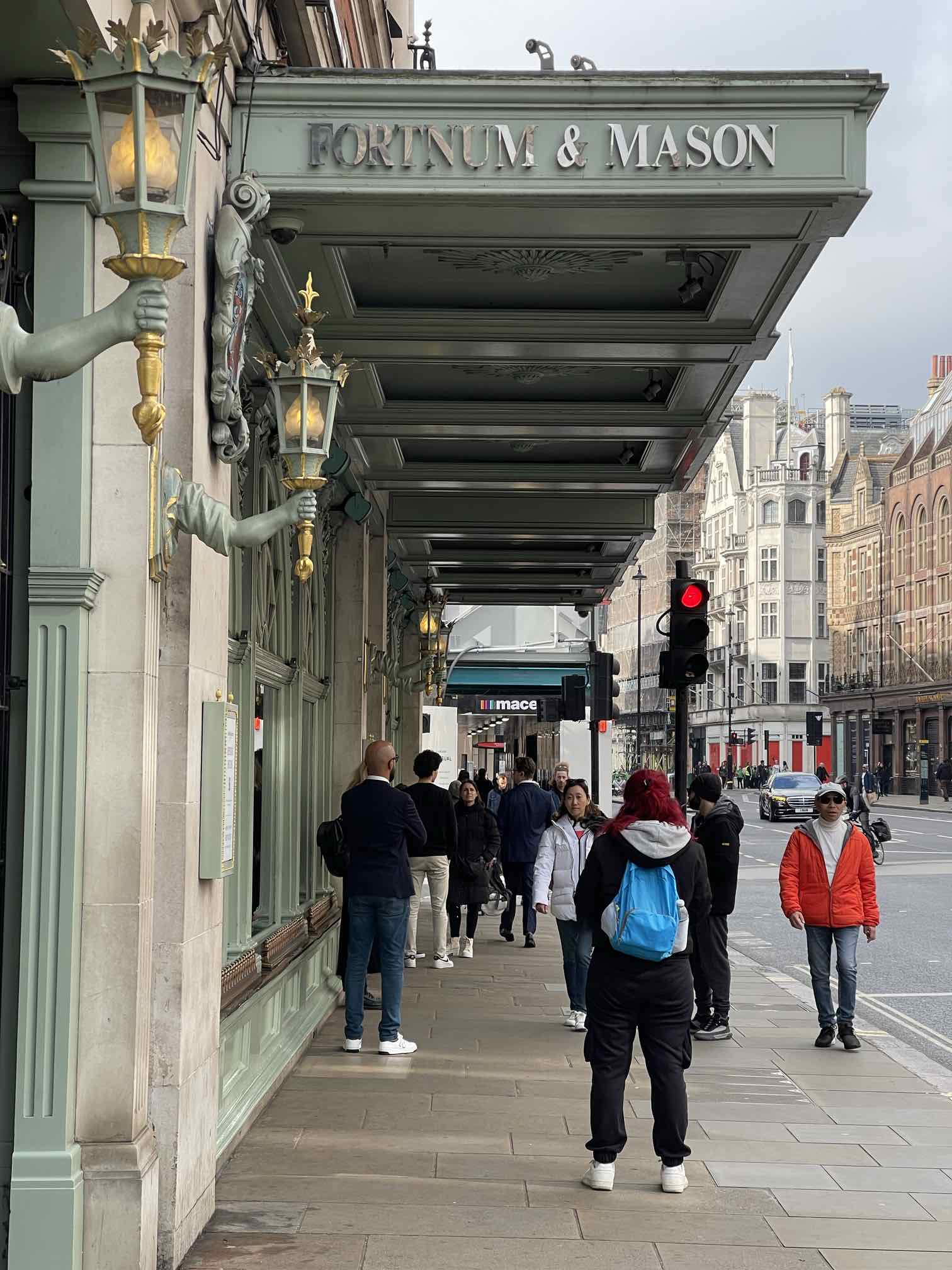
I walked past a vast TWG tea shop. A symbolic reminder of when ships sailed the world carrying tea as a primary source of international trade. 

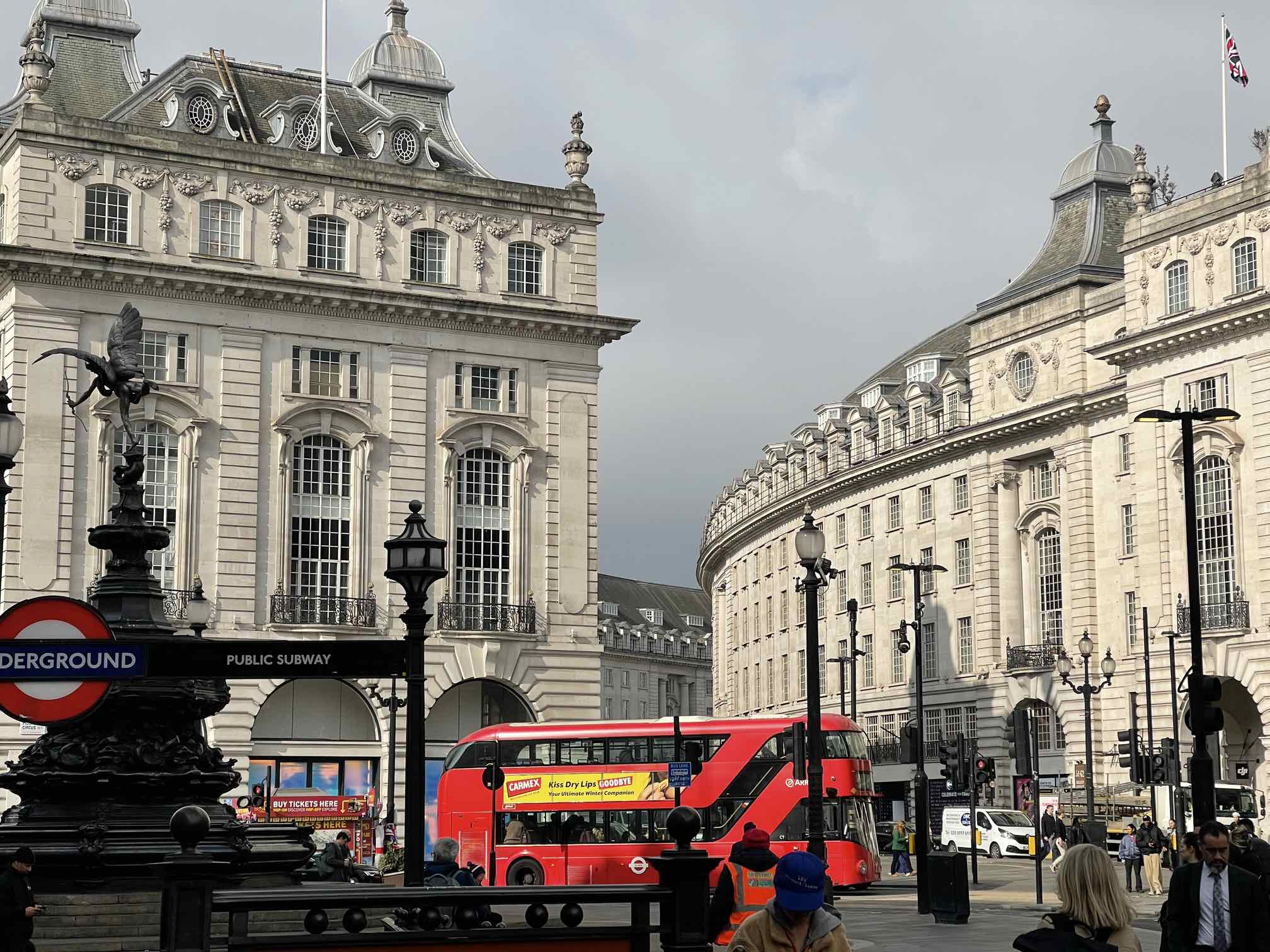
When I walk through Piccadilly Circus, I am entranced by the white buildings.  Here I have a video call with family evening with background picturesque. 

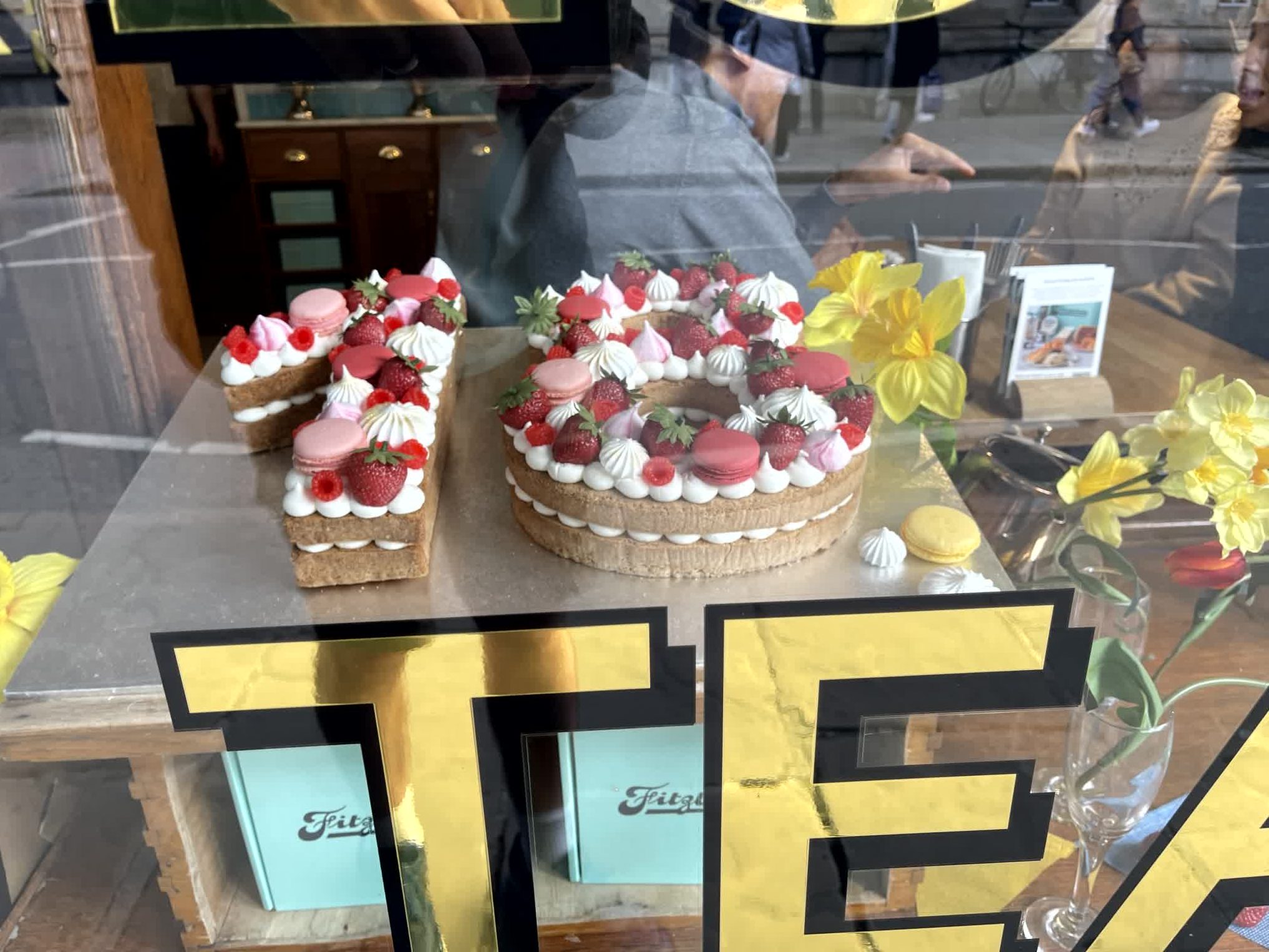
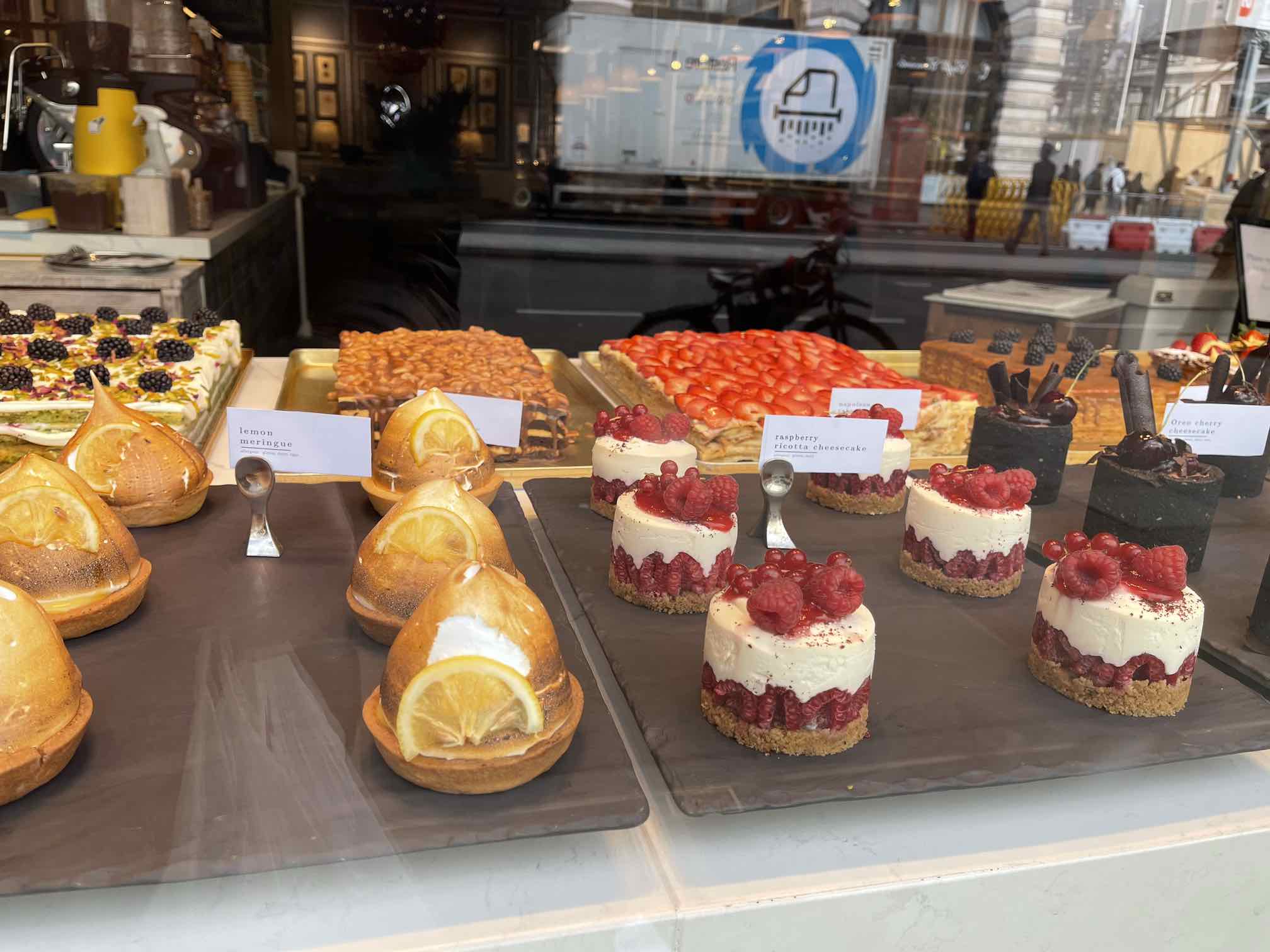
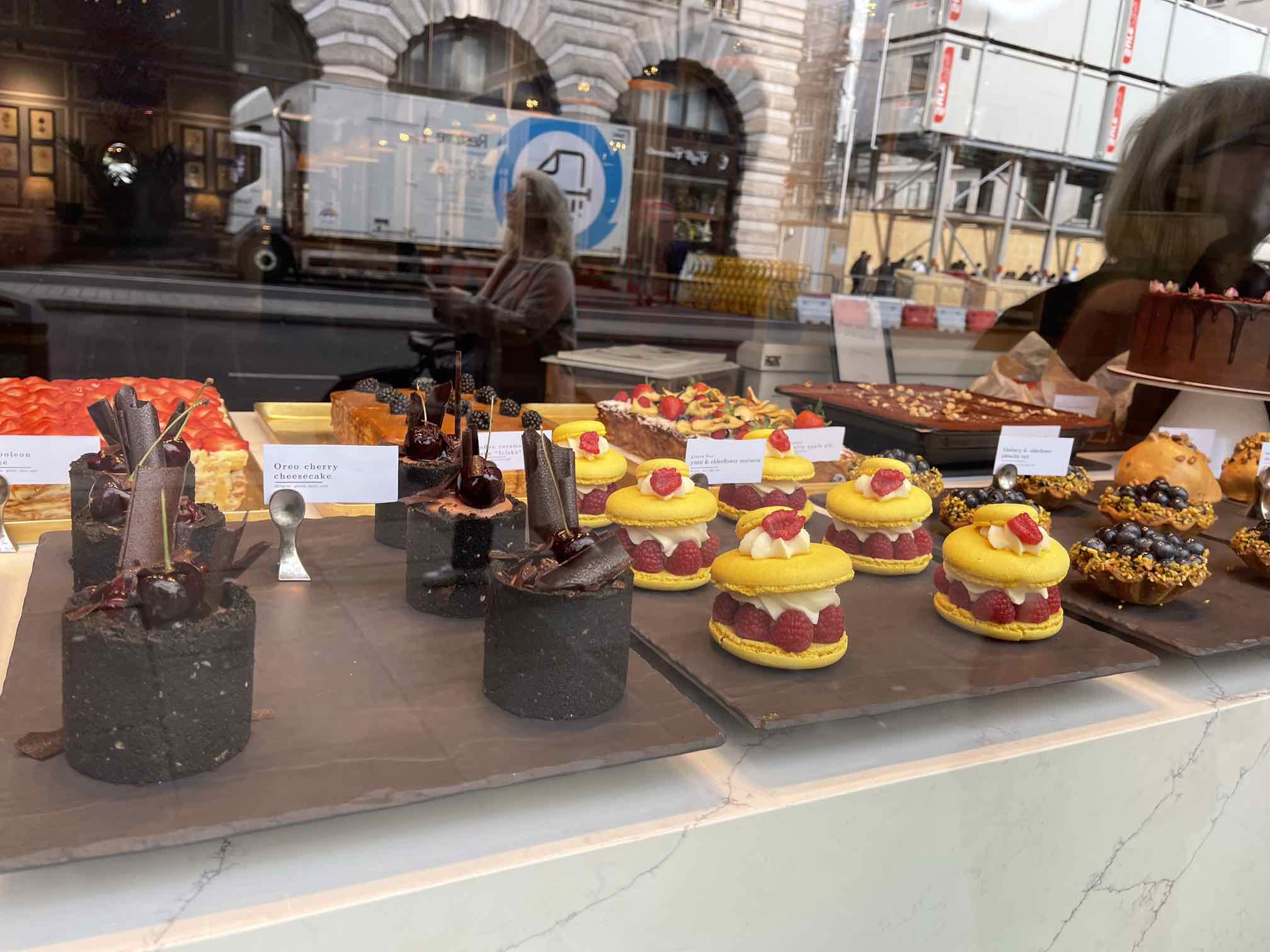
A tea shop offer desserts that seem a level up from what I’m used to.

I walked past a book shop offering gift subscriptions again a service I’ve never heard of but seems wonderful. 

I pause outside another tea shop waiting for it to open, and snack on some gloriously smoky barbecue chicken.

The coming of the hour is marked by an exuberant chiming clock, It’s mechanics celebrating its Victorian design. Appreciating the attention, the clock goes on to play another four bars of a different tune.

More accent delights, clipped tongue, glottal stops, consonant clusters, and many more. 

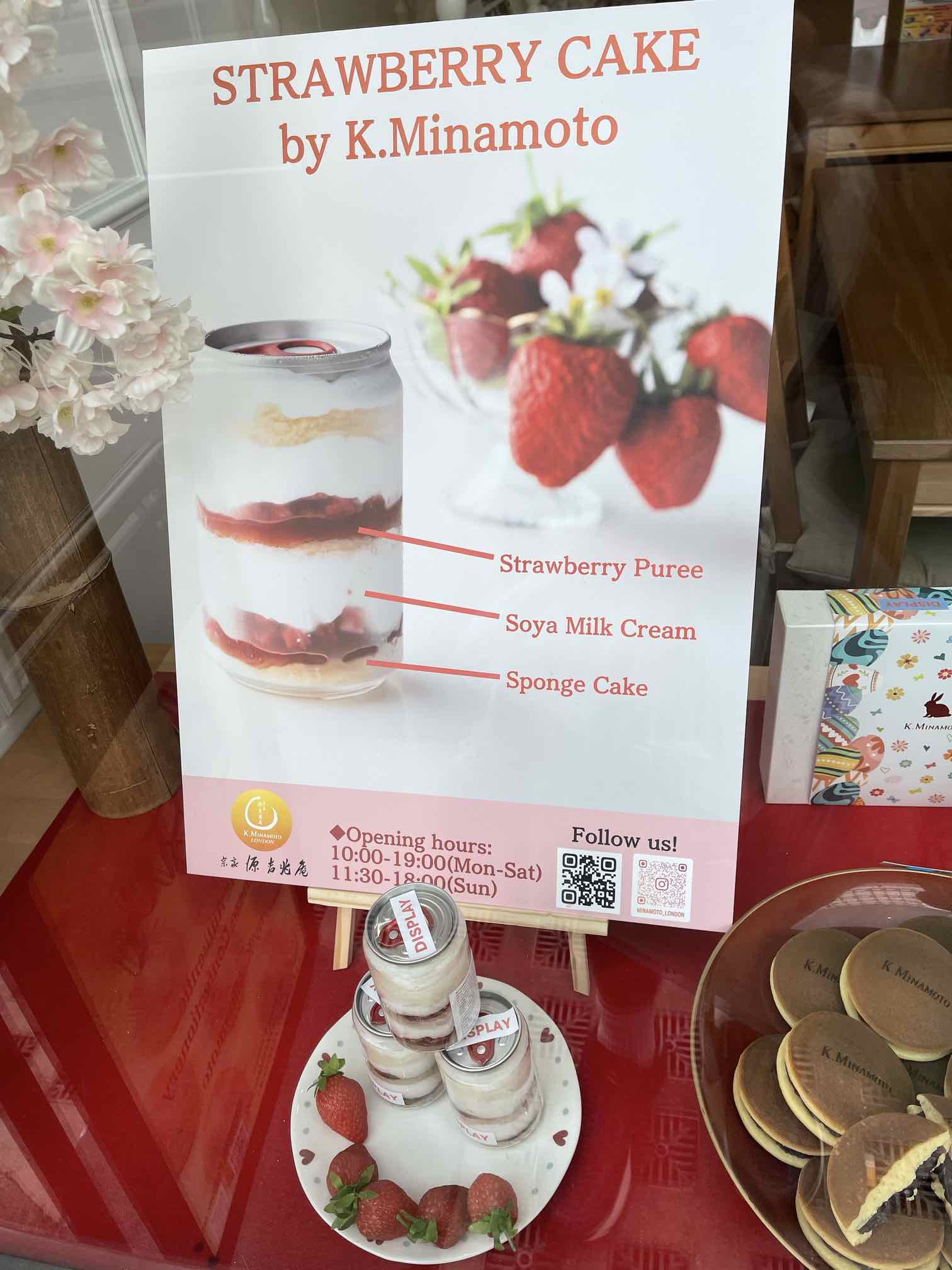
Walking back to the station I find two delights one a Japanese desert place offering a strawberry cream cake.

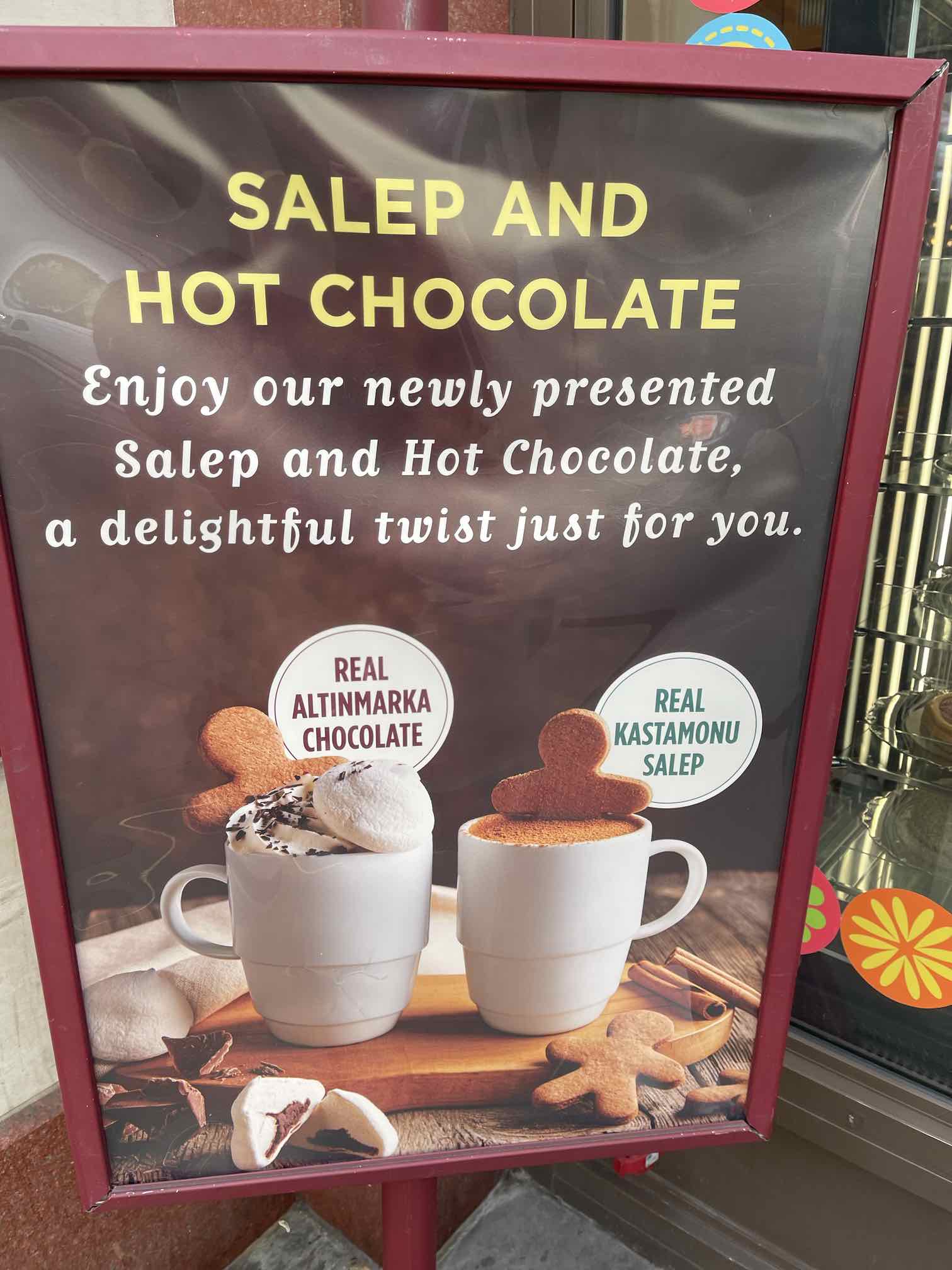
Second I find what appears to be a coffee shop actually offering Turkish Salep (warm drink).

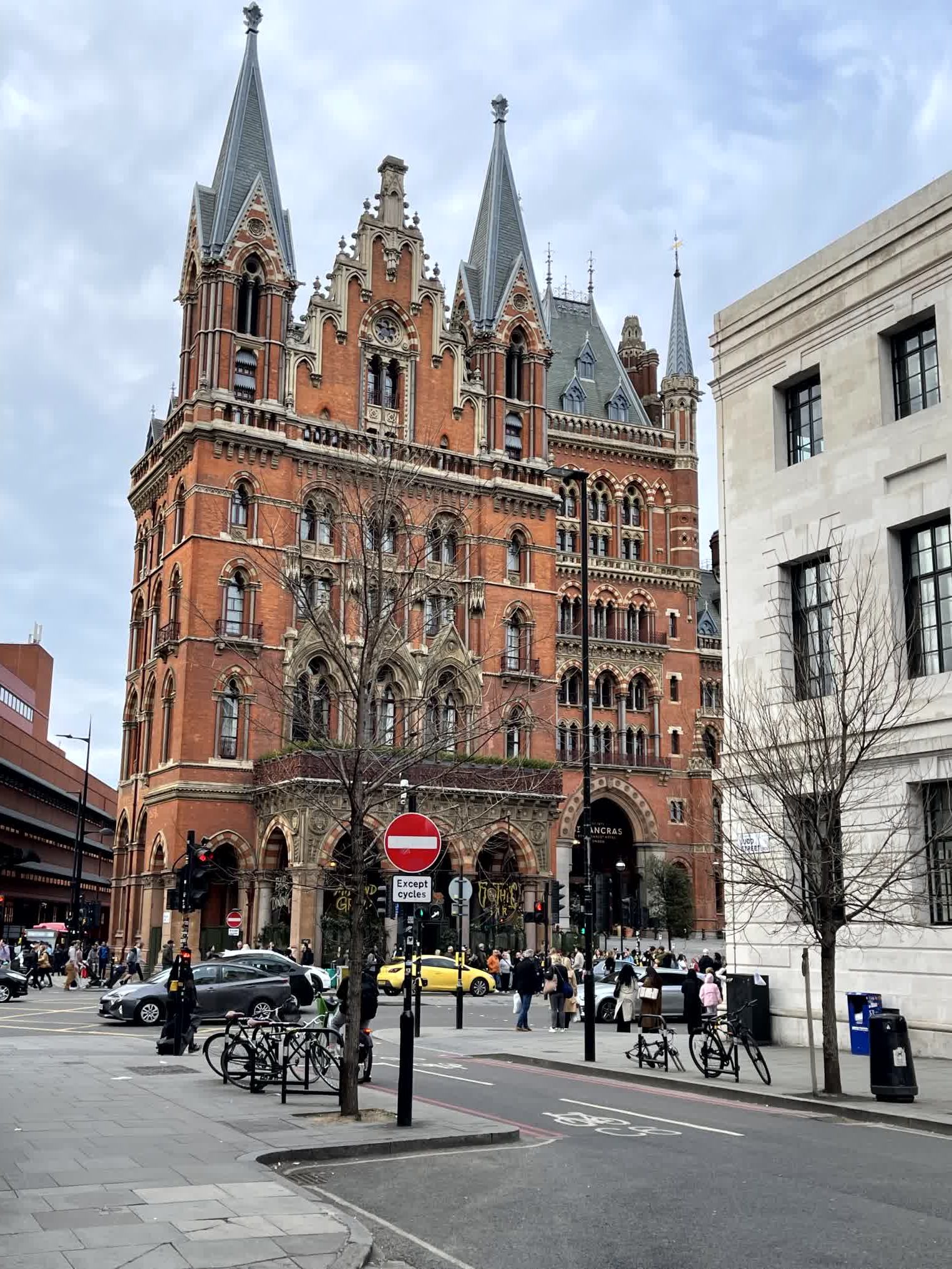
At Kings Cross St Pancras station I see a sign on the escalators that says “please stand to the right.” Mystery partially solved but missing the reasoning. 

Another underground to Kings Cross Station.

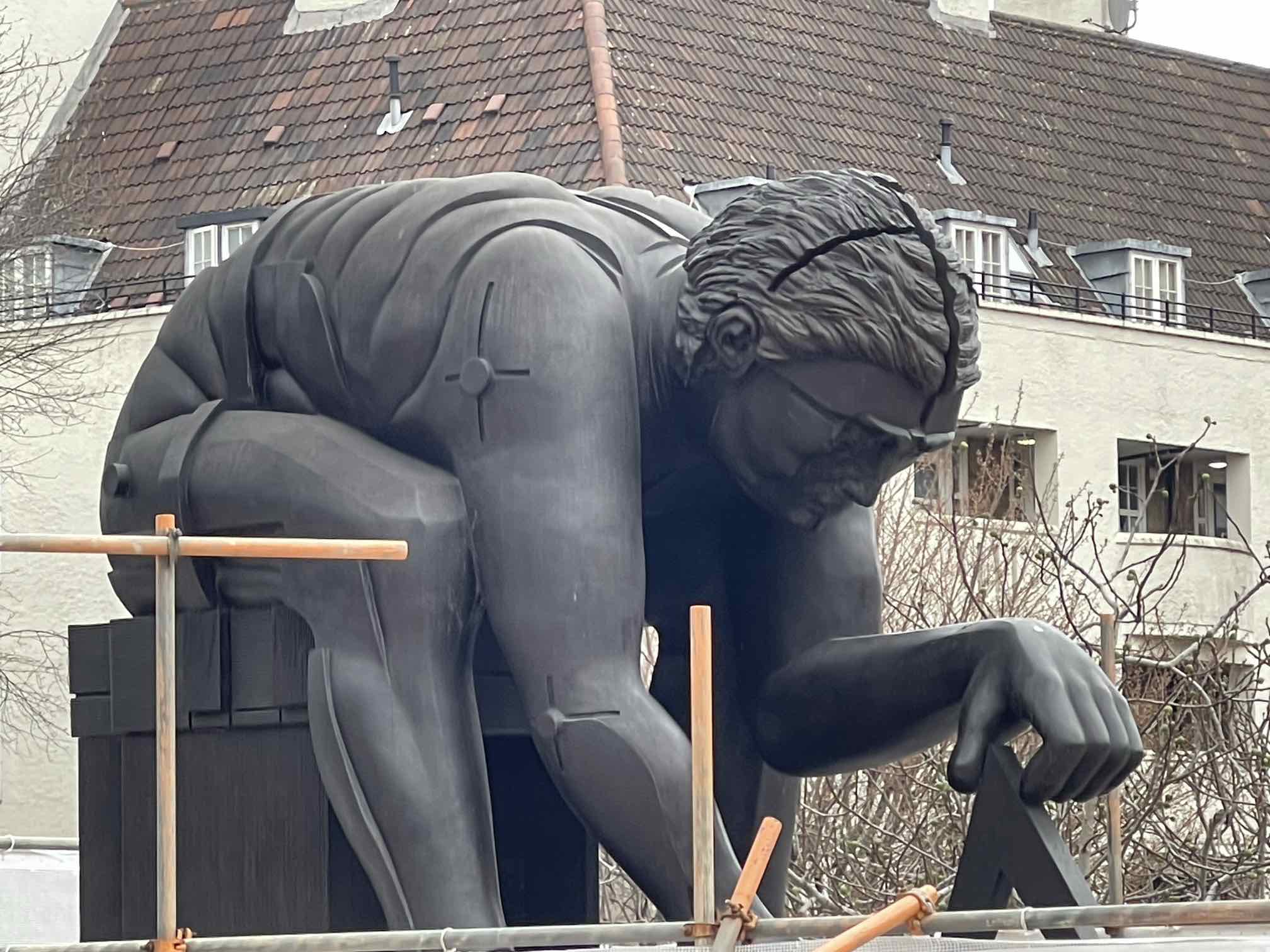
I pause at Euston Road to say hello to the Isaac Newton statue outside the British Library. I have some thoughts about this Newton Statue that I’ll put in another post. (The artistic message of this statue is a punch in the face.)

The train to Crewkerne leaves Waterloo station and pauses at Clapham Junction. That feels familiar. 

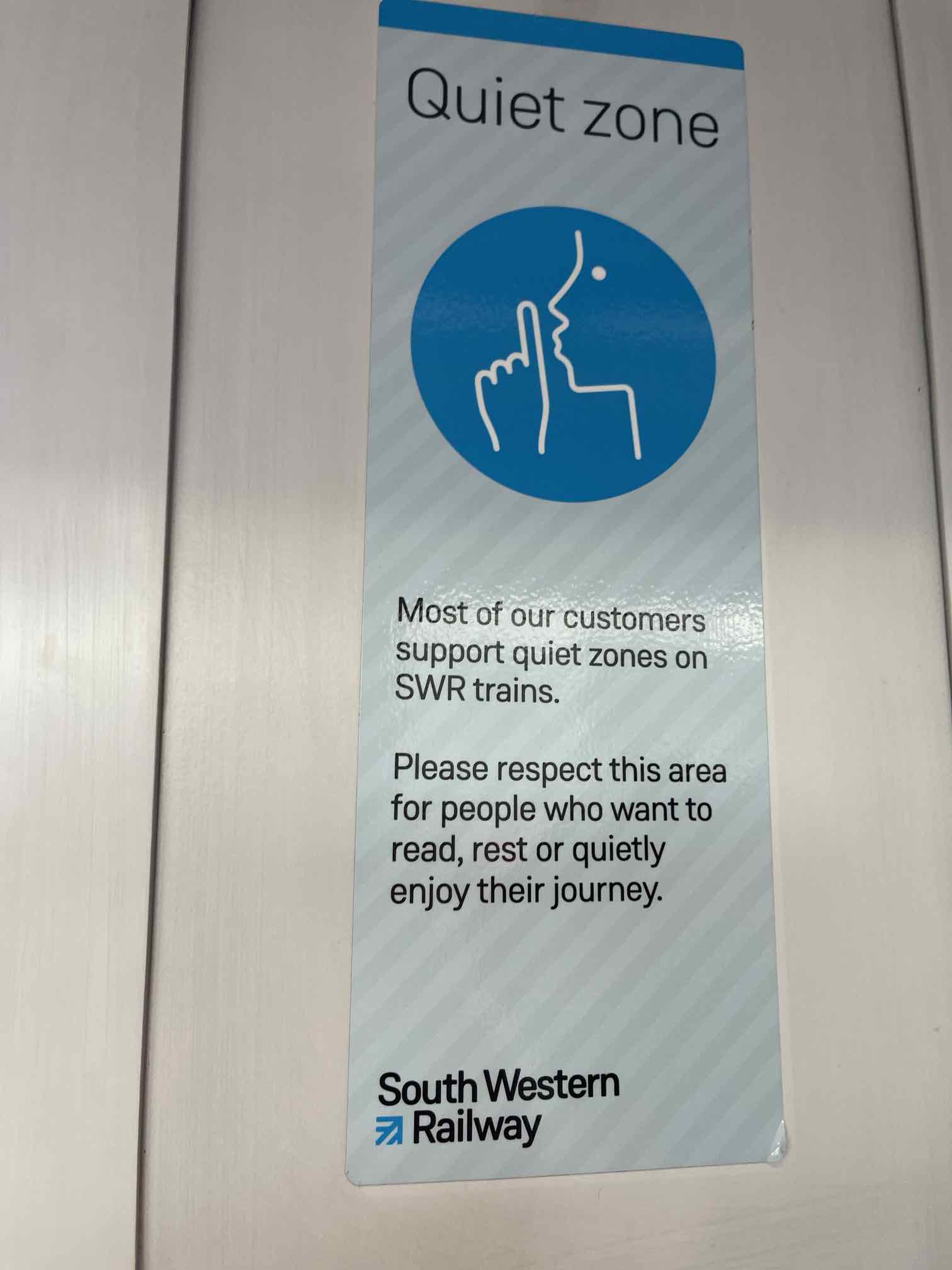
The train signs strongly indicate a preference for quietness, but are ambivalent about eating and subtle on litter. 

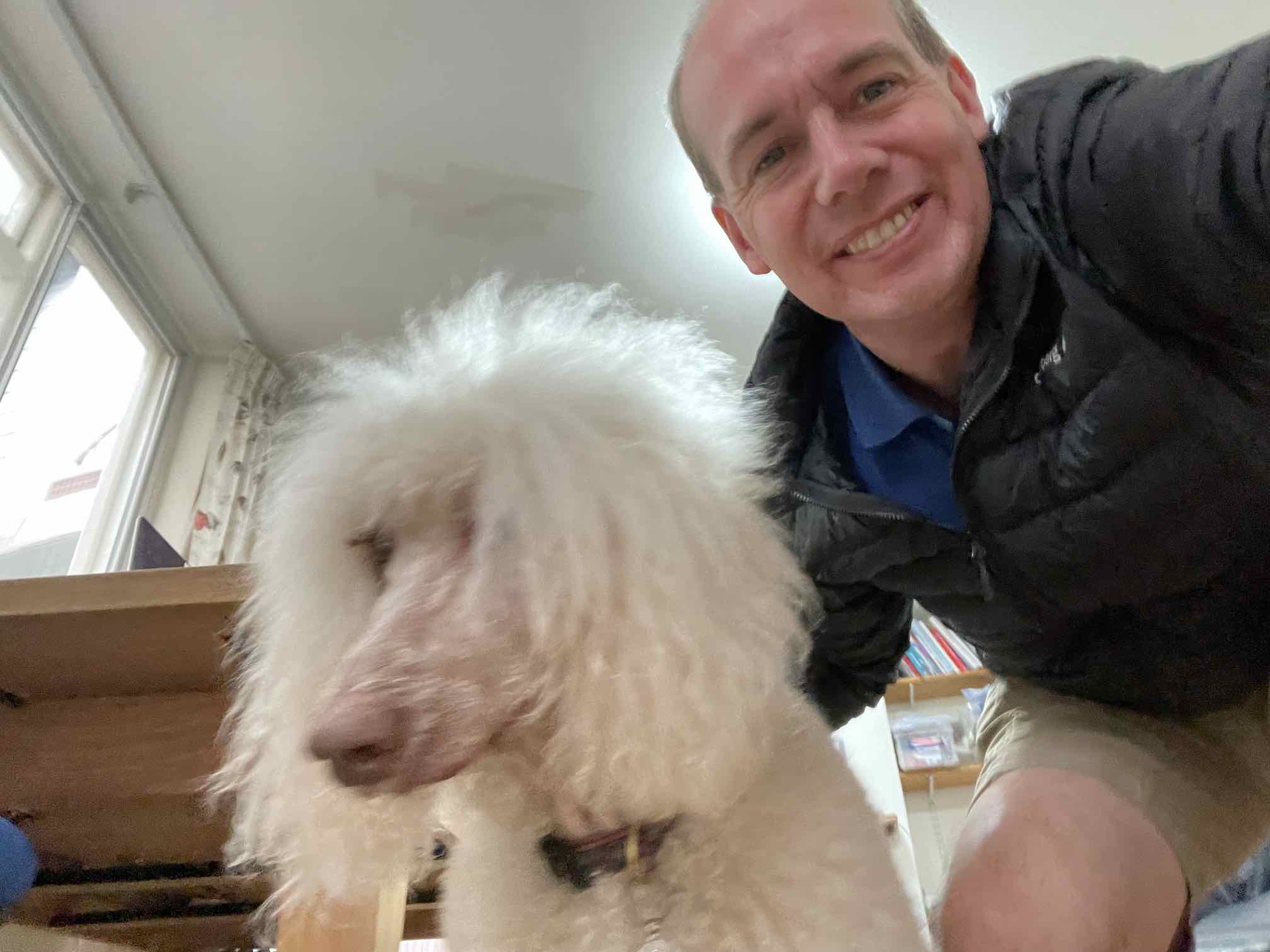
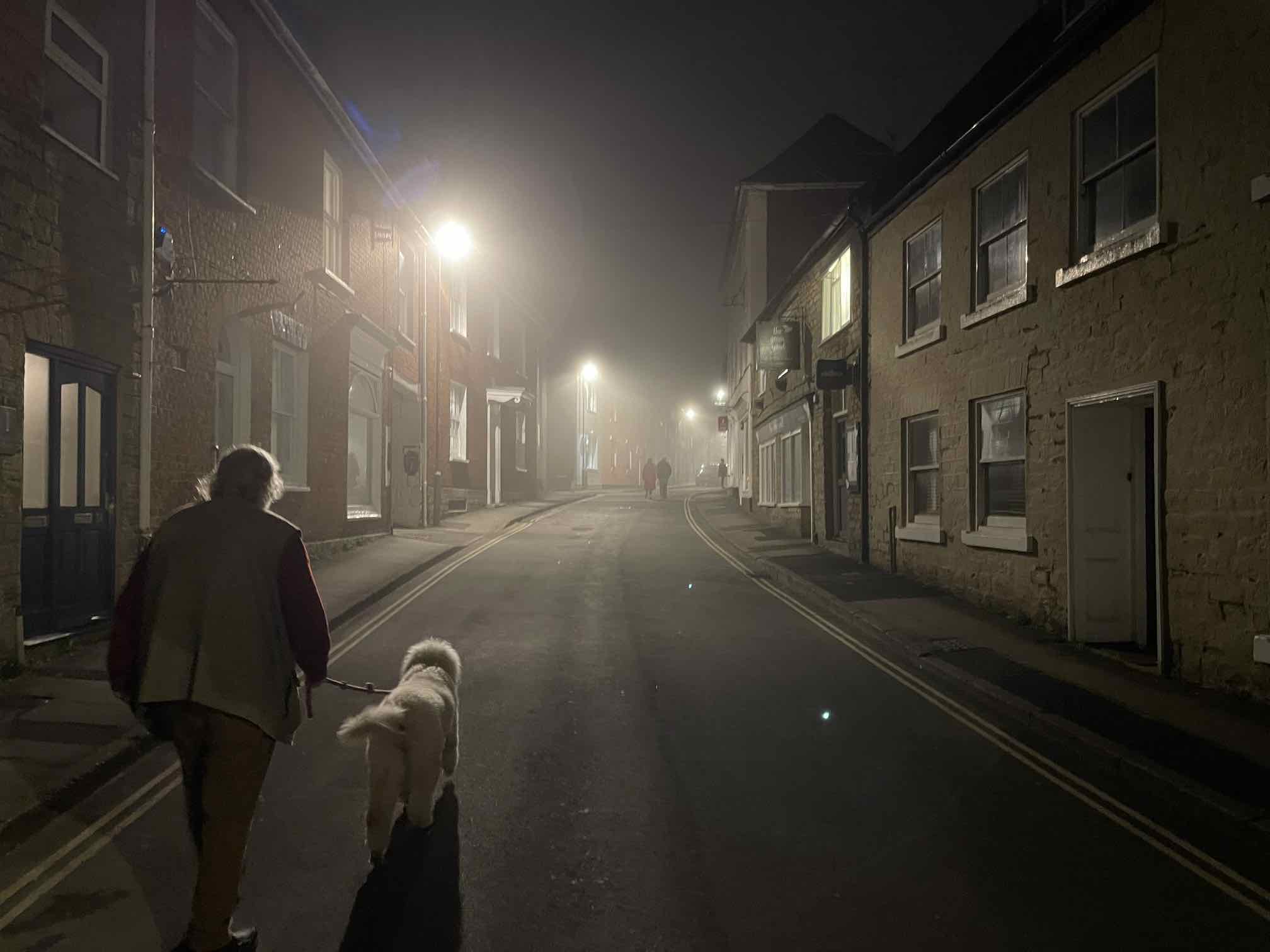
Dad greets us with his dog Trixie. Later we go for a walk around the village, and squirrels dash up trees.

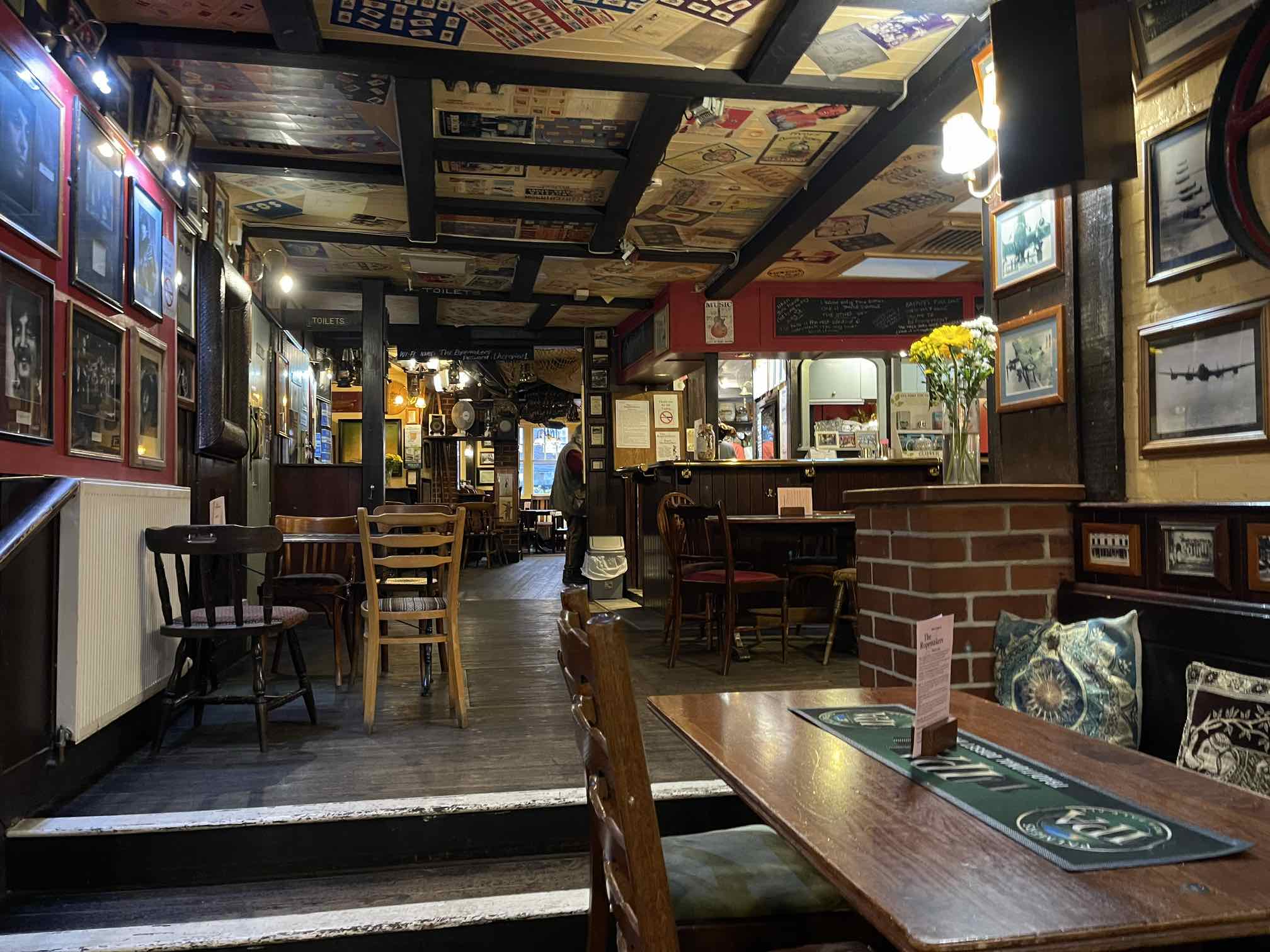
Dinner at The Ropemaker. Dog Friendly Pubs!

Lots of good conversations with Dad.